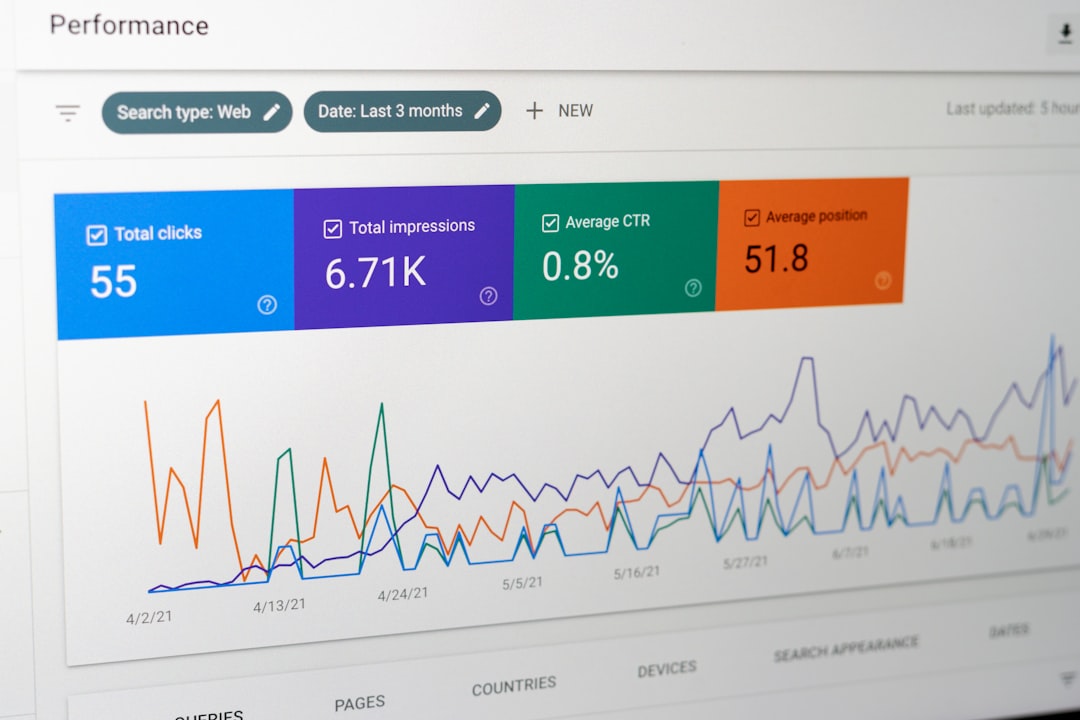
A WordPress SEO strategy is a structured plan for improving a website’s visibility in search engines and attracting relevant organic traffic. Instead of making random SEO changes, a strategy connects technical optimization, content, keywords, internal linking, user experience, and authority building.
Whether you manage a small business website or a larger WordPress site, having a clear process makes SEO easier to manage.
Start With an SEO Audit
Before creating a strategy, determine the website’s current condition.
An audit can identify:
- Indexing problems
- Broken links
- Slow pages
- Missing metadata
- Duplicate content
- Poor internal linking
- Mobile usability issues
- Weak or outdated content
- Technical configuration problems
This creates a starting point and helps prioritize the work.
Define Your SEO Goals

SEO goals should connect to actual business objectives.
A website may want to:
- Increase organic traffic
- Generate more leads
- Improve visibility for important services
- Attract local customers
- Increase online sales
- Build authority in a specific topic
Clear goals make it easier to determine which SEO activities deserve attention first.
Research the Right Keywords
Keyword research helps identify what your audience is searching for.
Do not focus only on high-volume keywords. A lower-volume keyword with strong commercial intent can sometimes be more useful than a broad keyword that attracts unrelated visitors.
Organize keywords into groups based on:
- Topic
- Search intent
- Business relevance
- Competition
- Funnel stage
This makes it easier to assign keywords to the right pages.
Build a Logical Website Structure
A well-organized website helps both visitors and search engines understand the relationship between pages.
For example:
Homepage → Services → Individual Service Pages → Supporting Blog Content
Relevant internal links can connect these sections.
Avoid creating unnecessary pages just because a keyword exists. Every important page should have a clear purpose.
Optimize On-Page Elements

Each important page should be reviewed for its:
- Title
- Main heading
- Subheadings
- Main content
- URL
- Images
- Internal links
- Meta description
- Relevant structured data where appropriate
Optimization should feel natural. Repeating the same keyword excessively can make content difficult to read and does not create a better experience for visitors.
Create Helpful Content
Content is one of the strongest parts of a long-term SEO strategy.
Instead of publishing articles only for search engines, create resources that genuinely help your audience.
A good article should answer the main question clearly, cover relevant subtopics, use examples where helpful, and guide the reader toward the next useful step.
Content should also be reviewed periodically. Older pages may lose relevance as information, products, services, or customer expectations change.
Improve Technical Performance
Technical SEO supports everything else.
Important areas include:
Mobile Experience
The website should work properly across different screen sizes.
Page Speed
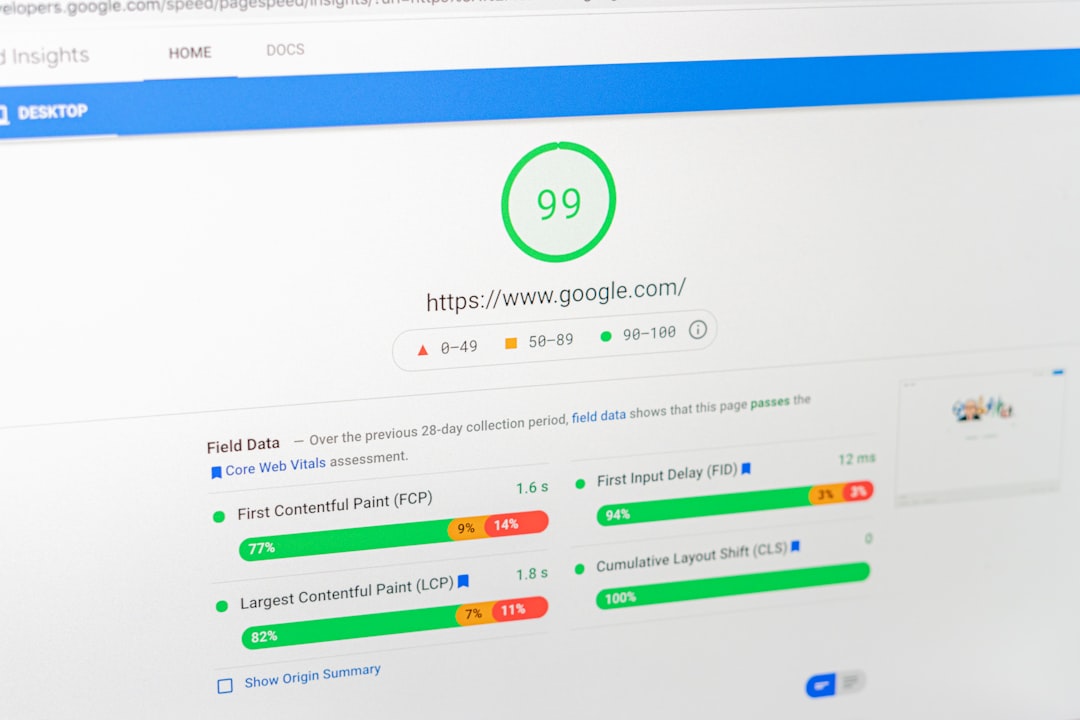
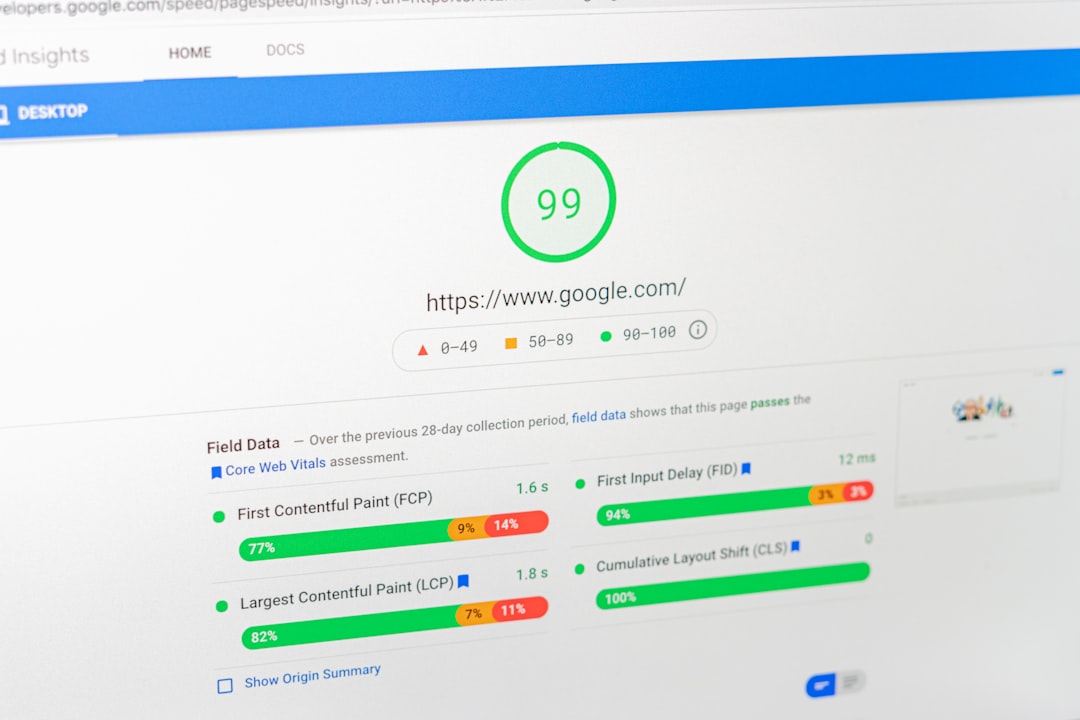
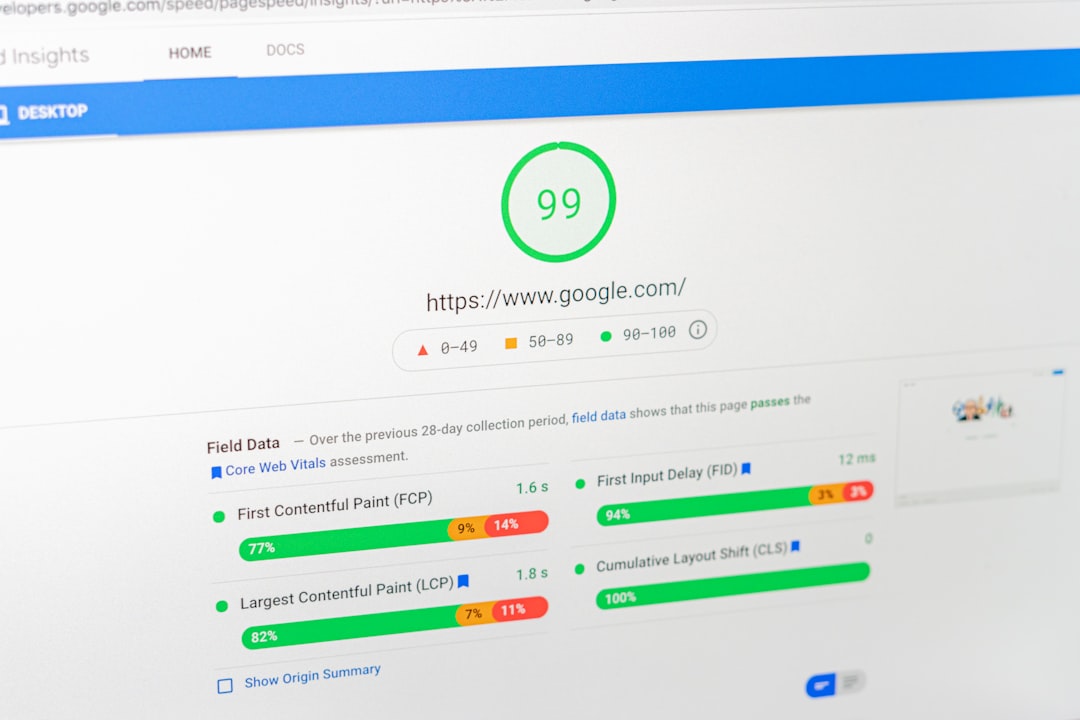
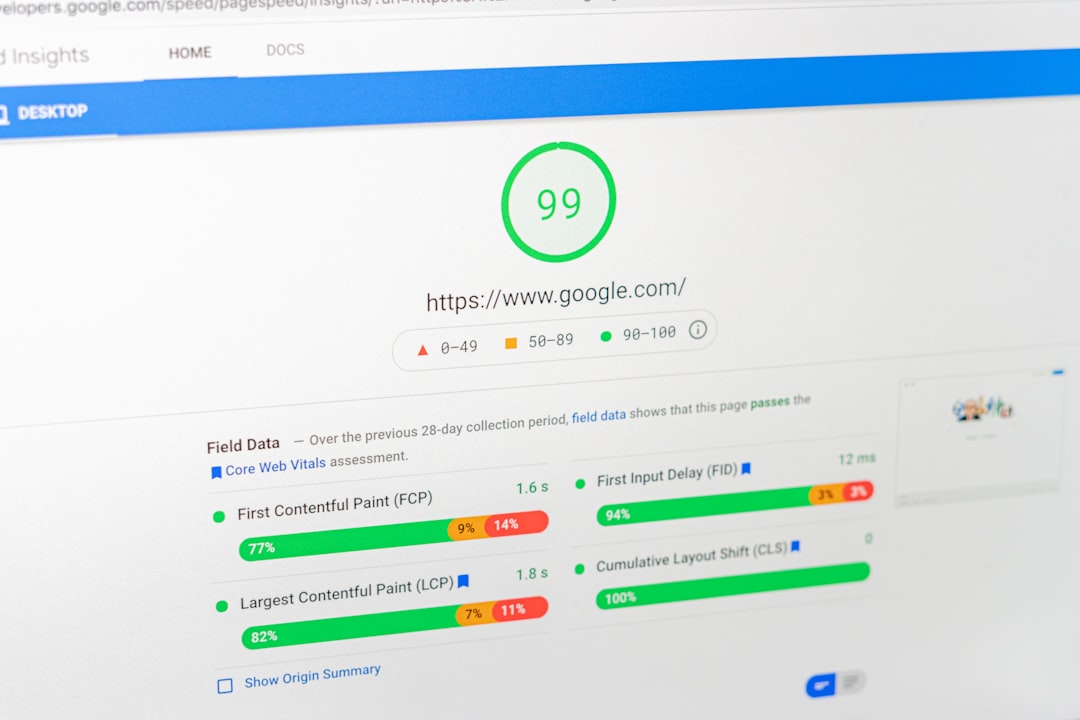
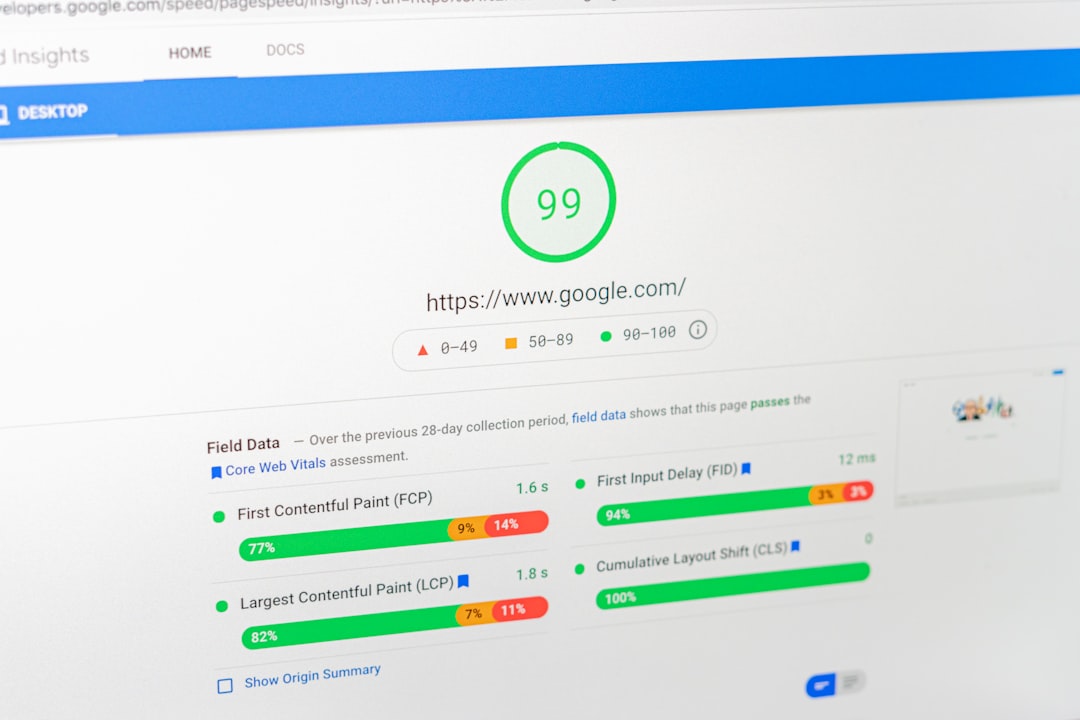
Large images, unnecessary plugins, excessive scripts, and poor hosting configuration can affect performance.
Indexing
Important pages need to be accessible to search engines, while pages that should not appear in search should be handled appropriately.
Security
HTTPS is essential for a modern website and protects communication between users and the site.
Build Website Authority
External signals can support a site’s SEO strategy.
A business can work toward earning relevant links and mentions through useful resources, industry relationships, digital PR, original research, and genuinely valuable content.
The focus should be on relevance and quality rather than collecting as many links as possible.
Measure and Improve
A strategy should never end after the first optimization round.
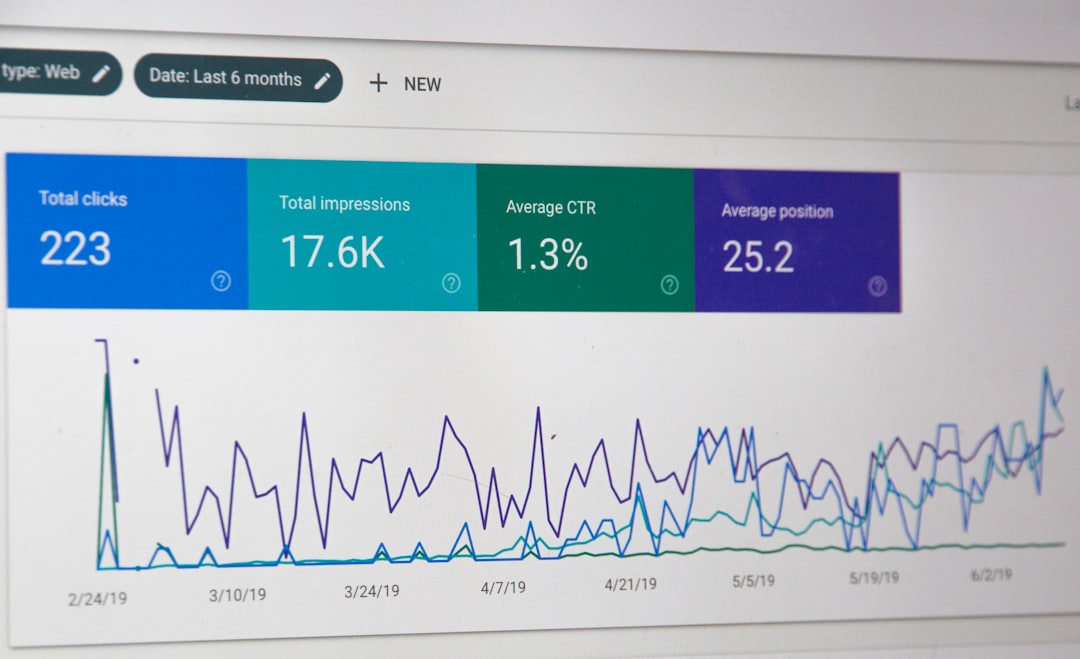
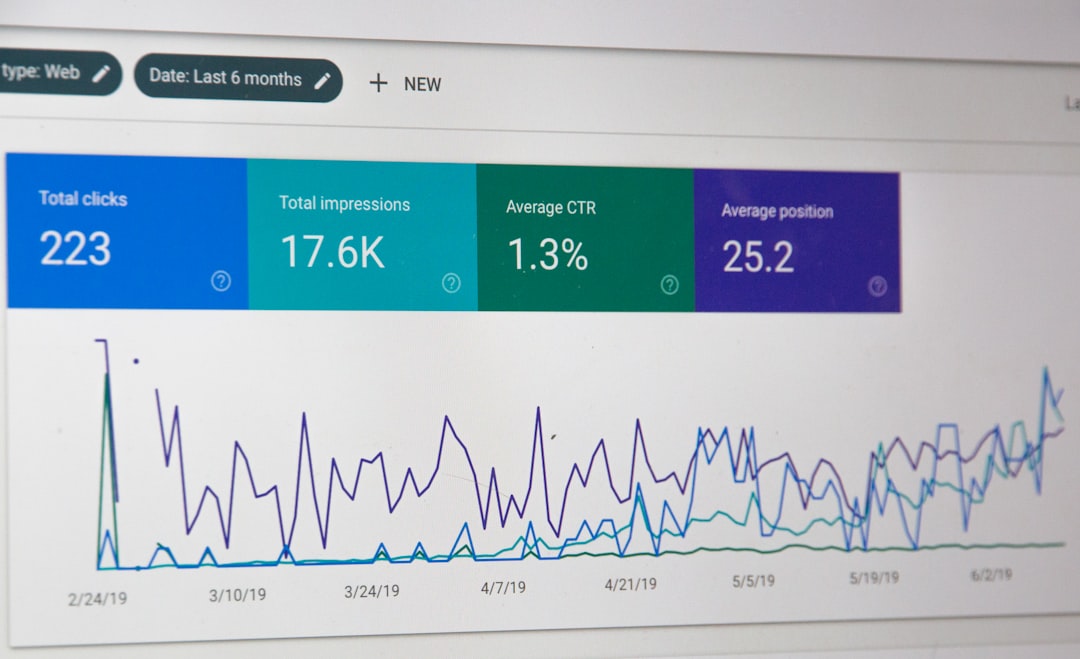
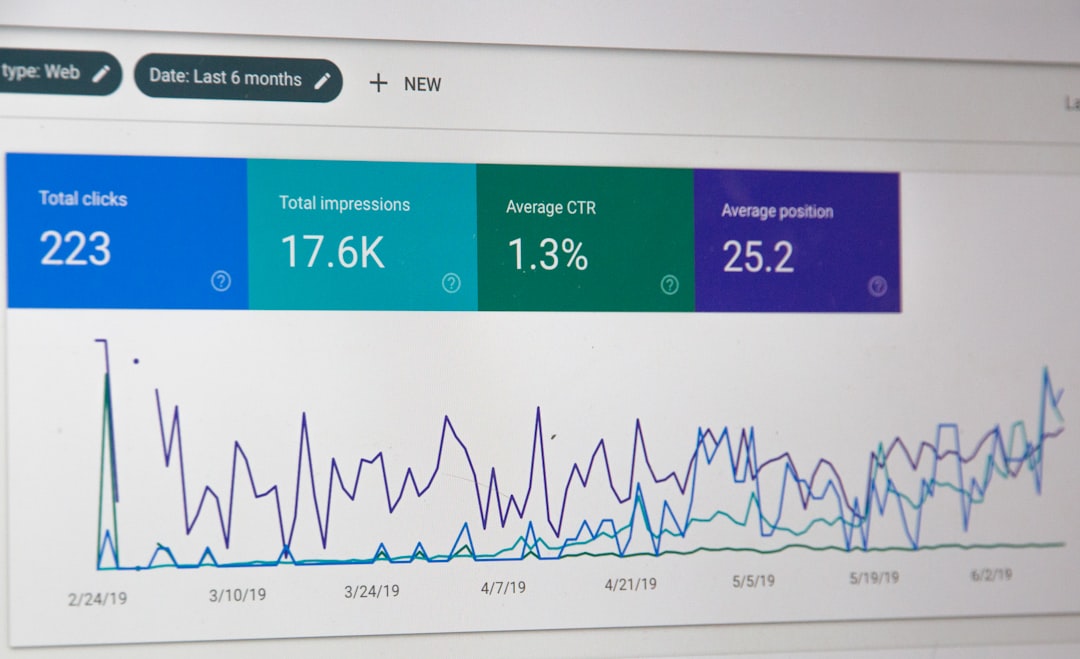
Review performance regularly using data such as:
| Metric | What It Helps You Understand |
|---|---|
| Organic Traffic | How many visitors arrive through search |
| Impressions | How often pages appear in search |
| CTR | How often users click search results |
| Rankings | Visibility for target queries |
| Leads | Whether traffic creates business opportunities |
| Conversions | Whether visitors complete important actions |
These metrics help determine what should be improved next.
When to Work With a WordPress SEO Company
Managing SEO can become difficult when a website has many pages, technical issues, competitive keywords, or limited internal resources.
A WordPress SEO company can help create an organized workflow covering audits, keyword research, on-page optimization, technical SEO, content, link building, and reporting.
The most sustainable strategy is not based on shortcuts. It is based on understanding the audience, building a technically sound website, publishing useful content, and continuously improving based on evidence.
With that approach, WordPress SEO becomes an ongoing business process rather than a one-time task.