
Understanding how a WordPress SEO company works can help business owners make better decisions about their website’s search strategy. SEO is not one single task. It combines technical improvements, content, keywords, user experience, internal links, authority building, and performance tracking.
Mastering this process starts with understanding the fundamentals and then applying them consistently.
Understand the SEO Foundation
Before making changes, understand what search engines need from a website.
A strong WordPress website should be:
- Easy to crawl
- Easy to understand
- Mobile-friendly
- Fast and accessible
- Well organized
- Useful to visitors
- Relevant to search intent
An SEO company typically begins by reviewing the existing website rather than immediately changing everything.
An initial audit can reveal technical problems, weak content, poor page structure, missing metadata, indexing issues, and opportunities for improvement.
Master Keyword Research

Keywords are important, but using them correctly matters more than simply using them frequently.
Start by identifying the topics potential customers search for. Then group keywords according to search intent.
For example:
Informational: “how does WordPress SEO work?”
Commercial: “best WordPress SEO services”
Transactional: “hire WordPress SEO company”
This distinction helps determine whether a keyword belongs on a blog article, service page, landing page, or another type of content.
Learn On-Page SEO
On-page SEO involves improving elements that exist directly on your website.
Important areas include:
Title Tags
A title should clearly communicate what the page is about and encourage relevant users to click.
Headings
Use headings to organize information logically. Avoid creating headings simply to insert keywords.
Content
Content should be original, useful, readable, and aligned with what the searcher wants to find.
Images
Relevant images can improve presentation, but they should also be properly sized and given descriptive alt text when appropriate.
Internal Links
Link related pages together naturally. This helps users discover more information and gives search engines additional context about your website.
Develop Technical SEO Skills
Technical SEO is another major part of mastering WordPress SEO.
Common areas include:
- Crawling
- Indexing
- XML sitemaps
- Canonical URLs
- Redirects
- Broken links
- Mobile performance
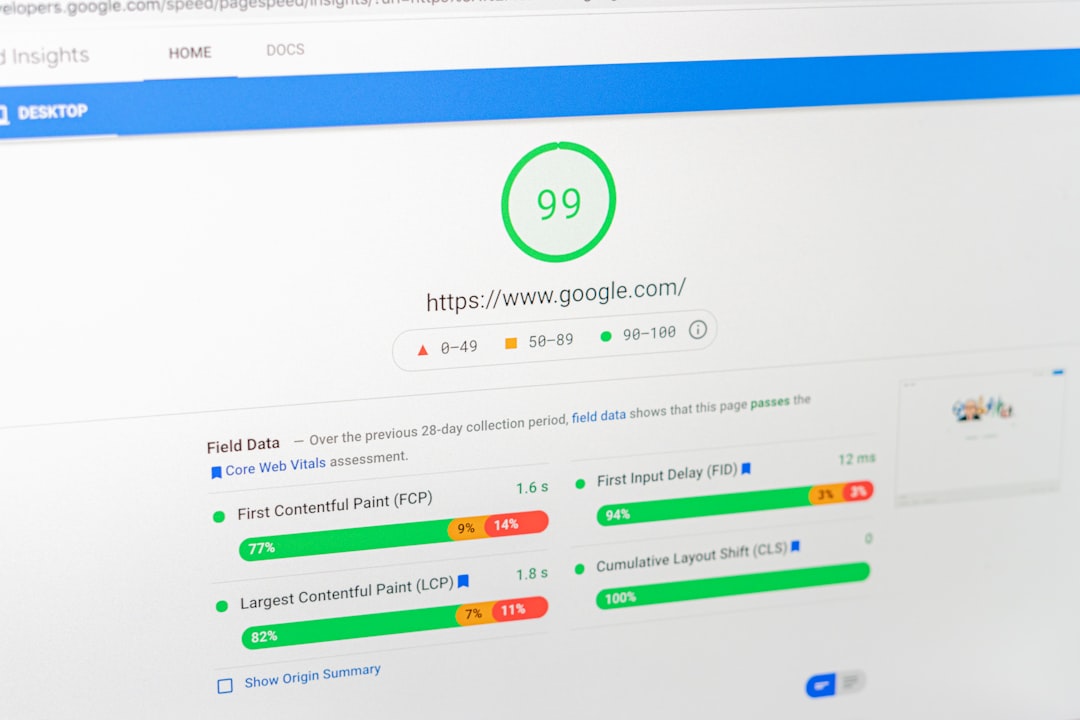
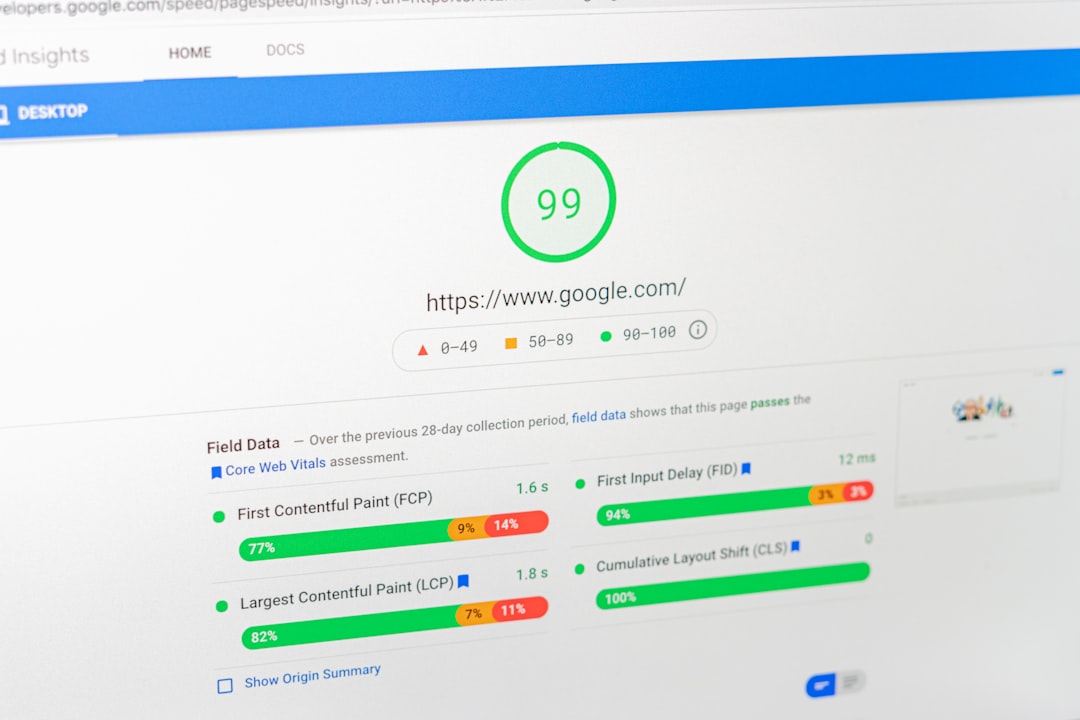
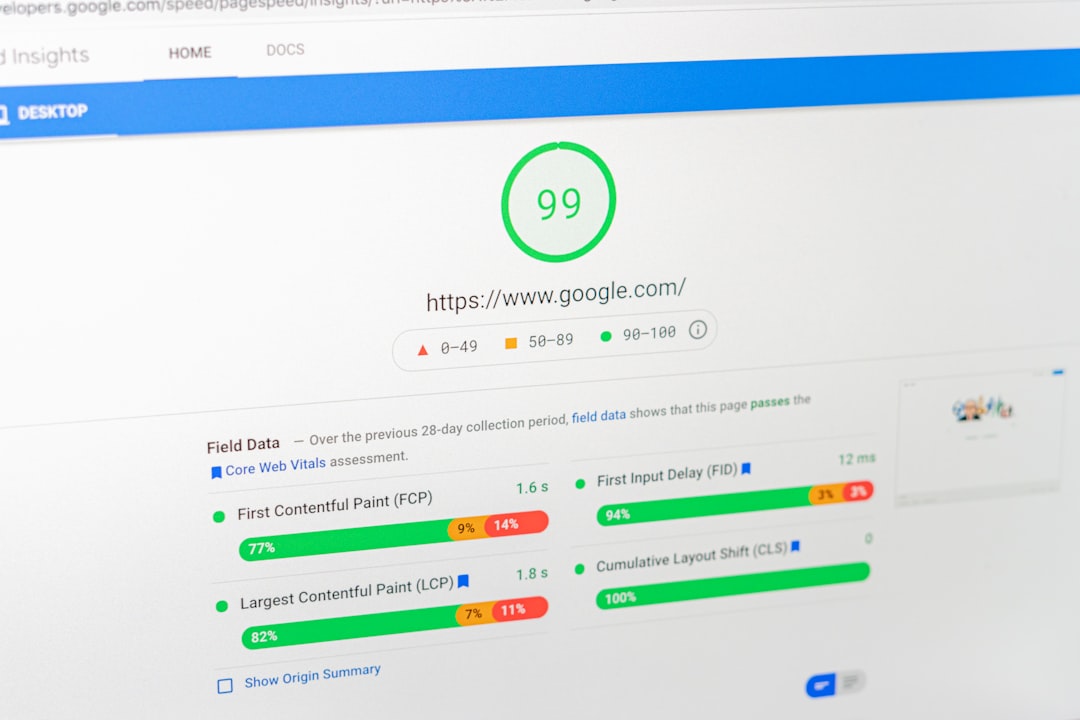
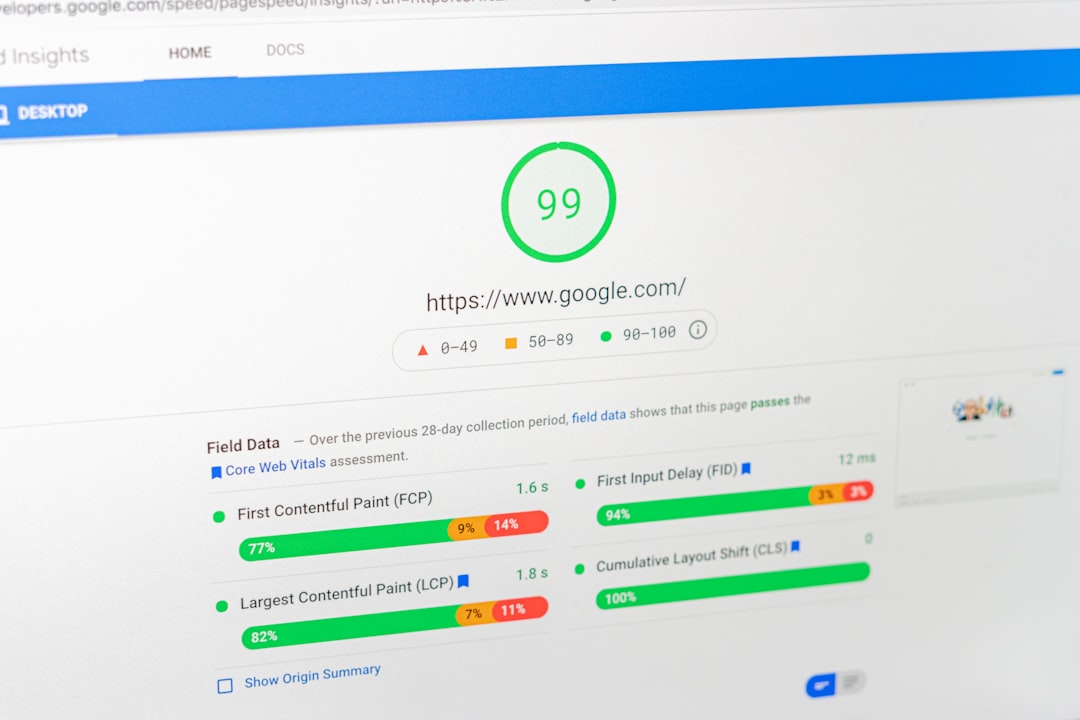
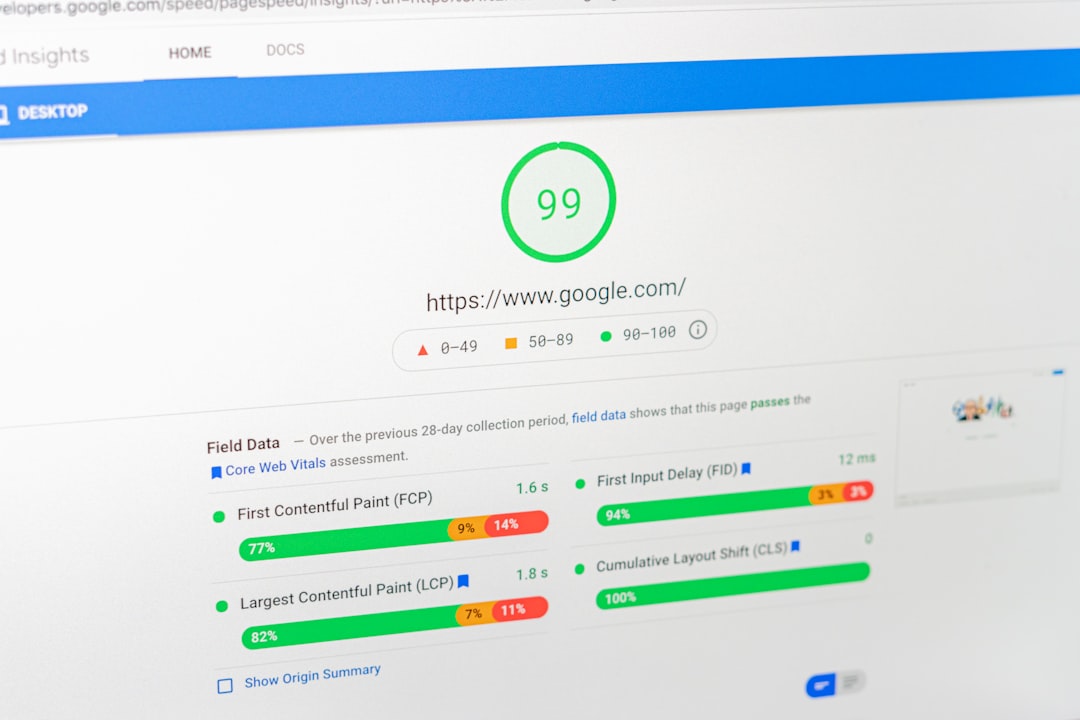
- Page speed
- Structured data
- HTTPS
WordPress plugins can simplify some SEO tasks, but they do not replace proper strategy. Installing multiple SEO plugins or changing settings without understanding them can create unnecessary problems.
Build a Strong Content Strategy

A professional WordPress SEO company does not treat content as an afterthought.
Start with the audience. What problems do customers have? What questions do they ask? What information do they need before contacting the business?
Then build content around those needs.
A useful content plan can include:
- Service pages
- Location pages where relevant
- Educational blog posts
- Guides and tutorials
- Comparison content
- Supporting articles
Each piece should have a clear purpose.
Understand Off-Page SEO
Off-page SEO focuses on signals outside the website.
Relevant backlinks can help strengthen a site’s authority, but quality and relevance matter. A large number of low-quality or unrelated links is not a substitute for a genuine authority-building strategy.
Potential activities include digital PR, relevant guest contributions, industry mentions, partnerships, and link-worthy resources.
Track What Actually Works
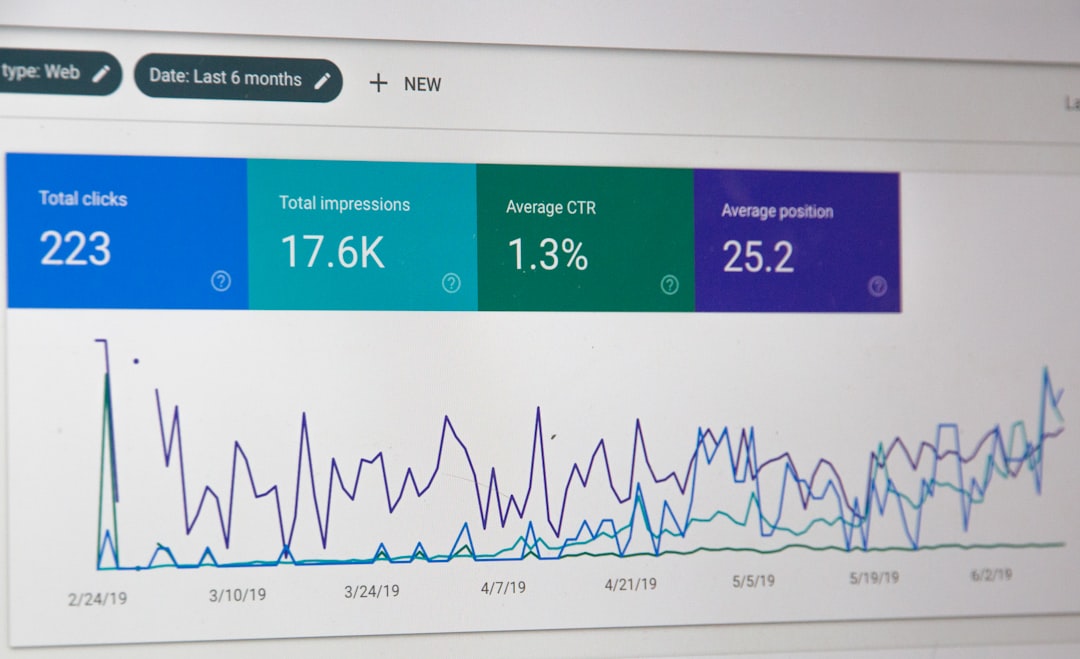
SEO becomes much easier to improve when performance is measured consistently.
Track changes in:
- Organic traffic
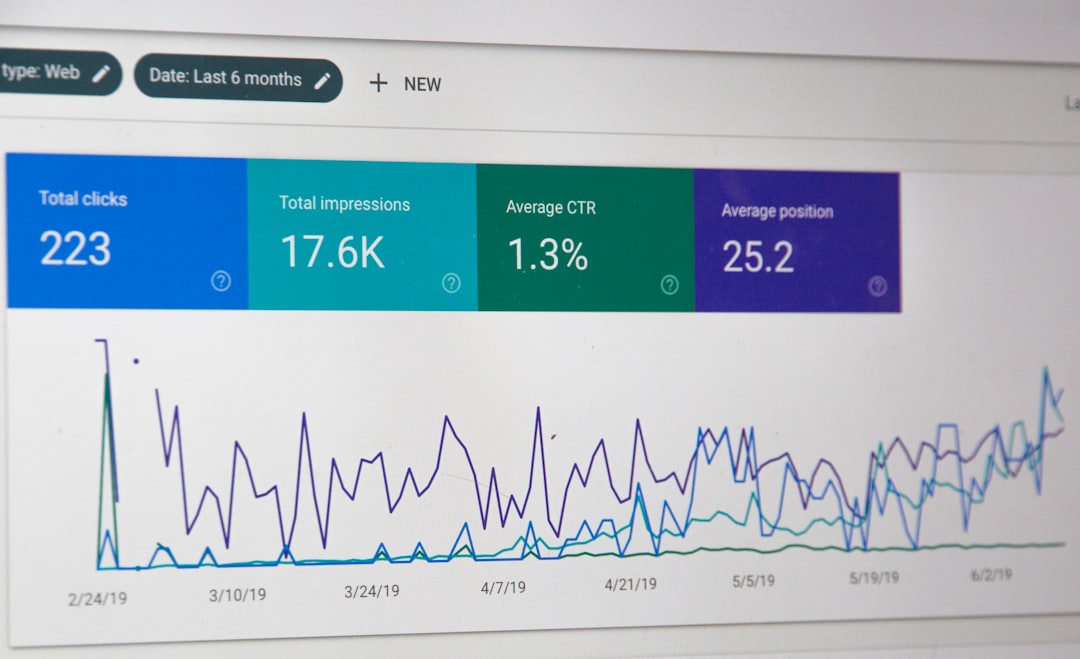
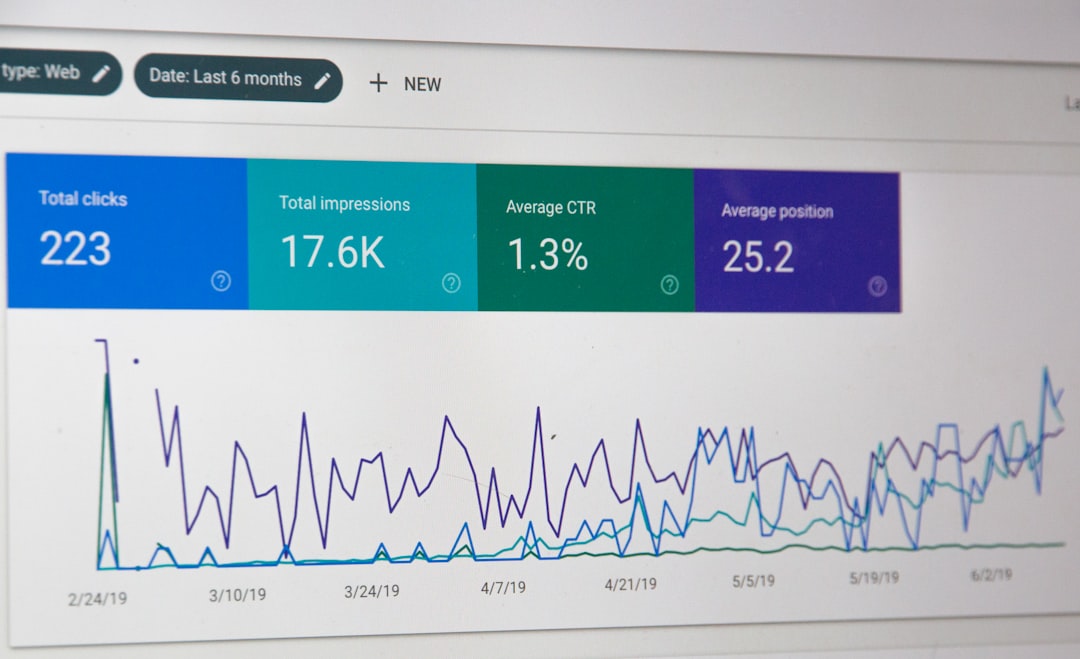
- Search impressions
- Click-through rates
- Keyword visibility
- Leads
- Conversions
- Top-performing pages
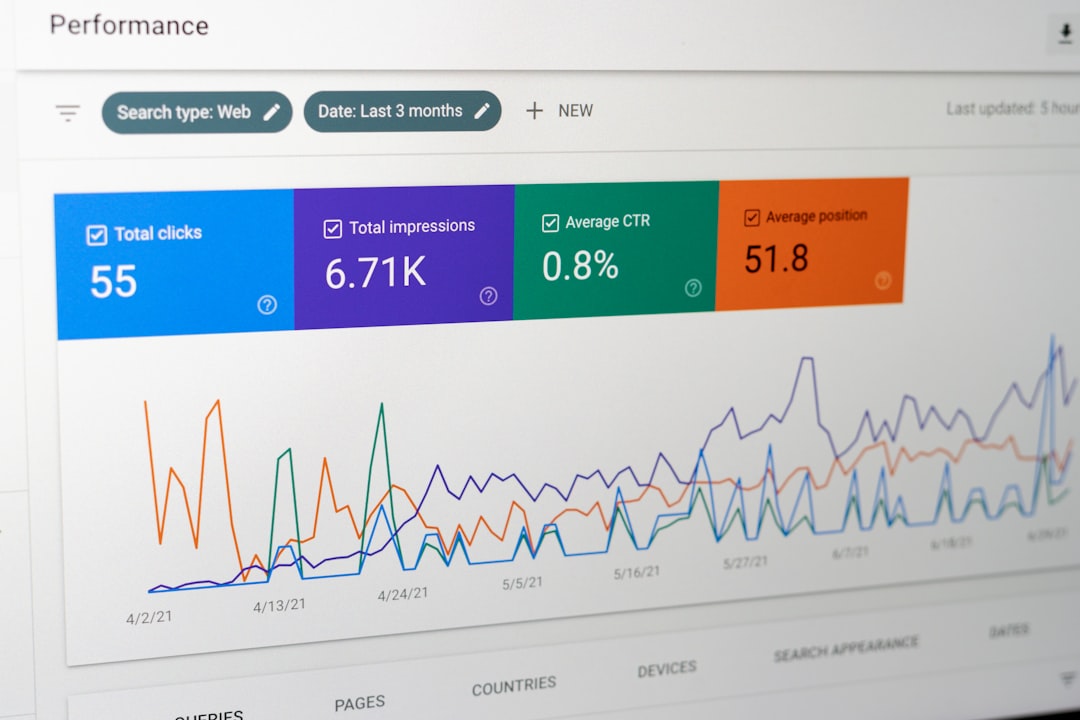
If a page receives impressions but very few clicks, its title or search appearance may need improvement. If a page gets traffic but produces no meaningful actions, the content or conversion path may need attention.
Keep Learning and Testing
SEO changes over time. Search behavior, competition, website technology, and search engine systems continue to evolve.
Mastering WordPress SEO therefore means developing a process of continuous learning:
Audit → Research → Optimize → Publish → Measure → Improve
This cycle is more valuable than trying to find one permanent SEO trick.
For businesses that lack the time or technical resources to manage this process, working with a WordPress SEO company can provide structured support. The focus should remain on improving visibility, attracting relevant visitors, and turning organic search traffic into real business opportunities.