
Growing organic traffic takes time, but a focused WordPress website SEO strategy can help you avoid wasting effort on changes that provide little value. Faster SEO progress usually comes from prioritizing important pages, fixing significant problems, and consistently improving useful content.
Here are practical ways to create a more efficient SEO process.
Start With Your Highest-Value Pages
Do not try to optimize every URL at the same time.
Begin with pages that directly support your goals, such as:
- Main service pages
- Important product pages
- High-traffic articles
- Location pages
- Key landing pages
Improving these pages first gives your SEO work a clear business focus.
Find Existing Opportunities
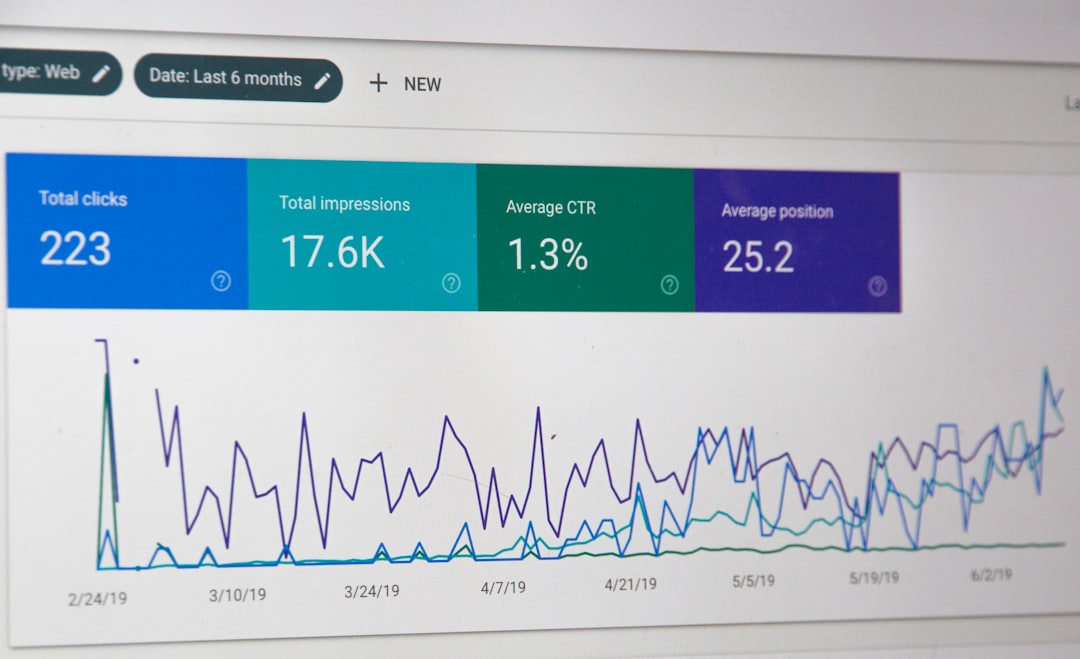
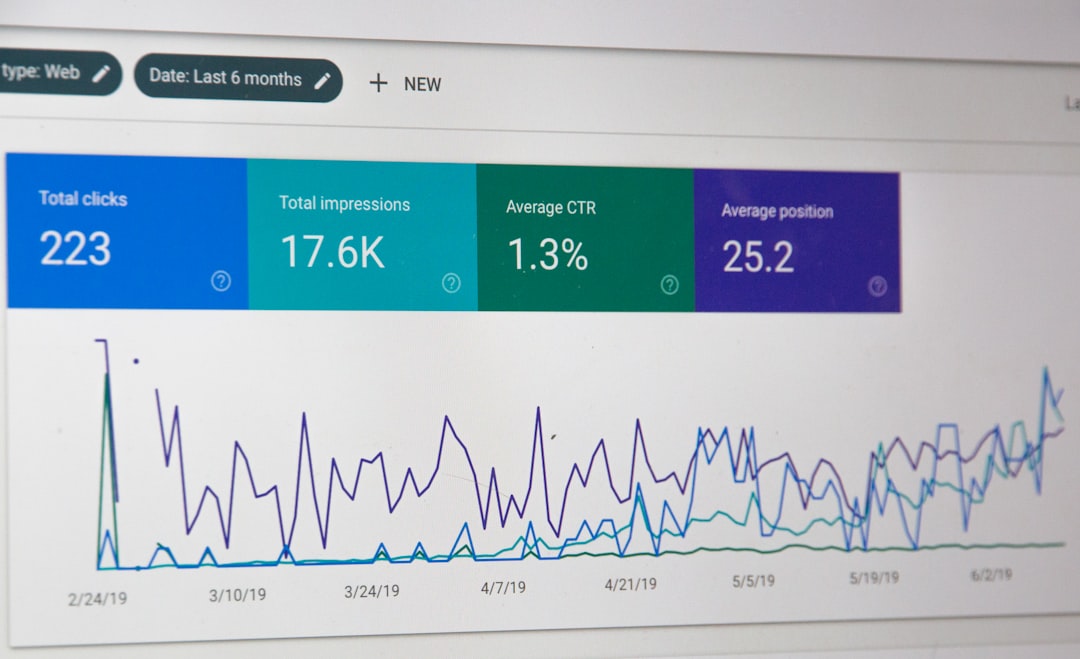
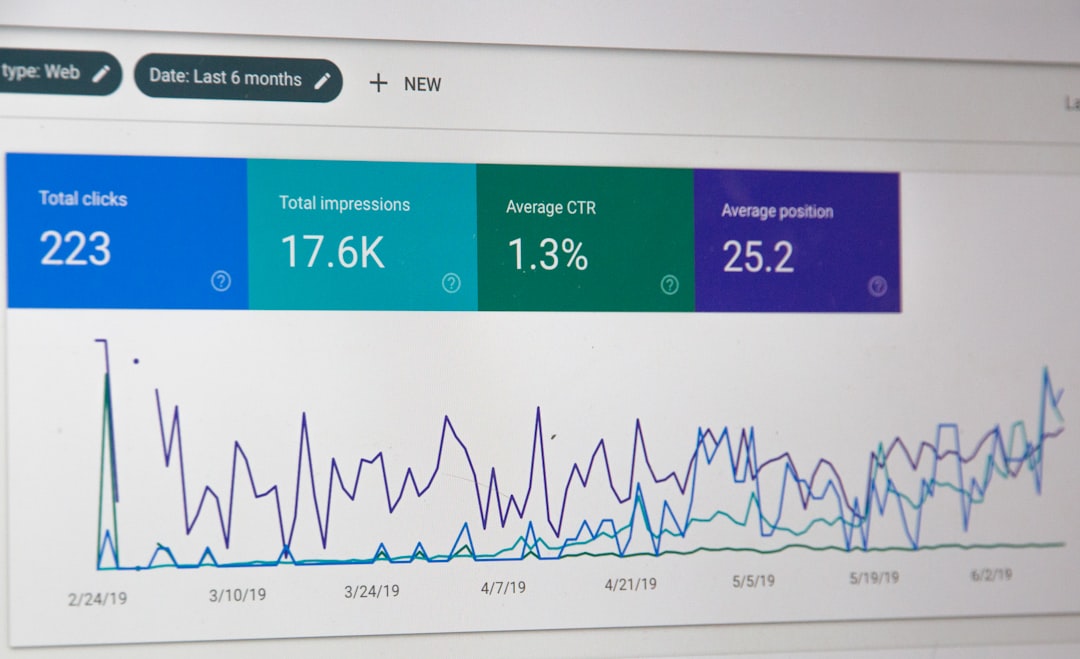
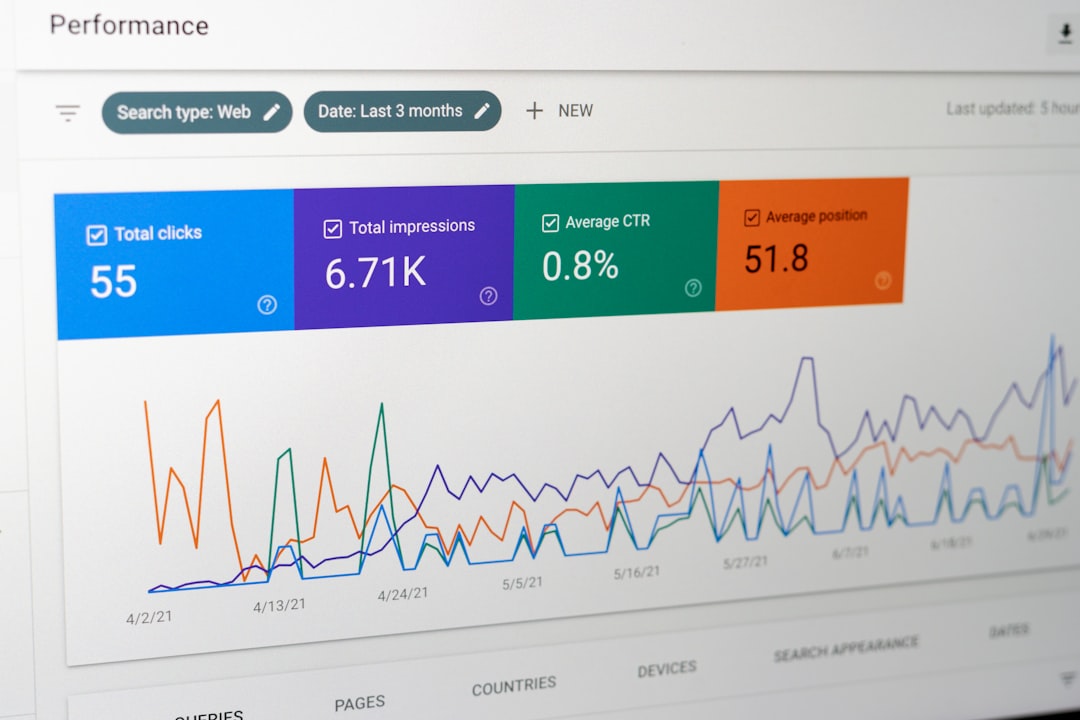
Use Google Search Console to identify pages that already receive impressions or clicks.
Pages ranking for relevant searches but not yet performing strongly can provide useful optimization opportunities.
Review their content, titles, headings, internal links, and search intent before making changes.
Improve Content Instead of Adding Filler
Adding more words does not automatically improve SEO.
Instead, identify what the visitor needs and provide useful information that is missing.
Add:
- Practical examples
- Clear explanations
- Relevant data
- Helpful steps
- Important details
- Updated information
Remove repetition and unnecessary filler at the same time.
Build Topic-Based Content
Create supporting content around your main services or subjects.
For example, a WordPress SEO business might develop content covering:
- On-page SEO
- Technical SEO
- Keyword research
- Website audits
- Local SEO
- Website speed
- Internal linking
Connect related articles and commercial pages with natural internal links.
Strengthen Internal Linking
Internal links are relatively easy to implement and can improve website navigation.
When publishing a new article, look for relevant older pages to link to. Then review older articles and add links to useful newer resources where appropriate.
This keeps the website’s content connected as it grows.
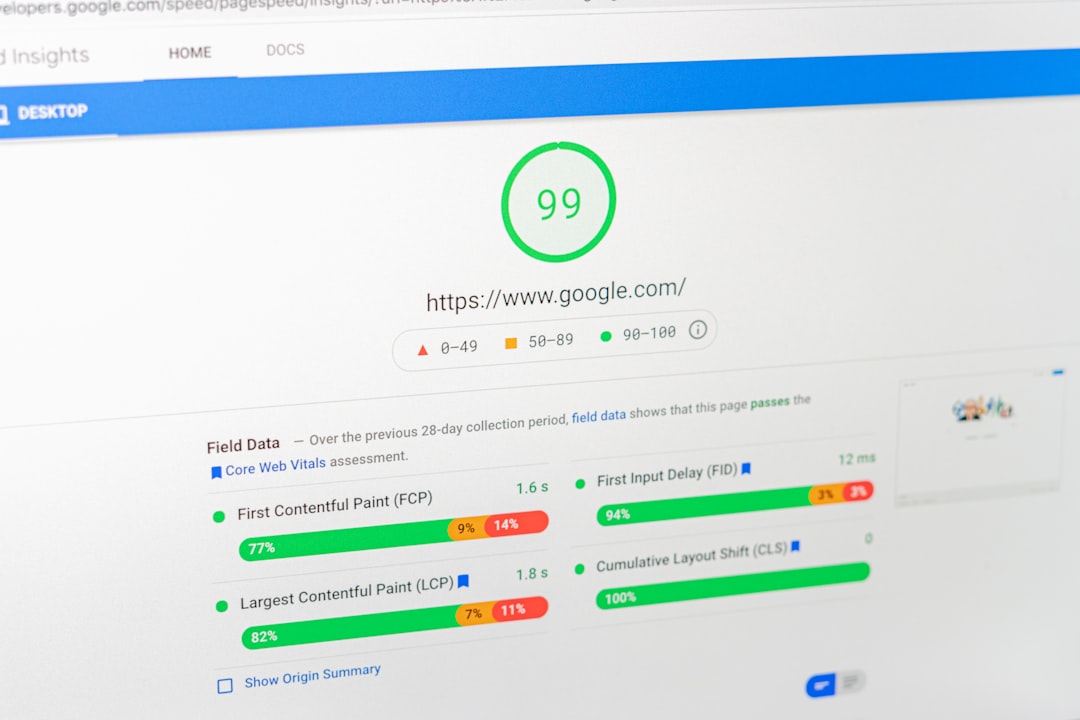
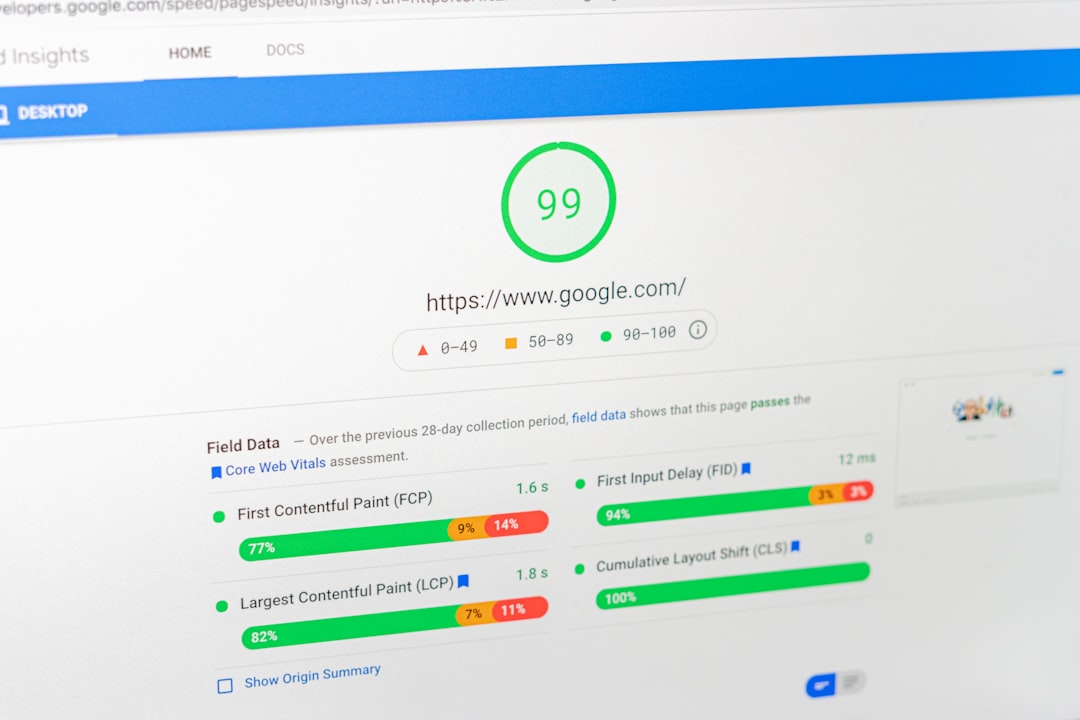
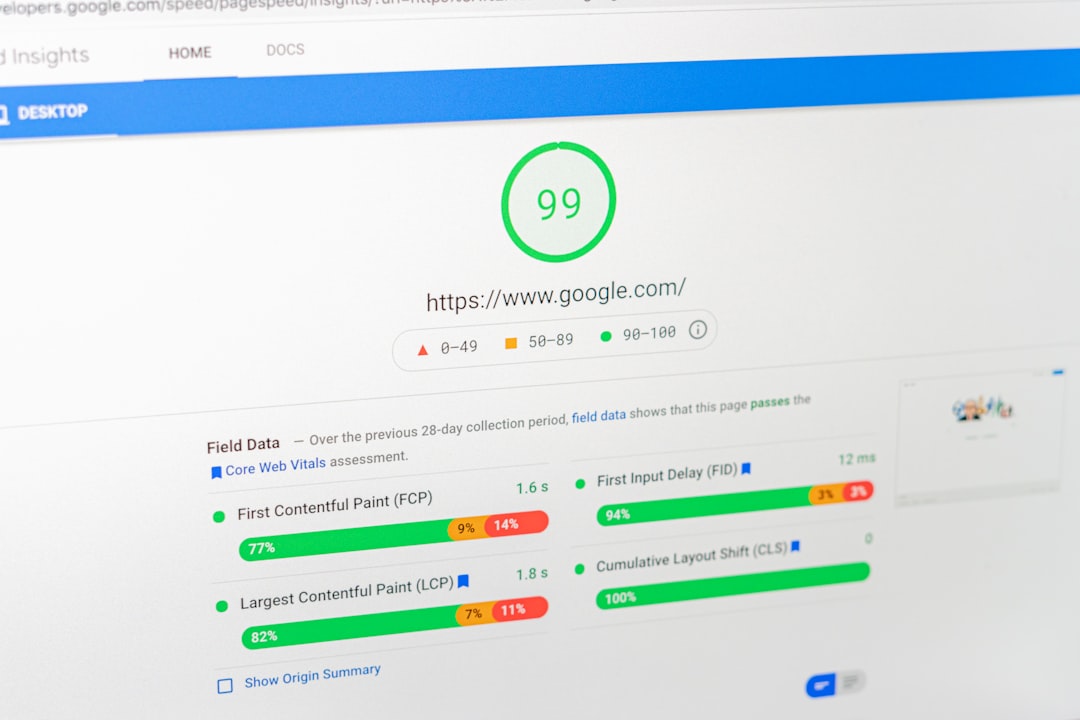
Improve Page Speed
A faster website creates a better experience for visitors.
Focus on practical improvements such as:
- Compressing images
- Removing unnecessary plugins
- Reducing heavy scripts
- Improving caching
- Reviewing hosting performance
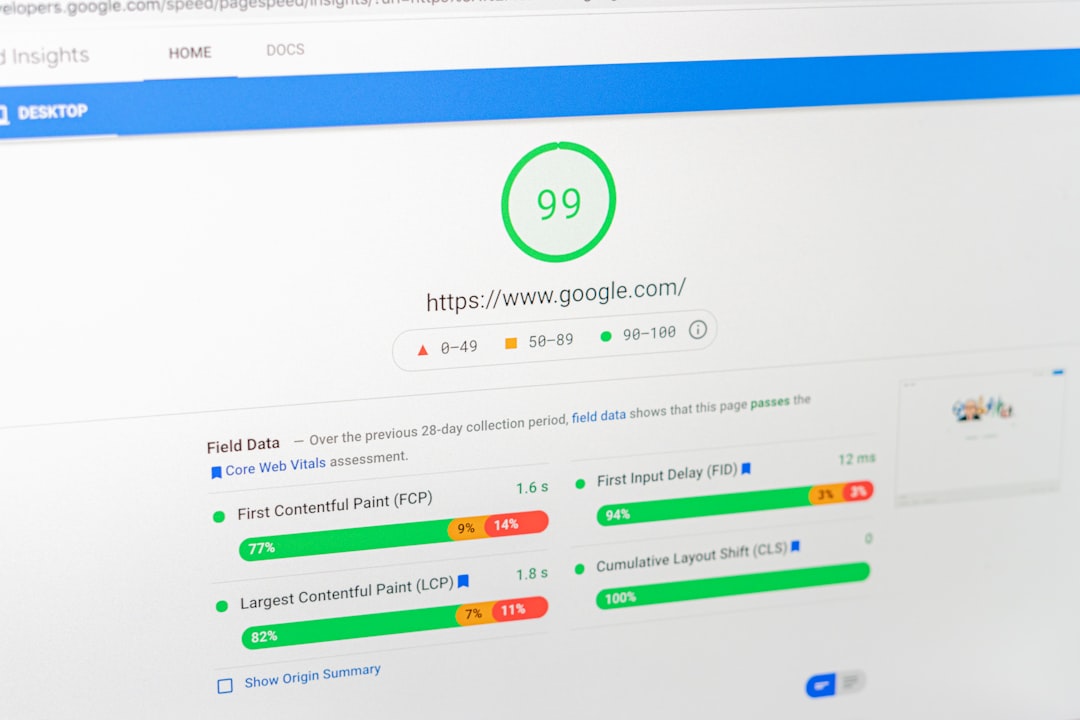
Measure performance before and after changes so you know whether your work made a difference.
Optimize for Mobile
Make sure your most important pages work smoothly on smartphones.
Check navigation, text, images, forms, buttons, and overall layout.
Mobile optimization should be part of every major website update rather than something checked only once.
Improve Search Result Presentation
If a page receives impressions but relatively few clicks, review how it appears in search results.
Consider whether the title accurately communicates the page’s value and whether the description gives users a clear reason to visit.
Do not use misleading titles simply to attract clicks. The search result should accurately represent the page.
Update Underperforming Content
Older content can lose relevance as information changes and competitors publish better resources.
Review important articles periodically.
Update outdated facts, improve weak sections, remove obsolete information, and make the page more useful for its current audience.
Earn Relevant External Links
External links from relevant websites can support a site’s authority.
Create resources that are genuinely worth referencing and use legitimate outreach, partnerships, expert contributions, and digital PR to build visibility.
Avoid focusing only on the number of links acquired.
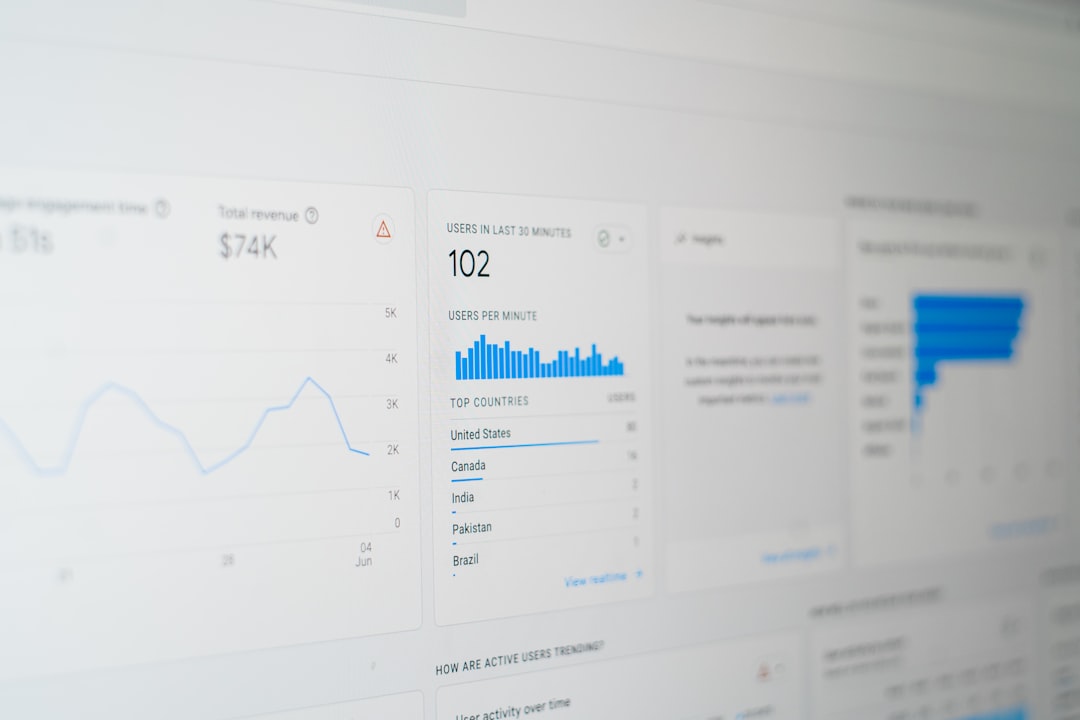
Track Business Results
Organic traffic is useful, but business websites should also measure outcomes.
Track:
- Leads
- Contact forms
- Calls
- Bookings
- Purchases
- Other meaningful conversions
A traffic increase is more valuable when it brings visitors who are relevant to the business.
Prioritize Your SEO Work
Create a simple priority system:
| Priority | Example |
|---|---|
| High | Important pages not being indexed |
| High | Major technical errors |
| Medium | Weak service-page content |
| Medium | Poor internal linking |
| Lower | Minor formatting improvements |
This helps prevent small tasks from taking attention away from major opportunities.
Work Consistently
There is no need to make hundreds of SEO changes every week.
A consistent process of auditing, optimizing, publishing, measuring, and updating can produce stronger results over time.
If competition is high or the website has complicated technical problems, a WordPress SEO expert can help create a prioritized roadmap based on the site’s current performance and goals.
Faster growth does not mean skipping the fundamentals. It means identifying the work that matters most, completing it properly, and using data to decide what to improve next.