WordPress Website SEO: Beginner to Advanced Guide
WordPress makes it relatively easy to build and manage a website, but getting that website visible in Google requires more than publishing pages and blog posts.
WordPress website SEO involves optimizing content, technical settings, site structure, performance, and authority so search engines can understand the website and users can find useful information quickly.
Whether you are completely new to SEO or already managing an established website, the process can be approached step by step.
Start With the SEO Basics
Beginners should first understand what search engines need from a website.
Google needs to be able to:
- Discover your pages.
- Crawl them properly.
- Understand their content.
- Determine their relevance to searches.
- Deliver useful pages to users.
This means your first priority should be a clean, accessible website structure rather than immediately focusing on advanced techniques.
Step 1: Set Up Your WordPress Website Correctly
Before optimizing individual pages, review your basic WordPress settings.
Check:
- Website visibility
- Permalink structure
- HTTPS
- Mobile responsiveness
- Site title
- Homepage settings
- XML sitemap
- Robots.txt configuration
Avoid changing important settings randomly on an established website. Technical changes should be made carefully because they can affect existing pages and search visibility.
Step 2: Research the Right Keywords
Keyword research helps identify the terms potential customers use when searching.
Instead of targeting only broad keywords, look for phrases that match your audience’s intent.
For example, a business selling office furniture might target specific searches such as:
- Office desks for small spaces
- Ergonomic office chairs
- Best office furniture for startups
Specific searches can often reveal clearer customer needs than extremely broad terms.
Step 3: Optimize Your Pages
Each important page should have a clear purpose.
Optimize elements such as:
- Page title
- Main heading
- Subheadings
- Introduction
- Body content
- Internal links
- Images
- Meta description
- URL
Use keywords naturally. Writing a page around one phrase does not mean repeating that phrase in every paragraph.
The content should primarily help the reader.
Step 4: Improve Internal Linking
Internal links connect related pages on your website.
For example, a page about “WordPress SEO services” could naturally link to a detailed article about technical SEO or website audits.
Good internal linking can help users discover more information while giving search engines additional context about the relationship between pages.
Step 5: Improve Technical SEO
Once the basics are in place, move toward technical optimization.
Important areas include:
Crawlability
Make sure important pages can be crawled and indexed.
Canonicalization
Use canonical signals appropriately when similar or duplicate URLs exist.
Structured Data
Relevant schema markup can help search engines understand certain types of content.
Broken Links
Regularly identify broken internal and external links and fix them where necessary.
Redirects
Use appropriate redirects when pages move or URLs change.
Step 6: Focus on Website Performance
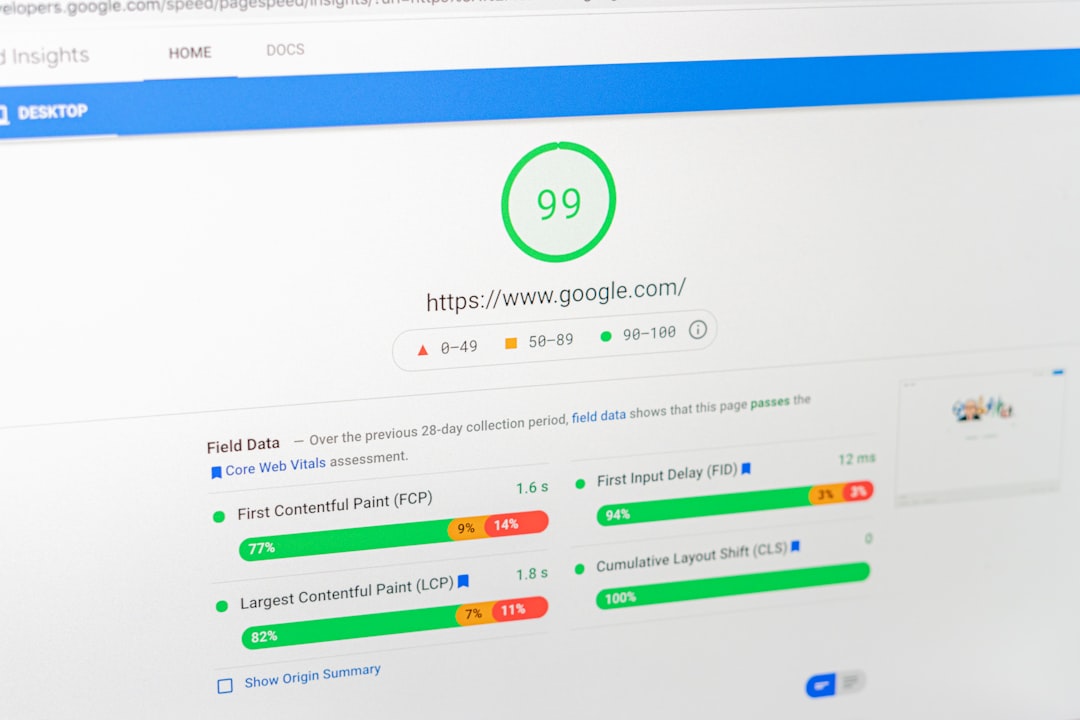
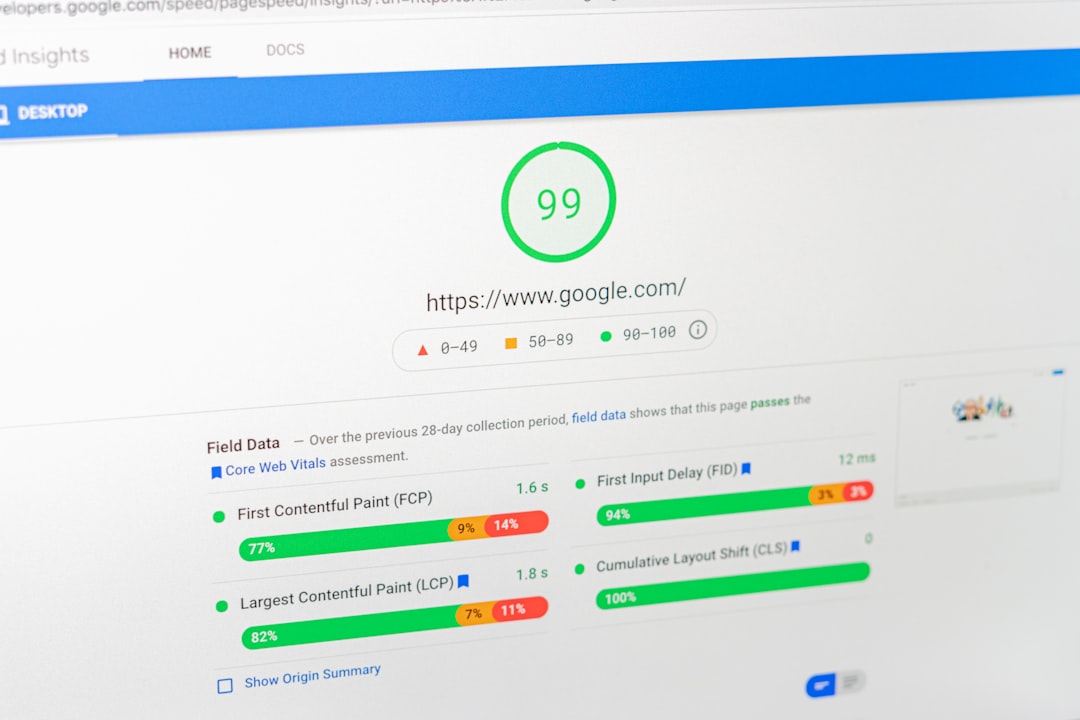
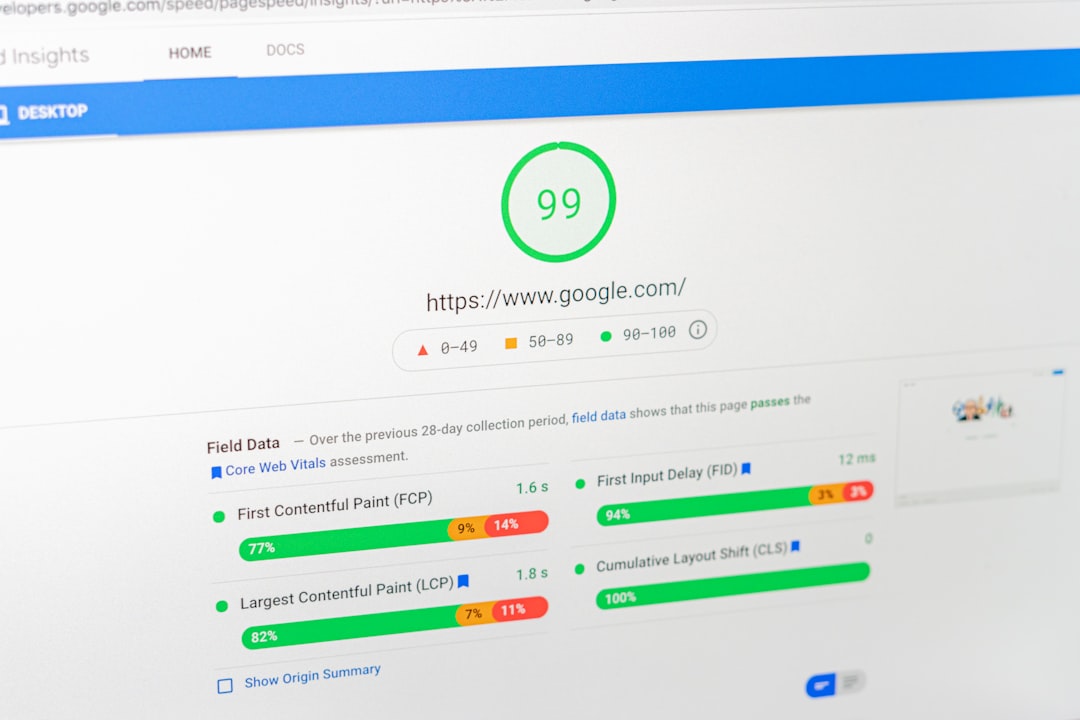
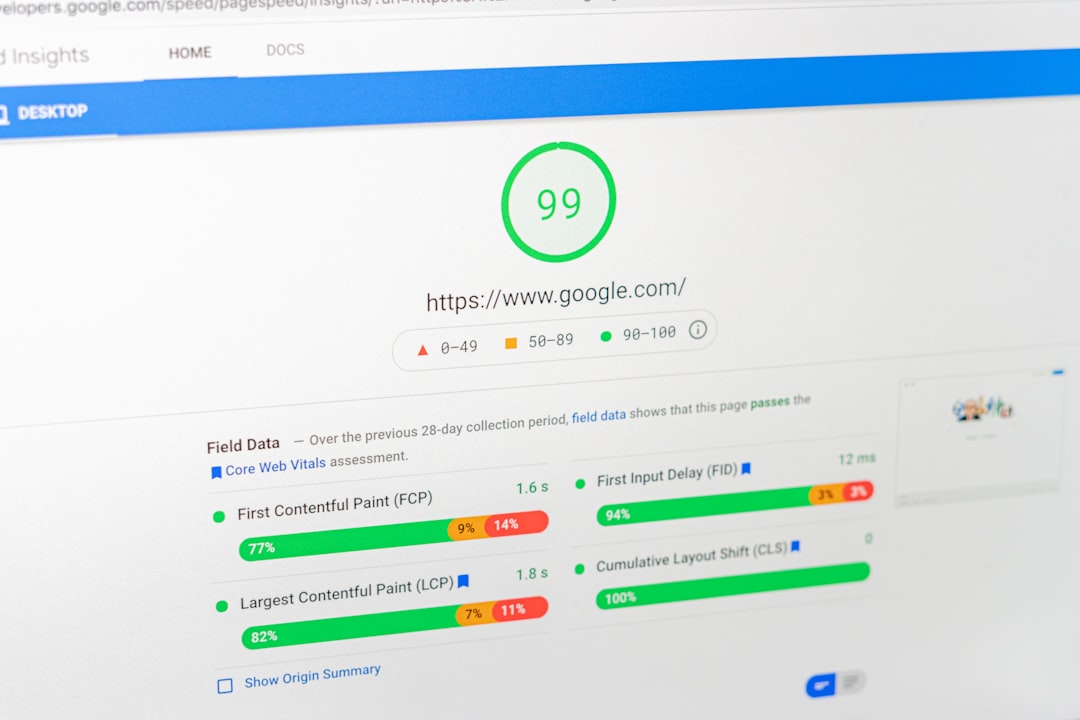
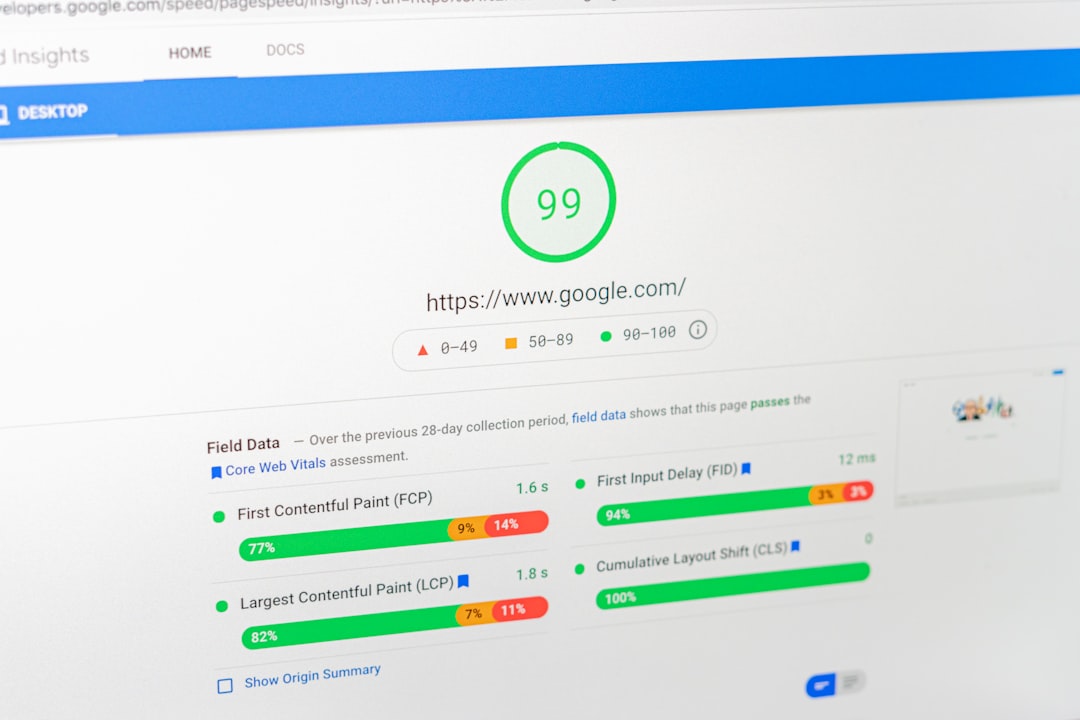
Speed and usability matter because visitors expect websites to respond quickly.
Review:
- Image sizes
- Unnecessary plugins
- Caching
- Hosting performance
- JavaScript and CSS
- Mobile loading
- Core Web Vitals
Do not install multiple optimization plugins simply because they promise faster performance. Poor configuration can sometimes create conflicts.
Step 7: Build Website Authority
Advanced SEO also involves earning references from other relevant websites.
A sustainable link-building strategy can include:
- Digital PR
- Guest contributions
- Industry resources
- Useful statistics
- Expert commentary
- Original research
- Partnerships
The focus should be on earning relevant, legitimate links rather than collecting large numbers of low-quality backlinks.
Step 8: Measure SEO Performance
SEO should be monitored over time.
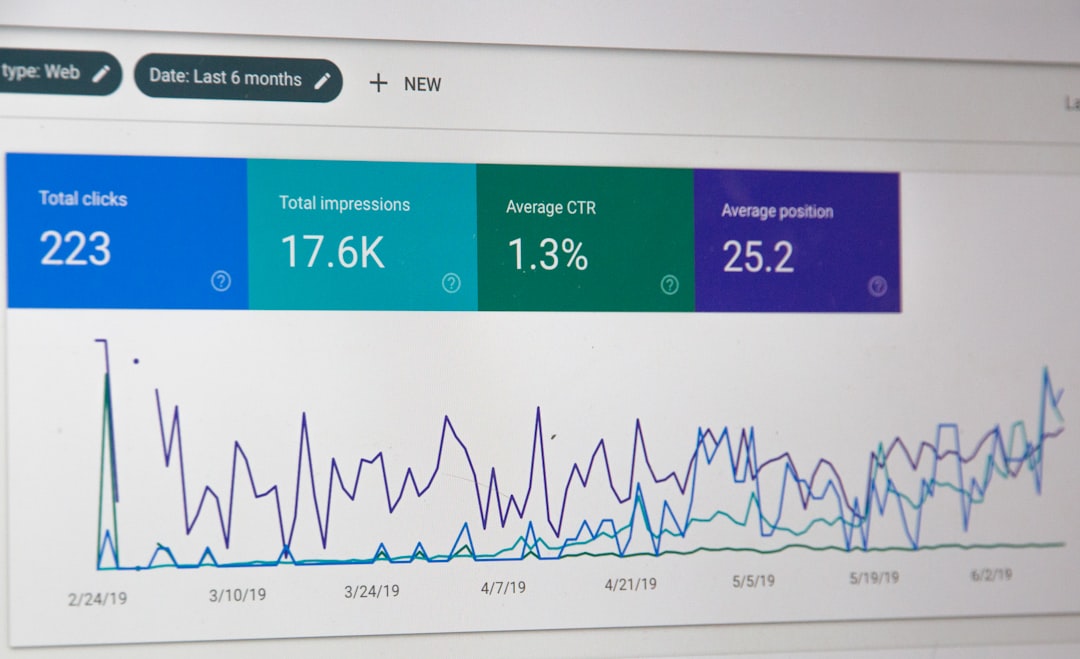
Useful metrics include:
| Metric | What It Shows |
|---|---|
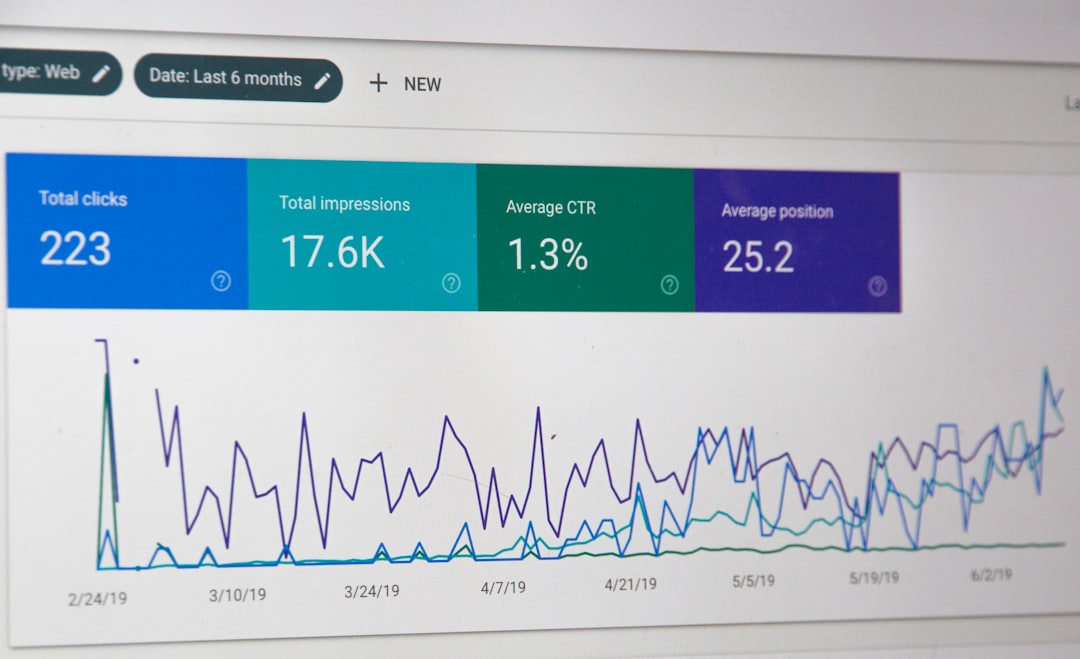
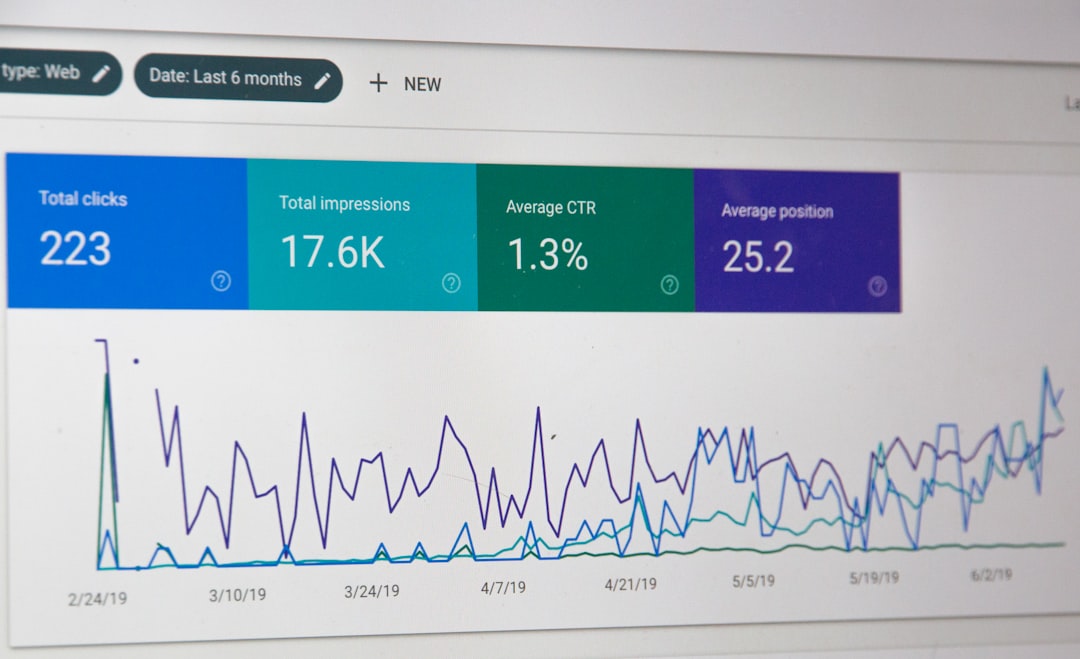
| Organic clicks | Search traffic reaching the site |
| Impressions | How often pages appear in search |
| Average position | General ranking visibility |
| Conversions | Business results from organic traffic |
| Indexed pages | Pages available in search |
| Engagement | How visitors interact with content |
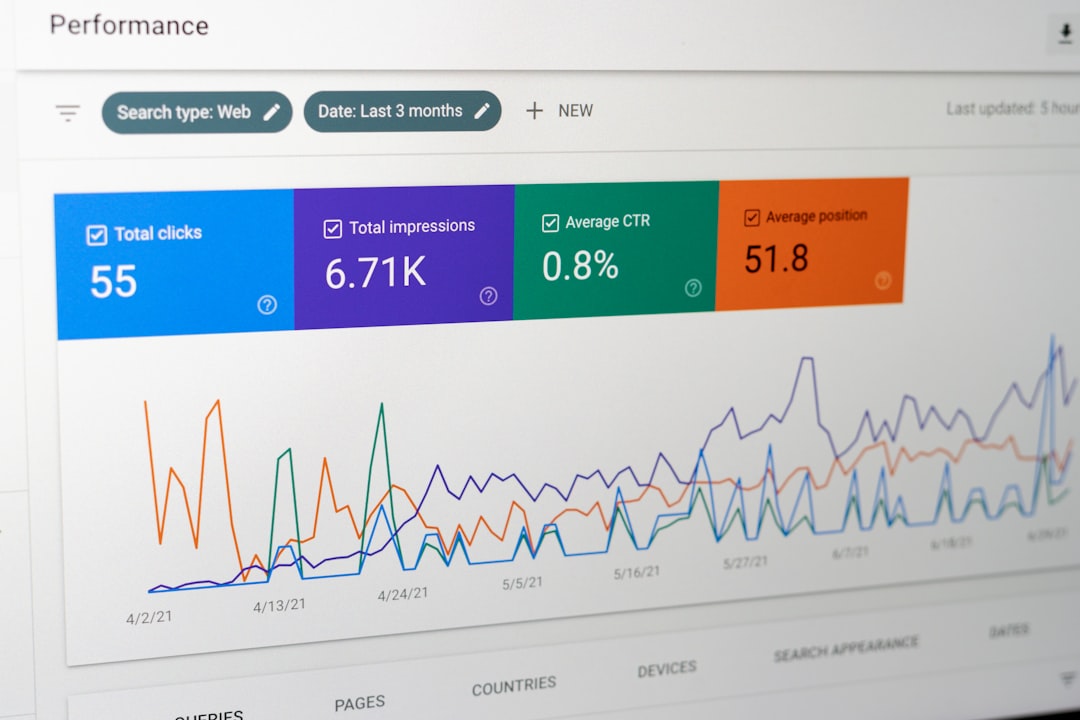
Google Search Console and analytics tools can help identify opportunities and problems.
Moving From Beginner to Advanced SEO
As your knowledge grows, SEO becomes less about individual settings and more about understanding the entire website.
Advanced work may involve:
- Content clusters
- Search intent analysis
- Competitor research
- Log-file analysis
- Technical audits
- Advanced schema
- International SEO
- Large-scale website migrations
- Content pruning
- Conversion-focused SEO
The important thing is to build knowledge progressively instead of trying to implement every advanced tactic immediately.
When Professional WordPress SEO Help Makes Sense
If a website has hundreds of pages, technical problems, declining traffic, or strong competition, managing SEO alone can become difficult.
A WordPress SEO expert or consultant can audit the website, identify priorities, develop an optimization strategy, and monitor progress.
The goal should always be a sustainable SEO system rather than a collection of disconnected changes.
A beginner can successfully start with the fundamentals, while advanced SEO builds on those same principles with deeper technical and strategic analysis.