A WordPress website SEO audit provides a structured way to understand how well a website is optimized and where improvements may be needed. Instead of changing settings randomly, an audit examines technical SEO, content, website structure, performance, and search visibility together.
Whether you are auditing a new website or an established business site, the process should focus on identifying real problems and prioritizing them.
Start With the Website Structure
First, understand how the website is organized.
Review:
- Main navigation
- Categories
- Service pages
- Product pages
- Blog structure
- Important landing pages
- Internal links
Ask whether a visitor can easily reach important pages from the main navigation or through relevant internal links.
Check Indexing
Next, determine which pages search engines can access and index.
Look for accidental:
- Noindex directives
- Blocked pages
- Duplicate URLs
- Incorrect canonical settings
- Redirect chains
- Sitemap problems
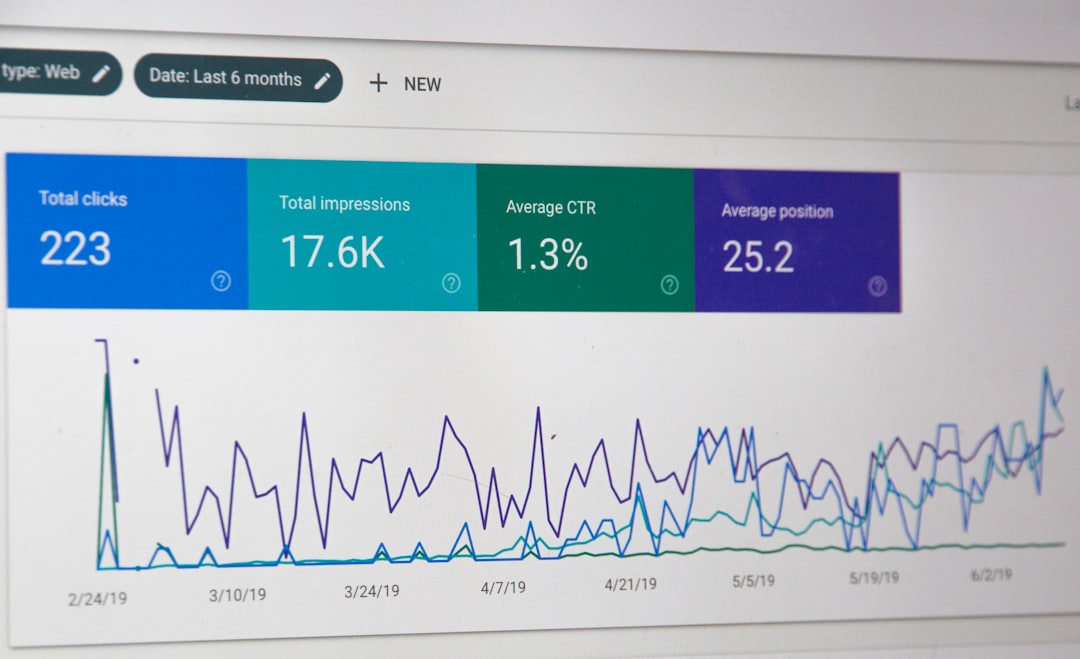
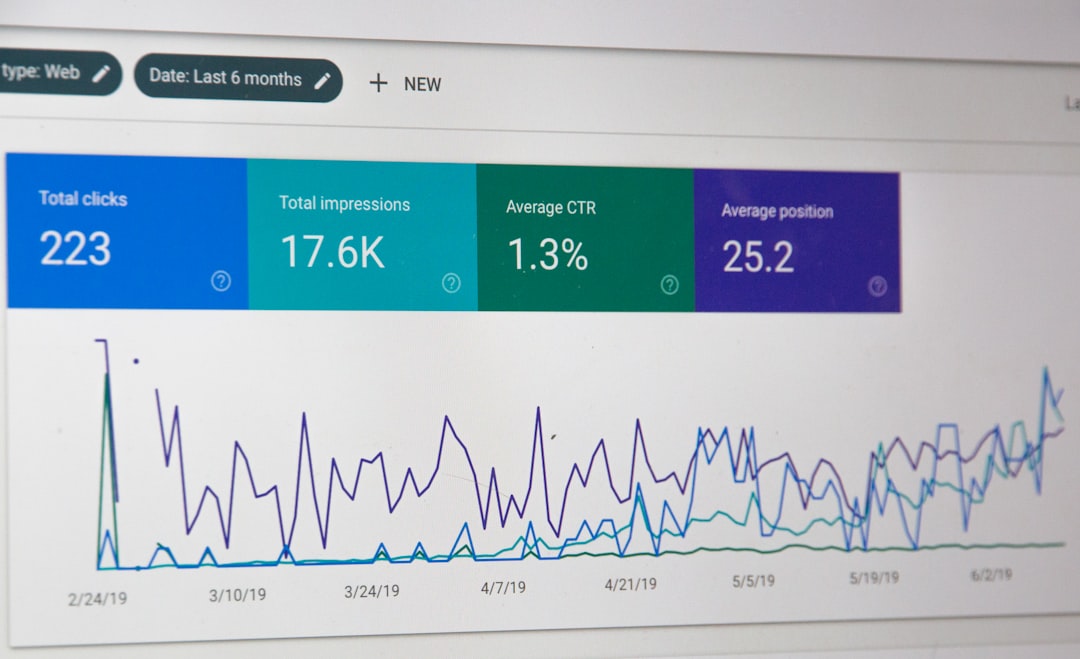
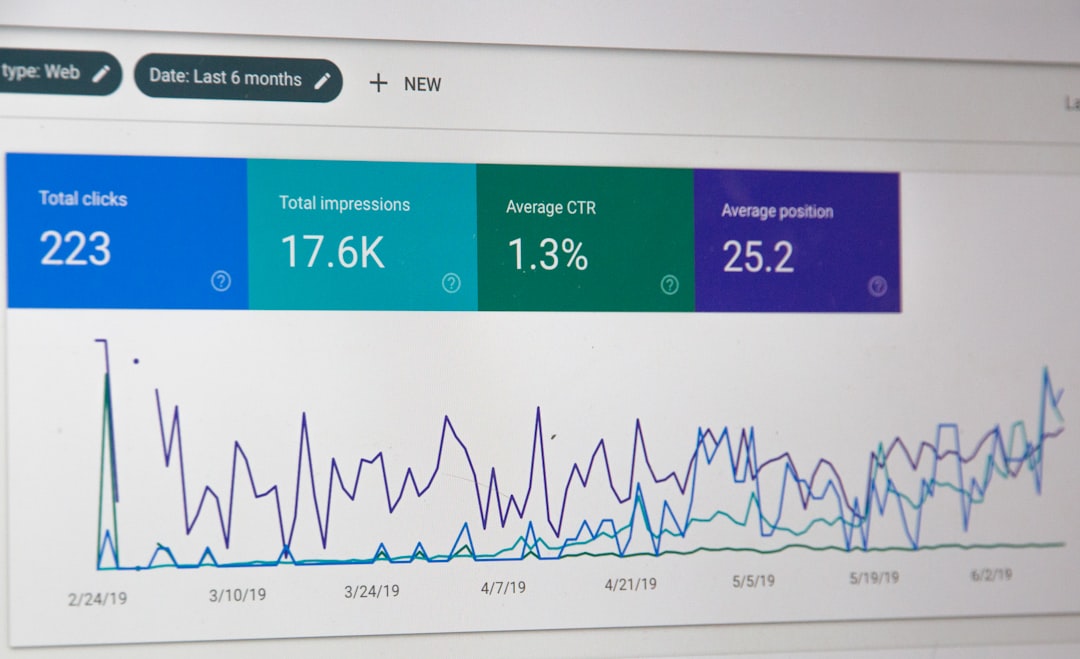
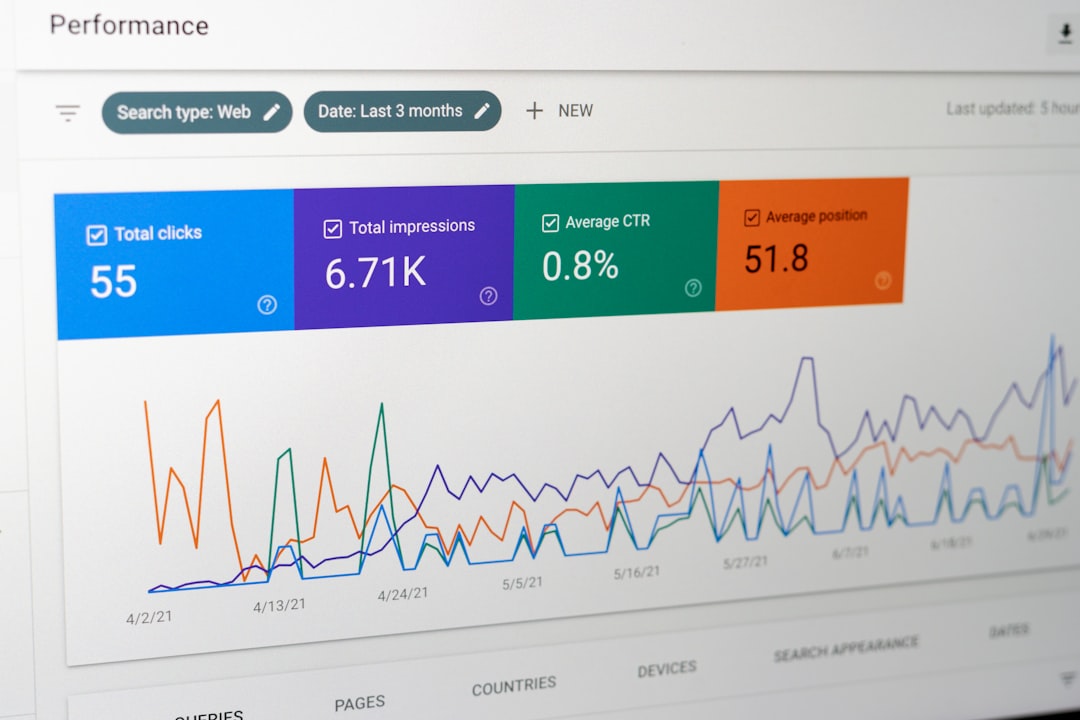
Google Search Console can provide useful information about indexing and search visibility.
Not every URL needs to be indexed, but important pages should be available to search engines.
Review Page Titles and Headings
Audit the titles and heading structures of important pages.
Check for:
- Missing titles
- Duplicate titles
- Unclear titles
- Missing H1 headings
- Poor heading hierarchy
- Unnecessary keyword repetition
Titles and headings should accurately describe the page and help visitors understand its content.
Analyze Content Quality

Look at whether pages satisfy their intended search purpose.
Ask:
- Does the page answer the main question?
- Is the information accurate?
- Is important information missing?
- Is the content repetitive?
- Does the page provide something useful?
Thin content should not simply be expanded for the sake of increasing word count. Add information only when it improves the visitor’s experience.
Check Internal Links
Review how pages connect to each other.
Important pages should not be isolated from the rest of the website. Look for natural opportunities to connect related services, articles, categories, and resources.
Use descriptive anchor text that gives readers an idea of what they will find after clicking.
Review URLs and Redirects
Check whether URLs are:
- Clear
- Consistent
- Relevant
- Free from unnecessary complexity
Then review redirects and broken URLs.
If pages have been moved, make sure old URLs are handled appropriately rather than creating unnecessary dead ends.
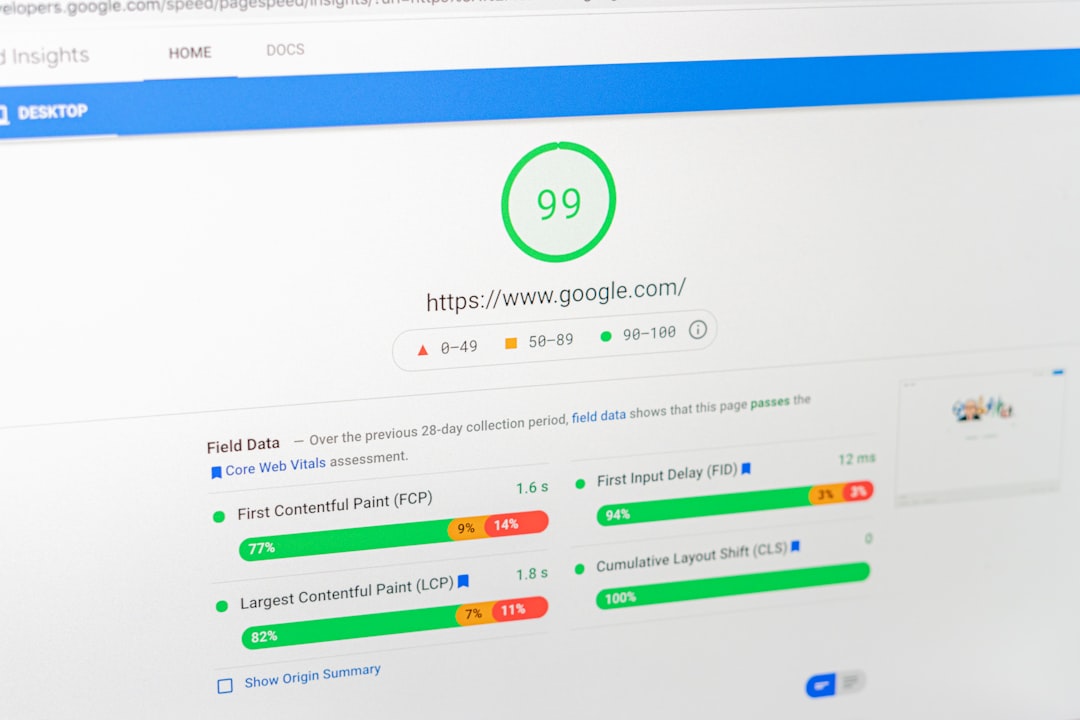
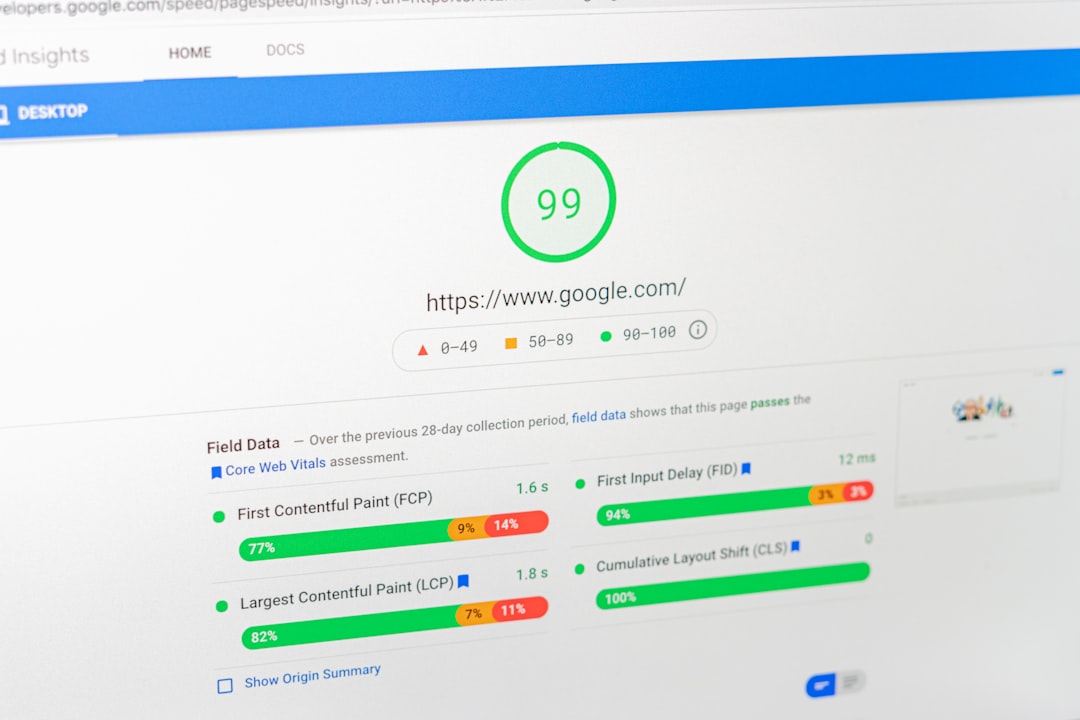
Audit Images and Performance
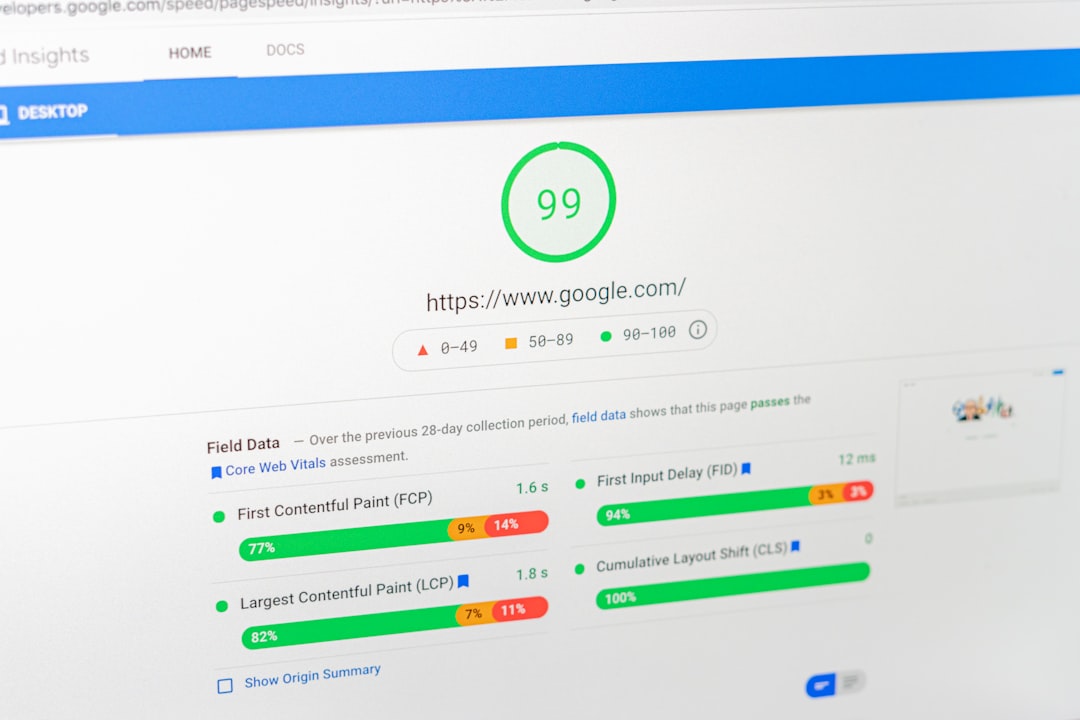
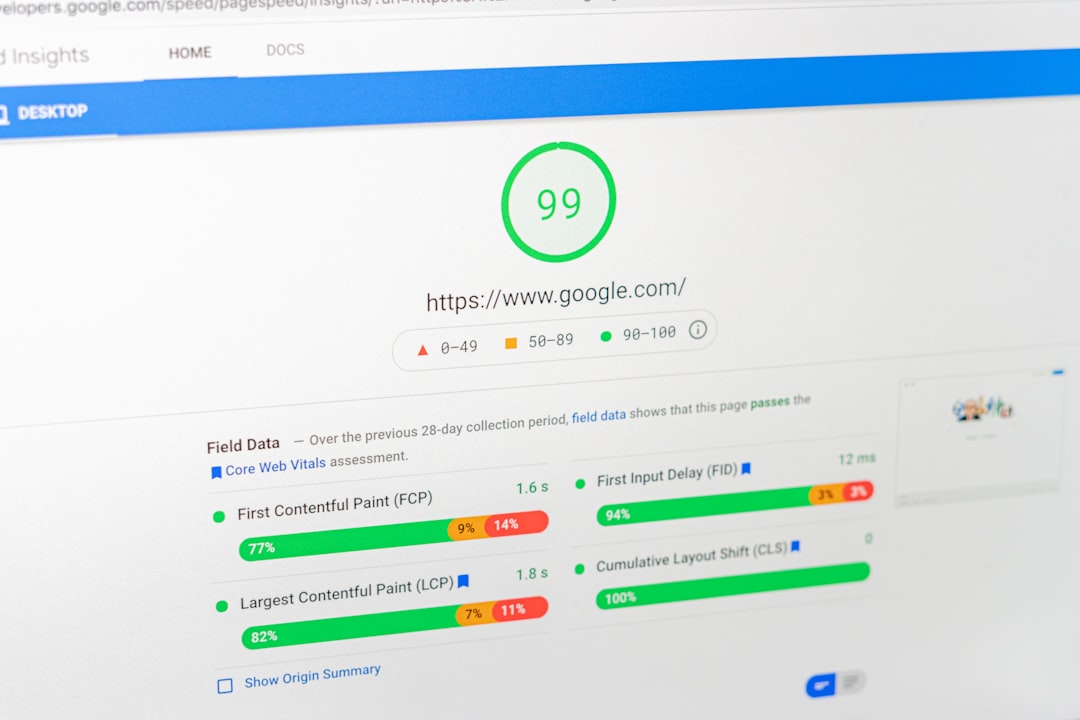
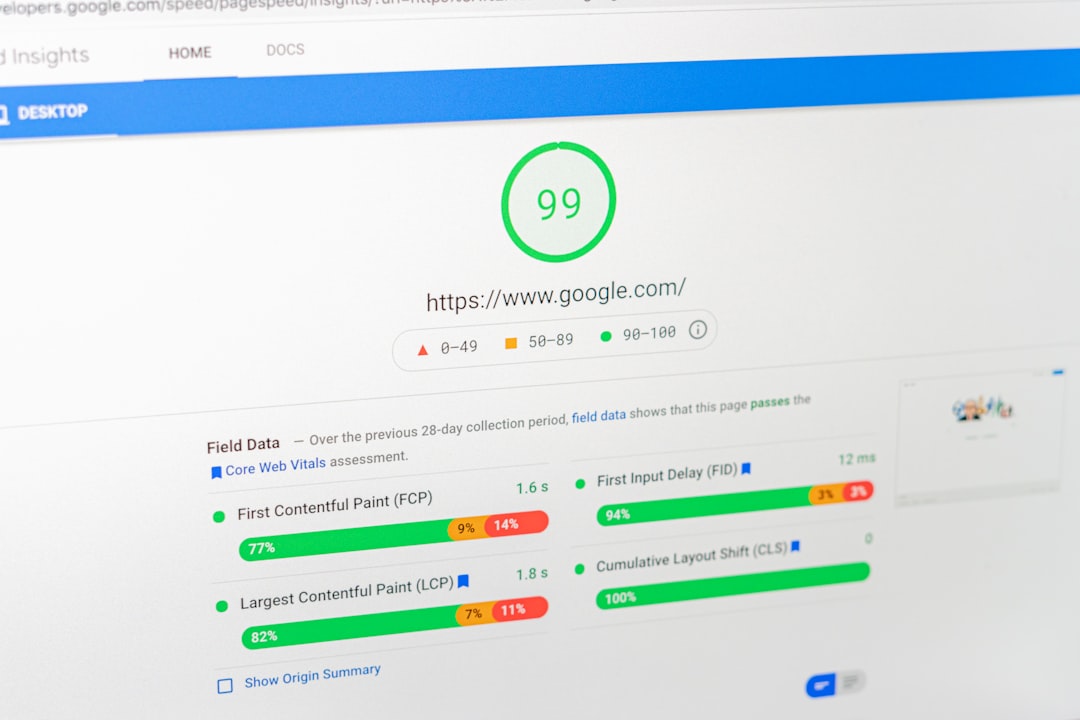
Large image files can contribute to slower pages.
Review image dimensions, file sizes, and formats. Also investigate unnecessary scripts, plugins, and other performance bottlenecks.
Do not assume that every performance issue requires the same solution. Test the website and identify the actual source of the problem.
Check Mobile Experience
Open important pages on mobile devices.
Review:
- Navigation
- Text readability
- Buttons
- Forms
- Images
- Layout
- Pop-ups
A website should remain usable without requiring visitors to zoom or scroll horizontally.
Review External Links and Backlinks
Check important external links for accuracy and relevance.
For backlinks, review the overall link profile and look for relevant, legitimate sources pointing toward the website.
The purpose of backlink analysis is not simply to count links. Relevance and context matter.
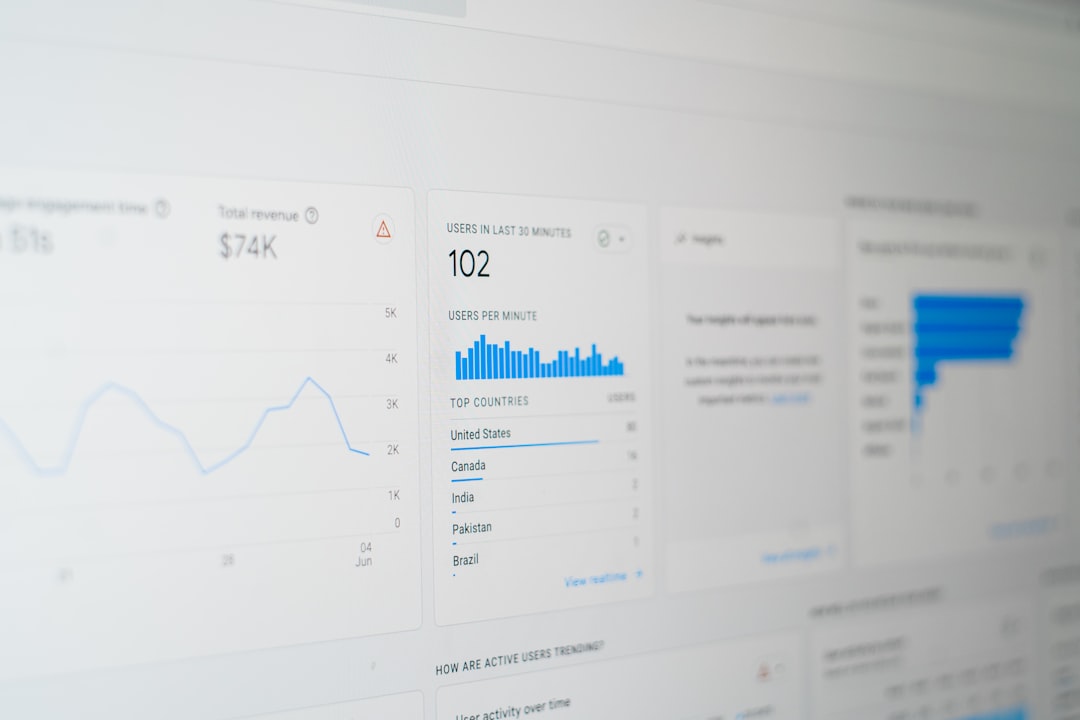
Measure Current Performance
Before making major changes, record a baseline.
Useful metrics include:
- Organic clicks
- Impressions
- Search queries
- Average position
- Organic traffic
- Conversions
This allows you to compare performance after implementing improvements.
Prioritize the Findings
An audit can produce a long list of issues. Do not try to fix everything simultaneously.
Prioritize problems based on factors such as:
- Impact on important pages
- Severity of the issue
- Ease of implementation
- Potential business value
For example, fixing accidental noindex settings on important pages should generally receive attention before minor formatting changes.
When to Hire a WordPress SEO Expert
A professional audit can be useful when a website has experienced a major traffic decline, has hundreds of pages, is undergoing a migration, or has complicated technical problems.
A WordPress SEO expert can combine technical findings with content and business priorities to create a practical action plan.
A good SEO audit is not simply a report full of errors. Its real value comes from identifying the issues that matter and turning those findings into clear, prioritized improvements.