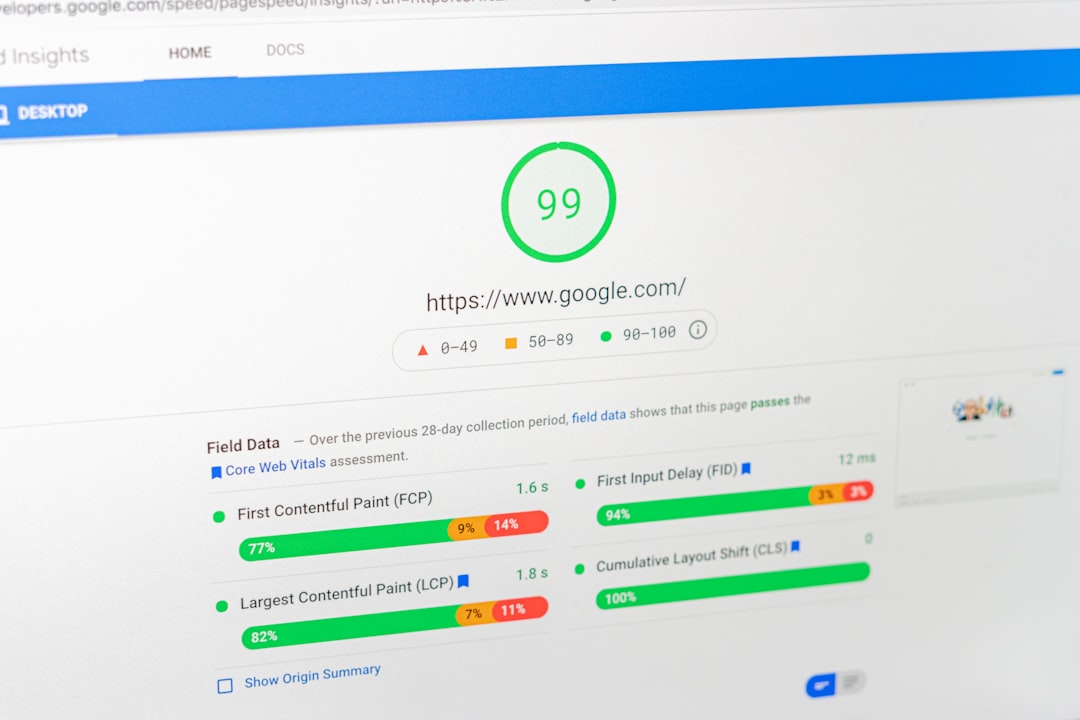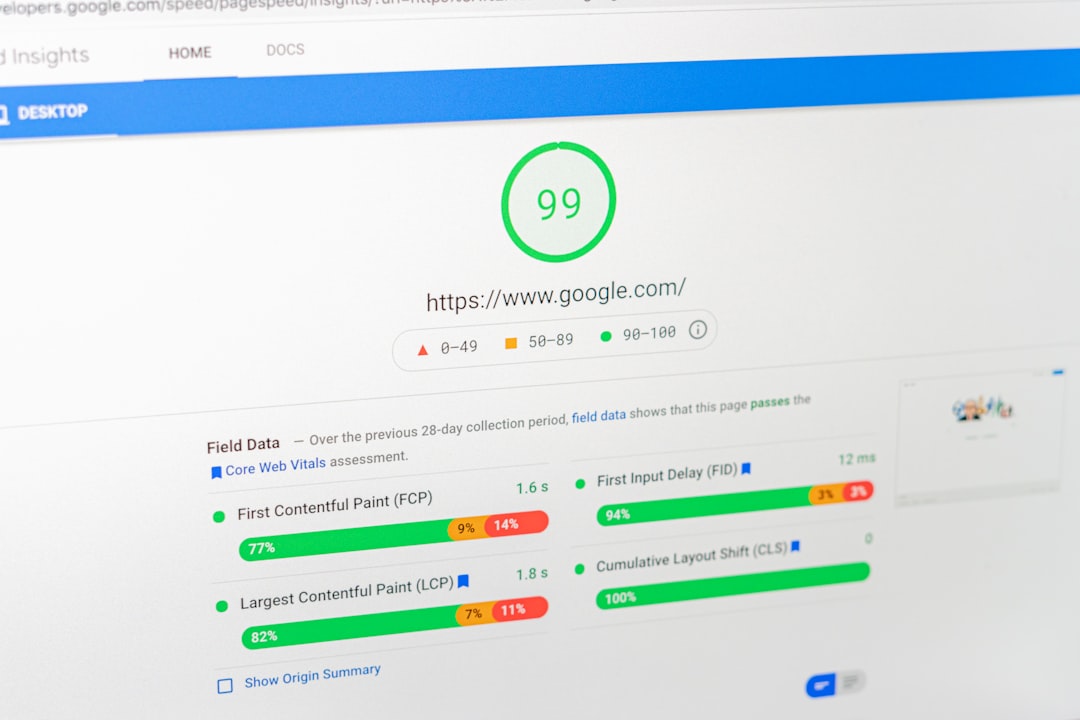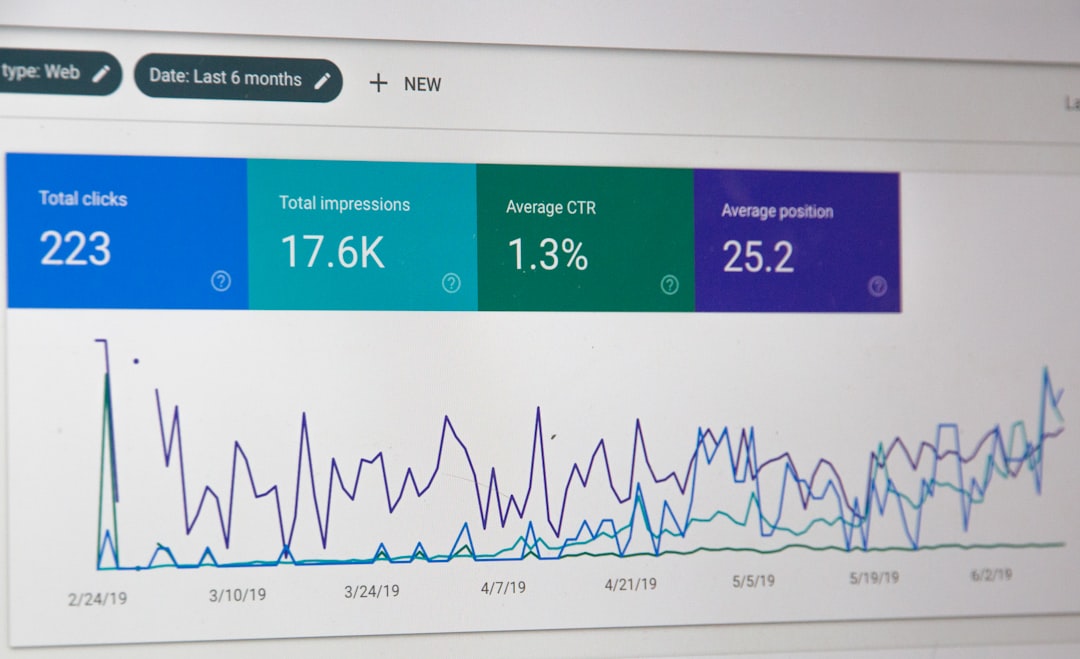
Better organic traffic usually comes from a cleaner plan, not more plugin settings. If your rankings are flat, the problem is often a mix of weak page targeting, thin internal links, cluttered plugin output, and technical issues that quietly stack up over time.
This WordPress SEO tutorial walks through the fixes that matter most first. You do not need a perfect plugin score. You need a site that is crawlable, clearly organized, and focused on the pages that deserve to rank.
Start With What Blocks Visibility
The first job is to remove the issues that stop search engines from understanding your site. Titles, schema, and content polish will not do much if important pages are hard to crawl, thin pages are indexed, or multiple plugins are sending conflicting signals.
Google recommends descriptive, concise title text, crawlable HTML links with descriptive anchor text, and structured data that matches visible page content under its general structured data guidelines. That makes WordPress SEO simpler than most site owners think: get the basics consistent before you chase advanced features.
If you want a broader baseline before changing settings, review our practical WordPress SEO guide for DIY site owners. It pairs well with this tutorial if you need more context behind the order of operations.
Use One SEO Plugin and Configure It Well
One well-configured SEO plugin is enough. Running overlapping plugins often creates duplicate metadata, conflicting canonicals, and competing sitemap outputs. That is one of the most common reasons a WordPress setup feels confusing even when every plugin says things look fine.
A green light in an SEO plugin does not mean the page deserves to rank. Keep one primary SEO plugin, then use it to manage title templates, meta descriptions, archive settings, canonical output, and social sharing defaults. If your current setup feels messy, our post on how to fix WordPress SEO setup problems can help you simplify it.
Write Better Titles Before You Rewrite Pages
Titles are one of the highest-impact on-page elements you control, so fix them early. Google says pages should have unique titles that are clear, concise, and descriptive, and it specifically warns against keyword stuffing and repetitive boilerplate in title elements.
| Weak title | Stronger title |
|---|---|
| SEO Services | SEO Company | SEO Expert | WordPress SEO Services for Small Businesses |
| Blog | WordPress SEO Tips for Service Businesses |
| Home | WordPress SEO Consultant for Small Business Sites |
Start with your homepage, main service pages, and posts that already get impressions. Those pages are closest to producing gains. A title rewrite on a low-value archive page matters far less than a sharper title on a page that already has search visibility.
Fix Site Structure and Internal Links
Internal links help search engines find pages, understand hierarchy, and connect supporting content to your most important pages. Many WordPress sites underperform because their best pages are linked only from navigation, while blog posts sit isolated with no clear role in the site structure.
Use crawlable HTML anchor links inside your content, and make anchor text descriptive rather than generic. Link related posts together, point informational posts toward service pages, and make sure no important page depends only on an XML sitemap to be discovered.
If your rankings are flat and you are not sure whether the real problem is indexing, duplication, weak targeting, or plugin clutter, WordPress SEO Expert can help. A focused review usually reveals whether the issue is structural or simply a page-level optimization problem.
Control Thin Archives and Duplicate URLs
Most site owners do not have one catastrophic problem. They have a stack of smaller issues that compound over time. In WordPress, thin tag archives, duplicate author pages, attachment pages, and inconsistent URL versions are common examples.
Review which archives actually help users. If an archive is thin or overlaps heavily with stronger pages, it usually should not be indexed. Keep canonicals consistent, redirect outdated URLs when needed, and avoid creating multiple versions of the same page just because a plugin or theme makes that easy.
Improve Content With Clear Search Intent
Better traffic comes from pages that match what the searcher wants, not pages that repeat a phrase often enough. Before expanding content, decide whether the page is meant to answer a question, compare options, explain a service, or drive a direct inquiry.
Map one primary intent to each page. If two pages target the same need, consolidate them instead of letting them compete. One strong page usually performs better than several thin pages aimed at slight keyword variations.
Use Schema as Support, Not a Shortcut
Schema can help clarify page meaning, but it should support visible content rather than replace it. Google’s documentation says structured data should represent the main page content and should not be misleading, which is why adding every available schema type inside a plugin usually backfires.
Keep it simple. Use the schema types that match what is genuinely on the page, and focus first on crawlability, titles, internal links, and content quality. Fix the issues that block visibility before the issues that polish visibility.
A Practical Order of Work
If you want better organic traffic, follow an order that reflects how rankings are actually built. This keeps you from wasting time on cosmetic improvements while larger technical or structural issues are still suppressing performance.
| Priority | What to fix | Why it matters |
|---|---|---|
| 1 | Indexing and crawl access | Pages cannot rank if search engines cannot reach them correctly. |
| 2 | Plugin conflicts and metadata clutter | Conflicting signals create sitewide confusion. |
| 3 | Titles and key page targeting | Improves clarity, relevance, and click potential. |
| 4 | Internal links and page hierarchy | Helps search engines understand which pages matter most. |
| 5 | Archive cleanup and duplicate control | Reduces wasted crawl attention and diluted signals. |
| 6 | Schema and extra enhancements | Supports the pages that already have a solid foundation. |
When DIY SEO Stops Being Efficient
Some sites reach a point where the problem is no longer effort. It is diagnosis. If you have already installed the tools, published content, and adjusted settings, but traffic is still flat, the next step is usually figuring out which issues are actually holding the site back.
WordPress SEO Expert can help you sort the technical problems from the content problems before you change anything major. Book a free SEO consultation. No pitch, no pressure. Just an honest look at what your site actually needs and whether your current setup is part of the solution or part of the problem.
Contact WordPress SEO Expert today to schedule a consultation if you want a practical roadmap for better organic traffic without piling on more tools, more guesswork, or more low-value SEO tasks.