Low rankings usually come from a scattered plan, not one missing plugin. WordPress SEO works best when you fix indexability, page targeting, internal links, and speed in that order. If you have been chasing plugin scores while your core pages stay buried, this guide will show you what to check first and what still moves results.
There is no single trick that makes a WordPress site rank. Most underperforming sites have a stack of smaller problems: duplicate URLs, weak title tags, thin internal linking, slow templates, and pages that do not match search intent clearly enough. WordPress SEO Expert helps site owners untangle that stack so the next fix is obvious instead of random.
Start with crawl and index checks

If Google cannot reliably crawl or index your important pages, every later optimization will underperform. Check this first before rewriting content, changing plugins, or paying for backlinks.
In WordPress, review whether the site is accidentally discouraging search engines, whether important pages are in your sitemap, and whether noindex settings are being applied too broadly. Service pages, category pages, and cornerstone posts should be easy to reach through normal internal links, not hidden behind filters or left floating only in the sitemap. If you want a deeper technical checklist, review our WordPress SEO best practices guide.
| Priority | What to check first | Why it matters |
|---|---|---|
| 1 | Important pages return a normal live page response | Pages cannot rank if crawlers hit errors or soft blocks |
| 2 | Noindex rules on posts, pages, archives, and taxonomies | Overbroad settings quietly remove useful pages from search |
| 3 | XML sitemap includes pages that should rank | Helps search engines discover the preferred URL set |
| 4 | Internal links point to key commercial and informational pages | Supports discovery and page importance signals |
Use one SEO plugin and configure the basics well
One clean SEO setup is usually better than several overlapping plugins. Multiple plugins can create conflicting canonicals, duplicate schema, and inconsistent title controls.
Choose one primary SEO plugin and set up the essentials: title templates, meta descriptions, schema defaults, XML sitemaps, and archive indexing rules. Leave advanced features alone unless you understand the trade-off. A stable setup is easier to audit and far less likely to break after updates.
Write titles for clarity, not for density
Your title tag still does heavy SEO work. The goal is not to jam in every variation. The goal is to make the page topic obvious, distinct, and worth clicking.
Google recommends descriptive, concise titles and specifically warns against keyword stuffing and repetitive boilerplate. It also advises unique page descriptions that accurately summarize the page when a meta description is used in search. That means a title like SEO Services | SEO Company | SEO Expert is weaker than a page-specific title that names the actual offer and audience.
| Weak title | Stronger title |
|---|---|
| WordPress SEO | SEO Guide | SEO Tips | WordPress SEO Tips That Still Work |
| SEO Services | SEO Company | SEO Expert | WordPress SEO Services for Small Businesses |
| Blog | How to Improve WordPress Titles Without Stuffing Keywords |
Keep titles aligned with the page itself. If the title promises optimization tips, the page should deliver a prioritized process, not a generic list. For more detail on page-level improvements, see our WordPress site speed fixes for SEO guide, especially if slow templates are limiting otherwise strong pages.
Fix duplicate URLs before publishing more content
Canonical problems waste far more SEO potential than most site owners realize. If search engines see several versions of the same page, signals can split across URLs instead of reinforcing one preferred version.
Check for category duplicates, attachment pages, parameter URLs, trailing-slash inconsistencies, and old redirected versions that still appear in internal links. Google supports canonical signals for duplicate or near-duplicate pages, but those signals work best when your internal linking, redirects, and preferred URL format all point the same way. Most sites do not need more pages. They need cleaner consolidation.
Internal linking is one of the fastest wins

Internal links help users and search engines understand which pages matter most. A good internal linking structure often improves performance faster than publishing three more average blog posts.
Link broad guides to narrower service pages, connect related articles naturally, and make sure older high-traffic pages pass relevance to newer content. Anchor text should describe the destination in plain language. Google’s guidance on site link structure also emphasizes concise, relevant anchor text. If your site has orphan pages or weak category pathways, fix those before expanding the content calendar.
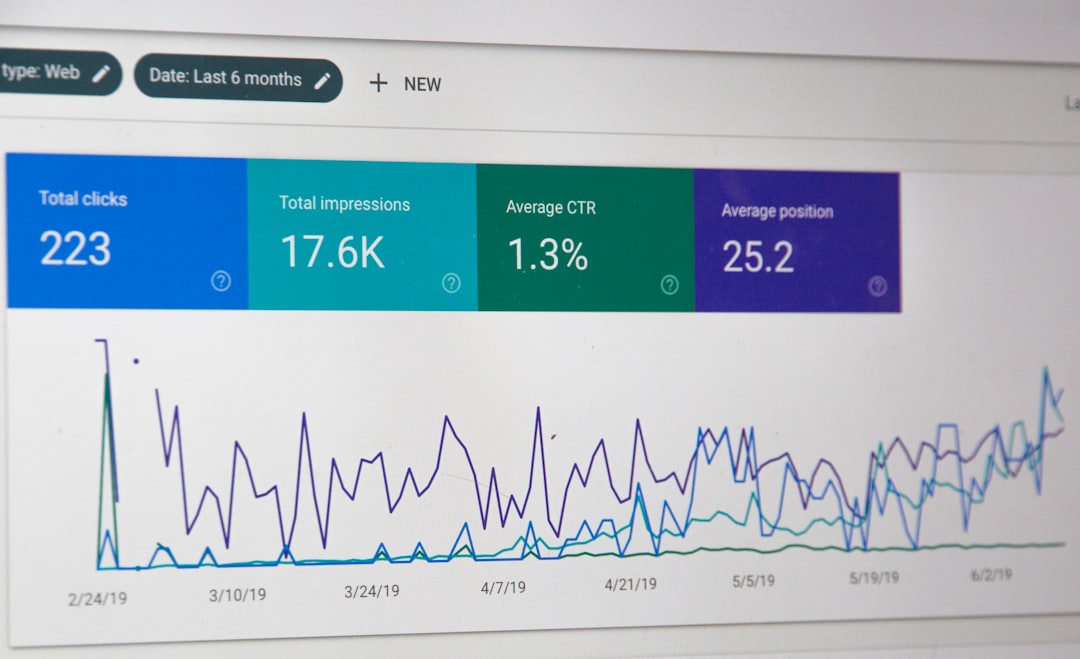
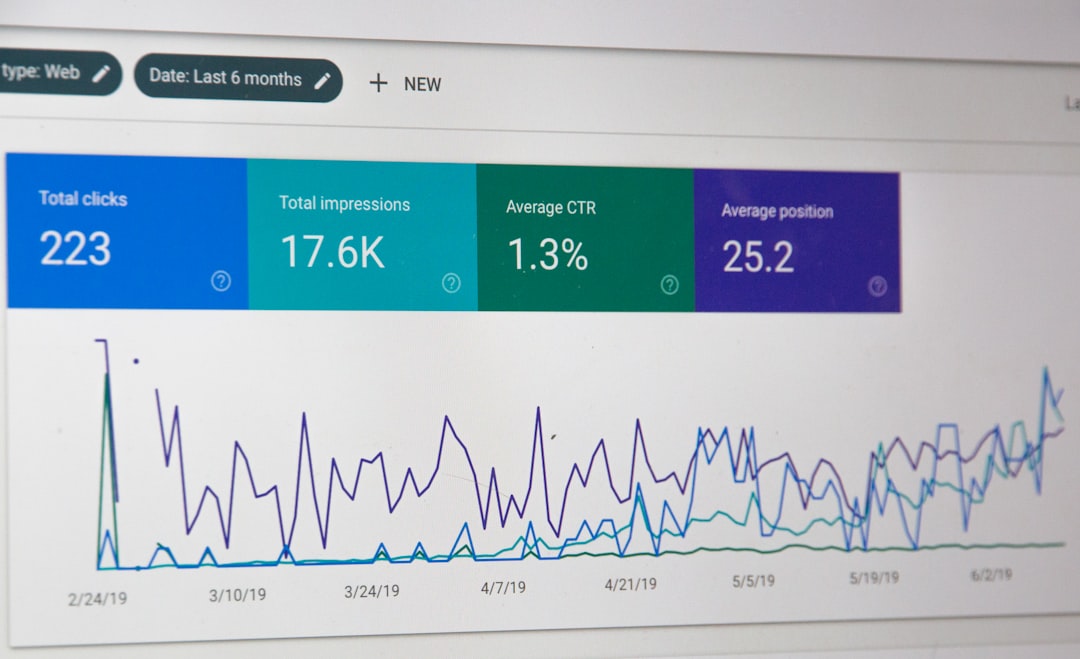
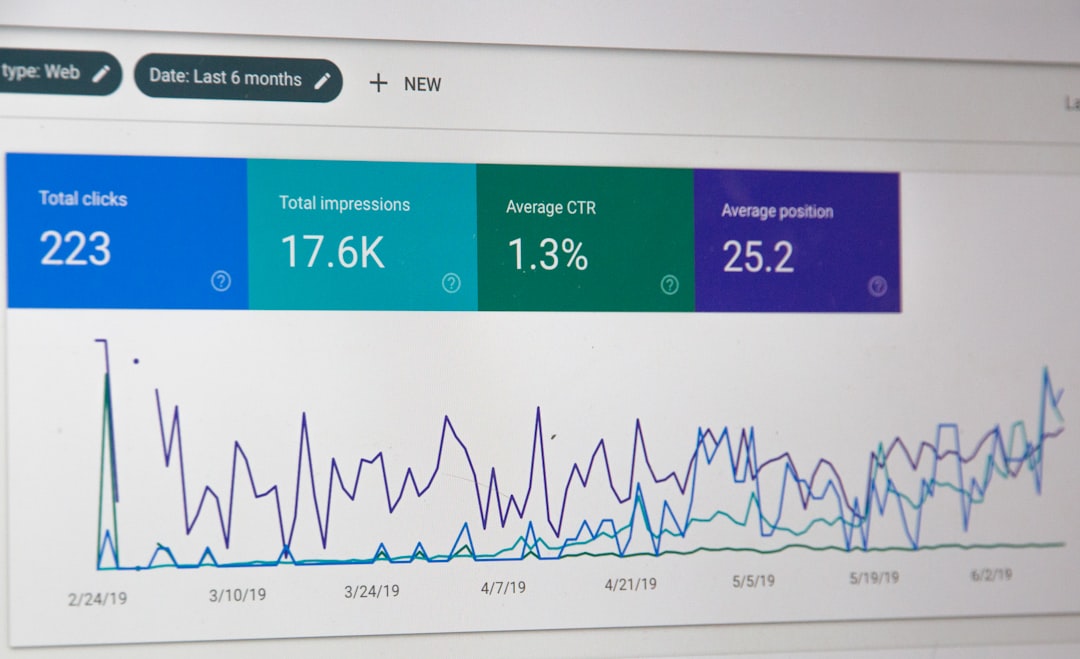
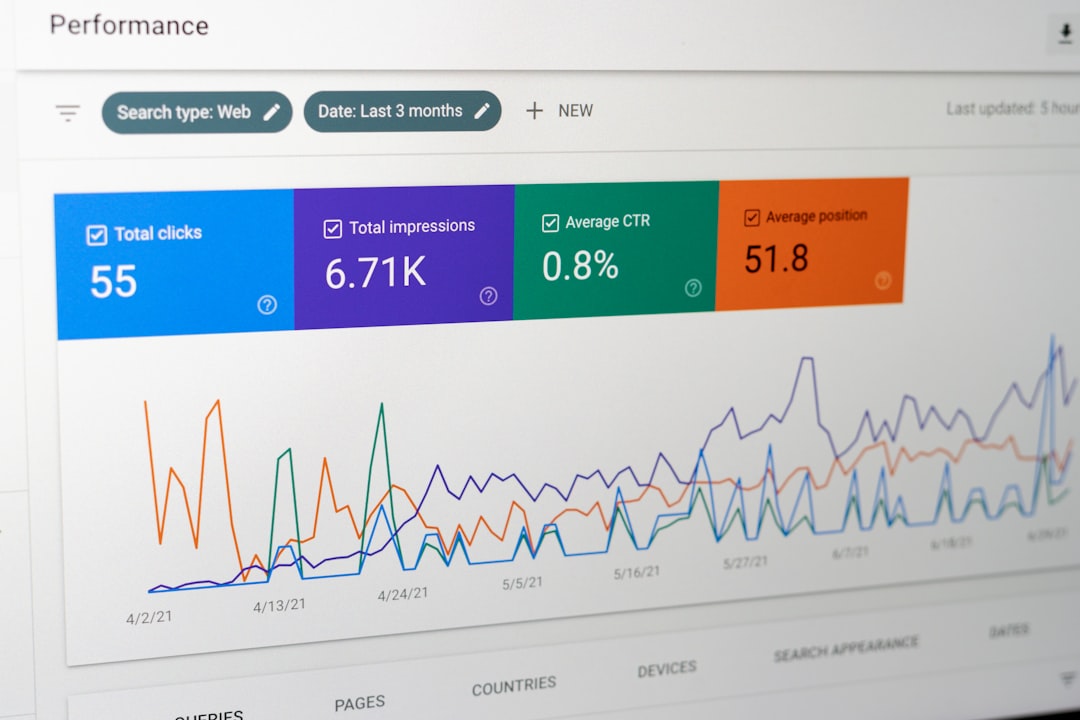
If you are seeing strong impressions but weak engagement, WordPress SEO Expert can help identify whether the bottleneck is internal linking, page intent, or technical cleanup before you spend more on content.
Page speed matters, but only in the right context

Speed is important, but it is not magic. A faster weak page is still a weak page. Improve speed because it helps usability, crawl efficiency, and page experience, not because a plugin promised instant rankings.
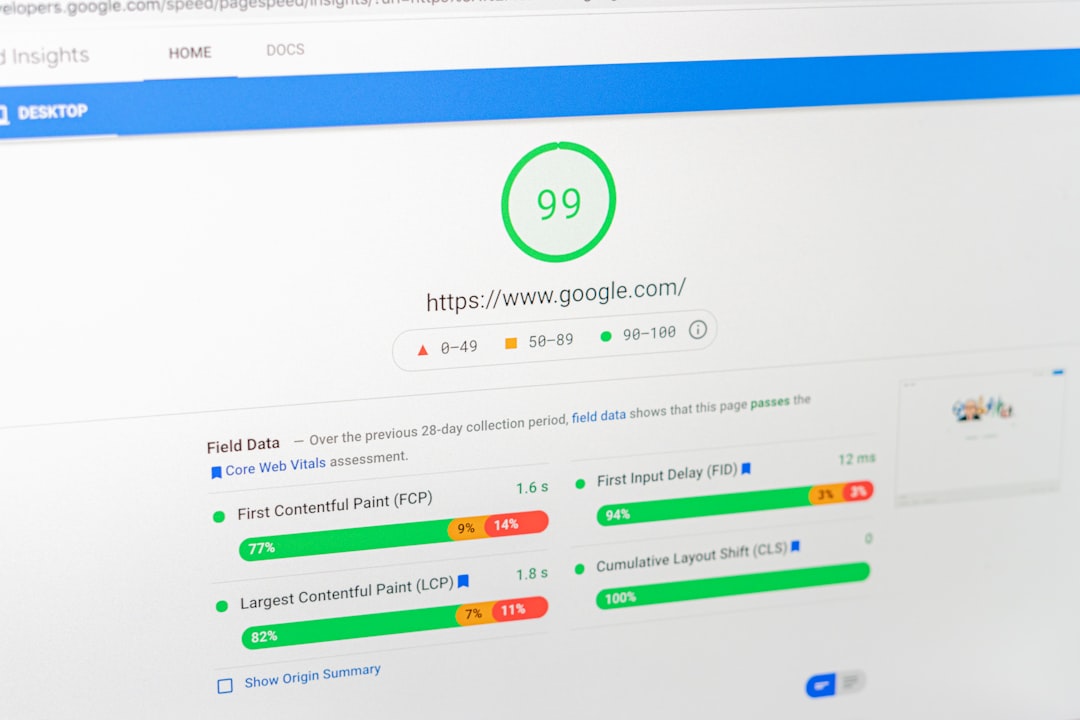
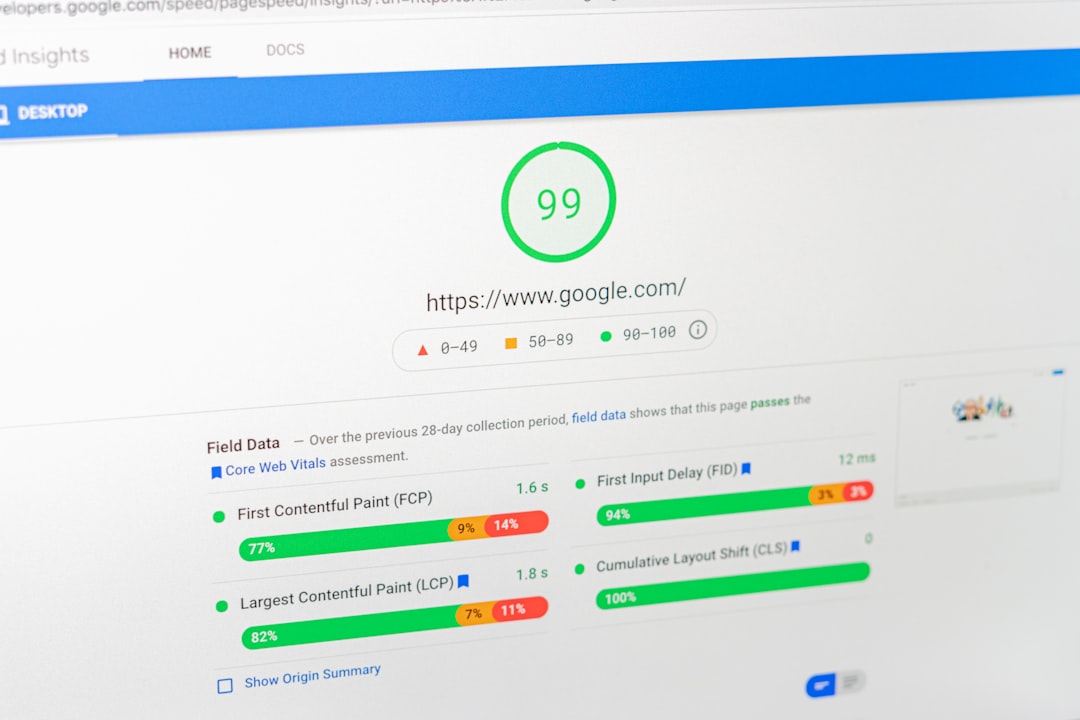
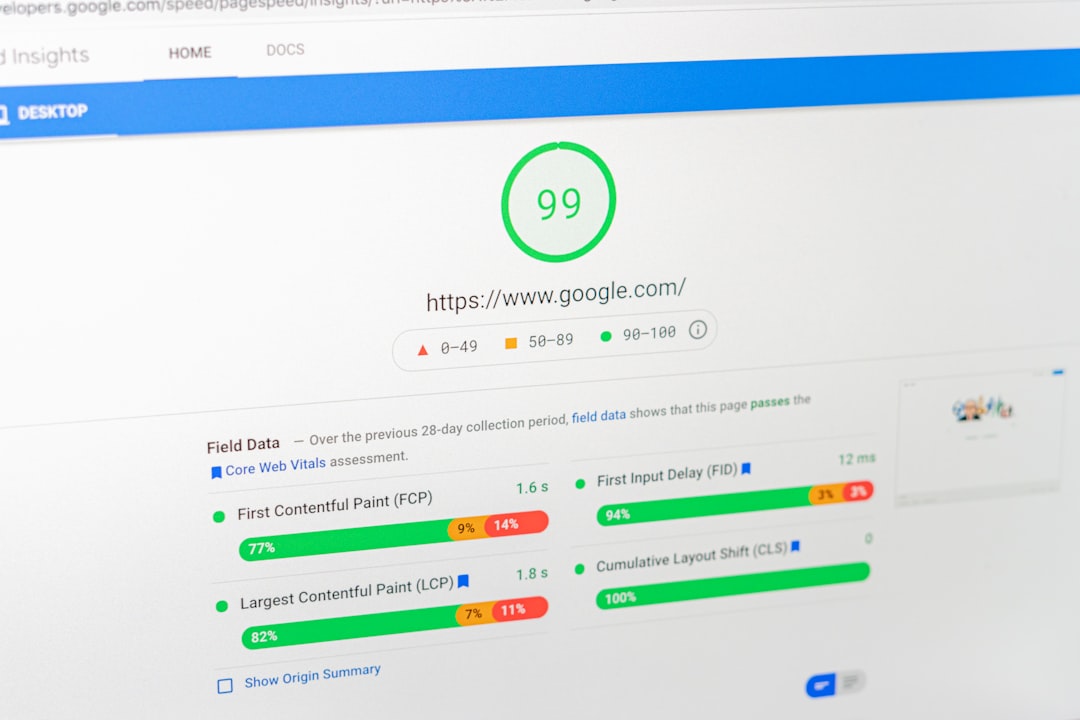
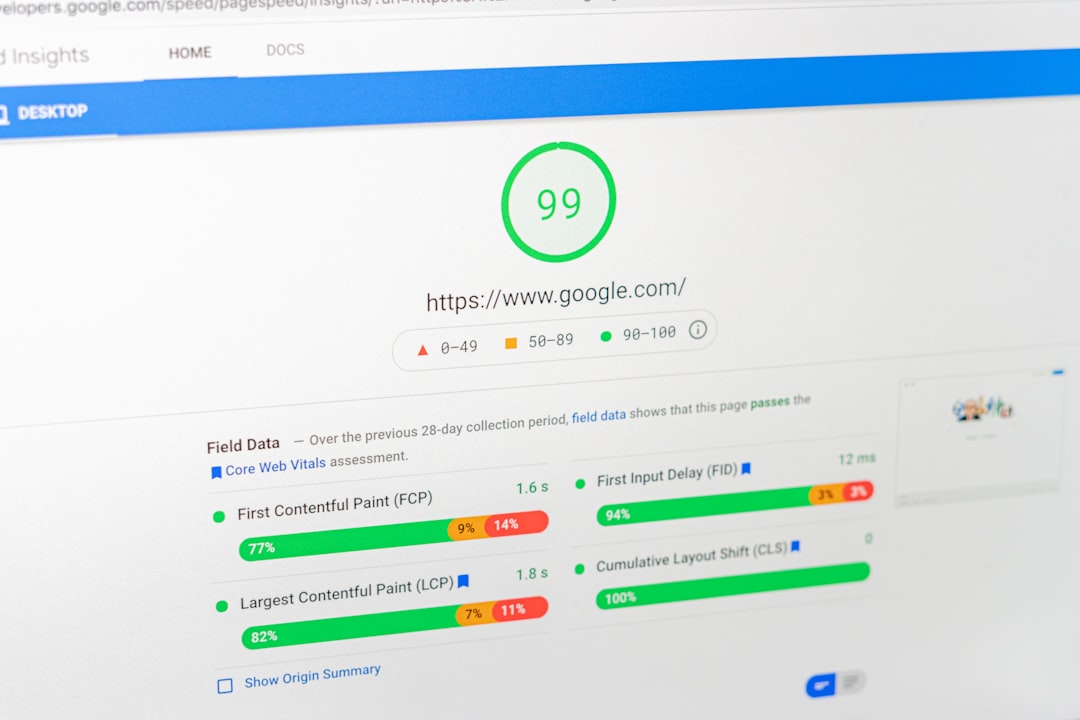
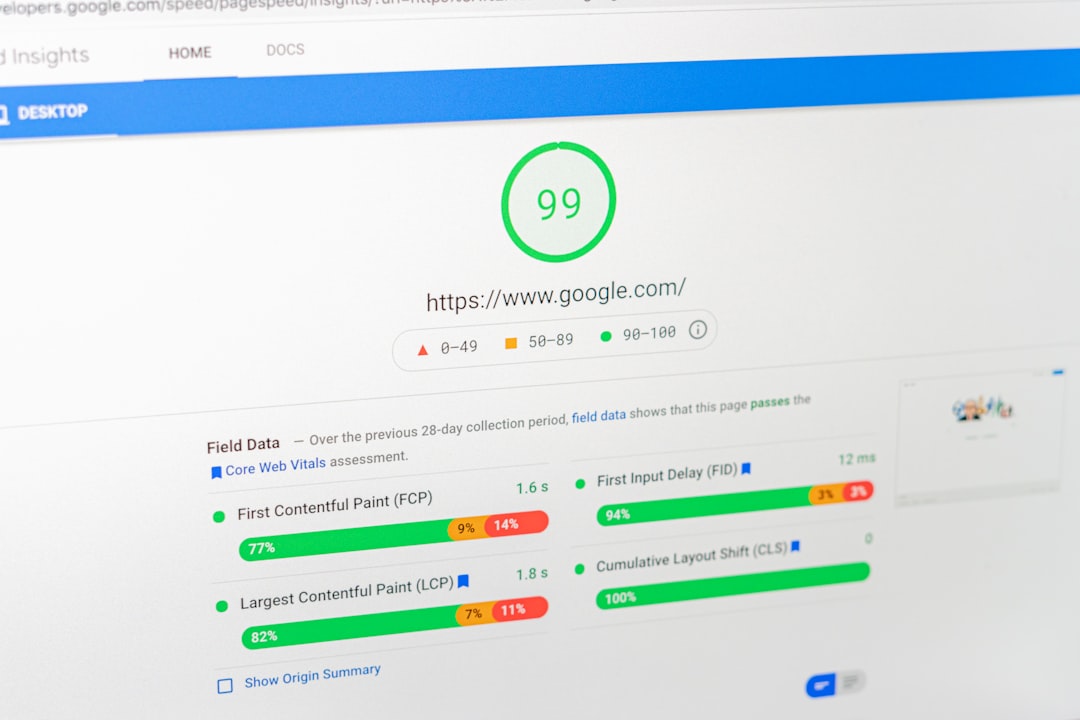
Google replaced First Input Delay with Interaction to Next Paint as a Core Web Vital on March 12, 2024, which makes sluggish scripts and heavy interactions more important to diagnose than they used to be. Focus on oversized images, unnecessary JavaScript, unstable layouts, and bloated builders. If your pages are slow, fix the templates that matter most first: homepage, service pages, top blog posts, category pages, and product pages.
A practical stopping point is a site that feels fast, stays stable, and does not frustrate users on mobile. Chasing perfect lab scores after that usually creates busywork. Prioritize measurable user friction, not vanity scores.
Match the page to one clear search intent
Many WordPress pages fail because they try to target several different intents at once. A page cannot be the best beginner guide, service page, pricing page, and troubleshooting resource all at the same time.
Decide what each page is supposed to do. Then shape the heading structure, examples, call to action, and supporting sections around that single job. Google’s people-first content guidance continues to emphasize helpful, reliable content written for users rather than content assembled to manipulate rankings. That usually means fewer filler sections and clearer answers near the top.
A simple optimization order that works
If your rankings are stuck, the fix is usually prioritization, not effort. Work from access and clarity first, then move into refinement.
| Order | Fix this | What it usually improves |
|---|---|---|
| 1 | Indexability and crawl access | Ensures important pages can appear in search at all |
| 2 | Canonical and redirect consistency | Consolidates ranking signals onto the preferred URL |
| 3 | Title tags and page targeting | Improves relevance and click potential |
| 4 | Internal links and site structure | Strengthens discovery and topical relationships |
| 5 | Template speed and interaction issues | Improves experience on mobile and high-value pages |
| 6 | Content depth and formatting | Helps the page answer the query more completely |
Common WordPress SEO mistakes to stop making
Most WordPress SEO problems are self-inflicted and repetitive. Stopping the wrong habits often creates faster gains than adding another optimization layer.
Stop relying on plugin score badges as if they were rankings. Stop creating thin tag archives that add little value. Stop splitting one strong topic into five shallow posts. Stop stacking multiple SEO plugins. Stop treating every dip as a content problem when the real issue may be crawl waste, duplication, or weak architecture.
If you want a second set of eyes before changing settings, WordPress SEO Expert can review your setup and show you which fixes are worth doing now versus later. Book a free SEO consultation if you want a practical roadmap instead of another generic checklist.
Final takeaway
WordPress SEO still works when the fundamentals are clean. Make the site crawlable, keep URLs consistent, write useful titles, build stronger internal links, and improve the pages that matter most. That is less exciting than chasing a new trick, but it is the work that keeps producing results.
Contact WordPress SEO Expert today to schedule a consultation if you want help diagnosing what is actually holding your WordPress site back. We can help you separate high-impact fixes from plugin noise and build an SEO plan you can actually execute.