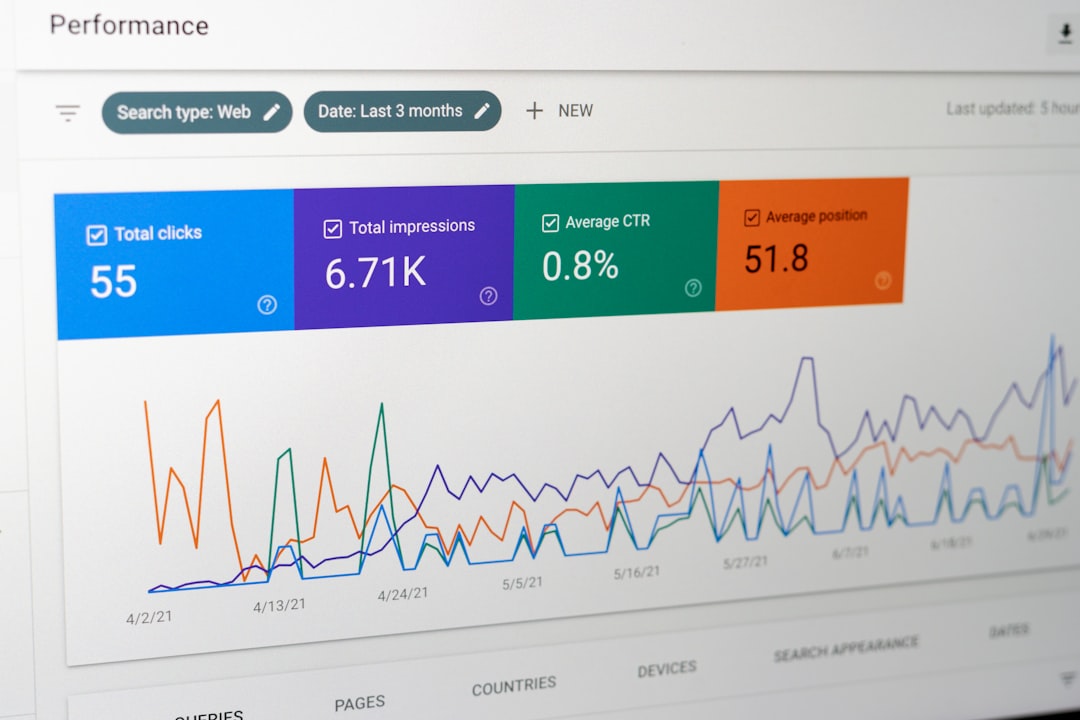
Faster growth in WordPress SEO usually comes from better priorities, not more plugins. If your site is live, your pages are indexed, and traffic is still flat, the next gains usually come from cleaner page targeting, stronger internal links, and a setup that sends clearer signals about which pages matter most.
A green light in an SEO plugin does not mean the page deserves to rank. Beginners often do the work, install the tools, and still feel stuck because the advice they follow is scattered. The goal is not a perfect score. The goal is a site that is easy to crawl, easy to understand, and useful enough to earn attention.
Start With the Basics That Actually Move Rankings


The fastest beginner wins usually come from fixing visibility basics before polishing details. That means checking whether your important pages can be crawled, whether your titles are specific, and whether your site structure helps Google and users move from one relevant page to the next.

Google recommends writing descriptive, concise titles, avoiding keyword stuffing, and using crawlable links with descriptive anchor text. That makes WordPress SEO simpler than it sounds: make your pages clear, make your links useful, and do not create clutter that hides your best content from search engines or visitors.
If you want a broader foundation before making changes, review our practical WordPress SEO guide for DIY site owners. It pairs well with beginner advice because it explains what to fix first instead of handing you a random checklist.
Use One SEO Plugin and Configure It Well
One well-configured SEO plugin is enough for most beginners. Running overlapping plugins often creates duplicate metadata, conflicting canonicals, and competing sitemap outputs that make troubleshooting harder than it needs to be.
If your site has changed hands, gone through a redesign, or had several plugins added over time, simplify first. Keep one SEO plugin, then set your title formats, meta defaults, sitemap settings, and archive rules in that one place. More tools rarely fix a scattered setup. They usually make it harder to see what is wrong.
If your current setup feels messy, our guide to fixing WordPress SEO setup problems will help you clean up the common conflicts before they affect more pages.
Write Better Titles Before You Publish More Content


Your title tag is one of the clearest signals you control, so beginners should improve titles before chasing advanced tactics. A descriptive title helps Google understand the page and helps searchers decide whether your result matches what they need.
Weak titles are usually vague, repetitive, or stuffed with keyword variations. Stronger titles are specific, readable, and aligned with one clear page purpose. If your page title could fit on ten different pages, it is probably too generic to help much.
| Weak title | Stronger title |
|---|---|
| SEO Services | SEO Company | SEO Expert | WordPress SEO Services for Small Businesses |
| Blog | WordPress SEO Tips for Beginners |
| Home | Local Roofing Company in Denver |
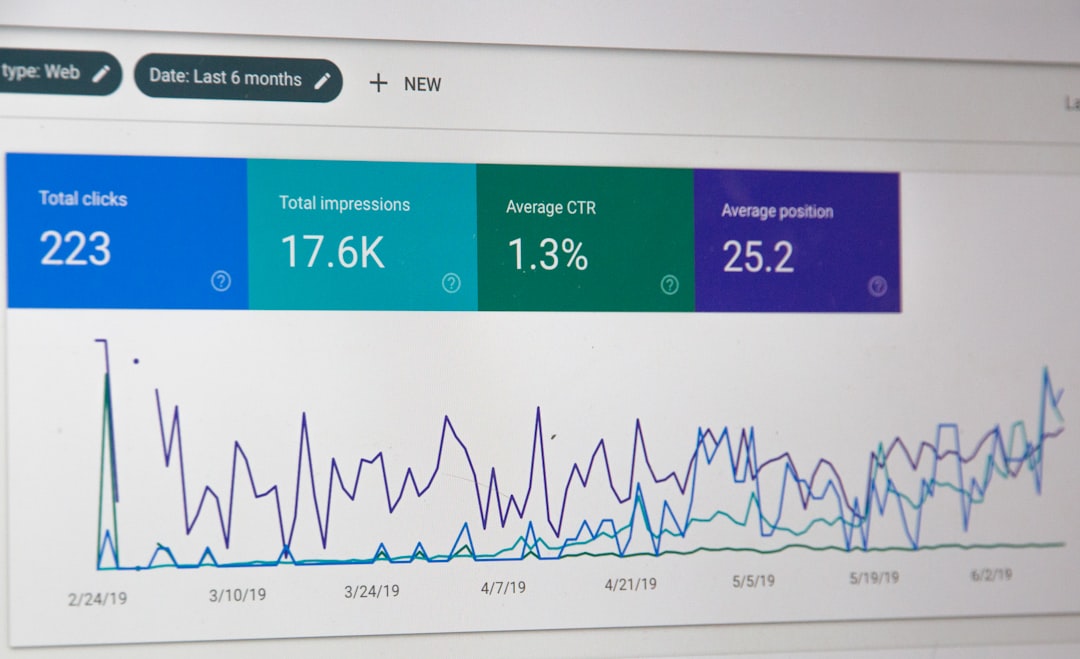
Fix the pages that already matter first. Start with your homepage, primary service pages, and posts that already get impressions. Fix the issues that block visibility before the issues that polish visibility.
Focus Each Page on One Main Topic
Beginners grow faster when each page has one job. A service page should target a service. A blog post should answer one clear question. When one page tries to rank for everything, it usually becomes vague and weaker for all of it.
This is where many WordPress sites stall. They publish several thin posts around nearly identical keywords, then wonder why none of them break through. One stronger page usually beats three overlapping pages. Consolidation is often more powerful than adding another article.
Build Internal Links as You Publish


Internal links are one of the easiest beginner tactics because they help both search engines and users. They show how your topics connect, help important pages get discovered, and guide visitors toward the next useful step on your site.
Link related blog posts to service pages. Link supporting posts to broader guides. Use descriptive anchor text that tells people what they will find after the click. Avoid generic anchors like read more or click here when a clearer phrase would do a better job.
If you are experiencing these symptoms, our team at WordPress SEO Expert can help. A quick review often shows whether your real issue is weak targeting, thin linking, duplicate pages, or a plugin setup that is sending mixed signals.
Do Not Chase Green Lights
Plugin scores can be useful reminders, but they are not a ranking system. Beginners lose time when they rewrite natural copy just to satisfy a density check or add awkward phrases only because a plugin wants an exact match keyword in one more spot.
A better approach is simpler: write clearly, answer the searcher’s question directly, and make sure the technical settings are clean. Helpful pages tend to perform better than pages written to impress a plugin interface.
Keep Your Site Fast and Easy to Use
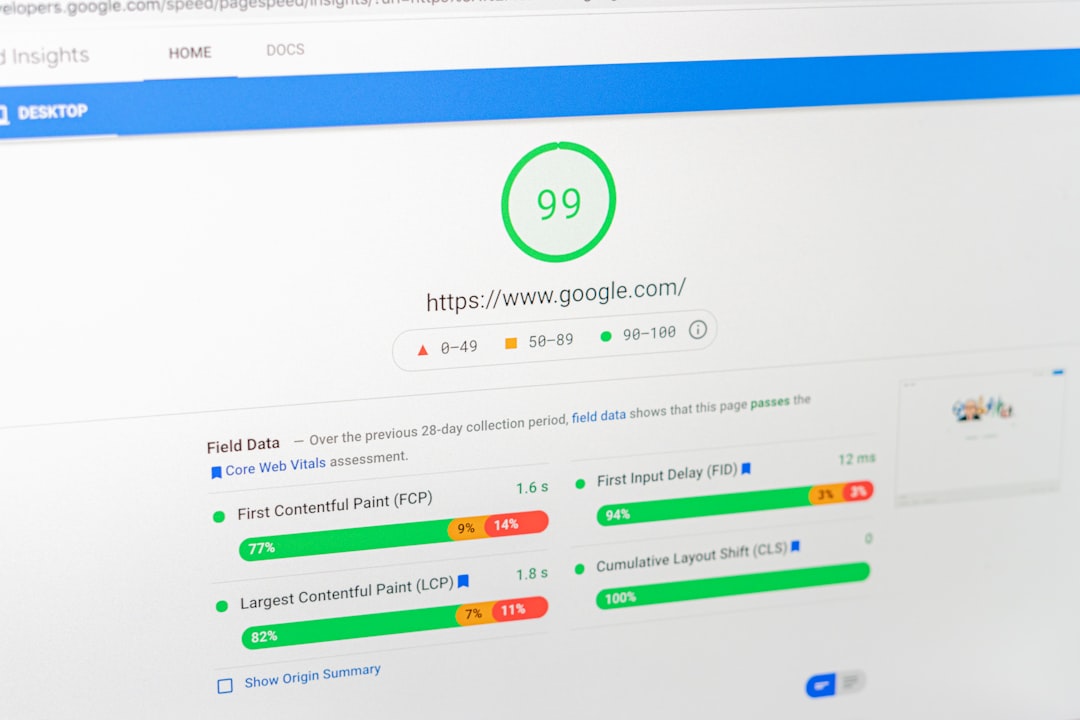
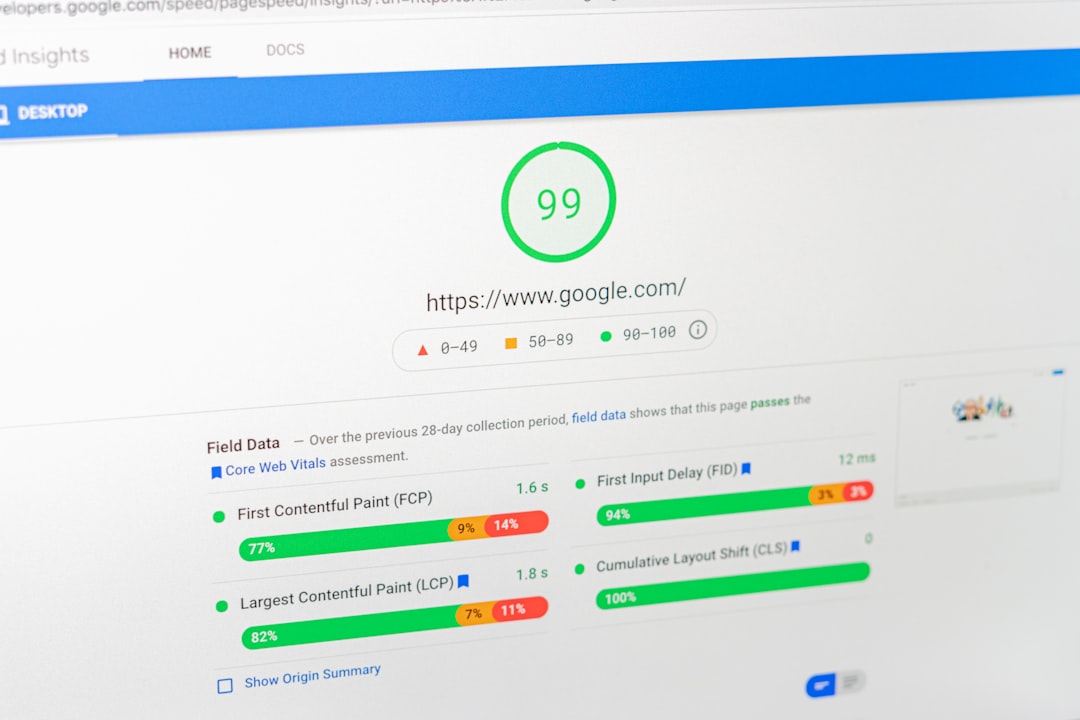
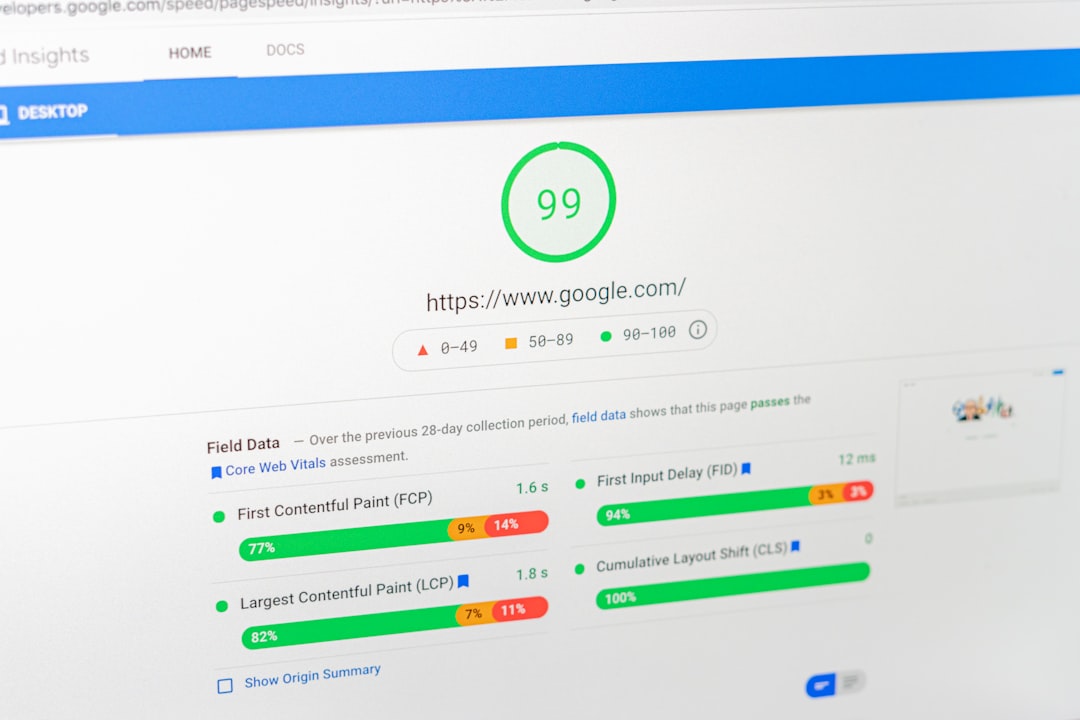
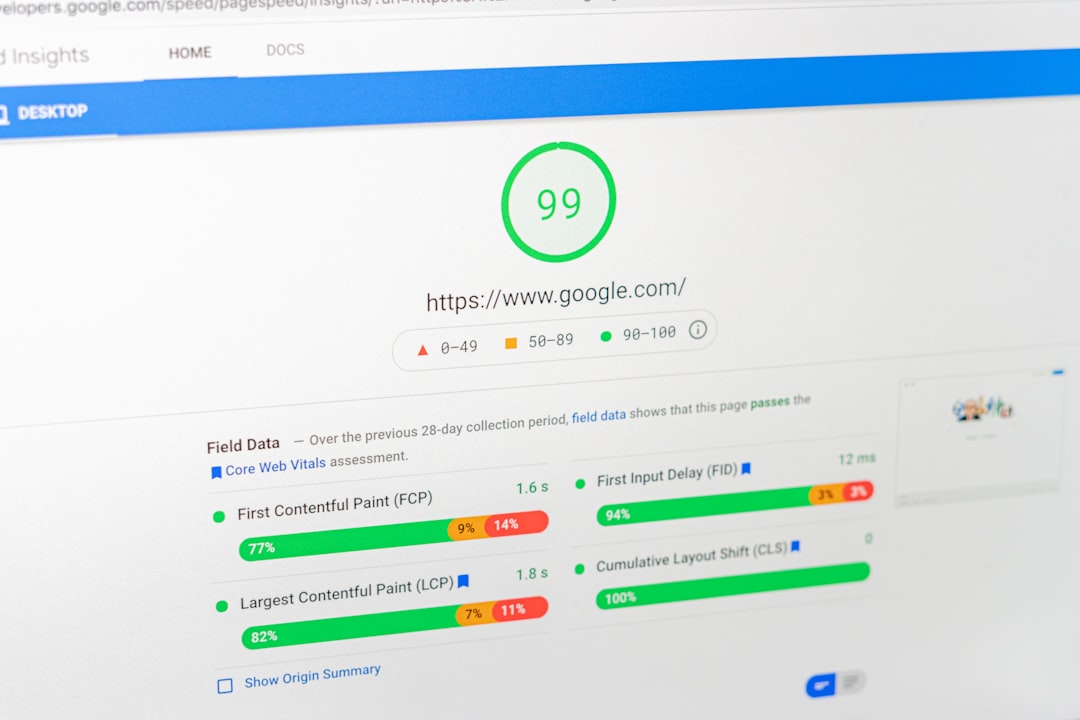
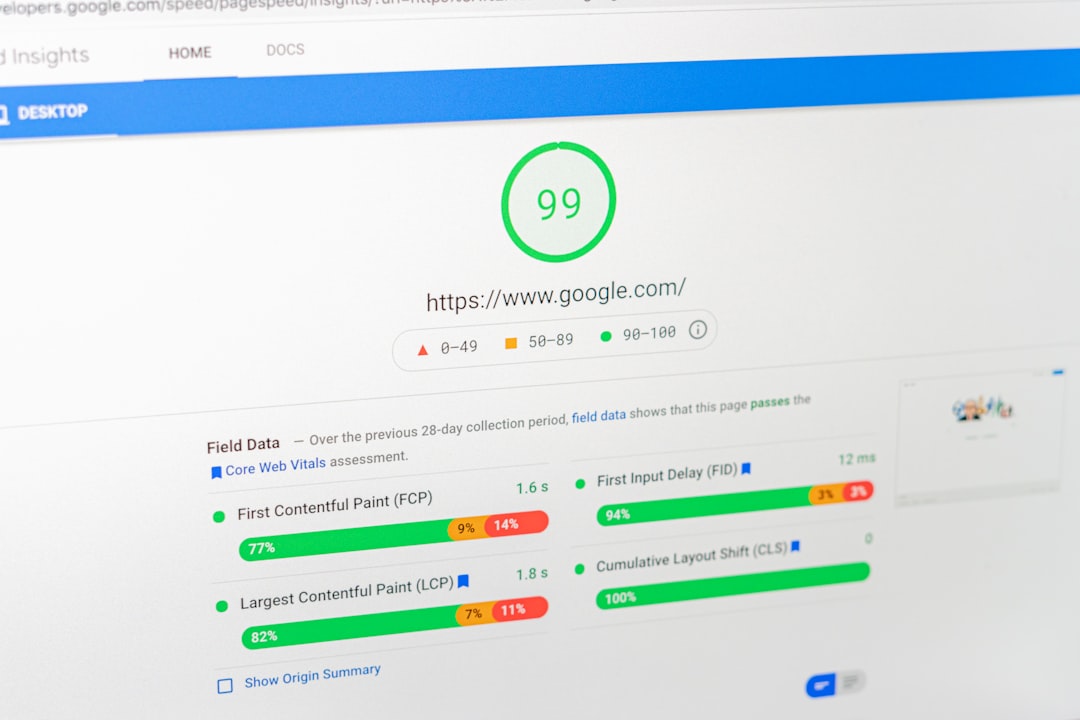
Site speed matters most when a slow page frustrates users or makes your site harder to use. Beginners do not need to obsess over perfection. They need a site that loads cleanly, feels stable, and does not bury useful content under heavy scripts, oversized images, and unnecessary plugins.
Start with image compression, basic caching, and plugin cleanup. Test a few important templates instead of one page only. Your homepage, a service page, and a blog post often behave differently, so speed improvements should be checked where real users actually land.
A Simple Order of Operations for Beginners
Beginners grow faster when they follow a sequence instead of a pile of tips. The right order prevents wasted effort and makes it easier to see which changes are improving performance.
| Priority | What to fix | Why it matters |
|---|---|---|
| 1 | Indexing and crawl access | Pages cannot rank if search engines cannot reach them |
| 2 | SEO plugin cleanup | Conflicts can create duplicate signals across the site |
| 3 | Titles and page focus | Improves topical clarity and search relevance |
| 4 | Internal links | Supports discovery, hierarchy, and context |
| 5 | Speed basics | Improves usability and reduces friction |
When Beginner SEO Stops Being Beginner Work
If you have handled the basics and rankings are still flat, the next problem is usually diagnosis, not motivation. Most site owners do not have one catastrophic problem. They have a stack of smaller issues that compound over time.
WordPress SEO Expert can help you sort out what to fix first. Book a free SEO consultation. No pitch, no pressure. Just an honest look at what your site actually needs and whether your current setup is part of the solution or part of the problem.
Contact WordPress SEO Expert today to schedule a consultation if you want a practical growth plan instead of another generic SEO checklist.