
Faster WordPress SEO growth usually comes from fixing a few compounding issues, not publishing more posts and hoping rankings move. If your site feels stuck, focus first on page targeting, internal links, title tags, and technical cleanup. Those four areas create the clearest path to better visibility without turning SEO into plugin busywork.
Most site owners do not have one catastrophic SEO problem. They have a stack of smaller issues: pages competing with each other, weak titles, thin internal links, and technical friction that keeps good pages from performing. WordPress SEO Expert helps businesses sort that stack into a practical order so the highest-impact fixes happen first.
Start with the pages that should drive leads

The fastest growth usually comes from improving the pages closest to revenue, not from writing random blog posts. Before you add more content, identify your homepage, top service pages, category pages, and location pages. Those are the pages that deserve your first SEO attention.
Give each important page one primary topic. If three pages are all trying to rank for the same phrase, Google gets mixed signals about which page matters most. A cleaner map makes the site easier to understand and easier to improve over time. If your strategy still feels scattered, review our WordPress SEO strategy for small business for a clearer planning framework.
What to check first
Start by asking four simple questions. Which pages bring leads now? Which pages have impressions but few clicks? Which pages target overlapping keywords? Which pages are important to the business but buried in navigation? The answers usually reveal your first round of fixes.
| Area | What to check | Why it matters |
|---|---|---|
| Homepage | Clear service focus and unique title tag | Sets the main topic for the brand |
| Service pages | One main keyword theme per page | Reduces cannibalization |
| Blog posts | Support a service or category page | Turns content into a growth asset |
| Navigation | Important pages reachable in a few clicks | Improves discovery and internal authority flow |
Fix title tags before chasing more content

Title tags are one of the easiest high-impact SEO fixes because they directly affect relevance and click-through potential. Google recommends writing title text that is descriptive and concise, and specifically advises against keyword stuffing and repetitive boilerplate across pages.
Many WordPress sites waste this opportunity with titles like Service | Company | Best Service. That pattern tells neither users nor search engines what makes the page different. Stronger titles are specific, readable, and aligned with the actual intent of the page.
Weak title: SEO Services | SEO Company | SEO Expert
Stronger title: WordPress SEO Services for Small Businesses
Weak title: Plumbing Blog | Plumbing Tips
Stronger title: How to Prevent Frozen Pipes in Winter
Keep titles distinct from page to page. When every page follows the same boilerplate formula, you lose relevance and click appeal. This is also where plugin scores can be misleading. A green light in an SEO plugin does not mean the title is compelling.
Use internal links to support your money pages
Internal links are one of the most underused WordPress SEO levers because they are fully under your control. Done well, they help search engines understand page relationships and help users find the next useful page without friction.
Every supporting article should point toward a related service, category, or cornerstone page using descriptive anchor text. Generic anchors like learn more or click here waste context. The better approach is to link phrases that explain why the destination page matters. For example, if site speed is limiting rankings, connect readers to our WordPress site speed fixes for SEO so the next step is obvious.
A simple rule works well here: every new post should support an existing important page, and every important page should receive relevant internal links from related content. That keeps authority from pooling on isolated blog posts that never help the pages that actually convert.
A practical internal linking pattern
Add one internal link near the top of the article, one in the middle where the topic naturally expands, and one near the end if the reader needs a next step. You do not need dozens of links. You need a small number of relevant ones that make the site easier to navigate.
Track the pages Google is already testing

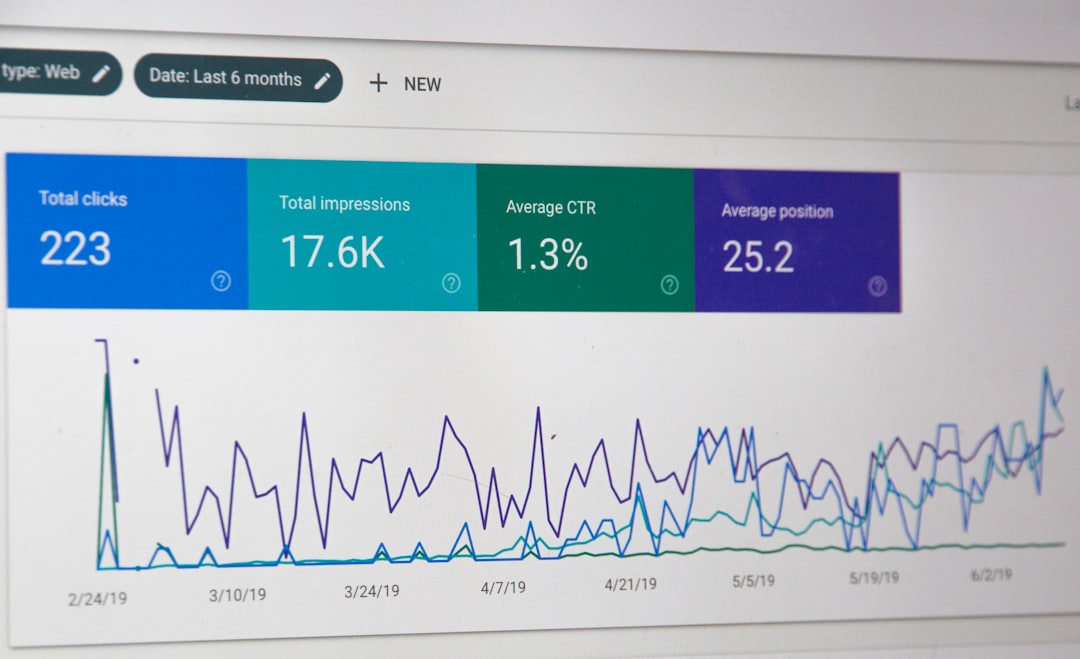
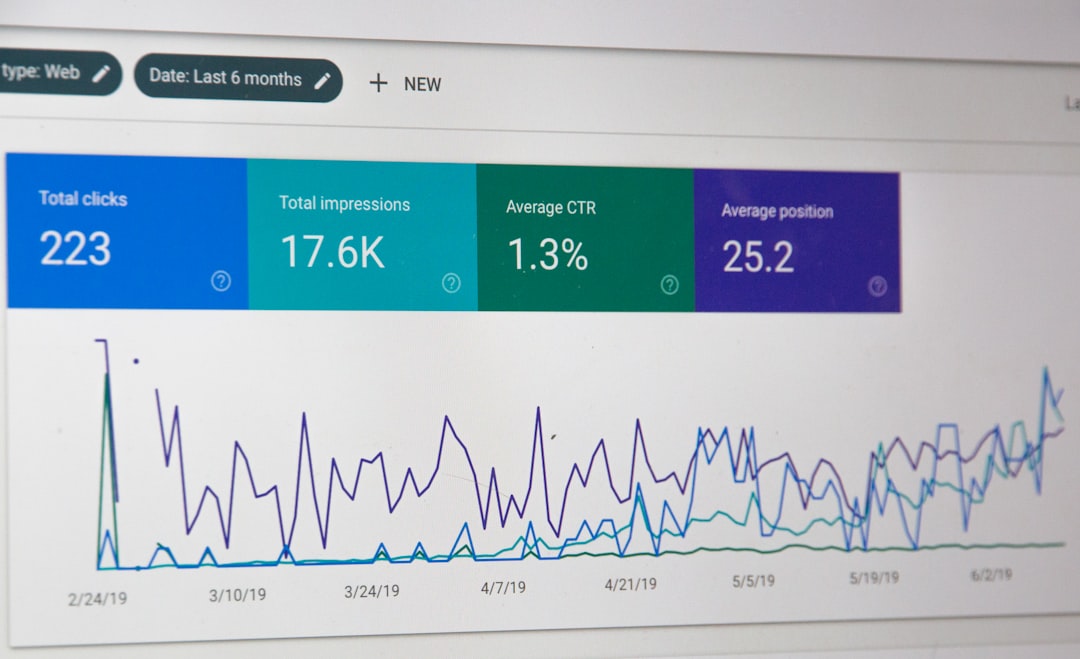
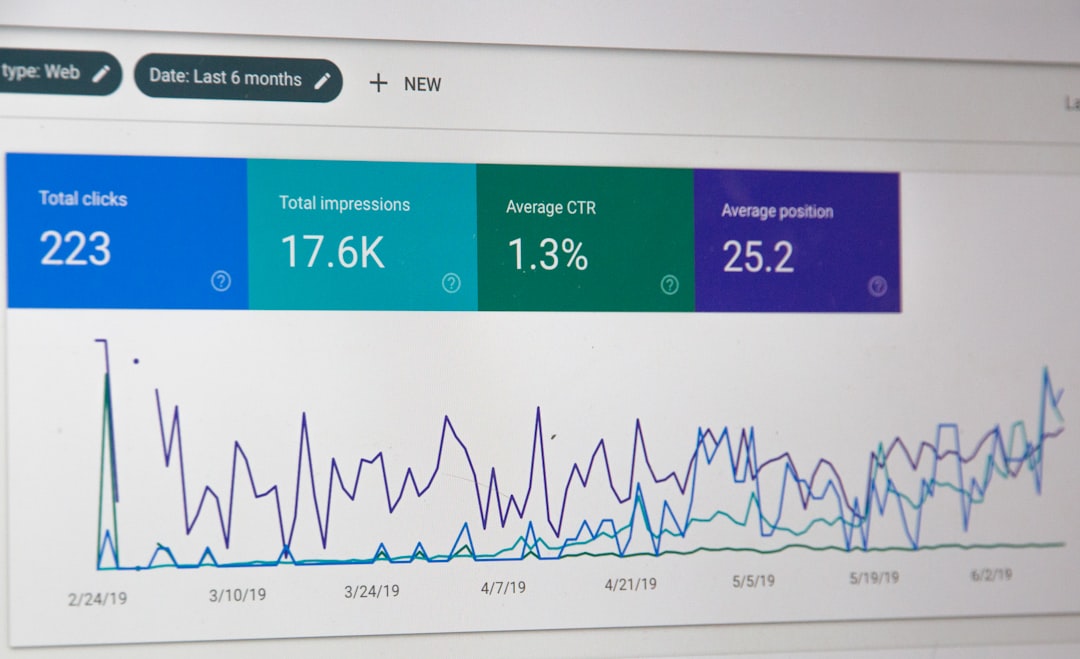
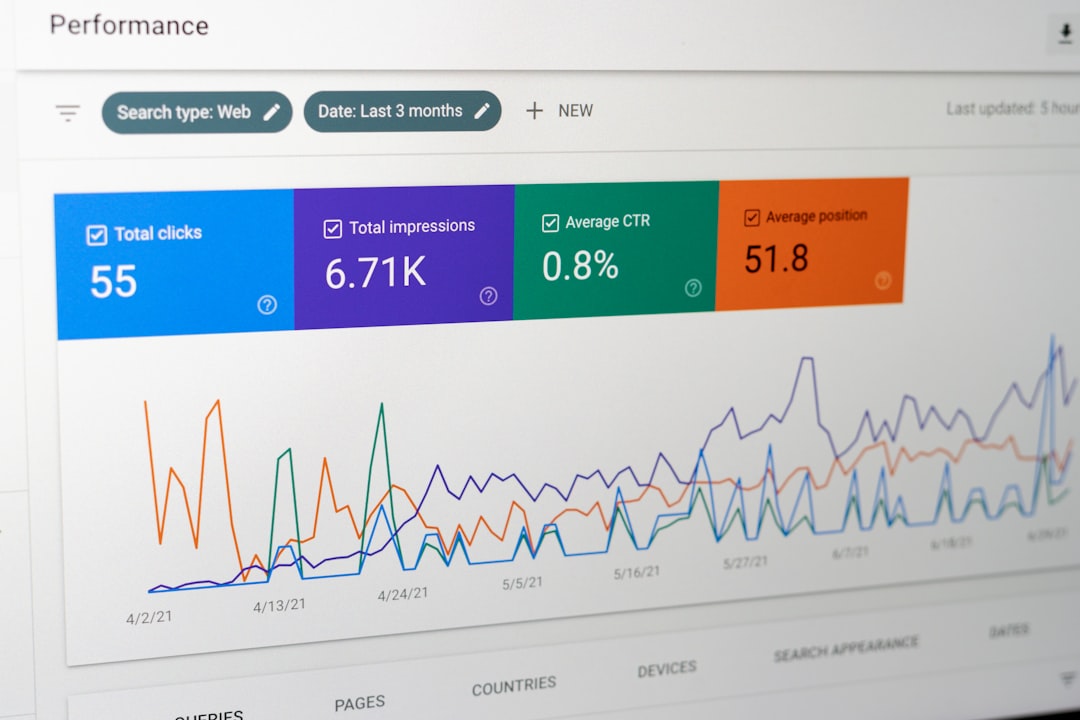
The easiest growth opportunities often sit inside Google Search Console, especially on pages that already get impressions. The Performance report shows clicks, impressions, average CTR, and average position, which makes it useful for spotting pages that are close to breaking through but need better targeting or snippets.
Look for pages with rising impressions and flat clicks. That usually points to a title or intent problem. Look for pages ranking on page two or low page one for valuable terms. Those are often easier wins than launching entirely new content. Google also emphasizes creating helpful, people-first content, so use Search Console data to improve pages that already serve a real audience instead of publishing content just to fill a calendar.
| Signal in Search Console | Likely issue | Recommended action |
|---|---|---|
| High impressions, low CTR | Weak title or meta description | Rewrite the snippet to match search intent |
| Average position improving, clicks flat | Snippet not competitive | Make the page promise clearer |
| Multiple pages for one query theme | Keyword overlap | Consolidate or differentiate pages |
| Good content, low visibility | Weak internal linking or technical friction | Improve links and review technical setup |
If you are experiencing these issues, our team at WordPress SEO Expert can help. A second set of eyes often reveals whether the bottleneck is on-page relevance, crawlability, or site structure before you waste weeks rewriting the wrong pages.
Clean up technical drag before it compounds
Technical SEO problems rarely look dramatic, but they quietly slow growth. Common examples include slow templates, overlapping plugins, indexation mistakes, redirect chains, and bloated media that drags down page experience. Most of these problems do not block rankings on their own. Together, they make a site harder to crawl, slower to use, and harder to trust.
Do not start by installing more SEO plugins. Start by simplifying the setup you already have. One solid SEO plugin, one caching system, a clean sitemap, and fast-loading templates are usually better than a stack of tools fighting each other.
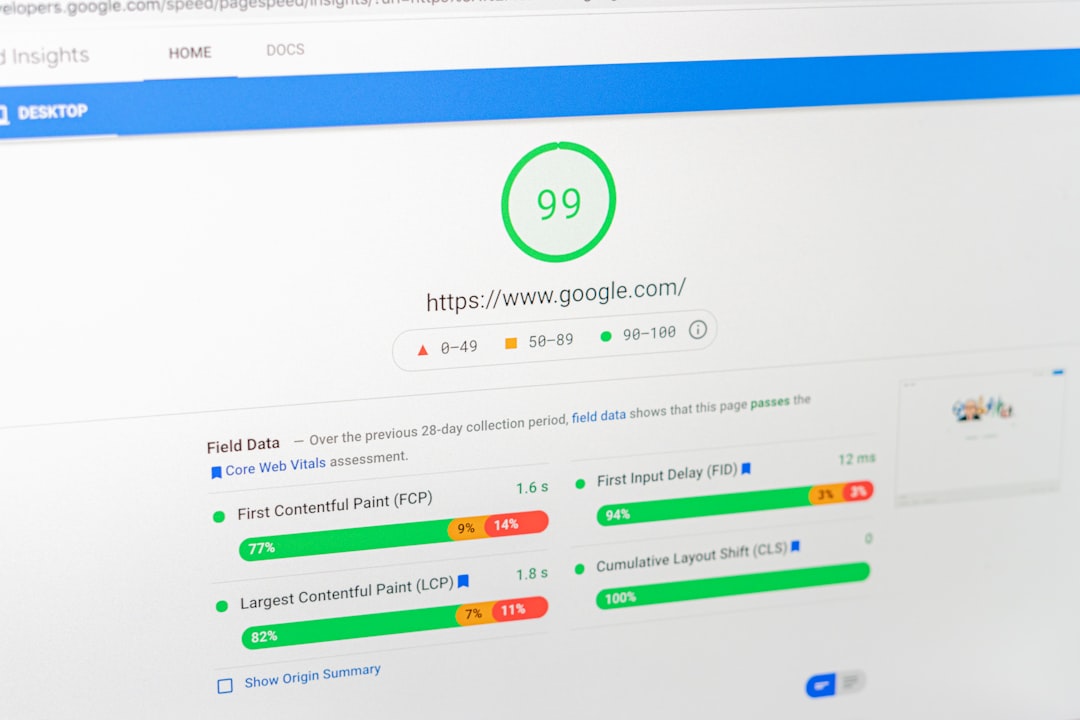
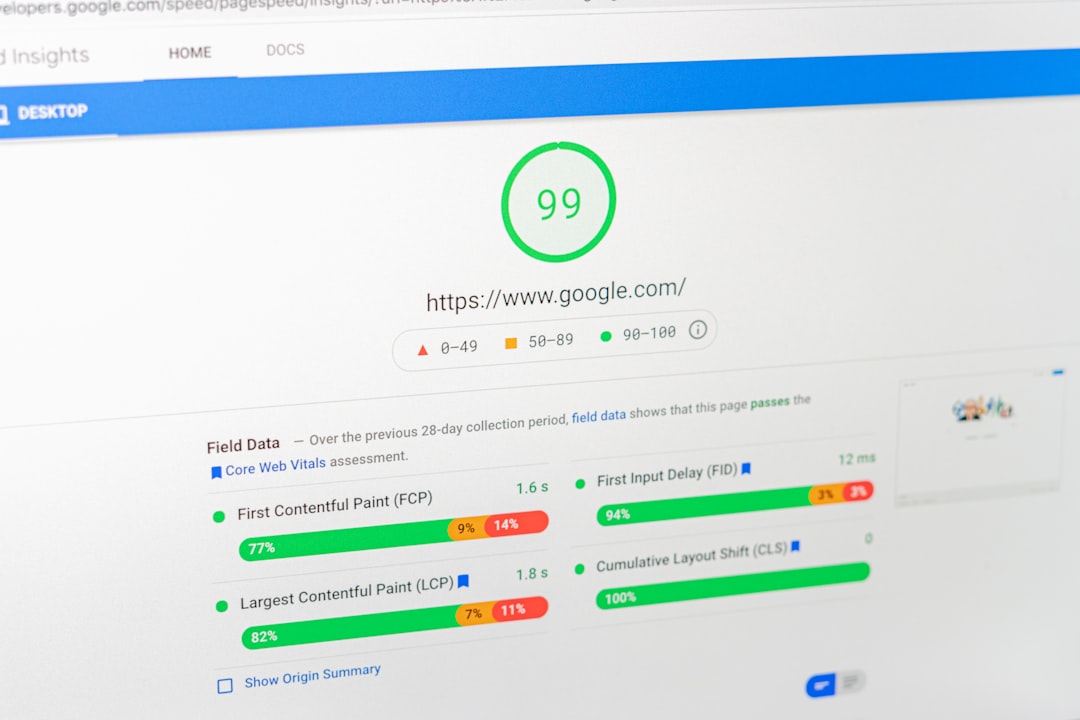
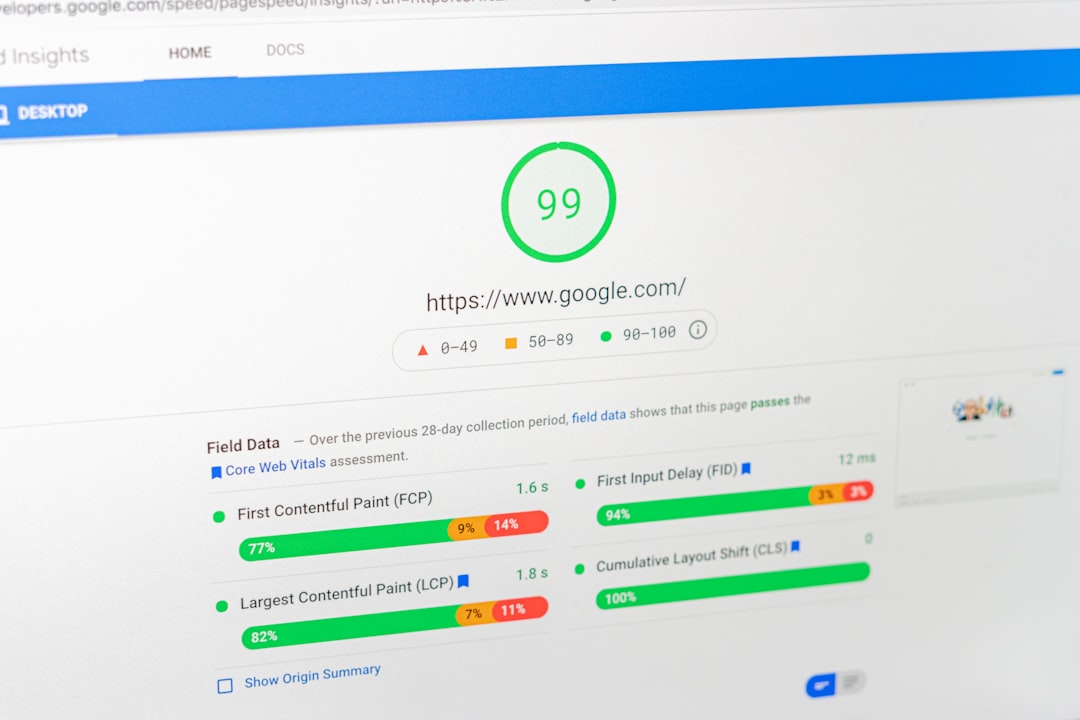
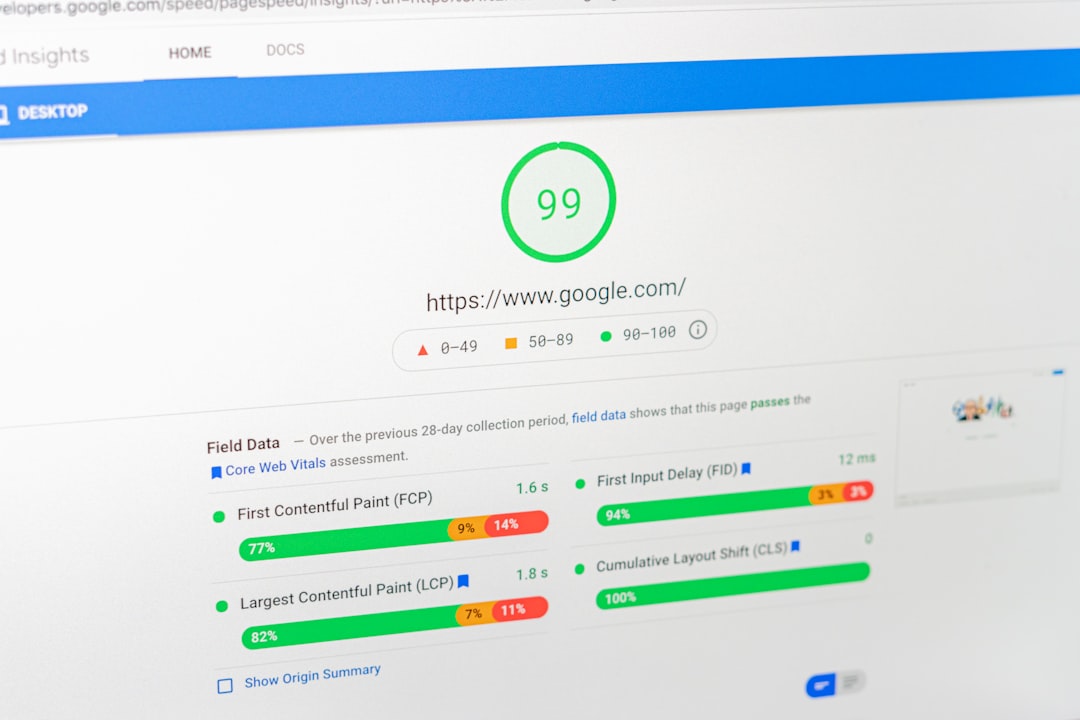
Site speed deserves special attention because it affects both user experience and how efficiently your site delivers content. If large images, render-blocking files, or cheap hosting are slowing the site down, fix those before expanding content production. Our guide on improving WordPress site speed for SEO walks through the exact issues to prioritize.
Do not confuse activity with progress
Many owners stay busy updating plugins, tweaking settings, and publishing more posts without ever improving the pages that matter. Faster SEO growth comes from a short priority list. Fix what affects visibility first. Ignore the rest until those basics are stable.
A simple order of operations for faster growth
If you want a practical plan, use this order: clarify page targets, improve titles, strengthen internal links, then clean up technical issues. That sequence works because it improves relevance before you spend time on finer technical polish.
| Priority | Action | Expected payoff |
|---|---|---|
| 1 | Assign one main topic to each key page | Clearer relevance and less keyword overlap |
| 2 | Rewrite weak title tags | Better click potential and page clarity |
| 3 | Add descriptive internal links | Stronger topical relationships across the site |
| 4 | Resolve speed and technical friction | Better usability and stronger SEO foundation |
Final takeaway
WordPress SEO growth is usually slower than site owners want, but it also becomes faster once the right fixes happen in the right order. Focus on the pages that matter, make your titles more specific, build smarter internal links, and remove technical drag. That is the work that compounds.
If you want a second set of eyes before changing settings or rewriting pages, contact WordPress SEO Expert today to schedule a consultation. We will help you identify what is actually holding your rankings back and what to fix first.