A strong WordPress SEO strategy is much easier to manage when you have the right tools and techniques behind it. SEO is not just about adding keywords to a page. You need to understand how people search, identify technical issues, improve content, monitor rankings, and build authority over time.
For WordPress websites, the right combination of SEO tools can make this process more organized and effective. Whether you manage a small business website, blog, ecommerce store, or service-based website, using practical SEO tools can help you make better decisions.
Keyword Research Tools
Keyword research is one of the first steps in building an effective SEO strategy. It helps you understand what potential customers are searching for and which topics are relevant to your website.
Tools such as Ubersuggest, Google Keyword Planner, Ahrefs, and Semrush can help identify:
- Search volume
- Keyword variations
- Search intent
- Related questions
- Keyword difficulty
- Competitor opportunities
Instead of targeting only broad keywords, look for specific phrases that closely match your audience’s needs.
For example, a WordPress agency may target a broad phrase such as “WordPress SEO,” but a more specific keyword like “WordPress SEO services for small businesses” can better match commercial search intent.
WordPress SEO Plugins
SEO plugins make many on-page tasks easier directly inside WordPress.
Popular options include Rank Math and Yoast SEO. Depending on the website, these plugins can help with titles, meta descriptions, XML sitemaps, canonical settings, schema options, and other SEO-related configurations.
However, installing multiple SEO plugins for the same purpose can create conflicts. A website should generally use one primary SEO plugin and configure it properly rather than adding several overlapping plugins.
Website Audit Tools
Regular SEO audits help uncover problems that may affect visibility.
Tools such as Screaming Frog, Google Search Console, and other site-audit platforms can identify issues including:
- Broken links
- Missing title tags
- Duplicate content
- Redirect problems
- Indexing issues
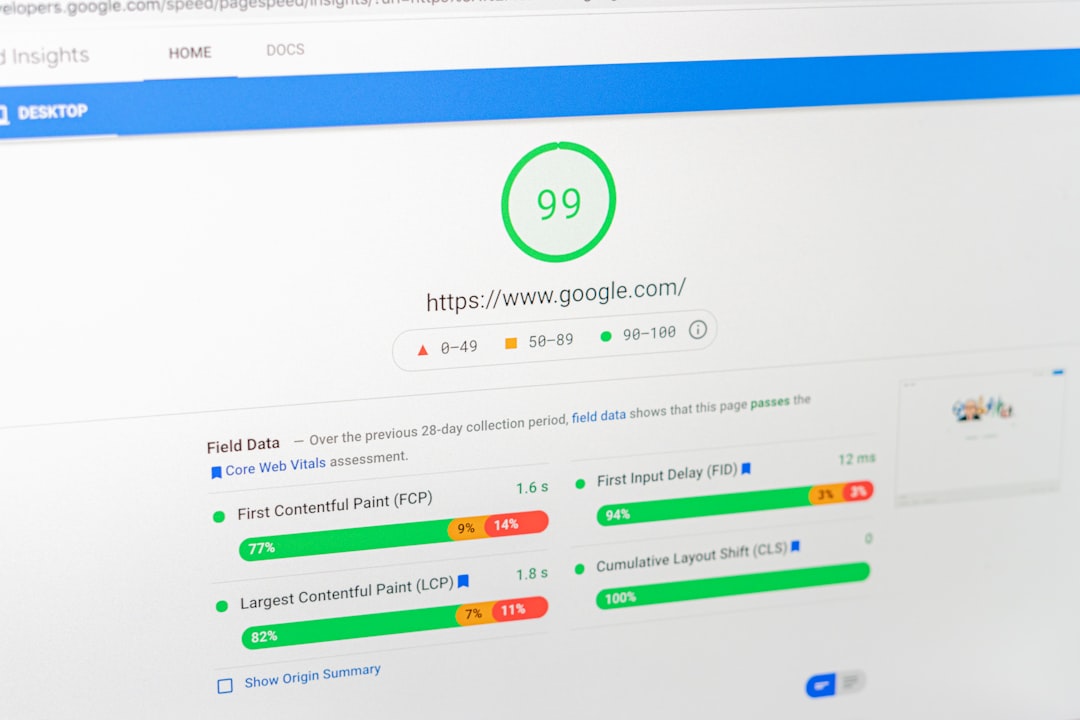
- Slow or oversized pages
- Missing image alt text
An audit should not simply produce a long list of errors. Each issue should be reviewed according to its actual impact on users and search engines.
Google Search Console

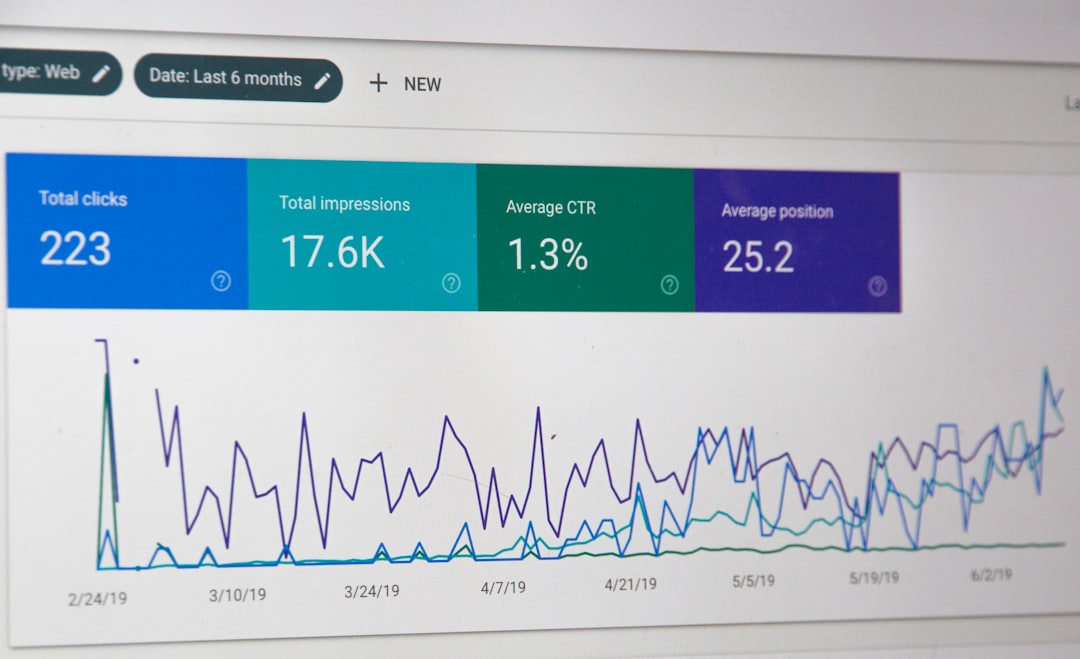
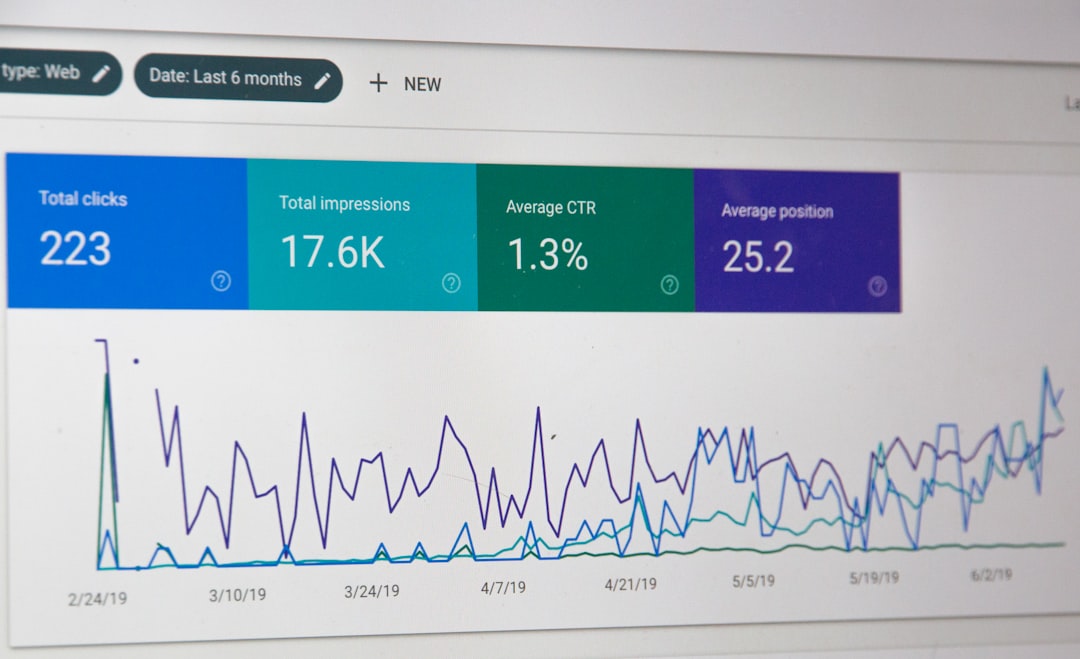
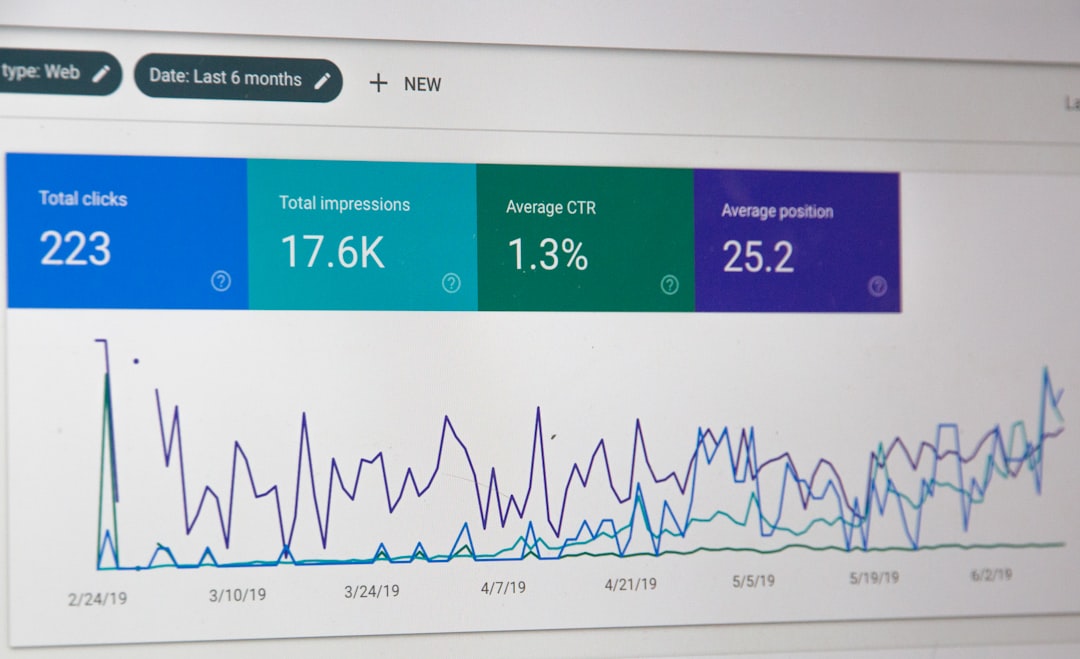
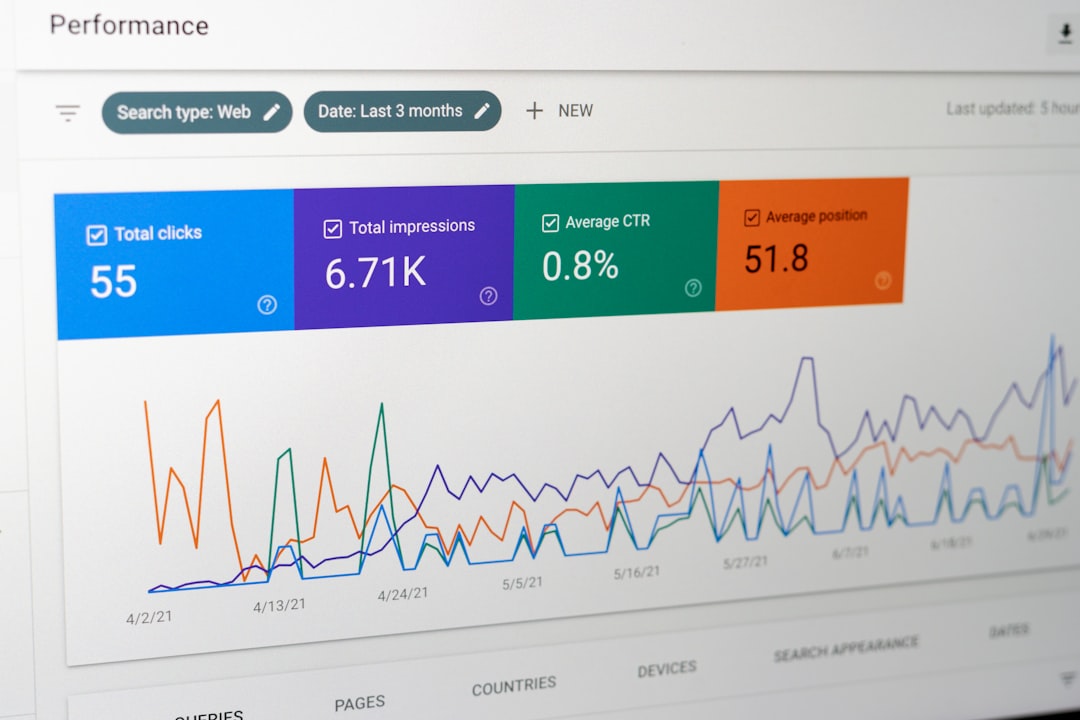
Google Search Console is especially useful because it provides information directly related to Google’s search results.
You can use it to monitor:
- Search queries
- Clicks and impressions
- Average position
- Indexed pages
- Indexing problems
- Sitemap status
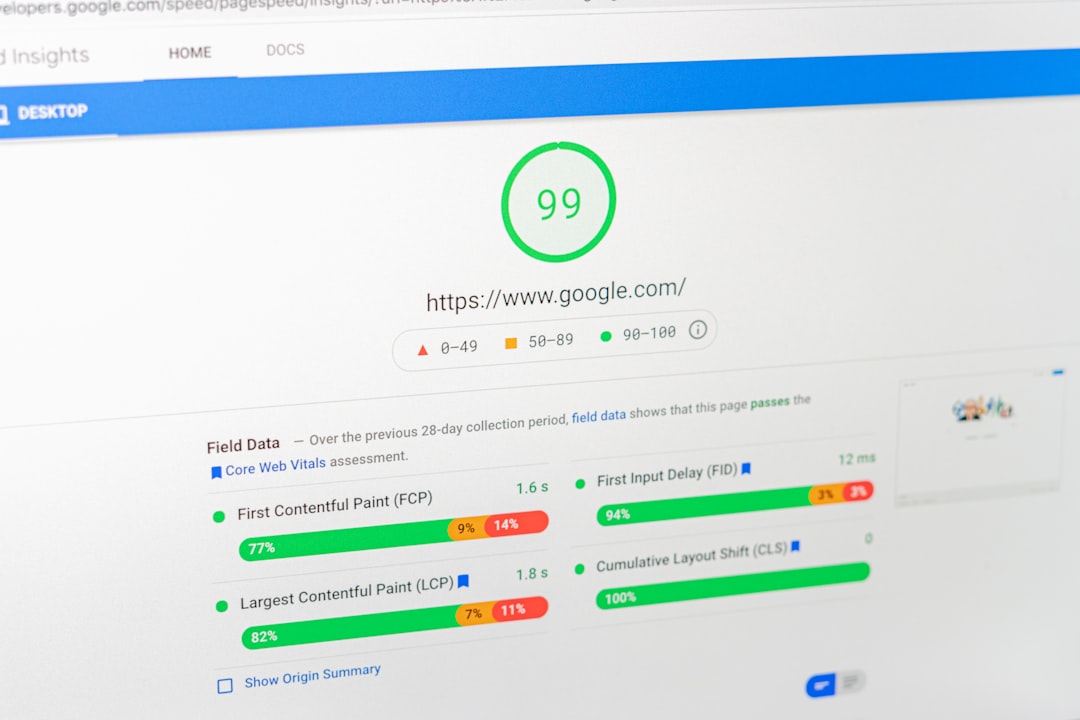
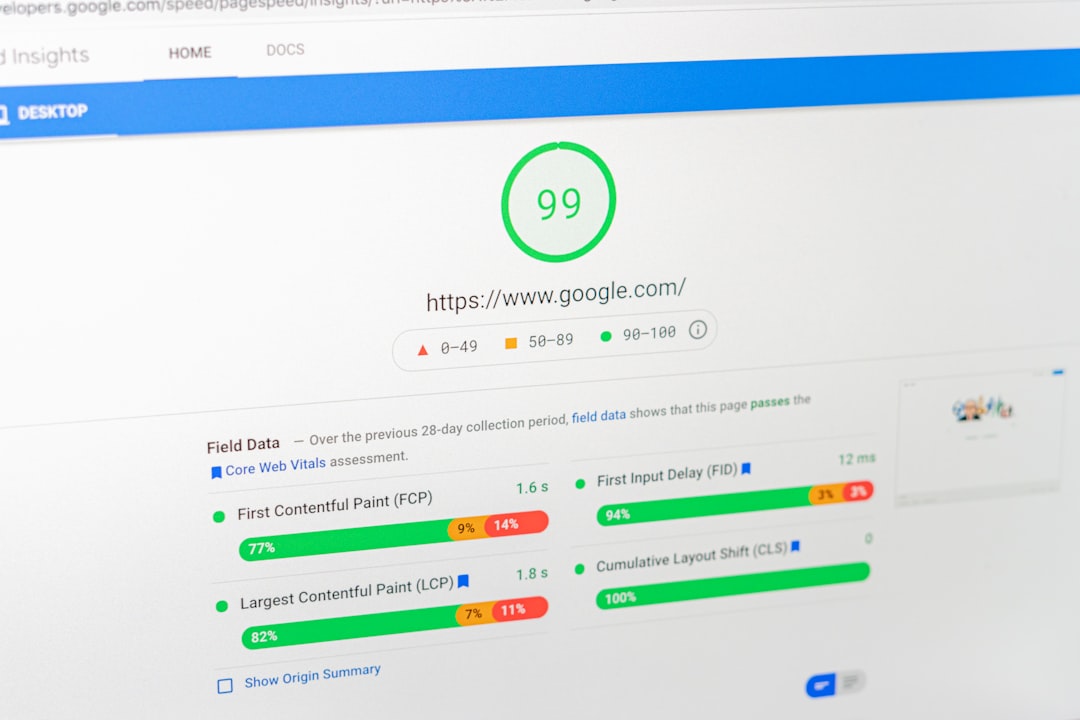
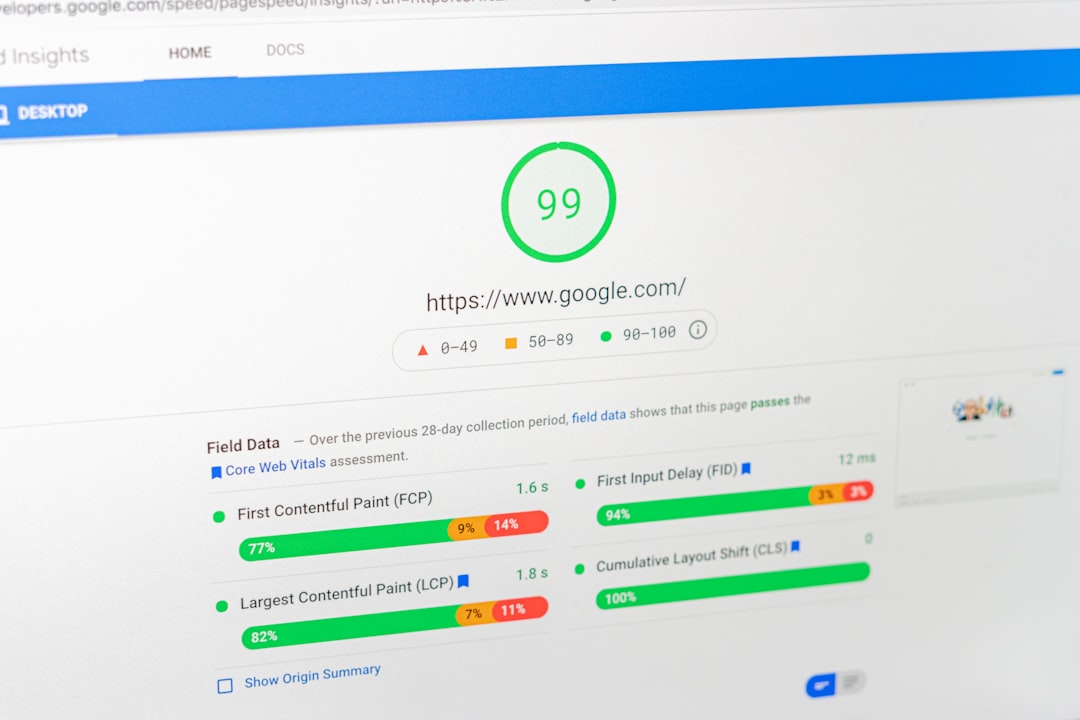
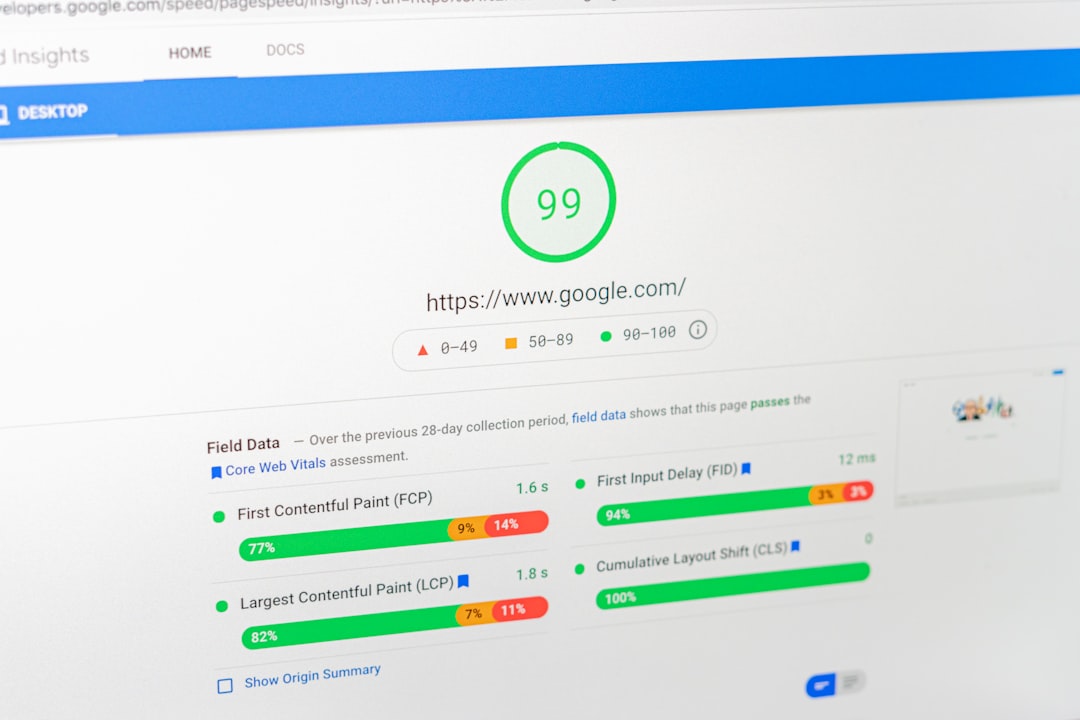
- Core Web Vitals information
For example, if a page receives many impressions but very few clicks, its title and description may need improvement. If an important page is not indexed, the technical cause should be investigated.
Google Analytics
SEO traffic should also be evaluated after visitors reach the website. Analytics tools can help you understand what users do after arriving through organic search.
Look at metrics such as:
- Organic traffic
- Engagement
- Landing pages
- Conversions
- User journeys
- Leads or purchases
Ranking higher is useful, but the real business value comes from attracting relevant visitors who take meaningful actions.
Backlink and Competitor Research
Off-page SEO is another important part of the strategy. Tools such as Ahrefs, Semrush, and Ubersuggest can help analyze backlinks and competitor websites.
You can research:
- Competitor referring domains
- Content attracting backlinks
- Broken-link opportunities
- Industry websites
- Potential guest-post opportunities
The goal should be quality and relevance rather than collecting a large number of random links.
Technical SEO Techniques
Tools are only useful when combined with practical techniques. A WordPress SEO strategy should regularly review:
| Area | What to Check |
|---|---|
| Speed | Page loading and performance |
| Mobile | Responsive design and usability |
| Indexing | Important pages available to search engines |
| URLs | Short, descriptive structures |
| Content | Helpful and search-intent focused |
| Images | Compression and descriptive alt text |
| Links | Internal links and broken links |
| Security | HTTPS and safe website configuration |
Turning Tools Into a Strategy
The biggest mistake is using SEO tools without a clear plan. A good workflow connects research with action.
Start with keyword research, review competitors, audit the website, improve important pages, strengthen internal linking, monitor performance, and repeat the process.
For larger websites, a WordPress SEO expert can combine these tools into a structured strategy instead of treating every SEO issue separately. This makes it easier to prioritize work and focus resources on changes that can have a meaningful impact.