
Low rankings for service businesses usually come from an unclear page strategy, not one missing plugin or one more blog post. A practical WordPress SEO strategy starts by matching each service to its own page, tightening site structure, and fixing the technical issues that stop good pages from performing.
Service businesses have a different SEO problem than content-heavy publishers or large ecommerce stores. You do not need dozens of category pages. You need clear service pages, local relevance where it matters, strong internal links, and a site that makes it obvious why a visitor should contact you. WordPress SEO Expert helps businesses build that kind of focused plan instead of chasing plugin scores.
What a service business SEO strategy should include
A strong strategy for service businesses has five parts: service page targeting, local and commercial search intent, internal linking, technical cleanup, and conversion-focused page content. If one of those pieces is weak, traffic may stall even when the site looks fine on the surface.
The easiest way to think about it is this: your homepage targets the broad business topic, your service pages target buyer-intent searches, your location pages target geographic demand where you truly serve customers, and your blog supports those pages by answering the questions people ask before they reach out. That same page-purpose logic shows up in our WordPress SEO strategy for small business and is one of the fastest ways to reduce keyword overlap.
Start with service pages before publishing more blog content
Most service businesses should fix and expand their core service pages before pushing out more articles. If your money pages are thin, vague, or all targeting the same phrase, blog content will not compensate for that weakness.
Each core service should have its own page with one clear primary topic. A roofing company might separate roof repair, roof replacement, emergency roof repair, and commercial roofing if those are distinct services. A law firm might separate estate planning, probate, elder law, and guardianship if the search intent and client need differ. When multiple services get compressed into one short page, rankings often stall because the page does not fully match what searchers want.
That does not mean creating endless near-duplicate pages. One strong page per real service is usually better than several thin variations. If you are unsure whether your current structure is helping or hurting, reviewing how to audit WordPress SEO can help you spot overlap, weak intent targeting, and pages that deserve consolidation.
Map keywords by intent, not by volume alone

The best keyword for a service business is usually the one closest to a real inquiry, not the one with the biggest search volume. High-volume informational terms can be useful, but they should support service pages instead of replacing them.
A practical keyword map usually breaks into three groups. First are core service terms tied to revenue. Second are local modifiers if customers search by city, region, or service area. Third are supporting questions that belong in blog posts, FAQs, or service page subheadings. This keeps the site aligned with how buyers move from problem awareness to vendor selection.
For example, an HVAC company should normally prioritize pages for AC repair, furnace installation, and maintenance plans before writing broad educational posts. A consultant should prioritize service pages, industry-specific offer pages, and proof-driven case study content before trying to rank for top-of-funnel thought leadership terms. The strategy works because it puts the highest-intent opportunities first.
Build a site structure that supports your main services

Service business sites usually underperform because important pages are buried, disconnected, or competing with generic navigation labels. Your site structure should make the main services obvious within a few clicks from the homepage.
Start with navigation that reflects your highest-value services. Then add contextual internal links from the homepage, related service pages, and blog posts using descriptive anchor text. A post about common roof leaks should link naturally to a roof repair page. A post about redesign SEO risks should link to relevant technical service pages. Internal links help search engines understand page relationships, but they also help real visitors move toward contact pages without friction.
This is also where many businesses create problems by letting tag archives, duplicate pages, old campaign URLs, and thin builder-generated pages stay live. If your structure has grown messy over time, our guide on how to fix WordPress SEO problems covers the kinds of clutter that quietly dilute stronger pages.
Write service pages for conversion, not just relevance
A page can be relevant enough to rank and still fail to produce leads. Service business SEO works best when the page answers the search, reduces hesitation, and makes the next step easy.
Each important service page should explain what the service is, who it is for, what problems it solves, how your process works, and what the visitor should do next. You do not need artificial keyword repetition. You need enough specificity that the reader stops comparing you to every other provider who wrote the same generic paragraph.
Strong service pages often include service areas where relevant, trust signals, common objections, timelines, pricing approach if appropriate, and answers to the next obvious questions. Weak pages usually say little more than “we offer professional service” and then wonder why they do not convert. Search visibility and conversion quality are tightly connected for service businesses because vague pages tend to underperform in both areas.
Fix technical SEO before it compounds

Most service business WordPress sites do not have one catastrophic technical issue. They usually have a stack of smaller problems that add up: slow templates, indexation mistakes, conflicting plugins, weak canonicals, and unnecessary archive pages.
Start with the basics. Confirm the site can be indexed. Check that the preferred version of the domain resolves cleanly. Review redirects after redesigns or URL changes. Make sure your XML sitemap reflects the pages you actually want indexed. Keep one clean SEO plugin setup instead of stacking overlapping features across multiple plugins.
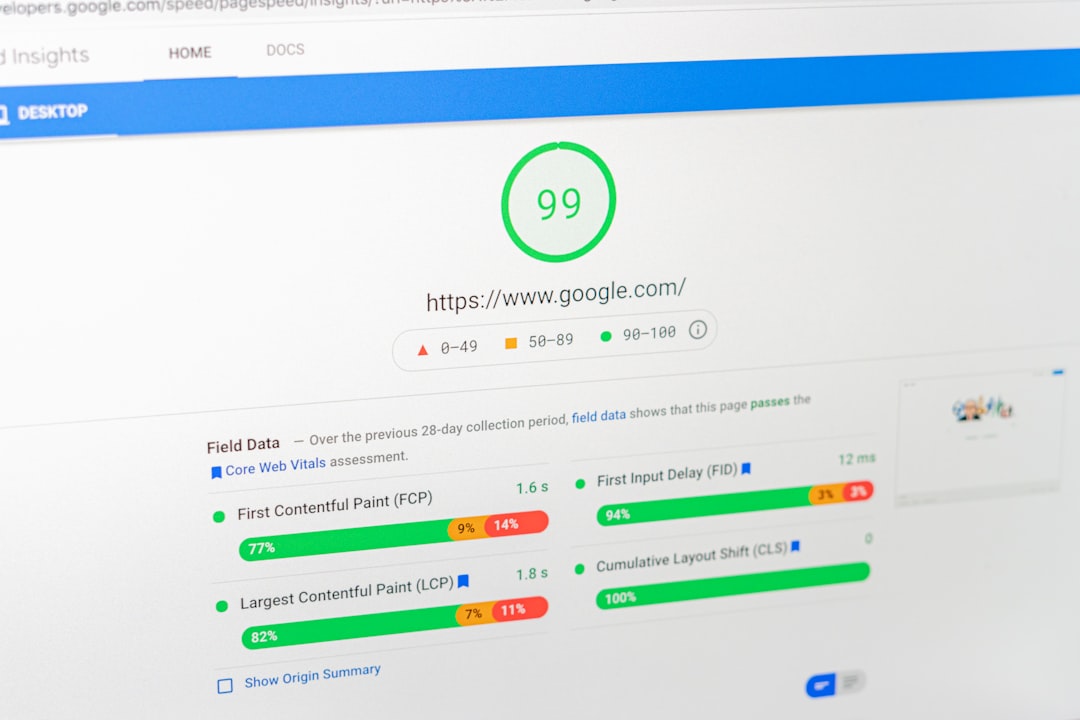
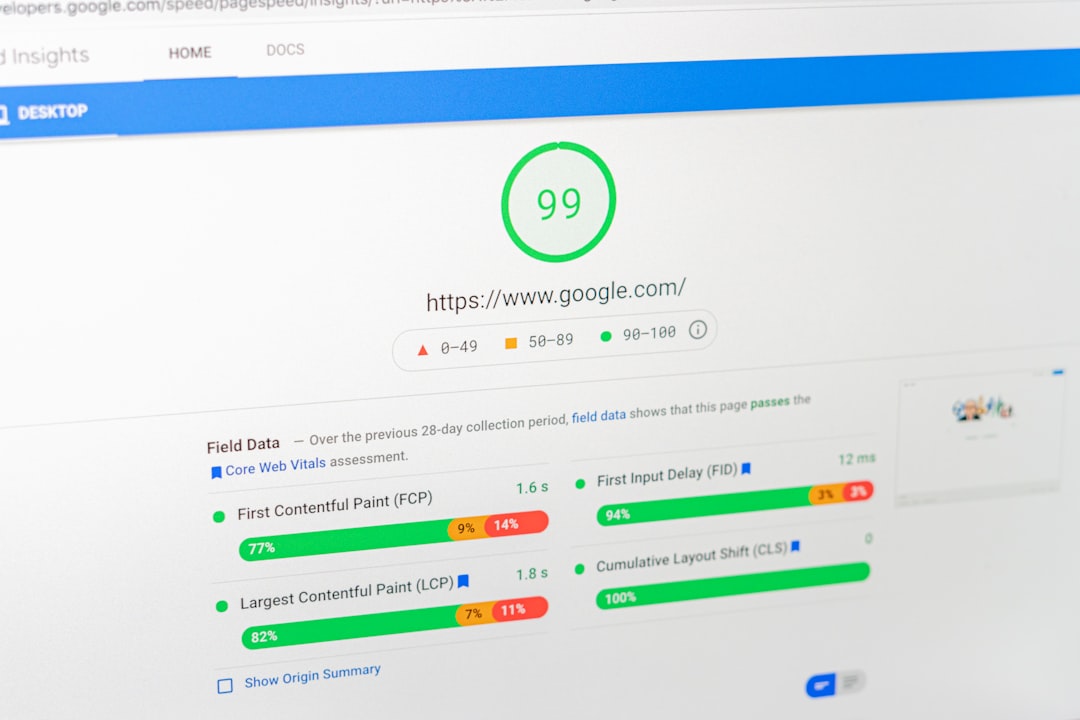
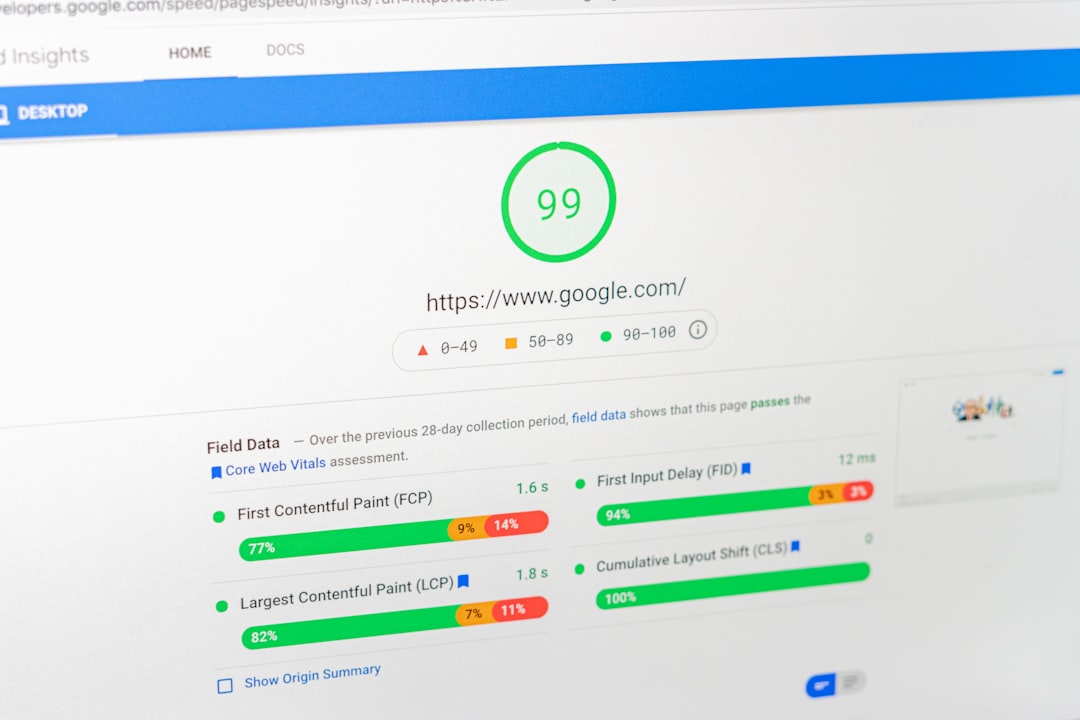
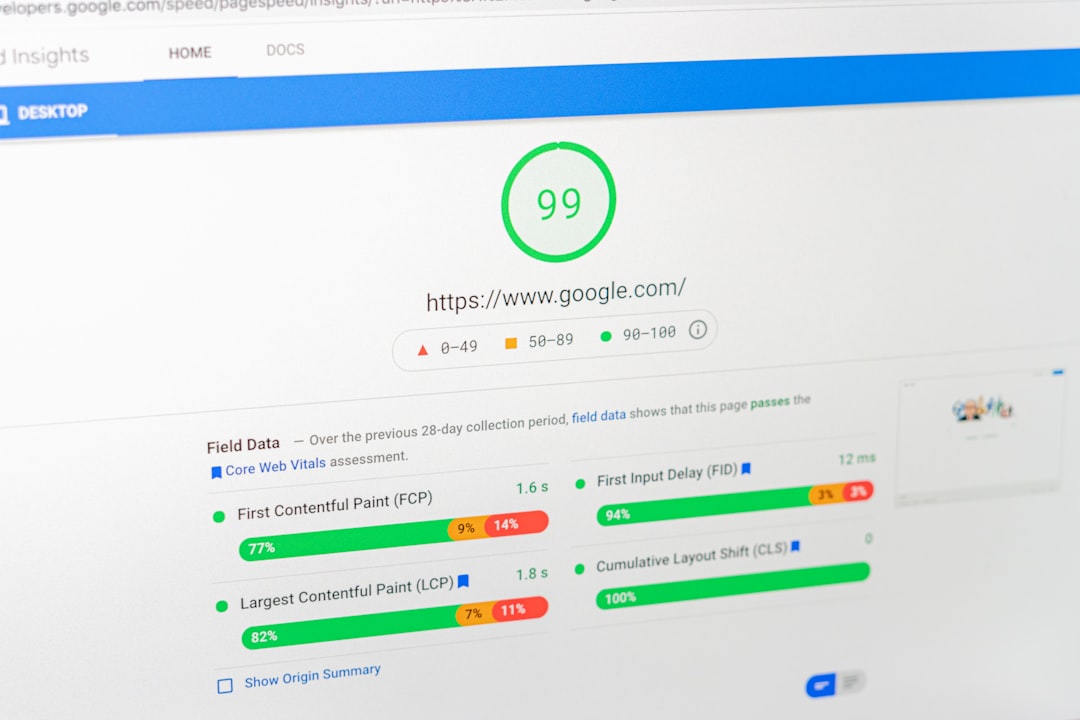
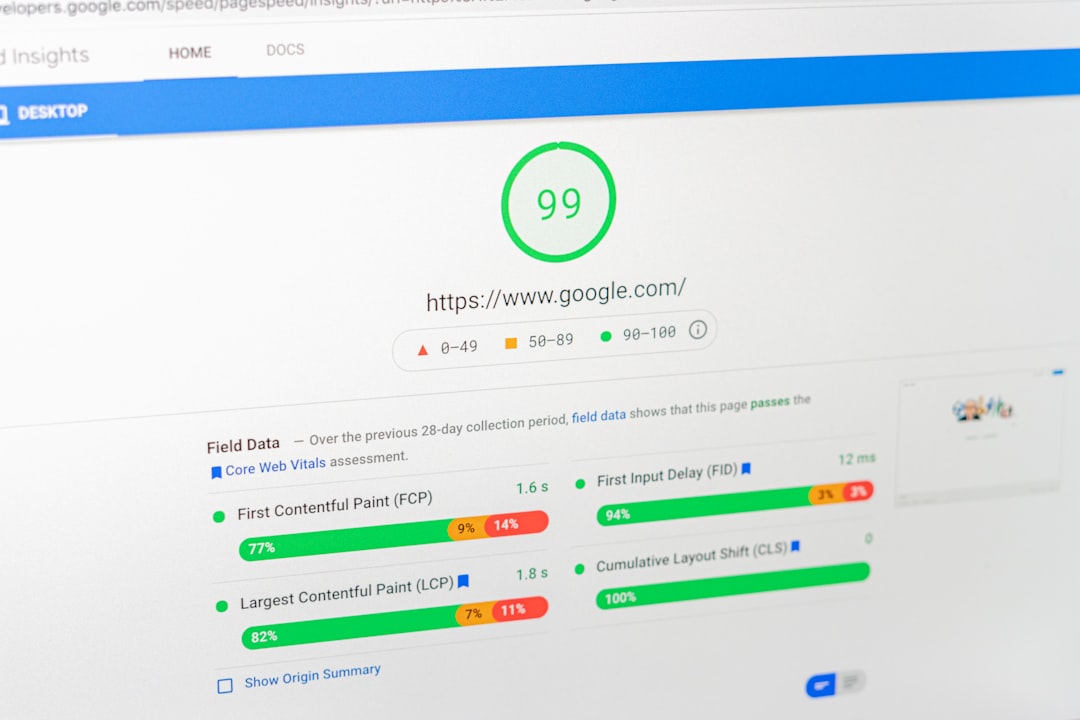
Performance matters too, especially when slow pages frustrate mobile visitors before they contact you. If speed is one of the bottlenecks, our guide on how to improve WordPress site speed for SEO walks through concrete fixes instead of generic advice.
A practical priority order for service business SEO
The fastest progress usually comes from fixing the foundation in sequence. Most service businesses do better with a short priority list than a giant checklist that never gets finished.
| Priority | What to fix first | Why it matters |
|---|---|---|
| 1 | Clarify one primary topic for each core service page | Prevents keyword overlap and makes main revenue pages more relevant |
| 2 | Improve navigation and internal linking | Helps users and search engines find your most important pages |
| 3 | Strengthen page copy, proof, and calls to action | Improves both rankings and lead conversion from existing traffic |
| 4 | Clean up technical issues and speed bottlenecks | Removes hidden friction that can hold back strong pages |
| 5 | Publish supporting content around real buyer questions | Builds topical depth without distracting from service-page priorities |
If you are experiencing these issues, our team at WordPress SEO Expert can help. We focus on identifying what is actually blocking growth first, then turning that into a plan you can execute without wasting time on low-impact tasks.
Common mistakes service businesses make on WordPress
The most common mistakes are structural, not advanced. Service businesses often target the same phrase on several pages, publish thin location pages, ignore internal linking, rely too heavily on plugin suggestions, or keep old site sections that no longer serve a purpose.
Another common problem is treating every traffic increase as a win even when the visits do not lead to inquiries. For service businesses, the right metric is qualified traffic tied to service pages and conversions, not just more impressions on unrelated blog content. A smaller number of highly aligned visits usually has more business value than a broad traffic spike that never turns into leads.
What to track so you know the strategy is working
The best tracking setup is usually simple: watch your core service pages, the queries that trigger them, local visibility where relevant, and the leads those pages generate. If you only track rankings, you can miss whether the traffic is useful.
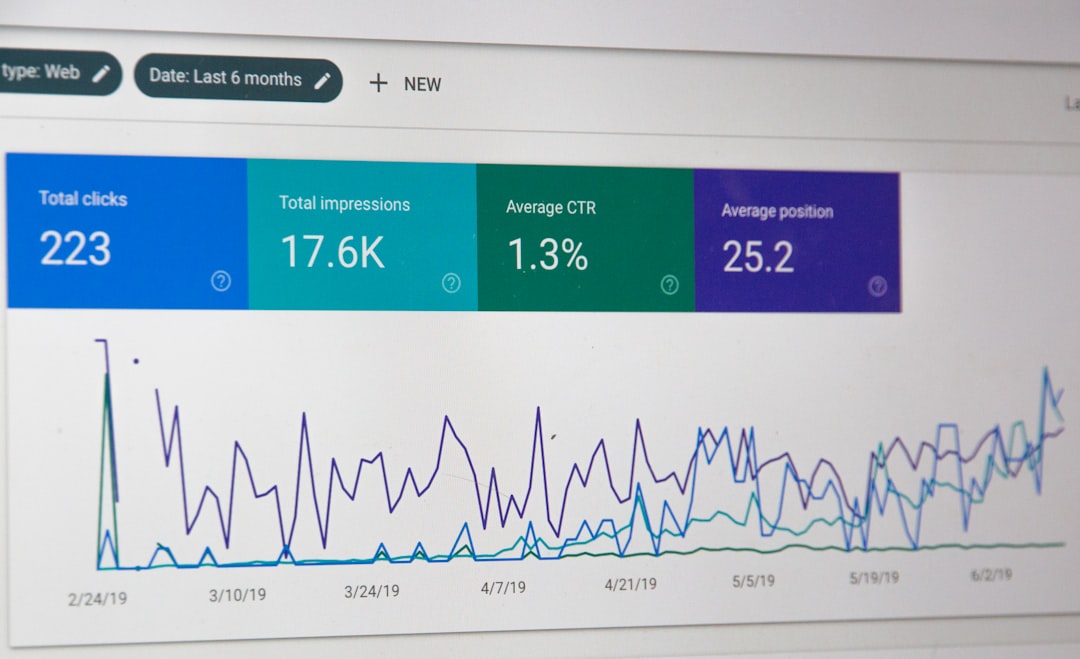
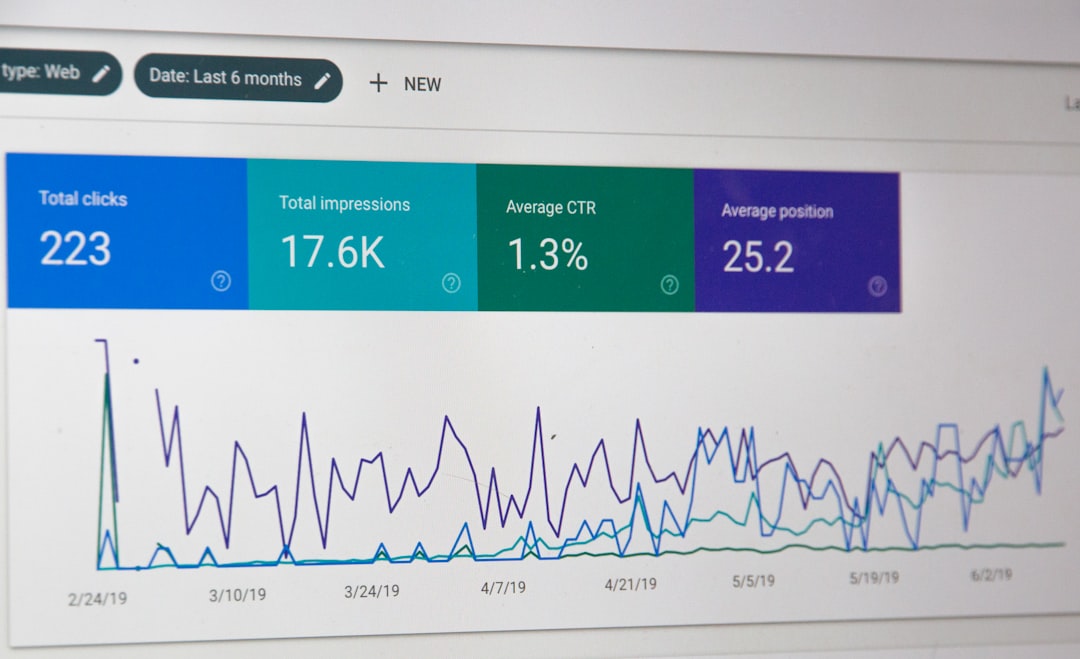
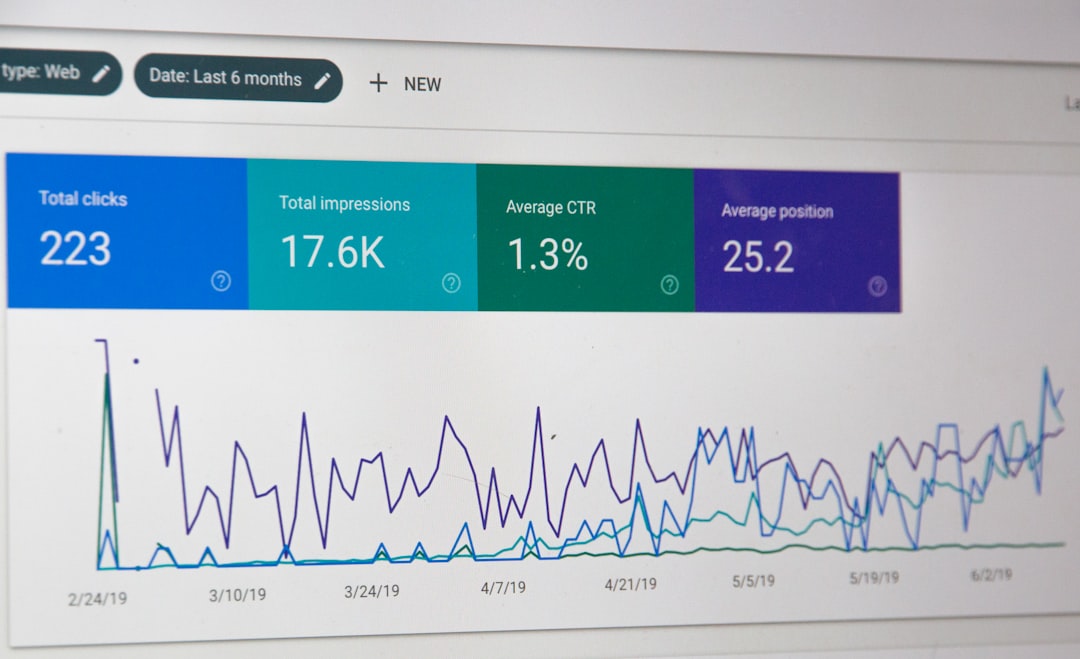
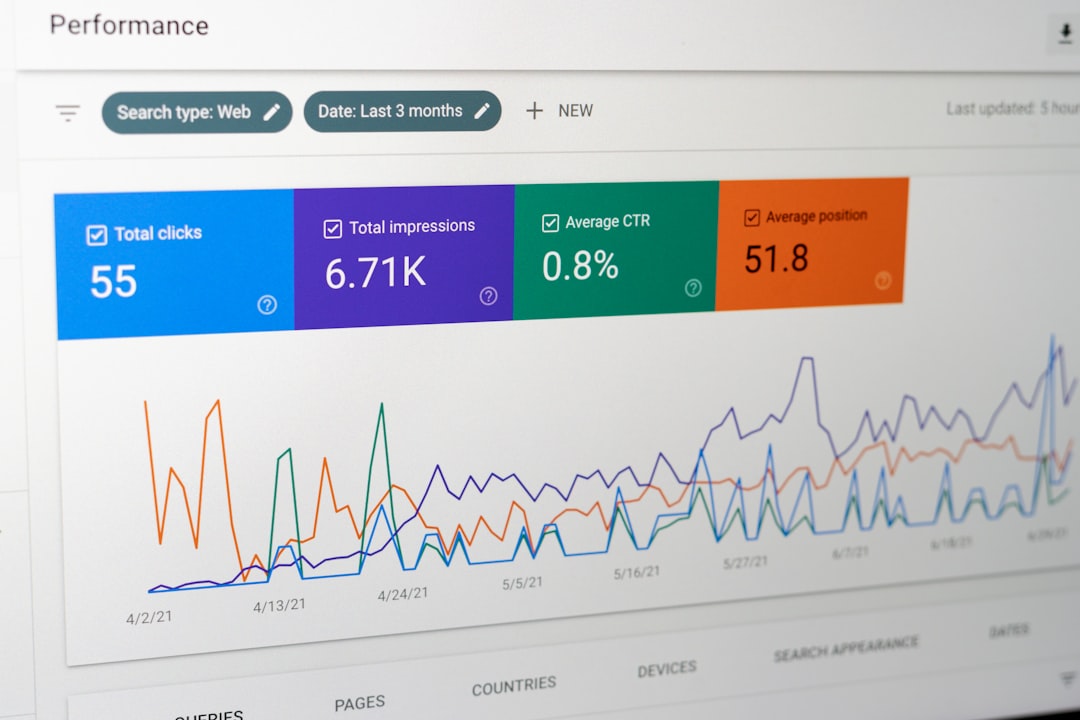
Review Google Search Console for impression growth, click-through opportunities, and page-level query trends. Review analytics and form or call tracking to see which pages contribute to inquiries. Then update the pages with the clearest upside first. Most service sites do not need daily monitoring. They need consistent monthly review and a willingness to improve the pages already closest to results.
Final takeaway
A WordPress SEO strategy for service businesses should be focused, page-driven, and practical enough to execute. Start with core service pages, align the site with real search intent, clean up technical friction, and build supporting content around actual buyer questions. That is how rankings become more stable and leads become easier to earn.
If you want a second set of eyes before changing page structure, content, or plugin settings, contact WordPress SEO Expert today to schedule a consultation. We can help you find the pages, fixes, and priorities most likely to move the needle first.