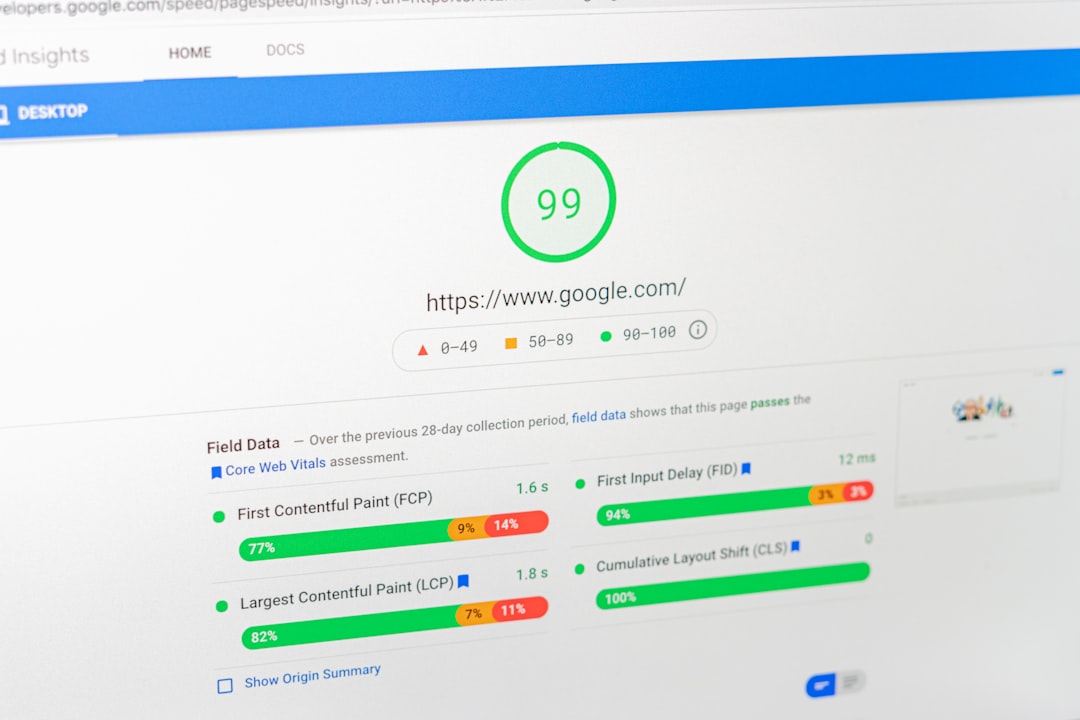

WordPress SEO setup works best when you build it in layers. Beginners need a clean foundation first. Advanced sites need tighter control over crawl paths, internal linking, templates, and duplication. A green light in an SEO plugin does not mean the page deserves to rank.
This guide walks from basic setup to advanced cleanup so you can fix the issues that block visibility before the issues that polish visibility. If you are not sure where your setup stands, start with your beginner setup and compare it with your advanced strategies as you go.
What a good WordPress SEO setup actually does
A good setup helps search engines crawl the right pages, understand page purpose, and avoid mixed signals. It does not guarantee rankings by itself. The goal is a site that is easy to crawl, easy to understand, and clear about which URLs matter most.
Google recommends descriptive, concise title text and warns against keyword stuffing and repeated boilerplate across pages. Google also recommends crawlable HTML links with descriptive anchor text so search engines can find and understand linked pages. Structured data can help search engines understand page meaning, but it should match what users can actually see on the page.
Beginner setup: what to do first

The beginner phase is about removing confusion. Use one SEO plugin, confirm your site can be crawled, set up clean titles, and make sure your important pages can be reached through normal navigation and internal links. Most site owners do not need more than that to get started.
Start with one well-configured SEO plugin. Running overlapping plugins often creates duplicate metadata, conflicting canonicals, and competing sitemap outputs. Then check the basics: your site is indexable, your preferred domain version is consistent, your main pages have unique titles, and your URLs are readable.
Your first beginner checklist
Keep the setup simple. Make sure the site is not blocking indexing. Set a preferred site version and keep internal links consistent. Create a sitemap through your SEO plugin. Write clear page titles and headings. Add descriptive internal links between related pages. Give each core service or topic page a distinct purpose.
If your rankings are flat even after doing the basics, review how to fix WordPress SEO setup problems. Many sites look fine on the surface but still send conflicting signals underneath.
Advanced setup: what changes after the basics

Advanced WordPress SEO is mostly about control and prioritization. You are no longer asking whether pages can be indexed. You are asking whether low-value URLs are wasting crawl attention, whether templates create duplication, and whether internal links support your most important pages.
This is where many growing sites drift. Archive pages, filter combinations, attachment URLs, tag pages, author pages, thin location pages, and duplicate category structures can quietly multiply. None of these issues may look catastrophic alone, but together they blur site structure and dilute relevance.
What advanced setup usually includes
Advanced work often includes tightening indexation rules, reviewing canonical behavior, pruning thin archives, improving internal link paths, simplifying taxonomy structure, and reducing URL duplication. On larger sites, it also means reviewing how templates generate titles, headings, schema, and archive content across many pages at once.
You do not need a perfect score. The goal is a site that loads cleanly, is easy to use, and sends consistent signals about which pages matter most. If you are dealing with inherited plugin clutter or migration leftovers, a full WordPress SEO audit is a good next step.
Weak vs stronger setup decisions
The difference between a weak setup and a stronger one is usually not effort. It is sequencing. Fix the issues that block visibility before the issues that polish visibility. That means crawlability, duplication, and page targeting come before cosmetic plugin settings.
| Weak setup choice | Stronger setup choice |
|---|---|
| Multiple SEO plugins with overlapping features | One SEO plugin with clean, intentional settings |
| Generic titles repeated across pages | Unique titles tied to page purpose |
| Dozens of indexable archive and filter pages | Selective indexation based on search value |
| Internal links added randomly | Internal links pointing consistently to priority pages |
| Chasing plugin scores on every page | Improving clarity, usefulness, and structure |
Titles, links, and structure matter more than extra features

Strong SEO setups usually rely on simple fundamentals repeated consistently. Clear titles help define page purpose. Crawlable links help search engines move through the site. A clean structure helps authority flow toward pages that should rank. Extra features only help when the foundation is already sound.
For example, a weak title might be SEO Services | SEO Company | SEO Expert. A stronger title is WordPress SEO Services for Small Businesses. The second version is more specific, less repetitive, and easier for both users and search engines to understand.
If you are experiencing these symptoms, our team at WordPress SEO Expert can help. We look at whether the real issue is indexing, duplication, weak targeting, or plugin clutter instead of pushing a generic checklist.
How to know whether your setup is beginner, intermediate, or advanced
You are still in the beginner stage if you have not fully checked crawlability, titles, sitemap output, and basic internal linking. You are moving into intermediate work when you start refining content targets and reducing obvious duplication. You are in advanced territory when you are managing scale, templates, archives, or technical conflicts.
That distinction matters because the wrong advice wastes time. A small brochure site does not need the same setup depth as a WooCommerce store with filters and product variations. Most site owners do not have one catastrophic SEO problem. They have a stack of smaller issues that compound over time.
When professional help makes sense
Professional help makes sense when you have already put in effort but still cannot tell what deserves priority. That is common after redesigns, plugin stacking, traffic drops, or content expansion. The problem is usually not lack of effort. It is lack of a clean diagnostic order.
Book a free SEO consultation with WordPress SEO Expert. No pitch, no pressure. Just an honest look at what your site actually needs and whether your current setup is part of the solution or part of the problem.
Contact WordPress SEO Expert today to schedule a consultation.