Mobile SEO problems on WordPress usually come from a scattered setup, not one missing plugin. If your rankings are flat on phones, the fix is rarely another feature. It is usually a cleaner mobile experience, stronger content parity, and fewer technical conflicts across your theme, plugins, and page templates.
Google uses mobile-first indexing, which means the mobile version of your site is the version Google primarily evaluates. That is why a mobile SEO setup should start with crawlability, content consistency, and usability before you spend time polishing plugin scores or chasing minor on-page tweaks.
If you need a broader baseline first, review our guide to fixing WordPress SEO setup problems and our WordPress mobile SEO checklist. They pair well with the mobile-specific priorities below.
What matters most in a mobile SEO setup?

The most important mobile SEO work is making sure your phone version keeps the same important content, links, metadata, and structured data as desktop. A green light in an SEO plugin does not mean the page deserves to rank. Mobile visibility depends on what Google can actually crawl and what users can actually use.
Google recommends keeping the mobile version equivalent to desktop for primary content and metadata. Google also recommends descriptive, concise title text and crawlable internal links with useful anchor text. That gives you a simple rule: fix the issues that block visibility before the issues that polish visibility.
| Priority | What to check | Why it matters |
|---|---|---|
| 1 | Mobile content parity | Google primarily evaluates the mobile version |
| 2 | Theme and plugin output | Extra scripts and conflicting features slow and clutter pages |
| 3 | Titles and metadata | Clearer relevance and better search result presentation |
| 4 | Internal links on mobile | Supports crawling, discovery, and hierarchy |
| 5 | Usability on real devices | Menus, forms, and buttons must work cleanly on phones |
How should you set up WordPress SEO for mobile?
Start with the mobile version users and Googlebot actually see. That means checking templates on a real phone, simplifying what loads above the fold, and making sure your main pages keep their full value on smaller screens. Most site owners do not have one catastrophic problem. They have a stack of smaller issues that compound over time.
1. Keep the same core content on mobile and desktop
If the mobile layout hides key service text, removes internal links, strips schema, or changes robots settings, your SEO setup is weaker than it looks in the dashboard. Responsive design helps, but it does not guarantee parity if builders, tabs, accordions, or custom mobile sections are removing important content.
Check your homepage, service pages, category pages, and top blog posts first. The goal is simple: the content you want to rank with should still be visible and crawlable on mobile.
2. Use one SEO plugin, not several
One well-configured SEO plugin is enough. Running overlapping plugins often creates duplicate metadata, conflicting canonicals, and competing sitemap outputs. On mobile, those conflicts become even harder to spot because site owners often focus only on layout while technical signals are quietly colliding underneath.
Keep your setup simple. Configure titles, descriptions, schema defaults, and sitemap settings inside one primary plugin, then remove overlapping tools that try to do the same job.
3. Reduce front-end bloat that slows phones down
Mobile speed problems usually come from what your theme and plugins load, not from WordPress itself. Sliders, popups, chat widgets, heavy forms, tracking scripts, and animation libraries can pile up fast. The result is a page that technically exists but feels slow and unstable on a phone.
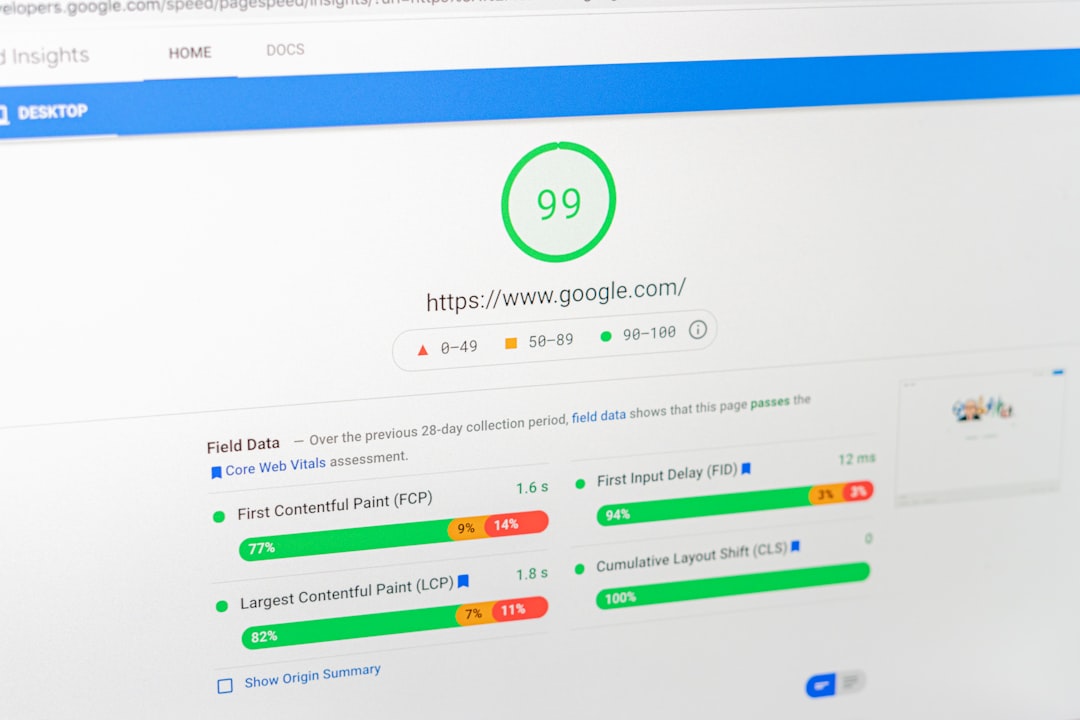
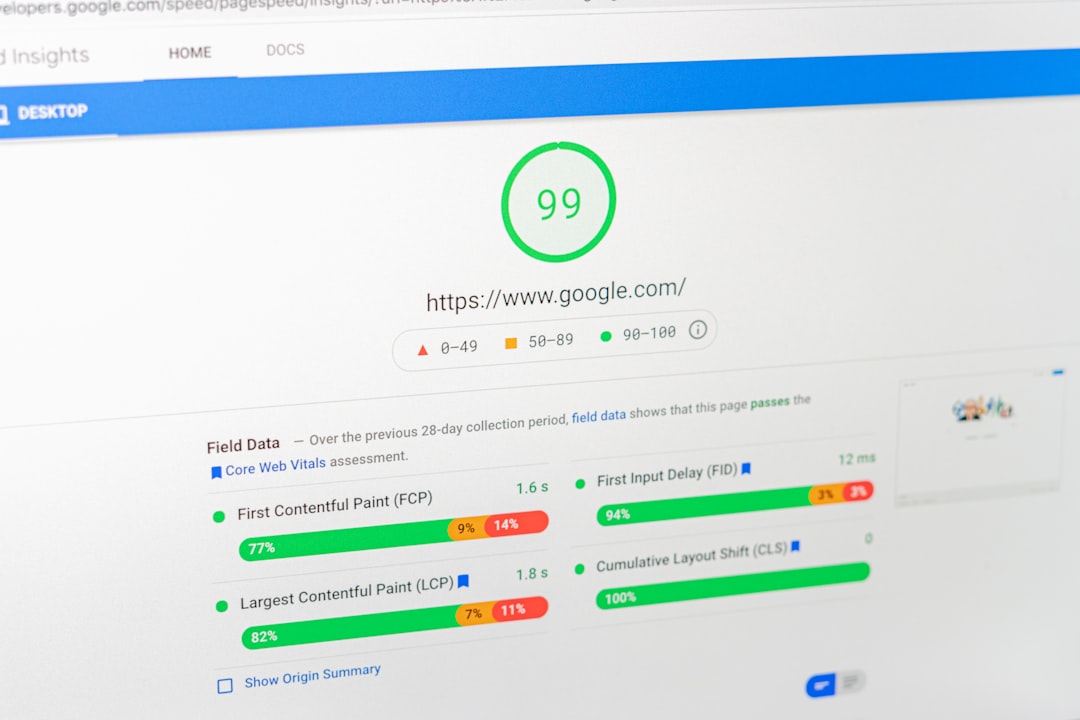
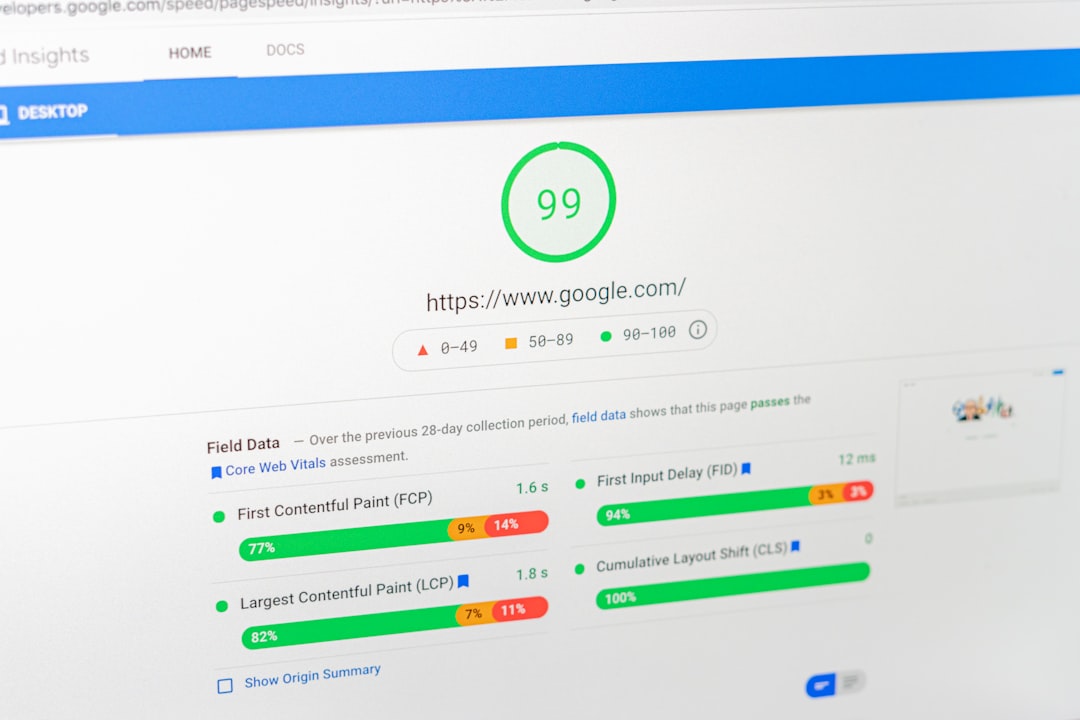
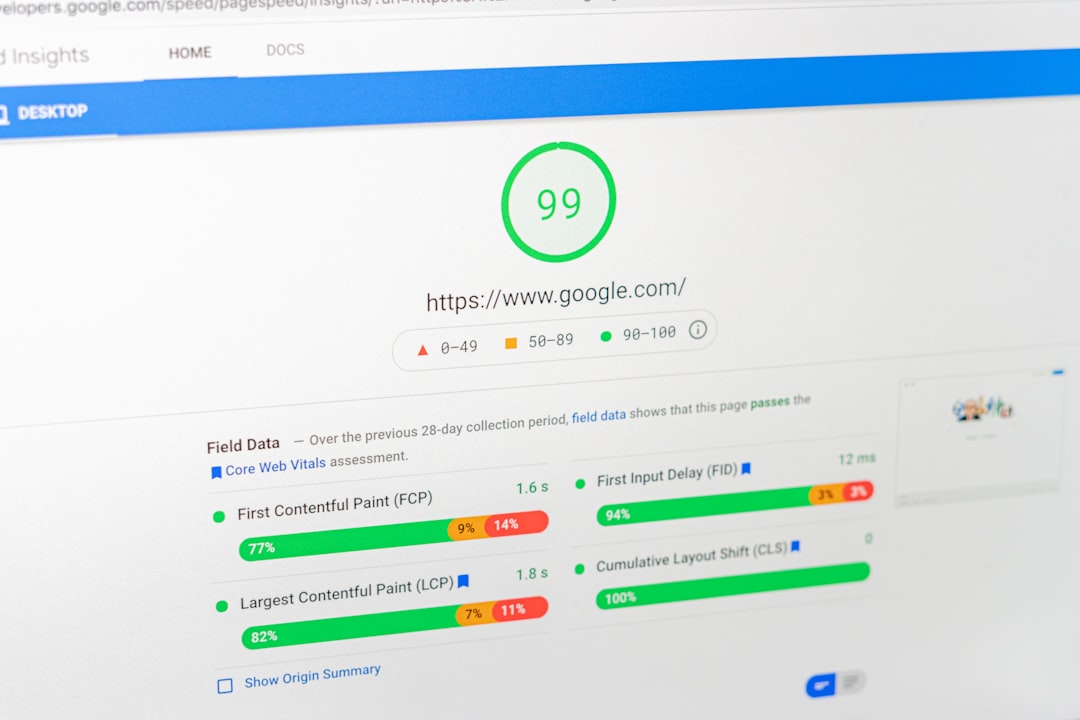
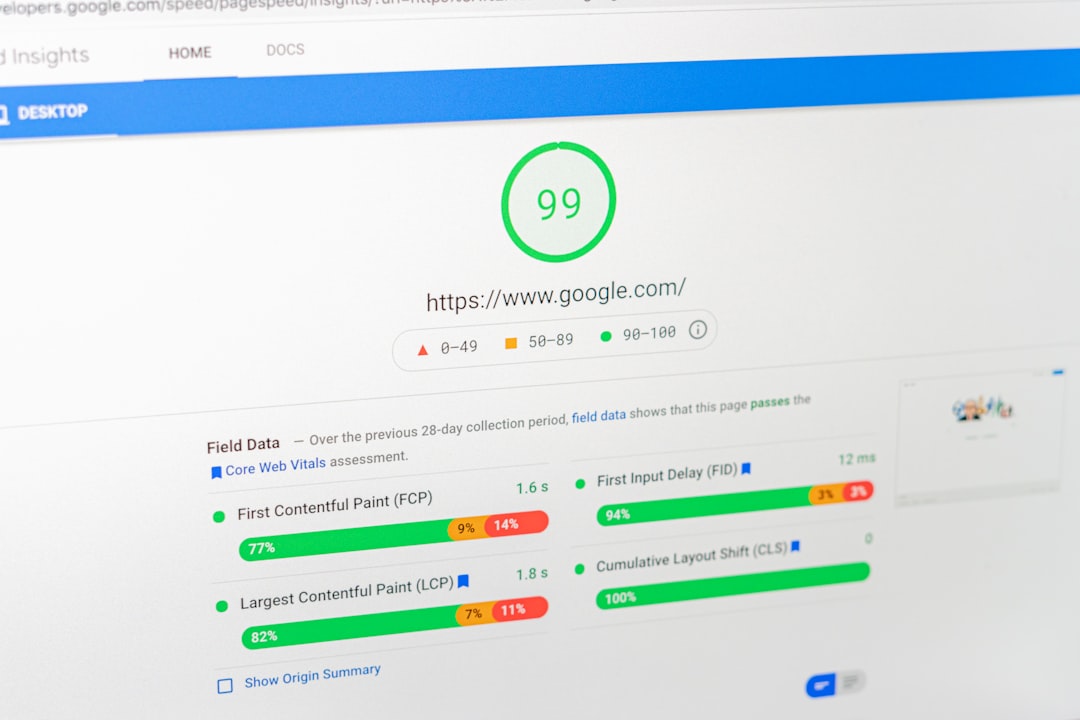
Use Core Web Vitals as a practical reference point, but do not treat the report as a score to worship. The real goal is a page that loads cleanly, remains stable, and lets users reach the next step without delay or friction.
If your rankings are flat and you are not sure whether the real problem is indexing, duplication, weak targeting, or plugin clutter, WordPress SEO Expert can help. We can review what is actually loading on mobile and what is getting in the way.
4. Clean up mobile title tags and metadata
Mobile search results give you less room to communicate the page clearly, so vague or repetitive titles waste space. Google recommends descriptive and concise title text. That means your main topic should come first, followed by a short qualifier only if it improves clarity.
| Weak title | Stronger title |
|---|---|
| SEO Setup | SEO Help | SEO Services | WordPress SEO Setup for Mobile |
| Mobile SEO WordPress Optimization Guide | How to Optimize WordPress SEO for Mobile |
| Best Mobile SEO Services for WordPress | Mobile SEO Fixes for WordPress Sites |
Meta descriptions should support the page, not rescue it. Write unique descriptions that match what the page actually helps the user do. If multiple pages are reusing the same pattern, clean that up before publishing more content.
5. Make internal links visible and useful on phones
Internal links still matter on mobile. If related links disappear in mobile layouts, dropdowns become hard to use, or important pages are only reachable through cluttered navigation, discovery suffers. Keep fewer links, but make them clearer and easier to tap.
Use descriptive anchor text inside content, and make sure key commercial and informational pages support each other naturally. If your structure is messy, our WordPress SEO setup troubleshooting guide is a strong next step.
6. Test menus, forms, and sticky elements on a real phone
A page can be indexed and still underperform because the mobile experience is frustrating. Oversized sticky headers, intrusive popups, awkward forms, tiny tap targets, and shifting layouts create friction that hurts both usability and conversion. This is why mobile SEO is never just a plugin setting exercise.
Test your navigation, contact forms, CTAs, and service pages on actual devices. If users need to pinch, re-tap, or dismiss multiple overlays before they can act, simplify the page. A cleaner mobile path often does more than another round of plugin edits.
What should you stop doing?
Stop treating mobile SEO as a checklist of plugin indicators. A perfect score does not tell you whether your mobile version keeps the right content, whether the page is stable on a phone, or whether your internal links still support the pages that matter most.
Also stop stacking SEO plugins, publishing near-duplicate posts for slight keyword variations, and making theme changes without checking the mobile output afterward. Simpler setups are easier to troubleshoot, easier to maintain, and usually stronger over time.
When should you get help?
If you have already worked on speed, images, and plugin settings but mobile rankings still feel stuck, the issue is usually prioritization rather than effort. A review can tell you whether the real bottleneck is crawlability, duplication, weak page targeting, or front-end clutter that keeps compounding across templates.
WordPress SEO Expert can help you sort out what to fix first without turning the site into a bigger technical project than it needs to be. Book a free SEO consultation. No pitch, no pressure. Just an honest look at what your site actually needs and whether your current setup is part of the solution or part of the problem.
Contact WordPress SEO Expert today to schedule a consultation if you want a practical mobile SEO plan for your WordPress site.