
Existing websites usually do not need a fresh SEO strategy from scratch. They need a cleanup plan. If your rankings are flat, the issue is often not effort or content volume. It is a stack of setup problems that sends mixed signals about which pages matter, which pages should be indexed, and how your site is organized.
A green light in an SEO plugin does not mean the page deserves to rank. Most site owners do not have one catastrophic problem. They have smaller issues that compound over time: duplicate metadata, weak titles, thin archives, confusing internal links, outdated redirects, and overlapping plugin settings. The goal is to fix the issues that block visibility before the issues that polish visibility.
If you are dealing with plugin clutter or unclear settings, our guide to fixing WordPress SEO setup problems is a useful companion to this walkthrough.
What an Existing Website Needs First
An existing website needs an audit of what is already live before you touch titles, plugins, or content production. Start by checking indexing, crawl access, duplicate URLs, title templates, and internal links. That sequence prevents you from polishing pages that search engines cannot properly crawl or understand.
Older WordPress sites often carry extra baggage from redesigns, theme changes, agency handoffs, and plugin experiments. That is why one well-configured SEO plugin is enough. Running overlapping plugins can create duplicate metadata, conflicting canonicals, and competing sitemap outputs. Simplifying the setup usually makes the next decisions much clearer.
Step 1: Check Indexing Before Anything Else
If important pages are not indexed correctly, nothing else will perform well. Check whether your service pages, category pages, and core posts are indexable, linked internally, and included in your sitemap. Pages cannot rank if search engines cannot reach them or are being told not to use them.
Look for common WordPress problems such as accidental noindex settings, thin tag archives, duplicate author archives on single-author sites, and pages that exist but are buried too deep to be discovered naturally. Google’s guidance emphasizes crawlable HTML links and descriptive anchor text, which is one reason internal linking matters more than many site owners expect.
Step 2: Use One SEO Plugin and Remove Overlap

Your plugin setup should be simple enough that you can explain it in one sentence. Pick one primary SEO plugin, configure it well, and remove the rest. If multiple tools are handling titles, canonicals, schema, redirects, or XML sitemaps, troubleshooting becomes slower and mistakes become harder to spot.
This is especially common on websites that have changed hands. A former developer may have left one plugin active while a newer consultant added another. The result is usually not better optimization. It is duplicated output. If you are comparing options before cleaning up your stack, our Yoast SEO vs Rank Math comparison can help you choose a simpler path.
Step 3: Fix Title Tags on Core Pages
Title tags deserve early attention because they help search engines and users understand what each page is about. Google recommends descriptive, concise title text and advises against keyword stuffing and repeated boilerplate. That means your most important pages should have distinct titles that match the real topic of the page.
Focus first on the homepage, key service pages, high-value categories, and posts that already earn impressions. Do not rewrite every page at once. Prioritize the pages closest to revenue or lead generation, then move down the list.
| Weak title | Stronger title |
|---|---|
| SEO Services | SEO Company | SEO Expert | WordPress SEO Services for Small Businesses |
| Blog | WordPress SEO Tips for Existing Websites |
| Home | WordPress SEO Consultant for Service Businesses |
Google may also rewrite what appears in search results if your title is vague, repetitive, or disconnected from the visible page heading. That is another reason to keep your title tags clear and aligned with the page itself.
Step 4: Clean Up Meta Descriptions and Templates
Meta descriptions support click-through, not rankings by themselves. Write them after you fix indexing and title problems. Google says it may use the meta description when it better summarizes the page, so the goal is a short, accurate summary that helps the right visitor decide to click.
On existing sites, the usual problem is template sprawl. A plugin may be generating the same pattern across dozens of pages, or important pages may have no description at all. Start with the pages that already earn impressions. Give each one a unique description that accurately reflects what the visitor will find.
Step 5: Review Canonicals, Redirects, and Duplicate URLs
Duplicate URL handling is one of the biggest hidden issues on older WordPress sites. If multiple versions of the same page exist, search engines can receive mixed signals about which version should rank. Fix canonicals and redirects before expanding your content library.
Common duplication sources include attachment pages, outdated slugs, parameter URLs, archive overlap, and category structures that grew without a plan. Keep one preferred version of each important page, link to that version consistently, and redirect outdated alternatives when appropriate.
If your site has been live for years and traffic has stalled, our practical WordPress SEO guide for DIY site owners can help you see how these technical issues connect to content and internal linking decisions.
Step 6: Improve Internal Links With Purpose

Internal links should reinforce your priorities, not just fill space. Once indexing and duplication are under control, use internal links to connect supporting posts to service pages, related guides to each other, and important pages to the broader structure of the site. This helps search engines discover pages and understand hierarchy.
Use descriptive anchor text, keep the linking logical, and make sure your most important pages are not dependent on the navigation menu alone. Pages that are technically live but rarely linked internally often stay under-supported no matter how much on-page tweaking you do.
If you are experiencing these symptoms, our team at WordPress SEO Expert can help. We look at indexing, duplication, title setup, and internal structure in the right order so you are not guessing which issue matters most.
Step 7: Keep Schema and Extras in Their Place
Schema can clarify page content, but it should not be treated as a shortcut. Add markup that matches what users can actually see on the page. Support layers like schema, social previews, and extra plugin modules matter less than clean indexing, accurate titles, and consistent internal links.
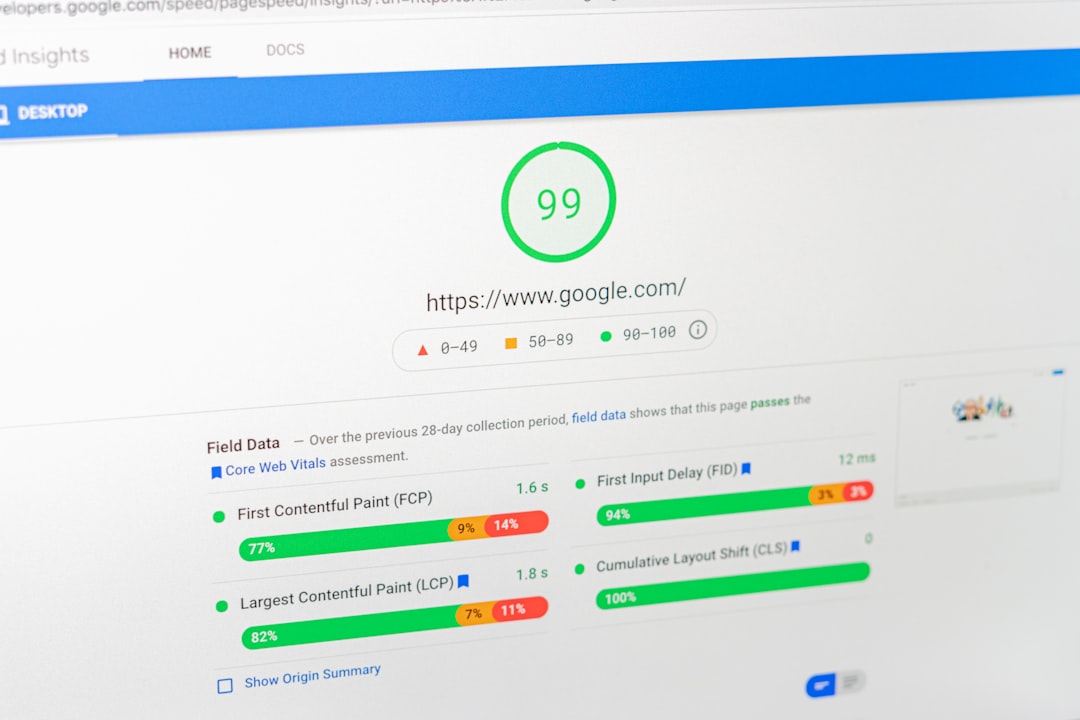
This is where many existing websites overcomplicate the setup. They add more modules because rankings are flat, when the better move is often to simplify. You do not need a perfect score. The goal is a site that loads cleanly, is easy to use, and sends consistent signals about which pages matter most.
A Practical Order of Operations
The safest way to improve an existing website is to work in sequence. Fix what blocks visibility first, then move to what improves relevance and click-through. This keeps you from spending hours rewriting copy on pages that still have technical problems underneath.
| Priority | What to fix | Why it matters |
|---|---|---|
| 1 | Indexing and crawl access | Pages cannot perform if search engines cannot reliably reach or index them. |
| 2 | Plugin overlap | Conflicting output creates sitewide confusion in metadata, canonicals, and sitemaps. |
| 3 | Canonicals and redirects | This reduces duplicate URL signals and protects the preferred page version. |
| 4 | Title tags | Clear titles improve topical relevance and click potential. |
| 5 | Meta descriptions | Better descriptions support clearer search snippets. |
| 6 | Internal linking | Stronger links improve discovery, hierarchy, and context. |
| 7 | Schema and extras | These refine signals after the foundation is stable. |
When to Bring in Professional Help
If your website has been live for a while and you still are not sure whether the real problem is indexing, duplication, weak targeting, or plugin clutter, an outside review can save time. Existing sites usually have history attached to them, and history creates complexity. What looks like a content problem is often a setup problem underneath.
WordPress SEO Expert can help you sort out what to fix first. Book a free SEO consultation. No pitch, no pressure. Just an honest look at what your site actually needs and whether your current setup is part of the solution or part of the problem.
Contact WordPress SEO Expert today to schedule a consultation if you want a practical plan for improving your current site without adding more confusion to the setup.