Getting started with WordPress SEO is usually less about finding the perfect plugin and more about setting up the basics in the right order. If your site is new or your rankings are flat, a simple setup will do more for you than another checklist full of green lights.
WordPress SEO Expert helps site owners clean up scattered setups, reduce plugin clutter, and focus on the pages that actually matter. A green light in an SEO plugin does not mean the page deserves to rank. What matters is whether search engines can crawl your site, understand your pages, and see a clear structure that matches what people search for.
If you want a broader foundation before changing settings, start with this practical guide for DIY site owners and this walkthrough for fixing WordPress SEO setup problems. Both will help you see how the pieces fit together.
What should beginners set up first?
Beginners should set up visibility, permalinks, one SEO plugin, and indexing controls before worrying about advanced features. Fix the issues that block visibility before the issues that polish visibility.
Start inside WordPress by checking that your site is not hidden from search engines under Settings and Reading. Then set a clean permalink structure, usually the post name format, so your URLs stay readable. After that, install one SEO plugin and configure titles, meta descriptions, sitemaps, and archive settings in one place. One well-configured SEO plugin is enough. Running overlapping plugins often creates duplicate metadata, conflicting canonicals, and competing sitemap outputs.
Choose one SEO plugin and keep it simple
The best beginner setup uses one primary SEO plugin, not several. Simplicity makes problems easier to find and prevents sitewide conflicts that are hard to trace later.
Whether you choose Yoast, Rank Math, or another established option, the rule is the same: use one system for titles, descriptions, canonicals, XML sitemaps, and basic schema. Google recommends writing descriptive and concise titles, avoiding keyword stuffing, and avoiding repeated boilerplate across pages, which is why your plugin setup should support clarity rather than generate the same pattern everywhere. If you are comparing tools, review our setup problems guide before switching plugins again.
A simple beginner plugin checklist
Use this as your baseline. If your setup already does these well, you do not need more features.
| Setting area | What to do |
|---|---|
| SEO plugin | Keep one active SEO plugin only |
| Title templates | Use clear page-specific titles, not stuffed templates |
| Meta descriptions | Write unique descriptions for key pages |
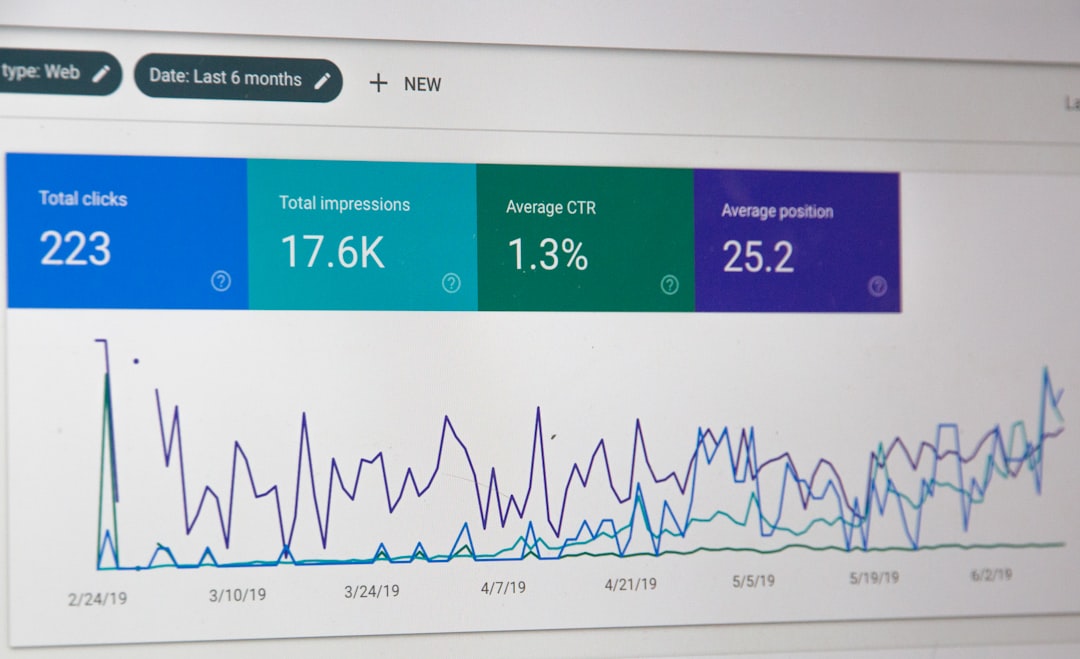
| XML sitemap | Enable it and submit it in Google Search Console |
| Archives | Noindex thin tag, date, or author archives when appropriate |
| Schema | Use only markup that matches visible content |
Set up page titles and meta descriptions correctly
Title tags and meta descriptions are basic settings beginners can improve quickly. Titles help search engines understand the page, while descriptions help searchers decide whether to click.
Google says every page should have descriptive, concise title text, and it advises against vague labels, repeated boilerplate, and keyword stuffing. Google also explains that meta descriptions may be used as snippets when they better summarize the page, and that unique descriptions are more useful than copying the same text across the site. That means your homepage, service pages, product pages, and important posts each deserve their own wording.
Weak vs stronger title examples
Beginners usually improve faster when they can see the difference instead of reading abstract rules.
| Weak title | Stronger title |
|---|---|
| Home | WordPress SEO Services for Small Businesses |
| SEO Services | SEO Company | SEO Expert | WordPress SEO Help for Local Service Businesses |
| Blog | WordPress SEO Tips for Beginners |
Make your site easy to crawl
Search engines need clear access to your important pages. A clean beginner setup means using crawlable links, avoiding hidden important pages, and keeping thin archive pages from competing with your real content.
Google’s guidance explains that links should be real HTML anchor links with descriptive anchor text so search engines can crawl them and understand the destination. In practice, that means your navigation, body links, and related-post links should point clearly to important pages. It also means checking that important pages are not buried with no internal links supporting them. If you are not sure whether your structure is helping or hurting, our DIY WordPress SEO guide shows how technical setup and internal links work together.
Use a beginner-friendly site structure
A good structure helps both users and search engines. The simplest version is usually homepage to primary pages to supporting posts, with related pages linked naturally inside the content.
Keep categories limited, avoid creating dozens of tags, and make sure each important page has a clear purpose. Most site owners do not have one catastrophic problem. They have a stack of smaller issues that compound over time. Thin archives, orphan pages, unclear titles, and scattered internal links often work together to slow growth. A beginner setup should remove that confusion early.
If you are experiencing these symptoms, our team at WordPress SEO Expert can help.
Focus on the pages that matter most
Not every page needs the same level of SEO attention. Beginners should focus first on the homepage, primary service or product pages, and a small number of useful blog posts.
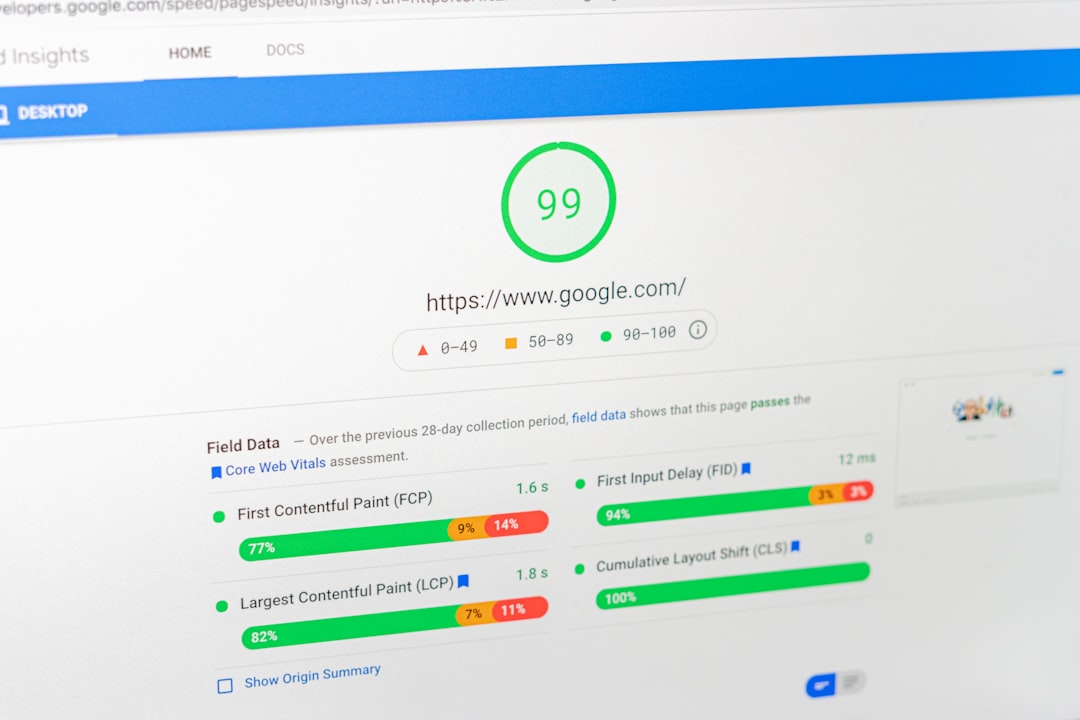
This prevents a common mistake: spending hours polishing low-value pages while core pages stay generic. Your main pages should have clear titles, one logical H1, helpful copy, and internal links from related pages. You do not need a perfect score. The goal is a site that loads cleanly, is easy to use, and sends consistent signals about which pages matter most.
What beginners should avoid
Beginners usually get better results by avoiding clutter than by adding more tools. The fastest wins often come from removing confusion from the setup.
Avoid stacking SEO plugins, creating duplicate pages for slight keyword variations, indexing every archive by default, and rewriting copy just to satisfy plugin scoring systems. Google’s people-first content guidance reinforces the same idea: helpful pages should clearly summarize the topic and serve the reader, not exaggerate or chase shortcuts. Keep the setup practical, readable, and easy to maintain.
A beginner SEO setup checklist
If you want a simple order of operations, use this checklist as your starting point. The goal is not to do everything at once. The goal is to do the right things first.
| Priority | Task |
|---|---|
| 1 | Make sure search visibility is enabled in WordPress |
| 2 | Set clean permalinks |
| 3 | Install and configure one SEO plugin |
| 4 | Enable XML sitemap and connect Google Search Console |
| 5 | Write strong titles for core pages |
| 6 | Write unique meta descriptions for key pages |
| 7 | Review archive settings and noindex thin sections |
| 8 | Add internal links between related pages |
When should you get help?
If you have done the basics and still are not sure whether the real problem is indexing, duplication, weak targeting, or plugin clutter, an expert review can save a lot of wasted time. Beginners do not usually need more tactics. They need better prioritization.
Book a free SEO consultation with WordPress SEO Expert. No pitch, no pressure. Just an honest look at what your site actually needs and whether your current setup is part of the solution or part of the problem.
Contact WordPress SEO Expert today to schedule a consultation if you want a clear beginner-friendly plan instead of another generic plugin checklist.