Low rankings usually come from a scattered plan, not one missing plugin. A better WordPress SEO setup starts with the basics that control visibility: indexing, titles, canonicals, internal links, speed, and clean plugin configuration. Fix the issues that block visibility before the issues that polish visibility.
This checklist is built for small business sites, blogs, and WooCommerce stores that want better rankings without chasing plugin scores. If you are comparing tools before you configure anything, review our Yoast SEO vs Rank Math comparison and our WordPress SEO best practices guide alongside this page.
What should you fix first?
Start with the settings that determine whether search engines can crawl and understand your pages at all. A perfect title tag will not help if a page is noindexed, orphaned, duplicated, or buried under weak internal architecture.
| Priority | What to check | Why it matters |
|---|---|---|
| 1 | Indexing and crawl access | Pages cannot rank if search engines cannot crawl or index them properly. |
| 2 | Canonical and redirect setup | Prevents duplicate URL confusion and diluted signals. |
| 3 | Title tags and page intent | Improves relevance and click potential. |
| 4 | Internal linking | Helps search engines discover pages and understand site structure. |
| 5 | Speed and template performance | Improves usability on key pages that drive leads or sales. |
| 6 | Content structure | Makes pages easier to scan, understand, and match to intent. |
| 7 | Schema and sitemap hygiene | Supports cleaner technical signals without overcomplicating the site. |
1. Check indexing before anything else

Make sure your important pages are indexable before you touch anything cosmetic. This means checking that key service pages, category pages, and cornerstone posts are not blocked by sitewide settings, page-level noindex rules, or accidental staging leftovers.
Review the WordPress reading settings, your SEO plugin indexing controls, and any custom code that affects robots directives. Your homepage, main services, top collections, and best informational pages should be crawlable, internally linked, and present in your sitemap if they are meant to rank. Most site owners do not have one catastrophic problem. They have a stack of smaller issues that compound over time.
2. Use one SEO plugin, not a stack

One well-configured SEO plugin is enough. Running overlapping plugins often creates duplicate metadata, conflicting canonicals, competing sitemap outputs, and extra cleanup work when rankings are already flat.
Choose one primary SEO plugin and configure the essentials first: title templates, meta descriptions, sitemap settings, social defaults, schema basics, and archive indexing rules. A green light in an SEO plugin does not mean the page deserves to rank. The plugin gives you controls. It does not replace keyword mapping, strong copy, useful internal links, or technical cleanup.
3. Write titles that are specific and readable
Your title tags should tell both users and search engines exactly what the page is about. Google recommends descriptive, concise titles and warns against keyword stuffing and repetitive boilerplate, so clarity usually beats squeezing in every variation you can think of.
Keep titles distinct across your important pages. If multiple pages reuse the same structure with only one word changed, they become harder for users to distinguish and easier for search engines to reinterpret. If your current setup is built around plugin score chasing, this is usually where the copy starts to look unnatural.
| Weak title | Stronger title |
|---|---|
| SEO Services | SEO Company | SEO Expert | WordPress SEO Services for Small Businesses |
| Blog | WordPress SEO Setup Checklist for Better Rankings |
| Best SEO Plugin | Best SEO Plugin for a Small Business WordPress Site |
4. Treat meta descriptions as click support
Meta descriptions are worth writing, but they are not a direct ranking shortcut. Google may use the meta description when it better summarizes the page, so the goal is to write a short, useful summary that supports clicks instead of stuffing in awkward keywords.
Write unique descriptions for important pages first. Focus on the problem solved, the type of user helped, or the next clear benefit. If every service page shares nearly identical descriptions, the setup is not helping users choose the right result.
5. Clean up canonicals and redirects
Canonical confusion is one of the most common reasons a decent page underperforms. If similar URLs compete with each other, search engines get mixed signals about which version should be treated as the main page.
Check for trailing slash inconsistencies, old URLs left live after a redesign, duplicate archive paths, attachment pages, and filtered WooCommerce URLs that create near-duplicate versions. Use redirects when pages move, and make sure internal links point to the preferred version rather than leaving canonicals to clean up messy architecture after the fact.
If you recently changed themes, permalinks, or site structure, this step matters even more. Migration-related SEO losses usually come from redirect gaps, broken internal links, or indexable duplicates that were never cleaned up after launch.
6. Build internal links with intent

Internal links help search engines discover pages, understand topic relationships, and see which pages matter most. They also help visitors take the next logical step instead of landing on one page and stopping there.
Link related blog posts to service pages, connect supporting posts to broader cornerstone pages, and make sure high-value pages are not isolated. Descriptive anchor text is usually more useful than vague phrases. If you are refining plugin settings and architecture together, our guide to WordPress SEO best practices is a good next step, and our Yoast vs Rank Math comparison can help you avoid overlapping setups.
If you are not sure whether your current plugin configuration is helping or quietly hurting you, WordPress SEO Expert can help.
7. Keep categories, tags, and archives under control
Archive bloat creates noise faster than most site owners realize. Categories, tags, author archives, date archives, and search result pages can all create low-value URLs if they are left indexable without a clear reason.
Keep a small set of meaningful categories. Be cautious with tags unless you actively maintain them. Review whether author archives, date archives, and thin taxonomy pages deserve indexing on your site type. For WooCommerce stores, pay extra attention to filter combinations that expand into many low-value URLs with very similar content.
8. Improve speed where it affects real pages

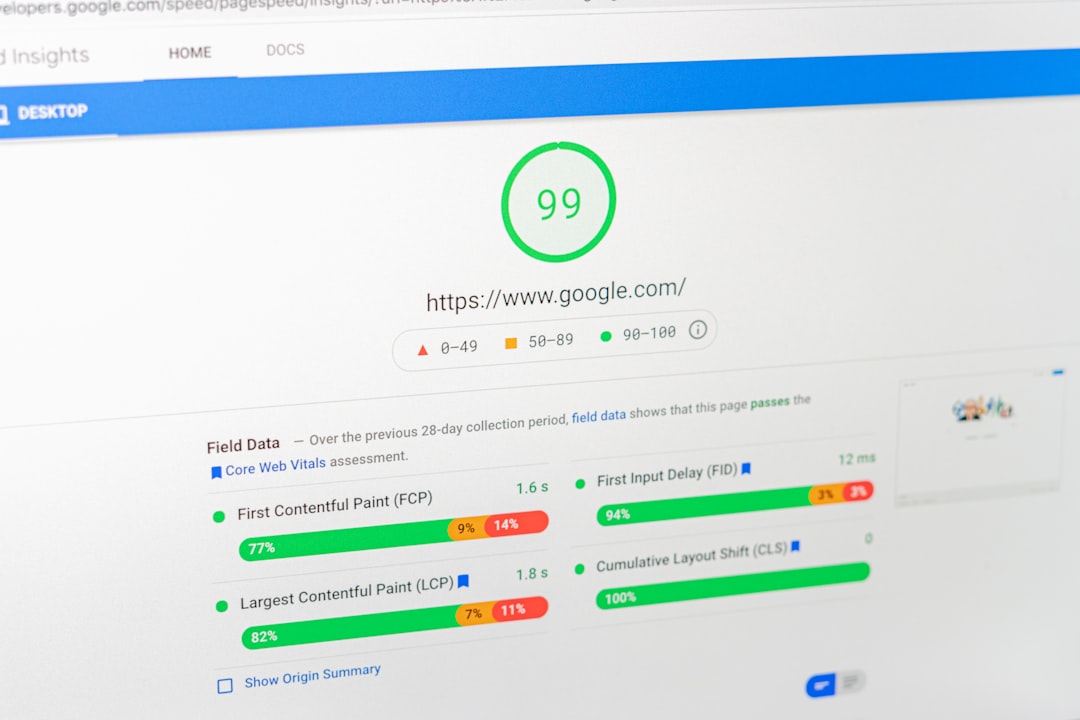
Speed matters most when it improves usability on the pages that drive leads, calls, and sales. You do not need a perfect score. The goal is a site that loads cleanly and is easy to use.
Check your homepage, top service pages, product pages, and blog templates separately. Oversized images, bloated page builder sections, unnecessary scripts, weak caching, and too many plugins usually create more drag than your SEO plugin choice. Fix the issues that block visibility before the issues that polish visibility, then move into speed work that improves the actual user experience.
9. Use schema carefully
Schema can help search engines understand a page more clearly, but it is not a shortcut around weak content or technical issues. Google’s structured data guidance says markup should match visible page content and should not be misleading, so restraint is often better than loading every schema type you can find.
Start with the schema types that naturally fit the page. For most sites, that means keeping article, organization, local business, breadcrumb, or product markup clean and consistent. Do not add markup for content users cannot actually see on the page.
10. Match content structure to search intent
Better rankings usually come from stronger page intent, not longer copy for its own sake. One clear H1, useful subheadings, short paragraphs, and focused sections make a page easier to understand and easier to scan.
Avoid splitting one topic into several thin posts just to target slight keyword variations. Consolidating overlapping content into one stronger page often works better than publishing more low-value pages. Practical structure beats inflated word count nearly every time.
What to stop doing
Stop chasing plugin scores as if they were rankings. Stop stacking SEO plugins, publishing near-duplicate posts, and leaving low-value archives indexable because the defaults looked fine. Most WordPress SEO problems are not dramatic. They are cumulative.
The strongest setups are usually simpler than people expect: one plugin, clear indexing rules, distinct titles, useful internal links, sensible archive handling, and pages built to satisfy real intent. That is a better foundation than a dashboard full of green badges.
A practical next step
The best next move is to run this checklist against your highest-value pages first. Start with the pages already earning impressions, the pages closest to page one, and the pages tied directly to revenue.
If you want a second set of eyes before changing settings, structure, or plugin configuration, WordPress SEO Expert can help you sort out what to fix first. Book a free SEO consultation. No pitch, no pressure. Just an honest look at what your site actually needs and whether your current setup is part of the solution or part of the problem.
Contact WordPress SEO Expert today to schedule a consultation.