
Choosing between WordPress SEO services and traditional SEO usually comes down to fit, not effort. General SEO can help with strategy, content, and authority building, but WordPress sites also have platform-specific issues that affect crawling, duplication, indexing, and site structure in ways a generic process can miss.
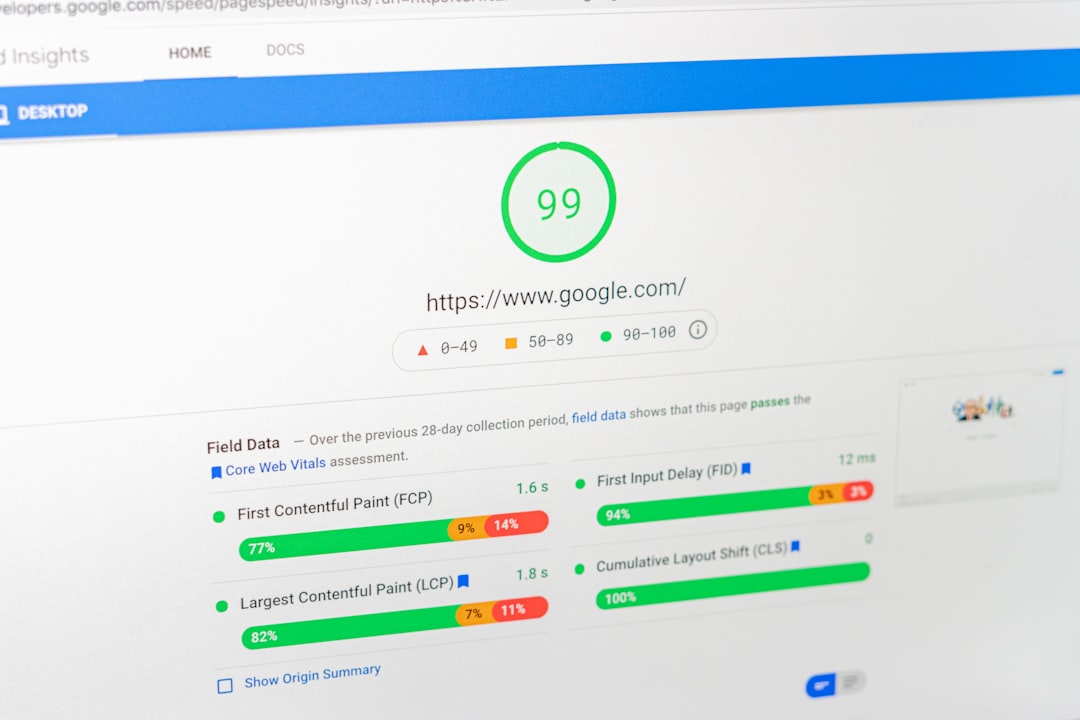
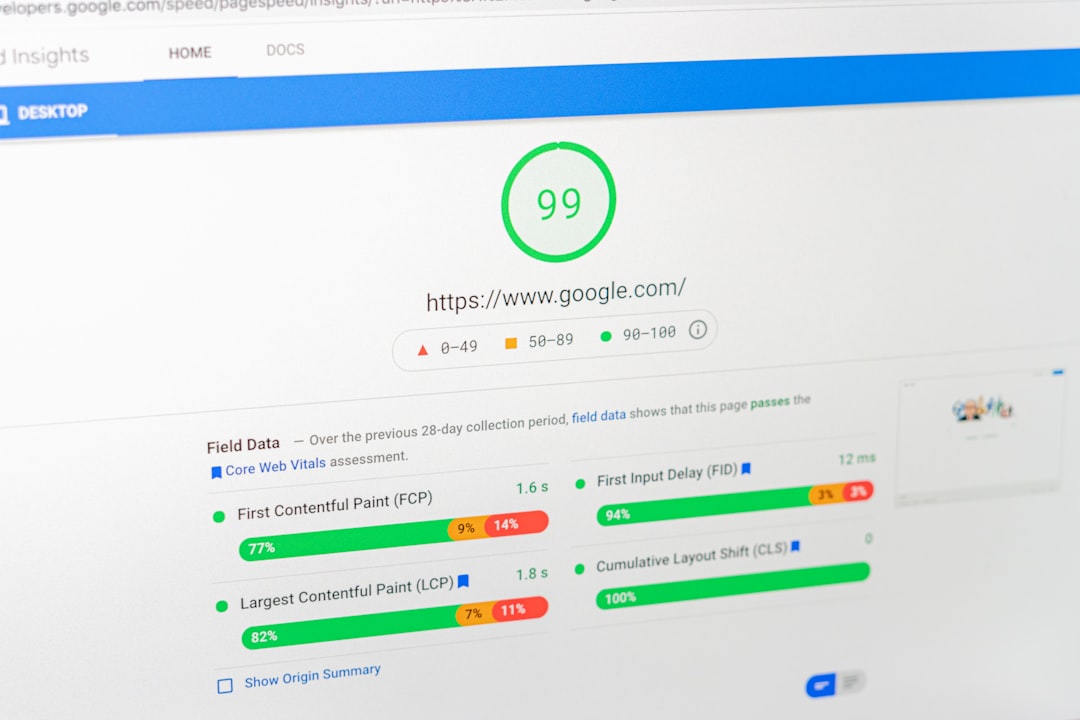
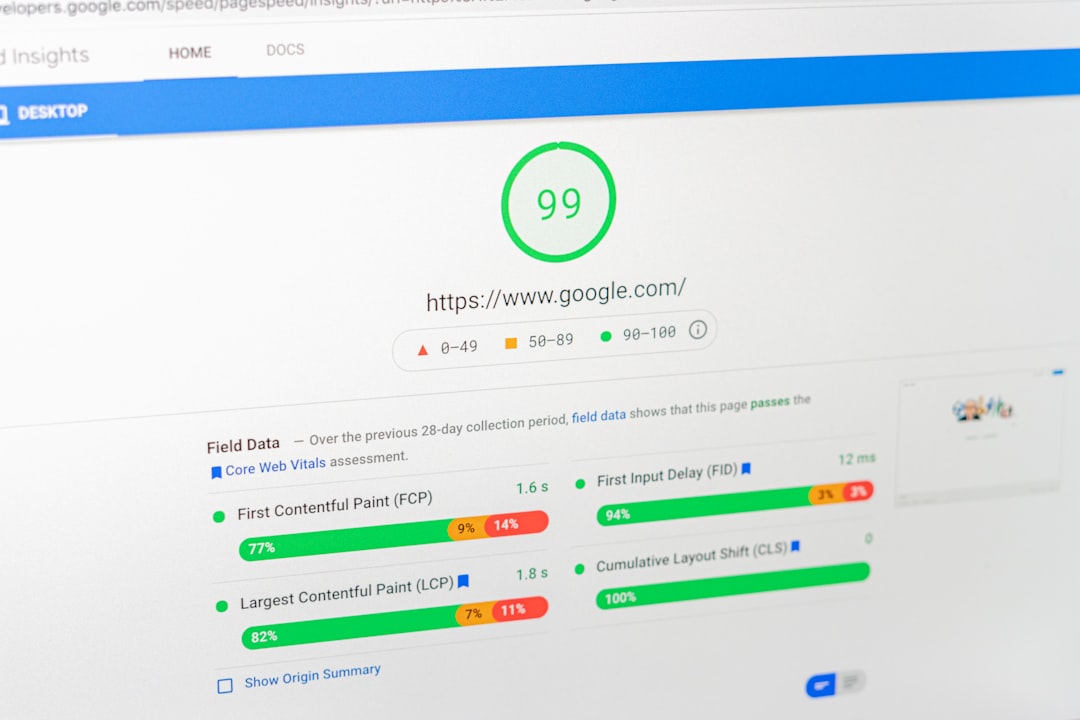
If your rankings are flat, the problem is often not that you need more SEO tasks. It is that you need the right SEO work in the right order. A green light in an SEO plugin does not mean the page deserves to rank, and a broad agency checklist does not always solve WordPress-specific problems.
What is the difference?
The short answer is that traditional SEO covers universal search principles, while WordPress SEO services apply those principles through the realities of a WordPress build. That includes theme output, plugin overlap, archive behavior, taxonomy bloat, internal linking, canonicals, sitemaps, and template-level page signals.
Traditional SEO usually focuses on keyword targeting, content planning, backlinks, technical audits, and reporting across any platform. WordPress SEO services do that too, but they also diagnose how WordPress itself is shaping search performance. On many sites, the platform setup is part of the ranking problem.
When traditional SEO is enough
Traditional SEO is often enough when your site is technically clean, lean, and well maintained. If your WordPress setup has one SEO plugin, clear page hierarchy, sensible archive rules, and no duplication from themes or plugins, a broader SEO strategy may be all you need.
This is especially true for businesses that mainly need stronger service-page targeting, better content depth, and a more disciplined internal linking plan. If the platform is stable, the gains often come from clearer keyword mapping and stronger page intent. For a related breakdown, see our WordPress SEO content strategy article.
When WordPress SEO services matter more
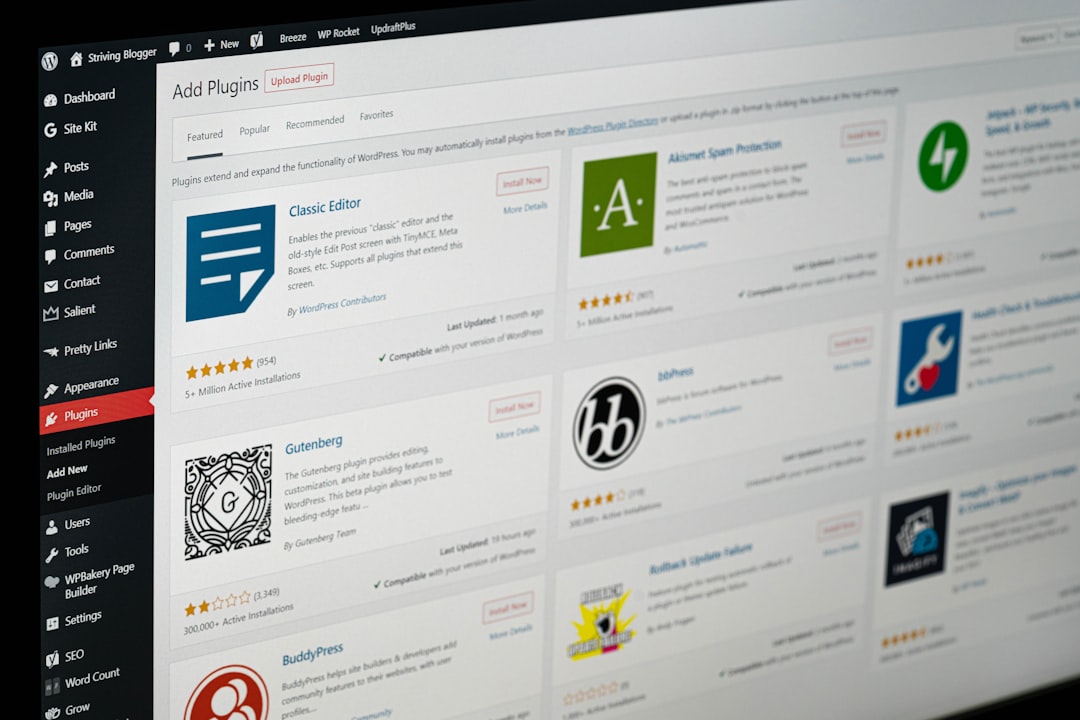
WordPress SEO services matter more when the platform is creating hidden friction. Most site owners do not have one catastrophic problem. They have a stack of smaller issues that compound over time and weaken signals about which pages should rank.
Common examples include tag archives being indexed without a purpose, duplicate metadata from overlapping plugins, thin location pages, category and filter URL sprawl, slow templates, broken redirects after redesigns, and canonicals that point to the wrong version of a page. Google recommends descriptive, concise titles and warns against keyword stuffing and repetitive boilerplate. Google also treats canonical signals, redirects, and sitemap inclusion as part of how duplicate URLs are consolidated.
Those are not abstract best practices on WordPress. They show up in real builds every day. If you have seen traffic stall after launching a new theme or adding more plugins, read our guide to technical SEO for WordPress.
Side-by-side comparison
The clearest way to compare these options is to look at how each one handles the same business need. Traditional SEO is broad by design. WordPress SEO services are narrower, but often more useful when the site itself is interfering with visibility.
| Area | Traditional SEO | WordPress SEO Services |
|---|---|---|
| Strategy | Keyword research, content planning, authority building | Same strategy, adapted to WordPress templates, taxonomies, and publishing workflows |
| Technical work | General crawling, indexing, speed, redirects | General technical work plus plugin conflicts, archive handling, canonical setup, and sitemap cleanup |
| Content optimization | Page-level copy and search intent alignment | Page-level optimization plus WordPress-specific title, heading, and template output checks |
| Common risks missed | Platform-specific duplication or clutter may be overlooked | Usually better at finding CMS-level causes of weak rankings |
| Best fit | Sites with clean builds and stable technical foundations | Sites with plugin sprawl, redesign issues, WooCommerce complexity, or indexing confusion |
Why WordPress sites need a different lens
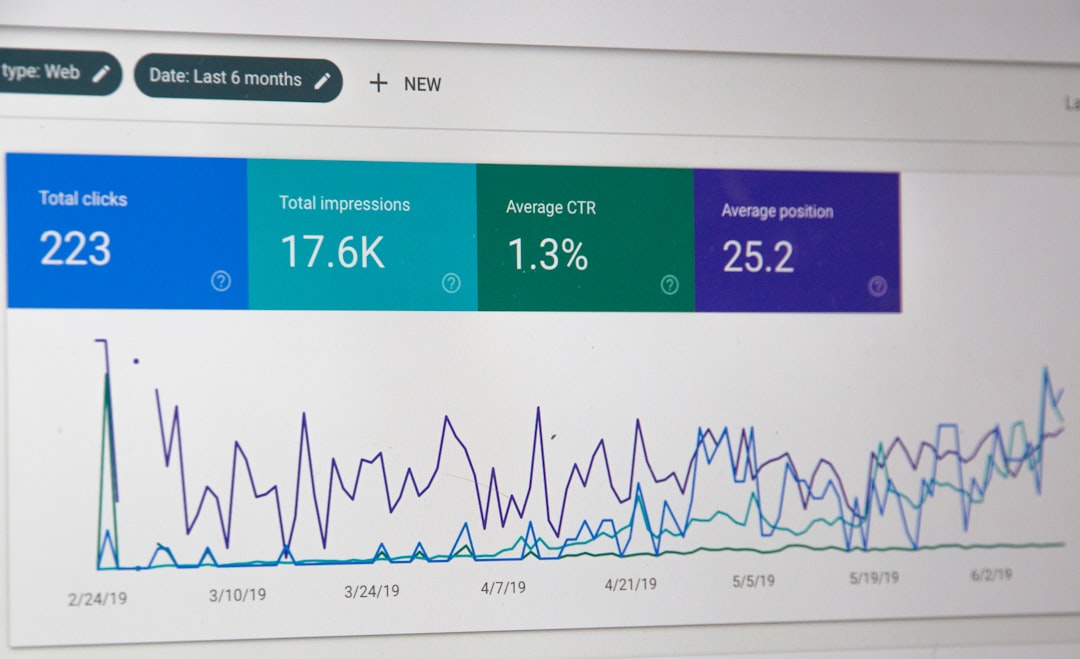
WordPress is flexible, but that flexibility creates SEO edge cases that a generic process can gloss over. The issue is rarely WordPress itself. The issue is how themes, plugins, custom post types, taxonomies, builders, and migration history interact.
One well-configured SEO plugin is enough for most sites. Running overlapping plugins often creates duplicate metadata, conflicting canonicals, and competing sitemap outputs. Google’s documentation also makes a practical distinction many site owners miss: blocking crawling with robots.txt is not the same as preventing indexing, while a noindex directive is page-specific and intended for search crawlers.
If your site has accumulated years of plugin additions and design changes, our team at WordPress SEO Expert can help. We focus on the structural issues that block visibility before the cosmetic tasks that only polish it.
Which option should you choose?
Choose traditional SEO if your site is technically sound and your main gap is strategy execution. Choose WordPress SEO services if you are unsure whether the real problem is indexing, duplication, weak targeting, or plugin clutter. In many cases, the technical diagnosis has to come first.
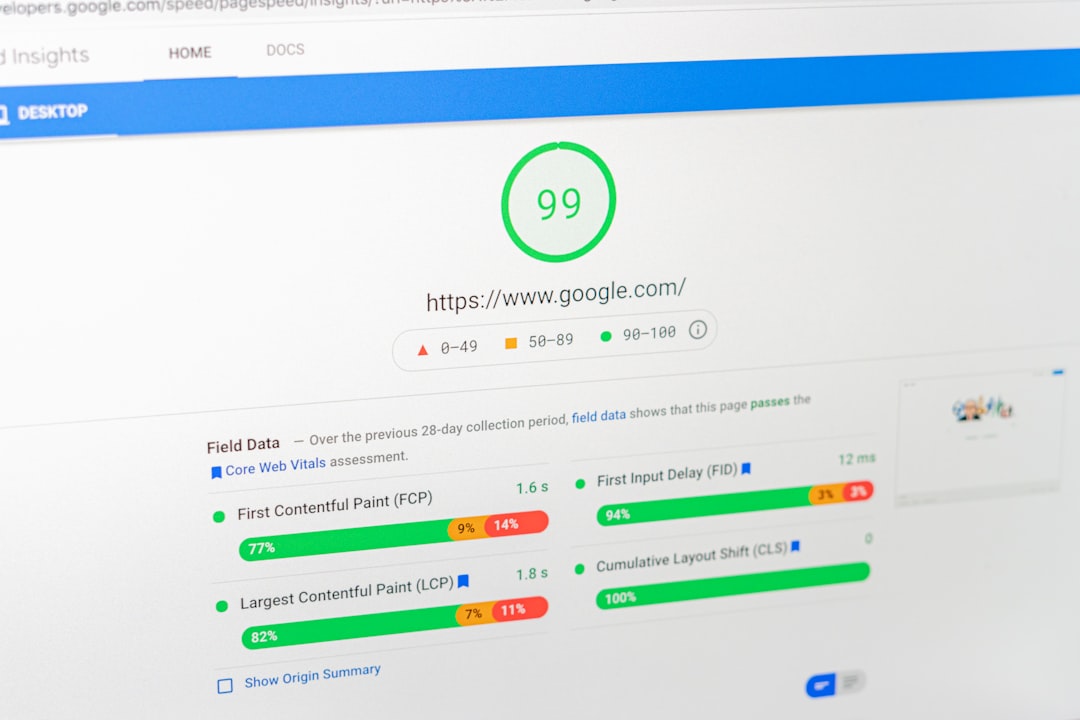
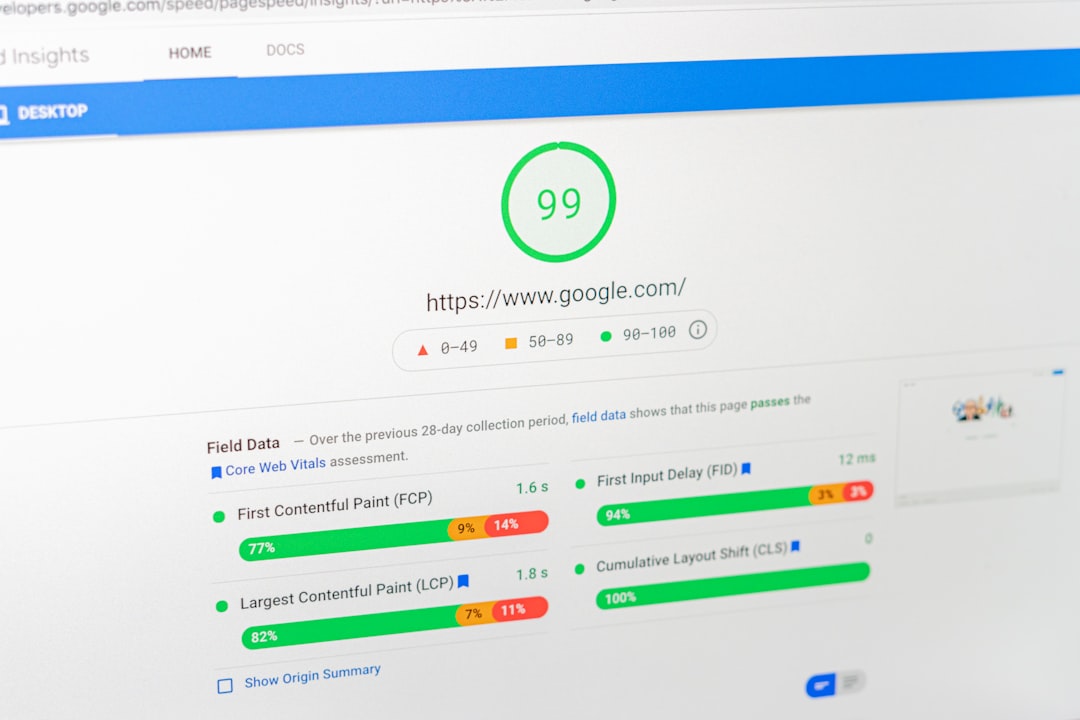
A good rule is simple: fix the issues that block visibility before the issues that polish visibility. You do not need a perfect score. You need a site that loads cleanly, is easy to use, and sends consistent signals about which pages matter most.
The better question to ask
Instead of asking which label sounds better, ask which provider can diagnose your actual bottlenecks. A general SEO plan can be useful, but if the site architecture, plugin setup, and indexation controls are working against you, strategy alone will not close the gap.
Book a free SEO consultation with WordPress SEO Expert. No pitch, no pressure. Just an honest look at what your site actually needs and whether your current setup is part of the solution or part of the problem. Contact WordPress SEO Expert today to schedule a consultation.