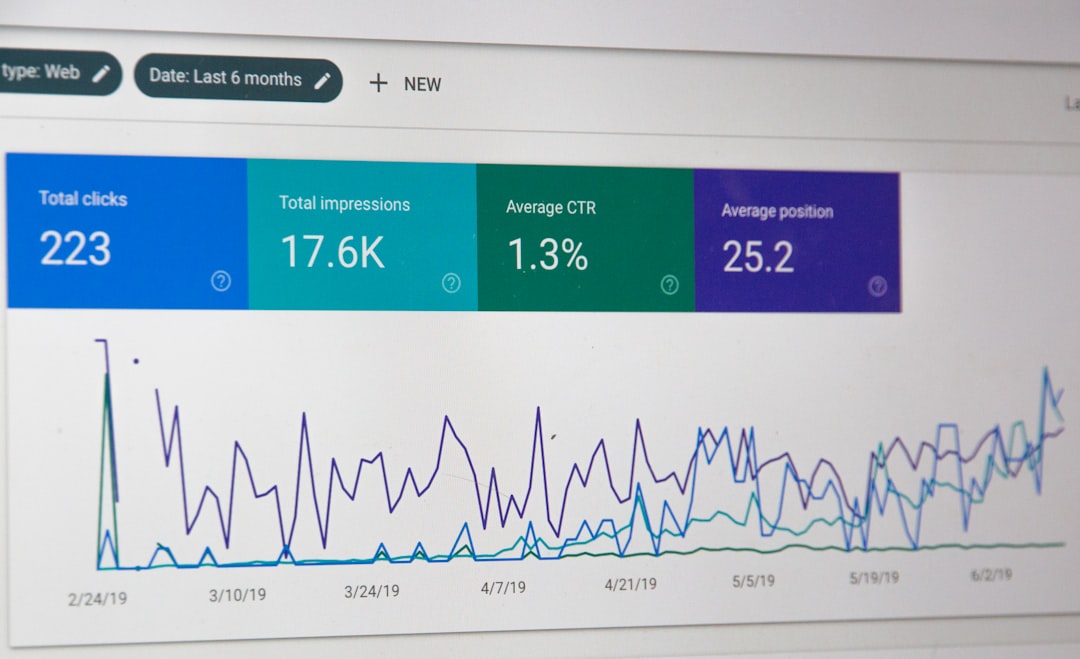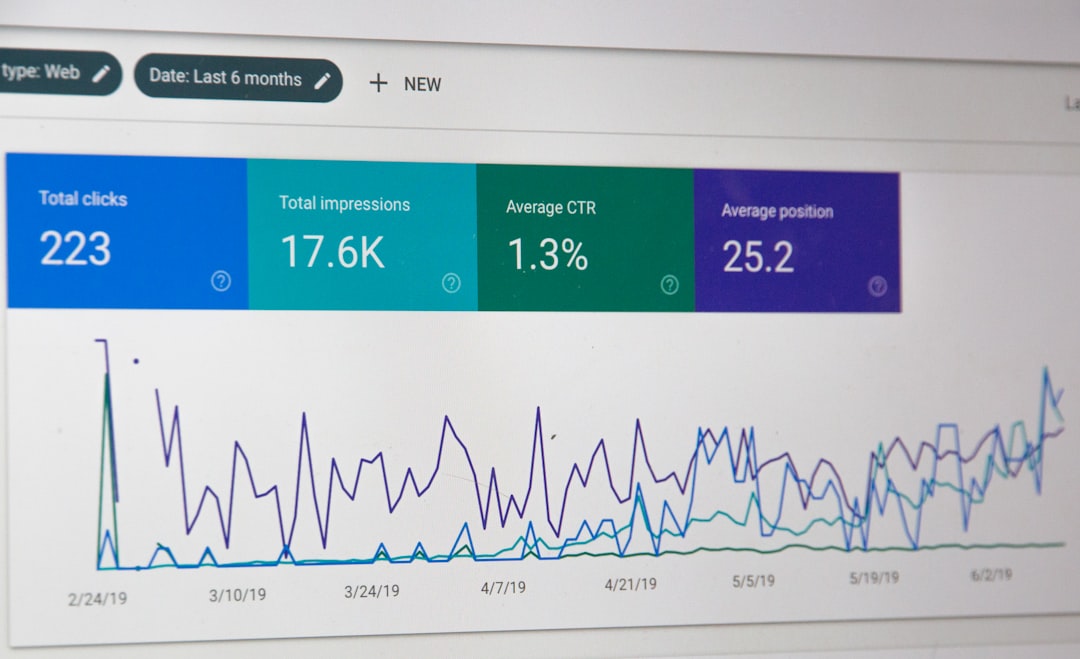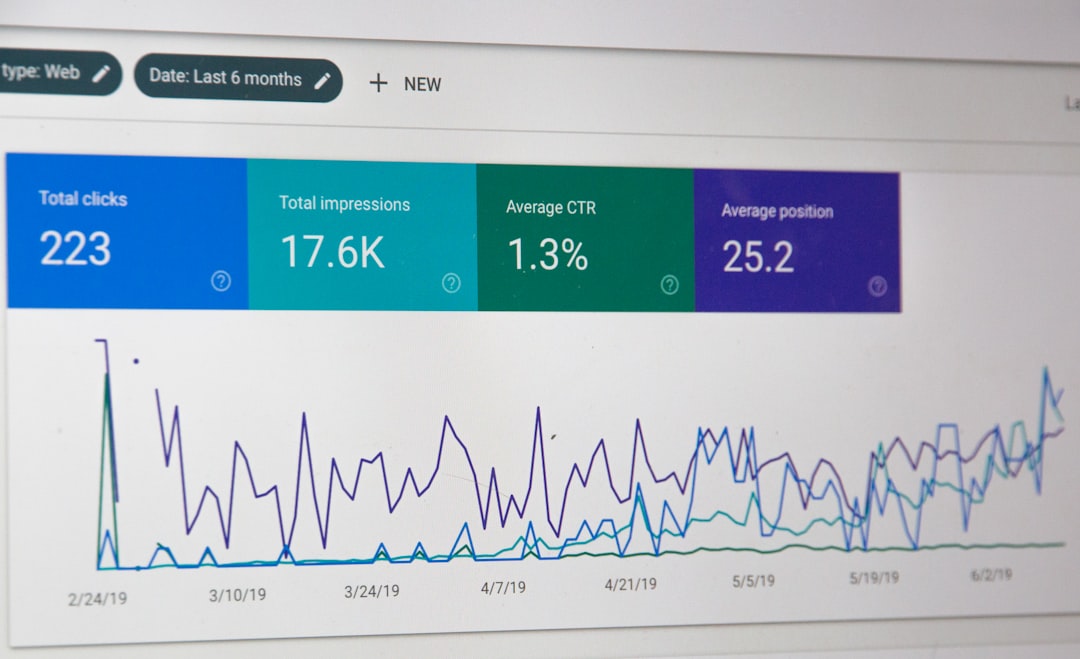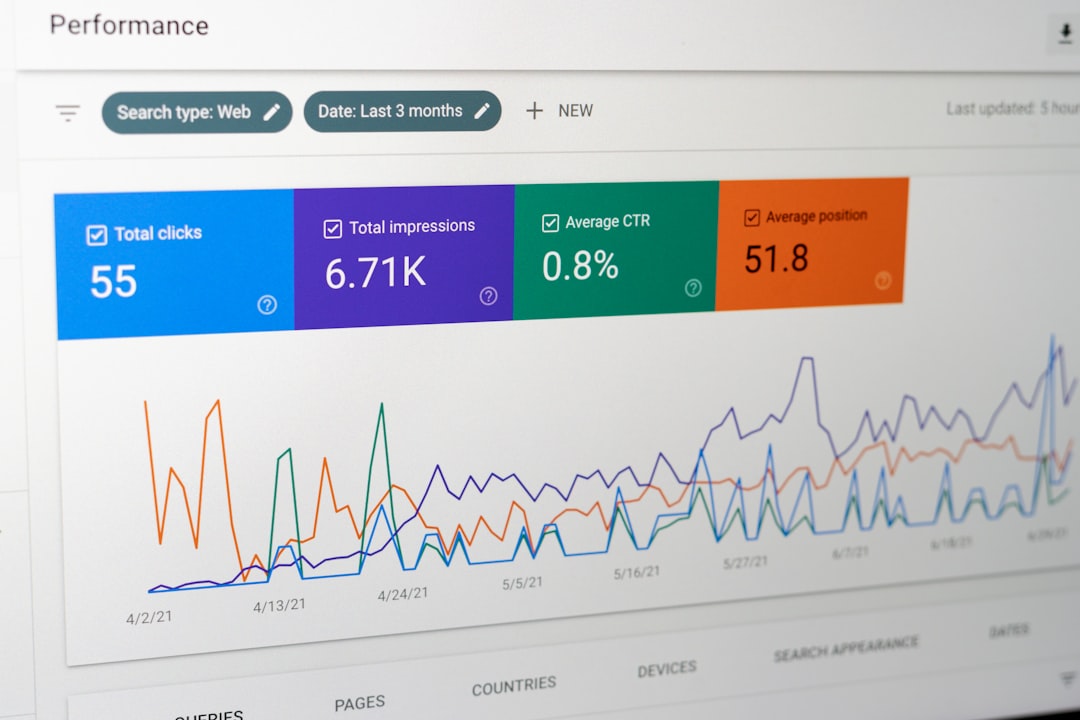
WordPress SEO services are most useful when your site already has content, plugins, and good intentions, but rankings are still flat. The problem is usually not a lack of effort. It is a mix of technical issues, weak page targeting, and scattered priorities that keep the right pages from gaining visibility.
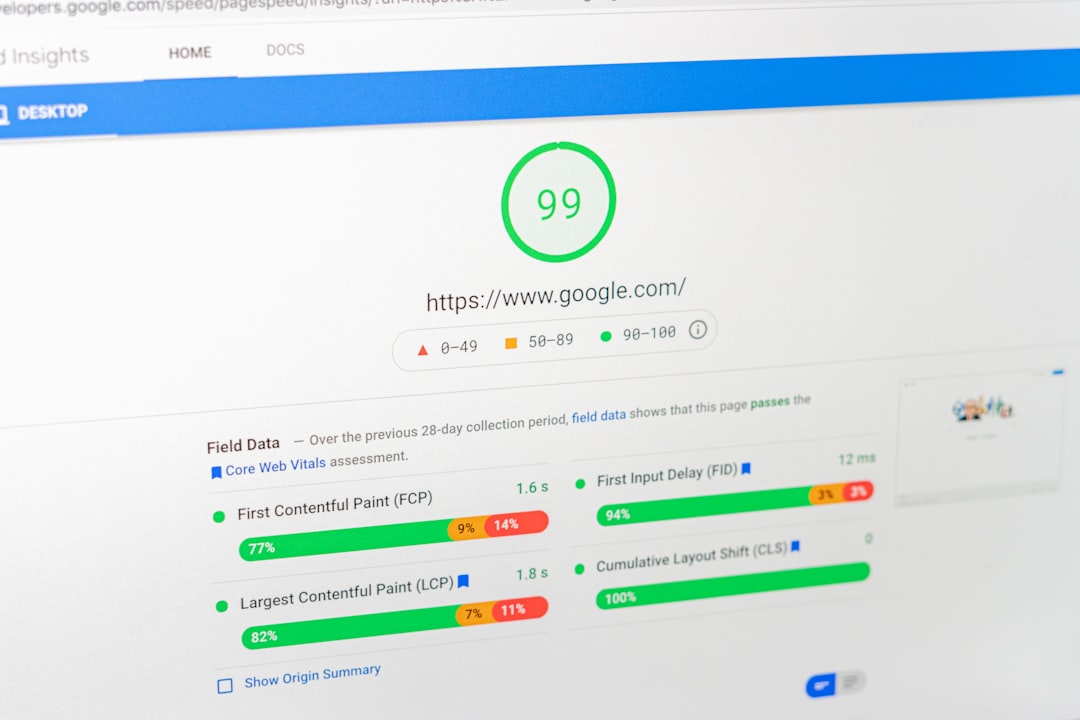
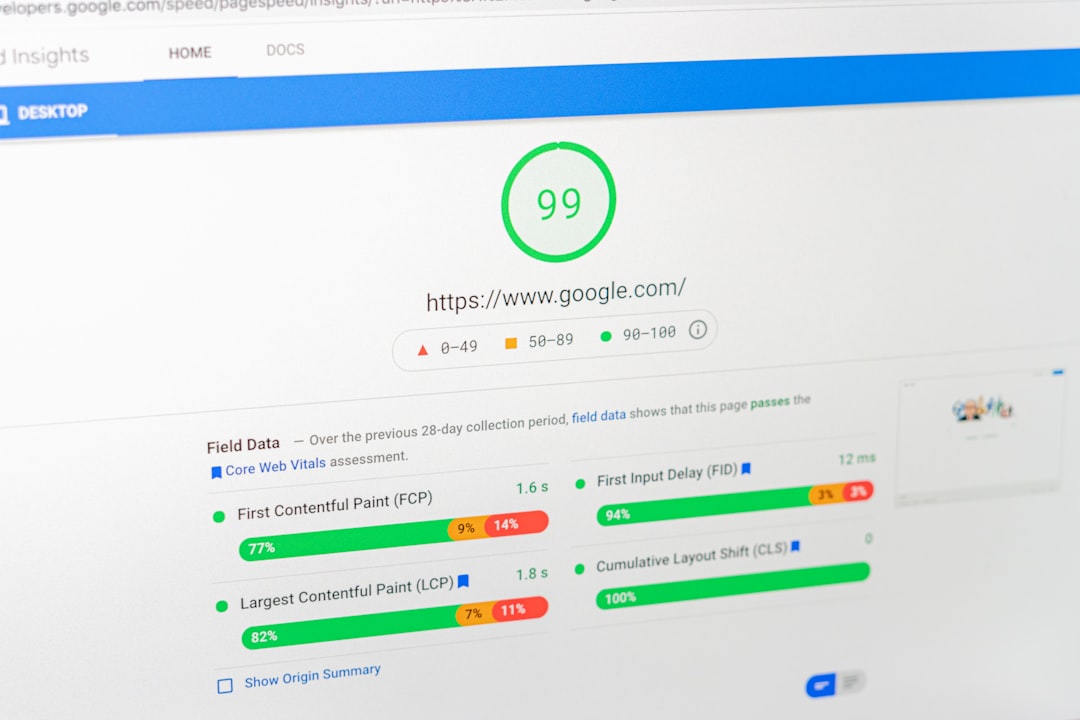
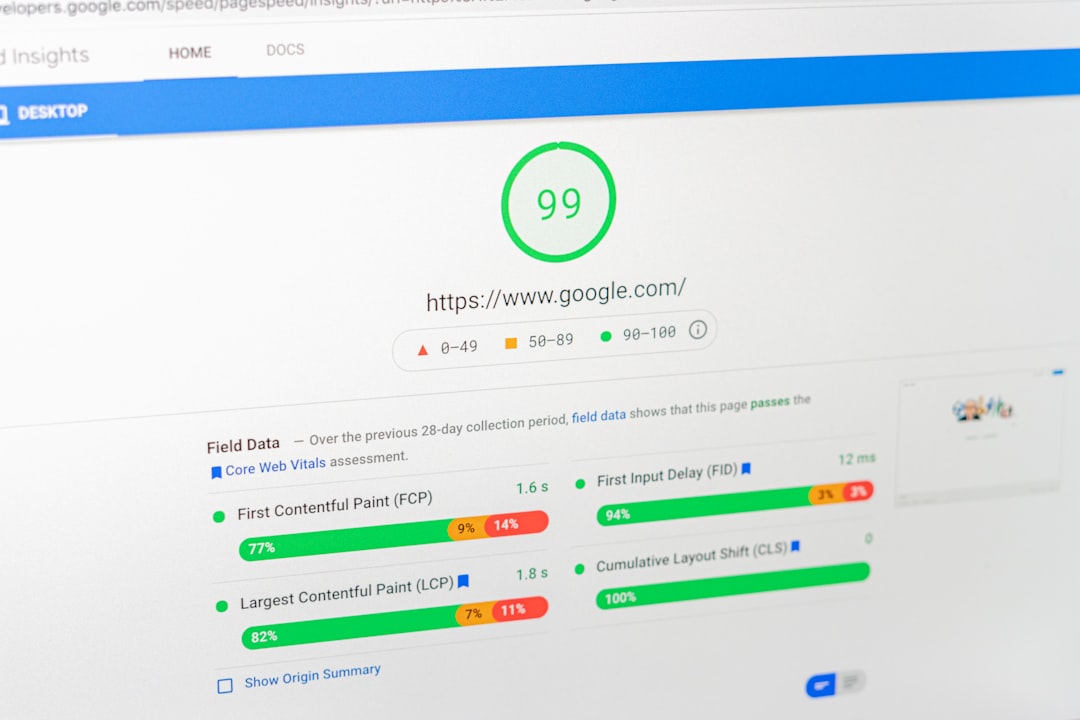
That is why a real WordPress SEO service should start with diagnosis, not promises. A green light in an SEO plugin does not mean the page deserves to rank. Most site owners do not have one catastrophic problem. They have a stack of smaller issues that compound over time.
What WordPress SEO services actually include
Good WordPress SEO services focus on the issues that affect visibility first, then move to the items that improve clarity and conversion. The right provider should review technical setup, page targeting, internal links, content quality, and site structure in a practical order.
In plain terms, that usually includes crawl and indexation checks, title and heading improvements, archive and duplicate-content cleanup, internal linking, content planning, and plugin simplification. If you need a broad foundation before hiring help, read this practical guide for DIY WordPress site owners.
Technical SEO review
A technical review should answer one question first: can search engines crawl, understand, and index your important pages cleanly. If that answer is unclear, rewriting copy or adding plugins usually wastes time.
This part of the work often includes checking robots directives, sitemap output, canonical tags, archive settings, redirect gaps, attachment pages, and pages that are technically live but poorly linked. If your site has changed themes, plugins, or URLs recently, this review matters even more.
On-page SEO improvements
On-page SEO services should make each important page clearer, not just longer. The goal is to help Google and real visitors understand what the page is about and why it is the right result.
Google recommends descriptive, concise title text and warns against keyword stuffing and repetitive boilerplate. It also recommends unique page descriptions and crawlable HTML links with descriptive anchor text. That is why title tags, meta descriptions, headings, and internal links are still core parts of competent WordPress SEO work.
| Weak approach | Stronger approach |
|---|---|
| Generic titles repeated across pages | Distinct titles matched to page intent |
| Blog posts with no links to service pages | Clear internal links between related pages |
| Plugin scores used as the main goal | User clarity and search intent used as the main goal |
Content and keyword planning
Content planning should stop your site from publishing overlapping pages that compete with each other. A useful SEO service helps decide which pages should exist, what each one should target, and which older pages should be consolidated.
This is especially important for service businesses and WooCommerce stores. Category pages, filter pages, and slight keyword variations can quietly create duplication. If that sounds familiar, this guide on fixing WordPress SEO setup problems will help you spot the patterns before they spread.
What WordPress SEO services should not be
A strong SEO service should simplify your setup, not make it heavier. If the plan depends on stacking plugins, chasing green lights, or publishing thin pages at volume, the strategy is probably solving the wrong problem.
One well-configured SEO plugin is enough for most WordPress sites. Running overlapping plugins often creates duplicate metadata, conflicting canonicals, and competing sitemap outputs. The cleaner approach is usually the better one.
How to evaluate a WordPress SEO provider
The best provider will explain what they are fixing, why it matters, and what should happen first. You should leave the conversation with more clarity than you had going in, not a longer checklist with no order.
Look for someone who can explain tradeoffs in plain language, review your current plugin stack honestly, and separate indexing problems from content problems. They should be comfortable saying that some issues can wait. Fix the issues that block visibility before the issues that polish visibility.
If you are experiencing these symptoms, our team at WordPress SEO Expert can help. We focus on finding the bottlenecks that are actually suppressing rankings instead of adding more clutter to the site.
When hiring SEO help makes sense
Hiring help makes sense when your site has enough moving parts that the real problem is hard to isolate. That often happens after redesigns, migrations, plugin changes, WooCommerce growth, or months of content work that did not translate into better rankings.
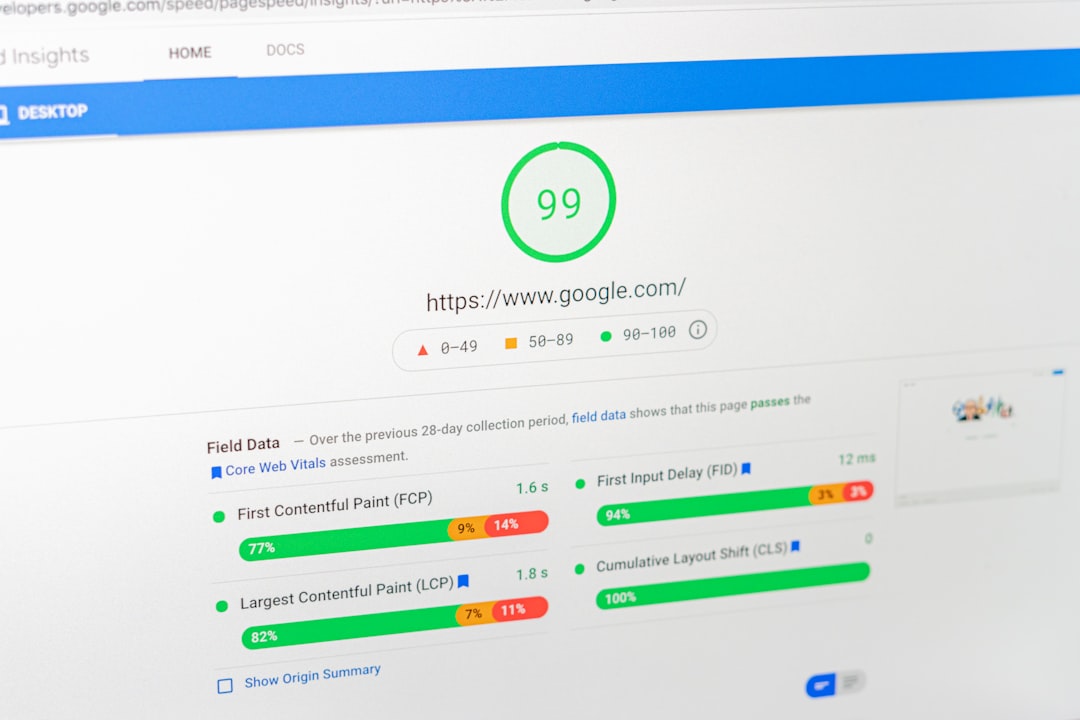
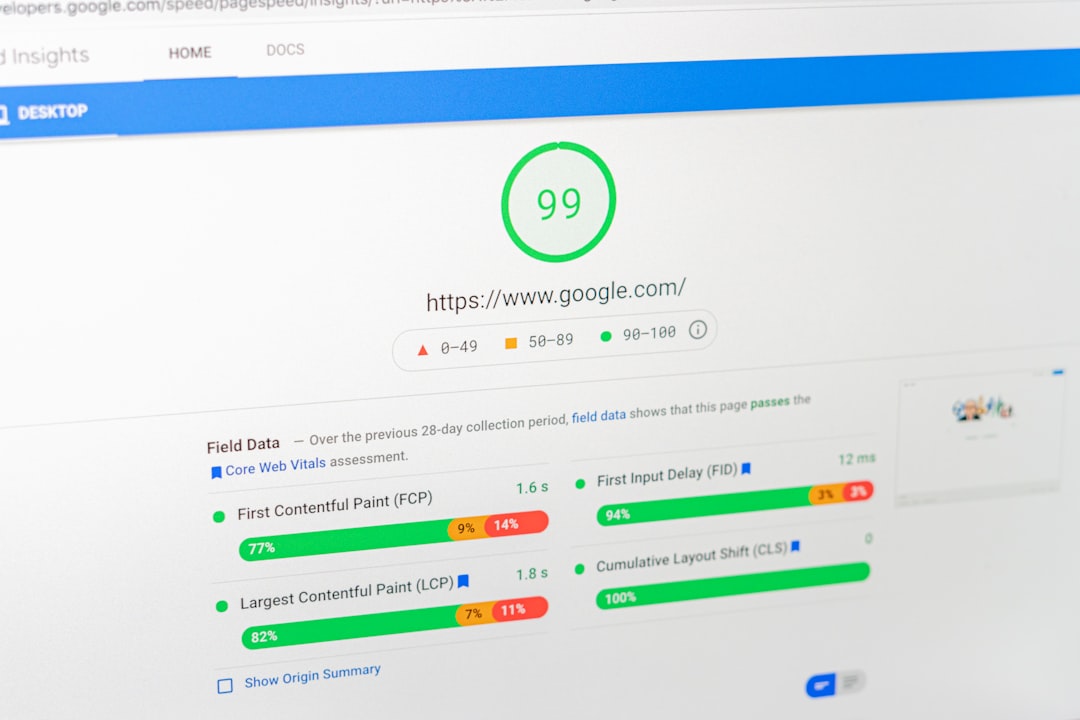
You do not need a perfect score. The goal is a site that loads cleanly, is easy to use, and sends consistent signals about which pages matter most. If your rankings are flat and you are not sure whether the real problem is indexing, duplication, weak targeting, or plugin clutter, WordPress SEO Expert can help.
What to ask before you sign anything
Before you hire anyone, ask how they audit a WordPress site, how they prioritize fixes, and how they handle plugin conflicts, archive pages, and internal linking. The answers should be specific and easy to follow.
You should also ask what success will look like in the first phase. Honest SEO work usually starts with cleanup, clarity, and stronger page alignment before bigger ranking gains show up. Contact for current details is a better answer than a fake guarantee.
Final takeaway
WordPress SEO services are not about adding more features. They are about removing confusion, fixing what blocks visibility, and building a cleaner structure around the pages that matter most. When the work is done well, the site becomes easier for both users and search engines to understand.
Contact WordPress SEO Expert today to schedule a consultation. Book a free SEO consultation. No pitch, no pressure. Just an honest look at what your site actually needs and whether your current setup is part of the solution or part of the problem.