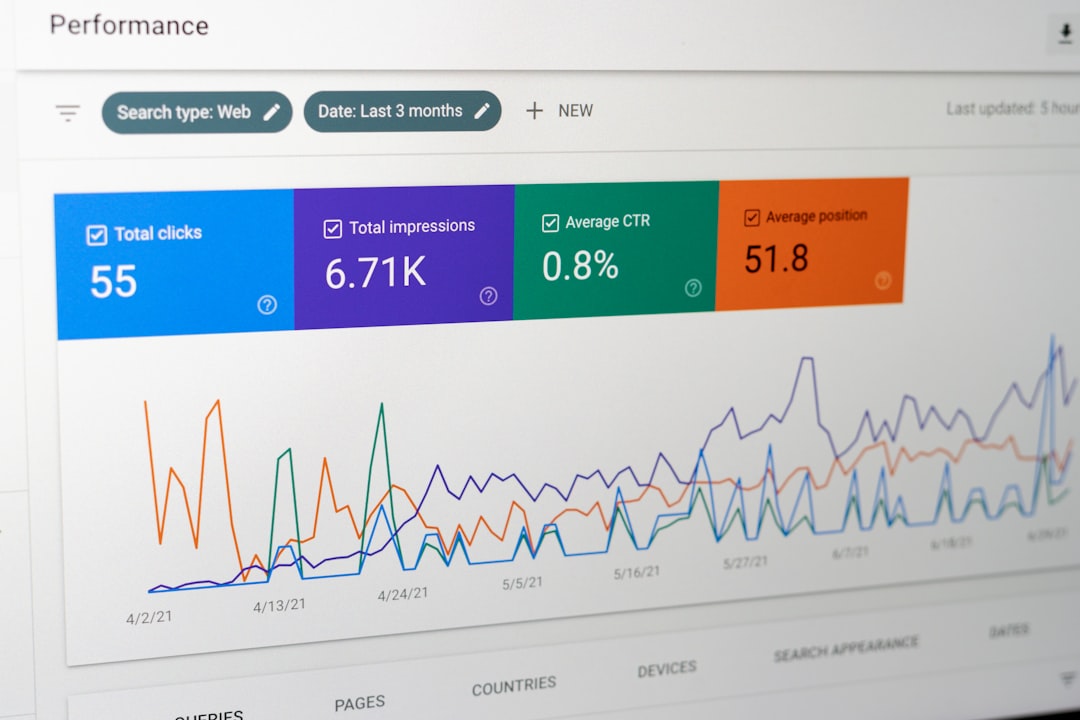
Low rankings usually come from a scattered plan, not one missing plugin. Most WordPress SEO problems are not dramatic on their own. They show up as a stack of smaller issues like weak titles, duplicate URLs, thin archives, conflicting plugins, and pages that are technically published but hard for Google to crawl or understand.
This is the good news: you do not need to fix everything at once. Fix the issues that block visibility before the issues that polish visibility. If you want the broader baseline first, review our WordPress SEO best practices and our comparison of Yoast SEO vs Rank Math before changing plugin settings.
1. Pages Are Not Getting Crawled or Indexed

If Google cannot crawl the right pages or index them correctly, everything else underperforms. Before rewriting copy or adding schema, make sure your key pages are accessible, linked internally, and allowed to appear in search.
Common WordPress causes include accidental noindex settings, blocked sections, orphan pages, thin archive pages, and important URLs missing from clean internal navigation. Google recommends using crawlable links and descriptive anchor text so it can find and understand pages more effectively. You can review that guidance directly in Google’s link best practices.
Start by checking your main service pages, category pages, and priority blog posts. They should return a normal status code, appear in your XML sitemap if they deserve indexing, and be linked from pages Google can already reach. If a page only exists in the sitemap and nowhere in your site structure, fix that first.
Solution
Review indexing settings in your SEO plugin, confirm robots rules are not blocking valuable sections, and add internal links to any isolated page that matters. One clear route to each important page is better than publishing more content into a weak structure.
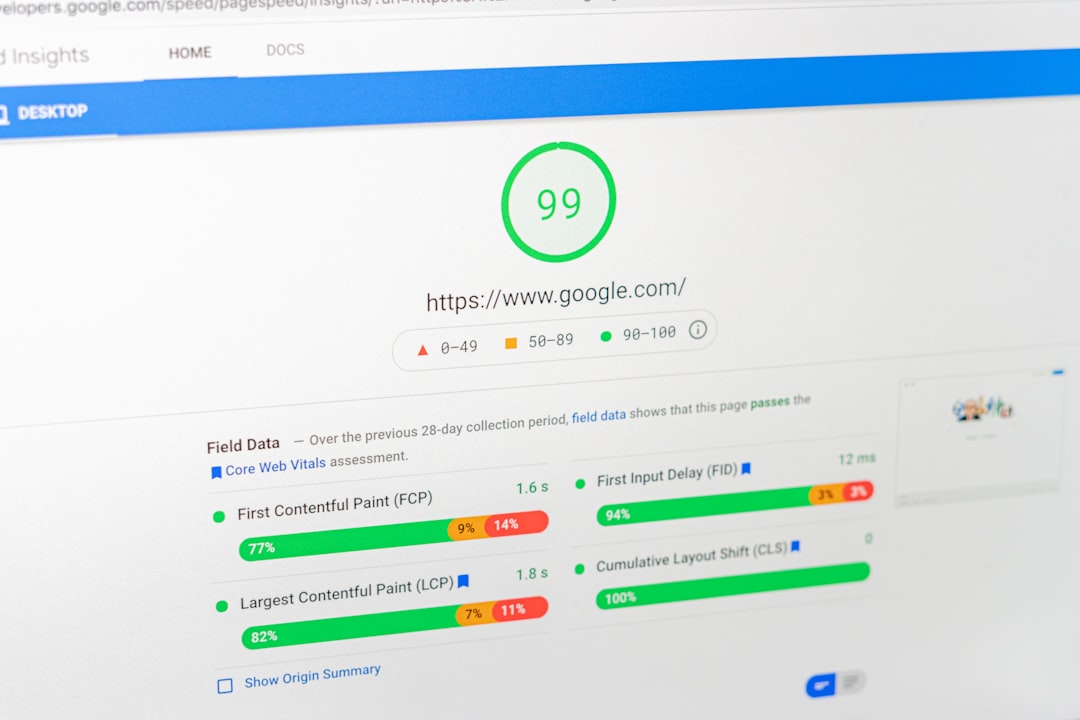
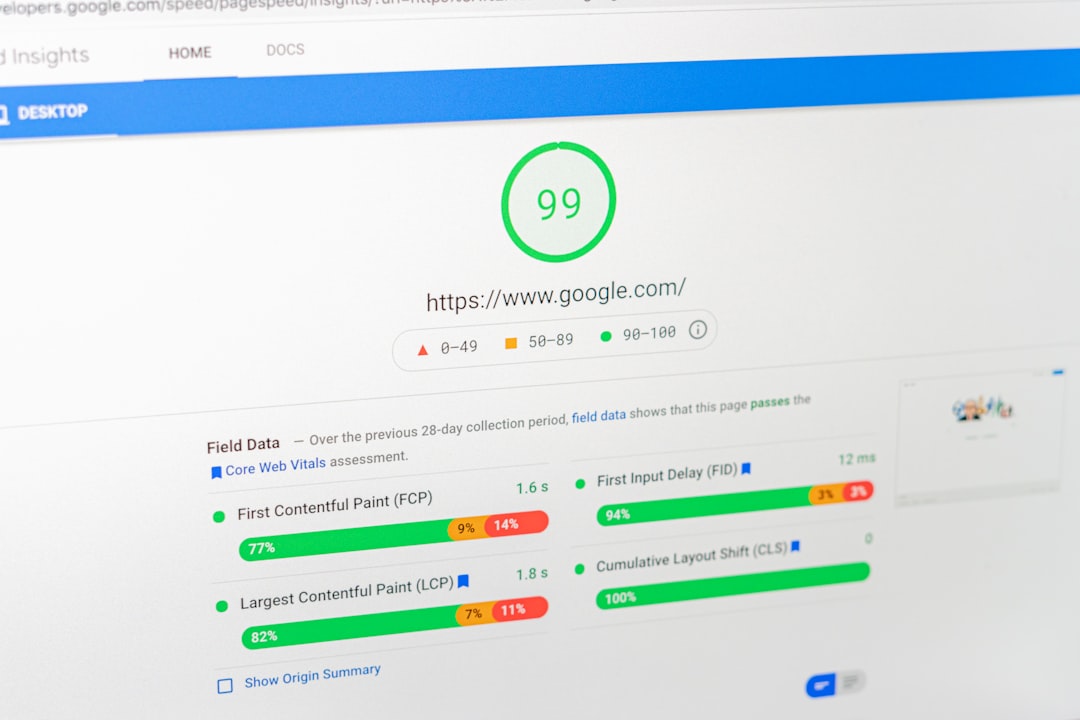
2. Too Many SEO Plugins Are Creating Conflicts

One well-configured SEO plugin is enough. Running overlapping plugins often creates duplicate metadata, conflicting canonicals, and competing sitemap outputs that make troubleshooting much harder than it needs to be.
This is one of the most common WordPress SEO issues we see on small business sites. Site owners install one plugin for titles, another for schema, another for redirects, and then wonder why search signals look inconsistent. A green light in an SEO plugin does not mean the page deserves to rank. The plugin is only a control panel, not the strategy.
If you are comparing tools, the gap between them is not that one works and one does not. The gap is in how the interface works, which features are included, and how much technical clutter they add to your workflow. Our Yoast SEO vs Rank Math comparison breaks that down in more detail.
Solution
Choose one primary SEO plugin and configure the essentials first: title templates, meta descriptions, sitemap output, archive indexing, and canonical behavior. Remove overlapping plugins unless they solve a clear problem your main plugin does not handle well.
3. Title Tags Are Vague, Repetitive, or Overstuffed
Your title tag is still one of the strongest on-page signals you control. Weak titles make relevant pages look generic, while stuffed titles often read badly and send mixed quality signals.
Google recommends descriptive, concise title text and warns against keyword stuffing and repetitive boilerplate across pages. That means titles should clearly describe the page, stay distinct from one another, and avoid awkward repetition. See Google’s title link guidance for the underlying principles.
| Weak title | Stronger title |
|---|---|
| SEO Services | SEO Company | SEO Expert | WordPress SEO Services for Small Businesses |
| Blog | WordPress SEO Issues and Solutions |
| Best SEO Plugin, SEO Plugin, WordPress SEO Plugin | How to Choose One SEO Plugin for WordPress |
Solution
Rewrite titles around the actual page purpose, not the plugin score. Use one primary phrase naturally, keep each important page distinct, and stop trying to force every variant into the same line. Clear beats clever, and specific beats stuffed.
4. Meta Descriptions Are Duplicated or Treated Like Rankings Levers
Meta descriptions do not need to carry your SEO strategy. Their main job is to support clicks with a short, relevant summary that matches the page intent.
Google explains that snippets are often generated from page content, but it may use the meta description when that description better summarizes the page. It also recommends unique descriptions where possible instead of repeating the same text across the site. That guidance is covered in Google’s documentation on snippets and meta descriptions.
Solution
Write descriptions that help the right visitor click, not descriptions stuffed with keyword variations. Focus first on your highest-value pages and pages already earning impressions. If a page has no clear reason to exist, no description will save it.
5. Duplicate URLs Are Diluting Signals
Canonical confusion is one of the most common reasons a solid page still underperforms. When several URLs show the same or nearly the same content, search engines have to guess which version matters most.
In WordPress, duplication often comes from tag archives, attachment pages, trailing slash inconsistencies, parameter URLs, and WooCommerce filters or product variations. Publishing more content will not fix that. Consolidation usually works better than expansion when the site already has overlapping URLs.
Solution
Choose a preferred version, link to that version internally, set canonicals correctly, and redirect outdated or duplicate variants where appropriate. For WooCommerce stores, review filters, faceted navigation, and variation URLs before creating more category pages.
6. Internal Linking Is Too Weak to Support Important Pages

Internal links help search engines discover pages, understand topic relationships, and judge which pages are more central to your site. Weak internal linking leaves good pages buried and unsupported.
Google recommends crawlable links and descriptive anchor text rather than vague phrases. That matters in WordPress because many sites publish posts regularly but never connect them into a clear structure. If your best page gets almost no internal support, it often struggles more than it should.
Solution
Link broad informational pages to related service pages, connect overlapping blog posts, and make sure revenue-driving URLs are not buried several clicks deep. Review older posts for easy internal links to newer priority pages. If you already have the content but not the structure, the fix is linking, not publishing.
If you are not sure whether your current architecture is helping or quietly hurting visibility, WordPress SEO Expert can help. We look for the pages that should be carrying authority and the missing links that keep them from doing it.
7. Schema Markup Is Misused or Added Without Purpose
Structured data can help search engines understand a page more clearly, but it is not a shortcut around weak content or weak technical SEO. More schema is not automatically better.
Google’s structured data policies say markup should reflect visible page content and should not be misleading. In other words, do not enable every schema type your plugin offers just because it is there. Review Google’s structured data guidelines before rolling out broad schema changes.
Solution
Use schema that matches the page type and visible content. Keep it clean, relevant, and easy to maintain. If your plugin is generating markup that does not match what users actually see, simplify the setup instead of adding more layers.
8. Site Owners Are Chasing Scores Instead of Fixing Priority Problems
Most site owners do not have one catastrophic problem. They have a stack of smaller issues that compound over time. The real mistake is spending hours polishing plugin indicators while indexing, duplication, and internal linking issues remain unresolved.
You do not need a perfect score. The goal is a site that loads cleanly, is easy to use, and sends clear signals about which pages matter. Fix the issues that block visibility before the issues that polish visibility. That sequence saves time and usually produces better results than trying to optimize everything at once.
| Priority | What to fix first | Why it matters |
|---|---|---|
| 1 | Indexing and crawl access | Pages cannot rank if search engines cannot reach or index them properly |
| 2 | Canonicals and redirects | Prevents duplicate URL confusion and diluted signals |
| 3 | Title tags and page intent | Improves relevance and click-through potential |
| 4 | Internal linking | Strengthens discovery, hierarchy, and topic relationships |
| 5 | Schema and plugin cleanup | Removes conflicting signals and supports cleaner technical output |
A Simple WordPress SEO Fix Plan
A practical fix plan starts with diagnosis, not guesswork. You need to know whether the problem is access, duplication, weak relevance signals, or poor site structure before you touch settings across the whole site.
Start with your highest-value pages. Check indexing, confirm canonical targets, review titles, improve internal links, and simplify your plugin stack. Then move to archive settings, schema cleanup, and lower-priority templates. This is usually faster and safer than doing a full-site overhaul based on generic plugin advice.
If you are experiencing these issues, our team at WordPress SEO Expert can help. Book a free SEO consultation. No pitch, no pressure. Just an honest look at what your site actually needs and whether your current setup is part of the solution or part of the problem.
Final Takeaway
WordPress Search Engine Optimization issues and solutions are usually less about finding one magic fix and more about removing the friction that keeps good pages from performing. Cleaner crawl paths, stronger titles, better internal links, and one clean plugin setup will usually beat a bloated stack of partial fixes.
When traffic stays flat, the next step is not more guessing. Contact WordPress SEO Expert today to schedule a consultation and get a clearer plan for what to fix first on your WordPress site.