
Low rankings usually come from a scattered plan, not one missing plugin. If your WordPress site is stuck, the fix is rarely more plugins, more blog posts, or a higher plugin score. The real win comes from tightening crawlability, page targeting, internal links, and content quality in the right order.
This guide gives you a practical way to improve WordPress SEO without turning your site into a settings maze. We will focus on the changes that usually matter first, where site owners waste time, and how to tell whether your setup is helping or quietly holding you back.
What WordPress SEO actually means
WordPress SEO is the process of making your site easier for search engines to crawl, understand, and trust while also making pages more useful for real visitors. It is not a plugin score, a checklist badge, or a promise that one tool will lift rankings by itself.
Most site owners do not have one catastrophic problem. They have a stack of smaller issues that compound over time. A weak title structure, thin archive pages, duplicate URLs, poor internal linking, and bloated templates can all drag performance down together. That is why WordPress SEO best practices matter more than chasing one isolated tactic.
Start with indexing before anything else

If Google cannot reach the right pages or is indexing the wrong ones, everything else underperforms. Before you rewrite copy or swap plugins, make sure your important pages can be crawled, are indexable when they should be, and are not competing with duplicate versions.
Check your main service pages, product categories, and priority blog posts first. Look for accidental noindex settings, weak internal links, redirect chains, orphan pages, thin archives, and duplicate parameter URLs. Google explains that search systems discover pages through links, sitemaps, and redirects, which is why basic crawl access and clear site structure come first, not last. Google’s guidance for web developers supports that sequence.
Use one SEO plugin, not a stack
One well-configured SEO plugin is enough for most WordPress sites. Running overlapping plugins often creates duplicate metadata, conflicting canonicals, and competing sitemap outputs that make troubleshooting harder than it needs to be.
The goal is control, not clutter. Pick one plugin, set title templates, meta description defaults, sitemap behavior, archive indexing rules, and schema settings, then leave the rest alone unless you have a clear reason to change it. If you are comparing tools, our Yoast SEO vs Rank Math comparison can help you choose without overcomplicating the decision.
Write titles for humans first
Your title tag is still one of the clearest signals you control. Good titles help searchers understand the page quickly, improve click quality, and reduce the temptation to stuff awkward keyword variations into every heading.
Google recommends descriptive, concise title text and specifically warns against keyword stuffing and repetitive boilerplate. It also advises making each page title distinct so users can tell one result from another. See Google’s title link documentation for the underlying principles.
| Weak title | Stronger title |
|---|---|
| SEO Services | SEO Company | SEO Expert | WordPress SEO Services for Small Businesses |
| Blog | WordPress SEO Tips for Service Businesses |
| Best SEO Plugin, SEO Plugin, WordPress SEO Plugin | How to Choose a WordPress SEO Plugin |
Meta descriptions support clicks, not rankings by magic
Meta descriptions do not rescue a weak page, but they can improve how clearly your result is summarized in search. Write them to match intent, explain the benefit, and set up the click honestly.
Google says it may use the meta description when it better describes the page and recommends unique descriptions for pages across your site. That means recycled boilerplate is usually a missed opportunity. Google’s snippet guidance is useful here, especially if you rely on plugin templates.
Fix duplicate URLs before publishing more content
Canonical confusion is one of the most common reasons good pages underperform. If several URLs show similar content, search engines may split signals or prioritize the wrong version.
Common WordPress causes include tag archives, attachment pages, filtered WooCommerce URLs, trailing slash inconsistencies, and near-duplicate posts built around tiny keyword changes. In most cases, cleaning up duplication does more for visibility than adding another thin article. Fix the issues that block visibility before the issues that polish visibility.
Internal links should guide both users and crawlers

Internal linking is not filler. It helps search engines discover pages, understand topic relationships, and see which pages matter most. It also gives visitors a clear next step instead of making every post a dead end.
Google recommends anchor text that is descriptive, concise, and natural. That is a better model than repeating the same exact keyword everywhere. Link broad guides to service pages, connect related blog posts, and make sure your top-converting pages are easy to reach from relevant content. Google’s link best practices explain why descriptive anchor text matters.
If you are not sure which pages deserve more internal link support, WordPress SEO Expert can help you identify the pages closest to results and the links most likely to strengthen them.
Keep content focused on search intent

The best WordPress SEO content is not the longest page or the page with the most plugin suggestions satisfied. It is the page that answers the searcher’s need clearly, quickly, and without unnecessary detours.
Use one clear H1, direct subheadings, short paragraphs, and sections built around real questions. Avoid splitting one topic into several thin posts just to target slight keyword variations. Google’s people-first content guidance emphasizes creating content to benefit users rather than content made primarily to manipulate rankings. Google’s documentation on helpful, reliable, people-first content is the right standard to follow.
Use schema carefully, not aggressively
Structured data can help search engines understand a page more clearly, but it is not a shortcut around weak content or technical issues. Add only the schema that accurately reflects what users can actually see on the page.
Google’s structured data policies state that markup should represent the main page content and should not be misleading. In practice, that means a clean setup usually beats dumping every available schema type into your plugin settings. Review Google’s structured data guidelines before enabling broad schema options across the site.
A practical order of operations
If your rankings are flat, do not try to fix everything at once. Work in sequence so you solve foundation issues before cosmetic ones and do not waste time polishing pages that search engines still cannot interpret cleanly.
| Priority | What to fix first | Why it matters |
|---|---|---|
| 1 | Indexing and crawl access | Pages cannot rank if they are blocked, orphaned, or misindexed. |
| 2 | Canonical and redirect cleanup | Prevents duplicate URL confusion and signal dilution. |
| 3 | Title tags and page targeting | Improves relevance and click quality. |
| 4 | Internal linking | Strengthens discovery, hierarchy, and topic relationships. |
| 5 | Content depth and formatting | Helps the page satisfy search intent more clearly. |
| 6 | Schema and sitemap hygiene | Supports cleaner technical signals once the basics are sound. |
What to stop doing
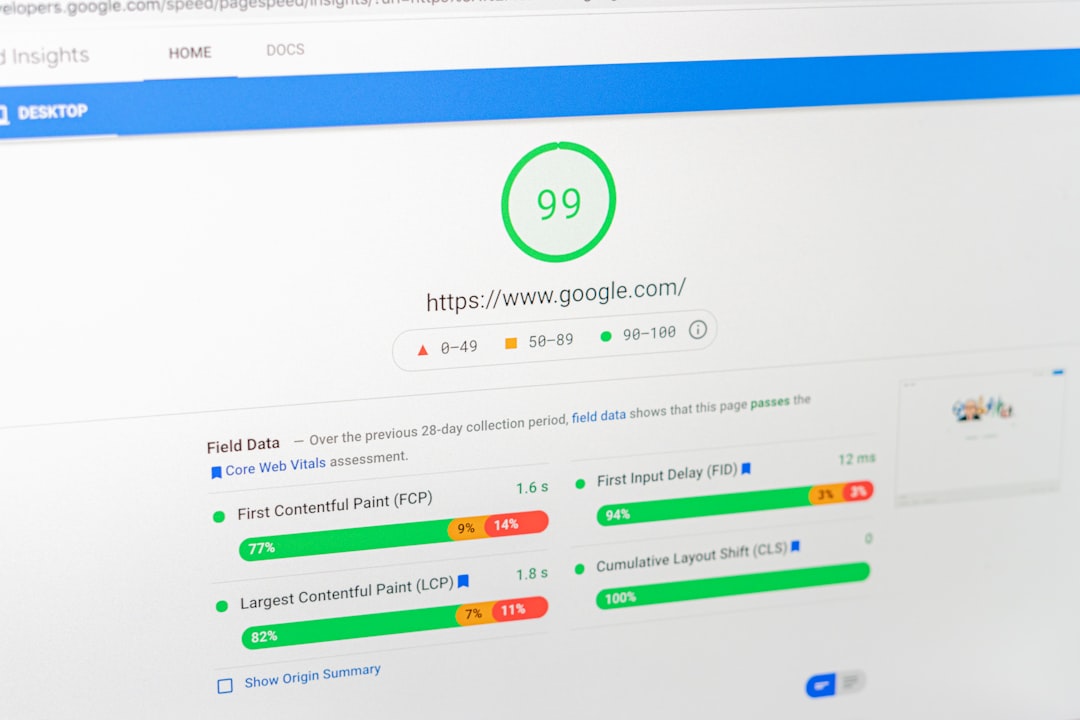
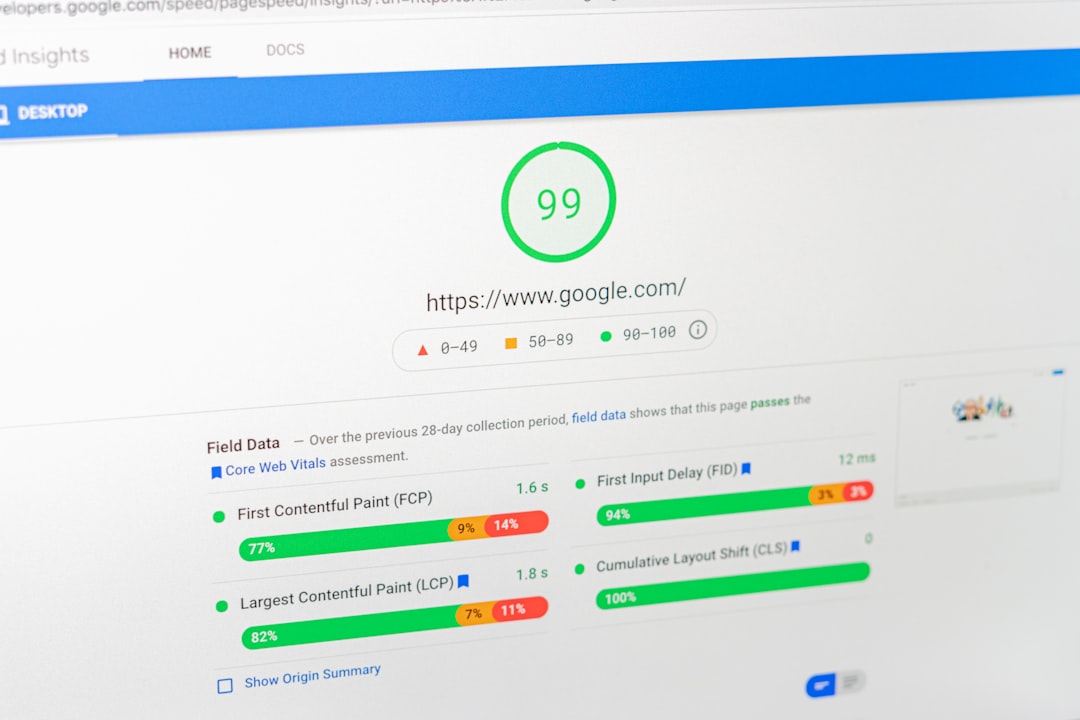
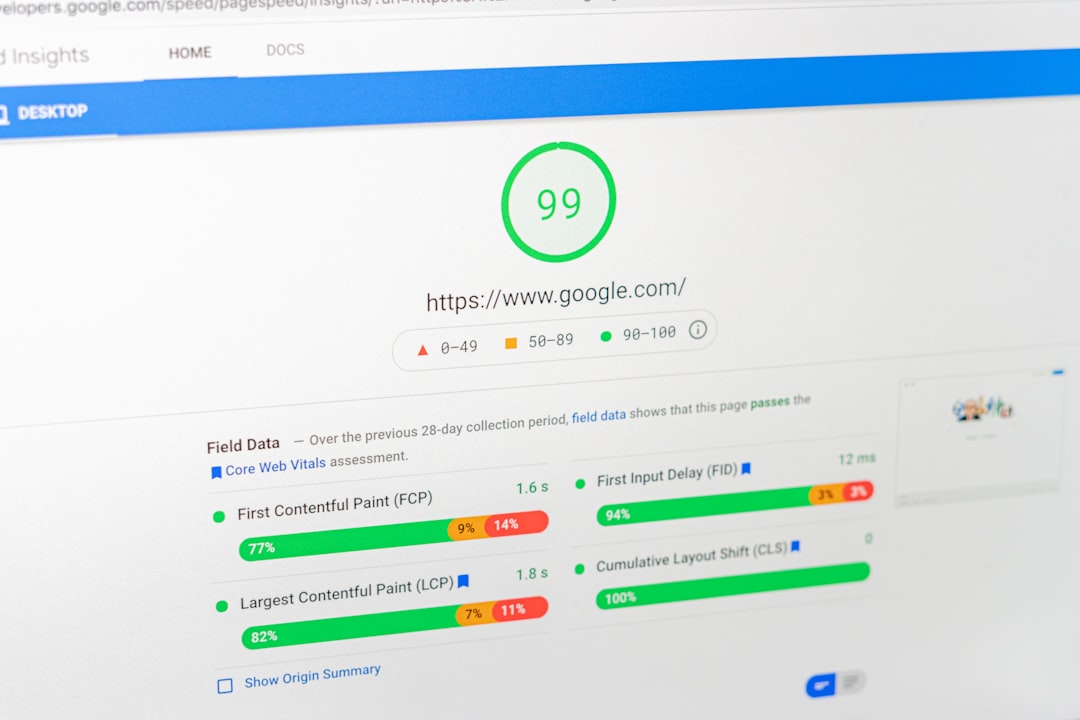
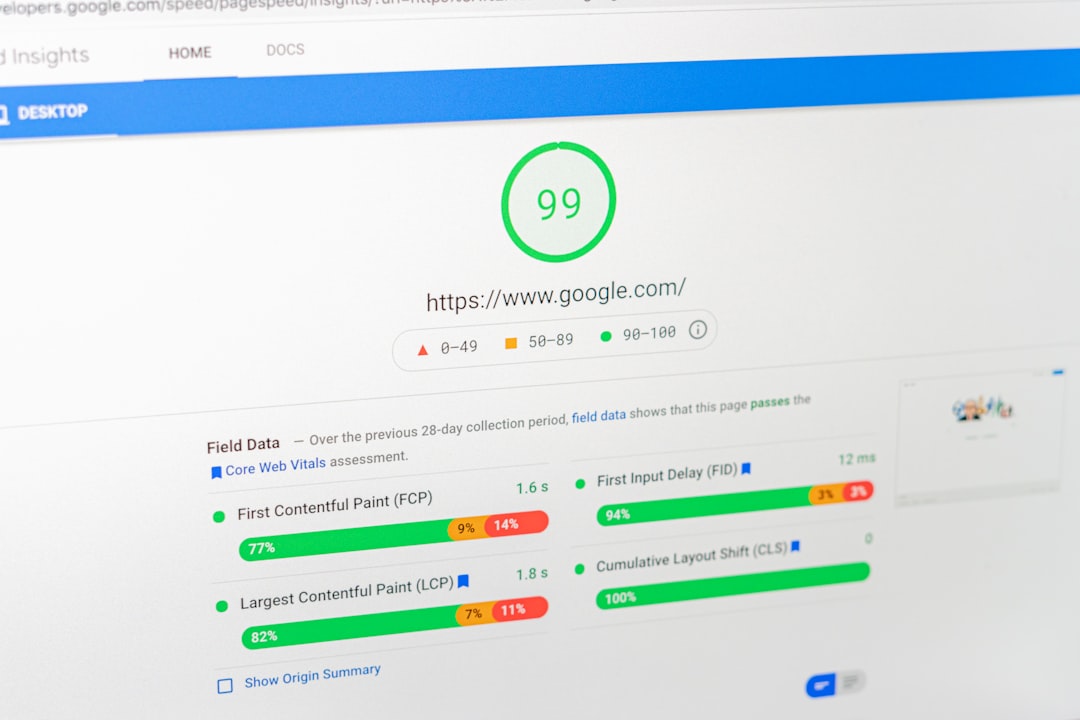
You do not need a perfect score. The goal is a site that loads cleanly, is easy to use, and makes sense to both users and search engines. Plugin indicators can be useful prompts, but they are not proof a page deserves to rank.
Stop stacking overlapping SEO plugins, publishing thin variations of the same topic, and obsessing over every green light. A cleaner setup usually outperforms a busier one because there are fewer technical conflicts and fewer weak pages competing with each other.
When to get help
If traffic is flat after months of publishing, the problem is usually not effort. It is prioritization. You may be working hard on low-impact tasks while more important issues stay unresolved in the background.
WordPress SEO Expert can help you sort out whether your biggest problem is crawlability, content overlap, weak titles, duplicate URLs, plugin conflicts, or internal linking gaps. Book a free SEO consultation. No pitch, no pressure. Just an honest look at what your site actually needs and whether your current setup is part of the solution or part of the problem.
Contact WordPress SEO Expert today to schedule a consultation if you want a clearer plan, cleaner setup, and a sharper path to better WordPress rankings.