
Low rankings usually come from a scattered plan, not one missing plugin. A simple WordPress SEO setup starts with making pages crawlable, writing clearer titles, cleaning up duplicate URLs, and linking related pages together so Google and users can move through the site easily.
Most site owners do not have one catastrophic SEO problem. They have a stack of smaller issues that compound over time. That is why a page can be well written and still underperform. If you want a deeper technical starting point, review our WordPress SEO checklist for new websites and our WordPress SEO best practices for 2026.
What is WordPress SEO?
WordPress SEO is the process of helping your WordPress site get found more easily in search results. In practice, that means improving technical setup, page structure, content quality, internal linking, and page experience so important pages can be crawled, understood, and ranked more effectively.
WordPress gives you a strong base, but it does not handle every SEO decision for you. Themes, plugins, archive settings, image sizes, and WooCommerce features can all create issues if they are left on default settings. The goal is not to chase plugin scores. The goal is to make your most valuable pages easy to access and easy to understand.
The simple version of how SEO works
SEO becomes easier when you break it into four jobs: get pages crawled, make the topic clear, avoid duplicate versions, and connect pages with useful internal links. If one of those breaks, rankings often stall even when the content itself is decent.

Google first needs to discover your page. Then it needs to understand what the page is about and whether it is the best version to show. Finally, users need a reason to click and stay. That is why title tags, clean URLs, fast mobile pages, and logical site structure still matter more than most advanced settings.
What to fix first on a WordPress site
Fix indexability before anything else. If important pages are blocked by noindex settings, hidden behind weak internal linking, or buried under duplicate URLs, everything else becomes less effective. Start with access and clarity before moving into deeper optimization.
| Priority | What to check | Why it matters |
|---|---|---|
| 1 | Search engine visibility and noindex settings | Pages cannot rank if they are blocked from indexing |
| 2 | Permalinks, canonicals, and redirects | Prevents duplicate URL confusion |
| 3 | Title tags and page headings | Helps search engines understand the topic |
| 4 | Internal links between related pages | Improves discovery and topical relationships |
| 5 | Images, scripts, and mobile speed | Improves usability and page experience |
Use one SEO plugin, not several
There is no single best SEO plugin for WordPress, but there is a best one for your specific setup. What matters most is choosing one primary SEO plugin and configuring it well instead of stacking overlapping tools that all try to control titles, schema, sitemaps, and canonicals.
A clean setup is easier to audit and less likely to break during updates. If your site already has multiple SEO plugins or optimization features turned on in different places, simplify before adding anything new. Conflicting settings cause more ranking problems than missing features on most small business sites.
Titles and headings should be clear, not stuffed
Your title tag should tell both Google and the reader what the page is actually about. A good title is specific, readable, and matched to the page topic. It does not need every keyword variation jammed into one line.
| Weak example | Stronger example |
|---|---|
| SEO Services | SEO Company | SEO Expert | WordPress SEO Services for Small Businesses |
| WordPress Tips | WordPress SEO Tips for Local Service Sites |
| Products | Commercial Kitchen Equipment by Category |
The page heading should support the same topic clearly. Usually that means one main H1, then useful H2 and H3 sections that answer real questions. Shorter paragraphs and clearer subheadings also make the page easier to scan, which helps users stay engaged.
Internal links are one of the easiest wins
Internal links help search engines discover pages and understand which topics belong together. They also help users find the next useful page instead of hitting a dead end. This is one of the simplest WordPress SEO improvements because it usually does not require any design or development changes.
Link broad guides to related service pages, and link specific posts to supporting explanations. If you are cleaning up an underperforming site, check whether key pages are only sitting in the sitemap with no meaningful links pointing to them. That problem is more common than most owners realize.
If you want a second set of eyes before changing settings, WordPress SEO Expert can help identify whether your bigger issue is weak architecture, index bloat, or inconsistent on-page targeting.
Speed matters, but do not obsess over perfect scores
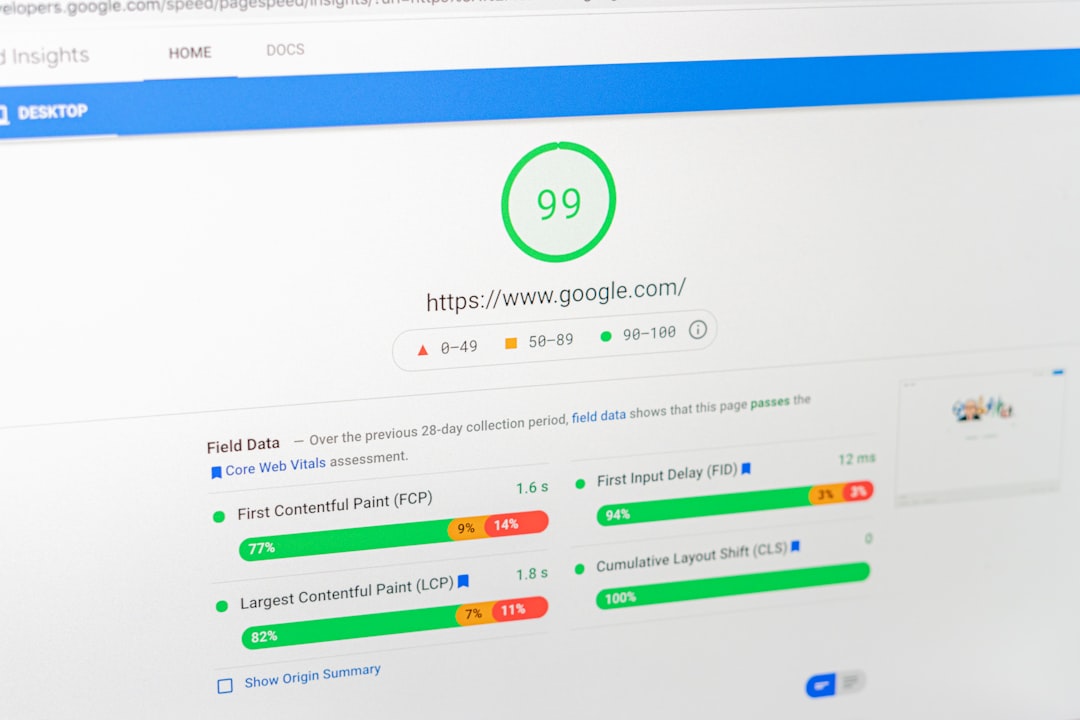
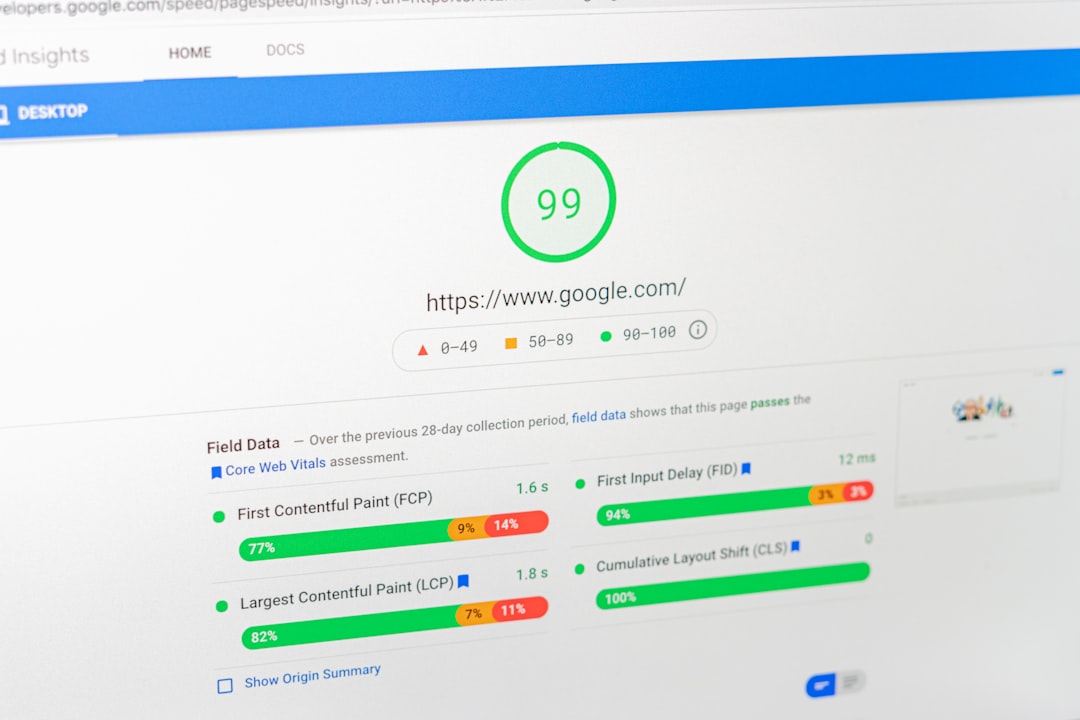
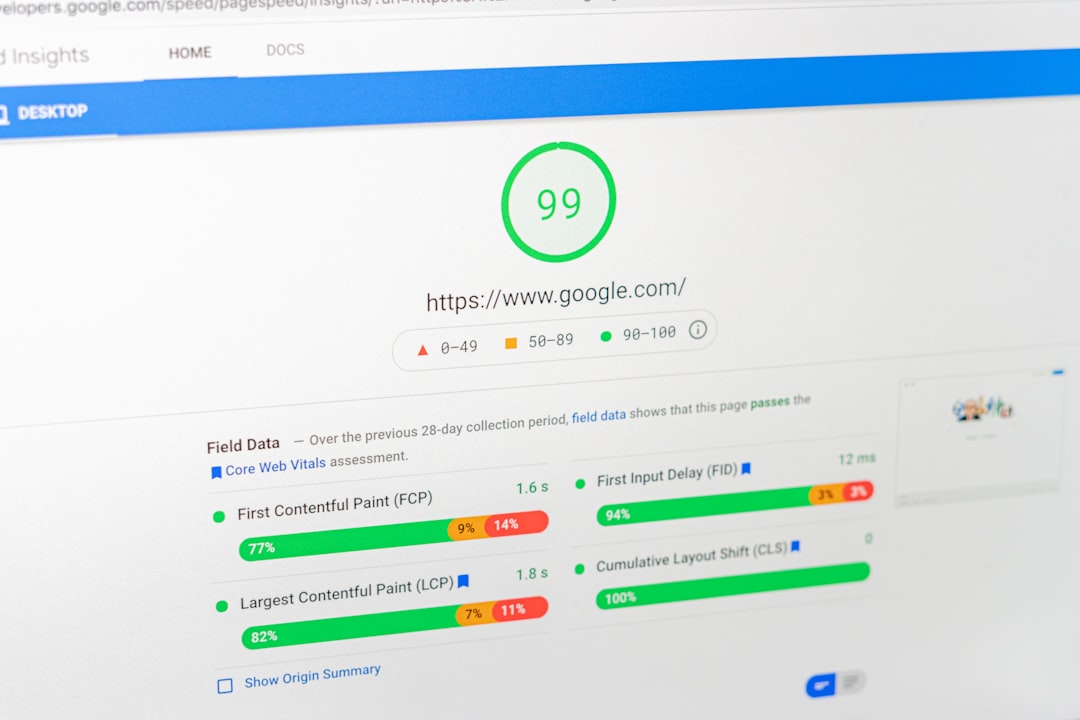
Page speed matters because slow sites frustrate users, especially on mobile. But the goal is not a perfect test score. The practical goal is a site that loads quickly enough, stays stable while rendering, and does not feel sluggish when someone tries to interact with it.

Start with oversized images, too many plugins, heavy page builders, and unnecessary scripts. Those are the usual bottlenecks on WordPress sites. In most cases, a focused cleanup does more than endlessly tweaking minor settings that users will never notice.
Common WordPress SEO mistakes
The same problems appear on underperforming WordPress sites again and again. They are usually configuration issues, not advanced SEO failures. Fixing these basics first gives you a much clearer picture of what still needs work afterward.
| Mistake | What happens | Better approach |
|---|---|---|
| Leaving default settings untouched | Important pages stay poorly optimized or hidden | Review indexability, permalinks, titles, and archives manually |
| Using several SEO plugins | Conflicting metadata and sitemap signals | Keep one primary plugin setup |
| Publishing without internal links | Pages become hard to discover and weaker contextually | Add descriptive links from related pages |
| Creating too many thin archive pages | Index bloat and duplicate topic coverage | Keep only useful archives indexable |
| Chasing plugin scores | Time gets wasted on low-impact tweaks | Focus on crawlability, clarity, and user experience |
A simple WordPress SEO plan
If you want to keep this simple, work in order. First make sure important pages can be indexed. Then clean up titles and headings. Then improve internal links. Then address speed and duplicate URL issues. This order prevents you from spending hours polishing pages that search engines cannot evaluate properly anyway.
Most sites do not need a giant strategy document. They need a short list of prioritized fixes that can actually be implemented. That is usually where progress starts.
When to get help
If you have already published content, installed an SEO plugin, and still are not seeing traction, the problem is usually diagnostic. Something in the setup, structure, or indexing rules is holding the site back. The right next step is to identify that bottleneck before you publish more pages or change more settings.
WordPress SEO Expert can review what is actually limiting performance and help you prioritize the fixes that matter first. Request a free WordPress SEO audit if you want a practical plan instead of another generic checklist.