
Business website SEO usually stalls because the setup is scattered, not because one tool is missing. If you have installed plugins, written pages, and still are not seeing traction, the issue is usually prioritization. A green light in an SEO plugin does not mean the page deserves to rank.
WordPress SEO Expert helps business owners sort technical issues, weak page targeting, and plugin clutter into a clear order of operations. This tutorial walks through the basics in the sequence that matters most: indexing, page targeting, site structure, content, and ongoing review.
Start with visibility, not plugin scores
The first job is making sure search engines can reach, understand, and prioritize the right pages. That means checking indexation, simplifying your setup, and deciding which pages actually matter for leads or sales before you spend time polishing secondary details.
If your setup already feels messy, review how to fix WordPress SEO setup problems before changing random settings. Many business sites do not have one catastrophic problem. They have a stack of smaller issues that compound over time.
Use one SEO plugin
One well-configured SEO plugin is enough. Running overlapping plugins often creates duplicate metadata, conflicting canonicals, and competing sitemap outputs. Keep one primary plugin, remove overlaps, and make sure your titles, schema defaults, and archive settings all come from the same system.
If you are not sure what a clean setup looks like, this practical WordPress SEO guide for DIY site owners gives a broader framework you can compare against your current site.
Check indexing before you rewrite content

If important pages are blocked, excluded, or weakly linked, rewriting copy will not solve the real problem. Fix the issues that block visibility before the issues that polish visibility. Your homepage, core service pages, and key location or category pages should be the first ones you verify.
Google explains that search visibility depends on crawlable links, descriptive titles, and clear indexing signals, which is why technical access comes first in any business website SEO plan. Use Google Search Console to review indexed pages, exclusions, and sitemap coverage before you edit page copy.
What to review first
| Area | What to check |
|---|---|
| Search visibility | Are your main business pages indexed and included in the sitemap? |
| Internal links | Can search engines reach key pages through normal HTML links? |
| Archives | Are thin tag, author, or date archives creating clutter? |
| Canonical setup | Is each important page signaling one preferred URL? |
| Redirects | Do old URLs send users and crawlers to the right replacement pages? |
Write titles for real business intent

Title tags are one of the clearest signals you control, and Google recommends descriptive, concise titles while warning against keyword stuffing and repetitive boilerplate. For business websites, that usually means clarity beats cleverness and specificity beats broad, generic labels.
Many small business sites waste their strongest pages with vague titles like Home, Services, or SEO Company. A stronger title tells both Google and the visitor what the page actually offers and who it is for.
| Weak title | Stronger title |
|---|---|
| Services | WordPress SEO Services for Small Businesses |
| Home | Commercial Roofing Company in Dallas |
| SEO Company | WordPress SEO Consultant for Service Businesses |
| Products | Office Furniture for Small Business Workspaces |
Meta descriptions support clicks, not rankings directly. Google may use the meta description when it summarizes the page well, so write a unique description for each core page instead of repeating the same template across the site.
Match one page to one main intent
Most business websites underperform because too many pages target the same idea in slightly different words. Your homepage, service pages, and supporting articles should each have a distinct purpose. When two pages chase the same intent, they usually weaken each other.
A simple structure works best. Let the homepage cover the broad offer. Let service pages target specific services. Let blog posts answer informational questions and link readers toward the pages that convert. This is usually more effective than publishing thin near-duplicate pages for every keyword variation.
A simple page map for business websites
| Page type | Main job |
|---|---|
| Homepage | Explain the main offer and link to priority services |
| Service page | Target one service with clear commercial or transactional intent |
| Location page | Target a real local service area with distinct value |
| Blog post | Answer questions and support service pages with internal links |
| About or trust page | Reinforce credibility, expertise, and business context |
If you are experiencing these symptoms, our team at WordPress SEO Expert can help. A focused review can quickly show whether your site has indexing problems, duplicate targeting, or weak internal support around the pages that matter most.
Build internal links that support revenue pages
Internal linking is one of the easiest improvements most business sites ignore. Google recommends crawlable HTML links with descriptive anchor text, and that matters because those links help search engines discover pages, understand hierarchy, and connect supporting content to conversion pages.
Do not rely only on your navigation menu. Add contextual links from relevant blog posts to service pages, from broad pages to detailed pages, and between related articles where the connection is useful. Descriptive anchor text is stronger than generic phrases like click here or read more.
Keep schema accurate and limited

Schema helps clarify page meaning, but it is not a shortcut around weak content or poor structure. Google’s structured data guidelines say markup should reflect the visible page content and should not be misleading. For most business websites, simple and accurate beats comprehensive and bloated.
That usually means sticking to the basics your SEO plugin already handles well, such as organization details, article markup on posts, and breadcrumb markup if your site uses breadcrumbs. More markup is not automatically better.
Review performance monthly
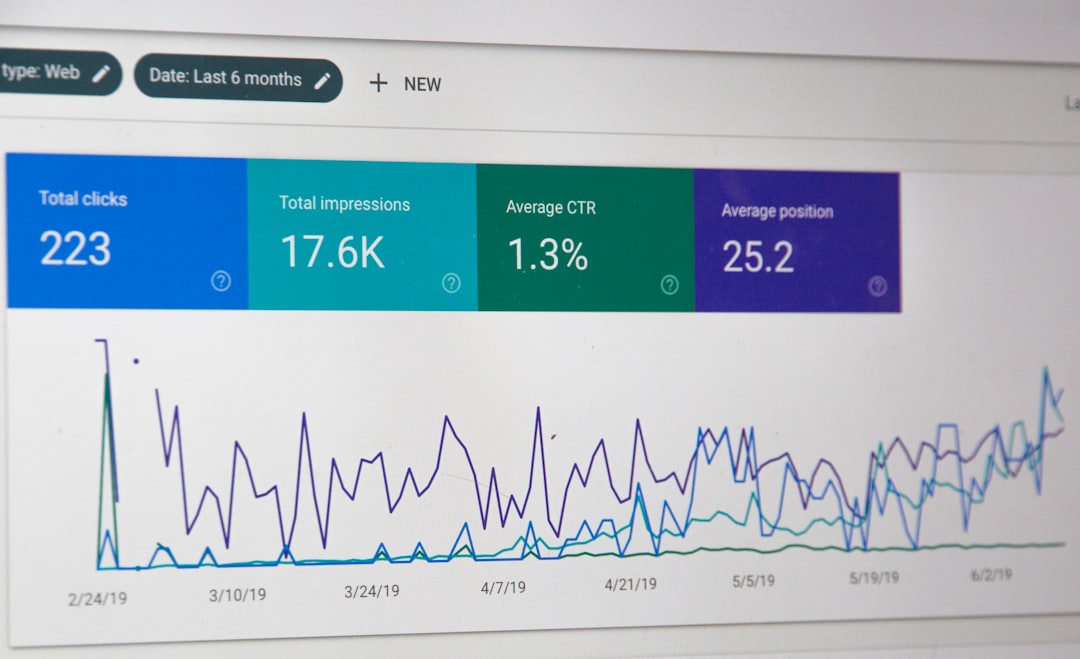
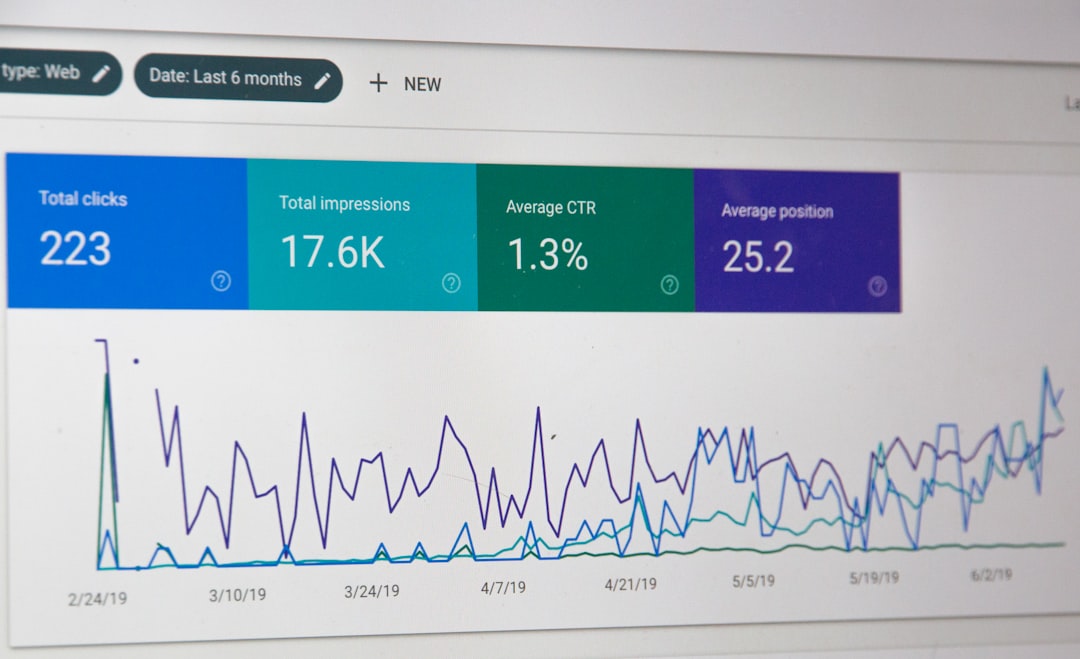
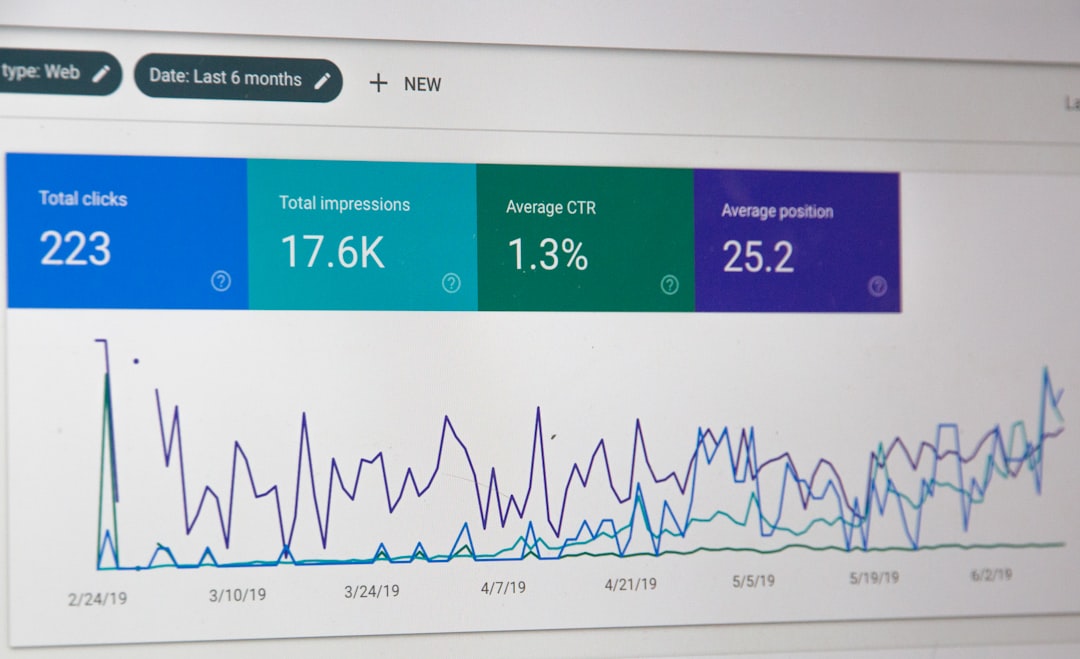
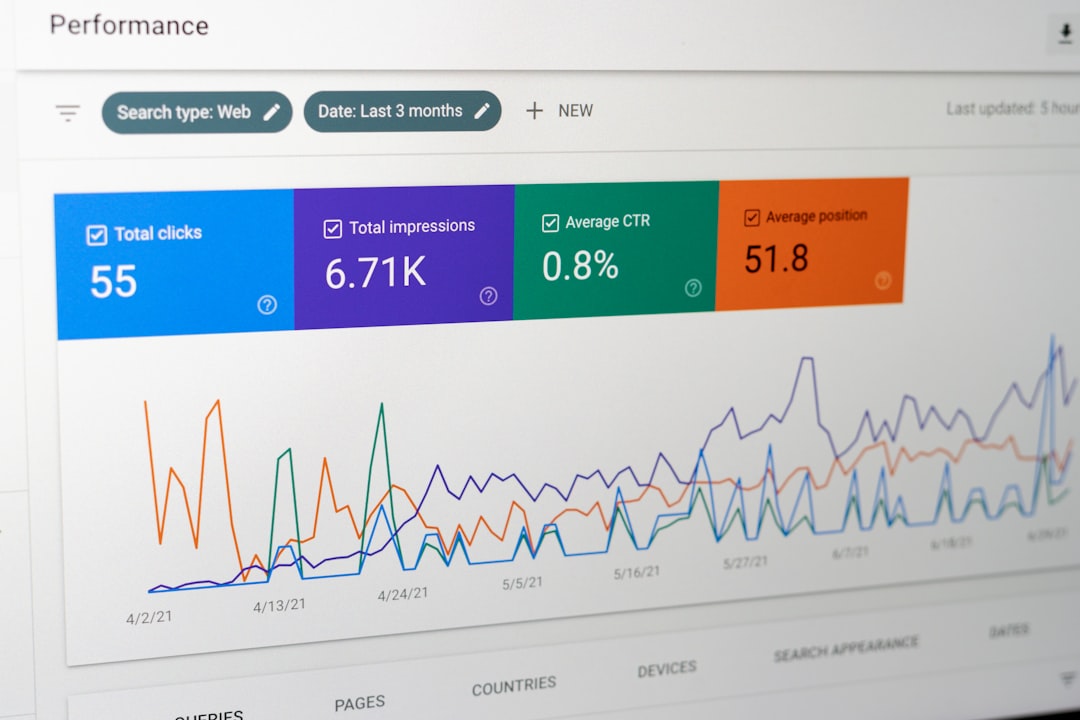
SEO improves faster when you review real signals instead of guessing. Once your setup is stable, use Google Search Console every month to check which pages earn impressions, which queries are rising, and which important pages are underperforming despite visibility.
Look for pages that already get impressions but weak clicks. Those often need better titles, clearer intent matching, or stronger internal links. Look for pages with good content but little visibility. Those often need indexation checks or better structural support.
What to do first on your site
If you want a practical starting point, do not try to fix everything in one weekend. Start by confirming indexation, simplifying to one SEO plugin, rewriting titles on your highest-value pages, and improving internal links to those pages. That sequence usually produces more clarity than chasing advanced features.
WordPress SEO Expert can help you diagnose what to fix first instead of guessing through plugin settings and scattered advice. Book a free SEO consultation. No pitch, no pressure. Just an honest look at what your site actually needs and whether your current setup is part of the solution or part of the problem.
Contact WordPress SEO Expert today to schedule a consultation if your rankings are flat and you are not sure whether the real issue is indexing, duplication, weak targeting, or plugin clutter.