
WordPress SEO for beginners is less about finding a magic plugin and more about fixing the right issues in the right order. Most new site owners do not have one catastrophic problem. They have a stack of smaller issues that compound over time, which is why a clear starting framework matters more than another settings screen.
If you are new to SEO, start with pages that can actually rank and be understood clearly. That means using one SEO plugin, writing better titles, improving internal links, and making sure Google can crawl the pages you want indexed. A green light in an SEO plugin does not mean the page deserves to rank.
Readers who need a broader foundation before changing settings can also review this practical WordPress SEO guide for DIY site owners and this walkthrough for fixing common WordPress SEO setup problems.
Start With One SEO Plugin
The best beginner setup is simple: choose one well-supported SEO plugin and configure it well. Running overlapping SEO plugins often creates duplicate metadata, conflicting canonicals, and competing sitemaps, which makes troubleshooting harder than it needs to be.
For most beginners, the core features you need are title tag control, meta description editing, XML sitemaps, and basic schema output. You do not need a feature-heavy stack to get started. One well-configured plugin is enough, and a cleaner setup usually beats a more complicated one.
Use Titles and Descriptions the Right Way
Your page title is one of the clearest signals you control, so beginners should learn this first. Google recommends descriptive, concise title text and warns against keyword stuffing and repetitive boilerplate, which is why vague or overloaded titles tend to underperform.
Keep each important page focused on one primary topic. A homepage, service page, and blog post should not all repeat the same generic phrasing. Google also explains that unique meta descriptions can help summarize a page for searchers, even though the description itself is not a shortcut to better rankings.
| Weak title | Stronger title |
|---|---|
| SEO Services | SEO Company | SEO Expert | WordPress SEO Services for Small Businesses |
| Blog | WordPress SEO Tips for Beginners |
| Home | WordPress SEO Help for DIY Site Owners |
Learn the Beginner Tools That Actually Help

Beginners do not need dozens of tools. A small set of practical tools will help you check visibility, understand performance, and improve page quality without turning SEO into a software collection project.
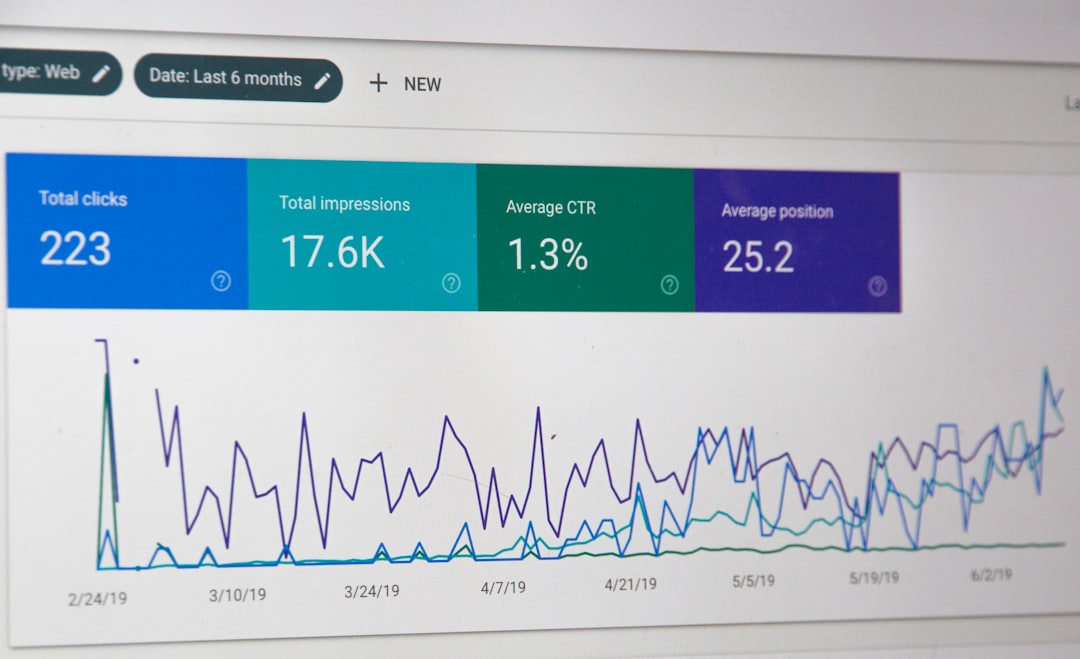
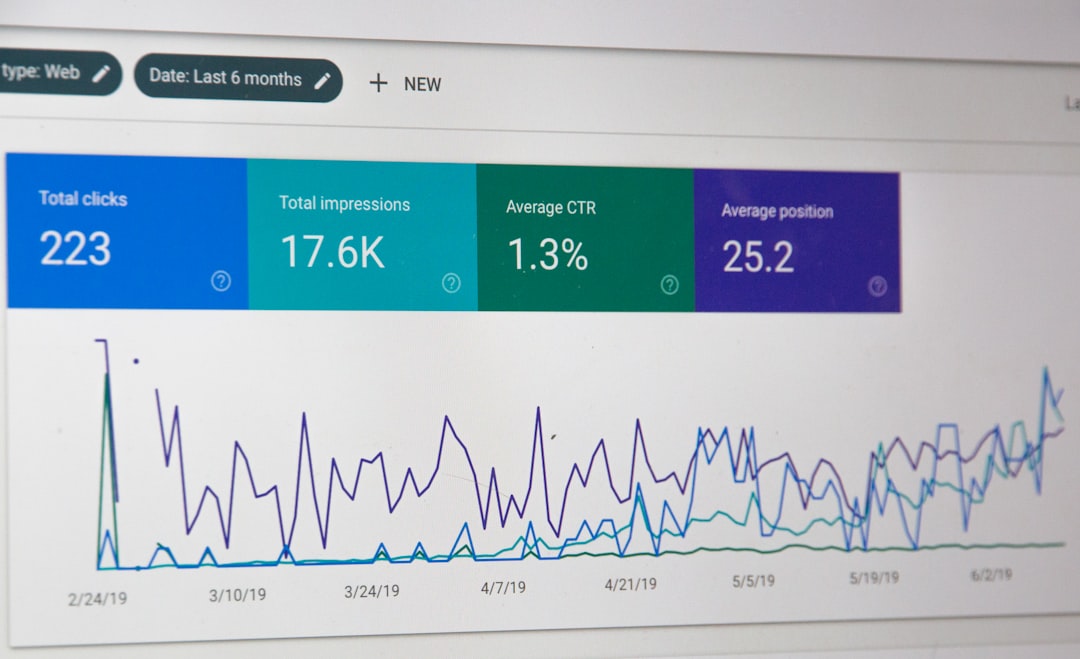
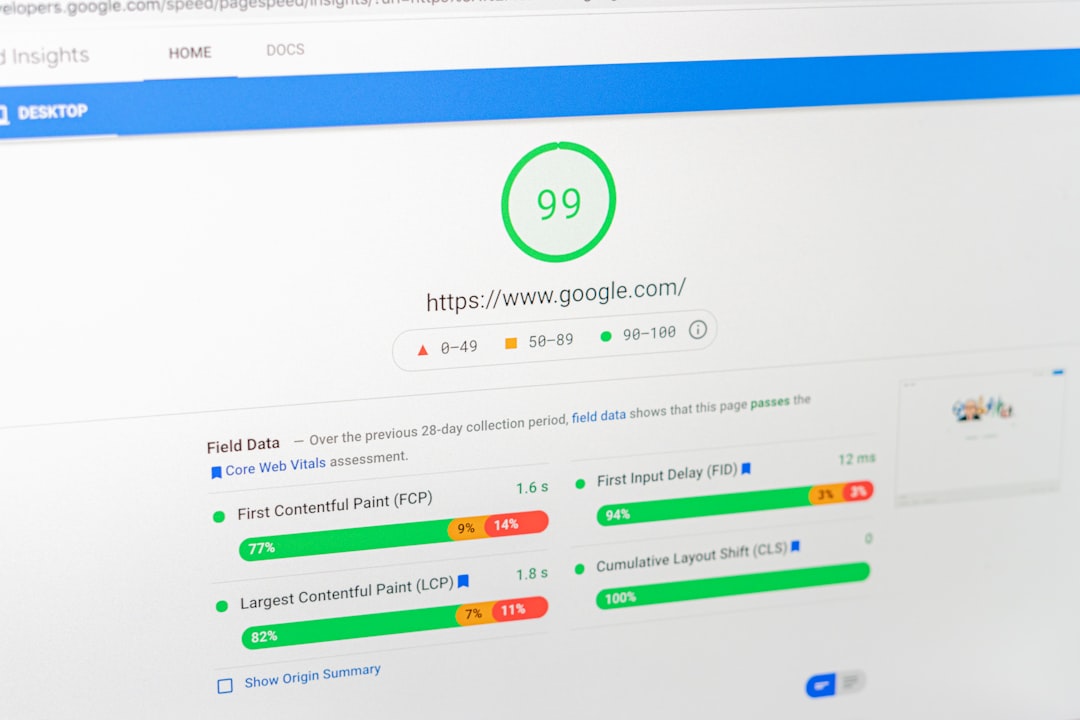
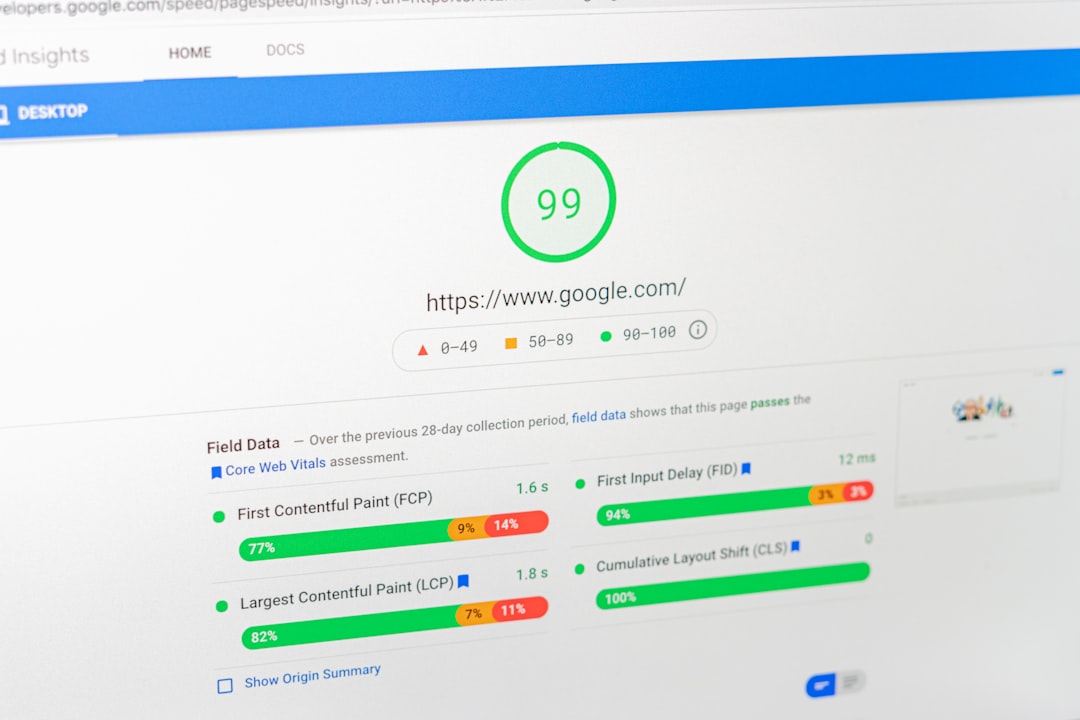
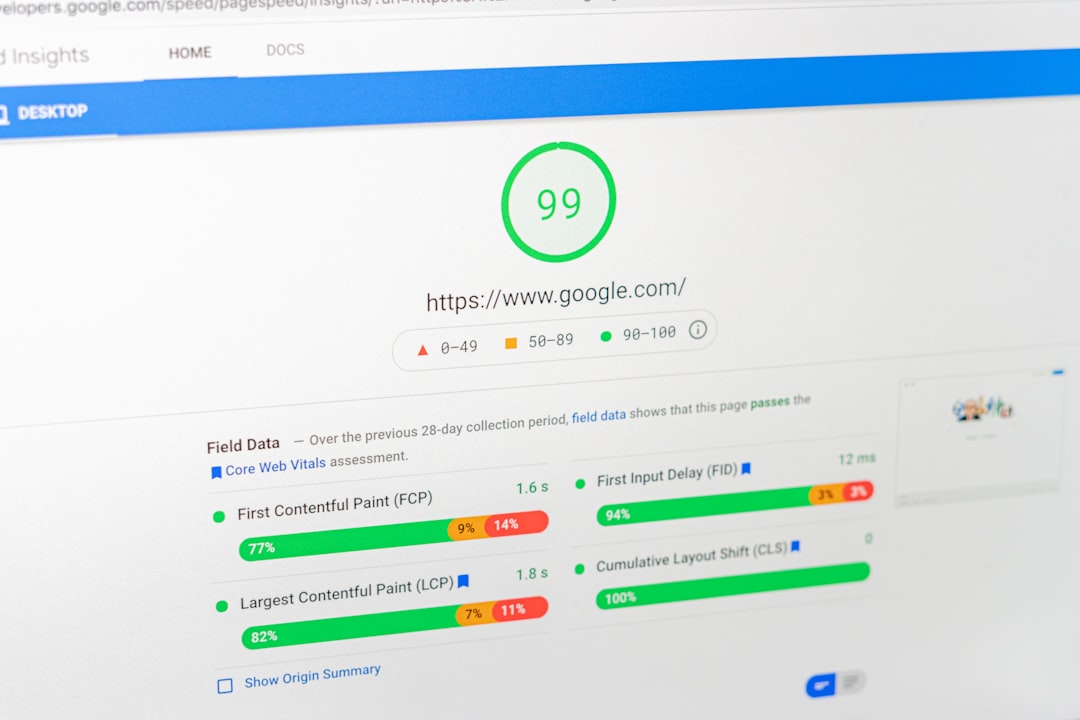
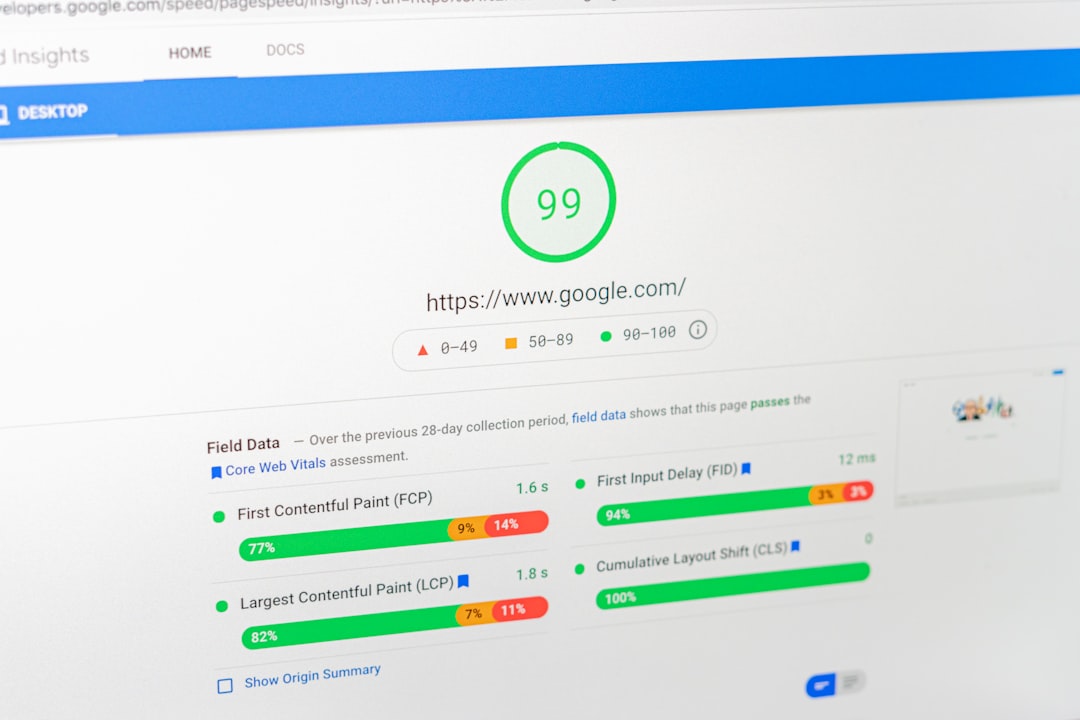
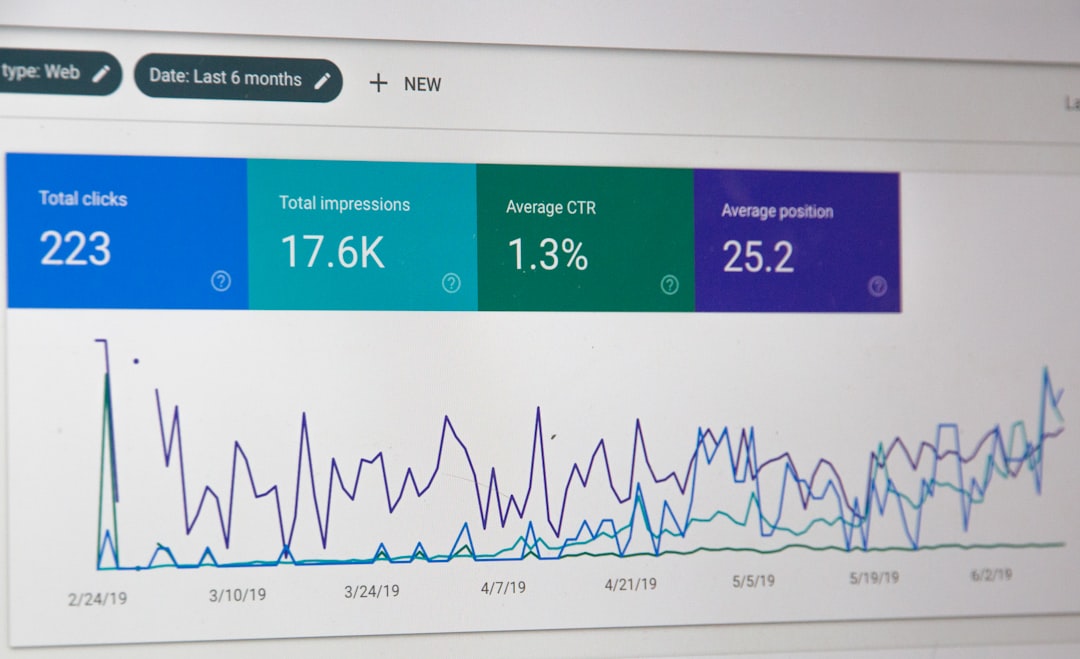
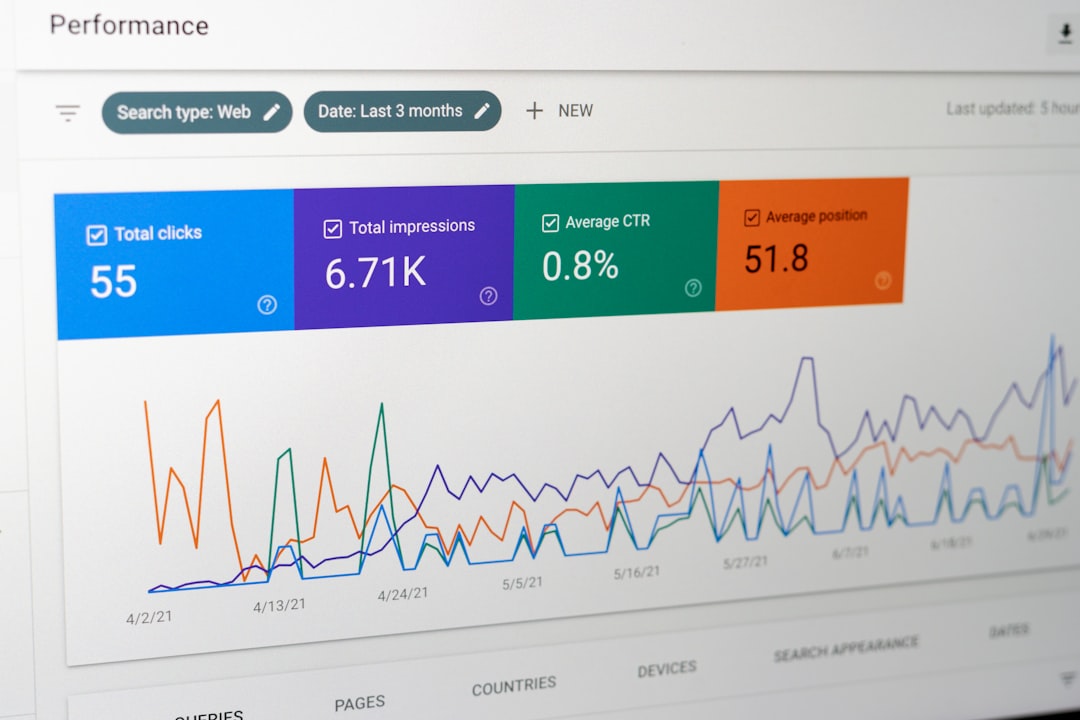
Start with Google Search Console, which shows indexing status, search queries, and page performance. Use your SEO plugin for titles, descriptions, and sitemap controls. Use PageSpeed Insights to spot obvious speed problems, and use a simple image compression tool if your pages feel heavy. These tools support decisions, but they do not replace strategy.
A simple beginner tool stack
| Tool | What it helps with |
|---|---|
| Google Search Console | Indexing checks, query visibility, page performance |
| One SEO plugin | Titles, meta descriptions, canonicals, XML sitemap |
| PageSpeed Insights | Spotting major page speed and usability issues |
| Image compression plugin or service | Reducing large image file sizes before they slow pages down |
If your rankings are flat and you are not sure whether the real problem is indexing, duplication, weak targeting, or plugin clutter, WordPress SEO Expert can help.
Focus on Crawlable Pages and Internal Links
Beginners should make sure search engines can reach important pages before worrying about advanced tactics. Google says it discovers many new pages through links and recommends crawlable HTML links with descriptive anchor text, so internal linking deserves more attention than most new site owners give it.
Make sure your main pages are linked from navigation or from other relevant pages in your content. Link related articles together using descriptive phrases, not generic anchor text. This helps users find the next step and helps search engines understand which pages matter most on your site.
Keep Technical SEO Basic but Clean

Technical SEO for beginners should stay focused on the basics: indexing, sitemaps, page speed, and clean markup. You do not need to master every technical term to build a site that sends clearer signals to search engines.
Check that your XML sitemap is enabled, that important pages are indexable, and that your site does not generate unnecessary duplicate pages. If you use schema, keep it aligned with visible content. Google’s structured data guidance says markup should represent the main page content and should not be misleading, which is a good rule for beginners to follow from the start.
What Beginners Should Ignore for Now
The fastest way to make progress is to ignore distractions that look advanced but do not solve foundational problems. Beginners usually benefit more from clearer titles, better content targeting, and stronger internal links than from chasing every schema option or tweaking minor plugin features.
Do not obsess over perfect plugin scores. Do not install multiple SEO tools that overlap. Do not publish thin posts just to hit a content schedule. Fix the issues that block visibility before the issues that polish visibility.
A Practical Beginner SEO Routine
The most useful beginner routine is simple and repeatable. Review your key pages monthly, improve what already has traction, and keep your setup clean enough that problems are easy to spot.
A practical monthly routine looks like this: check Search Console for indexing issues, review which pages are getting impressions, update weak titles on important pages, add internal links from newer posts to older core pages, and compress oversized images when publishing. You do not need a perfect score. The goal is a site that loads cleanly, is easy to use, and sends consistent signals about which pages matter most.
When to Get Help
If beginner SEO tasks keep turning into plugin confusion or scattered fixes, it is usually a prioritization problem rather than a motivation problem. A second set of eyes can help you tell the difference between a basic setup issue and a deeper technical or content problem.
Book a free SEO consultation with WordPress SEO Expert. No pitch, no pressure. Just an honest look at what your site actually needs and whether your current setup is part of the solution or part of the problem.
Contact WordPress SEO Expert today to schedule a consultation if you want a practical plan for improving your WordPress SEO without overcomplicating it.