
For a local business, being visible online is about more than simply having a website. When someone searches for a service in their area, your business needs to appear where potential customers are looking—especially in Google Search and local search results.
A WordPress website gives local businesses a flexible platform for publishing service pages, location information, customer resources, and helpful content. But simply creating a website does not automatically make it visible to people searching nearby.
This is where a WordPress SEO expert strategy for local businesses becomes important.
Local SEO combines traditional website optimization with location-focused signals. Your website needs to clearly communicate what your business does, where it operates, which services it provides, and why its pages are relevant to local searches.
For example, a person searching for:
- Tax accountant in Dallas
- Plumber near me
- Dentist in Houston
- Digital marketing agency in Miami
- Real estate agent in Toronto
is not necessarily looking for a general article about that service. They are looking for a business that can serve a particular location.
A well-structured local SEO strategy helps your WordPress website communicate that relevance naturally.
What Is Local SEO for WordPress?
Local SEO is the process of improving a business’s online presence so it can be discovered by people searching for products or services in a specific geographic area.
For WordPress websites, local SEO can involve:
- Local keyword research
- Location-based service pages
- Google Business Profile optimization
- Business information consistency
- Local content
- Internal linking
- On-page SEO
- Structured data
- Mobile optimization
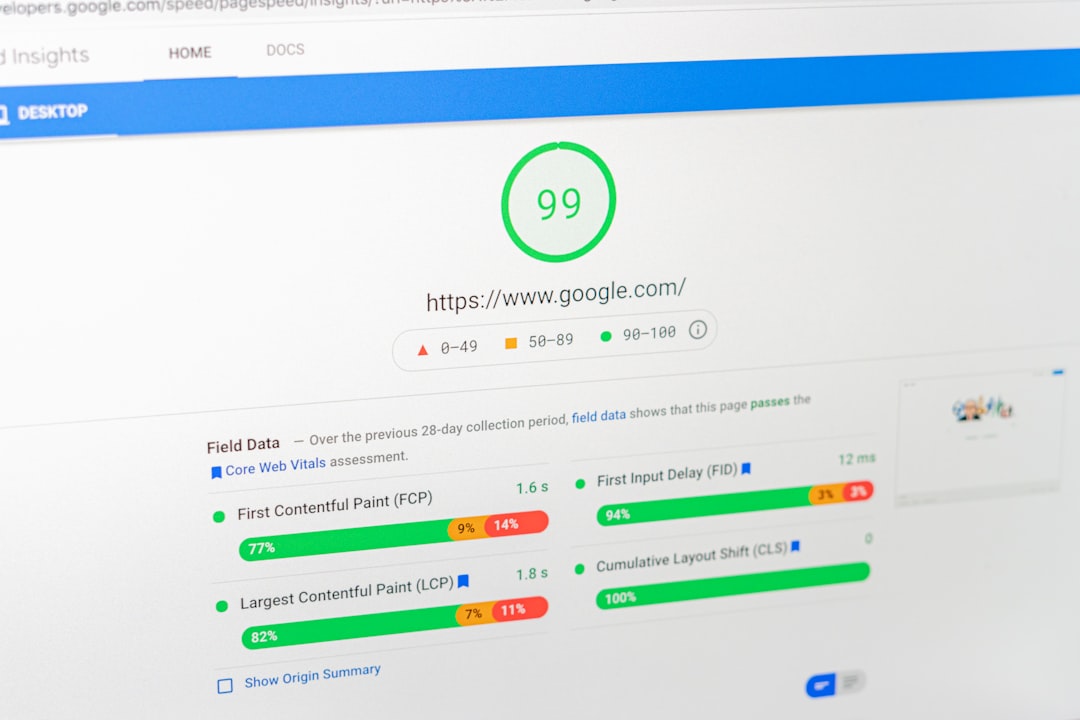
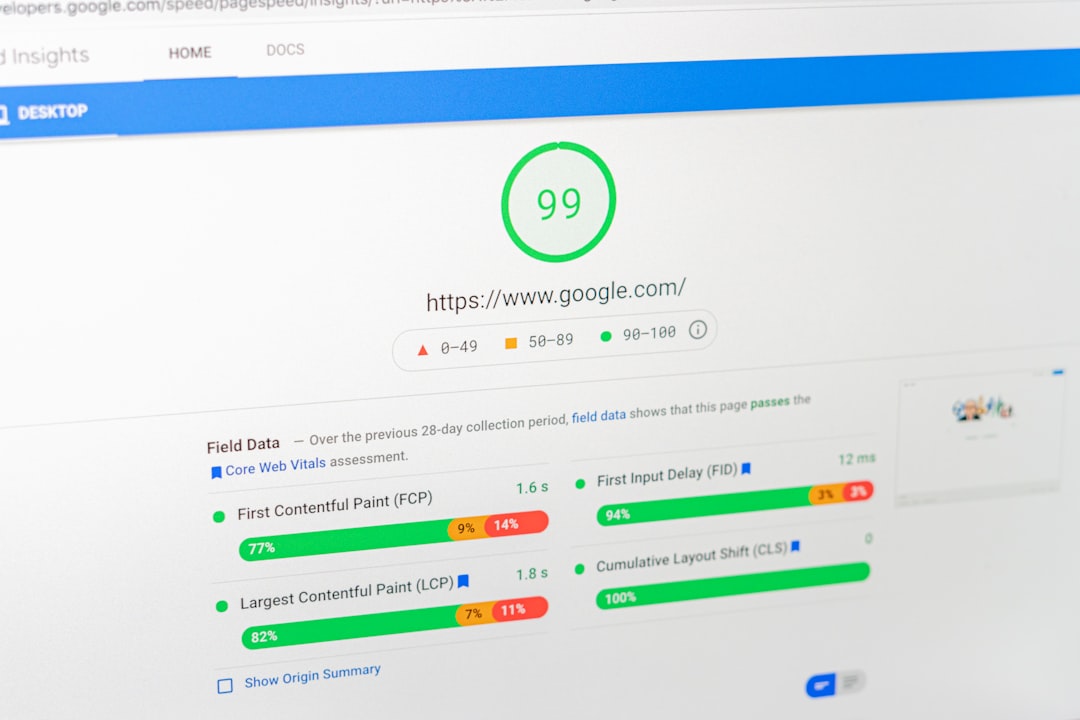
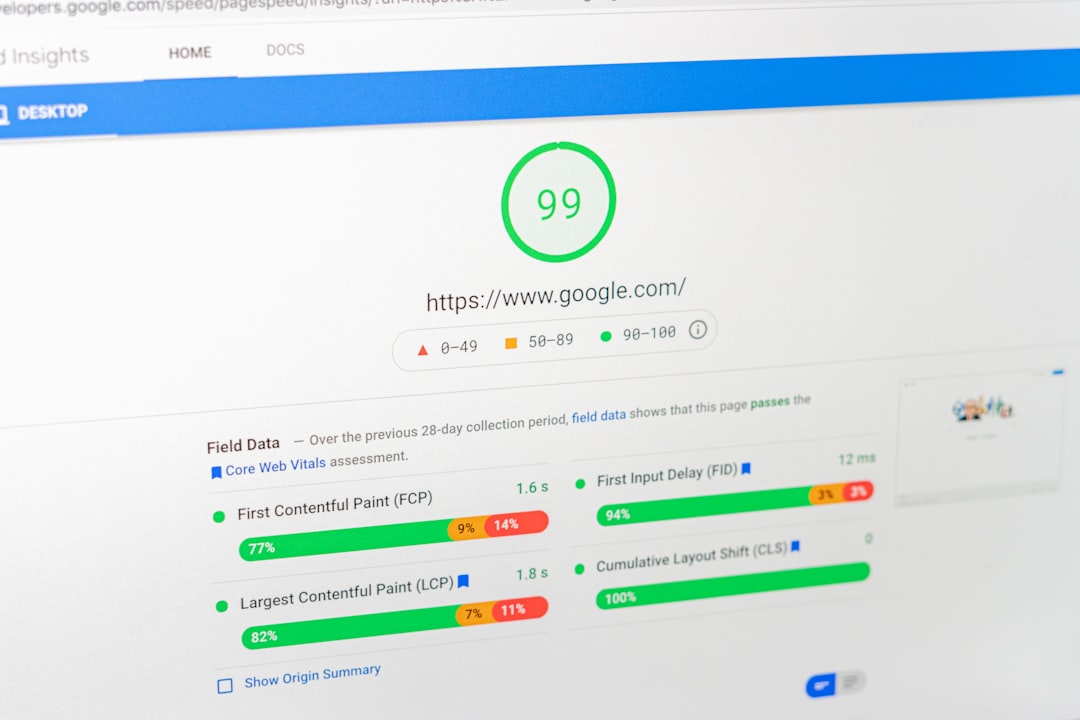
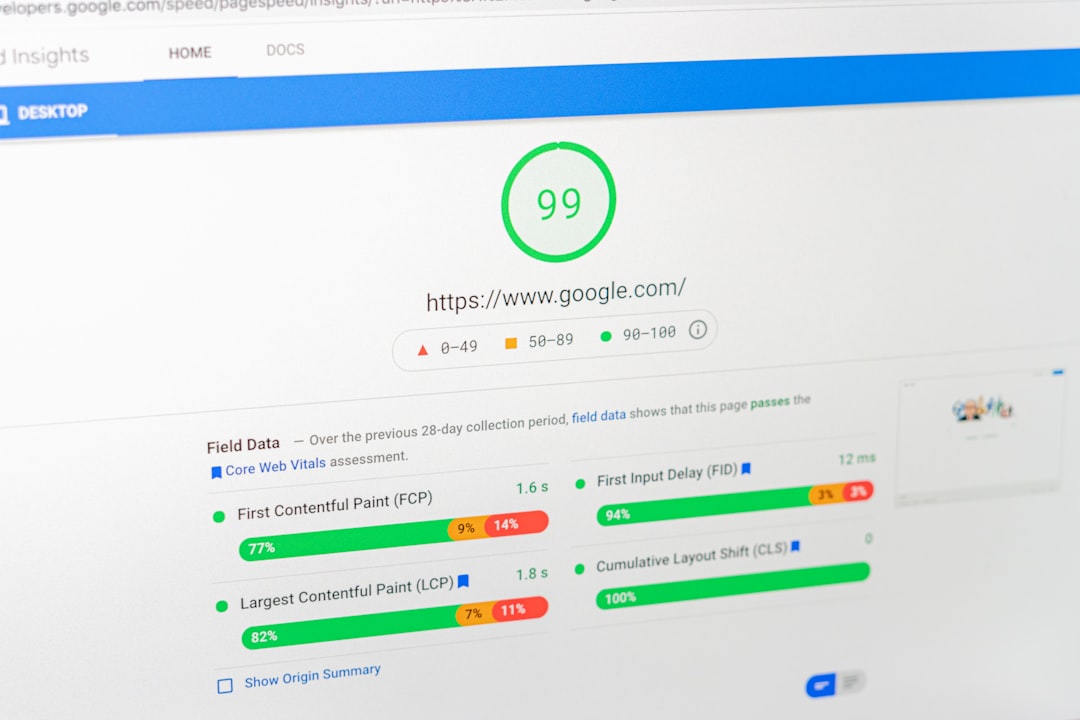
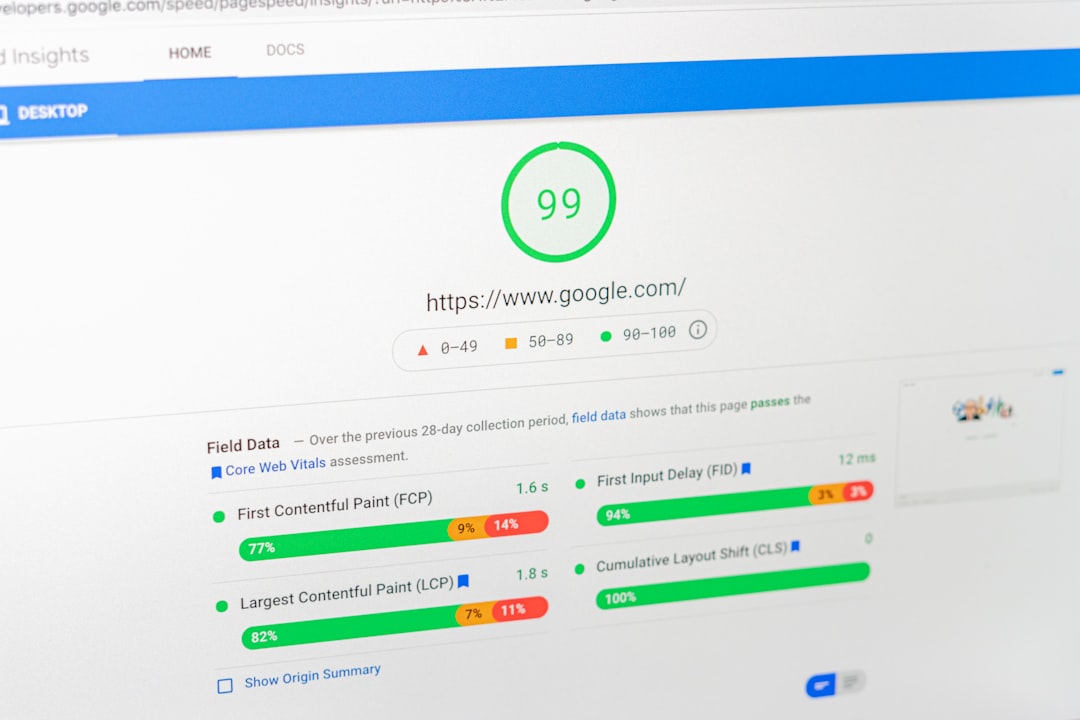
- Page speed
- Reviews and reputation signals
- Local citations
- Search Console monitoring
Local SEO should not be treated as simply adding a city name to every page.
If you operate a plumbing company in Chicago, writing “Chicago” 30 times on every page will not create a useful local strategy.
Instead, your website should naturally explain your services, service areas, customer needs, and relevant local information.
Why Local SEO Matters for Small Businesses
Large national companies can spend heavily on advertising and content. Local businesses often compete for a much more specific audience.
A local customer may search for a business because they need something nearby and may be ready to take action.
For example:
“emergency plumber Austin”
has a very different intent from:
“how plumbing systems work.”
The first search has a strong local and potentially transactional intent.
That means local businesses should create pages that answer the needs of people who are actually capable of becoming customers.
Start With Local Keyword Research
Keyword research is the foundation of a local SEO strategy.
Instead of looking only for high-volume national keywords, identify searches connected to your business location and services.
For example, a tax business might target combinations such as:
| Service | Location |
|---|---|
| Tax preparation | Houston |
| Tax accountant | Houston |
| Business tax services | Houston |
| Small business accountant | Houston |
| Tax consultant | Houston |
However, do not create a separate page for every tiny keyword variation.
The goal is to identify meaningful topics and search intent, then create useful pages around them.
Look Beyond City Names
Local searches can include:
- City
- Neighborhood
- District
- County
- Service area
- “Near me”
- Local landmarks
- Regional terminology
The appropriate targets depend on how customers actually search and where the business genuinely operates.
Create Strong Local Service Pages

One of the most important parts of local WordPress SEO is creating useful service pages.
For example:
Tax Services in Houston
could explain:
- What services are available
- Who the service is for
- Common customer problems
- How the process works
- Service areas
- Frequently asked questions
- How to contact the business
A weak page might simply say:
“We provide tax services in Houston. Contact us today.”
That gives Google and customers very little useful information.
A stronger page could explain the different tax services offered, who can benefit from them, common questions, the areas served, and what customers should expect.
Avoid Doorway Pages
Creating dozens of nearly identical location pages can create a poor user experience.
For example:
- Tax Services in Dallas
- Tax Services in Houston
- Tax Services in Austin
- Tax Services in San Antonio
- Tax Services in Fort Worth
If every page contains almost identical text with only the city name changed, these pages may provide little additional value.
Instead, each location page should exist for a genuine reason and contain information that is useful for customers in that location.
Google’s guidance on creating helpful content and avoiding manipulative search practices should be considered when developing location-based content.
Optimize Your WordPress Homepage for Local Search
Your homepage is often one of the strongest pages on a local business website.
It should make several things clear:
What do you do?
Where do you operate?
Who do you serve?
How can customers contact you?
For example:
Professional Tax Services for Individuals and Businesses in Houston
is much clearer than:
Welcome to Our Website
The homepage should naturally communicate the business’s primary service and location without forcing keywords into every sentence.
Optimize Your Contact Page
Local businesses sometimes underestimate the importance of their contact page.
A useful contact page can include:
- Business name
- Address, where publicly appropriate
- Phone number
- Business hours
- Service areas
- Directions or map
- Contact form
- Relevant location information
The information should be accurate and consistent with the business’s other online profiles.
If the business operates as a service-area business and does not receive customers at its address, the presentation should reflect the actual business model rather than publishing an address simply for SEO purposes.
Google Business Profile and Your WordPress Website
A local SEO strategy usually extends beyond the website itself.
Google Business Profile allows eligible businesses to manage how their business information appears across Google Search and Maps.
Your website and Business Profile should communicate consistent information about:
- Business name
- Services
- Website
- Location/service area
- Contact information
- Business category
However, optimizing the website does not mean trying to manipulate Google’s local results.
The goal is to provide accurate information and make it easy for customers to understand the business.
Keep Business Information Consistent
Imagine your website says:
ABC Tax Services
but another directory says:
ABC Tax & Accounting
and another profile lists a completely different phone number.
Inconsistent information can create confusion for customers and make your online presence less trustworthy.
Create a standard version of your core business information and use it consistently across important platforms.
This includes:
- Business name
- Phone number
- Website
- Address
- Service area
- Hours
Accuracy matters more than simply having the business listed everywhere.
Build Location-Relevant Content
A local business blog should not become a collection of articles with random city names inserted into them.
Instead, create content that genuinely helps local customers.
For a local accountant, useful topics could include:
- Tax deadlines for local businesses
- Common tax questions from small businesses
- Preparing documents before meeting an accountant
- Tax planning considerations for business owners
- Local business financial guides
For a home services company:
- Preparing a home for seasonal weather
- Common plumbing issues in older homes
- How to choose a local contractor
- Maintenance checklists for homeowners
The topic should make sense for both the business and its audience.
Use Internal Links to Strengthen Local SEO

Internal links connect related pages on your website.
Suppose your website has:
Homepage
→ Tax Services
→ Business Tax Services
→ Individual Tax Services
→ Tax Preparation
→ Houston Tax Services
Your blog articles can naturally link to these relevant pages.
For example:
Small business owners can learn more about our business tax services before preparing their annual filings.
The link should lead to the relevant service page.
This creates a clearer website structure and helps visitors discover important information.
Add Local Business Structured Data
Structured data can provide search engines with additional information about certain types of businesses.
For eligible local businesses, Google supports LocalBusiness structured data. It can communicate information such as business details, depending on the supported markup and the accuracy of the information.
A WordPress SEO expert can review whether structured data is appropriate for the website and whether the markup accurately represents the visible information.
Do not add structured data simply to insert information that visitors cannot find on the page.
Structured data also does not guarantee that Google will display a special search result.
Optimize Images for Local Businesses
Images can help local businesses build trust.
Examples include:
- Team photos
- Office images
- Storefront photos
- Service photos
- Product images
- Before-and-after examples
- Local project photos
Optimize images by:
- Compressing large files
- Using appropriate dimensions
- Choosing suitable formats
- Writing descriptive filenames
- Adding useful alt text when appropriate
For example:
IMG_2026.jpg
is not very descriptive.
A filename such as:
houston-accounting-office.jpg
can provide clearer context.
Alt text should describe the image rather than becoming a list of local keywords.
Mobile SEO Is Especially Important for Local Businesses
Local searches frequently happen when people are on the move.
Someone may search for:
“coffee shop near me”
while walking through a neighborhood.
Another person may search:
“emergency electrician near me”
when they need immediate help.
This makes mobile usability particularly important.
Check:
- Phone number visibility
- Click-to-call functionality
- Navigation
- Font size
- Button spacing
- Contact forms
- Map usability
- Page loading
- Popups
- Content readability
A local website should make it easy for visitors to take the next step.
Create Clear Calls to Action
Local visitors often need a simple action.
Depending on the business, that could be:
- Call now
- Request a quote
- Book an appointment
- Get directions
- Send an inquiry
- Schedule a consultation
A CTA should match the user’s intent.
For example, an emergency plumbing page might prioritize:
Call for Emergency Plumbing Service
while a professional consulting business might use:
Request a Consultation
Avoid placing the same generic CTA everywhere without considering the page’s purpose.
Reviews and Local Reputation
Customer reviews are an important part of how people evaluate local businesses.
Potential customers may compare several businesses before making contact.
Encourage genuine customers to leave honest feedback through appropriate channels.
Do not purchase fake reviews or create reviews yourself.
The goal is to build a genuine reputation based on real customer experiences.
Your website can also explain customer experiences through testimonials when those testimonials are authentic and properly presented.
Build Relevant Local Citations
Local citations are mentions of a business’s information on other websites and directories.
Examples can include:
- Local business directories
- Industry directories
- Chamber of commerce websites
- Professional associations
- Local organizations
The priority should be quality and accuracy, not collecting hundreds of low-quality directory listings.
A small number of relevant, trustworthy listings can be more useful than submitting a business to every directory available online.
Local Backlinks Can Support Visibility
Backlinks from relevant websites can help strengthen a website’s overall authority.
For a local business, relevant opportunities might include:
- Local publications
- Community organizations
- Industry associations
- Local business groups
- Sponsorship pages
- Local events
- Professional organizations
The focus should be on earning relevant links rather than buying questionable backlink packages.
For example, if a local accounting firm sponsors a legitimate community business event and receives a genuine mention from the event organization, that is a much more natural connection than creating hundreds of unrelated links.
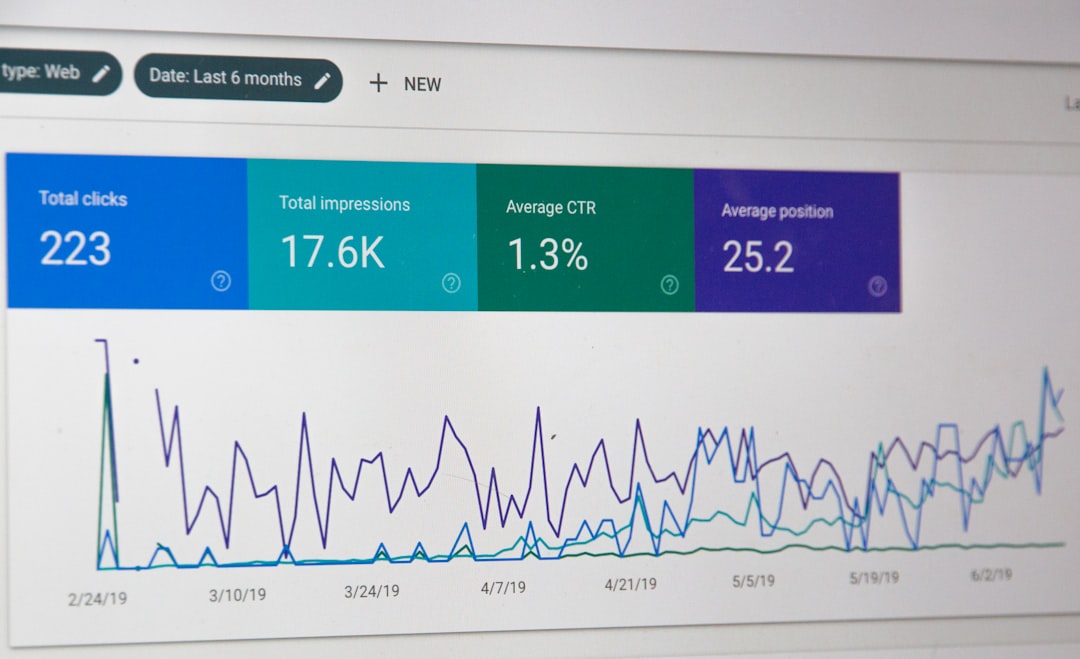
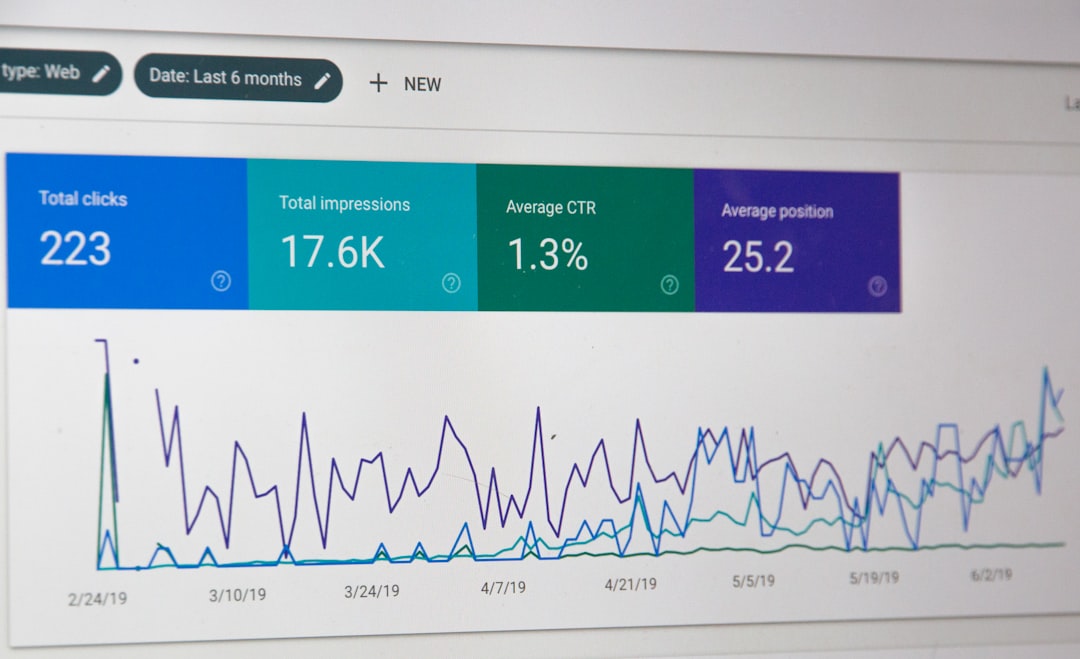
Track Local SEO Performance
SEO decisions should be based on data whenever possible.
Useful tools include:
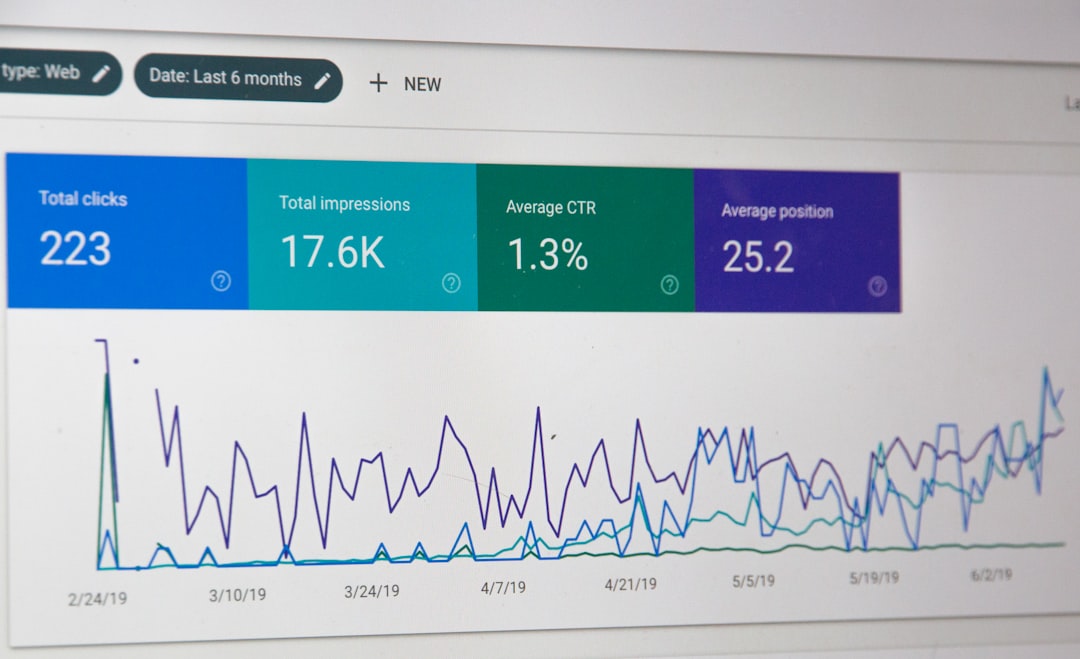
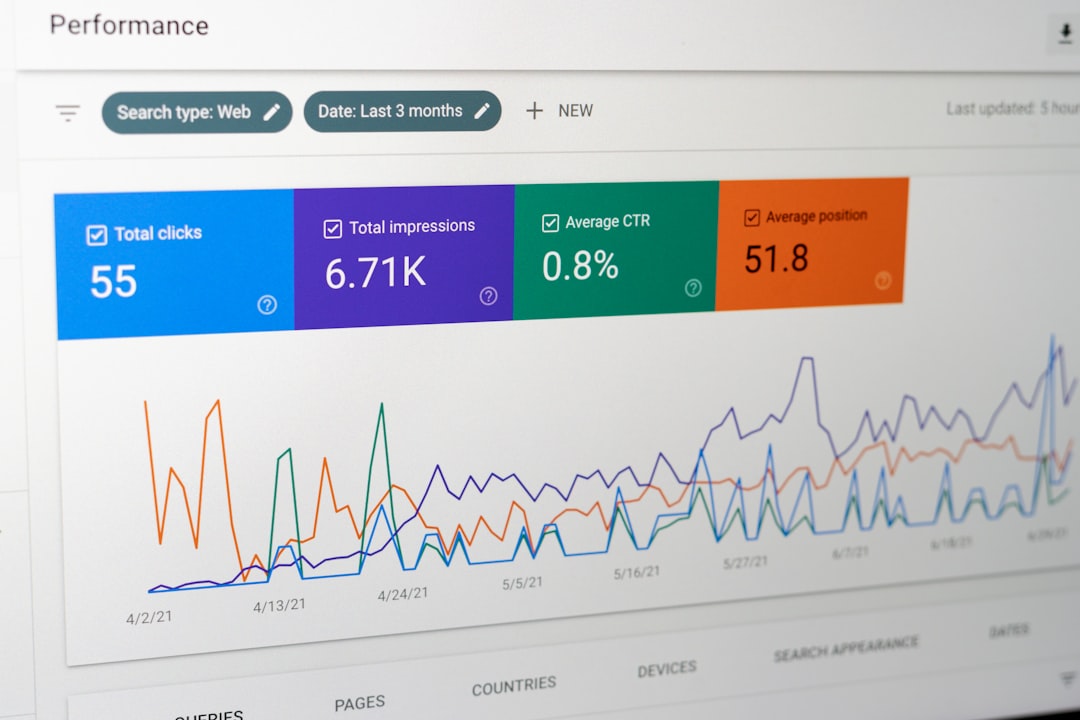
Google Search Console
Monitor:
- Search queries
- Impressions
- Clicks
- Pages
- Search performance
Google Analytics
Understand:
- Website traffic
- User behavior
- Landing pages
- Conversions
Google Business Profile Insights

Review available performance information related to how customers interact with the business profile.
The exact metrics and reporting interfaces can change, so focus on the business outcomes rather than obsessing over one number.
What Should a Local SEO Report Include?
A useful local SEO report can contain:
| Area | What to Review |
|---|---|
| Website | Technical health |
| Keywords | Local search visibility |
| Pages | Traffic and performance |
| Google Business Profile | Profile activity |
| Content | New and updated content |
| Links | Relevant backlink activity |
| Reviews | Reputation trends |
| Conversions | Calls, forms, bookings |
| Issues | Errors and opportunities |
The purpose of reporting is not simply to show a large number of keywords.
It should explain what changed and what should happen next.
Common Local SEO Mistakes
1. Creating Fake Location Pages
Do not create location pages for places the business does not genuinely serve.
2. Stuffing City Names
Repeating a city name unnaturally does not create useful content.
3. Ignoring Mobile Users
A difficult mobile experience can cause potential customers to leave.
4. Inconsistent Business Information
Different phone numbers, names, addresses, or hours can create confusion.
5. Buying Fake Reviews
Reviews should represent real customer experiences.
6. Buying Low-Quality Backlinks
Large quantities of irrelevant links can create unnecessary SEO risk.
7. Ignoring Service Pages
A homepage alone may not adequately explain every important service.
8. Publishing Random Local Blogs
Local content should have a genuine connection to customers and the business.
9. Forgetting Conversion Optimization
Getting visitors is only part of the process. The website should make it easy for interested visitors to contact the business.
10. Expecting Instant Rankings
Local SEO takes time and depends on competition, location, website quality, business information, content, and other factors.
A Practical WordPress Local SEO Workflow
A structured process can look like this:
Step 1: Website Audit
Check technical SEO, indexing, speed, mobile usability, metadata, links, and site structure.
Step 2: Local Keyword Research
Identify relevant service and location searches.
Step 3: Competitor Research
Review competing local websites to understand their content, structure, and service coverage.
Step 4: Website Structure
Create logical service and location relationships.
Step 5: On-Page Optimization
Improve titles, headings, metadata, content, images, and internal links.
Step 6: Local Business Information
Check business details across important platforms.
Step 7: Content Strategy
Create useful local content based on genuine customer needs.
Step 8: Authority Building
Develop relevant local relationships, mentions, and legitimate link opportunities.
Step 9: Performance Monitoring
Use Search Console, analytics, and available business-profile data.
Step 10: Continuous Improvement
Update pages, fix issues, expand useful content, and refine the strategy based on evidence.
Local SEO Strategy for Different Business Types
Different businesses require different approaches.
Restaurants
Focus on:
- Location
- Menu information
- Business hours
- Reservations
- Photos
- Local Business structured data where appropriate
- Customer reviews
Professional Services
For lawyers, accountants, consultants, agencies, and similar businesses:
- Detailed service pages
- Location information
- Professional credentials
- FAQs
- Contact options
- Helpful educational content
Home Services
For plumbers, electricians, HVAC companies, cleaners, and contractors:
- Service pages
- Service areas
- Emergency services where applicable
- Project examples
- Reviews
- Clear calls to action
Retail Businesses
Focus on:
- Products
- Store information
- Opening hours
- Location
- Product availability where supported
- Local content
- Customer experience
The SEO strategy should reflect how customers actually interact with the business.
When Should You Hire a WordPress SEO Expert?
Professional SEO help can be useful when:
- Your website receives little organic traffic
- Important service pages are not visible
- You operate in a competitive local market
- Your website has technical SEO problems
- You have multiple locations
- Your content needs restructuring
- You do not know which local keywords to target
- Your Google presence needs better coordination
- You need ongoing SEO monitoring
A WordPress SEO expert can look at the entire system rather than focusing on one keyword.
How a WordPress SEO Expert Can Help
A professional local SEO service can include:
Technical SEO
Finding indexing, crawlability, performance, redirects, canonical, and other technical problems.
Local On-Page SEO
Optimizing service pages, titles, headings, metadata, content, images, and internal links.
Local Content Strategy
Planning useful content around services, locations, and customer questions.
Website Structure
Building logical connections between services, locations, and supporting content.
Google Business Profile Support
Reviewing business information and making sure the website and business presence communicate accurate information.
Performance Tracking
Monitoring organic search performance and identifying areas for improvement.
The exact strategy should always be based on the business’s location, services, customers, competition, and website condition.
Final Thoughts
Local SEO is not simply about putting a city name into a WordPress page.
It is about making the business easy to understand, easy to discover, and easy to contact.
A strong local WordPress SEO strategy combines:
- Local keyword research
- Useful service pages
- Accurate business information
- Strong website structure
- Internal linking
- Mobile optimization
- Technical SEO
- Local content
- Genuine reviews
- Relevant mentions and links
- Structured data where appropriate
- Performance monitoring
Most importantly, the strategy should serve real customers.
If a page helps someone understand a service, confirms that the business operates in their area, answers their questions, and gives them a clear next step, it is doing much more than simply targeting a keyword.
For businesses that want to improve their local search presence, working with a WordPress SEO expert can help identify technical problems, content gaps, local optimization opportunities, and practical improvements across the website.
FAQs
What is local SEO for a WordPress website?
Local SEO is the process of improving a WordPress website and related online business presence so that people searching for relevant services in a particular geographic area can discover and understand the business.
Does adding a city name to every page improve local SEO?
Not necessarily. Repeating city names can make content unnatural. It is better to create useful, location-relevant content where the location genuinely matters.
Do I need separate pages for every city I serve?
Not always. Create separate location pages when they provide meaningful information for users and represent genuine service areas. Avoid producing large numbers of nearly identical pages.
Is Google Business Profile important for local businesses?
Yes, it is an important part of many local businesses’ online presence. The website and business profile should contain accurate, consistent information.
Can a WordPress SEO plugin handle local SEO?
SEO plugins can assist with many technical and on-page tasks, but they do not replace a complete local SEO strategy. Keyword research, content planning, business information, reputation, links, and ongoing analysis still require attention.
How long does local SEO take?
There is no fixed timeline. Results depend on factors such as competition, location, website history, technical condition, content quality, authority, and the consistency of optimization work.
Should local businesses create a blog?
A blog can be useful when the content answers genuine customer questions and supports the business’s services. Publishing random articles solely to increase page count is unlikely to provide the same value.
Ready to Improve Your Local WordPress SEO?
Your local customers are already searching for services. The question is whether your website gives them a clear, useful, and trustworthy reason to choose your business.
A professional WordPress SEO strategy can help uncover technical problems, improve local service pages, strengthen website structure, and create a practical roadmap for ongoing search optimization.
Need help improving your WordPress website for local search? Contact a WordPress SEO expert today and start building a stronger local SEO foundation.