Improving SEO on an existing WordPress website is different from optimizing a brand-new site. An established website may already have valuable content, backlinks, rankings, and traffic, but it can also contain outdated pages, technical issues, duplicate content, or structural problems.
A WordPress SEO Consultant can help identify existing strengths and weaknesses before making changes.
Start With a Complete Website Review

The first step should be understanding the current condition of the website.
A review can cover:
- Organic traffic
- Search visibility
- Important landing pages
- Indexing
- Technical SEO
- Existing content
- Internal links
- Backlinks
- Mobile performance
This prevents unnecessary changes and helps establish priorities.
Identify Pages That Already Perform
Existing websites often have pages that already receive traffic or search impressions.
These pages should not be changed blindly.
Instead, review:
- Which keywords they appear for
- How much traffic they receive
- Whether the content is still accurate
- Whether search intent has changed
- Whether internal links can be improved
A strong existing page may need refinement rather than a complete rewrite.
Find Content Gaps
After reviewing existing content, identify topics that the website does not cover well.
For example, a service website may have a general SEO page but no detailed content explaining:
- Local SEO
- Technical SEO
- Ecommerce SEO
- SEO audits
- Website speed
Content gaps can provide opportunities to attract additional relevant searches.
Review Outdated Content

Information can become outdated over time.
Check older pages for:
- Old statistics
- Broken links
- Outdated recommendations
- Expired examples
- Missing information
- Poor formatting
Updating useful pages can keep them relevant for visitors and search engines.
Check Technical Problems
Existing WordPress websites may accumulate technical issues as plugins, themes, and content are added.
A consultant can investigate:
- Broken links
- Redirects
- Duplicate URLs
- Noindex settings
- Canonical tags
- XML sitemap
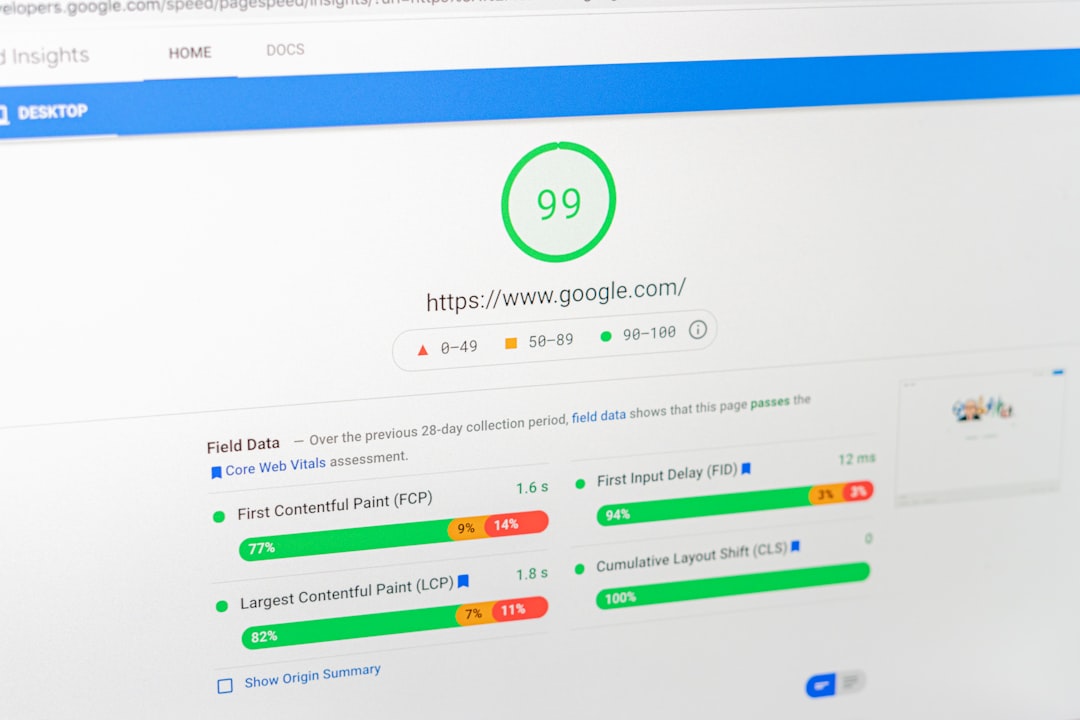
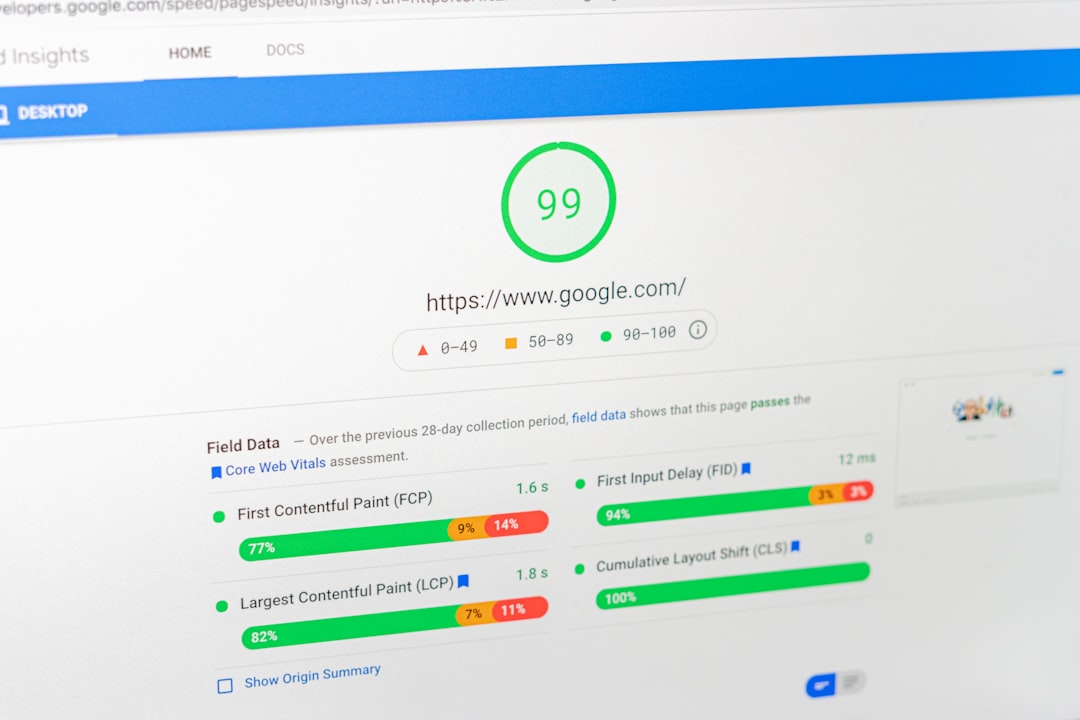
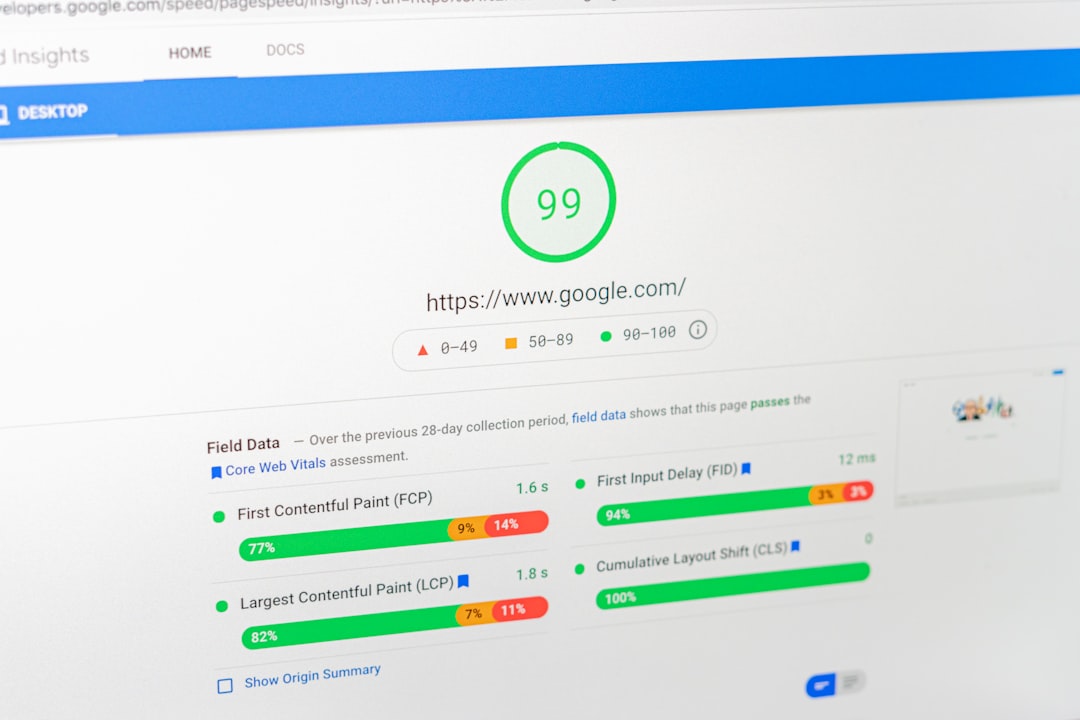
- Page speed
- Mobile usability
Technical improvements should be prioritized according to their potential effect on important pages.
Improve Website Architecture
Over time, websites can become difficult to navigate.
Pages may become buried several clicks deep, categories may overlap, or important services may have very few internal links.
A cleaner structure can help visitors find information more easily.
For example:
Homepage → Services → Main Service → Supporting Content
Strengthen Internal Linking
Existing content provides opportunities for internal linking.
Relevant older articles can link to:
- New service pages
- Important guides
- Related articles
- Product categories
This can help create stronger connections between different parts of the website.
Review Backlink Profiles
An established website may already have backlinks pointing toward old or updated pages.
Reviewing these links can help identify valuable pages and potential opportunities.
If an important page changes its URL, appropriate redirects should be considered so users and search engines can reach the new location.
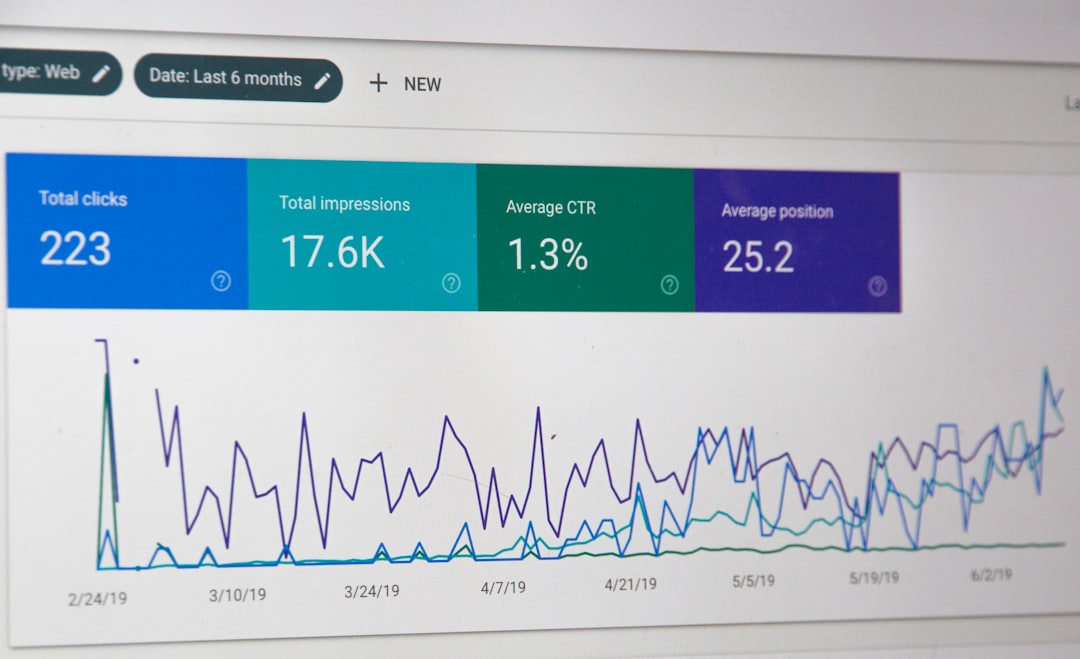
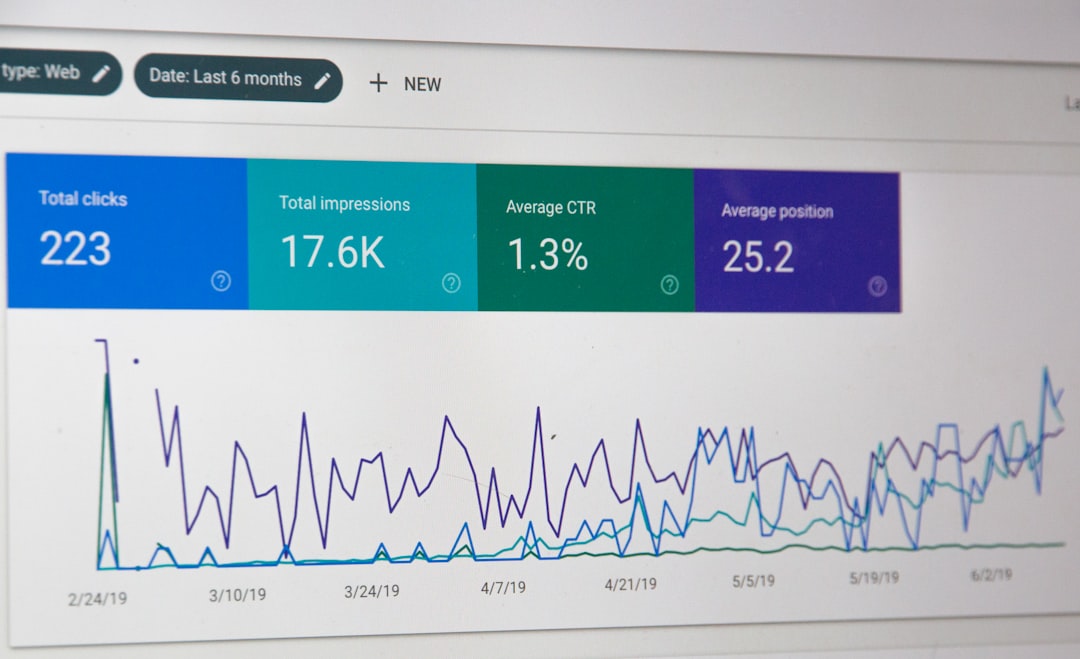
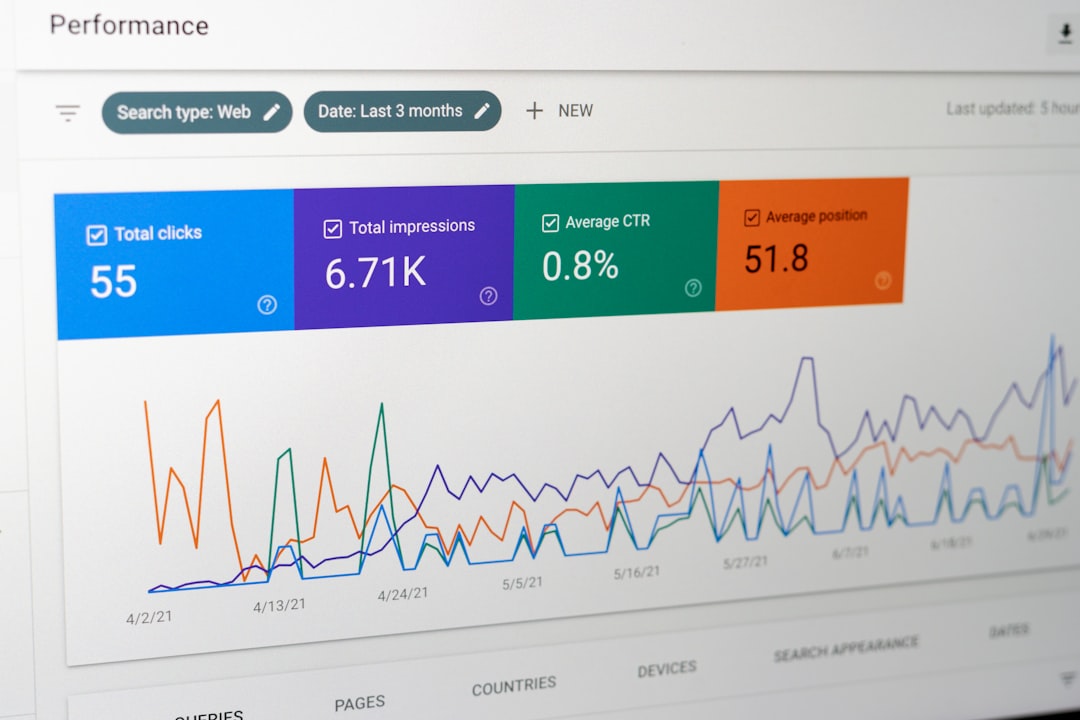
Measure Improvements
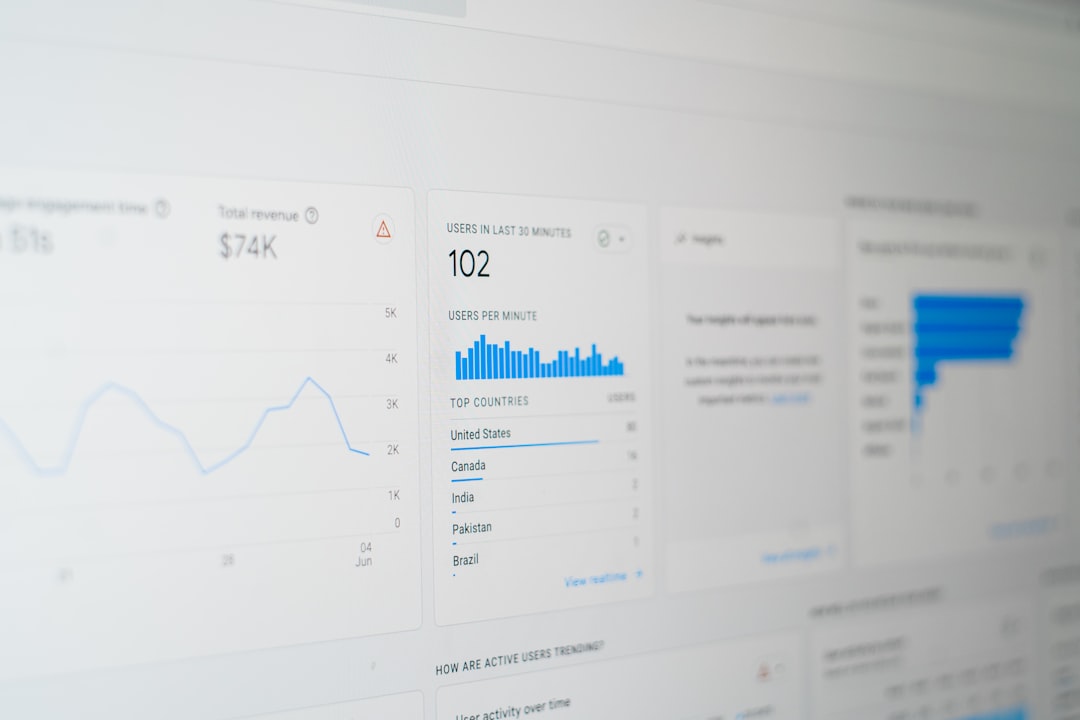
After making changes, monitor performance instead of assuming the changes worked.
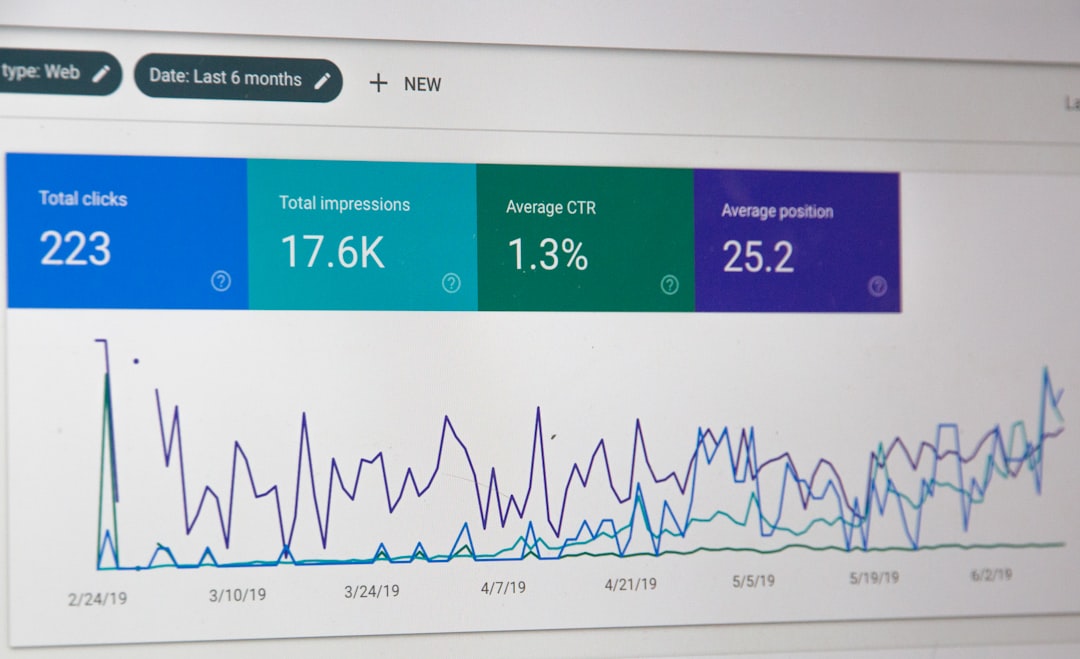
Useful metrics include:
| Metric | Purpose |
|---|---|
| Organic traffic | Measures search visitors |
| Impressions | Tracks visibility |
| Clicks | Measures search engagement |
| Rankings | Tracks target terms |
| Conversions | Measures business outcomes |
Changes should be evaluated over a suitable period rather than immediately.
When a WordPress SEO Consultant Helps
Existing websites often require a balance between fixing problems and protecting what already works.
A WordPress SEO Consultant can audit the website, identify high-value opportunities, improve technical and content elements, and develop a roadmap that builds on the site’s existing foundation.
The objective is not to change everything. It is to preserve valuable assets while making the website more useful, organized, accessible, and search-friendly.