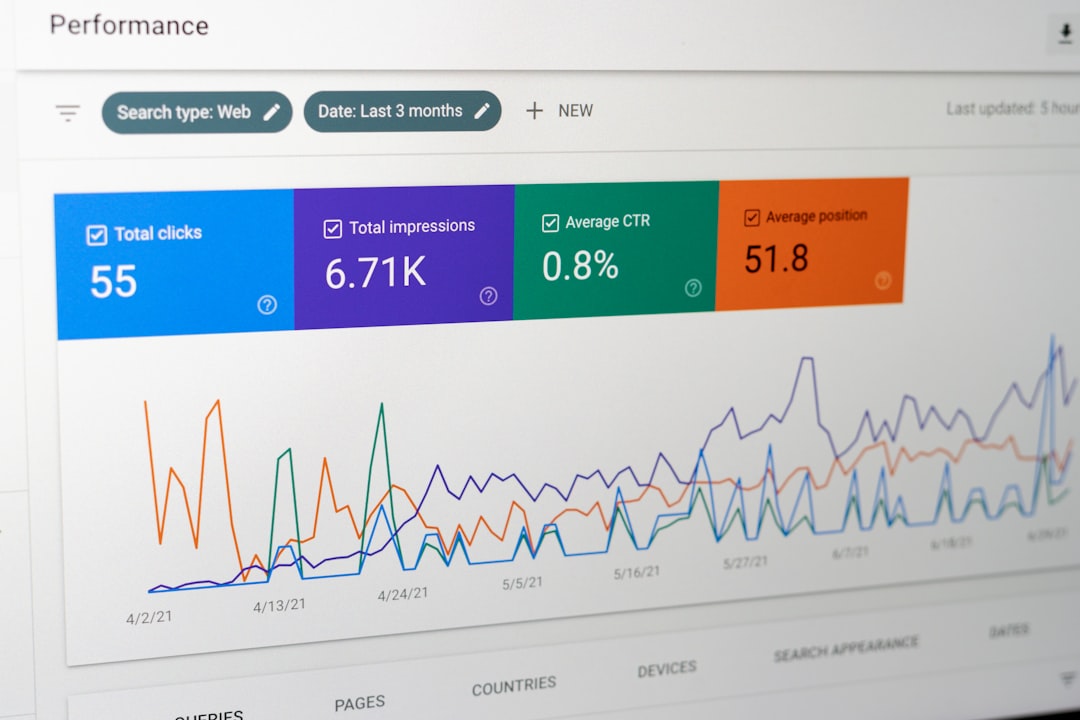

For an ecommerce website, SEO is not limited to blog posts. Product pages, categories, navigation, images, technical settings, and site structure all influence how easily customers and search engines can discover products.
A WordPress SEO company can help ecommerce businesses build an SEO strategy that improves product visibility while making the shopping experience easier for customers.
Start With Ecommerce Keyword Research
The first step is understanding what potential customers search for before and during the buying process.
For example, someone searching for “running shoes” may be researching options, while someone searching for “buy men’s running shoes online” is showing stronger purchase intent.
An ecommerce SEO strategy should consider:
- Product keywords
- Category keywords
- Long-tail searches
- Brand-related searches
- Problem-based searches
- Commercial search intent
The goal is to connect relevant searches with the right pages rather than sending every visitor to the homepage.
Optimize Product Pages

Product pages are among the most important SEO assets on an ecommerce website.
Each product page should have useful, original information, including:
- Clear product name
- Helpful description
- Relevant specifications
- Images
- Pricing information
- Availability when applicable
- Reviews where appropriate
- Clear calls to action
Avoid copying manufacturer descriptions across hundreds of products. Unique descriptions can provide more useful information to shoppers and help differentiate your pages.
Create Strong Category Pages
Category pages can target broader searches and help users navigate your store.
For example:
Men’s Running Shoes
can contain subcategories or links to:
- Trail Running Shoes
- Road Running Shoes
- Lightweight Running Shoes
- Men’s Running Shoes for Beginners
A useful category page can include a short introduction, product listings, filters, and links to related categories.
Improve Ecommerce Site Structure
A clear structure helps both shoppers and search engines understand the relationship between products and categories.
A simple structure could look like:
Homepage → Category → Subcategory → Product
For example:
Home → Men’s Shoes → Running Shoes → Product
Avoid making important products several clicks away from the homepage when they could be organized more efficiently.
Optimize Product Images
Images are essential for ecommerce, but large image files can slow down pages.
Use properly sized and compressed images without sacrificing necessary visual quality.
Descriptive alt text can also improve accessibility.
For example:
blue men’s running shoes side view
is more useful than:
image123.jpg
Alt text should describe the image naturally rather than becoming a list of keywords.
Handle Duplicate Content Carefully
Ecommerce websites often create duplicate or very similar URLs through filters, sorting options, tags, and product variations.
For example, a product category might generate multiple URLs based on:
- Color
- Size
- Price
- Brand
- Sorting order
A WordPress SEO company can review these URLs and determine which pages should be indexed and which should be handled differently.
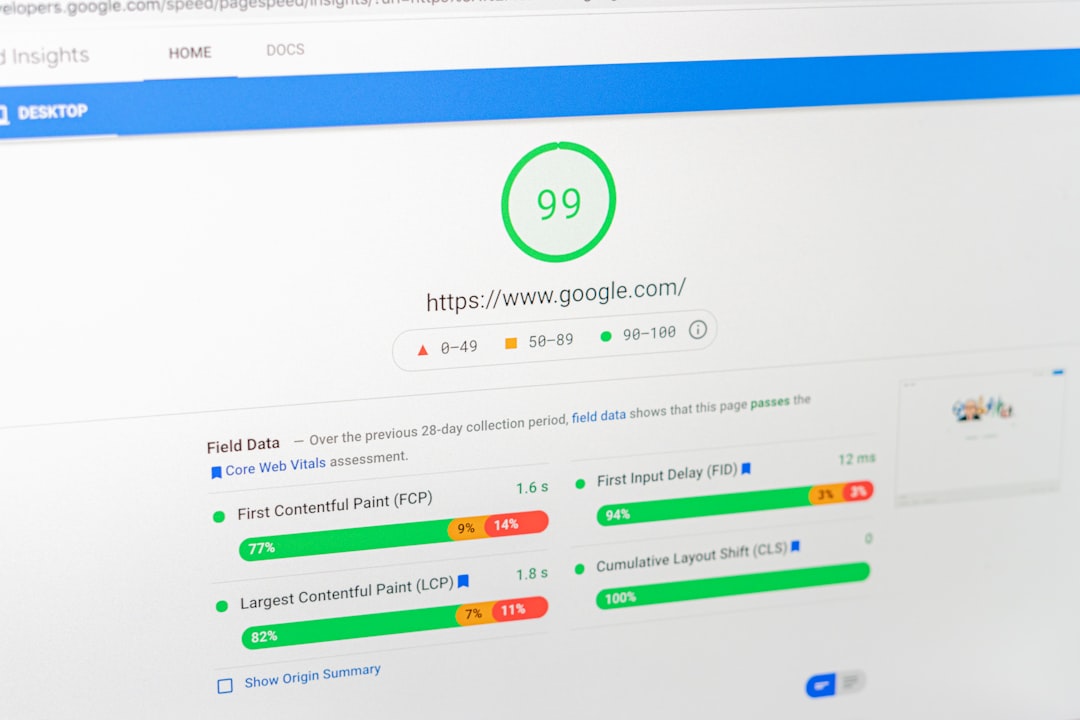
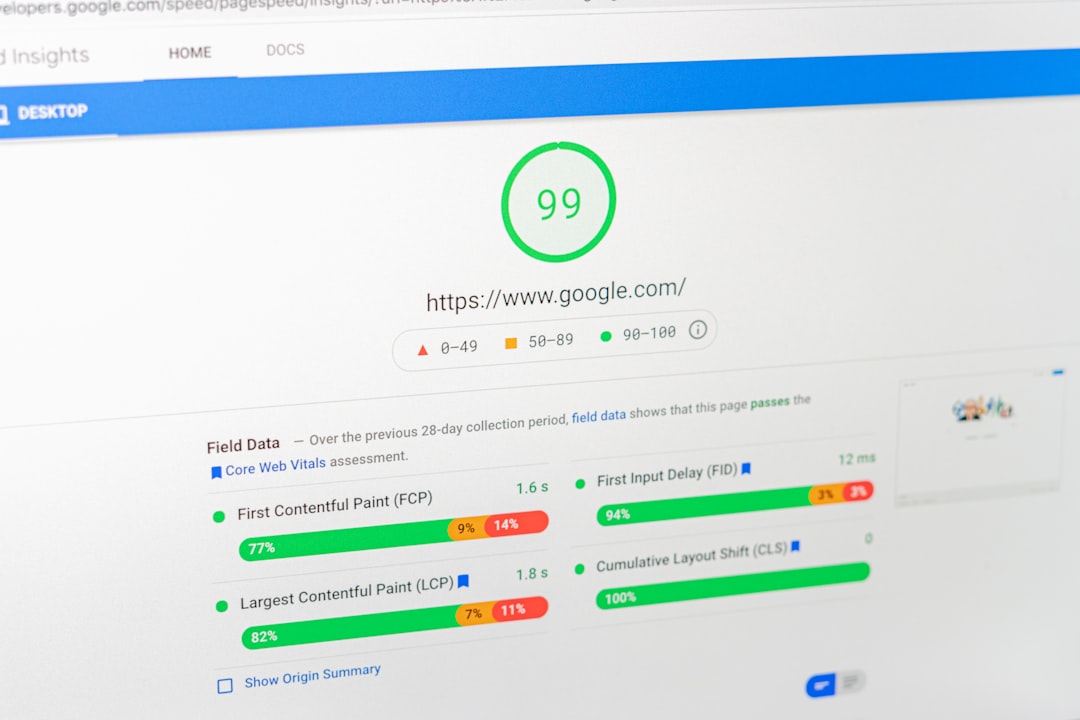
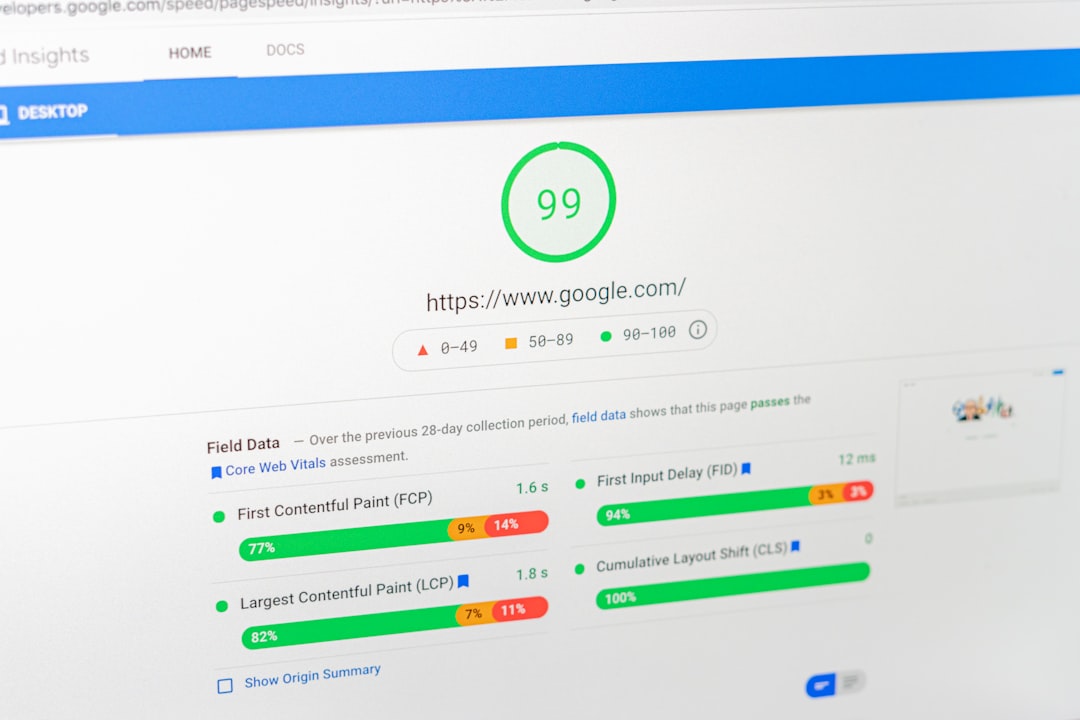
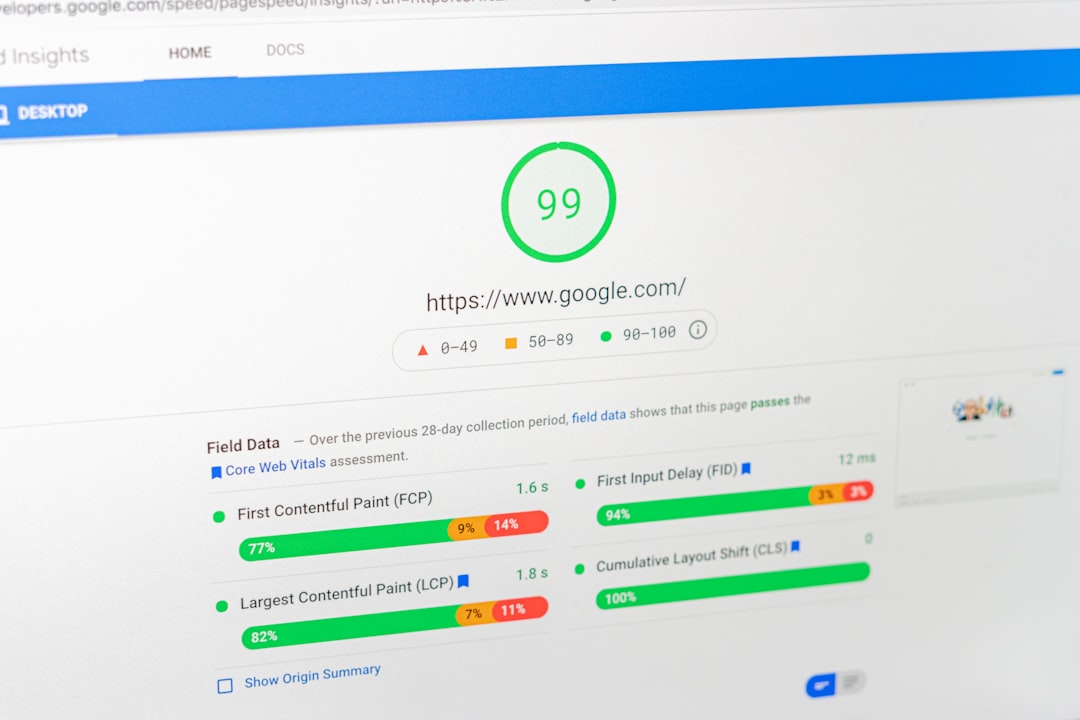
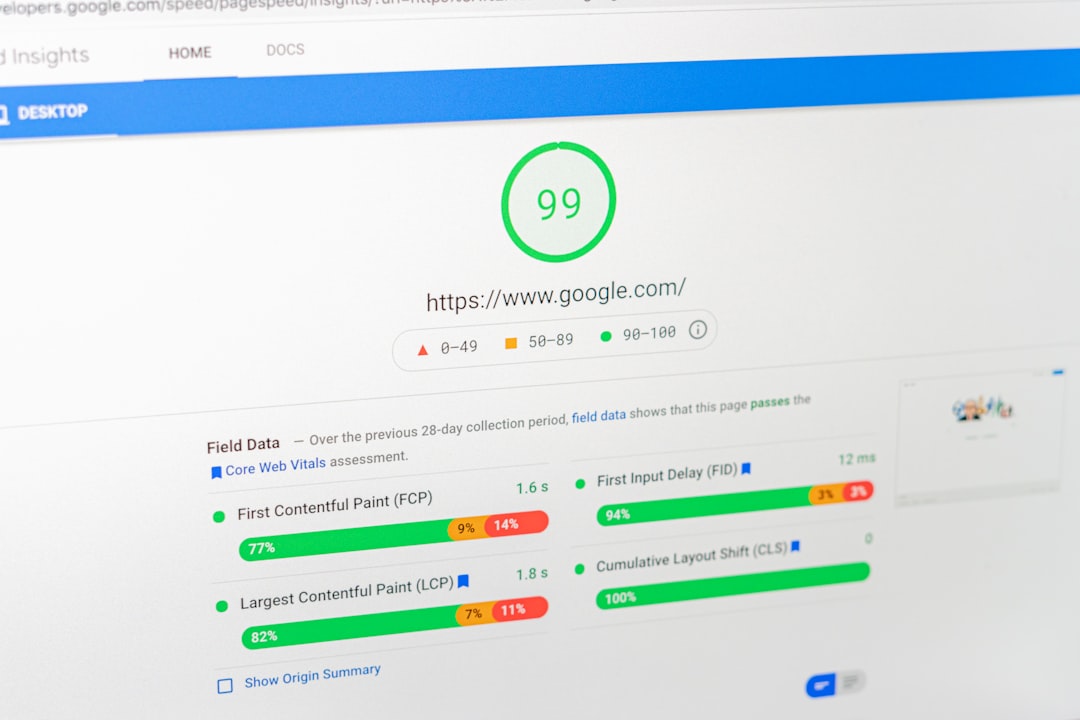
Improve Ecommerce Page Speed
Slow pages can create friction during shopping.
Review:
- Image sizes
- Hosting performance
- Caching
- Plugins
- Scripts
- Theme code
- Third-party integrations
Checkout and product pages deserve particular attention because delays at these stages can affect conversions.
Use Internal Links Strategically
Internal links help customers discover related products and categories.
A product page might link to:
- Related products
- Product categories
- Buying guides
- Relevant blog posts
- Frequently purchased items
For example, a blog article about choosing running shoes could naturally link to the relevant running-shoe category.
Add Helpful Buying Content

Ecommerce stores can attract additional organic traffic through useful informational content.
Examples include:
- Product comparison guides
- Buying guides
- How-to articles
- Size guides
- Product care instructions
- Industry-related educational content
This type of content can support customers earlier in their buying journey and create natural opportunities to link to products.
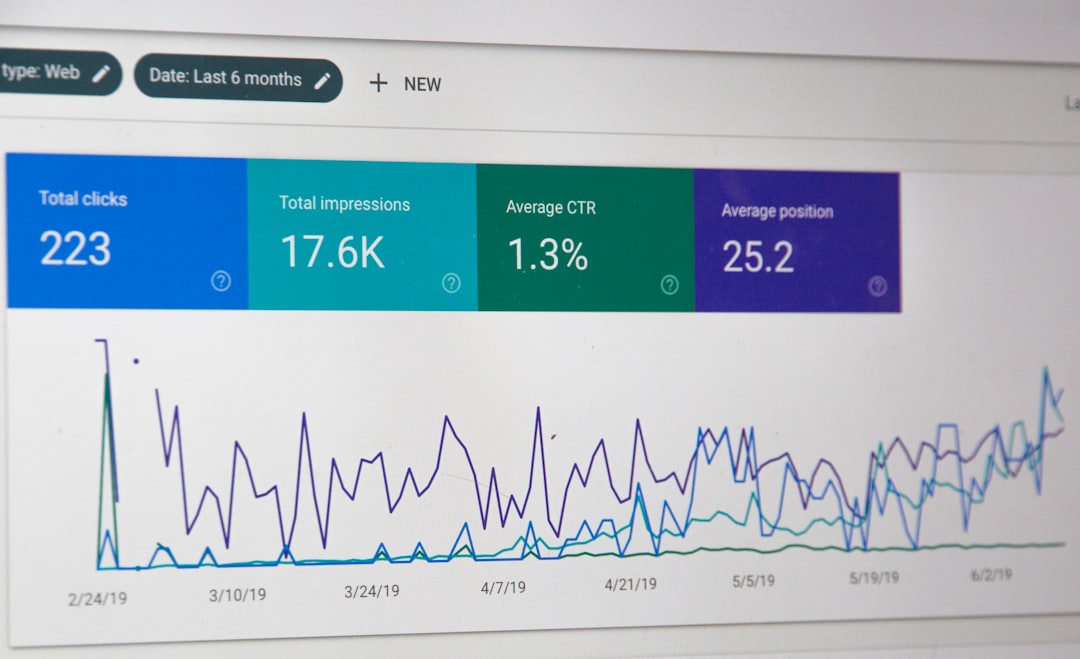
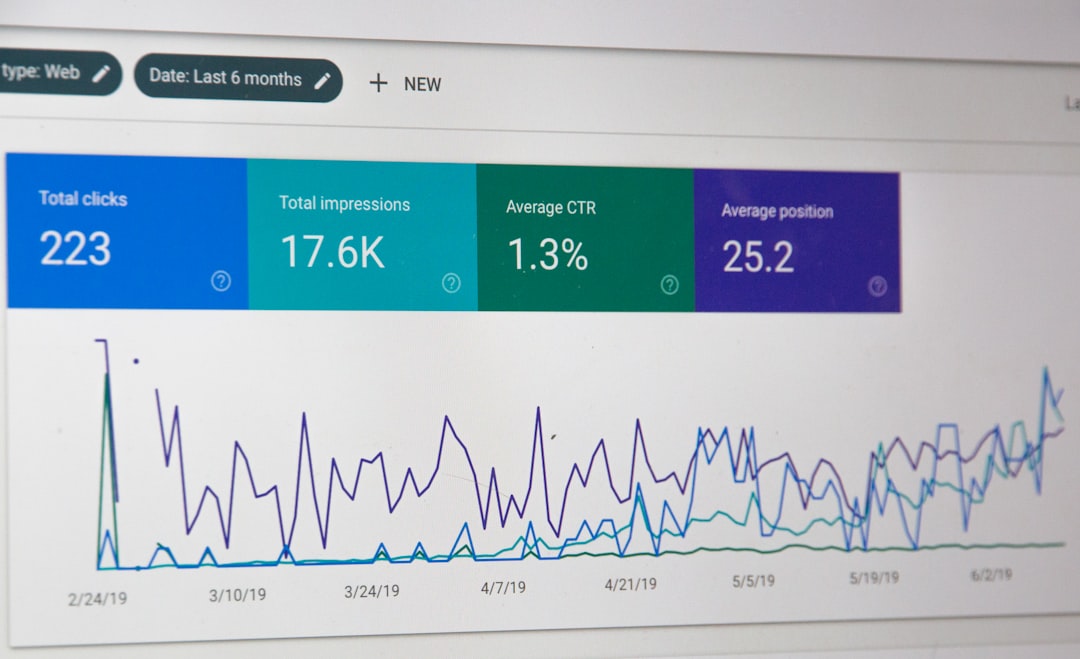
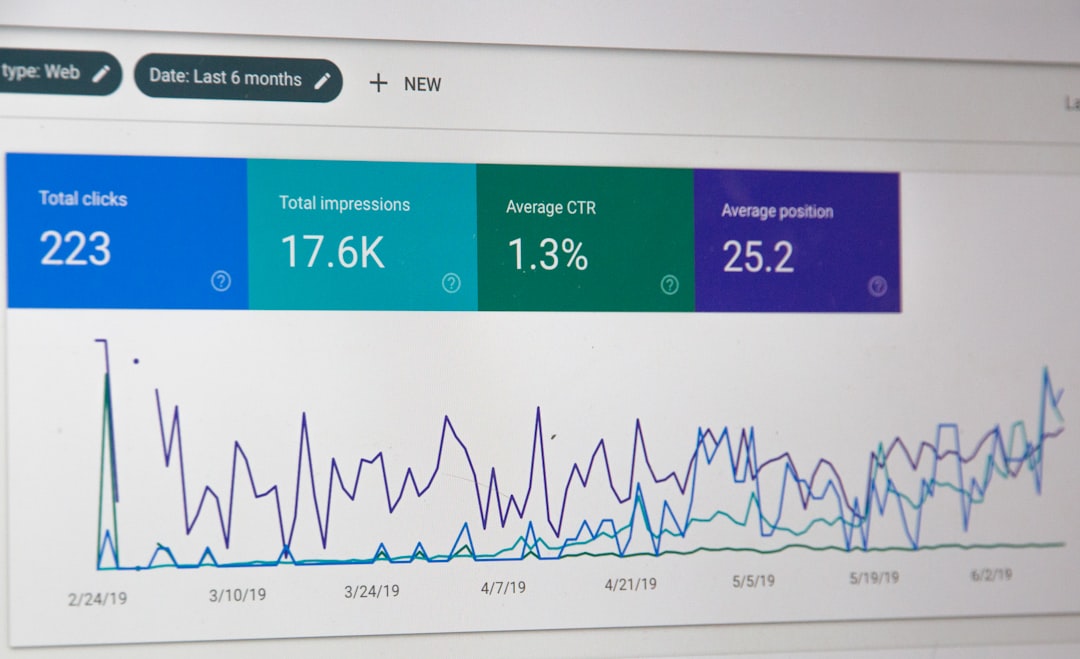
Monitor Ecommerce SEO Performance
Track performance using meaningful metrics rather than rankings alone.
| Metric | Purpose |
|---|---|
| Organic clicks | Measures search traffic |
| Impressions | Shows search visibility |
| Product page traffic | Identifies popular pages |
| Category traffic | Measures broader visibility |
| Conversions | Connects SEO with sales |
| Revenue from organic traffic | Measures business impact |
| Indexed pages | Helps identify technical issues |
Google Search Console and analytics platforms can provide valuable information for ongoing optimization.
How a WordPress SEO Company Can Help
Ecommerce SEO can become complicated as the number of products grows. A professional WordPress SEO company can review the website from both technical and commercial perspectives.
The process may include:
- Ecommerce keyword research
- Product and category optimization
- Site architecture improvements
- Technical SEO
- Image optimization
- Internal linking
- Duplicate-content management
- Content strategy
- Performance monitoring
- Ongoing SEO improvements
The strategy should always connect search visibility with a better shopping experience.
Make SEO Part of the Shopping Experience
Successful ecommerce SEO is not simply about getting more visitors. The website needs to help those visitors find suitable products, understand their options, and complete their purchases easily.
When technical SEO, useful content, product optimization, site structure, and user experience work together, a WordPress ecommerce website has a stronger foundation for sustainable organic growth.