A strong WordPress SEO campaign starts with proper setup. Before focusing heavily on rankings or content production, businesses should make sure the website has a clean technical foundation and a clear optimization structure.
A WordPress SEO company can help establish this foundation and create a workflow for ongoing SEO management.
Start With Website Access
An SEO professional may need access to relevant website and analytics tools.
Depending on the project, this can include:
- WordPress dashboard
- Google Search Console
- Analytics platform
- SEO plugin
- Website hosting information
- Business profile tools
Access should be provided securely and only at the level required for the work.
Check Website Visibility Settings

One important setup step is making sure the website is not accidentally discouraging search engines from crawling or indexing it.
Review WordPress visibility settings and important indexing controls.
A website under development may intentionally be hidden, but a live business website needs appropriate search visibility settings.
Set Up an SEO Plugin
An SEO plugin can make common WordPress optimization tasks easier.
Depending on the plugin, features may include:
- SEO titles
- Meta descriptions
- XML sitemaps
- Canonical URLs
- Robots settings
- Social metadata
- Schema options
Only use one primary SEO plugin for overlapping functions to avoid unnecessary conflicts.
Configure Permalinks
WordPress URL structure should be clear and readable.
A descriptive URL helps users understand what a page is about.
For example:
example.com/wordpress-seo-services/
is more understandable than a URL containing unnecessary numbers or parameters.
Avoid changing existing URLs without considering redirects and other SEO effects.
Connect Search Tools
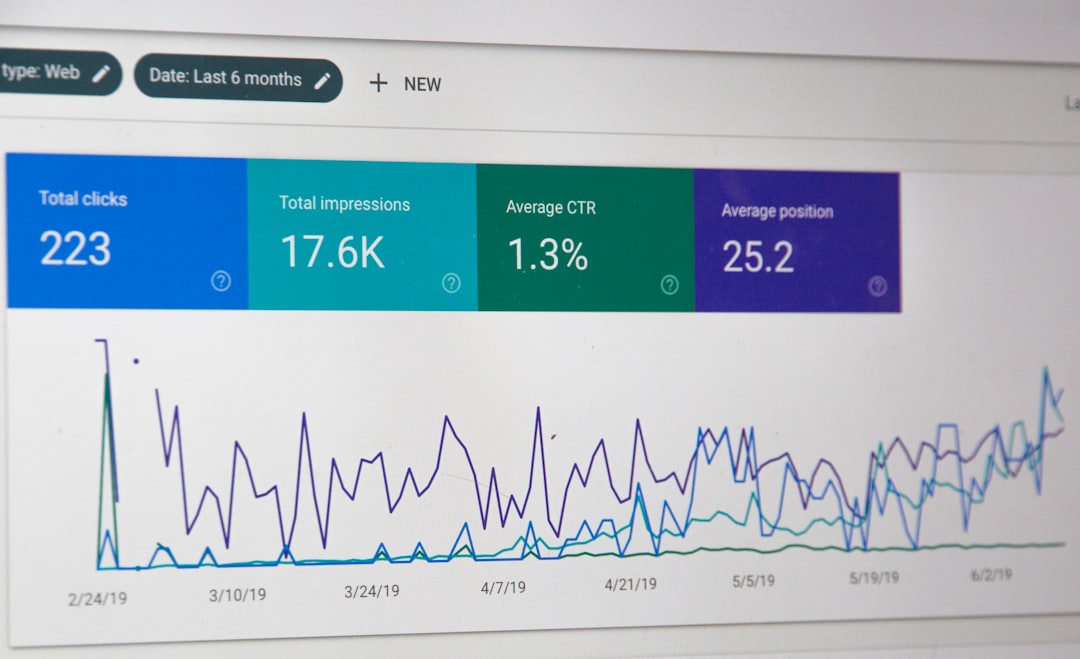
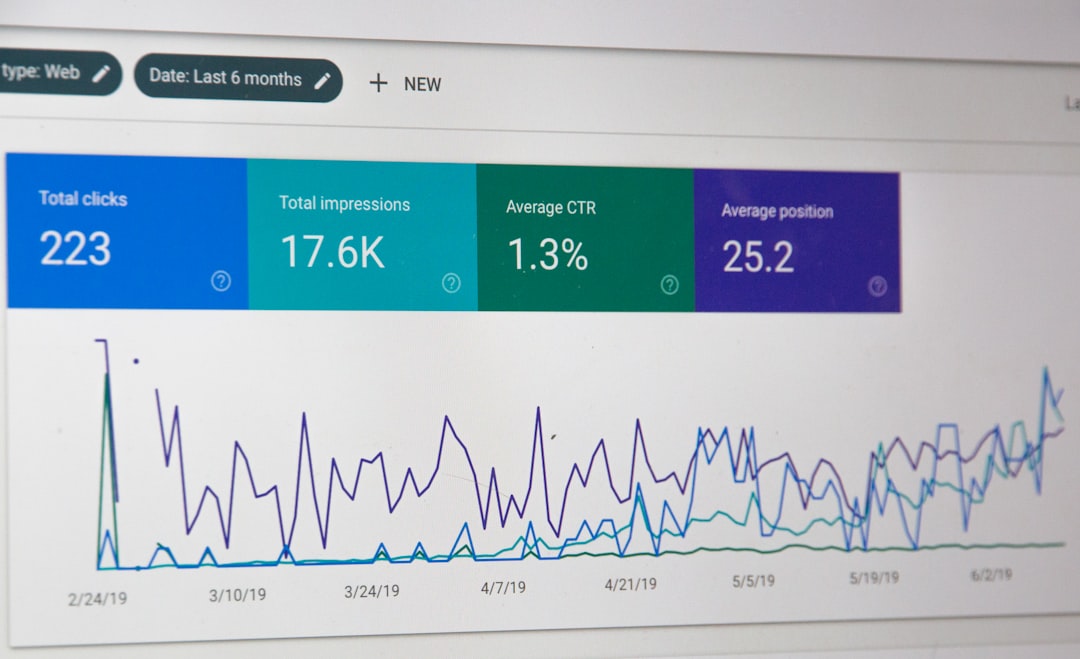
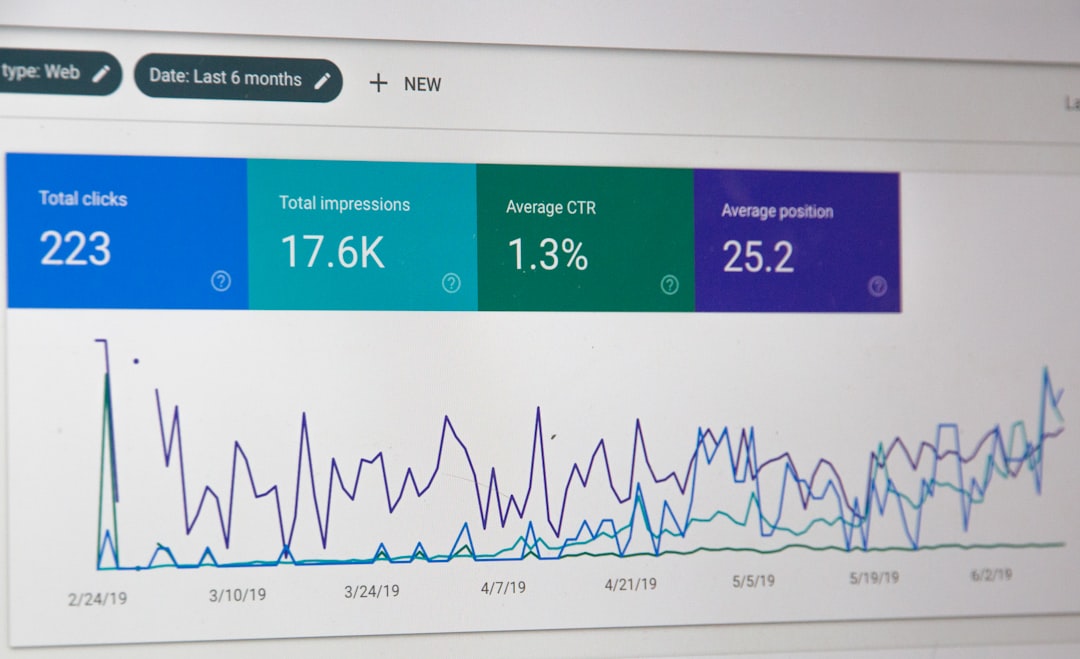
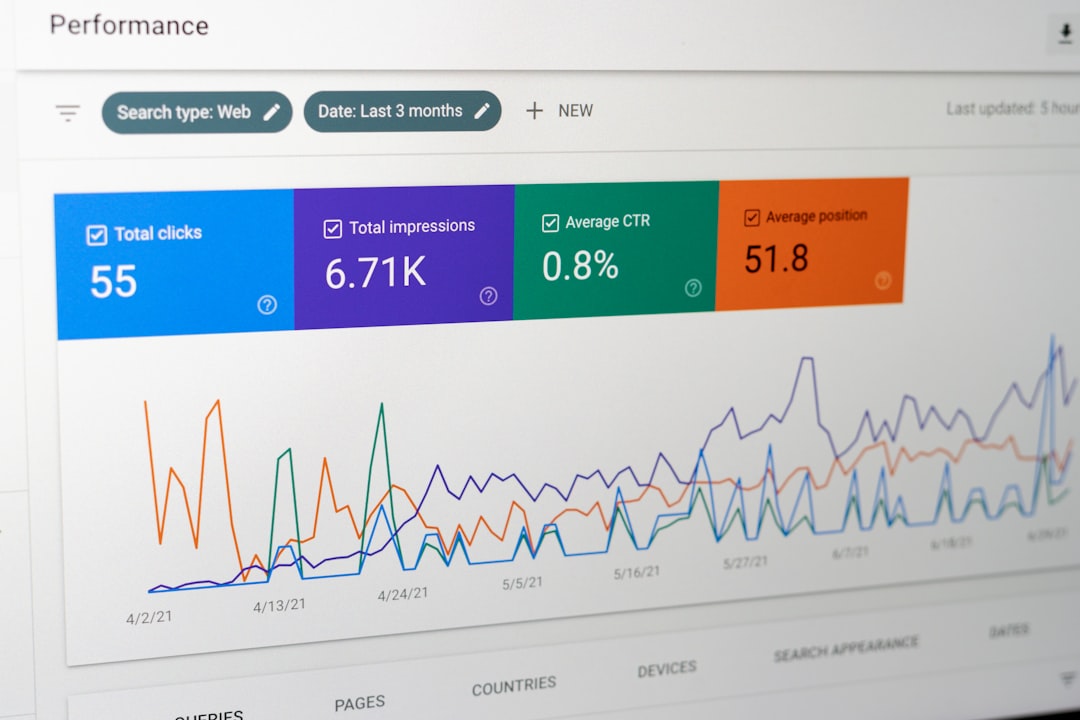
Google Search Console can provide valuable information about how a website appears in Google Search.
It can help monitor:
- Search queries
- Clicks
- Impressions
- Search positions
- Indexing information
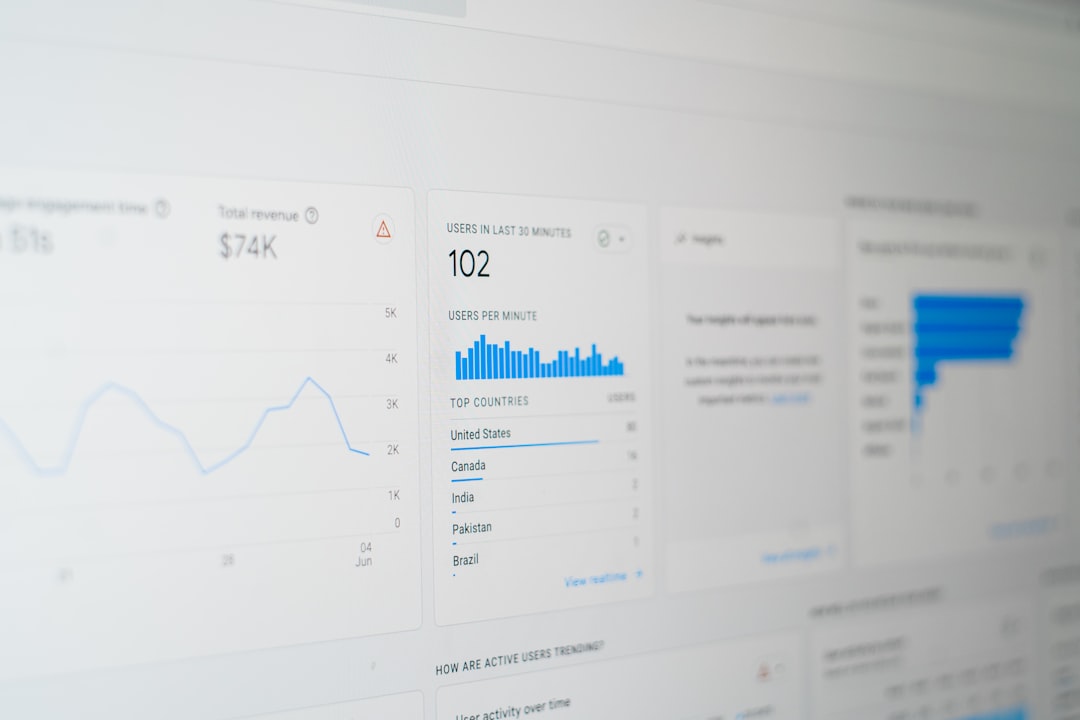
Analytics tools can provide additional information about visitor behavior and conversions.
Create an XML Sitemap
An XML sitemap helps communicate important URLs to search engines.
After creating the sitemap, verify that it contains relevant pages and does not unnecessarily include pages that should not be indexed.
Submit the appropriate sitemap through available search engine tools.
Review Robots.txt
The robots.txt file provides crawling instructions.
It should be reviewed carefully because an incorrect rule can prevent search engines from accessing important resources or pages.
Do not block sections of a website without understanding the potential consequences.
Establish a Keyword Strategy

SEO setup should also include keyword research.
Create a list of relevant topics and map them to pages.
For example:
| Website Area | Keyword Focus |
|---|---|
| Homepage | Main business topic |
| Service page | Specific service |
| Location page | Service + location |
| Blog | Informational searches |
| Product page | Product-related searches |
This prevents multiple pages from unnecessarily competing for the same search intent.
Create a Technical Checklist
A basic setup checklist can include:
- HTTPS
- Indexing
- Sitemap
- Robots.txt
- Permalinks
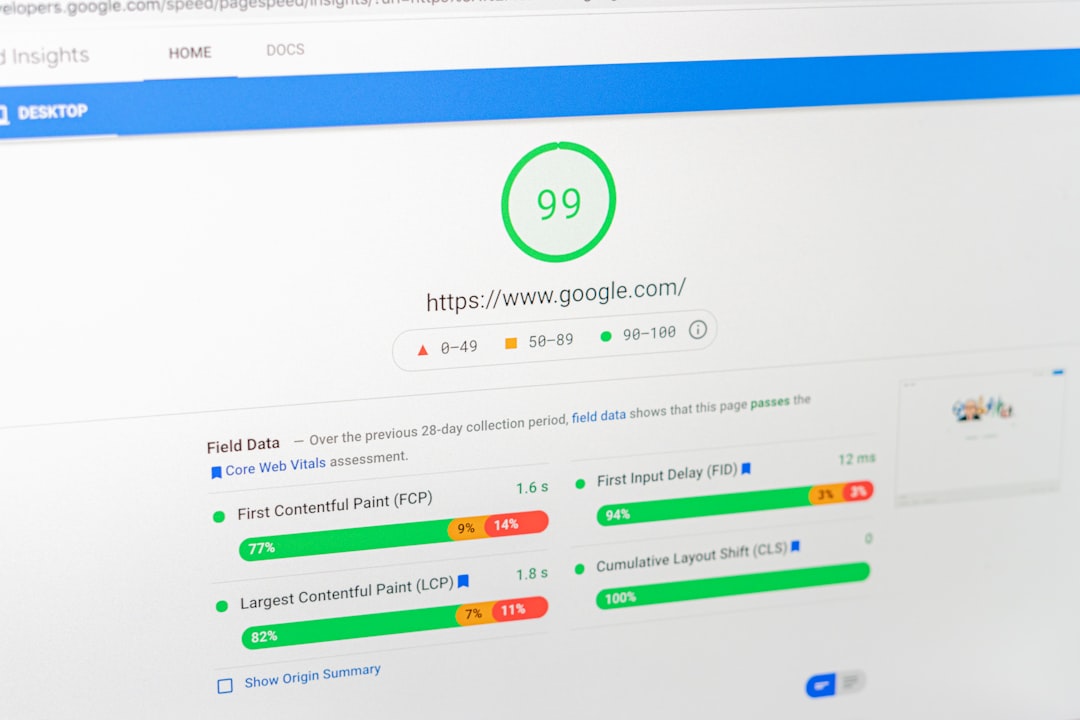
- Mobile usability
- Page speed
- Broken links
- Canonical settings
- SEO plugin configuration
Establish Reporting
Before starting ongoing optimization, record baseline data.
Track current:
- Organic traffic
- Search impressions
- Clicks
- Rankings
- Conversions
- Indexed pages
This makes it easier to understand what changes over time.
Keep Setup Organized
SEO setup is not something that should be changed randomly.
A WordPress SEO company can establish a process such as:
Access → Audit → Configure → Optimize → Test → Monitor
A clean setup provides a stronger foundation for future content, technical SEO, and performance improvements.