Optimizing a WordPress website for search requires a combination of technical improvements, useful content, clear website structure, and ongoing monitoring. There is no single setting that can solve every SEO problem.
A WordPress SEO company can help businesses focus on practical improvements that support both search visibility and user experience.
1. Fix Technical Issues First
Before creating large amounts of new content, check whether the website has technical problems.
Look for:
- Broken links
- Indexing errors
- Incorrect redirects
- Duplicate URLs
- Sitemap problems
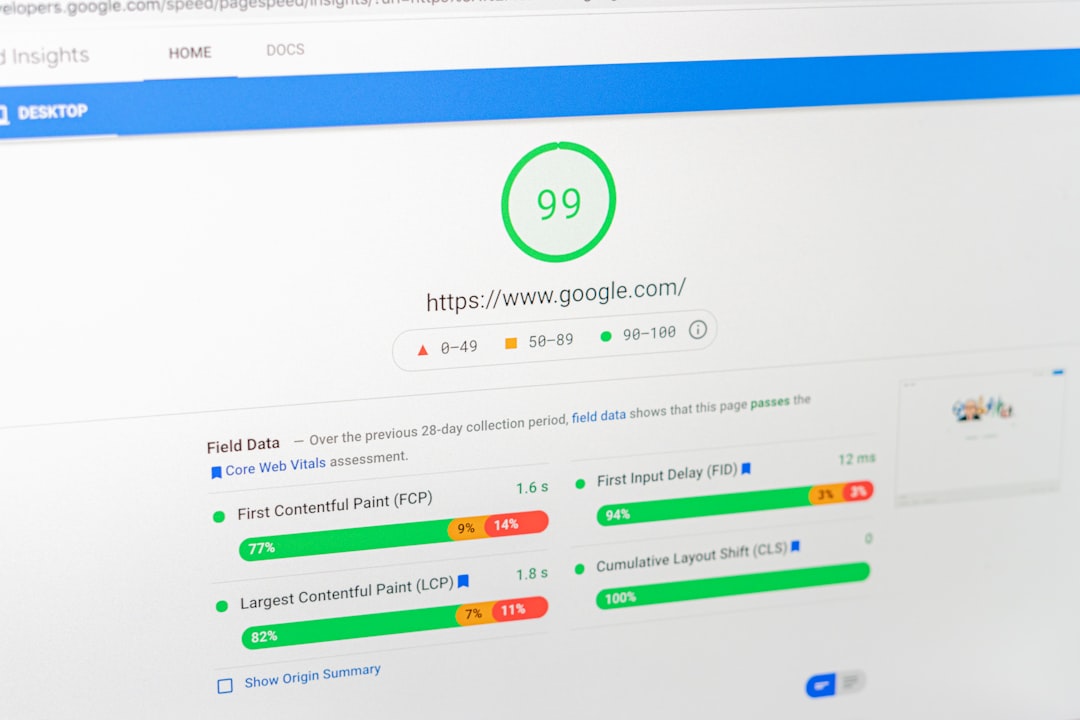
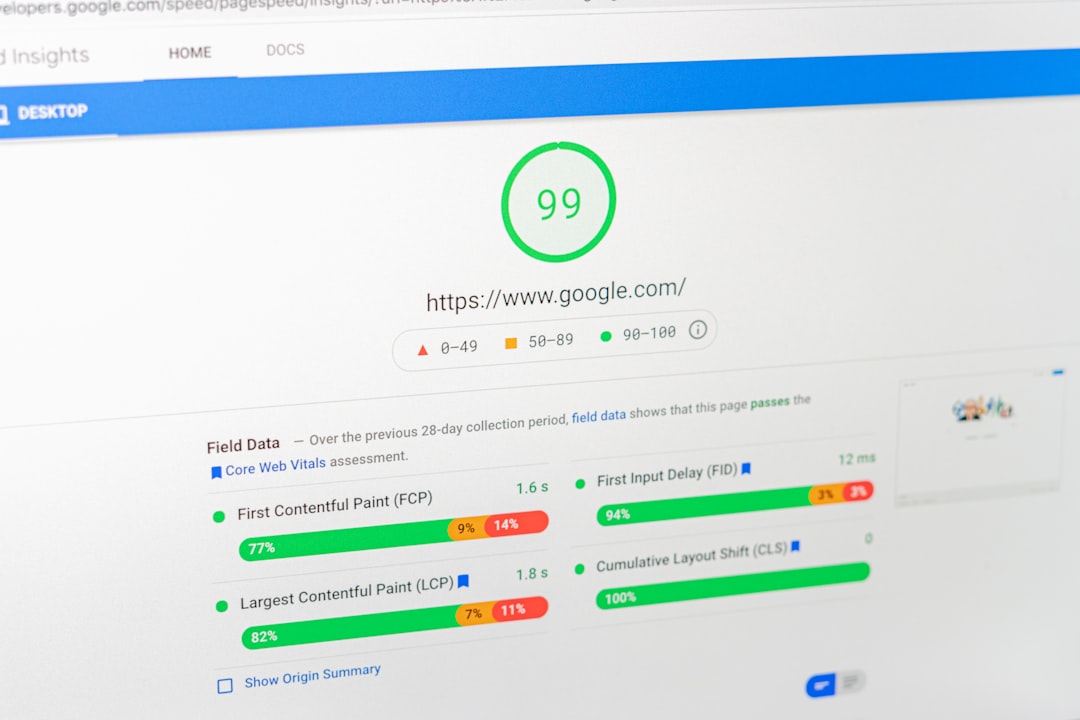
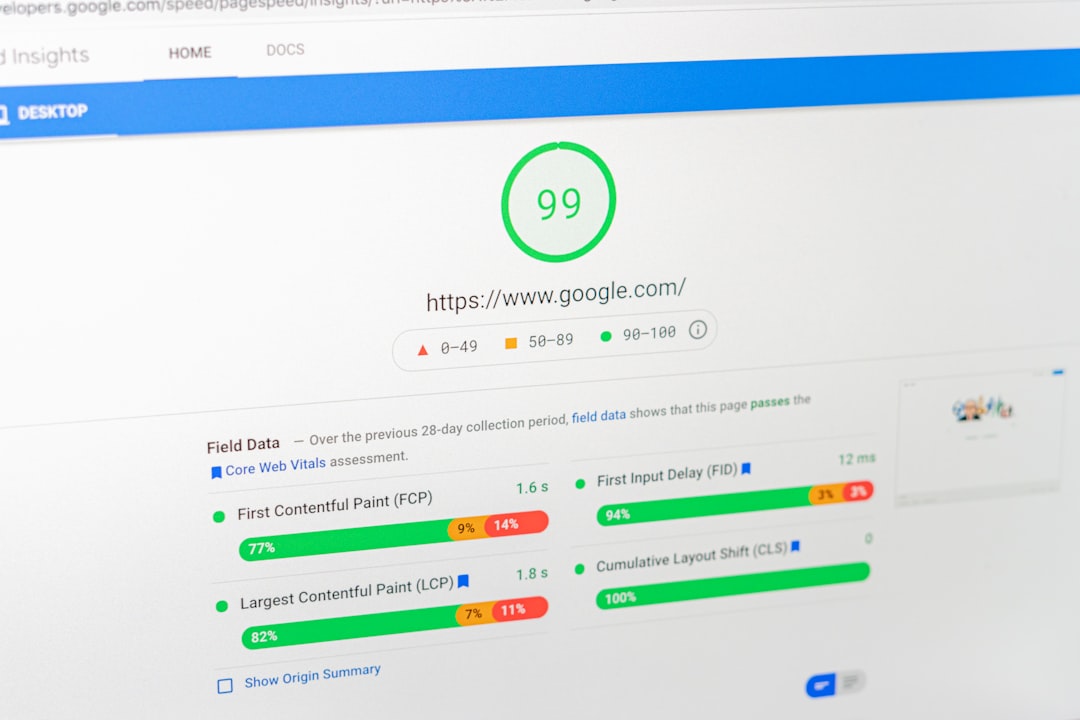
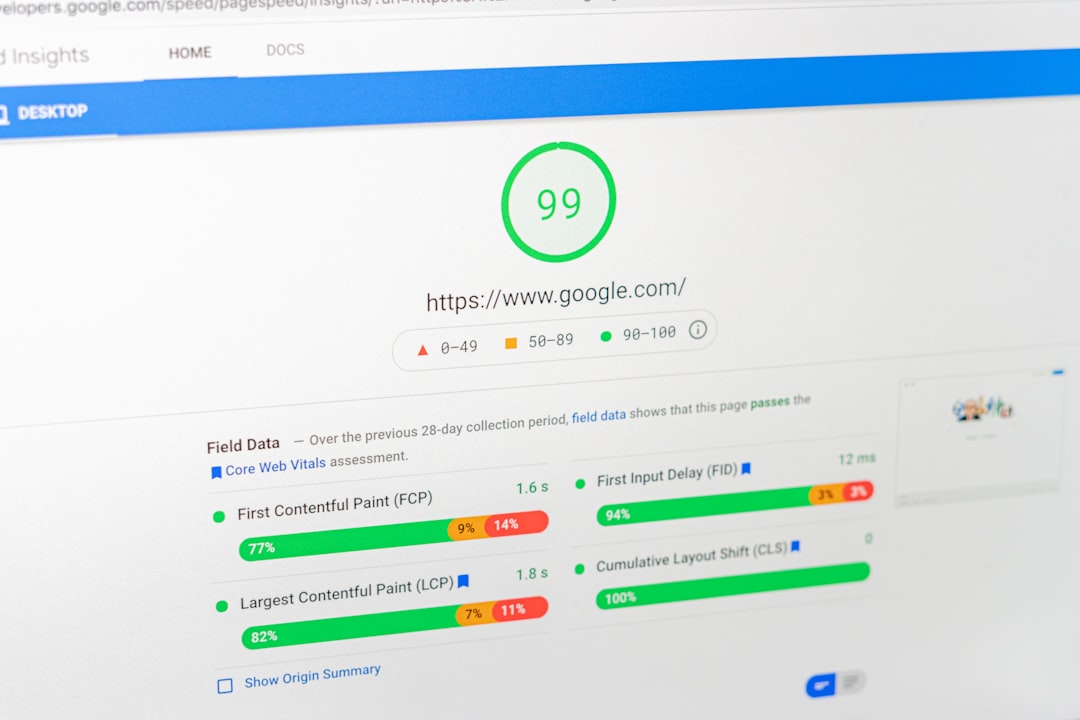
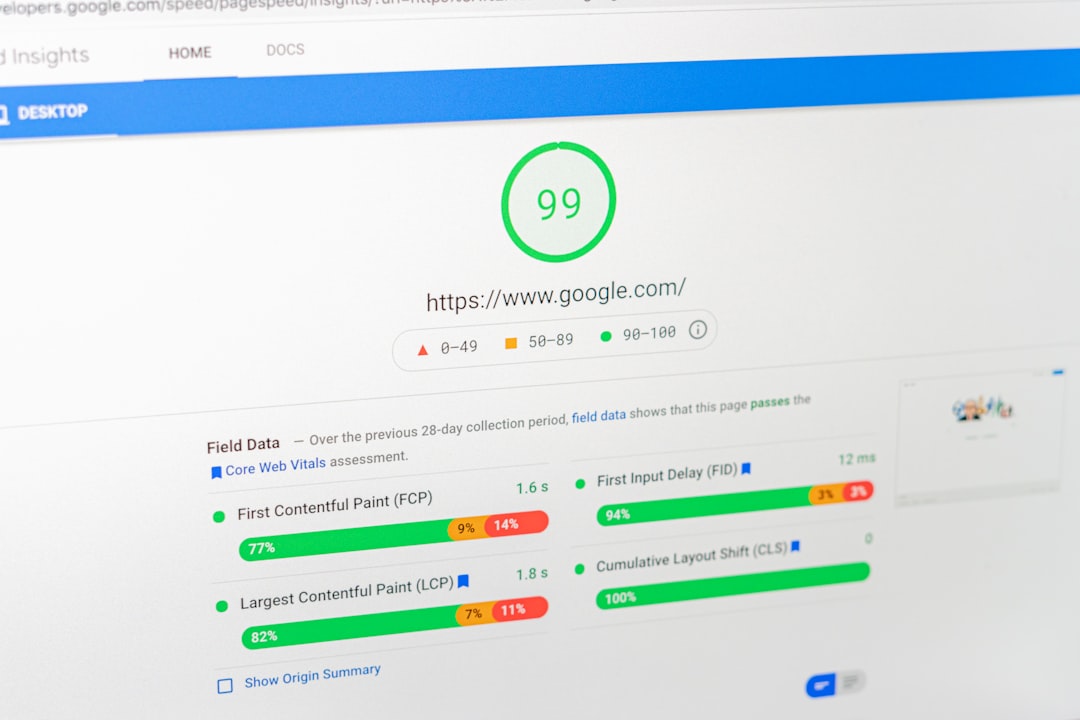
- Slow pages
- Mobile usability issues
Fixing these issues can provide a cleaner foundation for future SEO work.
2. Target Relevant Search Intent
Do not choose keywords simply because they have high search volume.
Consider what the person actually wants when searching.
For example:
“WordPress SEO tips” suggests informational intent.
“WordPress SEO company” suggests commercial investigation.
The content should match that intent rather than trying to force one page to answer every type of search.
3. Optimize Page Titles
Page titles should accurately describe the page.
A clear title can help both search engines and users understand what they will find.
Avoid making titles unnecessarily long or filling them with repeated keywords.
4. Improve Content Quality

Useful content should provide something valuable to the reader.
Try to include:
- Clear explanations
- Practical examples
- Relevant details
- Useful headings
- Original insights
- Natural keyword variations
Avoid writing paragraphs only to increase word count.
5. Strengthen Internal Links
Internal linking can help users move through related information.
For example, a blog about website speed could link to relevant pages about technical SEO, WordPress optimization, and professional SEO services.
Use links where they genuinely help the reader.
6. Optimize Images
Large images can slow down WordPress websites.
Use appropriately sized and compressed images, and provide descriptive alt text when the image communicates useful information.
Image optimization should improve performance without reducing necessary visual quality.
7. Improve Mobile Experience
Check how the website behaves on smartphones and tablets.
Pay attention to:
- Menu navigation
- Font size
- Buttons
- Forms
- Images
- Page layout
- Loading speed
A mobile-friendly website provides a better experience for visitors using smaller screens.
8. Keep URLs Simple
A clean URL should communicate what the page is about.
For example:
example.com/wordpress-seo-services/
is easier to understand than a URL filled with unnecessary parameters or unrelated words.
Avoid changing established URLs without a proper reason and redirect plan.
9. Update Older Content
Older articles can lose relevance over time.
Review important content and update:
- Outdated statistics
- Old examples
- Broken links
- Screenshots
- Service information
- Recommendations
Only make changes that genuinely improve the page.
10. Monitor Search Performance
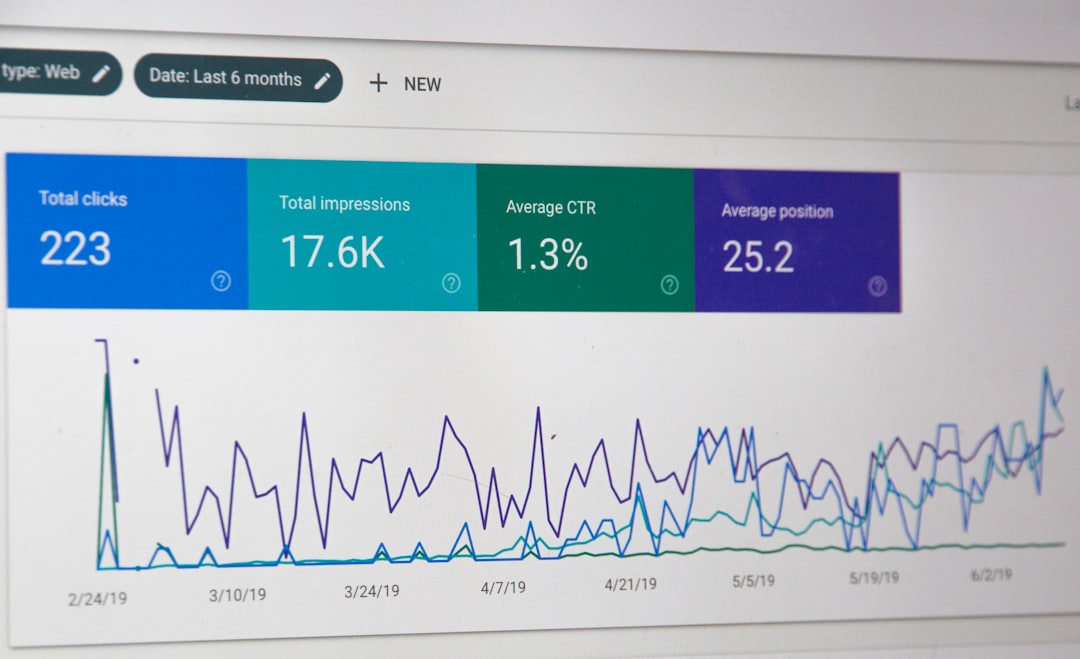
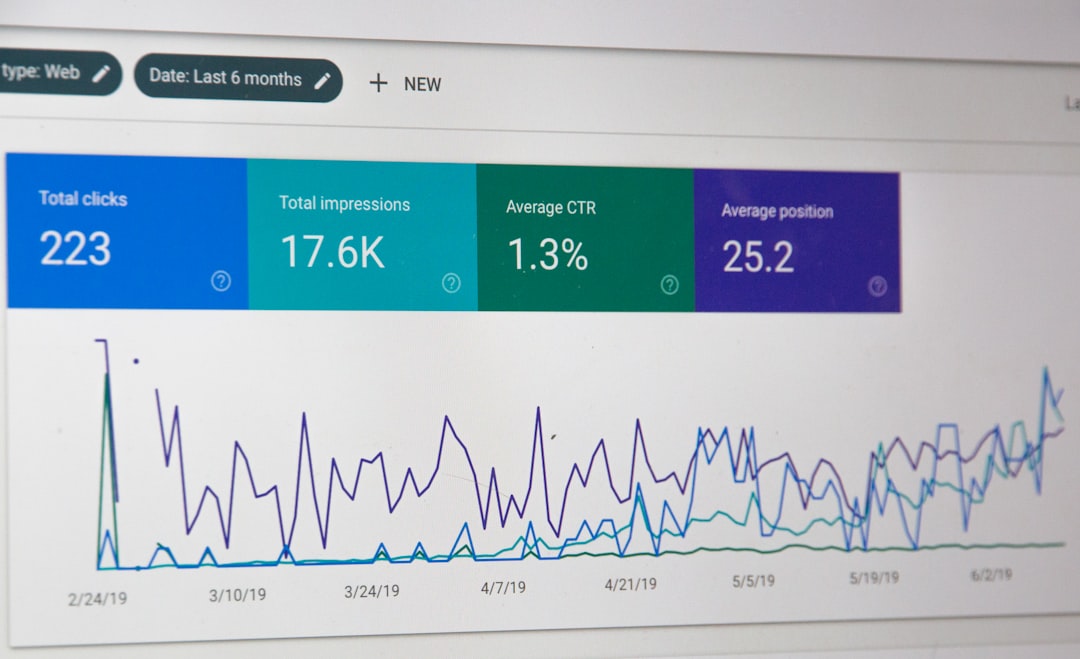
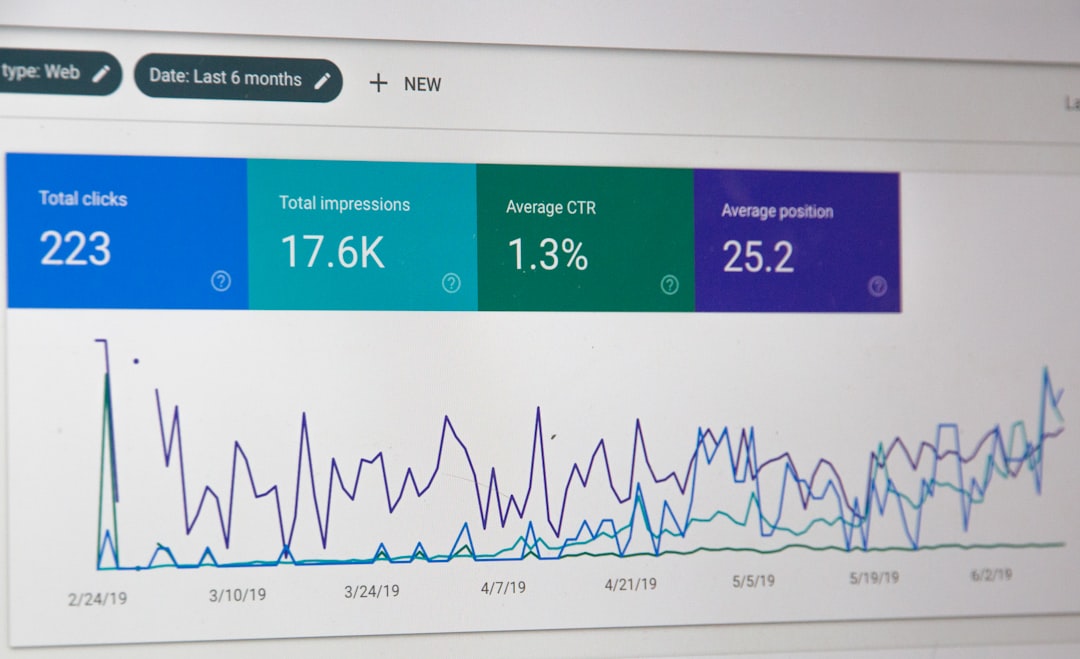
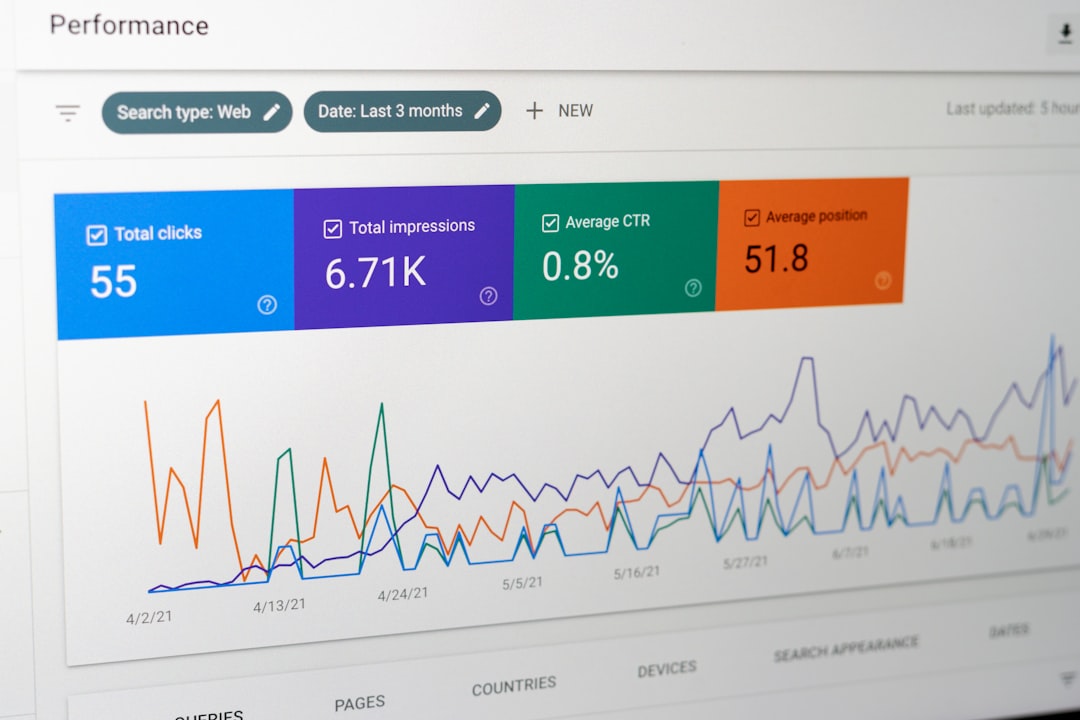
Use available SEO and analytics data to identify opportunities.
| Metric | Why It Matters |
|---|---|
| Impressions | Shows search visibility |
| Clicks | Shows search traffic |
| CTR | Shows search-result engagement |
| Rankings | Tracks keyword movement |
| Conversions | Measures business value |
Do not judge the entire campaign from one metric.
11. Avoid Keyword Stuffing
Repeating the same keyword excessively can make content unnatural.
Instead, explain the topic clearly and use related terms naturally.
The primary goal should always be useful content for people.
12. Build a Consistent SEO Process
SEO works better when improvements are organized.
A WordPress SEO company can use a workflow such as:
Audit → Prioritize → Optimize → Test → Monitor → Update
This makes it easier to identify what has been completed and what needs attention next.
These optimization practices can help create a stronger WordPress website without relying on shortcuts. The most effective approach is usually consistent improvement across technical SEO, content, structure, and user experience.