Launching a new WordPress website is an exciting step for any business, but creating the website is only part of the process. If search engines and potential customers cannot easily discover or understand the site, its pages may struggle to attract organic traffic.
Starting SEO early can help prevent technical and structural problems from becoming harder to fix later. A WordPress SEO company can help establish a strong SEO foundation from the beginning.
Choose an SEO-Friendly Website Structure
Before publishing dozens of pages, plan how the website will be organized.
For a service business, the structure might be:
Home → Services → Individual Service Pages → Supporting Content
For ecommerce:
Home → Categories → Subcategories → Products
A logical structure makes it easier for visitors to find information and gives search engines useful context.
Set Up Important Technical Basics
A new website should have essential technical settings configured correctly.
Review:
- HTTPS
- XML sitemap
- Robots.txt
- Canonical settings
- Mobile responsiveness
- Clean URLs
- Indexing settings
- Redirect handling
One important point is to make sure the site is not accidentally configured to prevent search engines from indexing important pages.
Research Keywords Before Writing
Keyword research should happen before creating the site’s main content.
Identify terms related to:
- Main services
- Products
- Customer questions
- Locations
- Industry topics
- Commercial searches
Then assign relevant keywords to appropriate pages.
For example, a service page should target service-related searches instead of trying to rank for every keyword connected to the business.
Create Strong Core Pages
New websites should prioritize essential pages before producing a large volume of blog content.
Depending on the business, these may include:
- Homepage
- About page
- Service pages
- Product pages
- Contact page
- Location pages
- Important resource pages
Each page should have a clear purpose and provide useful information.
Write for People First
New websites sometimes make the mistake of writing content mainly for search engines.
Instead, explain:
- What the business offers
- Who it helps
- What makes the service useful
- How the process works
- What customers should expect
Use keywords naturally within helpful content.
Avoid repeating the same phrase simply because it is the target keyword.
Build Internal Links From the Beginning

Internal linking is easier when the website is structured correctly from the start.
For example, a blog article about local SEO could link to the site’s local SEO service page.
A service page could link to a relevant guide explaining the service in more detail.
This creates useful pathways for visitors and search engines.
Optimize Images
New WordPress websites often accumulate large image files quickly.
Before uploading images:
- Resize them appropriately
- Compress them
- Use suitable formats
- Add descriptive alt text when useful
This can help keep pages efficient as the website grows.
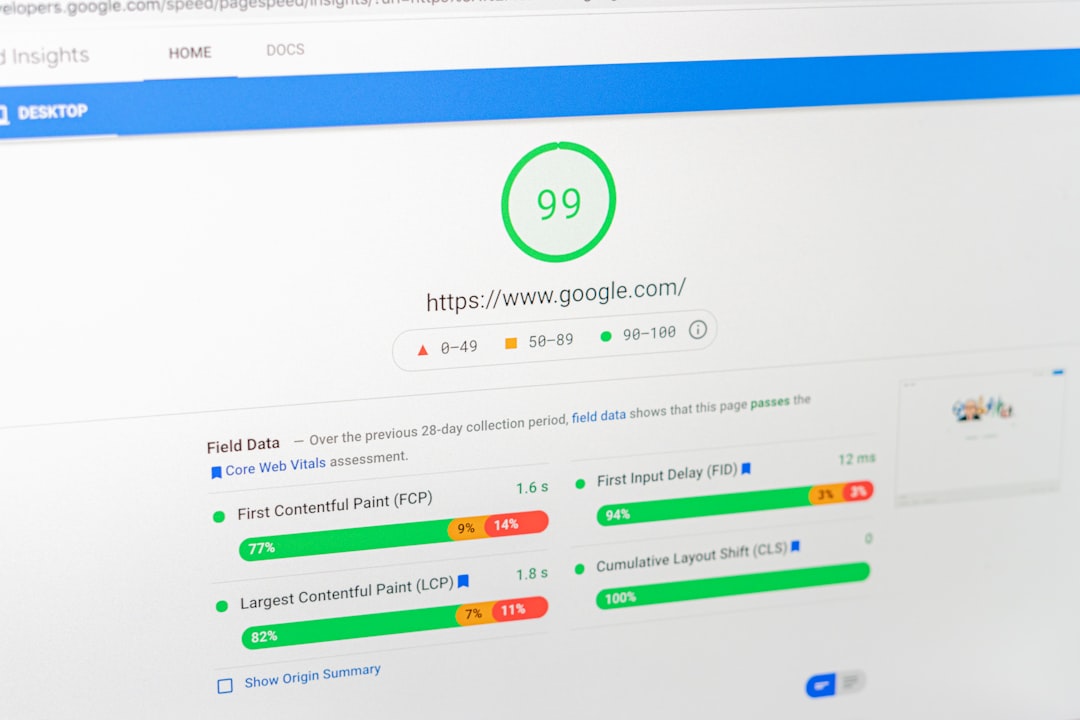
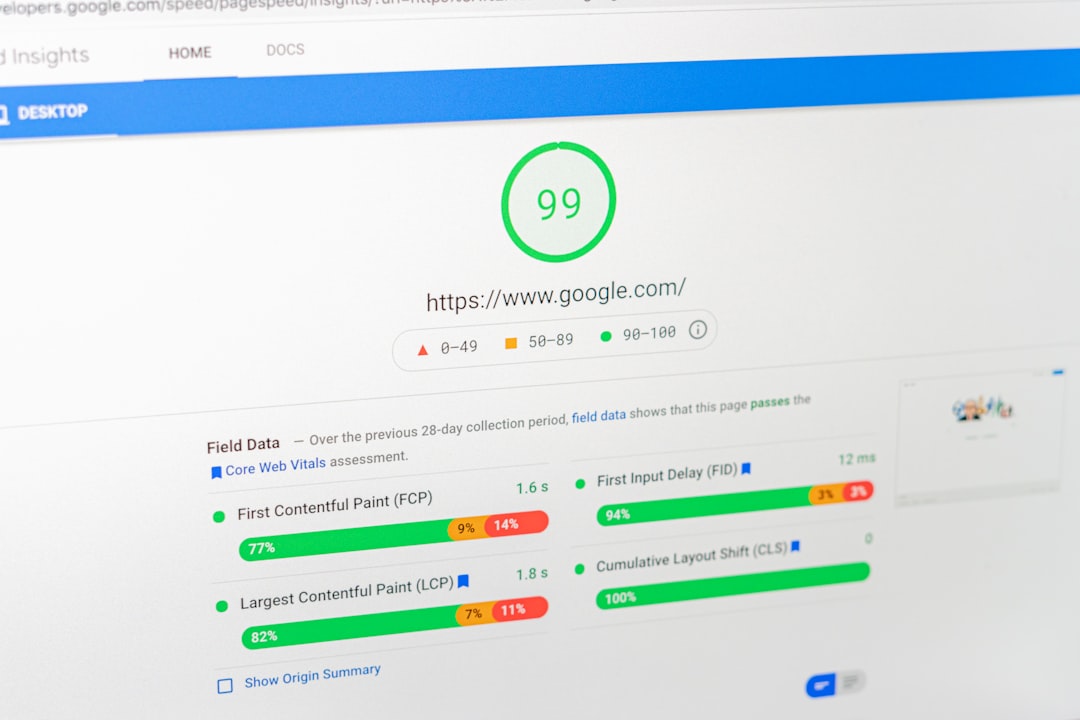
Make Mobile Performance a Priority
Do not wait until after launch to test mobile usability.
Check:
- Menus
- Buttons
- Forms
- Text
- Images
- Page layouts
- Contact options
Visitors should be able to complete important actions comfortably on smaller screens.
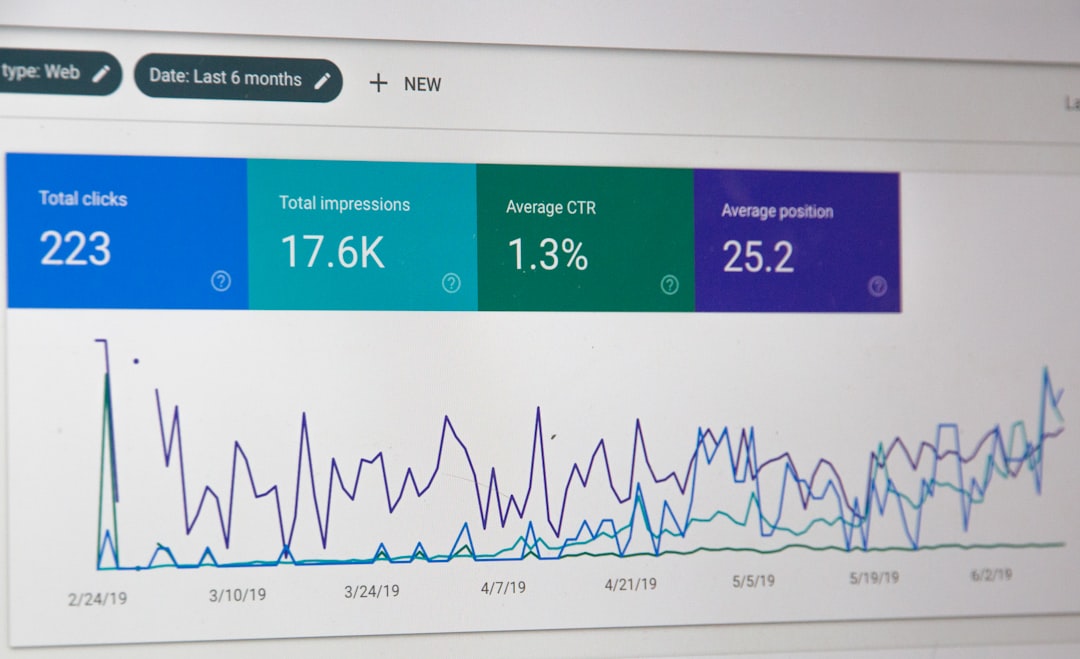
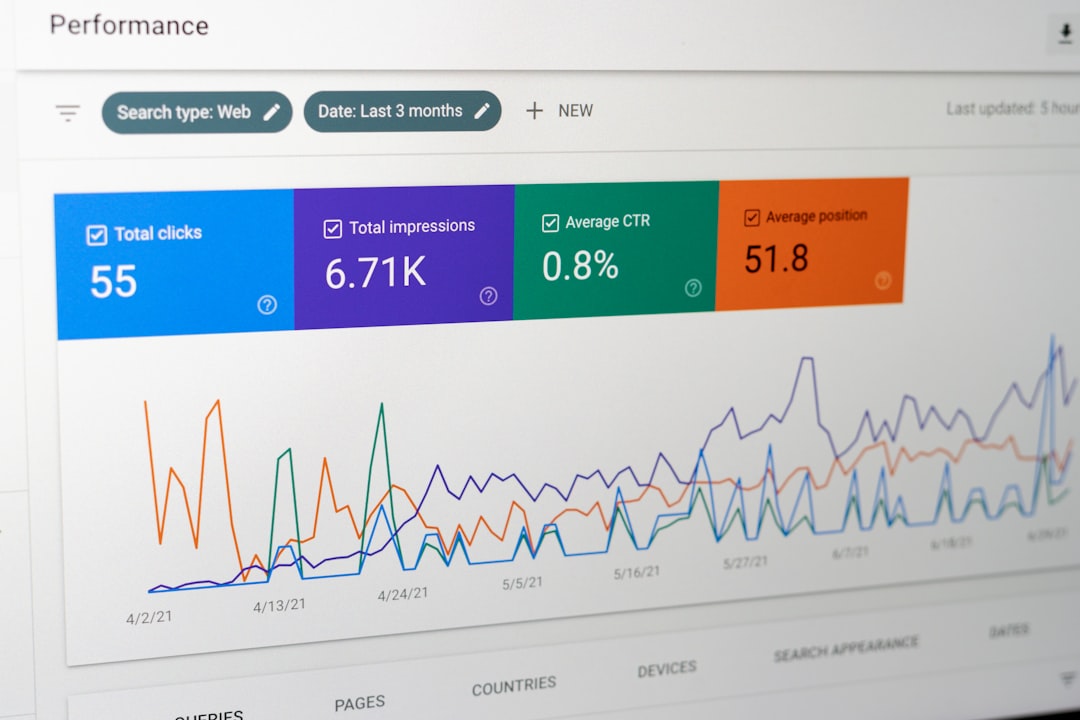
Set Up Performance Tracking
A new website needs a baseline.
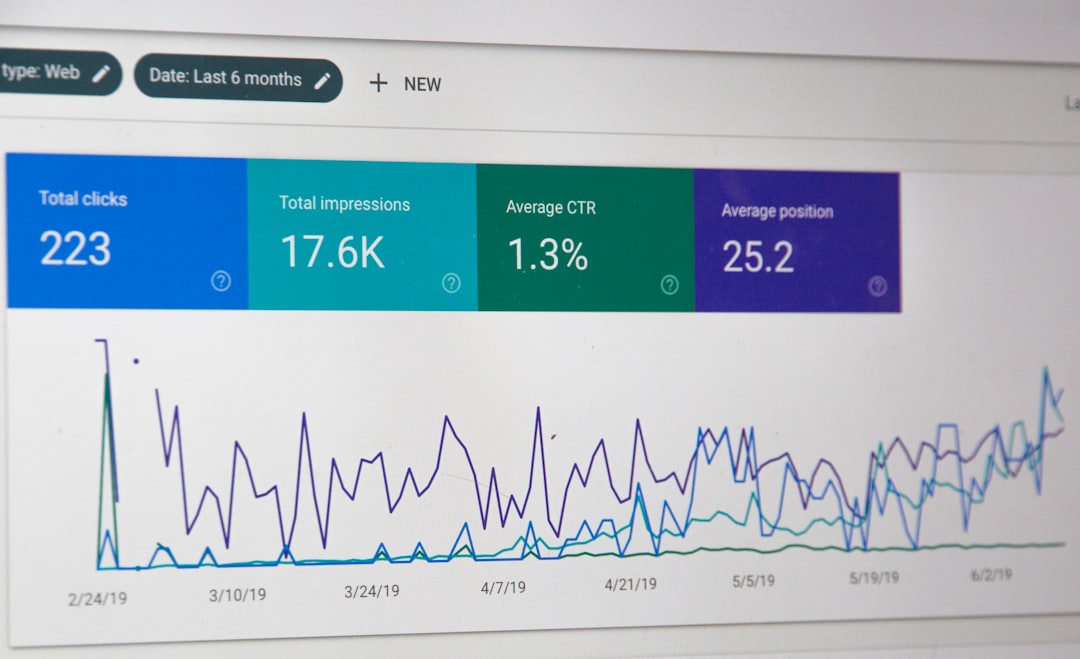
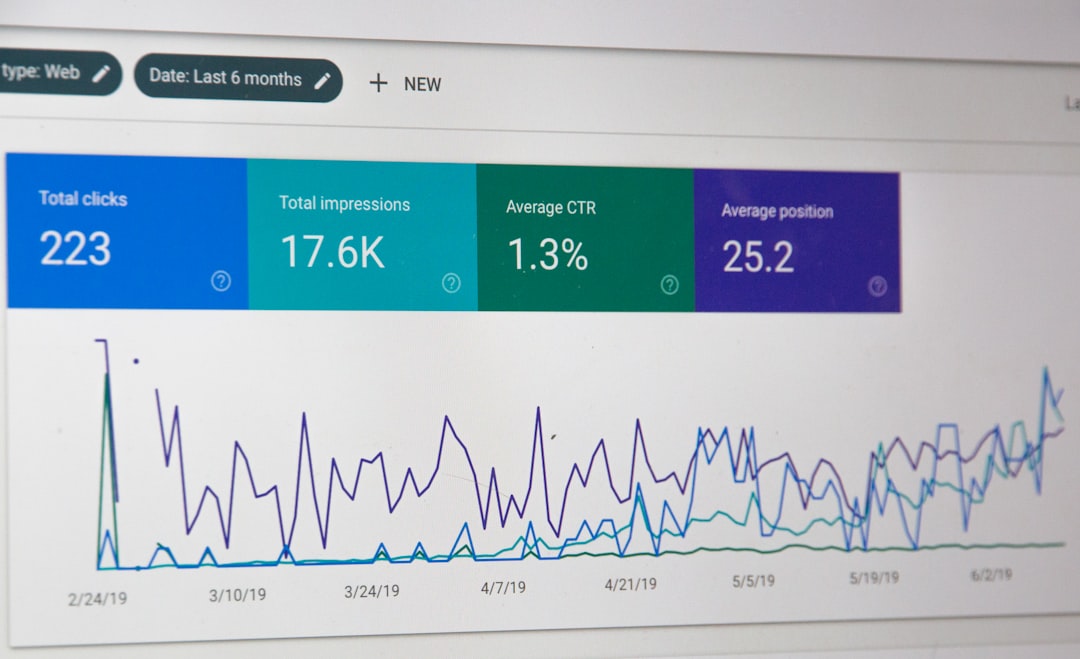
Connect appropriate analytics and search tools so you can monitor:
- Organic clicks
- Search impressions
- Search queries
- Landing pages
- Organic traffic
- Conversions
Without baseline data, it becomes harder to measure future progress.
Create a Content Plan
Once the main pages are ready, develop a content strategy around relevant topics.
For example, a WordPress SEO company might create content about:
- WordPress SEO basics
- Technical SEO
- Keyword research
- Website audits
- Local SEO
- Site speed
- Internal linking
Each article should have a clear purpose and ideally support an important service or topic.
Avoid Common New-Website SEO Mistakes
Some problems are easier to prevent than repair.
Avoid:
- Publishing duplicate content
- Creating unnecessary pages
- Installing too many plugins
- Ignoring mobile usability
- Using unclear URLs
- Blocking important pages from indexing
- Stuffing keywords
- Buying irrelevant backlinks
A simple, well-organized setup is often easier to maintain.
How a WordPress SEO Company Can Help
A professional WordPress SEO company can support a new website before and after launch.
The process may include:
- SEO planning
- Keyword research
- Website architecture
- Technical setup
- On-page optimization
- Mobile and speed checks
- Internal linking
- Content planning
- Search tracking
- Ongoing optimization
Getting these elements right early can save time when the website becomes larger.
Build the Foundation Before Scaling
A new website does not need hundreds of pages on its first day. It needs a clean technical foundation, useful core pages, logical structure, and a plan for future growth.
Starting with these basics allows SEO to develop alongside the website instead of becoming a major repair project later.