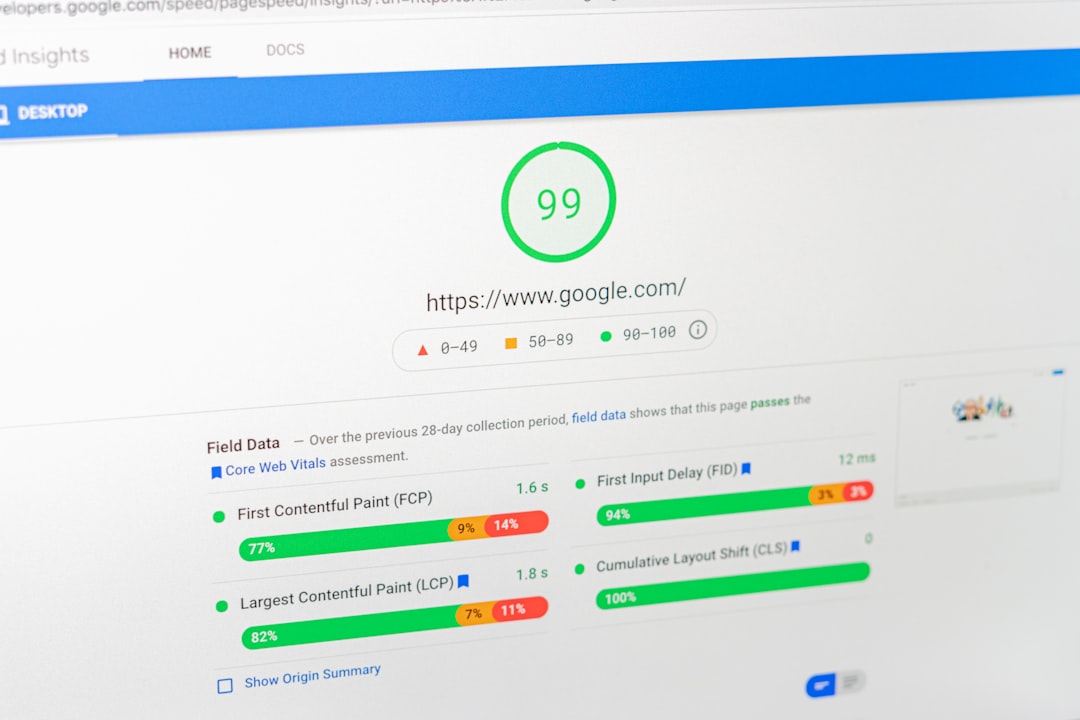

A WordPress website needs several SEO elements working together to perform well in organic search. Content, technical settings, website structure, performance, and internal links can all affect how easily search engines understand and access a site.
A practical checklist helps businesses and SEO professionals review these areas systematically.
Check Website Indexing

Start by making sure important pages are available for search engines to discover and index.
Review:
- WordPress visibility settings
- Robots.txt
- Meta robots directives
- XML sitemap
- Important page indexing
- Accidental noindex settings
An indexing problem can prevent an otherwise useful page from appearing in search results.
Review Website Architecture
A website should have a clear structure that makes important pages easy to find.
For example:
Homepage → Services → Individual Services → Blog
Avoid creating unnecessary layers that make important pages difficult to reach.
Navigation should be useful to visitors while internal links should connect related content.
Optimize URLs
Review the site’s permalink structure and important URLs.
A descriptive URL such as:
example.com/wordpress-seo-services/
is easier to understand than a URL containing unnecessary numbers or parameters.
Before changing established URLs, check whether they already receive traffic or backlinks and use appropriate redirects when necessary.
Optimize Titles and Headings
Important pages should have clear titles that accurately describe their content.
Review:
- Page titles
- H1 headings
- H2 headings
- H3 headings
- Duplicate titles
- Missing headings
Headings should improve readability and content organization rather than simply repeat keywords.
Review Content Quality
Every important page should have a clear purpose.
Ask:
- Does the page match search intent?
- Does it answer the visitor’s question?
- Is the information accurate?
- Is anything important missing?
- Is the content repetitive?
- Does it provide enough useful detail?
A WordPress SEO company may recommend updating, expanding, combining, or restructuring pages depending on their performance.
Strengthen Internal Linking
Internal links connect different sections of the website.
Review whether:
- Important pages receive relevant internal links
- Related articles are connected
- Links use descriptive anchor text
- Broken links exist
- Some pages are isolated
For example, an article about WordPress technical SEO can naturally link to a relevant SEO service page.
Optimize Images

Images can affect both user experience and page performance.
Check:
- File size
- Image dimensions
- Compression
- File format
- Alt text
- Loading behavior
Avoid using unnecessarily large images when smaller versions can provide the same visual quality.
Check Mobile Experience
A website should work properly on phones and tablets.
Test:
- Menus
- Buttons
- Forms
- Text readability
- Images
- Page spacing
- Loading speed
Mobile usability should be considered across important templates and not just the homepage.
Review Technical SEO
A technical checklist can include:
| Area | What to Check |
|---|---|
| Sitemap | Important pages included |
| Robots.txt | No unnecessary restrictions |
| Canonicals | Correct preferred URLs |
| Redirects | Relevant and functional |
| Broken links | Errors identified |
| HTTPS | Secure connections |
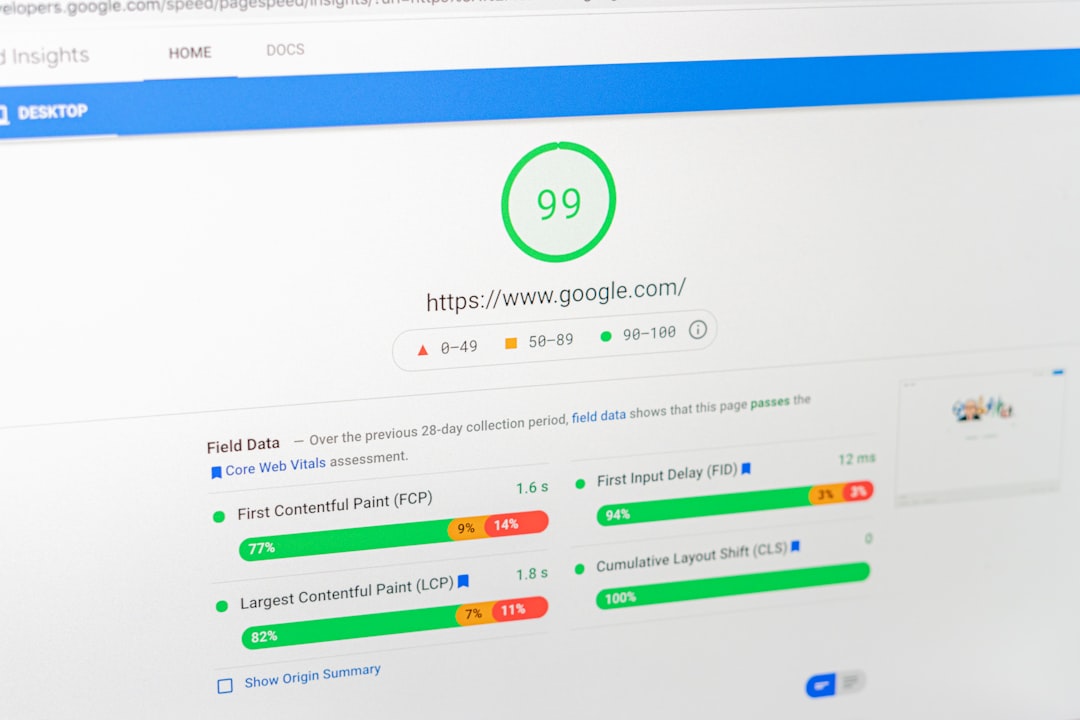
| Performance | Loading issues |
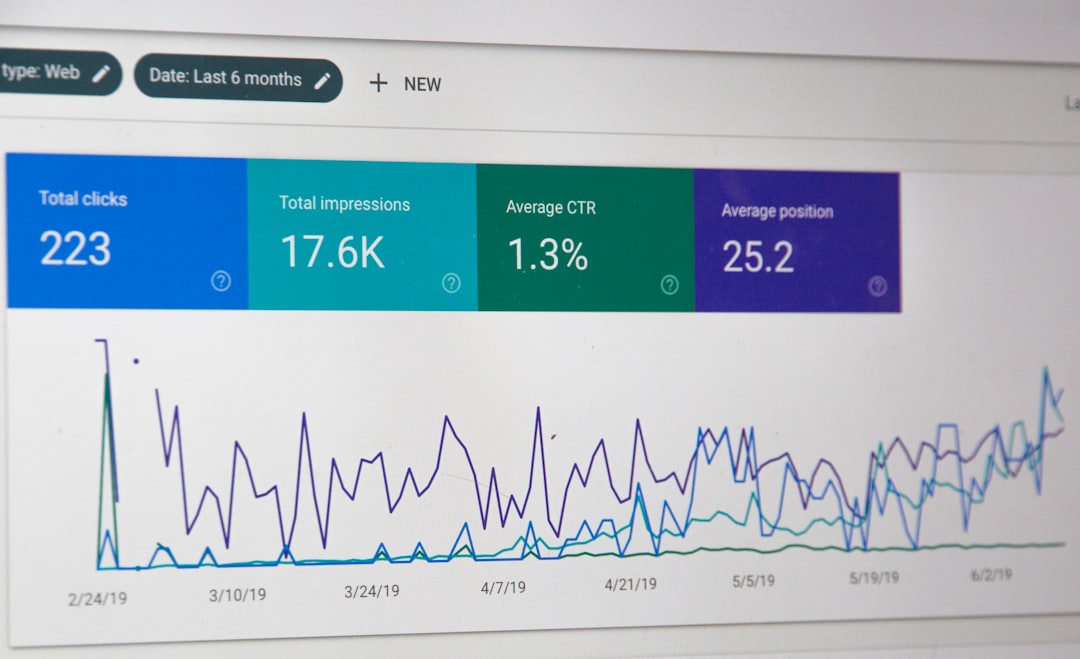
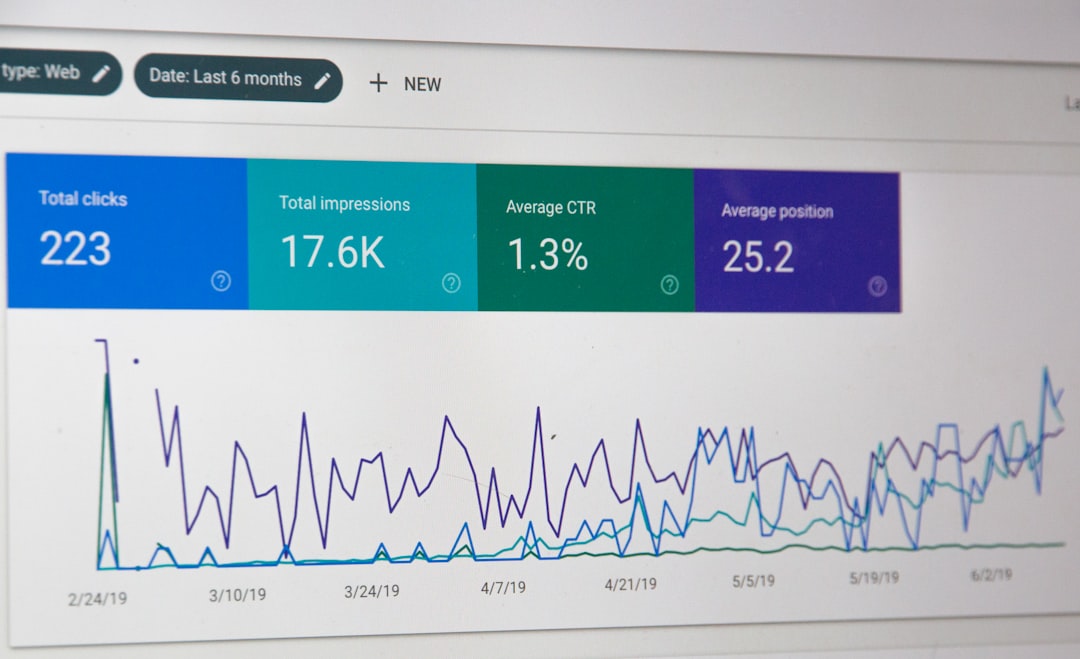
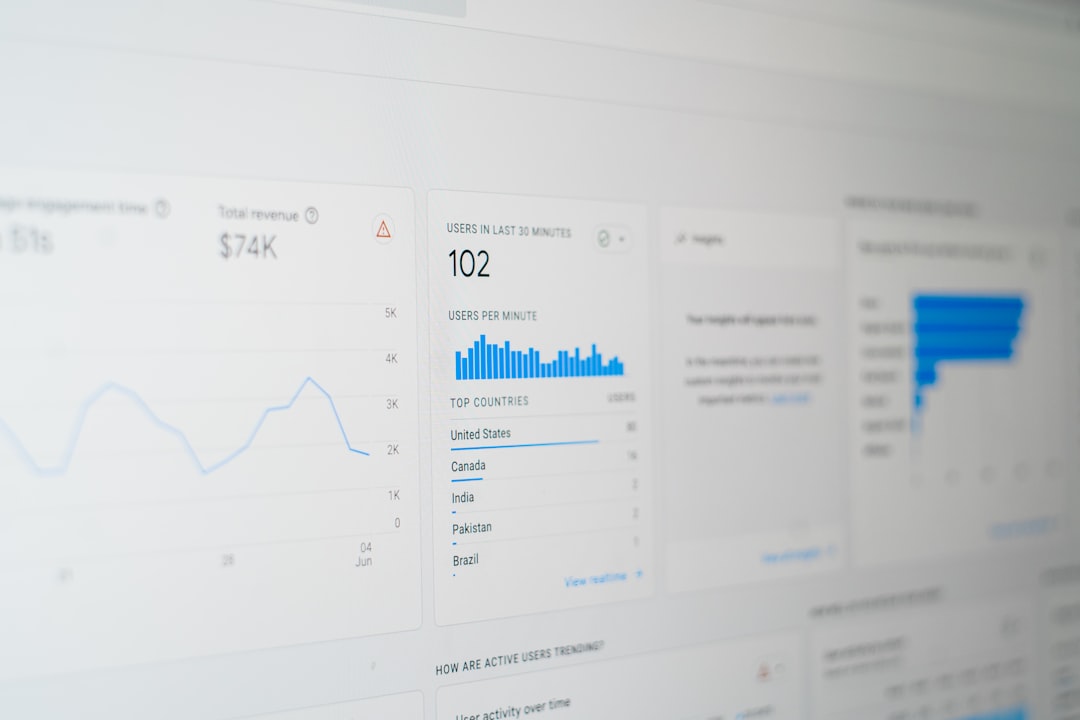
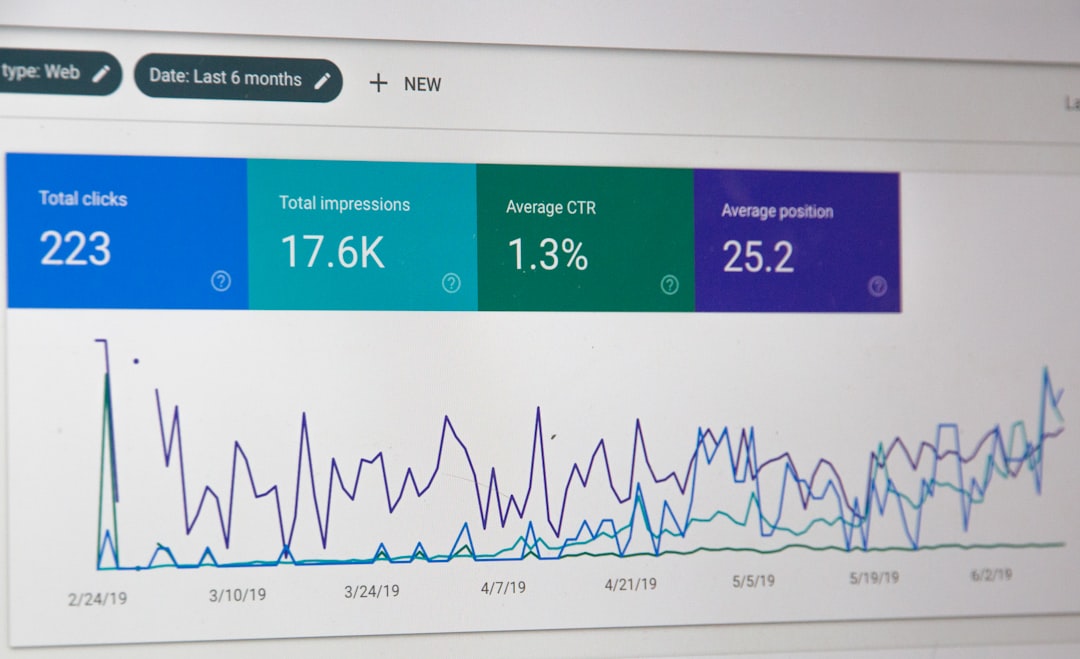
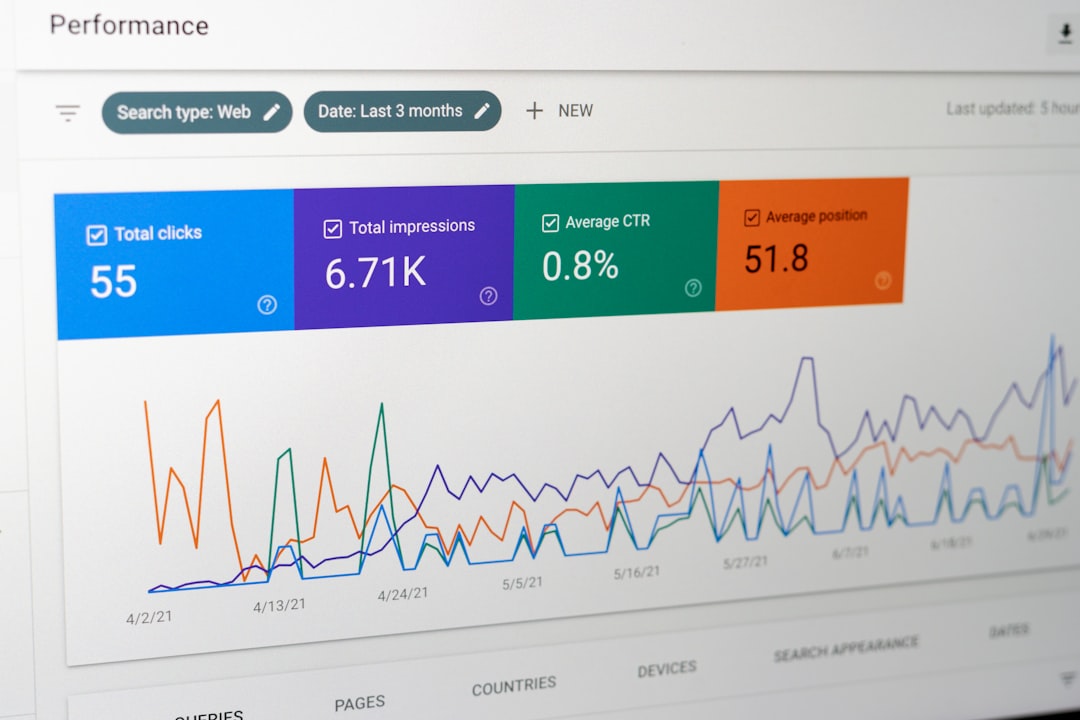
Monitor Search Performance
SEO should be measured after changes are implemented.
Useful metrics include:
- Organic clicks
- Impressions
- Search positions
- CTR
- Organic conversions
- Indexed pages
Comparing performance over time can reveal which areas need additional optimization.
Review Plugins and WordPress Settings
Plugins should be reviewed periodically.
Look for:
- Unused plugins
- Duplicate functionality
- Outdated plugins
- Plugin conflicts
- Performance issues
Changes should be made carefully, particularly on websites that already generate organic traffic.
Maintain the Checklist
SEO is not a one-time activity.
A useful routine can follow:
Technical review → Content review → Internal links → Performance → Search data → Improvements
A WordPress SEO company can use this process to maintain the website and address new issues as they appear.
The purpose of the checklist is not to make hundreds of changes simply for SEO. It is to ensure that important technical, content, and user-experience areas are consistently reviewed and improved.