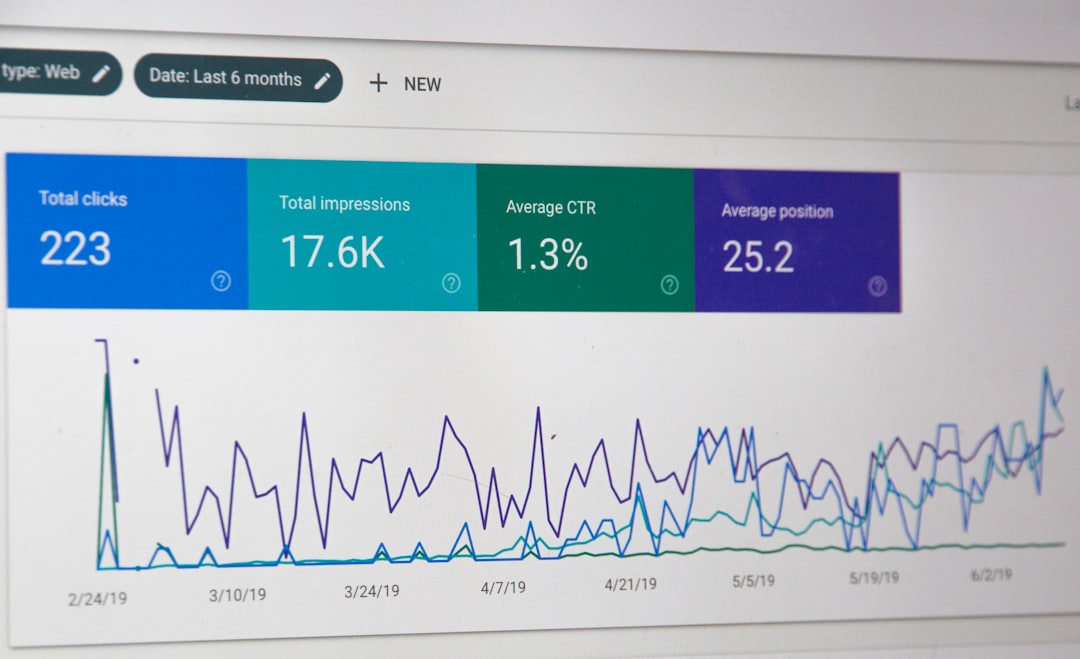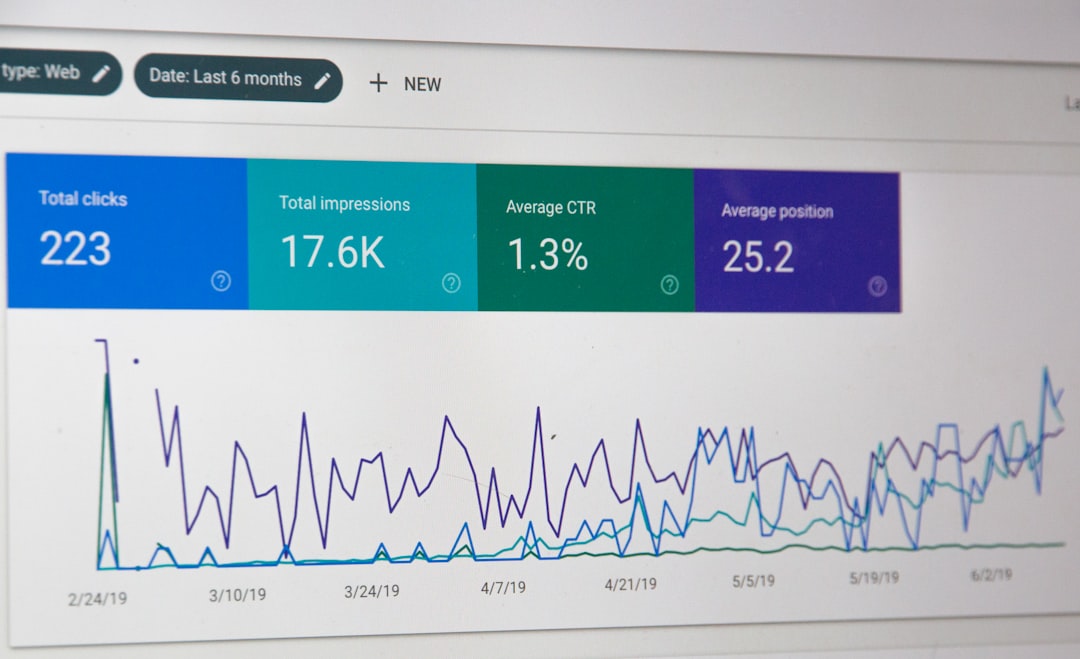
Low rankings usually come from a scattered plan, not one missing plugin. A solid WordPress SEO checklist should help you find what is actually broken first: crawl issues, thin titles, weak internal links, duplicate archives, slow pages, or pages that never matched search intent in the first place.
This checklist is built for site owners who want practical fixes, not plugin score chasing. Work through it in order. If your site is new, also review our WordPress SEO checklist for new websites. If rankings dropped after changes, compare these steps with a proper WordPress site speed for SEO review so you do not miss performance bottlenecks.
What a WordPress SEO checklist should cover
A useful checklist covers visibility, crawl paths, on-page signals, internal linking, and page experience. It should also separate high-impact fixes from nice-to-have tweaks so you stop wasting time on settings that do not move rankings.
Google’s own documentation recommends making pages crawlable, using words people actually search for in prominent places like titles and headings, and submitting a sitemap so Google can discover URLs more efficiently. It also stresses concise, descriptive title text instead of repetitive boilerplate or vague labels like Home. Those basics matter more than endless plugin warnings.
WordPress SEO checklist: fix this first

Start with issues that can block indexing or confuse Google completely. If these are wrong, content edits and keyword tweaks will have limited effect because the site is sending mixed signals before Google even evaluates page quality.
| Area | What to check | Why it matters |
|---|---|---|
| Search visibility | Make sure WordPress is not discouraging search engines in Settings and Reading | A sitewide noindex signal can stop pages from appearing at all |
| Robots and indexing | Check that important pages are crawlable and not blocked by robots rules or plugin settings | Google must be able to crawl pages before it can index and rank them |
| Preferred domain | Pick one version of the site and redirect the other consistently | This reduces duplicate URL signals |
| XML sitemap | Keep one clean sitemap and submit it in Search Console | Sitemaps help Google discover URLs more intelligently |
| HTTPS | Confirm the site resolves securely and consistently | Mixed versions create duplicate and trust issues |
If your site has just launched or migrated, these checks deserve extra attention. We see many ranking problems caused by defaults that were never reviewed, especially noindex settings, duplicate hostnames, and conflicting sitemaps.
On-page checklist for pages that should rank

Once crawl and indexing are under control, fix the on-page signals that tell Google what each page is about. Most underperforming WordPress pages do not have one fatal flaw. They have a stack of smaller problems that dilute relevance.
| Element | What to check | Better standard |
|---|---|---|
| Title tag | Every important page needs a unique title | Describe the page clearly and keep it concise |
| H1 heading | Use one clear page heading that matches the topic | Make the main heading obvious and consistent with the title |
| Meta description | Write it for click-through, not keyword stuffing | Explain the benefit or answer in plain language |
| URL slug | Keep slugs short and descriptive | Avoid unnecessary dates, filler words, and parameters |
| Image alt text | Describe images where it helps users and context | Use natural descriptions, not repeated keyword lists |
| Schema | Use the schema type that matches the page | Add only markup supported by visible page content |
Weak title: SEO Services | SEO Company | SEO Expert.
Stronger title: WordPress SEO Services for Small Businesses.
Google says titles should be descriptive and concise, and it may use prominent headings when generating title links in search. That is why sloppy title tags and vague H1s often lead to poor click-through and mismatched search snippets.
Internal linking checklist for WordPress
Internal links help Google find pages and understand how topics connect across your site. They also help users move from broad pages to specific answers, which is often where conversions happen.
Google recommends using crawlable anchor links and relevant anchor text so both people and search engines can make sense of the destination. In practice, that means linking key service pages from blog posts, connecting related articles, and avoiding generic anchors like read more when a clearer phrase would work better.
Check that each important page has links from other relevant pages. If a page is isolated, Google has fewer contextual signals about where it fits. This is also a good point to review our pre-launch checklist if your architecture changed recently and links may have broken during a redesign.
Technical checklist that supports rankings

Technical SEO matters most when it removes friction. You do not need to turn every site into a lab experiment, but you do need a setup that is easy to crawl, renders well on mobile, and does not waste signals across duplicate or thin pages.
| Technical area | What to review | Priority |
|---|---|---|
| Canonical tags | Confirm important pages self-reference correctly | High |
| Archive settings | Noindex thin tag, date, or author archives where they add no value | High |
| Mobile rendering | Test pages on actual phones, not only desktop previews | High |
| Broken links | Find and fix internal 404s and redirect chains | Medium |
| Structured data | Use valid markup that matches visible content | Medium |
| Pagination and filters | Review crawl waste on large blogs or WooCommerce stores | Medium |
If you run WooCommerce, this part gets more important because filter URLs, duplicate category states, and thin product variations can create index bloat quickly. The fix is usually cleaner than people expect, but it has to be deliberate.
Page speed checklist without chasing perfect scores
Speed matters when it improves the real user experience and removes obvious bottlenecks. It does not matter when you are sacrificing time on tiny gains while larger indexing or content problems stay unresolved.
Start with image compression, caching, render-blocking scripts, and mobile testing. If your pages are still sluggish after that, get more specific with plugin conflicts, theme bloat, or hosting response times. For the step-by-step version, see our guide on how to improve WordPress site speed for SEO.
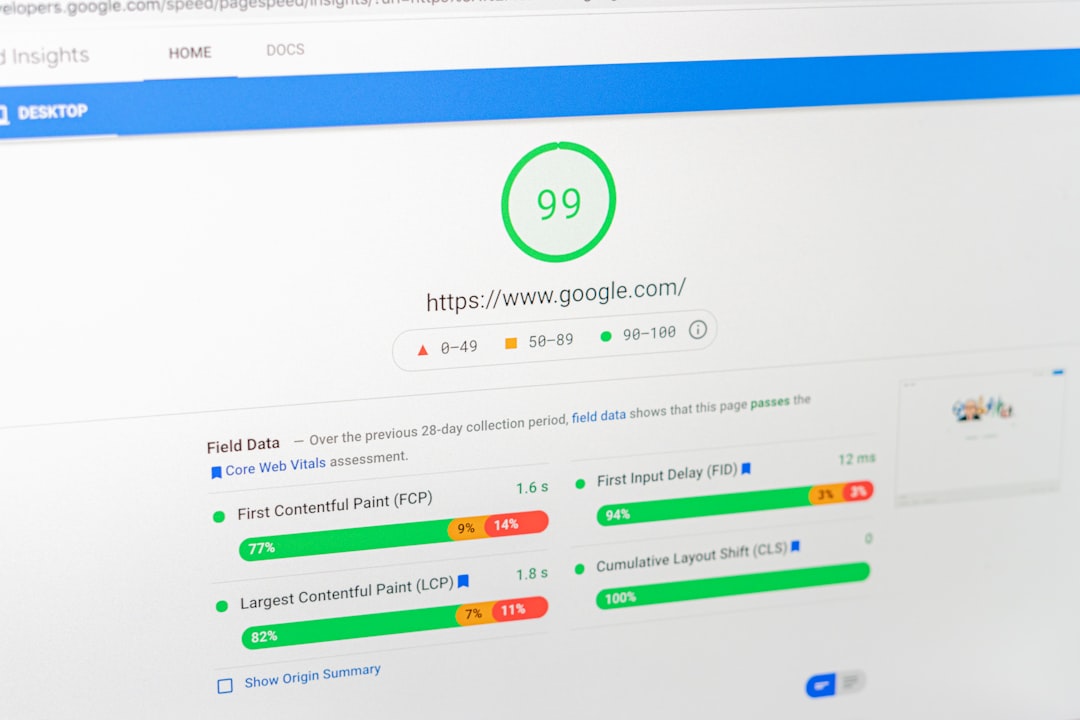
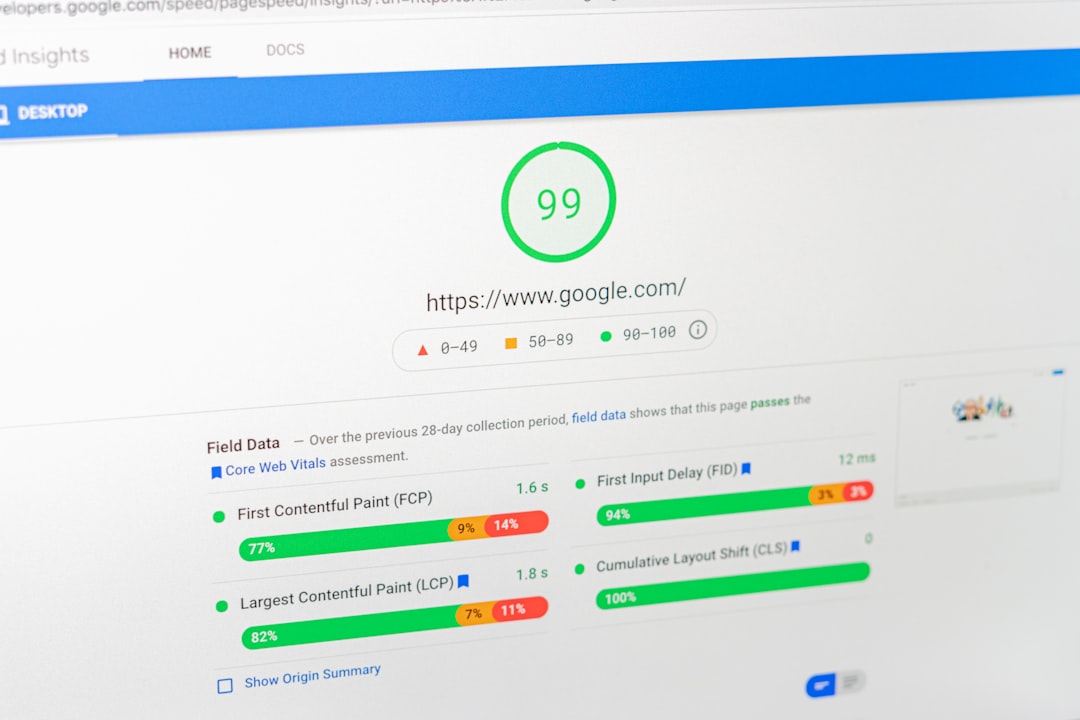
A practical rule is to stop trying to impress Lighthouse and focus on user-visible wins. Better load times, fewer layout shifts, and cleaner mobile rendering usually do more for performance and conversions than squeezing a few more points from a synthetic report.
Content checklist for rankings that are stuck
If the page is indexable and technically healthy but still not ranking, the issue is often content fit. The page may target the wrong keyword, answer the query too weakly, or bury the real solution under vague copy.
| Content check | Question to ask | Common fix |
|---|---|---|
| Search intent | Does the page answer the query directly? | Rewrite the opening and structure around the actual question |
| Topic depth | Does it cover the essentials without padding? | Add missing sections users expect to see |
| Originality | Is it just repeating generic SEO advice? | Add examples, screenshots, or process detail |
| Conversion path | Can readers take the next step easily? | Strengthen internal links and calls to action |
If you are experiencing these issues, our team at WordPress SEO Expert can help. We look at the page as a ranking system, not a plugin scorecard, so you know which fixes come first and which can wait.
Common WordPress SEO mistakes this checklist catches
The biggest mistakes are usually simple: too many SEO plugins, title templates nobody reviewed, thin archives left indexable, poor internal linking, and pages written around what the business wants to say instead of what the searcher needs answered first.
Another common problem is over-optimization. Keyword stuffing, repetitive anchor text, and schema added where it does not belong create clutter without improving rankings. Clean, consistent signals usually outperform aggressive tactics on small business WordPress sites.
When to get a second set of eyes
If you have worked through this checklist and rankings are still flat, the problem is usually not effort. It is prioritization. A professional review can tell you whether the real bottleneck is technical, content-related, competitive, or tied to a recent redesign or migration.
Contact WordPress SEO Expert today to schedule a consultation. If you want a second set of eyes before changing plugin settings, rewriting pages, or touching site architecture, we can help you isolate what is actually holding the site back.