Low rankings usually come from a scattered plan, not one missing plugin. A useful WordPress SEO checklist should help you fix the issues that block visibility first, then clean up the issues that polish visibility. If you start with plugin scores and skip indexing, site structure, and duplicate URL problems, you can spend weeks on work that does not move rankings.
This checklist is built for small business sites, blogs, and WooCommerce stores that want a practical order of operations. It also follows the same principle we use in our WordPress SEO best practices guidance: one clean setup usually beats a crowded one full of overlapping tools and half-configured features.
Start With the Problems That Block Rankings
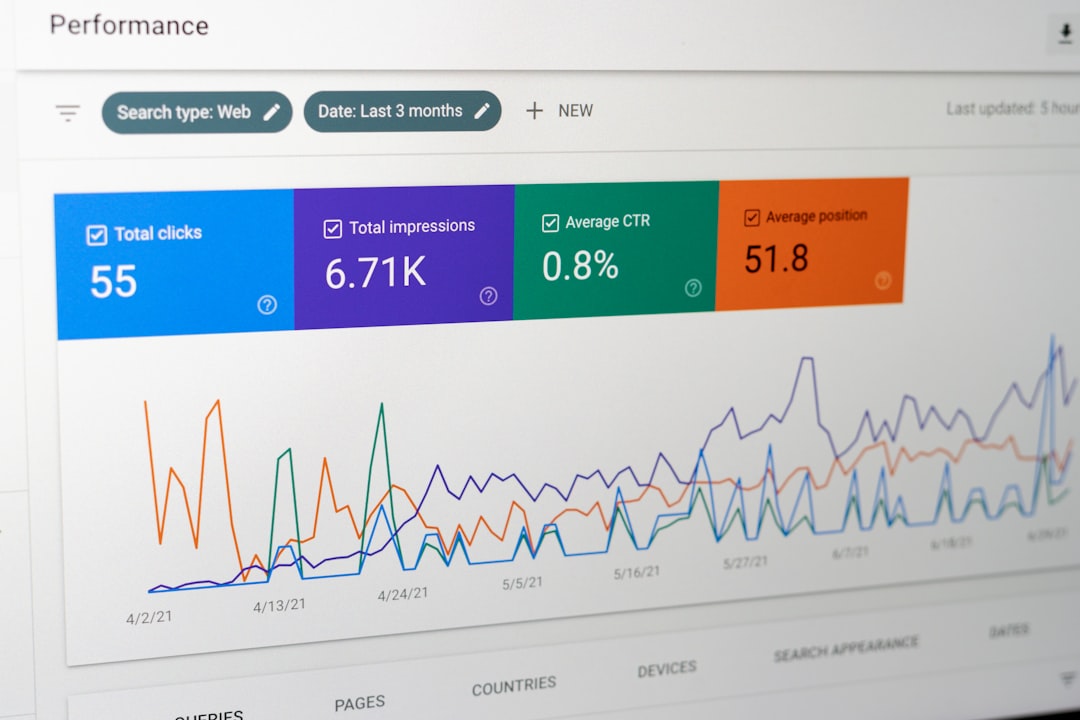
The first items on your checklist should answer one question: can search engines crawl, understand, and index the right pages? If the answer is no, title rewrites and schema settings will not save the page.
Check whether important service pages, product categories, and core blog posts are indexable, internally linked, and included in your sitemap when they should be. Google recommends clear, descriptive page titles, people-first content, and natural anchor text rather than repetitive or stuffed language, which makes this foundation work more important than chasing cosmetic scores in a plugin. Google’s title guidance, people-first content guidance, and link best practices all point in the same direction.
Your WordPress SEO Checklist, in Priority Order
Fix the issues that block visibility before the issues that polish visibility. Most site owners do not have one catastrophic problem. They have a stack of smaller issues that compound over time.
| Priority | What to check | What good looks like |
|---|---|---|
| 1 | Indexing settings | Important pages can be indexed and are not blocked by site settings or noindex rules |
| 2 | Redirects and canonicals | Only one preferred URL version exists for each important page |
| 3 | Title tags and H1s | Each page has a clear, specific title and one primary page heading |
| 4 | Internal links | Important pages are linked from relevant pages with descriptive anchor text |
| 5 | Site structure | Core pages are easy to reach and not buried too deep |
| 6 | Page speed | Key templates load cleanly and feel usable on mobile |
| 7 | Content depth | Each page satisfies one clear intent better than near-duplicate alternatives |
| 8 | Schema and sitemap hygiene | Structured data matches visible content and sitemaps reflect indexable pages |
1. Check Indexing Settings First
If the wrong pages are blocked from indexing, everything else on this checklist loses value. This is the first thing to verify after a redesign, plugin change, migration, or staging push.
Look for accidental noindex settings, hidden archive pages, thin attachment URLs, and pages that exist in your navigation but are missing from your internal link paths. This is especially important on sites that recently changed themes or added new plugins. If your site has been updated recently and traffic dropped, the issue is often technical before it is editorial.
2. Clean Up Canonicals and Redirects
Duplicate URLs confuse search engines and dilute signals. Your checklist should confirm that each important page has one preferred version, and that outdated or alternate URLs are redirected cleanly.
Common WordPress duplication issues come from tag archives, filter URLs, trailing slash inconsistencies, search pages, and older slug versions left behind after edits. WooCommerce stores often add another layer through faceted navigation and product variations. If this sounds familiar, our comparison of Yoast SEO vs Rank Math explains why plugin choice matters less than clean configuration.
3. Write Better Titles, Not Longer Titles
Your title tag still matters, but stuffing it with variations usually makes it worse. A stronger title is descriptive, concise, and specific to the page, which is exactly what Google recommends in its title link documentation.
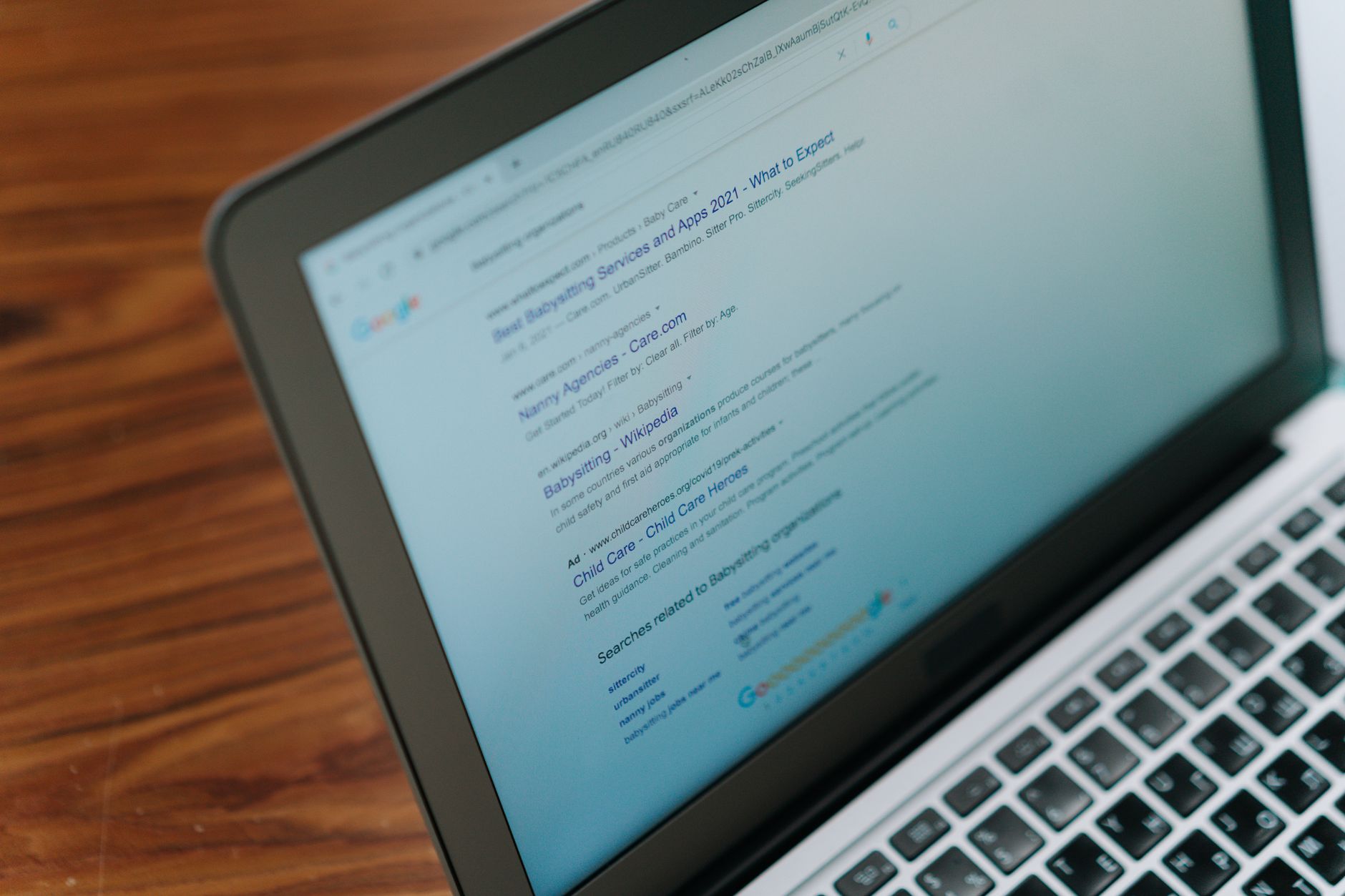
Weak title: SEO Services | SEO Company | SEO Expert. Stronger title: WordPress SEO Services for Small Businesses. Google recommends descriptive, concise titles and warns against keyword stuffing and repetitive boilerplate. It also notes that snippets and title links can be adjusted in search when the original formatting is weak or repetitive. See Google’s title link guidance and its explanation of how titles are generated.
4. Treat Meta Descriptions as Click Support
Meta descriptions are not the main ranking lever, but they can improve how clearly your page is summarized in search. The goal is relevance and clarity, not stuffing in every keyword variation.
Google says it may use the meta description tag when it gives users a more accurate summary than on-page text alone, and it recommends unique descriptions for each page. That means your checklist should include reviewing templates, duplicates, and thin boilerplate descriptions across service pages and posts. Review Google’s meta description guidance before rewriting them at scale.
5. Use One SEO Plugin, Not a Stack
One well-configured SEO plugin is enough. Running overlapping plugins often creates duplicate metadata, conflicting canonicals, and competing sitemap outputs.
This is one of the most common checklist failures on DIY WordPress sites. Site owners add a second plugin to solve one missing feature, then quietly create a larger technical mess. Pick one primary SEO plugin, configure the essentials, and leave the rest alone unless there is a clear reason to change it. You do not need a perfect score. The goal is a site that loads cleanly and is easy to use.
6. Strengthen Internal Links With Intent

Internal links help search engines discover pages and understand which pages matter most. They also help visitors move naturally from an informational page to a service or product page without friction.
Use descriptive anchor text, link related posts to relevant service pages, and make sure important URLs are not isolated. If a valuable page only appears in the sitemap and nowhere in the body of your site, it is harder for both users and crawlers to find. If you are not sure whether your current structure is helping or quietly hurting you, WordPress SEO Expert can help.
7. Simplify Site Structure Before You Publish More
A clean structure usually outperforms a clever one. Visitors and search engines should be able to understand what the site offers and how pages relate to each other within a few clicks.
For service businesses, that usually means keeping core offerings close to the main navigation. For blogs, it means using a small number of useful categories instead of dozens of overlapping tags. For stores, it means controlling filter combinations and archive bloat before those URLs become crawl noise.
8. Improve Speed Where It Affects Real Pages
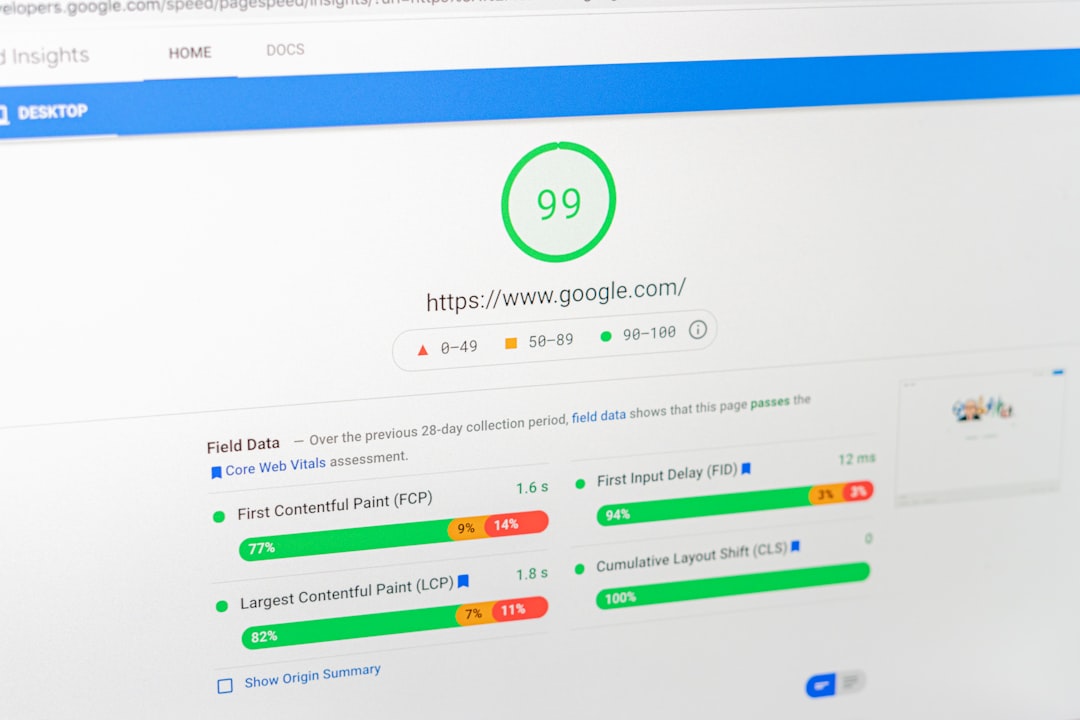
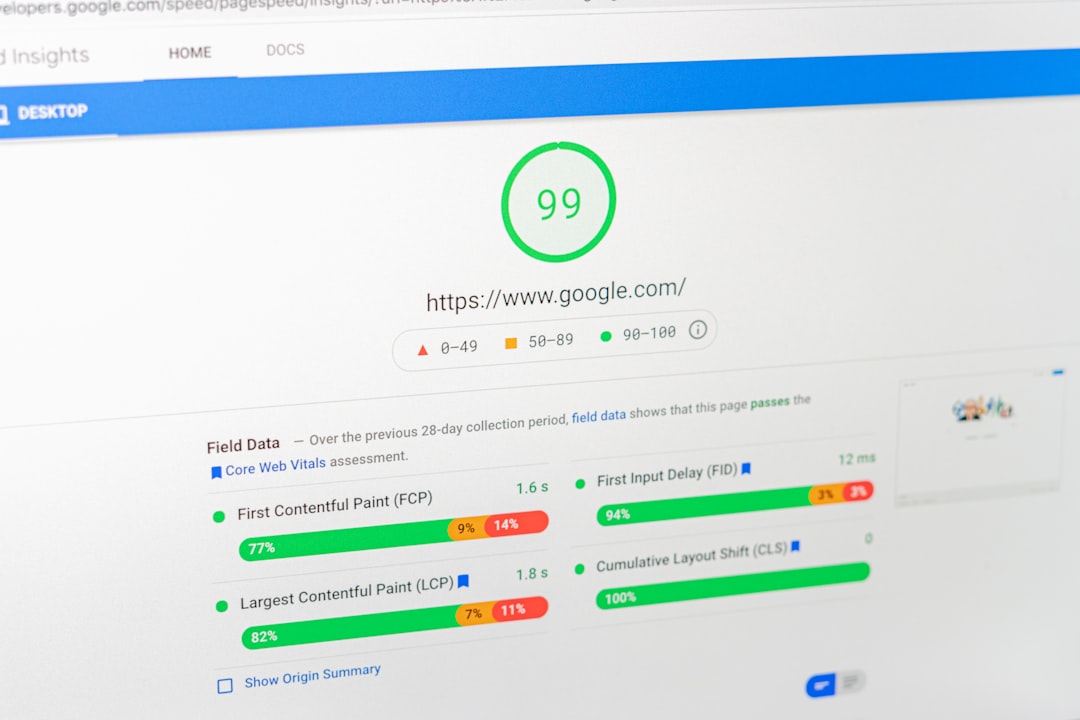
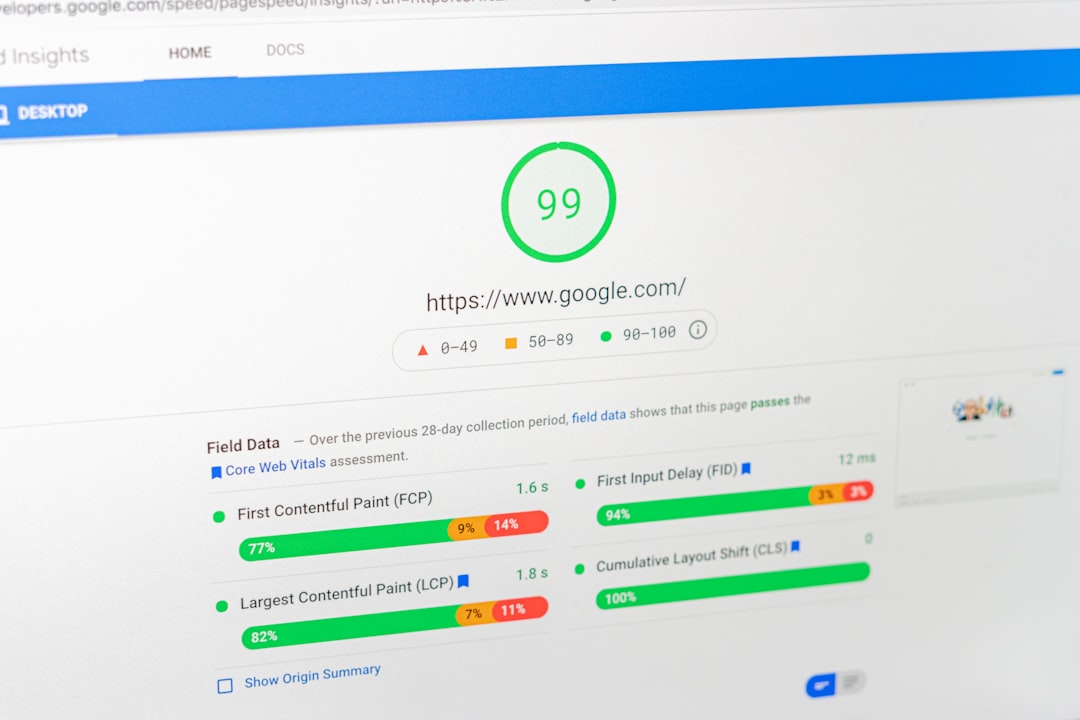
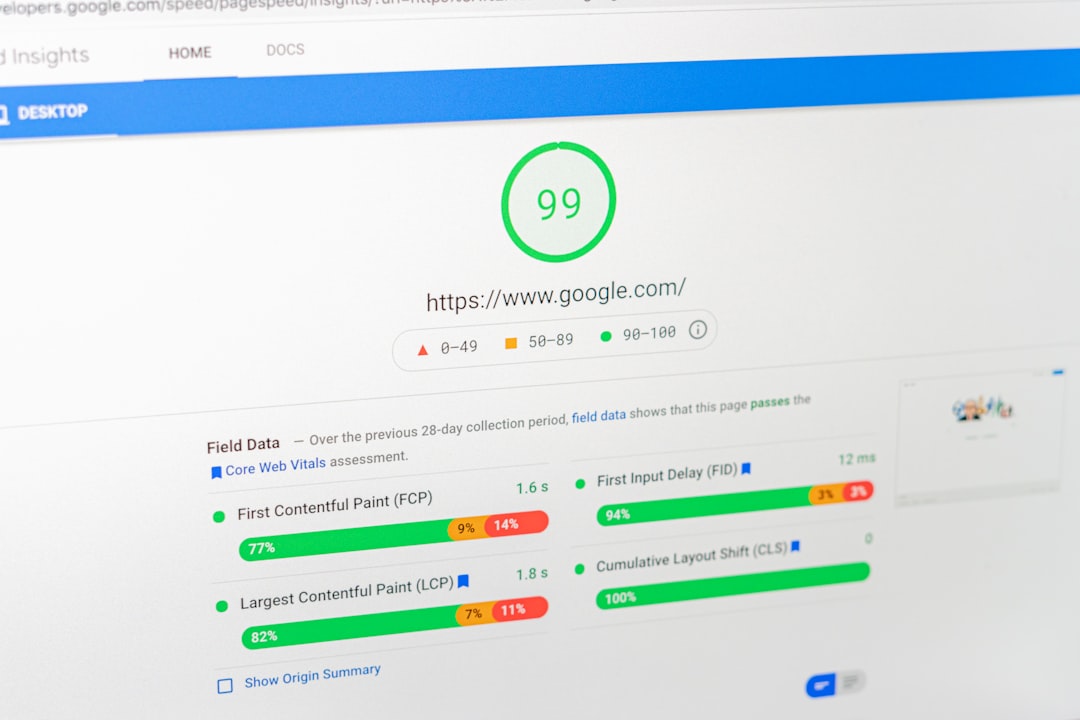
Site speed matters when slow pages frustrate users or make a site harder to use. You do not need a perfect lab score. You need key templates that load reliably and do not create friction on mobile.
Test your homepage, core service pages, blog posts, product pages, and category pages separately. They often perform very differently. If speed is part of the problem, fix template-level issues before obsessing over small point gains. WordPress SEO Expert can help you sort out whether the bottleneck is code weight, plugin bloat, media handling, or hosting setup.
9. Consolidate Overlapping Content

Publishing more pages is not always the answer. When several posts target slight keyword variations with nearly the same intent, the better move is often to combine them into one stronger page.
Google’s guidance on helpful, people-first content supports this mindset by focusing on content created to genuinely help users, not content produced mainly to capture search traffic. Review older posts, merge thin overlaps, and build one page that fully answers the topic instead of three weak pages that compete with each other. See Google’s people-first content guidance for the bigger principle behind that decision.
What to Stop Doing
A good checklist is not just about what to add. It should also tell you what to stop doing because some SEO habits create more clutter than value.
Stop treating plugin traffic lights as proof a page is optimized. Stop stacking SEO plugins. Stop publishing thin near-duplicates to chase slight keyword changes. Stop building city pages that only swap names in the same template. A green light in an SEO plugin does not mean the page deserves to rank.
What to Do This Week
The fastest way to use this checklist is to apply it to your highest-value pages first. Start with the pages tied to leads, sales, or existing search impressions rather than trying to rebuild the whole site at once.
Review five to ten important URLs. Check indexing, canonicals, titles, internal links, content overlap, and page performance in that order. Then document the fixes in a short 30- to 90-day action plan. If you are stuck between plugin configuration, crawl issues, and content decisions, book a free SEO consultation with WordPress SEO Expert. No pitch, no pressure. Just an honest look at what your site actually needs.
The Best Next Step
The best next move is usually a focused diagnostic, not a sitewide rewrite. Most WordPress SEO problems are fixable once you identify which issues are foundational and which ones are just noise.
Contact WordPress SEO Expert today to schedule a consultation. We will help you identify what to fix first, what to leave alone, and whether your current WordPress SEO setup is part of the solution or part of the problem.