Low rankings usually come from a scattered plan, not one missing plugin. A strong WordPress SEO checklist for ecommerce sites starts by fixing the pages and settings that control visibility first, then improving the pages that turn traffic into sales.
Most WooCommerce stores do not have one catastrophic SEO problem. They have a stack of smaller issues that compound over time: thin category pages, duplicate filter URLs, weak internal links, and plugin settings that send mixed signals. If you want a broader baseline first, review our WordPress SEO best practices and our WordPress SEO strategy for ecommerce sites.
What should you fix first?
Fix the issues that block visibility before the issues that polish visibility. If Google cannot reliably crawl your store, understand its hierarchy, or tell which URLs matter, better copy and richer product pages will not reach their full value.
Google recommends a crawlable ecommerce structure that links from menus to category pages, then to subcategory and product pages. It also recommends using standard HTML links so important pages are reachable through navigation instead of only through search boxes or script-driven interactions. That makes store structure your first checkpoint, not a later cleanup task.
A practical WordPress SEO checklist
Use this checklist in order. The goal is not a perfect plugin score. The goal is a store that search engines can crawl cleanly and shoppers can use without friction.
| Priority | What to check | Why it matters |
|---|---|---|
| 1 | Indexing and crawl access | Pages cannot rank if they are blocked, noindexed, or hard to reach |
| 2 | Category and product page hierarchy | Helps Google understand which pages deserve visibility |
| 3 | Canonical and duplicate URL control | Prevents filter and variant URLs from diluting signals |
| 4 | Title tags and on-page targeting | Improves relevance and click quality |
| 5 | Internal linking | Strengthens discovery and supports commercial pages |
| 6 | Structured data | Helps clarify product page meaning when implemented accurately |
| 7 | Template speed and caching | Improves usability without breaking dynamic store pages |
1. Check indexing and crawl access
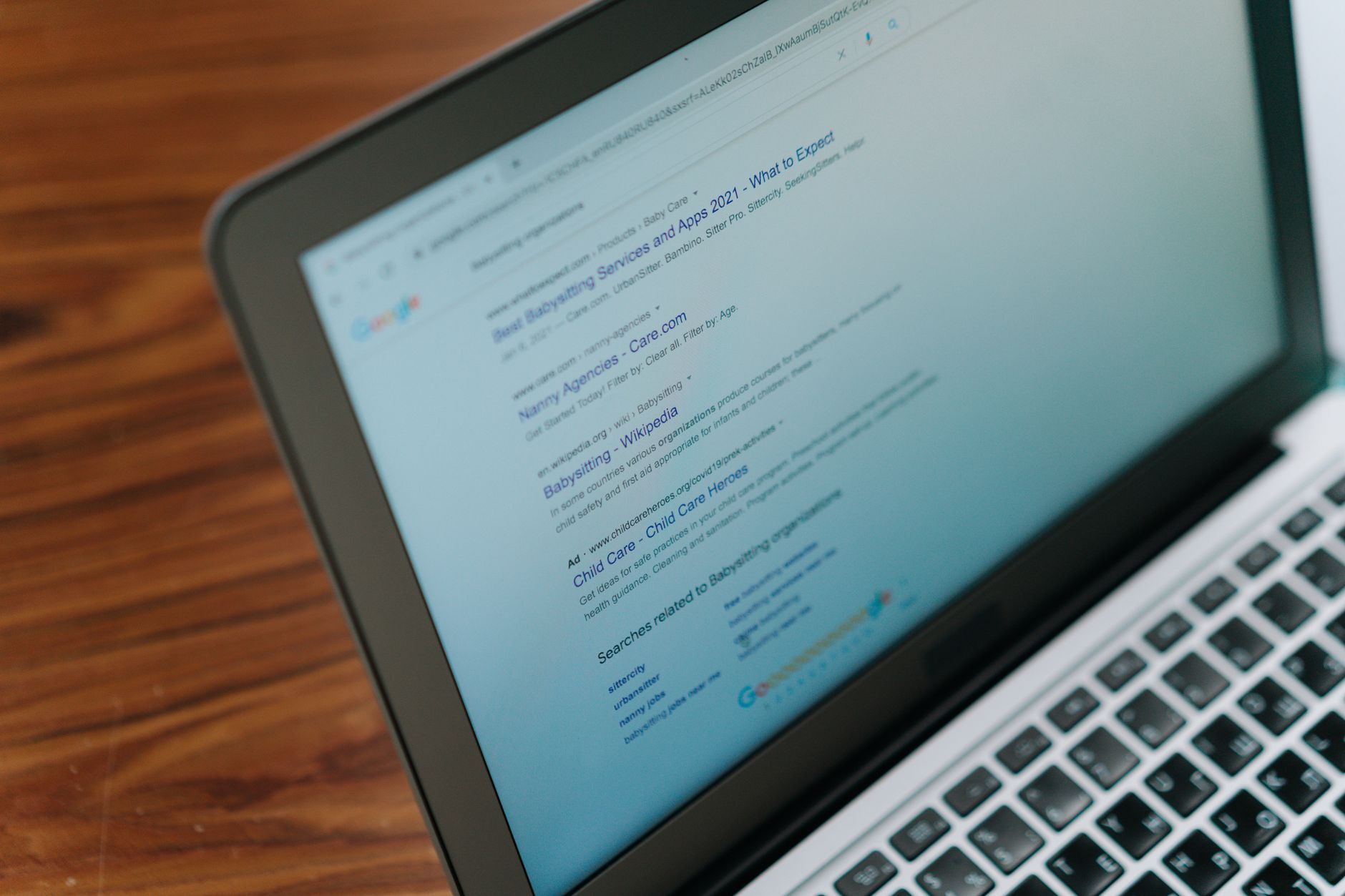
Start by confirming that your money pages can actually be found and indexed. Product pages, category pages, and core support content should be crawlable, linked from other crawlable pages, and included in your XML sitemap when they deserve indexing.
Look for accidental noindex settings, broken internal links, orphaned products, and archive pages that add noise without value. Google’s ecommerce documentation recommends linking from navigation to category pages and from category pages to products so crawlers do not have to guess where your inventory lives.
2. Make category pages do more work
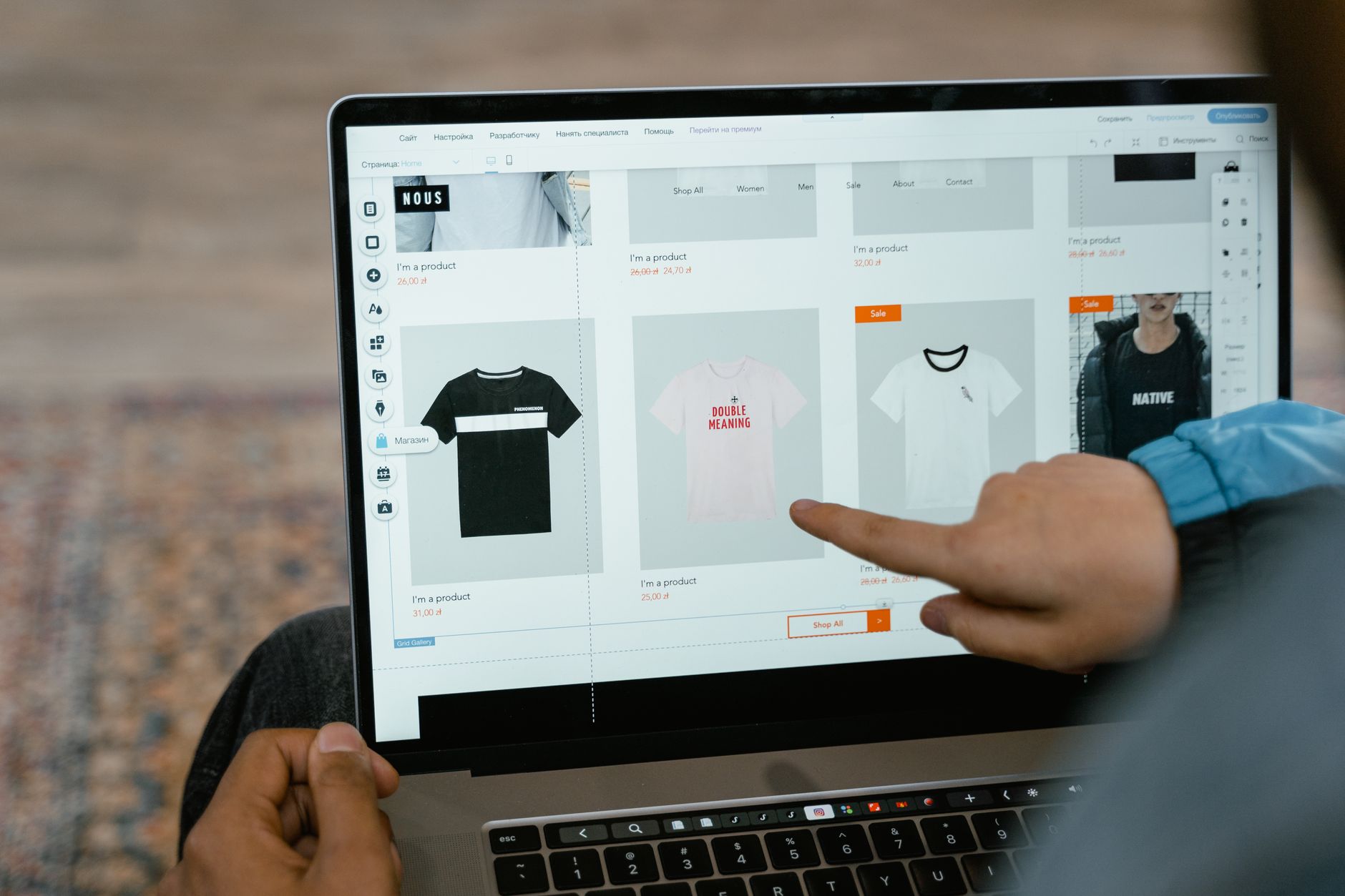
Category pages usually deserve more SEO attention than store owners give them. They often target broader commercial intent than product pages and can become the strongest landing pages in the store when they are built with clear copy, useful subcategory links, and a focused title.
A thin category page with only a heading and product grid rarely says enough. Add a concise introduction, clarify what the collection is for, link to relevant subcategories, and support users with useful buying guidance lower on the page. You do not need filler text. You need clarity.
3. Control filter, parameter, and variant URLs
Filter URLs create SEO problems when every sort option, color selection, or layered navigation state becomes a crawlable page. Most stores should keep these URLs from competing with the main category or product pages unless a filtered version has clear standalone search value.
Google’s ecommerce guidance warns that faceted navigation can create an explosion of URLs, and its URL structure documentation recommends using canonical signals consistently on variant pages. In practice, that means choosing the main version, linking to it internally, and stopping low-value parameter combinations from cluttering the index.
4. Write titles for people, not plugin badges
Title tags still matter, but only when they are clear and specific. A green light in an SEO plugin does not mean the page deserves to rank. Good titles help users understand the page quickly and help search engines match that page to the right intent.
Google recommends descriptive, concise titles and warns against keyword stuffing and repetitive boilerplate. That is especially important on ecommerce sites where category and product templates can easily produce generic patterns.
| Weak title | Stronger title |
|---|---|
| Running Shoes | Shoes | Buy Shoes | Men’s Running Shoes for Daily Training |
| Kitchen Knives | Best Knives | Japanese Kitchen Knives for Home Cooks |
| Blue Widgets, Best Blue Widgets | Blue Widgets for Commercial Kitchens |
5. Strengthen internal links to revenue pages
Internal links should push authority and context toward category and product pages that matter most. Blog posts, buying guides, FAQs, and top-level collections should work together instead of competing in isolation.
Link informational content to commercial pages using descriptive anchor text. Link parent categories to subcategories, and connect adjacent collections where that helps users compare options. If your products only appear in a sitemap and nowhere else, that is a structure problem worth fixing before you publish more content.
If you are not sure which pages should receive the most internal support, WordPress SEO Expert can help. We focus on the links that change visibility, not on adding busywork to every template.
6. Use structured data where it fits
Structured data works best when it is accurate, page-specific, and tied to visible content. For most ecommerce stores, the highest-value place to start is the product page, not every archive and utility page in the site.
Google’s ecommerce documentation explains that product data can help eligible pages appear across Google shopping surfaces. Keep the markup aligned with the visible page details, especially when products, variants, or availability change often. Accuracy matters more than markup volume.
7. Improve speed without breaking WooCommerce
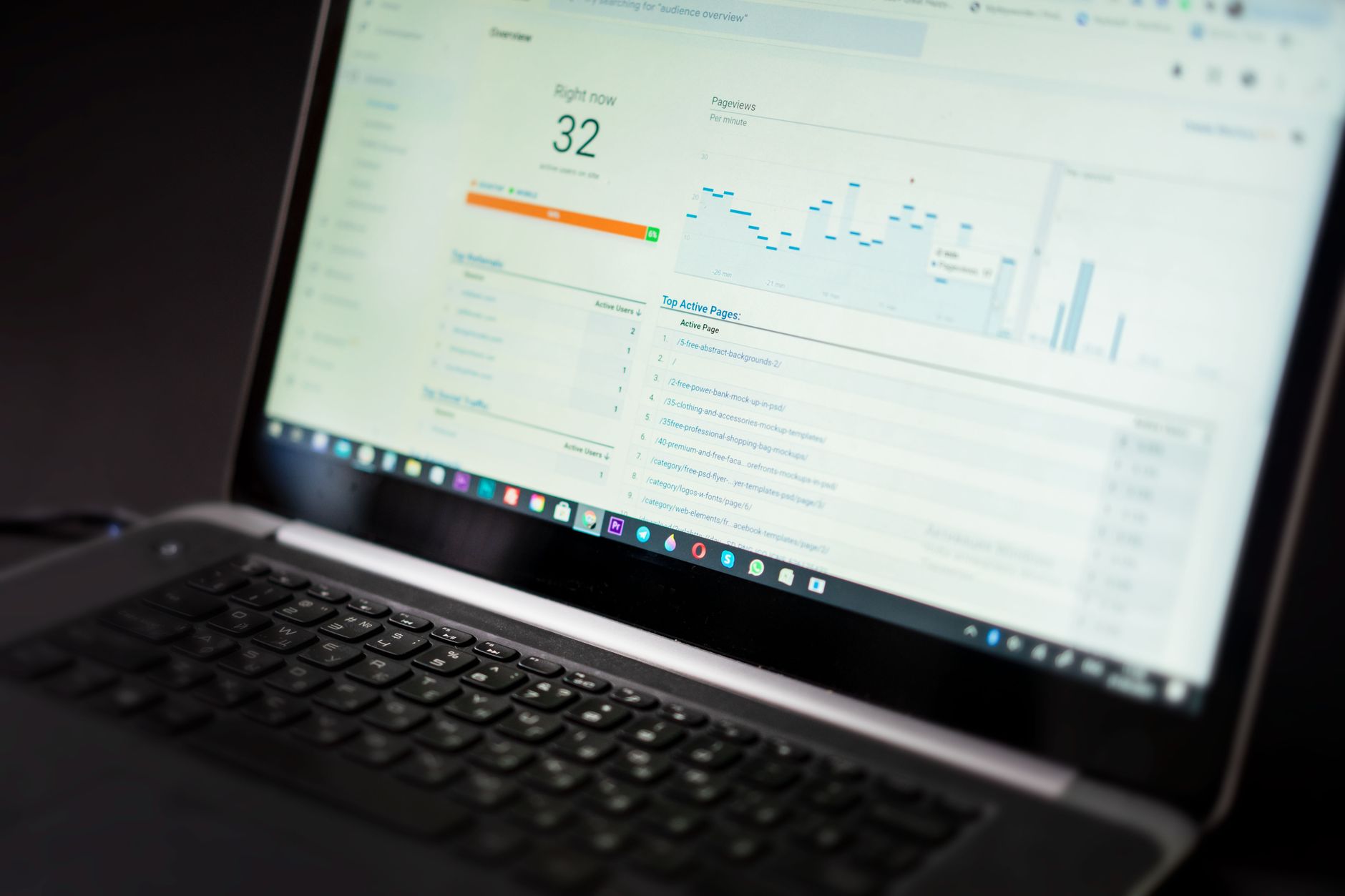
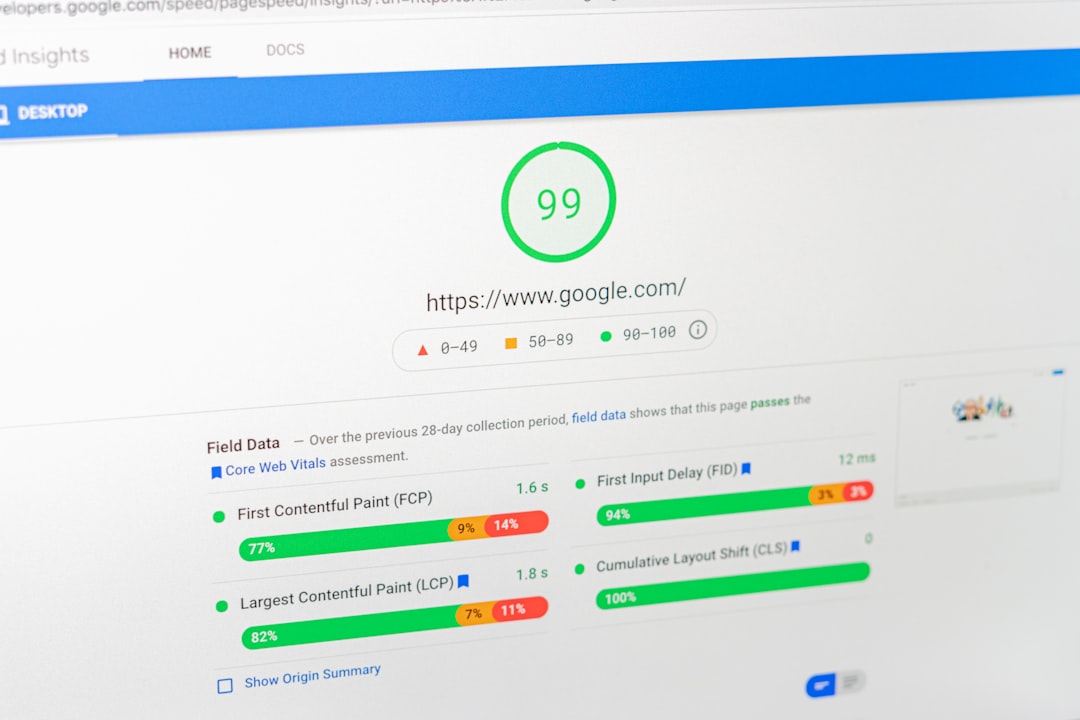
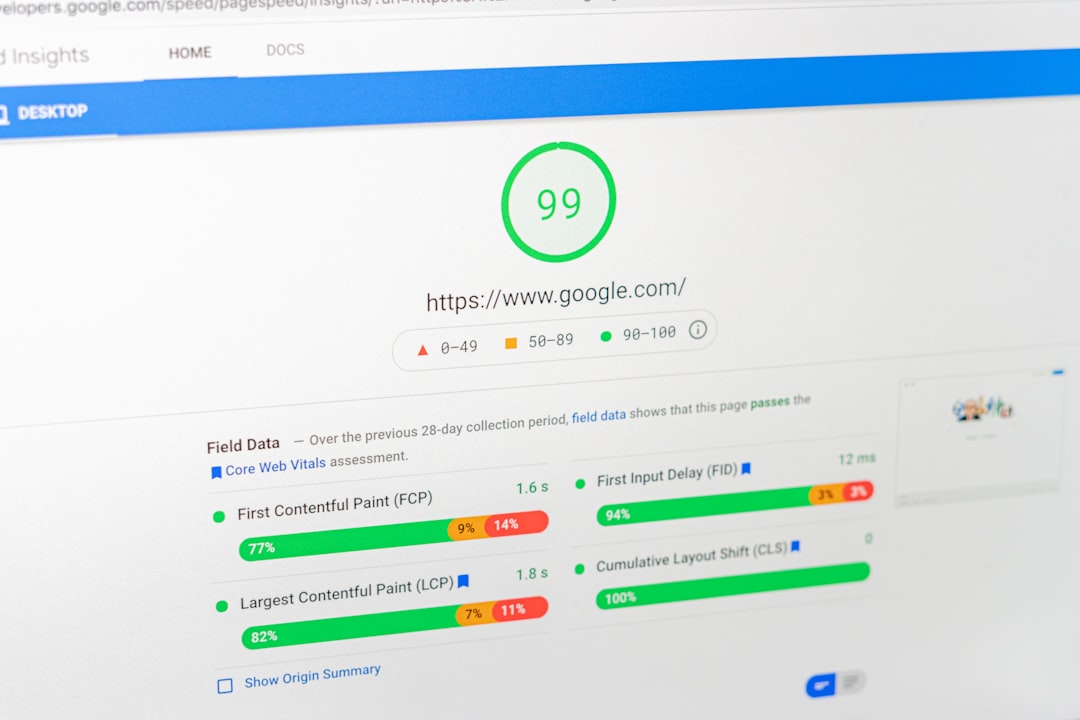
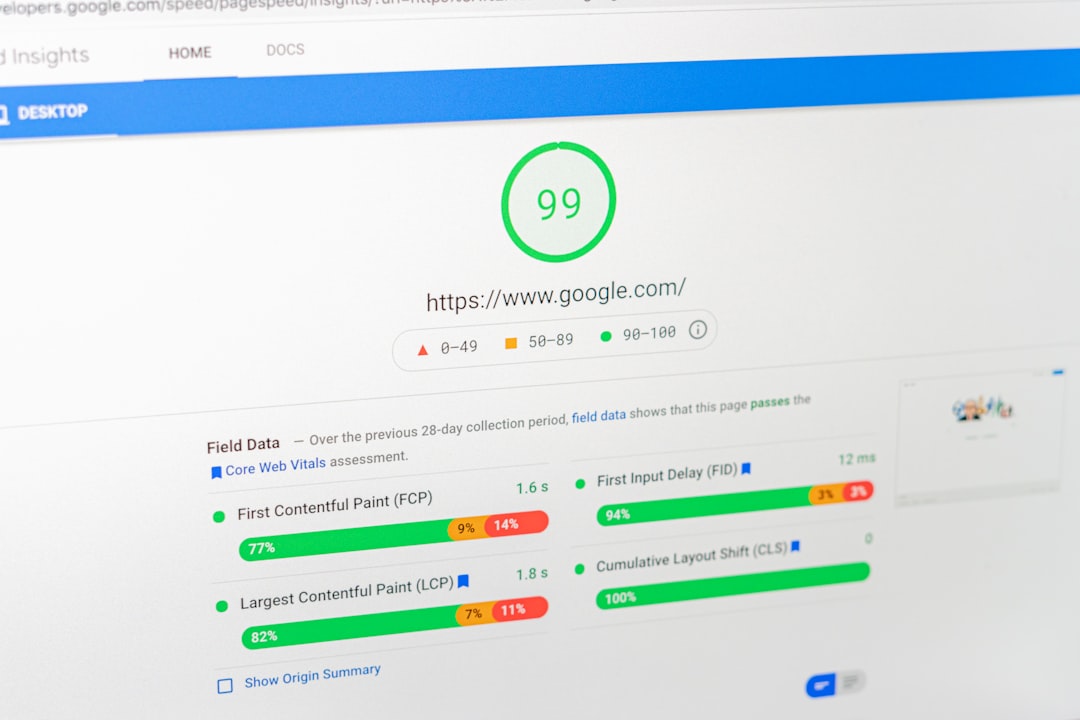
Performance matters, but store performance needs more care than a standard brochure site. The goal is a faster, smoother experience on category, product, cart, and checkout templates without caching the wrong pages or stacking overlapping optimization plugins.
WooCommerce developer documentation says Cart, Checkout, and My Account pages should be excluded from page caching because they are dynamic and customer-specific. That is a useful reminder that faster is not always better if the setup creates stale carts or broken sessions. One well-configured SEO plugin is enough. Running overlapping plugins often creates duplicate metadata, conflicting canonicals, and competing sitemap outputs.
If you are experiencing these symptoms, our team at WordPress SEO Expert can help. No pitch, no pressure. Just an honest look at whether your current setup is helping or quietly hurting your store.
What to stop doing
Stop chasing plugin scores as if they are rankings. Stop publishing thin near-duplicate pages for slight keyword variations. Stop leaving category pages empty while blog content carries the whole SEO strategy. And stop stacking plugins that output the same SEO elements in different ways.
You do not need a perfect score. You need a store structure that is easy to crawl, easy to understand, and easy to use. Most ecommerce gains come from cleaner priorities, not more clutter.
Final takeaway
A useful WordPress SEO checklist for ecommerce sites starts with visibility blockers, then moves into page quality and performance. Fix crawl paths, strengthen categories, control duplicate URLs, write better titles, improve internal linking, and make sure speed work does not break dynamic WooCommerce pages.
Contact WordPress SEO Expert today to schedule a consultation. We will help you identify what is actually holding your store back and what to fix first.