Low rankings usually come from a scattered plan, not one missing plugin. WordPress SEO best practices work when you handle the basics first, then clean up the technical issues that quietly suppress stronger pages. Most site owners do not have one catastrophic problem. They have a stack of smaller issues that compound over time.
This beginner-to-advanced guide shows you what to fix first, what can wait, and where site owners often waste time. If you are not sure whether your current setup is helping or quietly hurting you, WordPress SEO Expert can help.
Start with the foundations before advanced tactics
The first job is not chasing plugin scores. The first job is making sure your site can be crawled, understood, and trusted. A green light in an SEO plugin does not mean the page deserves to rank.
Beginners should focus on a clean permalink structure, one properly configured SEO plugin, useful page titles, clear headings, and pages built around real search intent. If your site is already live and underperforming, compare your setup against the diagnostic approach in how to improve WordPress SEO and what actually moves rankings.
Beginner WordPress SEO best practices

Beginners usually get the biggest gains from fewer, cleaner decisions. You do not need a perfect score. The goal is a site that loads cleanly, uses clear page targeting, and is easy for search engines and people to navigate.
Use one SEO plugin, not several
One well-configured SEO plugin is enough. Running overlapping plugins often creates duplicate metadata, conflicting canonicals, and competing sitemap outputs.
If you are comparing tools, think in terms of setup quality, not brand loyalty. The gap between them is not one works and one does not. The gap is in which features are free, how the interface works, and how much each one costs at scale. For a practical comparison, see Yoast SEO vs Rank Math.
Write better titles and headings
Your title tag and on-page heading should tell both readers and search engines what the page is actually about. Google recommends descriptive, concise titles and specifically warns against keyword stuffing and repetitive boilerplate in title elements.
A weak title tries to cram variations. A stronger title names the topic clearly and matches what the visitor expects to find. The same idea applies to your H1. Keep one main heading per page, make it specific, and make sure it aligns with the page title.
| Weak approach | Stronger approach |
|---|---|
| SEO Services | SEO Company | SEO Expert | WordPress SEO Services for Small Businesses |
| Home | WordPress SEO Audits for Traffic Drops |
| Blog Post | WordPress SEO Best Practices for Beginners |
Match one page to one primary intent
Pages rank more consistently when they solve one clear problem. If one page tries to target five different intents, it usually becomes vague and underperforms across all of them.
Choose a primary topic for each page, support it with useful subtopics, and avoid publishing multiple thin posts that say nearly the same thing. Consolidation often outperforms fragmentation.
Intermediate best practices that improve visibility

Once the basics are stable, the next gains usually come from structure and consistency. Fix the issues that block visibility before the issues that polish visibility.
Improve internal linking
Internal links help search engines discover pages, understand topical relationships, and identify which pages matter most. Google also recommends using descriptive anchor text that is concise and relevant.
Link from strong pages to pages that need support. Use anchor text that describes the destination naturally. If your structure is thin or random, study examples in SEO for WordPress: Better Results Faster and WordPress SEO problems and fixes.
Clean up archives, tags, and duplicate pathways
Not every archive deserves to rank. Many WordPress sites create tag pages, author pages, attachment pages, filter URLs, and search result pages that add little value and dilute relevance.
Review which archives deserve indexation and which should stay out of search. On ecommerce sites, this becomes even more important because product variations and filter combinations can multiply low-value URLs fast. If that sounds familiar, review this WordPress SEO strategy for ecommerce sites.
Use canonicals correctly
Canonical tags help consolidate duplicate or near-duplicate URLs, but they only work when they are consistent. Google recommends using rel=”canonical” for duplicate management and warns against mixing conflicting canonical signals.
Common WordPress problems include self-conflicting canonicals from multiple plugins, category and parameter duplicates, and migration leftovers that point to old paths. Canonicals do not replace good site structure, but they do reduce confusion when several URL versions exist.
Advanced WordPress SEO practices
Advanced SEO is usually less about tricks and more about debugging. Once your content quality and site structure are solid, advanced work means finding the technical patterns that limit crawling, indexing, and consolidation.
Audit indexation controls carefully
Pages disappear from search for ordinary reasons: noindex rules, blocked crawl paths, weak internal links, redirect chains, or template changes after a redesign. Google’s documentation distinguishes between blocking crawling in robots.txt and preventing indexation with noindex, and those are not interchangeable controls.
In practice, that means you should not use robots.txt as a shortcut for pages you simply do not want indexed. Check your SEO plugin settings, staging leftovers, and template-level meta robots output after every major launch.
Watch migrations and redesigns closely
Traffic drops after redesigns are often structural, not mysterious. Missing redirects, changed URL paths, lost content blocks, and incorrect canonicals can all weaken pages that previously ranked.
Before and after launch, verify redirect coverage, compare indexable page templates, and check whether important pages still carry the same topic focus. This is where a short technical checklist beats a long strategy document no one executes.
Prioritize site speed where it affects usability

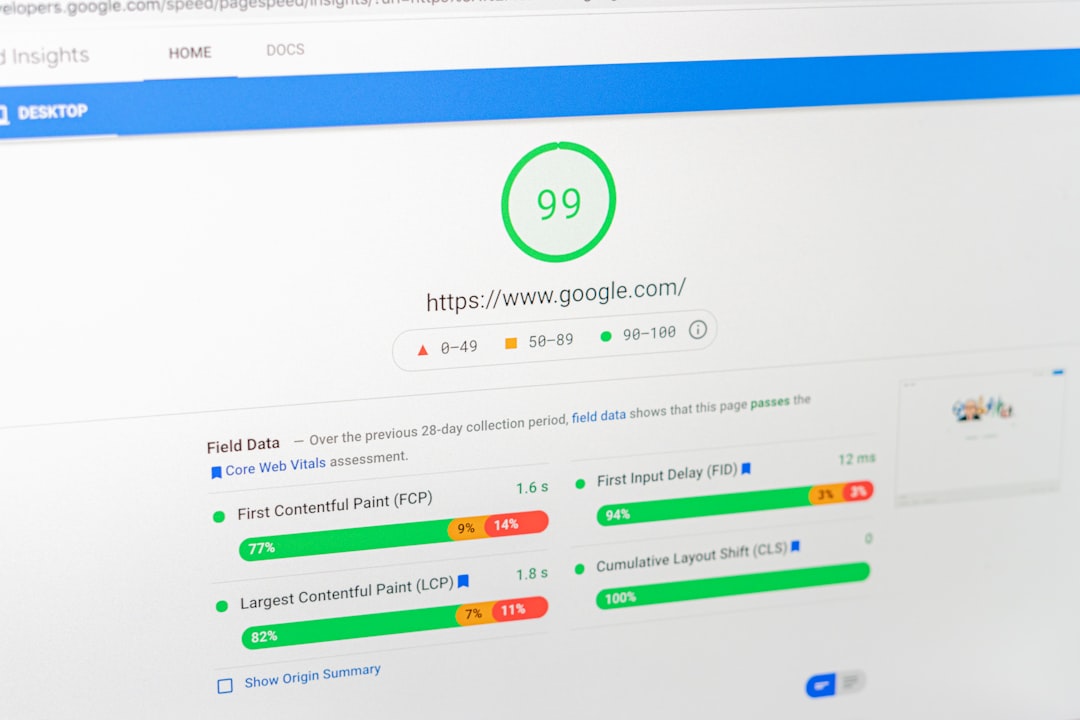
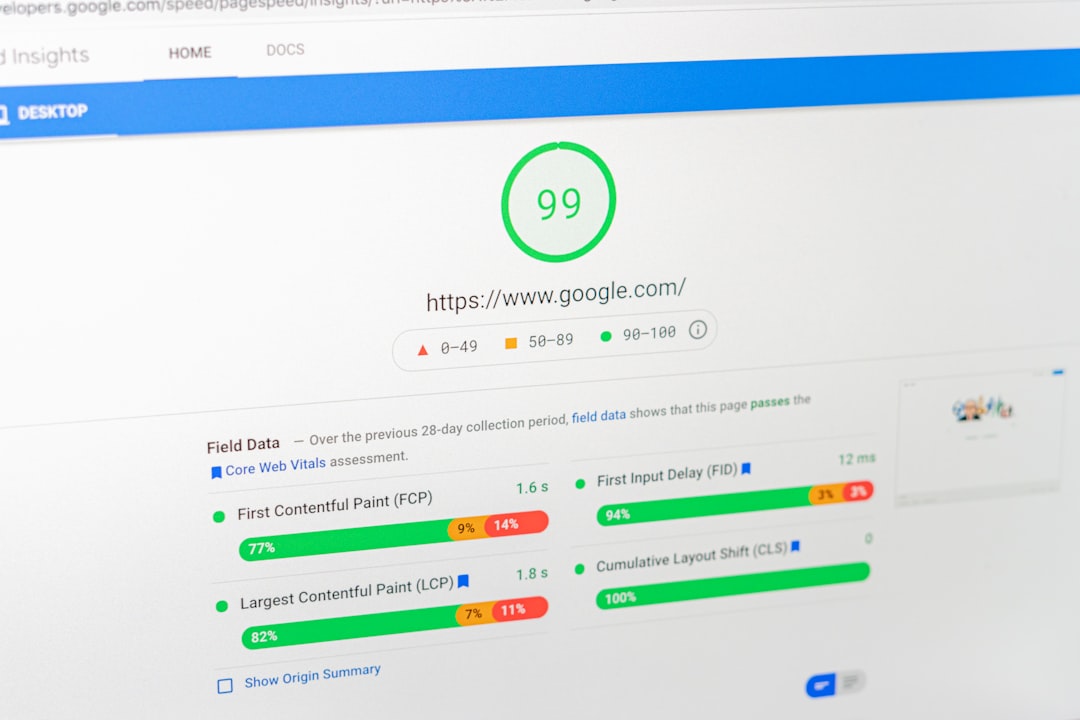
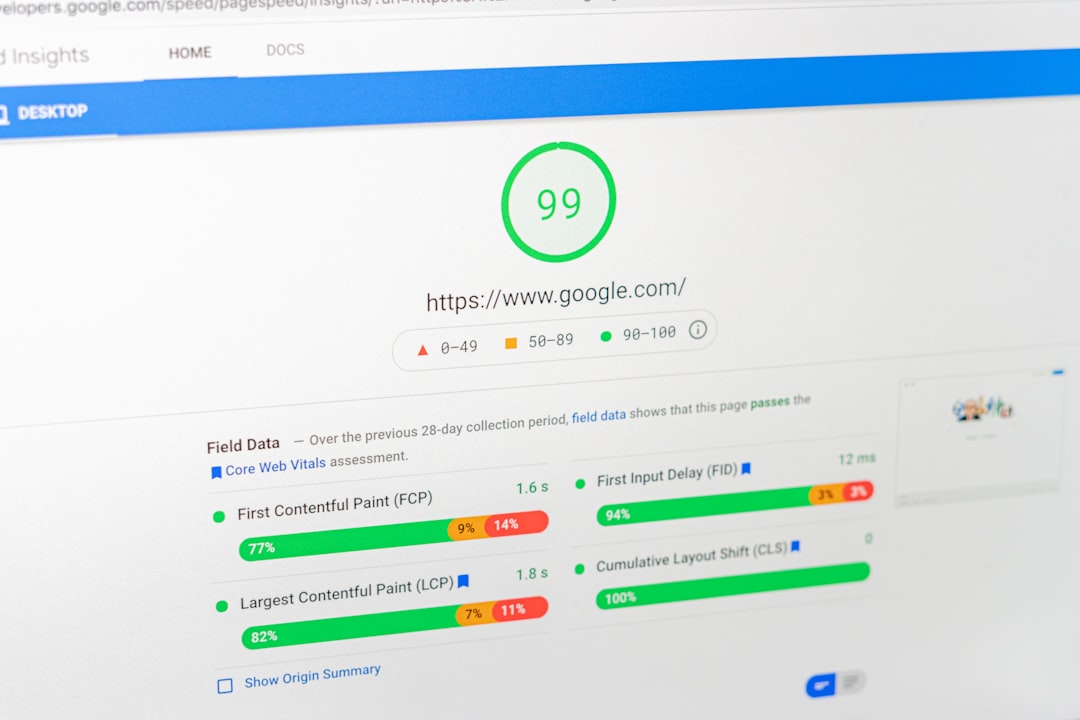
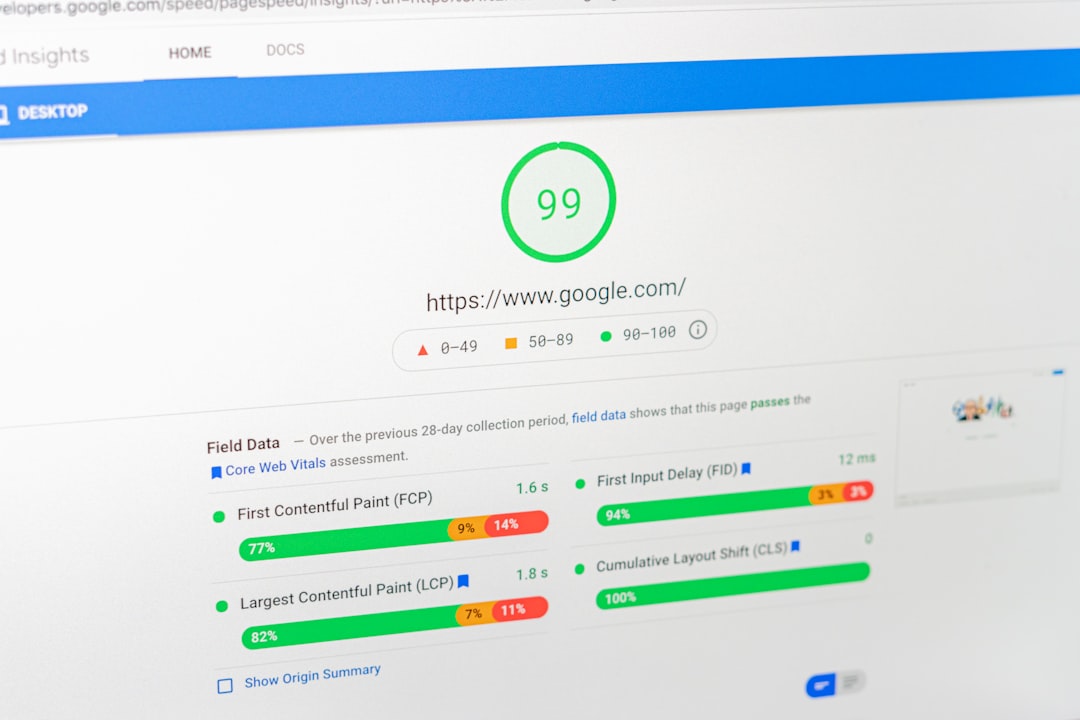
Speed matters most when heavy templates, scripts, and media make pages frustrating to use. Do not treat speed work as a vanity race. Treat it as a way to remove friction that hurts crawling, engagement, and conversions.
Focus on lighter themes, fewer overlapping plugins, image sizing, script cleanup, caching, and better hosting before chasing tiny score improvements. Practical performance work supports SEO best when it removes real bottlenecks.
If you are dealing with flat rankings, indexation issues, or plugin conflicts, WordPress SEO Expert can help. Book a free SEO consultation. No pitch, no pressure. Just an honest look at what your site actually needs and whether your current setup is part of the solution or part of the problem.
A simple beginner-to-advanced SEO roadmap
The best roadmap is sequential, not overwhelming. Handle the highest-impact blockers first, then move into refinement. Most sites improve faster when they stop trying to fix everything at once.
| Stage | Priority |
|---|---|
| Beginner | Install one SEO plugin, set permalinks, write clear titles, create useful core pages |
| Intermediate | Improve internal links, trim low-value archives, reduce duplicate pathways, strengthen topic targeting |
| Advanced | Audit canonicals, noindex usage, redirects, template output, crawl patterns, and migration risks |
Final takeaway
WordPress SEO best practices are not about doing everything. They are about doing the right things in the right order. Start with crawlability, clarity, and page usefulness. Then tighten internal linking, duplicate control, and technical consistency.
You do not need a more complicated setup. You need a more disciplined one. Contact WordPress SEO Expert today to schedule a consultation.