Flat rankings on a business website usually point to scattered priorities, not a missing plugin or one magic setting. WordPress SEO works best when you handle the fundamentals in order: indexing, page targeting, internal links, site structure, and then supporting details like schema and snippets.
That order matters because a green light in an SEO plugin does not mean the page deserves to rank. If Google cannot clearly crawl, understand, and connect your key pages, polishing metadata alone will not move much. This guide breaks down the core WordPress SEO fundamentals that matter most for business websites.
Start With Crawlability and Indexing
The first job of SEO is making sure search engines can reach and index the pages that actually matter. Before rewriting copy or adding new tools, confirm that your service pages, location pages, product pages, and lead-generating content are crawlable, internally linked, and allowed to appear in search results.
On WordPress, common problems include accidental noindex settings, thin archive pages, orphan pages, and conflicting plugin outputs. Google advises site owners to make sure pages can be reached through crawlable HTML links and that important pages have descriptive titles and metadata. If your setup already feels messy, review your WordPress SEO setup problems before changing smaller settings.
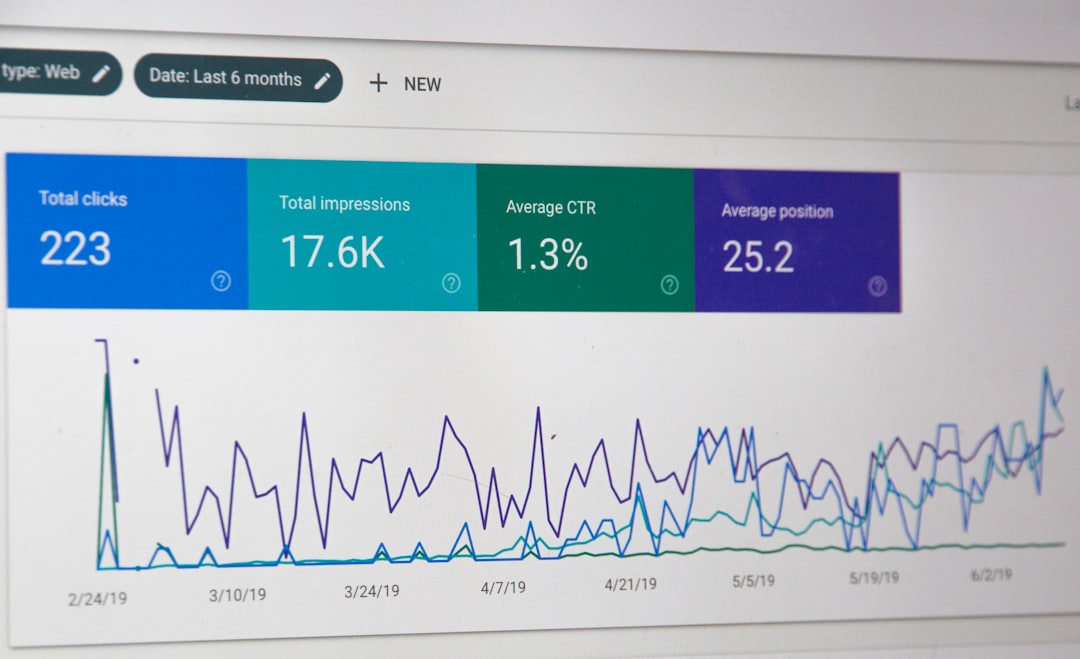
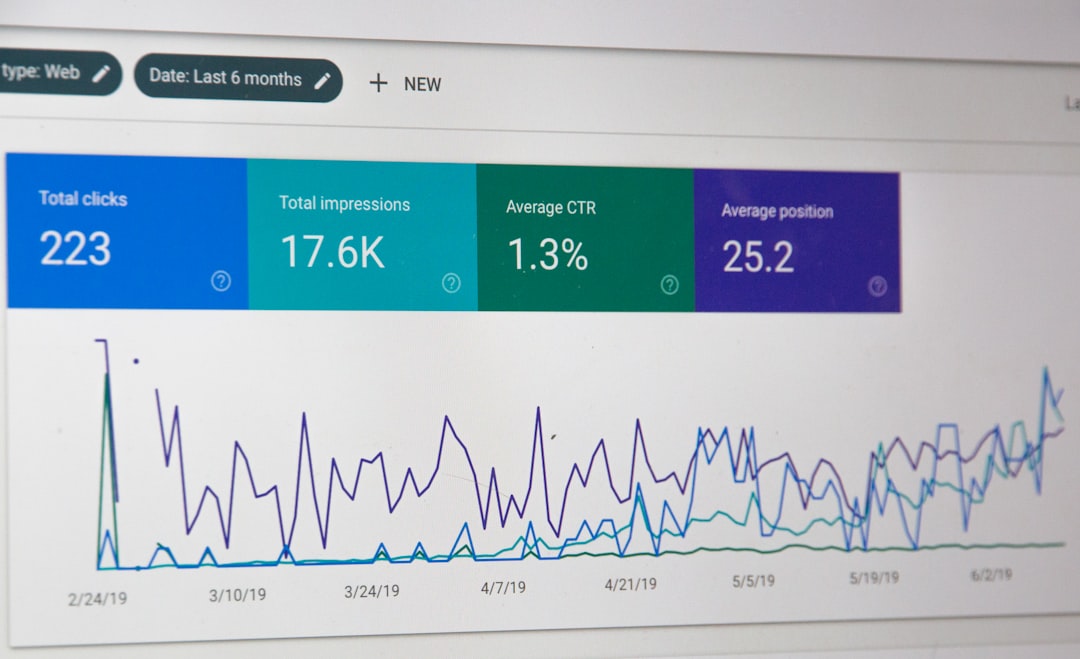
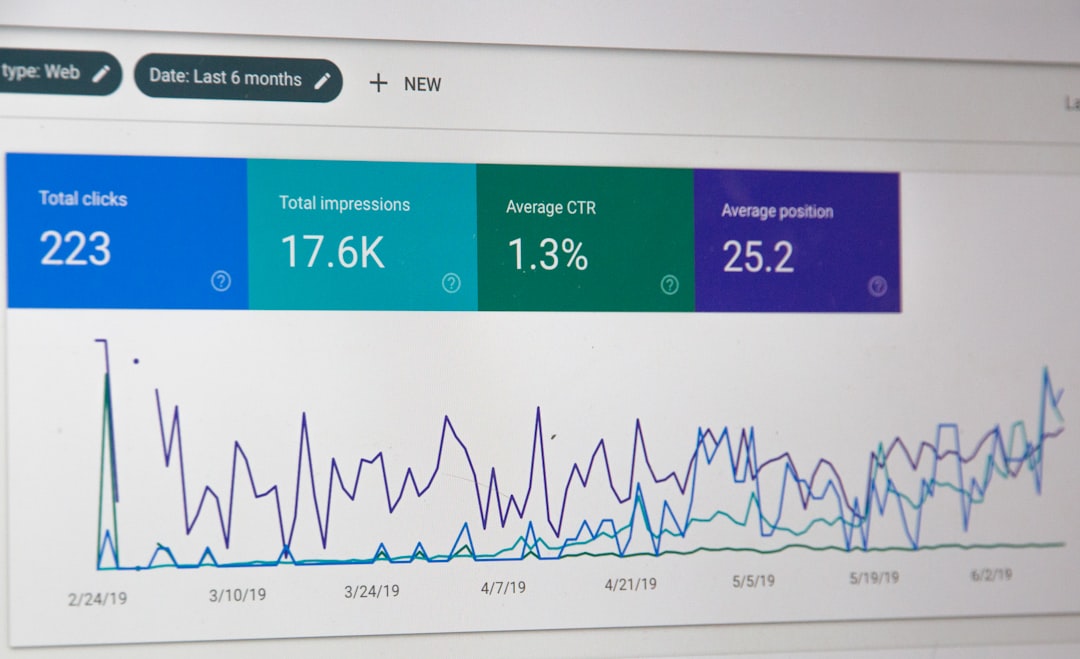
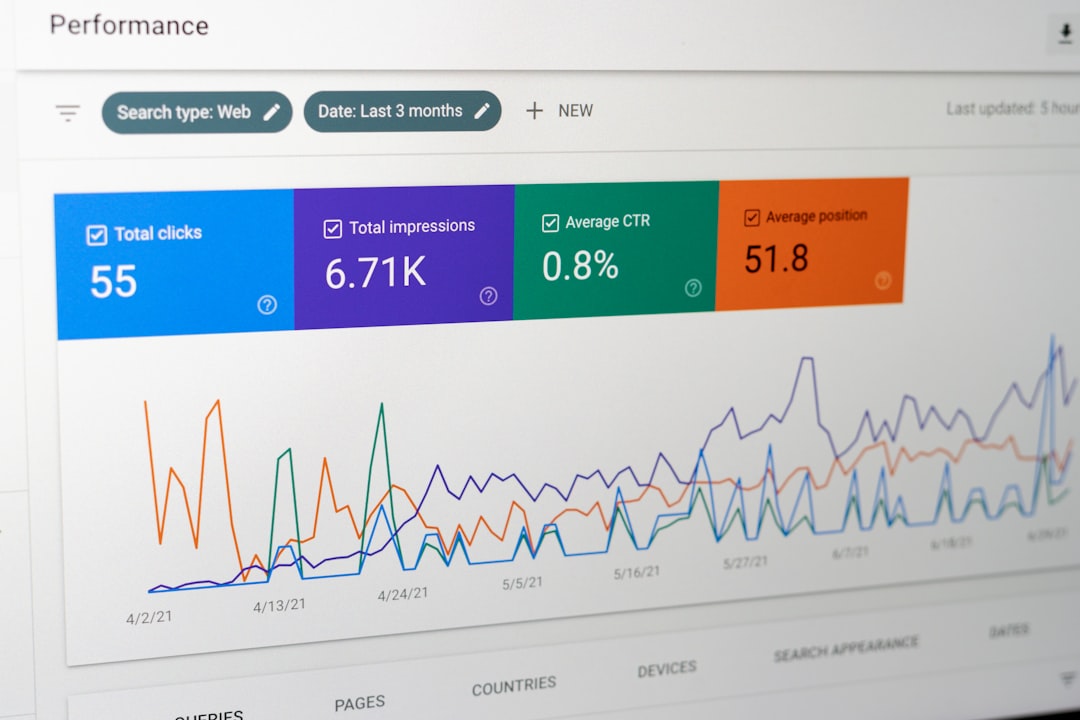
A simple check helps here. Open Google Search Console, review indexed and excluded pages, and compare that list against the pages you actually want customers to find. If important pages are missing, fix that first. If low-value archives and duplicates are being indexed, reduce that noise before publishing more content.
Use One SEO Plugin and Configure It Well
One well-configured SEO plugin is enough for most business sites. Running overlapping plugins often creates duplicate metadata, conflicting canonicals, and multiple sitemap outputs that make troubleshooting harder, not easier.
This is one of the most common WordPress SEO mistakes on sites that have been redesigned, inherited, or repeatedly tweaked over time. Keep one primary plugin, set your title templates, review indexing rules, and disable unnecessary overlap from extra SEO, schema, or social metadata tools. If you want a broader baseline, our practical WordPress SEO guide for DIY site owners gives a useful framework for simplifying the stack.
Fix Titles Before You Chase Scores
Title tags are one of the clearest on-page signals you control, so they deserve attention early. Google recommends descriptive, concise title text and warns against keyword stuffing and repetitive boilerplate, which is why generic or stuffed title patterns usually underperform more specific ones.
For business websites, the goal is not to cram every variation into one field. The goal is to match the page to one clear intent. A homepage title should reflect the business and its core service. A service page title should describe that service plainly. A local page should connect the service to the place only when the page genuinely serves that market.
| Weak title | Stronger title |
|---|---|
| SEO Services | SEO Company | SEO Expert | WordPress SEO Services for Small Businesses |
| Home | Commercial Roofing Services in Dallas |
| Blog | WordPress SEO Tips for Business Websites |
Most business sites should fix titles on the homepage, main service pages, and pages already earning impressions before touching lower-value content. That sequence gives you the best chance to improve relevance and click potential without wasting time on pages that do not matter yet.
Write Meta Descriptions for Important Pages
Meta descriptions do not act like a direct ranking shortcut, but they still matter because they help shape how a page is summarized in search. Google says it may use the meta description when it better describes the page, which makes unique, page-specific descriptions worth the effort on business-critical pages.
Write descriptions for your homepage, primary service pages, major category pages, and high-traffic posts first. Keep them specific, readable, and aligned with what the visitor will actually get. Avoid reusing one generic template across the site, especially on pages with different offers or intent.
Build a Clean Heading Structure
A clean heading structure helps both users and search engines understand the page quickly. Every important page should have one clear H1, followed by H2s for major sections and H3s where you need sub-sections. This is structure, not decoration.
Business sites often weaken pages by using vague headings, duplicating the same heading language across sections, or styling non-headings to look like headings. Keep the hierarchy logical. Let the H1 describe the main topic, then use subheadings to answer the questions a buyer or evaluator would naturally have.
Strengthen Internal Links
Internal links are one of the fastest SEO improvements for many WordPress business websites because they help search engines discover pages, understand hierarchy, and see which pages matter most. They also help visitors move from informational pages to service pages without friction.
Google recommends using crawlable links with descriptive anchor text. That means linking related pages naturally inside your content, not relying only on menus or footers. A blog post about SEO setup problems should link to the service or guide that helps solve them. A service page should link to supporting educational content where useful.
If your site has pages that only appear in the sitemap and nowhere else, those pages are under-supported. Add contextual links from relevant posts, connect related services, and make sure important pages are reachable from more than one place in the site structure.
If you are experiencing these symptoms, our team at WordPress SEO Expert can help.
Control Duplicate and Low-Value Pages
Many WordPress SEO issues come from too many indexable pages, not too few. Archive pages, attachment pages, tag pages, filtered URLs, and outdated duplicates can dilute topical clarity and waste attention that should go to your real business pages.
That does not mean every archive should disappear. It means each indexable page should earn its place. If a category page is useful and well-supported, keep it. If a tag page exists only because the CMS created it, it may be better as noindex. Fix the issues that block visibility before the issues that polish visibility.
Keep Technical SEO Practical
Technical SEO matters, but business sites usually need practical cleanup more than advanced engineering. Focus on the basics that remove confusion: working XML sitemaps, proper canonicals, a clean robots file, sensible redirects, and pages that load reliably on real devices.
Schema can help clarify page meaning, but it should reflect visible content and not be misleading. For most WordPress business sites, a restrained setup is enough. You do not need to turn on every schema option a plugin offers. You need accurate signals that support the page instead of cluttering it.
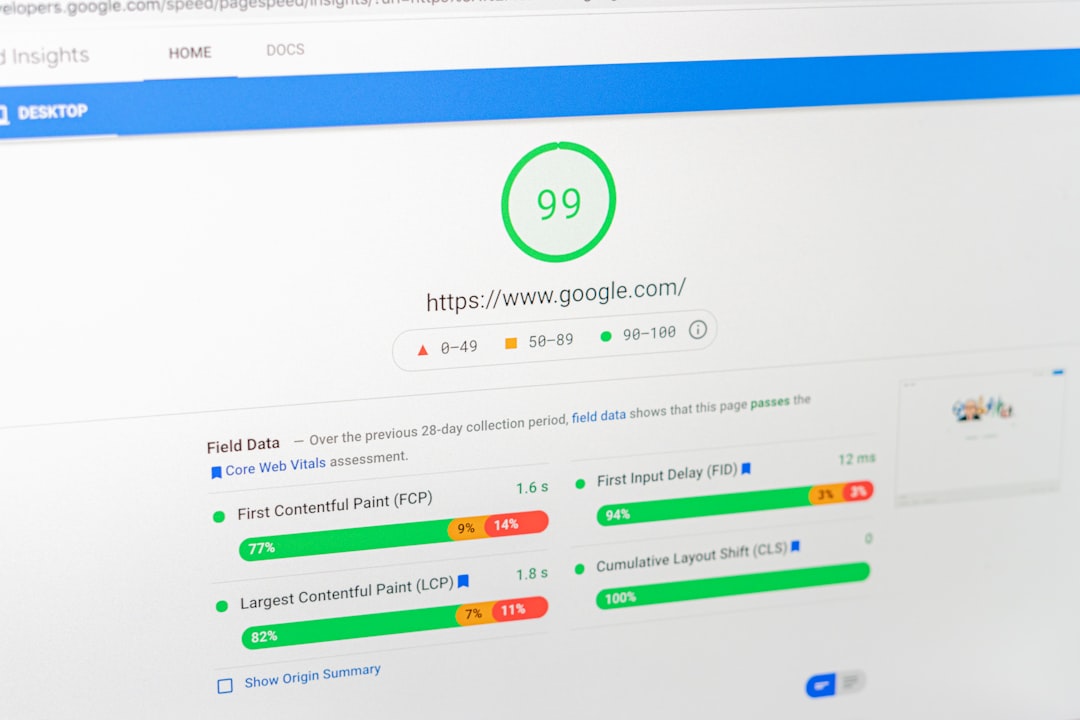
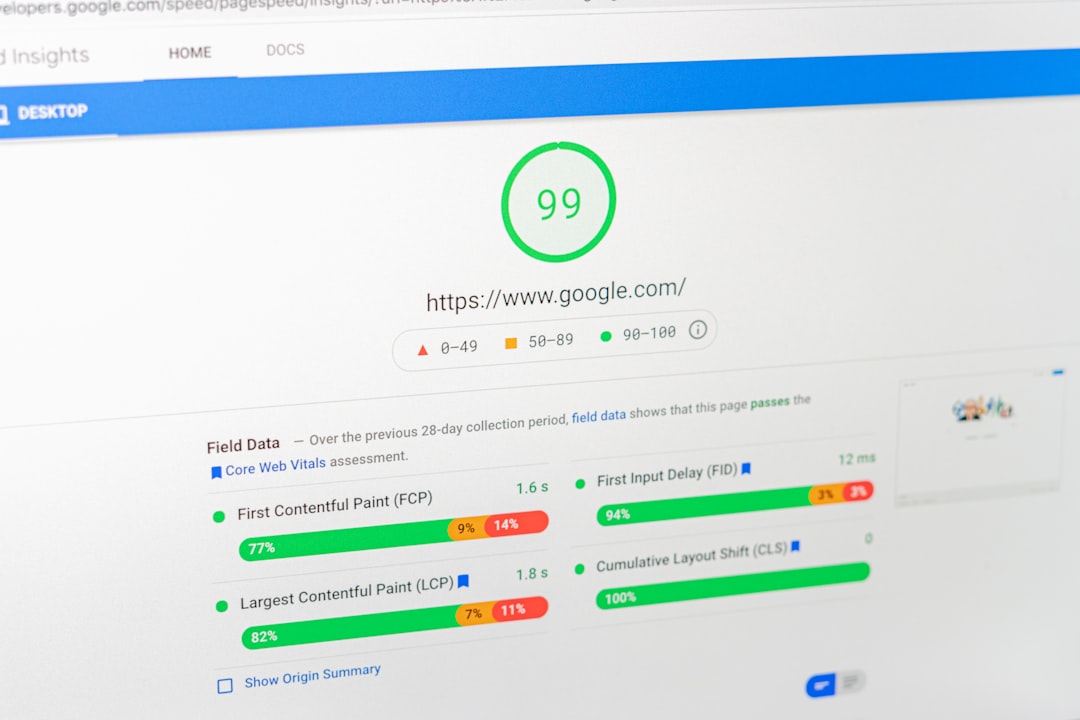
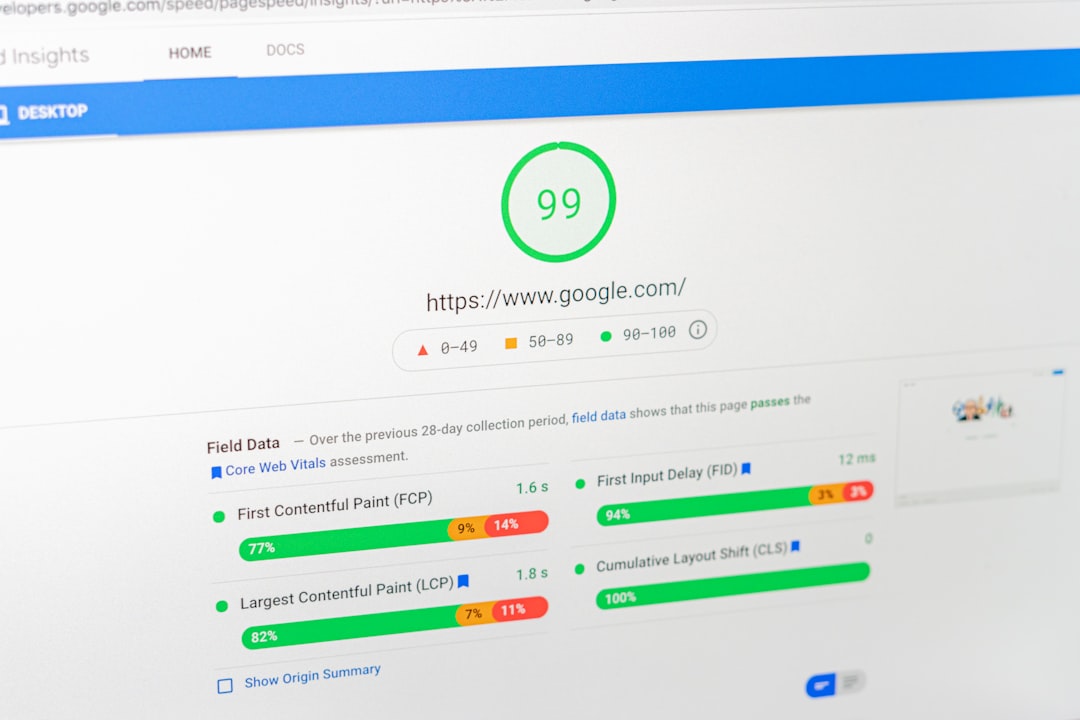
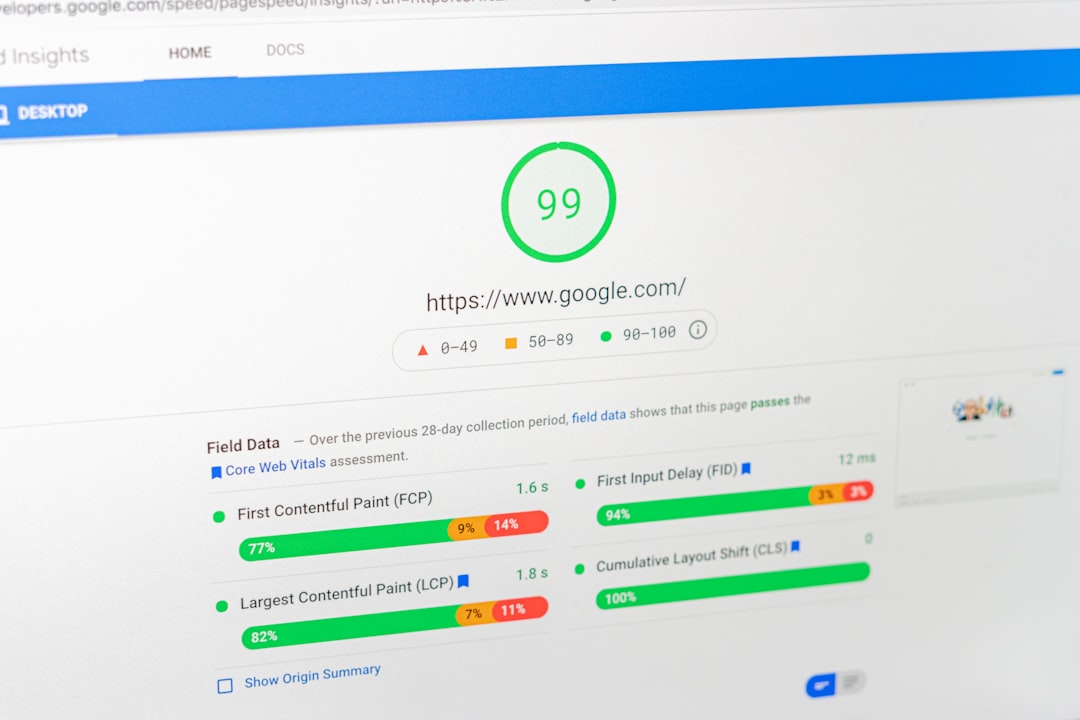
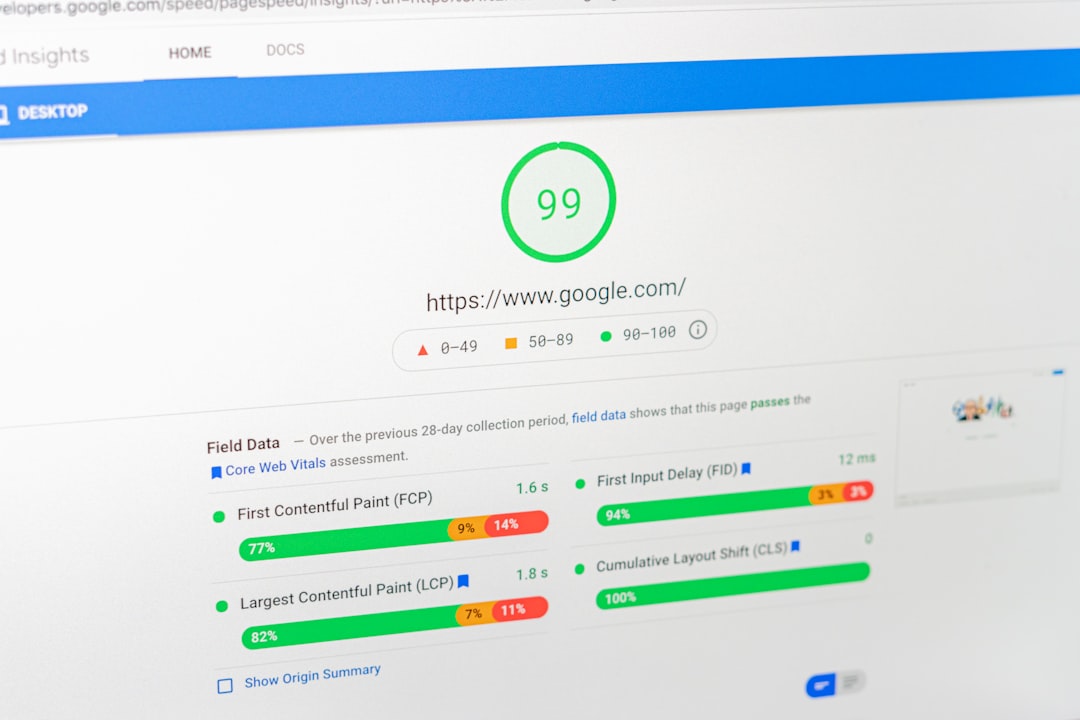
You also do not need a perfect speed score. The goal is a site that loads cleanly, is easy to use, and sends consistent signals about which pages matter most. Compress images, use sensible caching, reduce plugin bloat, and test your most important templates instead of chasing every tiny recommendation.
Match Pages to Search Intent
Good WordPress SEO starts with giving each important page one clear job. A homepage targets your broadest core offer. Service pages target buyer-focused queries. Blog posts answer informational questions and should support the pages that generate leads or sales.
Problems start when multiple pages chase the same query with slight wording changes. That creates overlap instead of coverage. One strong page is usually better than several thin ones competing with each other. Most site owners do not have one catastrophic problem. They have a stack of smaller issues that compound over time.
A green light in an SEO plugin does not mean the page deserves to rank. Relevance, clarity, site structure, and usefulness matter more than checklists. Use plugin suggestions as prompts, not as the definition of success.
What Business Websites Should Fix First
If your rankings are flat, the fastest progress usually comes from fixing the pages and settings that already influence visibility. Start with technical access and indexing, then improve your most important pages, then support them with better internal links and cleaner site structure.
| Priority | What to review first |
|---|---|
| 1 | Indexing, crawl access, and XML sitemap status |
| 2 | Conflicting SEO plugins or duplicate metadata outputs |
| 3 | Homepage and primary service page titles |
| 4 | Internal links to key revenue-driving pages |
| 5 | Thin archives, duplicates, and weak supporting pages |
This order keeps you from spending hours polishing pages that are blocked, duplicated, or disconnected. Low rankings usually come from a scattered plan, not one missing plugin.
When to Get Help
If you have already installed the tools, written content, and followed plugin recommendations but traffic is still flat, the problem is usually prioritization or hidden technical friction. An outside review can quickly show whether your bottleneck is indexing, duplication, weak targeting, or internal link structure.
WordPress SEO Expert can help you sort the technical problems from the content problems before you make bigger changes. Book a free SEO consultation. No pitch, no pressure. Just an honest look at what your site actually needs and whether your current setup is part of the solution or part of the problem.
Contact WordPress SEO Expert today to schedule a consultation.