
A successful WordPress SEO campaign needs a repeatable workflow. Randomly changing titles, publishing articles, or building backlinks without a plan can make it difficult to understand what is actually improving the website.
A structured WordPress SEO agency workflow moves through research, technical optimization, content, authority building, and performance monitoring.
Step 1: Understand the Business

SEO should begin with the business rather than a list of keywords.
Identify:
- Main products or services
- Target customers
- Service locations
- Main competitors
- Conversion goals
- Most valuable website pages
For example, a local service business may focus heavily on location-based searches, while an ecommerce website may need product and category optimization.
Step 2: Perform an SEO Audit
The next step is to understand the website’s current condition.
Review:
- Indexing
- Site structure
- Page titles
- Headings
- URLs
- Internal links
- Content quality
- Mobile usability
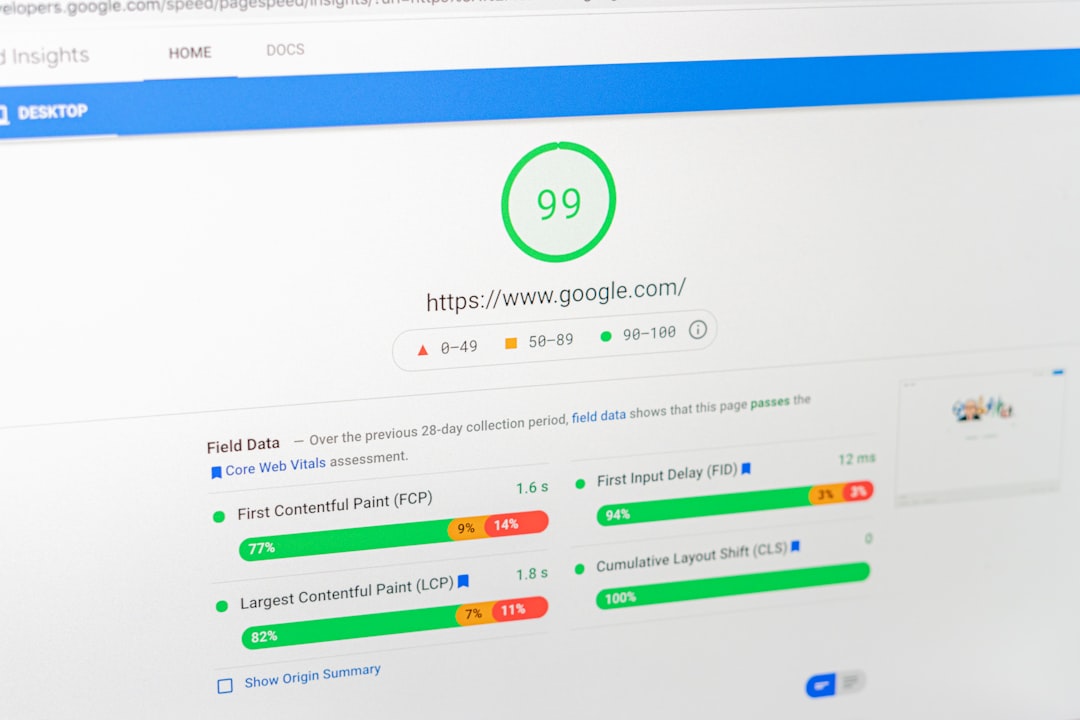
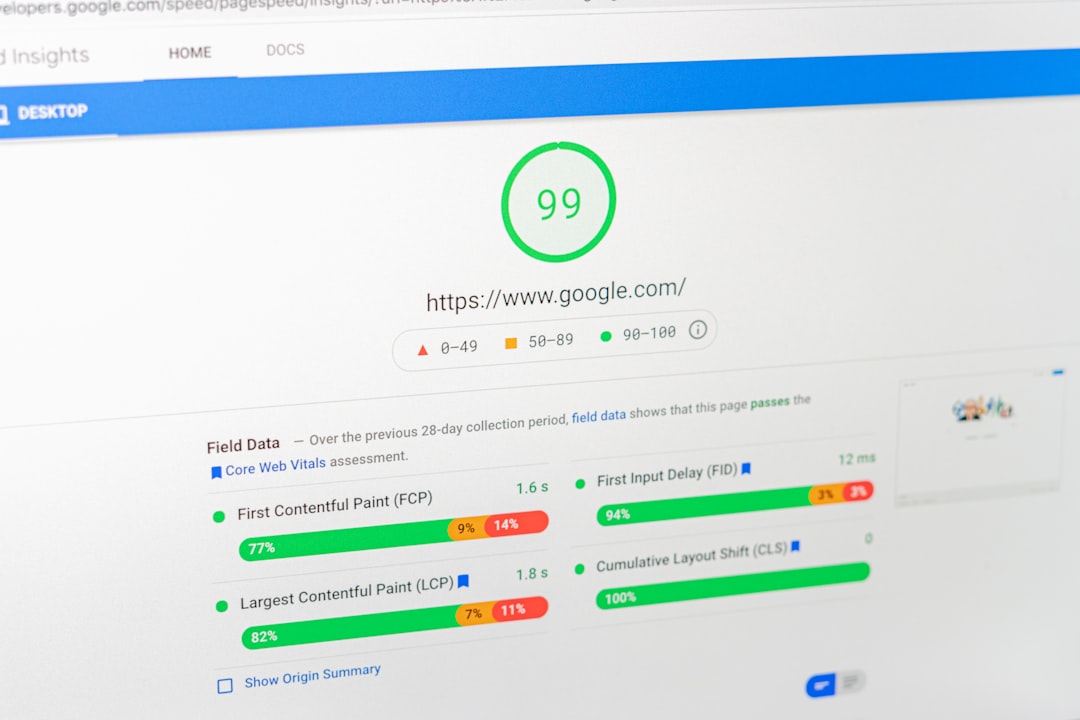
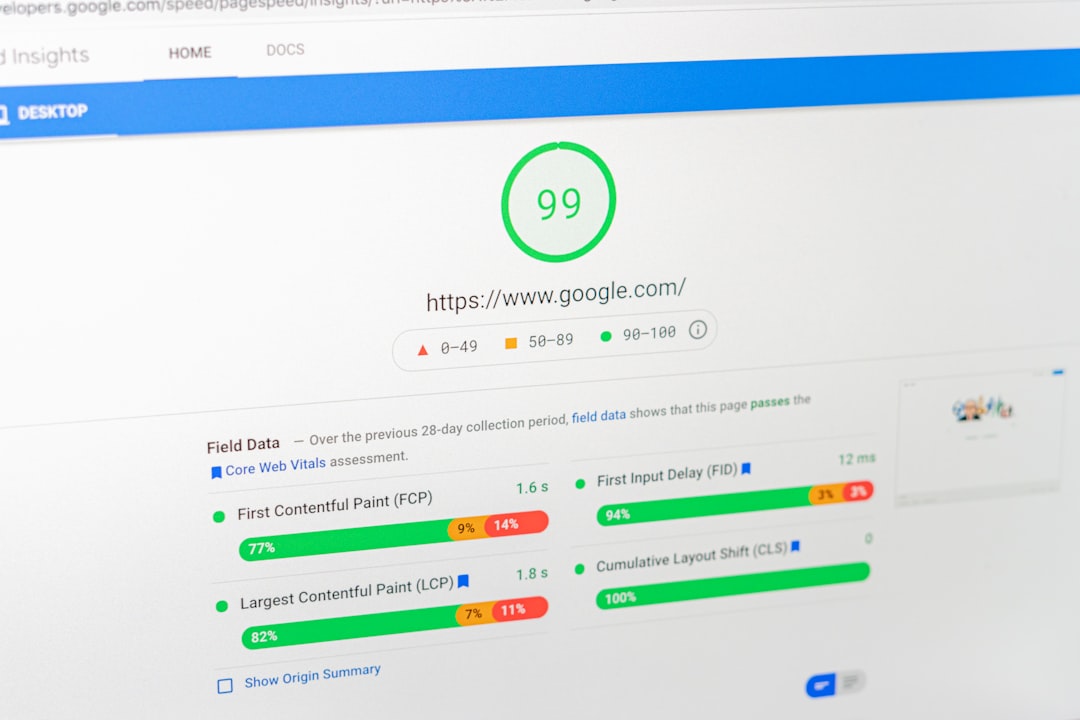
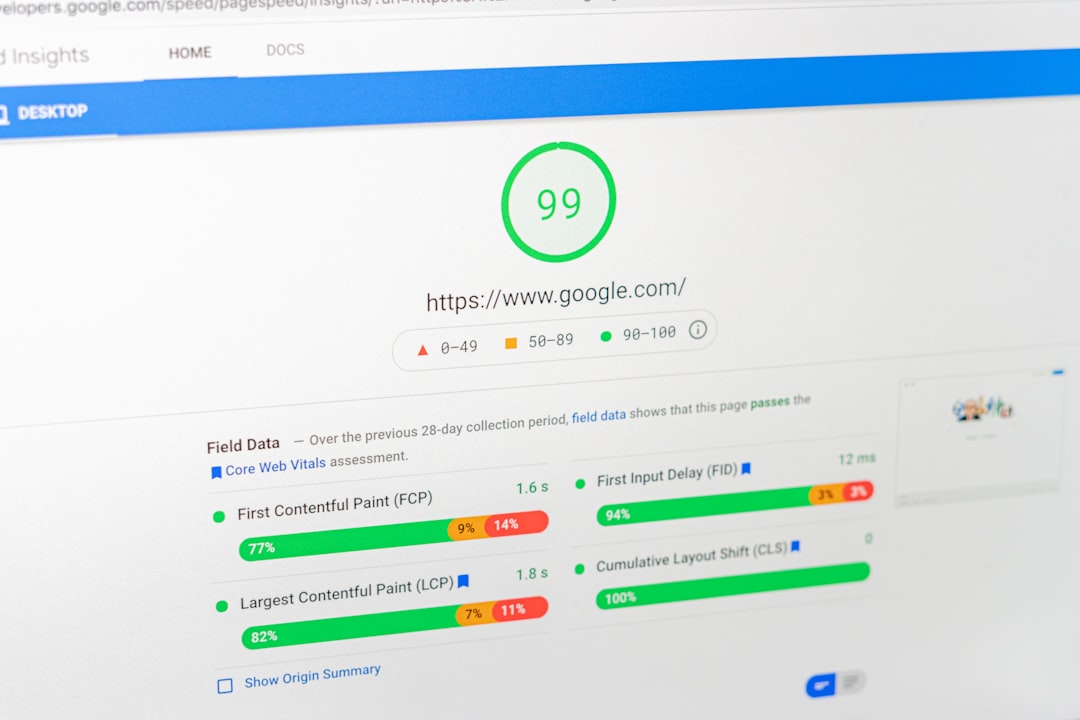
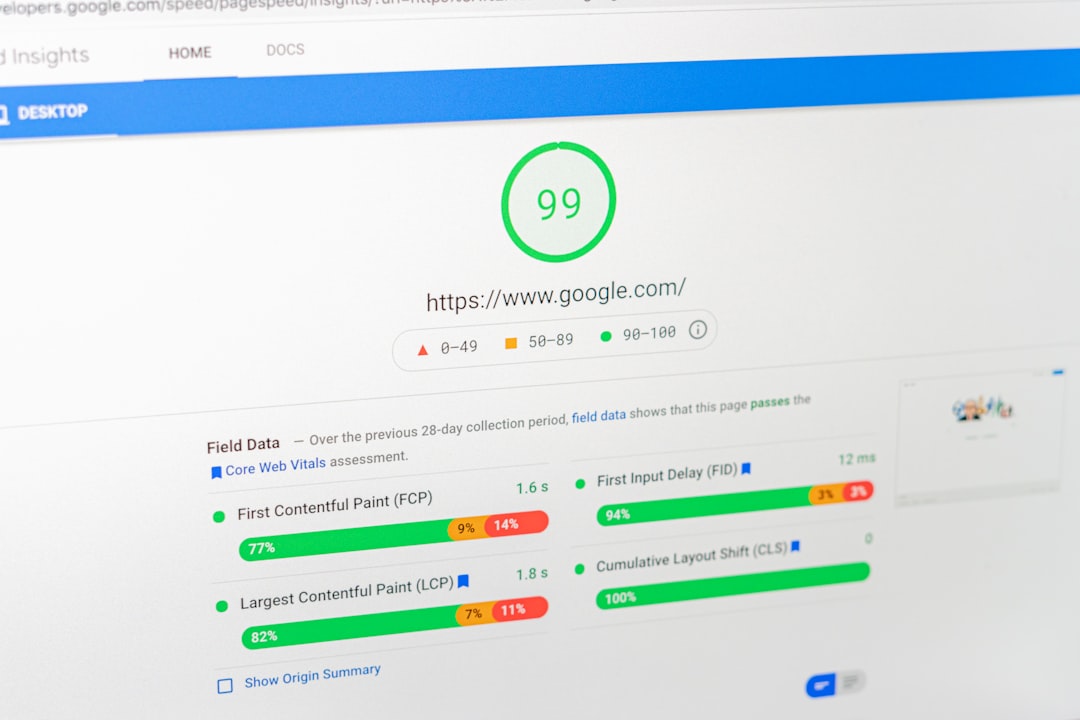
- Page speed
- Broken links
- Redirects
- Backlinks
The audit creates a starting point for the campaign.
Step 3: Research Keywords
Keyword research identifies the topics and phrases potential customers use.
Group keywords according to search intent.
| Intent | Example |
|---|---|
| Informational | What is WordPress SEO? |
| Commercial | Best WordPress SEO services |
| Transactional | Hire WordPress SEO agency |
| Local | WordPress SEO agency in [location] |
This helps determine whether a keyword belongs on a blog post, service page, product page, or another type of content.
Step 4: Build a Page Strategy
Map important keywords to appropriate pages.
For example:
Primary service → Service page
Supporting topic → Blog article
Location → Location page
Product category → Category page
This prevents multiple pages from competing unnecessarily for the same search intent.
Step 5: Fix Technical SEO
Once priorities are clear, address technical problems.
This may include:
- Improving crawlability
- Fixing broken links
- Correcting redirects
- Reviewing canonical URLs
- Improving page speed
- Checking mobile usability
- Managing indexing
- Maintaining XML sitemaps
Technical work creates a stronger foundation for the rest of the campaign.
Step 6: Optimize Existing Pages
Improve the pages that already have business or SEO value.
Optimization may include:
- Better titles
- Clearer headings
- Improved content
- Relevant keywords
- Stronger internal links
- Better images
- Clear calls to action
Start with important pages rather than trying to change the entire website simultaneously.
Step 7: Create Supporting Content
After core pages are optimized, create useful supporting content.
For example, a WordPress SEO service website might publish articles about:
- Technical WordPress SEO
- SEO audits
- Mobile SEO
- Page speed
- Keyword research
- Local SEO
- Internal linking
These articles can support service pages through relevant internal links.
Step 8: Build Authority

Off-page SEO can strengthen a website’s visibility when approached carefully.
Possible strategies include:
- Digital PR
- Guest contributions
- Industry publications
- Expert interviews
- Resource pages
- Relevant business directories
- Useful linkable assets
The emphasis should remain on relevance and genuine value.
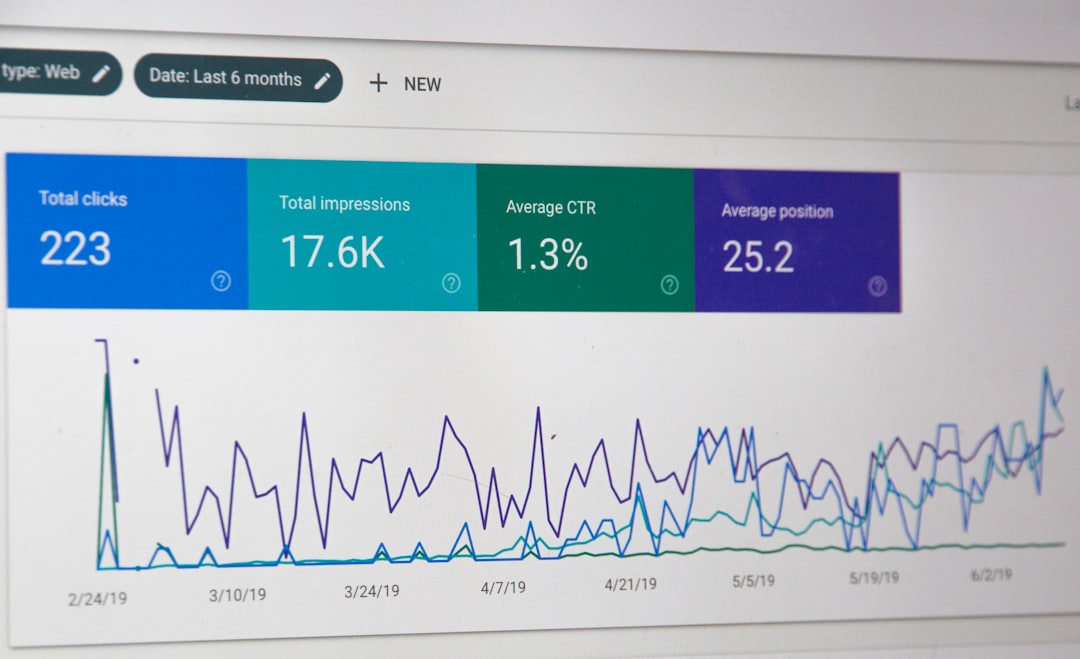
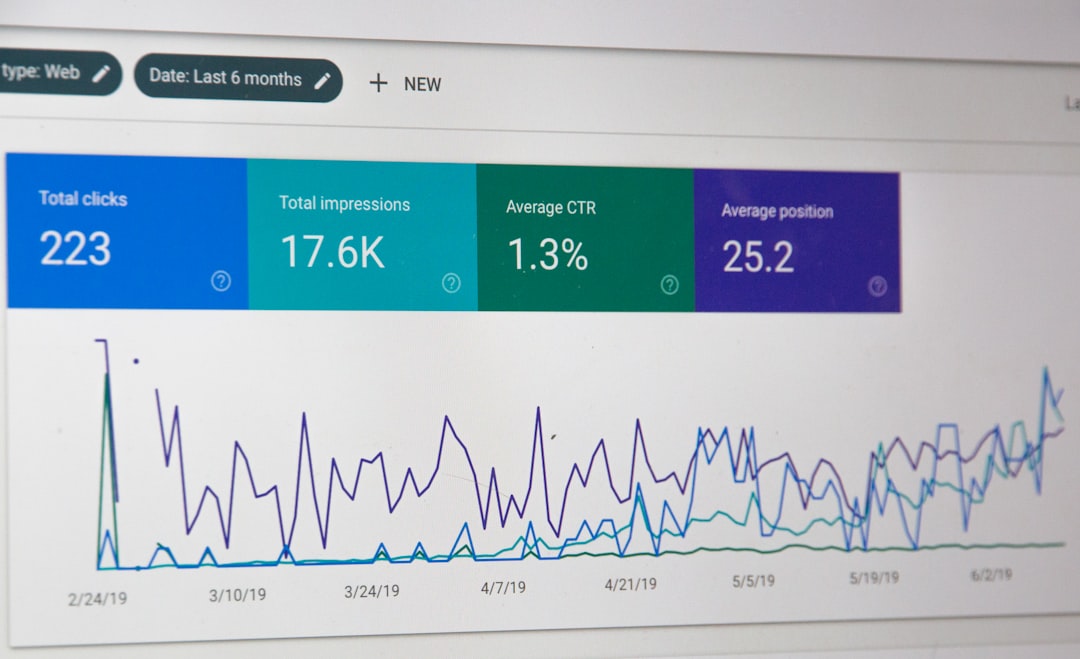
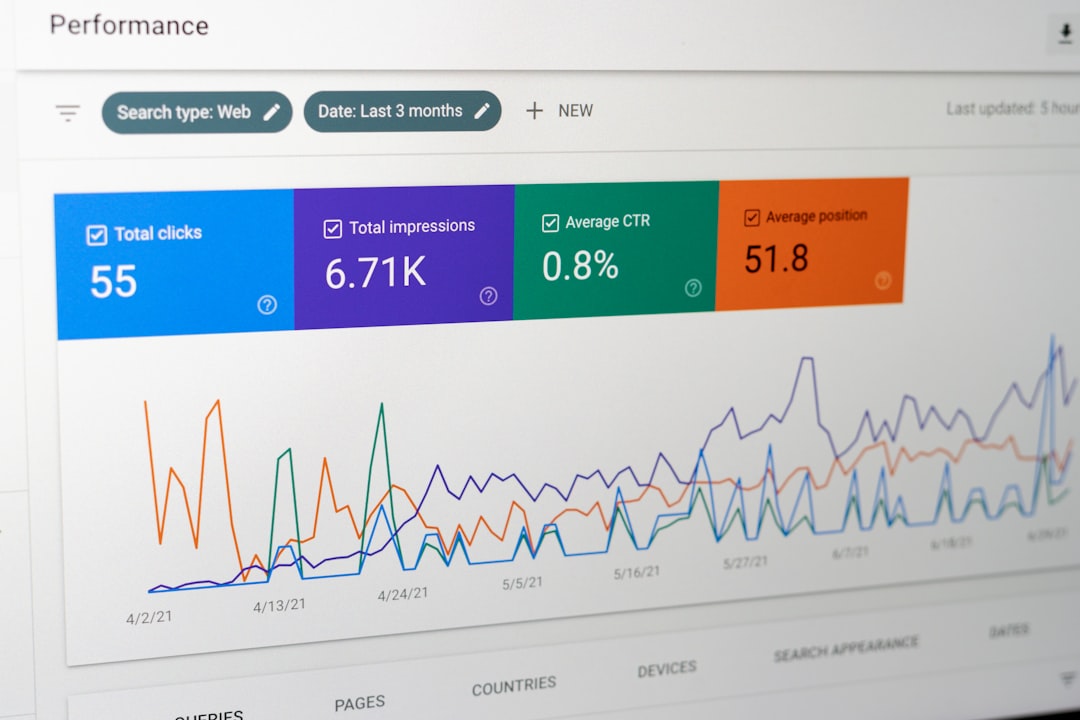
Step 9: Monitor Performance
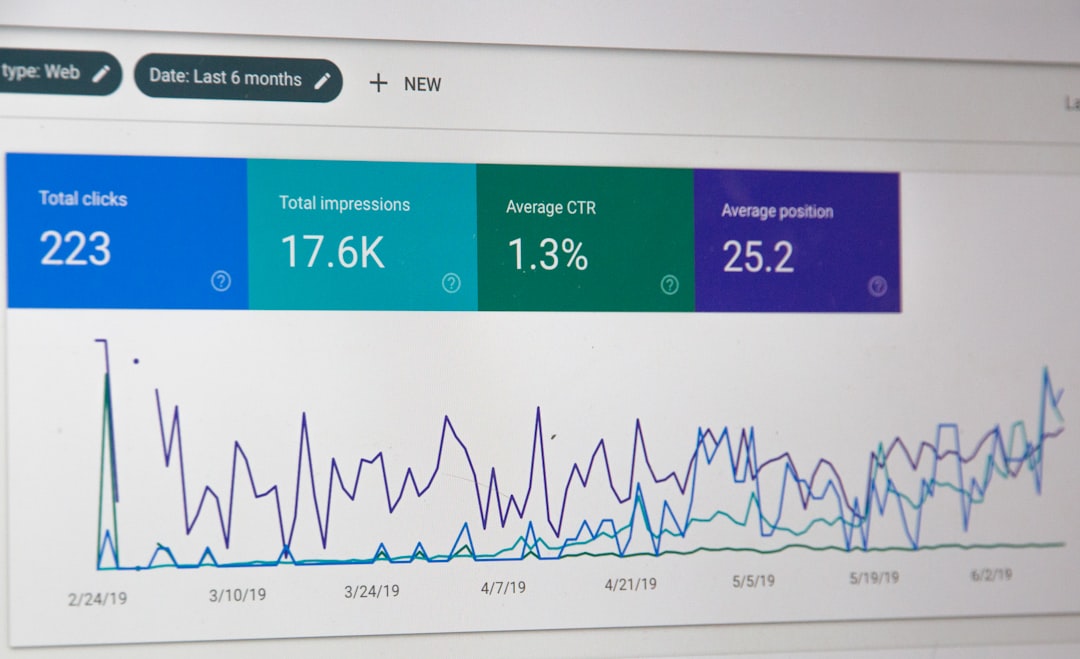
SEO requires ongoing measurement.
Review:
- Organic traffic
- Search impressions
- Click-through rates
- Keyword visibility
- Conversions
- Indexed pages
- Technical errors
Compare performance against the starting point instead of judging the campaign from a single day’s data.
Step 10: Improve Based on Data
The workflow does not end after publishing or optimization.
Use performance data to identify opportunities.
For example:
High impressions + low clicks → Review title and search-result presentation.
Traffic + low conversions → Review page relevance and calls to action.
Good content + weak visibility → Review internal linking, technical issues, and authority.
Ranking decline → Investigate content changes, competitors, technical problems, and search-result changes.
Keep the Workflow Consistent
A practical WordPress SEO workflow can be summarized as:
Business Research → Audit → Keyword Research → Page Mapping → Technical SEO → On-Page Optimization → Content → Authority → Monitoring → Improvement
This process keeps SEO organized and makes it easier to identify what needs attention next.
A WordPress SEO agency can manage this workflow as an ongoing process rather than treating SEO as a one-time website setup. The strategy can then evolve as the website, competitors, search behavior, and business goals change.