
Getting better visibility in Google requires more than adding keywords to WordPress pages. Search performance depends on the quality of the content, website structure, technical setup, user experience, and overall relevance.
A WordPress SEO agency can use several practical techniques to improve these areas while keeping the website useful for visitors.
Start With Search Intent
Before optimizing a page, determine what the searcher wants.
Search intent generally falls into different categories, including informational, navigational, commercial, and transactional searches.
For example, a person searching “how to optimize WordPress images” probably needs an educational guide. Someone searching “WordPress SEO consultant” may be comparing professional services.
Matching content to intent gives the page a clearer purpose.
Improve Important Page Titles

Page titles should clearly communicate what the page is about.
A useful title should be:
- Specific
- Relevant
- Easy to understand
- Naturally written
Avoid creating titles that repeat the same keyword multiple times.
Instead, write for people first while making the subject clear to search engines.
Create Useful, Well-Structured Content
Long content is not automatically better.
A strong page should answer the reader’s questions efficiently and provide enough detail for the topic.
Use:
- Short paragraphs
- Descriptive headings
- Bullet points
- Tables when useful
- Examples
- Relevant supporting information
This structure also makes longer pages easier to scan.
Optimize Existing Content
One of the most practical SEO opportunities can be found in content that already exists.
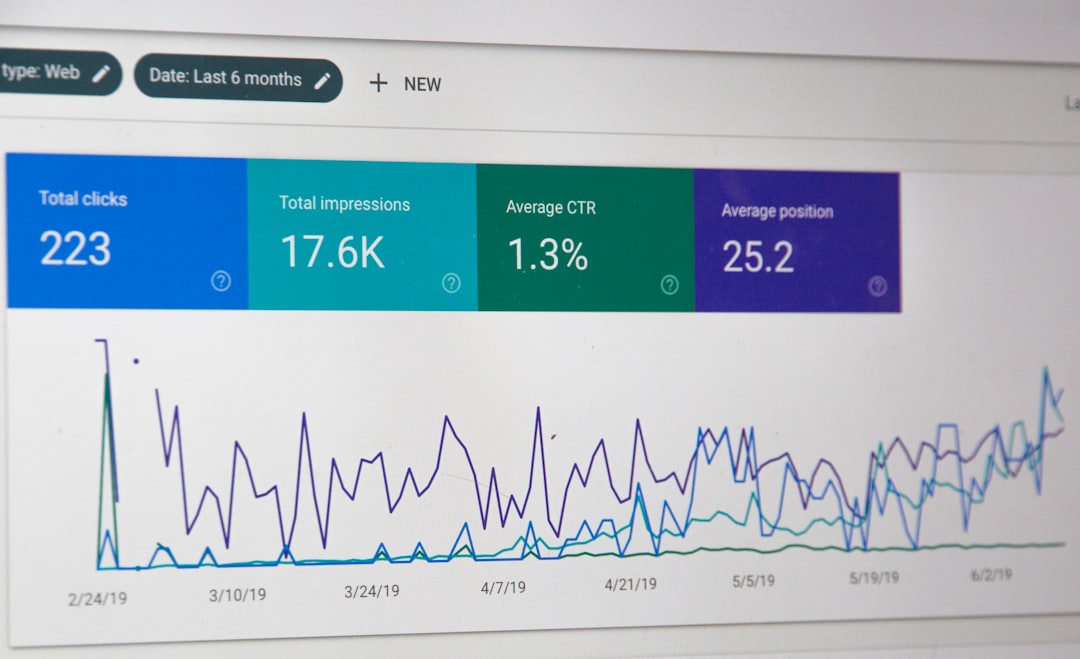
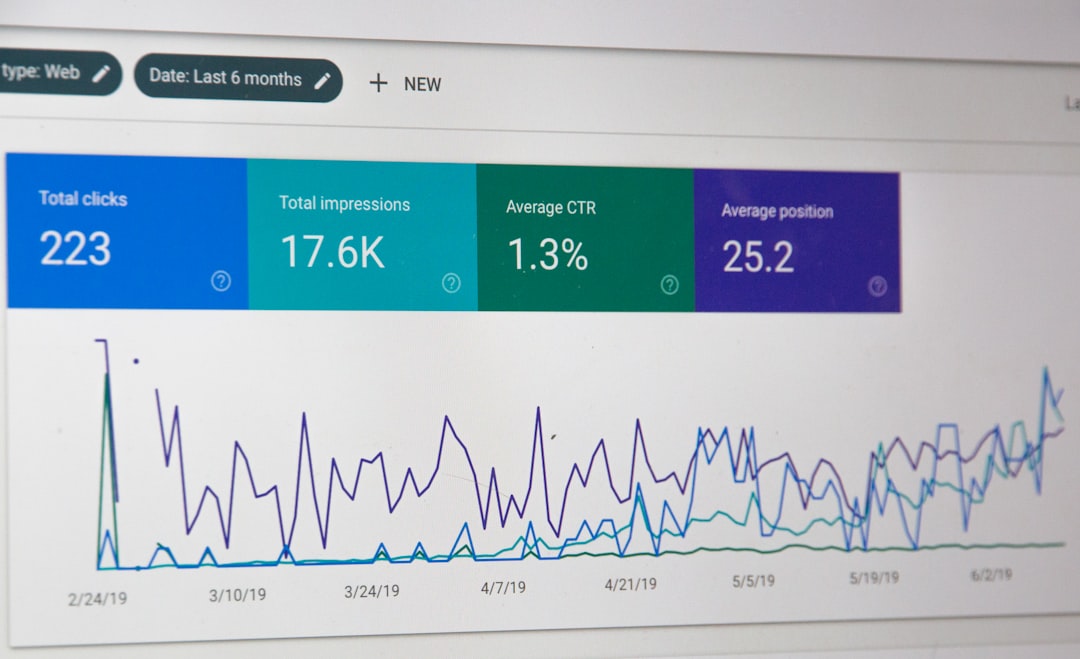
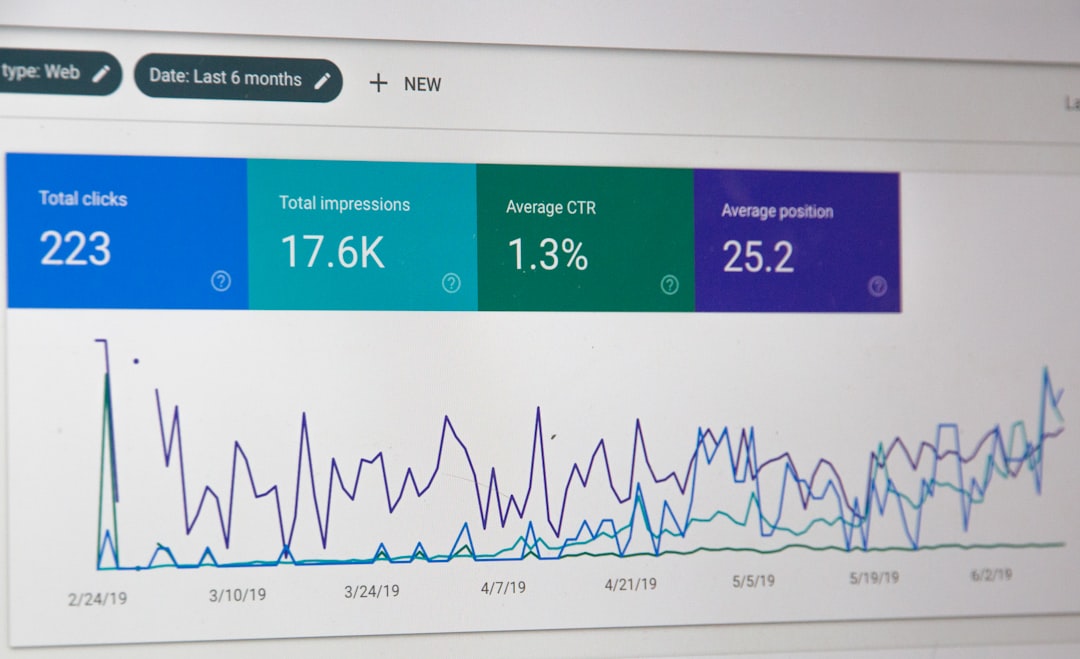
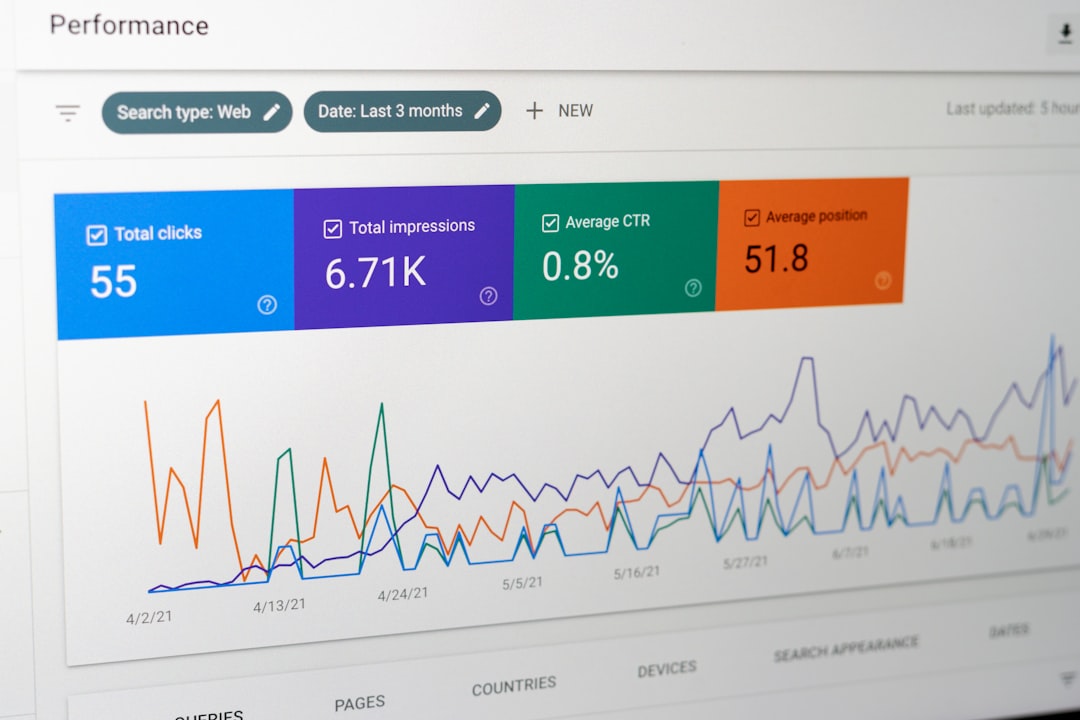
Review pages that receive impressions but have weak click-through rates or declining traffic.
Possible improvements include:
- Updating outdated information
- Improving the introduction
- Adding missing topics
- Improving headings
- Adding relevant internal links
- Reworking the title
This allows businesses to improve existing assets instead of always starting from zero.
Strengthen Internal Linking
Internal links connect related pages across a website.
A useful internal-linking strategy can help search engines understand which pages are important and can guide visitors toward related services or resources.
For example, a blog about WordPress website speed can link naturally to a page discussing technical SEO services.
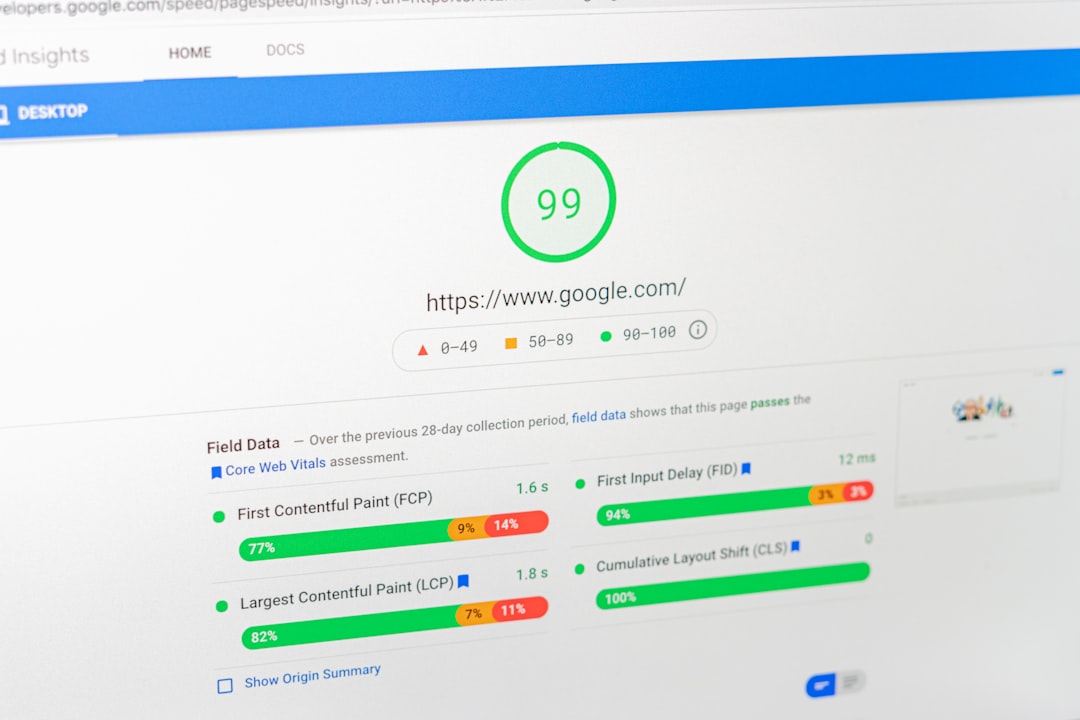
Improve Page Speed
Slow pages can frustrate visitors.
A WordPress SEO agency may review:
- Image sizes
- Caching
- Hosting performance
- Plugins
- JavaScript
- CSS
- Third-party scripts
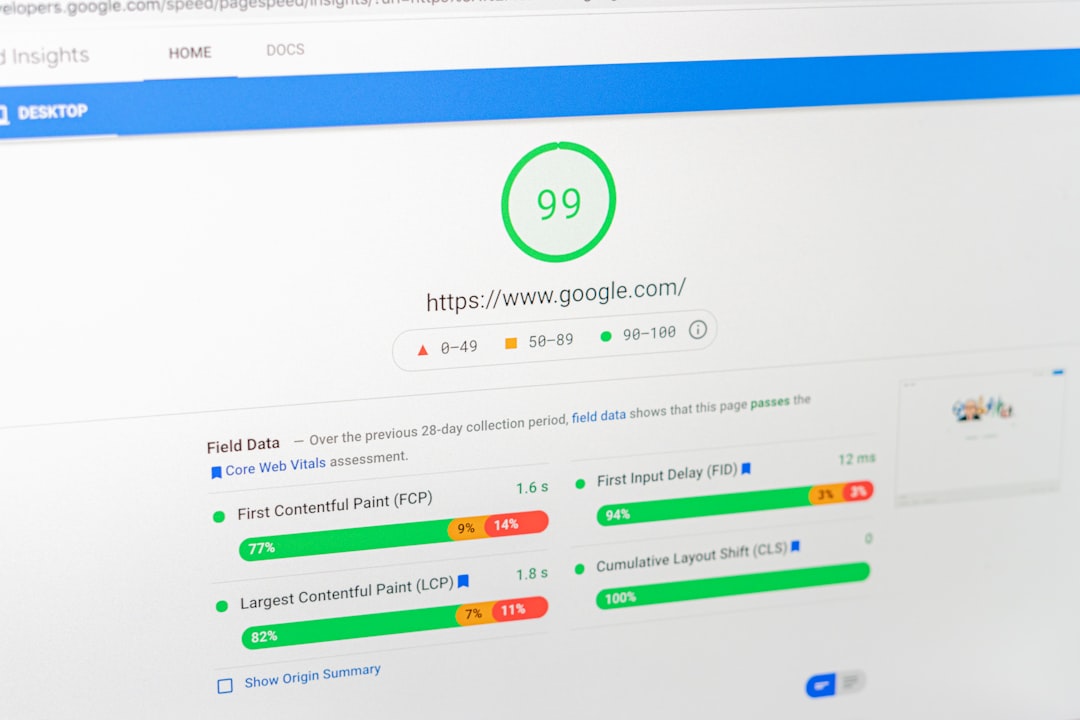
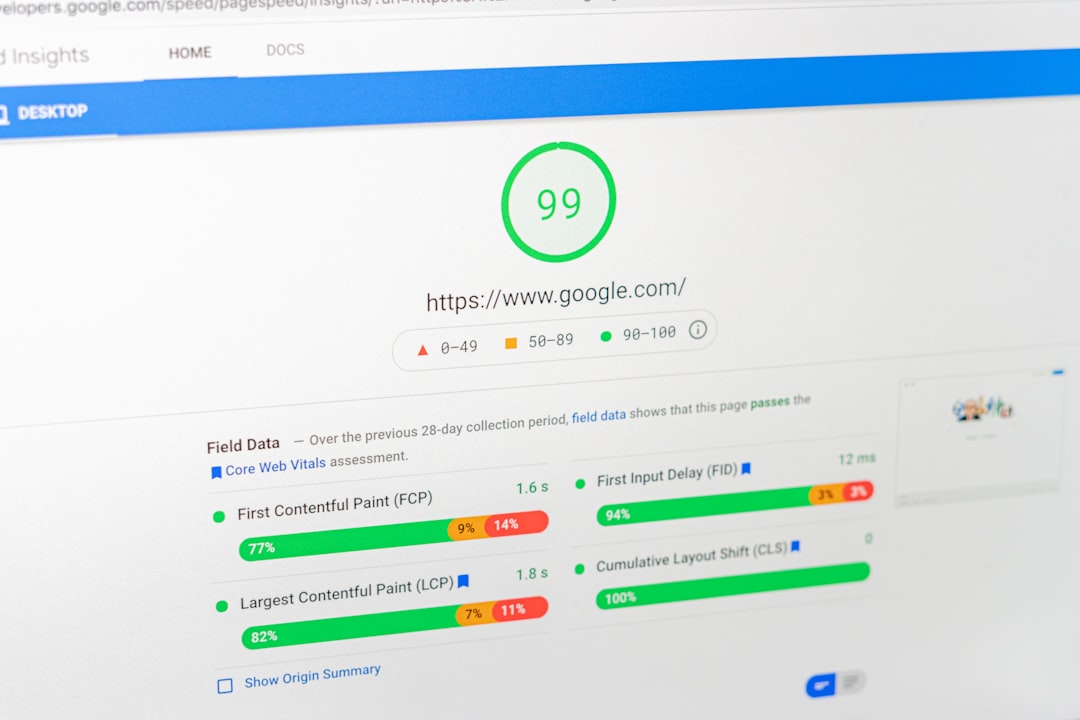
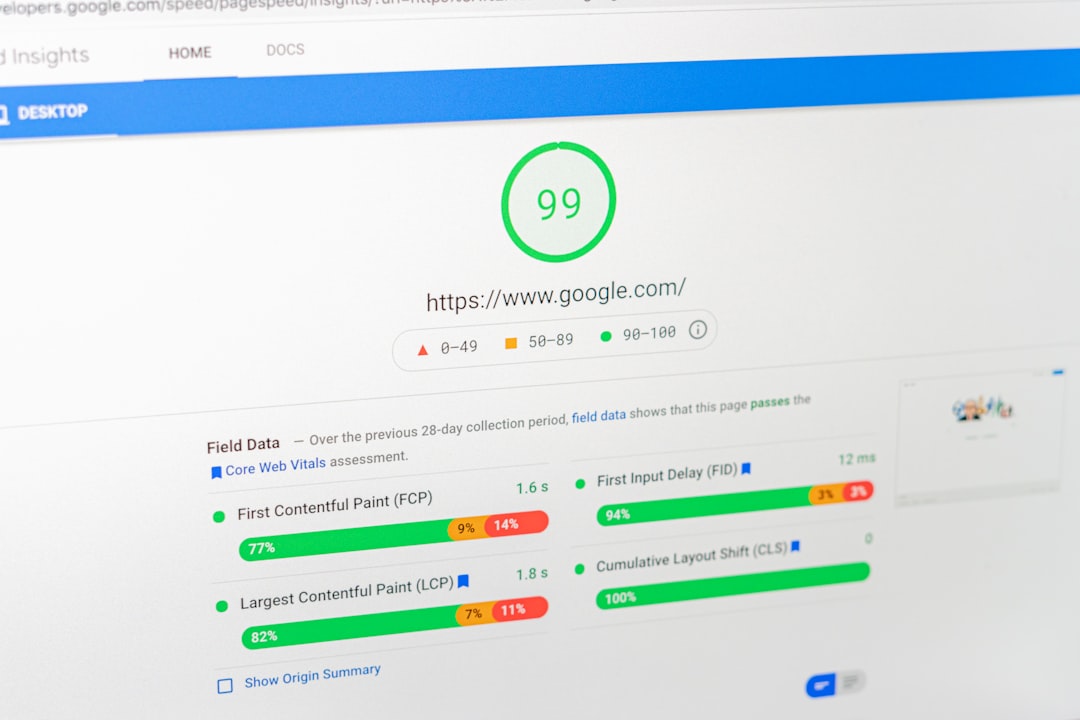
The goal is not simply to make a speed-testing tool display a high score. Real user experience should remain the priority.
Make the Website Mobile-Friendly
Google uses mobile-first indexing, so the mobile version of a website deserves careful attention.
Check whether users can:
- Read the content comfortably
- Navigate the menu
- Click buttons easily
- Complete forms
- View images correctly
- Access important information without unnecessary scrolling
A responsive design should work across different screen sizes.
Build Relevant Backlinks
Quality backlinks can help strengthen a website’s authority.
Instead of pursuing links from unrelated websites, focus on opportunities connected to the business or industry.
Possible methods include:
- Digital PR
- Industry resources
- Relevant publications
- Partnerships
- Expert contributions
- Useful original research
The emphasis should be on relevance and credibility.
Improve Local SEO

Businesses serving a specific area can benefit from local optimization.
A local SEO strategy may include:
- Accurate business information
- Google Business Profile optimization
- Location-focused pages
- Relevant local content
- Local citations
- Customer reviews
Location pages should provide useful information rather than simply repeating a city name.
Fix Technical SEO Problems
Technical problems can make it harder for search engines to crawl or understand a website.
Regular checks should include:
- Indexing
- XML sitemap
- Robots.txt
- Canonical URLs
- Redirects
- Broken links
- Mobile usability
- HTTPS
Technical SEO should support the content strategy rather than operate separately from it.
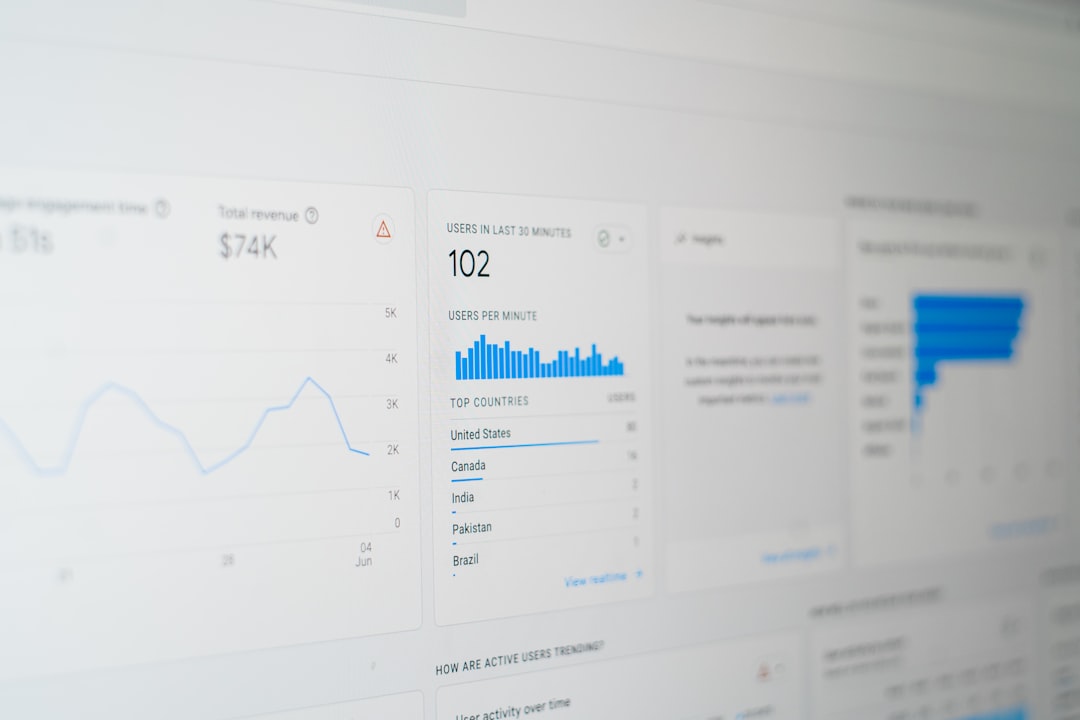
Track the Right Metrics
Google rankings are only one part of performance.
Monitor:
| Metric | What It Shows |
|---|---|
| Impressions | Search visibility |
| Clicks | Organic visits from search |
| CTR | How often users click |
| Conversions | Business results |
| Rankings | Keyword visibility |
| Indexed pages | Search accessibility |
These measurements help identify what needs attention next.
Keep Improving
SEO is an ongoing process. Competitors publish new content, search behavior changes, websites are updated, and older pages become less relevant.
A WordPress SEO agency can use regular audits and performance data to identify new opportunities.
The most sustainable approach is to combine useful content, technical health, strong website structure, good user experience, and relevant authority-building rather than relying on a single SEO trick.