
Small businesses often compete with larger companies that have bigger marketing budgets and established websites. That does not mean a small WordPress website cannot attract organic traffic.
A focused SEO strategy can help a small business concentrate its resources on relevant searches, useful content, local visibility, and pages that have real business value.
Start With Clear Goals

Before doing SEO, define what the business wants to achieve.
Possible goals include:
- More local customers
- More service inquiries
- More online sales
- More phone calls
- Better visibility for specific services
These goals determine which pages and keywords deserve the most attention.
Focus on Relevant Keywords
Small businesses do not need to target every possible keyword.
Start with searches closely related to the products or services being offered.
For example, a local web design company may focus on searches related to:
- WordPress web design
- Website design services
- Local web development
- WordPress maintenance
Location-specific terms may also be useful when the business serves a particular area.
Optimize Service Pages
Service pages can be some of the most valuable pages on a small business website.
Each important service should have a clear page explaining:
- What the service includes
- Who it is for
- Benefits
- Process
- Relevant examples
- Frequently needed information
- How to get started
The content should answer potential customers’ questions rather than simply repeat the service name.
Build a Useful Local SEO Foundation
For businesses serving a local area, local SEO can be especially valuable.
Make sure business information is accurate across important platforms.
Review:
- Business name
- Address
- Phone number
- Website
- Business hours
- Service areas
A well-maintained Google Business Profile can also support local visibility.
Create Location-Specific Content Carefully
If a business serves several areas, location pages may help users find relevant information.
However, each page should provide unique value.
For example, a page for a particular city could discuss:
- Services available there
- Areas served
- Local customer needs
- Relevant projects
- Contact information
Avoid creating dozens of pages that only replace one city name with another.
Use Content Marketing Strategically
Small businesses do not need to publish every day.
A better approach is to create useful content around questions potential customers actually ask.
Possible content types include:
- How-to guides
- Industry explanations
- Comparisons
- Buying guides
- Case studies
- Service-related articles
Each article should support a broader business topic where possible.
Strengthen Internal Links
Connect blog content to relevant service pages.
For example, a blog about website speed could naturally link to a WordPress performance service.
This helps visitors discover the next relevant page and creates stronger connections across the site.
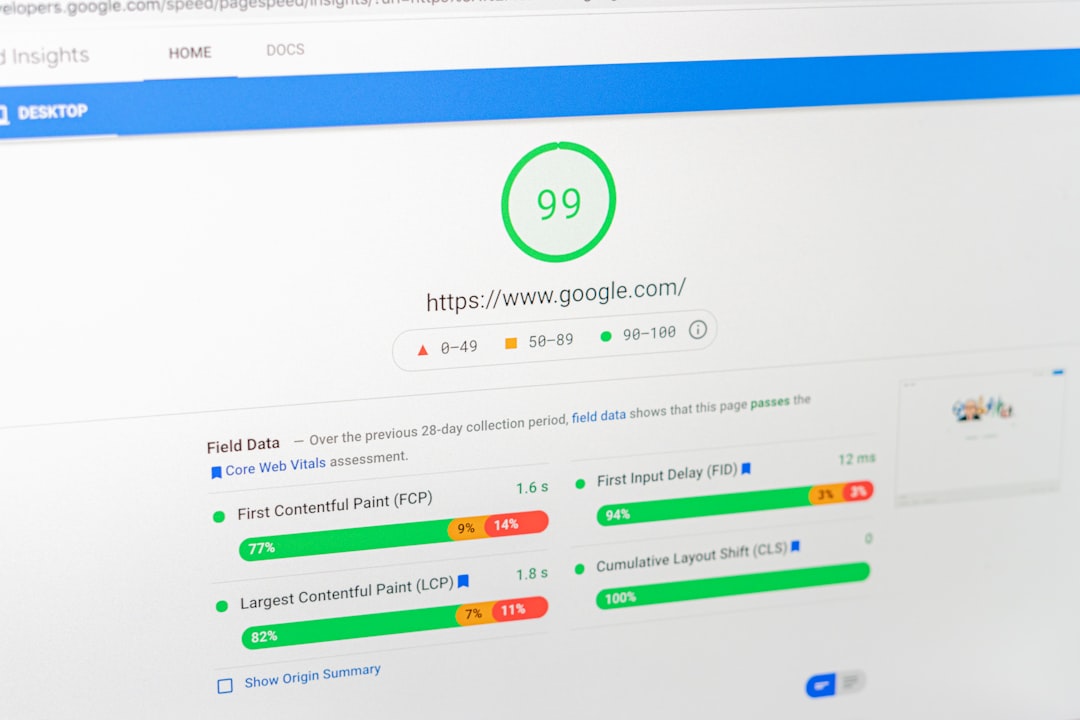
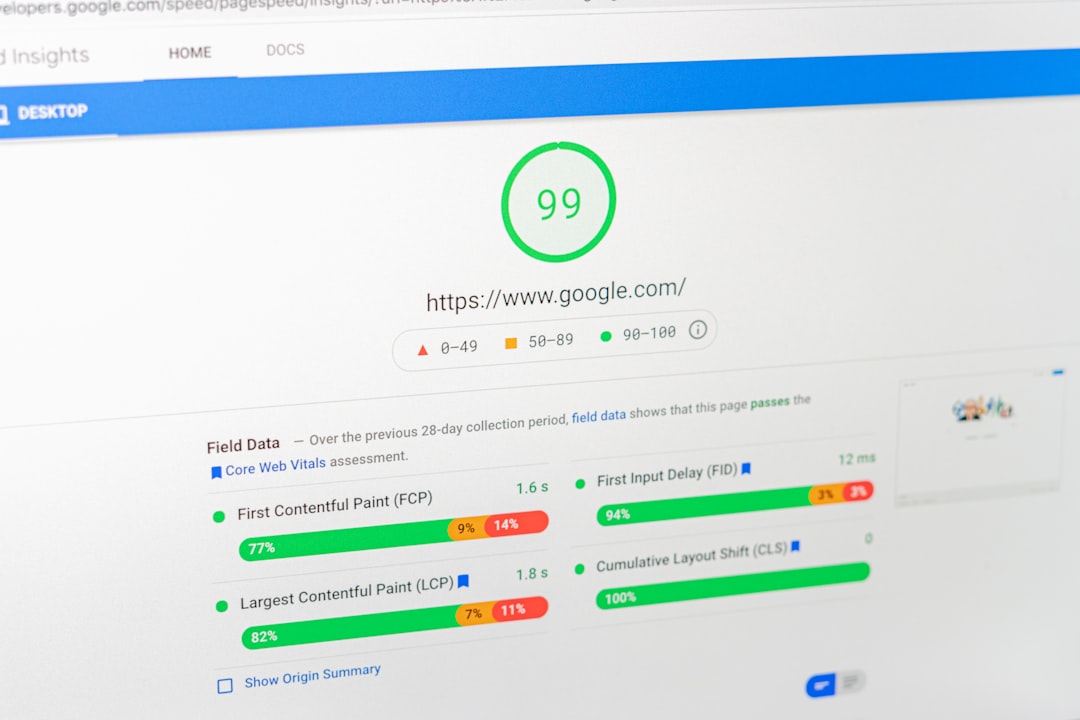
Improve Website Performance
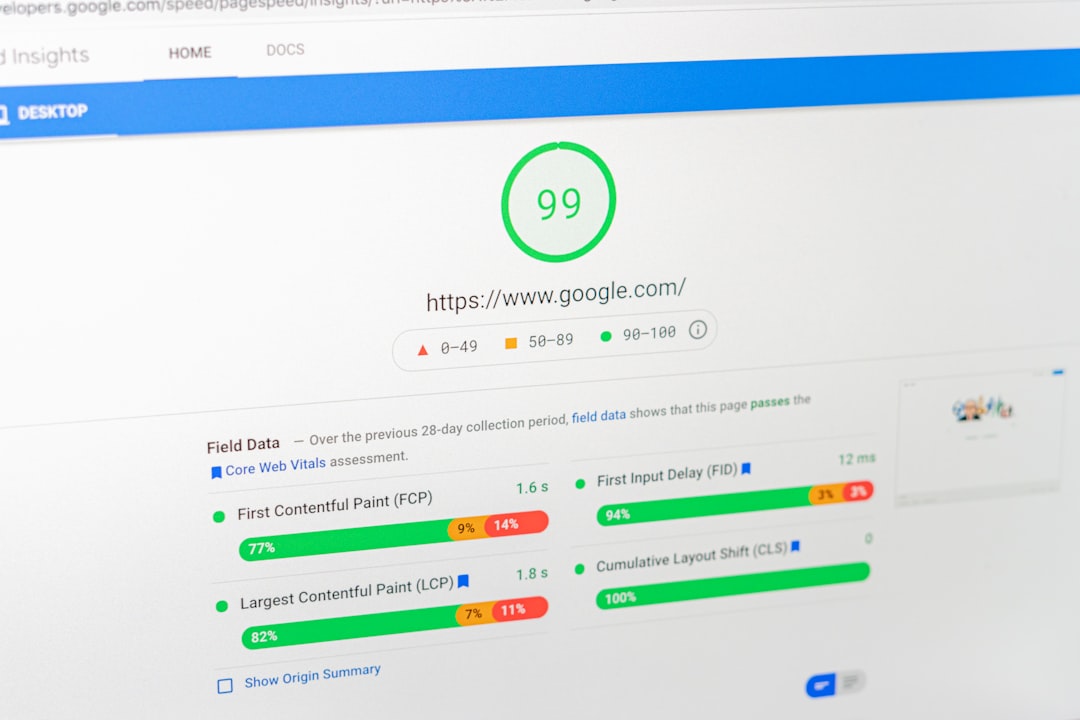
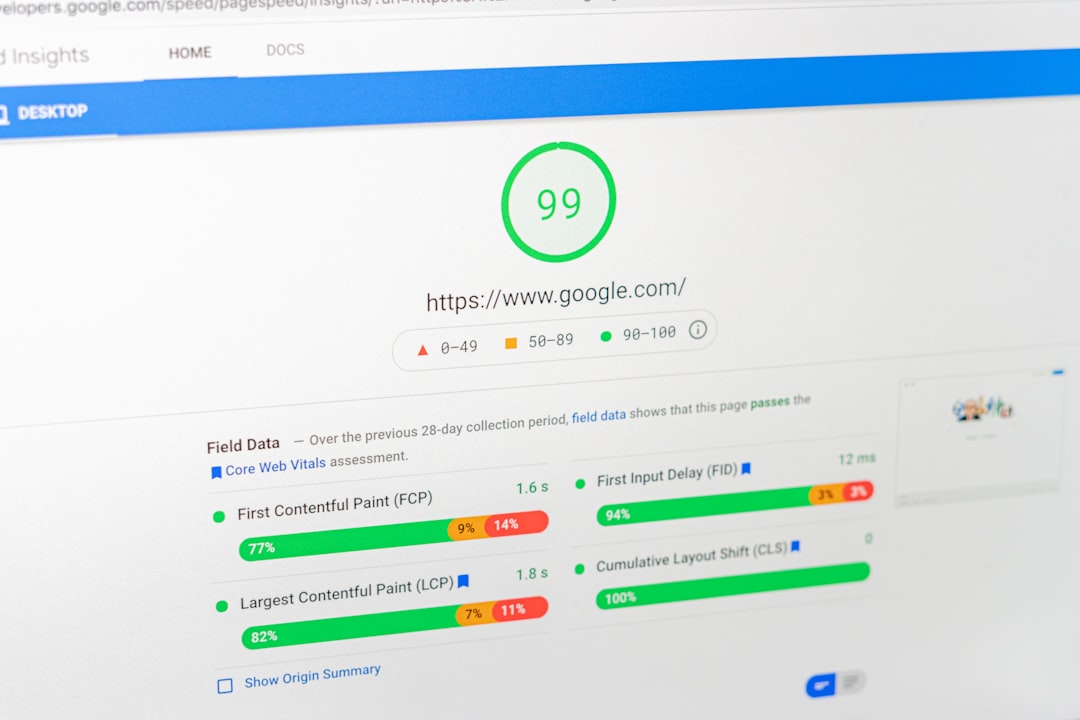
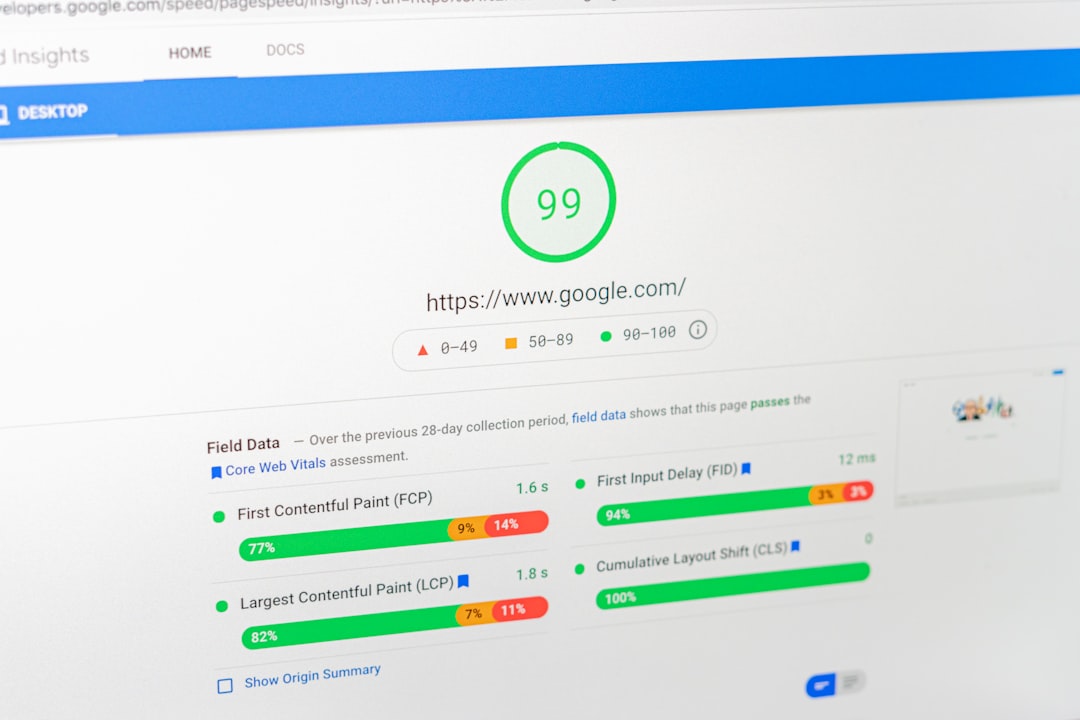
Small business websites should not overlook technical performance.
Check:
- Image sizes
- Mobile responsiveness
- Hosting
- Caching
- Plugins
- Broken links
- Page loading
A fast, easy-to-use website creates a better experience for potential customers.
Build Local and Industry Authority
A small business can build visibility through relevant websites and communities.
Potential opportunities include:
- Local organizations
- Industry directories
- Relevant publications
- Partnerships
- Local events
- Professional associations
The emphasis should remain on genuine relevance rather than collecting links simply for their numbers.
Track Leads, Not Just Traffic

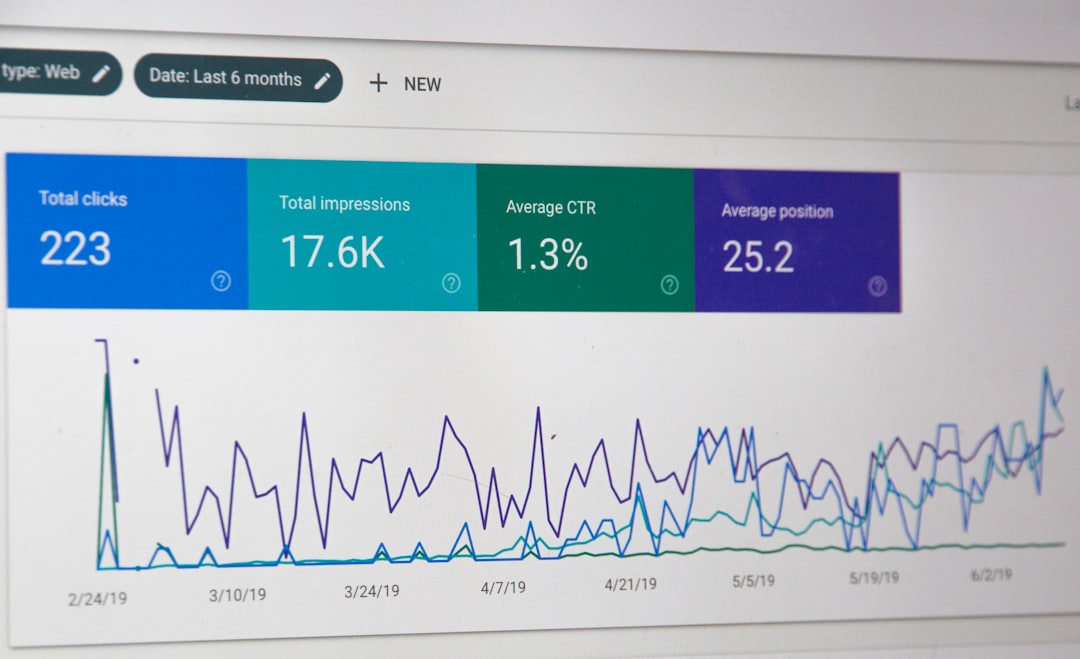
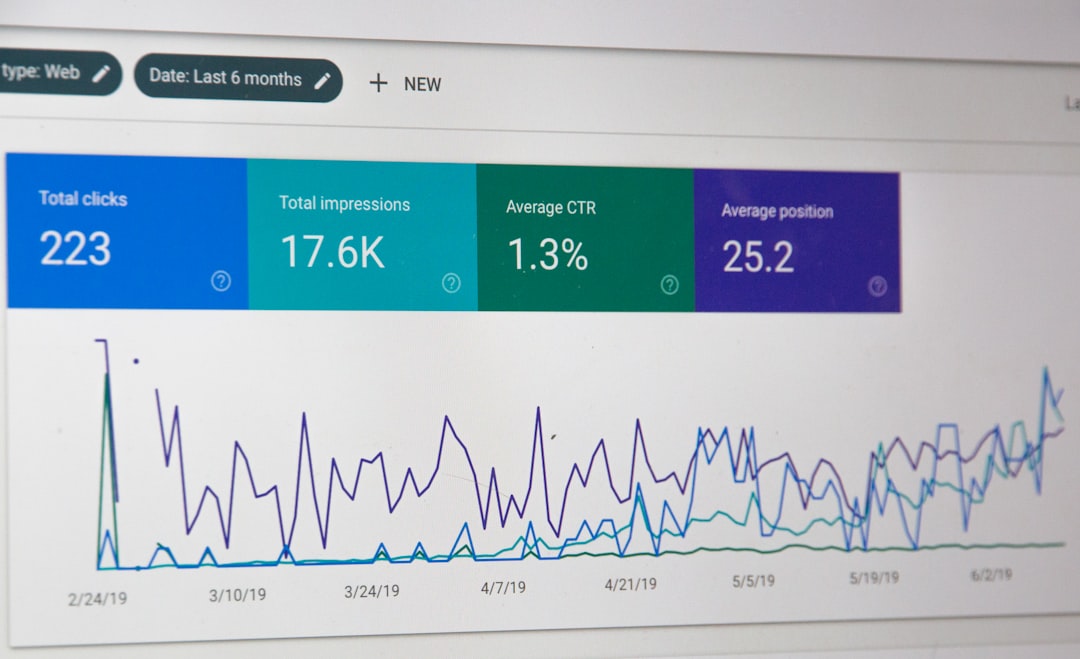
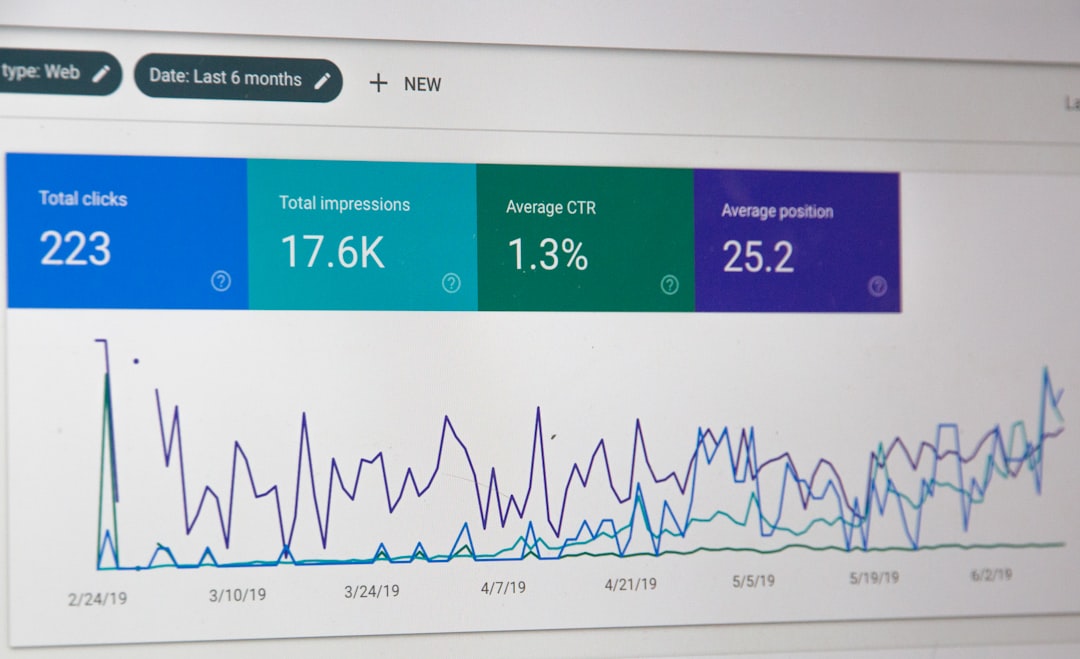
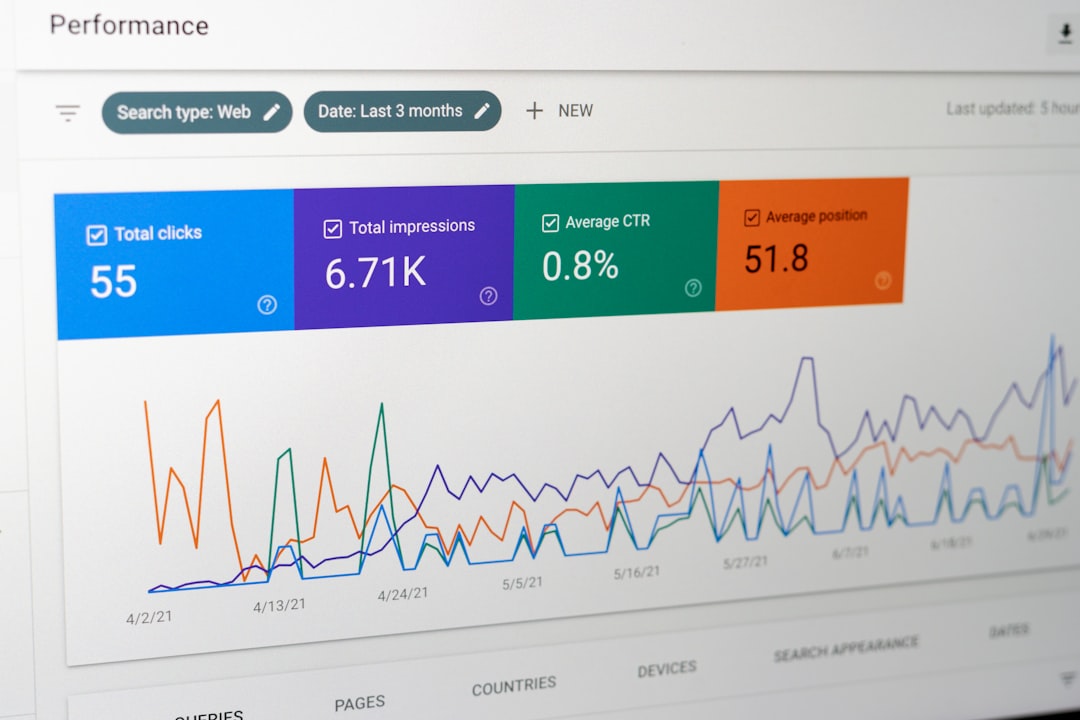
A small business may only receive a few hundred organic visits each month, but those visits can still be valuable if they produce qualified leads.
Track actions such as:
- Contact form submissions
- Calls
- Quote requests
- Bookings
- Purchases
This helps determine whether SEO is attracting the right audience.
Prioritize the Work
Small businesses usually have limited time and resources, so SEO should be prioritized.
A practical order can be:
- Fix serious technical problems
- Optimize important service pages
- Improve local visibility
- Build useful supporting content
- Strengthen internal links
- Develop relevant authority
- Monitor performance
This keeps the strategy focused instead of spreading resources across too many tasks.
Work With a WordPress SEO Agency
A WordPress SEO agency can help small businesses turn these activities into a structured process.
Professional support may include technical audits, keyword research, page optimization, content planning, local SEO, link development, and reporting.
The most useful strategy is not necessarily the largest one. For a small business, a focused plan built around the right audience, services, locations, and measurable goals can create a stronger foundation for sustainable organic growth.