
A WordPress website can develop SEO problems for many different reasons. Sometimes the issue is technical, while in other cases the problem comes from weak content, poor site structure, slow performance, or an unclear SEO strategy.
Understanding common WordPress SEO agency issues makes it easier to identify what needs attention and choose the right solution.
Poor Organic Traffic

One of the most common concerns is low organic traffic. A website may have many pages but receive very few visitors from search engines.
Possible causes include:
- Weak keyword targeting
- Low-quality content
- Poor search intent matching
- Technical indexing problems
- Strong competition
- Limited website authority
Solution
Start with an SEO audit. Review which pages are indexed, which keywords they target, and whether the content actually satisfies search intent.
Instead of publishing dozens of new pages immediately, improve the pages that already have potential.
Pages Not Appearing in Google
Sometimes important WordPress pages are not indexed.
Possible reasons include:
- Accidental noindex settings
- Incorrect robots.txt rules
- Canonical issues
- Duplicate URLs
- Crawl problems
- Very thin content
Solution
Check the page’s indexing status and review WordPress SEO settings. Make sure important pages are accessible to search engines and that unnecessary restrictions are not blocking them.
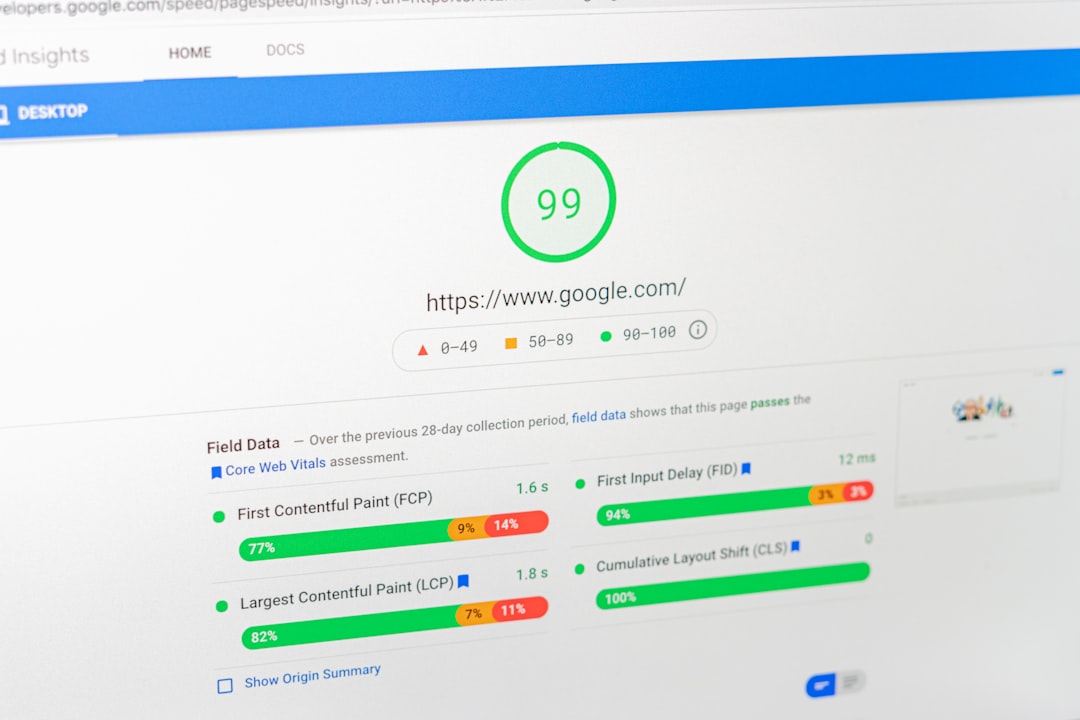
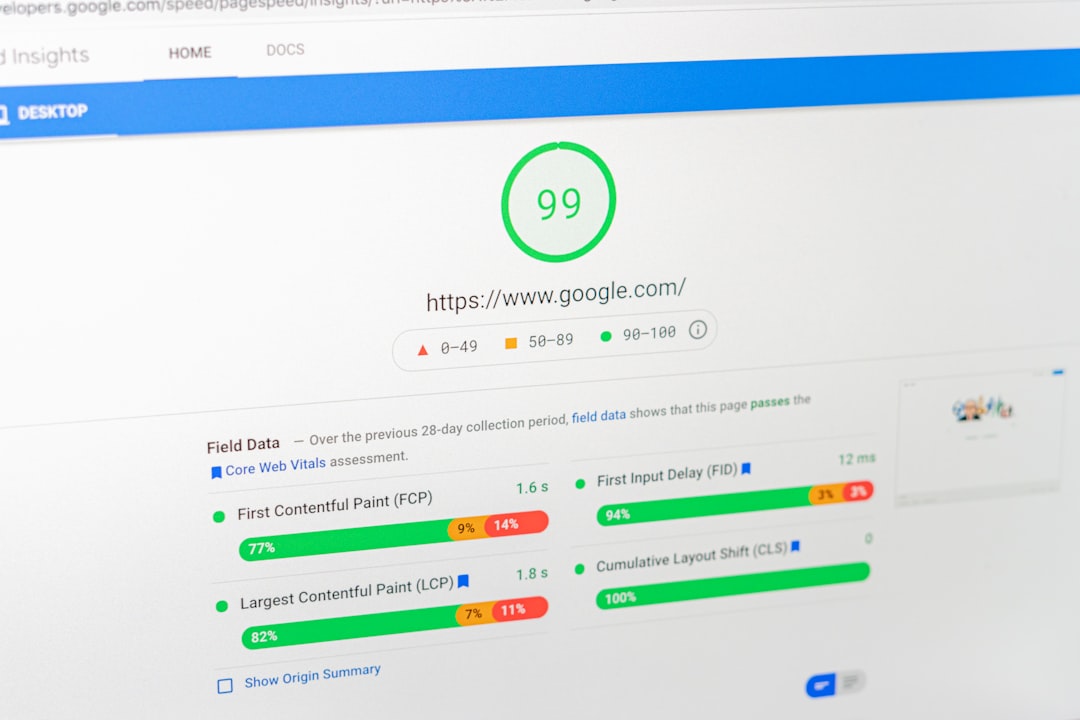
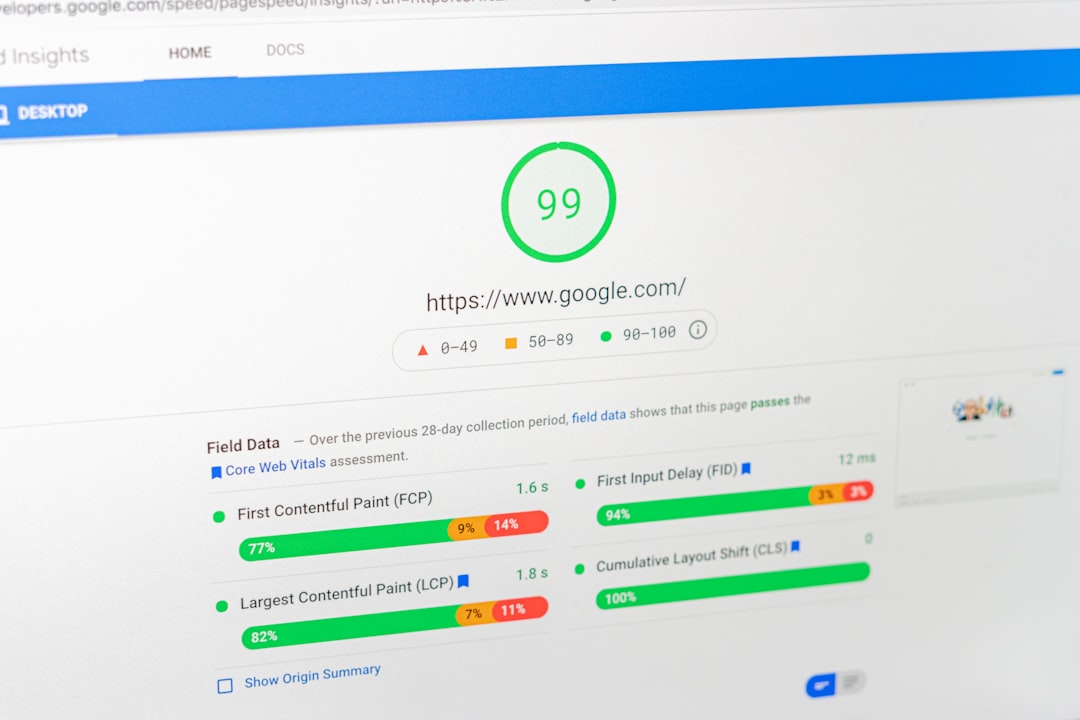
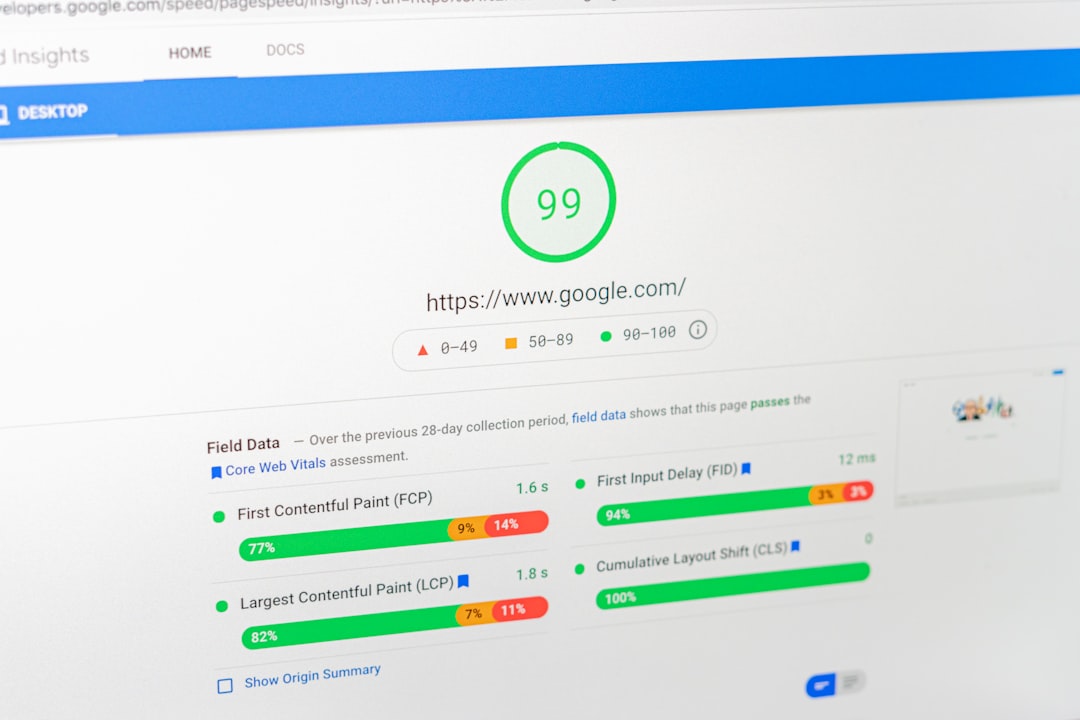
Slow Website Performance
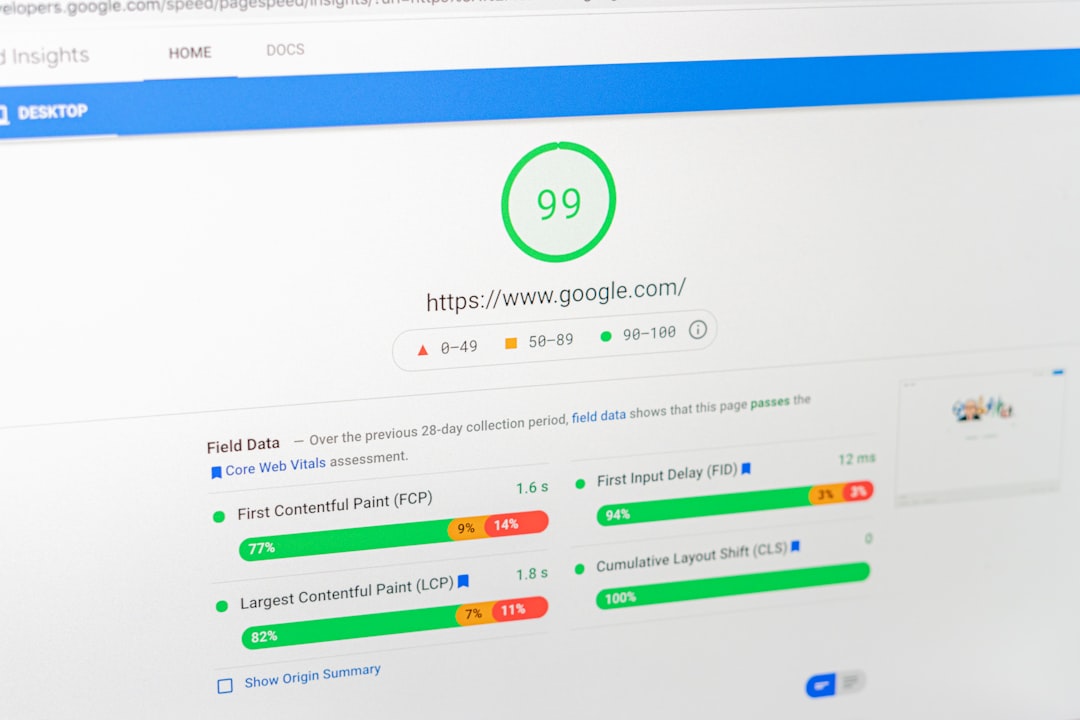
A slow website can create a poor experience for visitors and make it harder to compete in search.
Common causes include:
- Large images
- Too many plugins
- Poor hosting
- Heavy scripts
- Unoptimized themes
- Excessive third-party resources
Solution
Test important pages and identify the actual sources of delay. Compress images, remove unnecessary plugins, use caching, and optimize scripts where appropriate.
Duplicate Content
WordPress can sometimes create multiple URLs for similar content through categories, tags, archives, parameters, or duplicated pages.
Solution
Review which versions should be indexed. Use appropriate canonicalization, redirects, or indexing controls where necessary.
Do not automatically block everything. Each page should be evaluated based on its purpose and value.
Weak Keyword Targeting
A page may contain keywords but still fail to attract the right audience.
For example, targeting a broad term when your business provides a specialized service can bring visitors who are unlikely to convert.
Solution
Research search intent before choosing keywords. Match informational searches with educational content and commercial searches with service or product pages.
Poor Internal Linking
Important pages may remain difficult to discover if other relevant pages do not link to them.
Solution
Create logical connections between related content. Blog posts can link to relevant service pages, while service pages can link to useful supporting guides.
Use descriptive anchor text that helps users understand what they will find after clicking.
Weak Mobile Experience
A website may look good on desktop but create problems on mobile devices.
Check:
- Text size
- Navigation
- Buttons
- Forms
- Images
- Spacing
- Page loading
Solution
Test important pages on different screen sizes and fix layout problems that make the website difficult to use.
Poor Content Quality

Publishing content simply to increase the number of pages can lead to weak results.
Common content problems include:
- Repetitive articles
- Generic information
- Keyword stuffing
- Outdated material
- Unclear structure
Solution
Create content around genuine user needs. Explain topics clearly, provide useful examples, and update older pages when information changes.
Backlink Problems
A website may have many backlinks but limited SEO benefit if those links are irrelevant or low quality.
Solution
Focus on earning relevant links from useful websites through valuable resources, digital PR, industry relationships, and quality content.
Avoid strategies that prioritize backlink quantity over relevance.
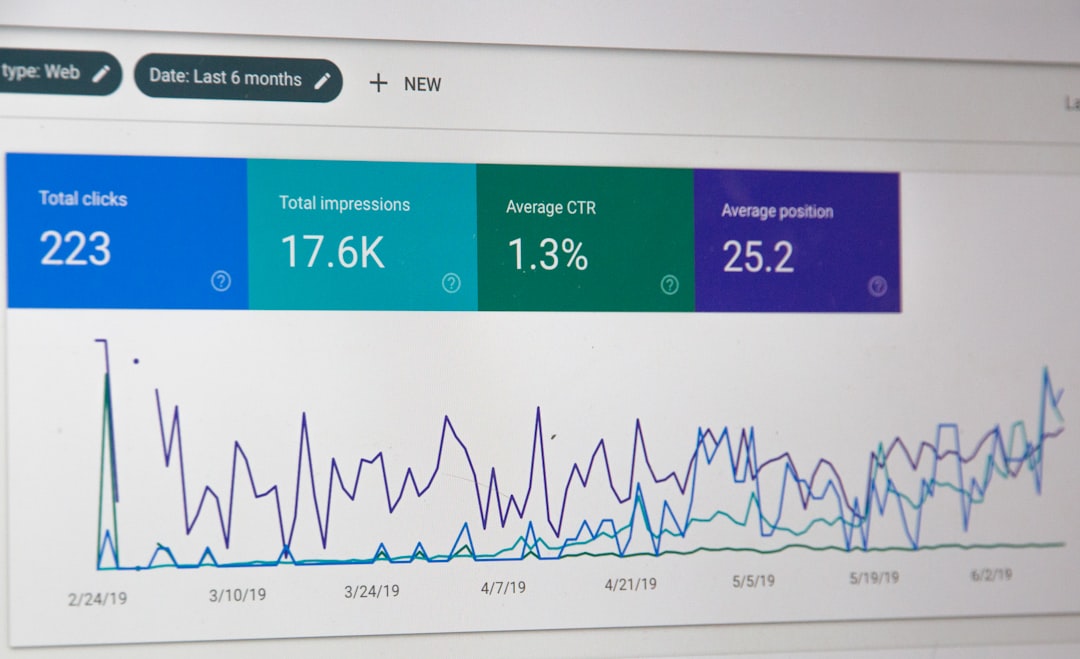
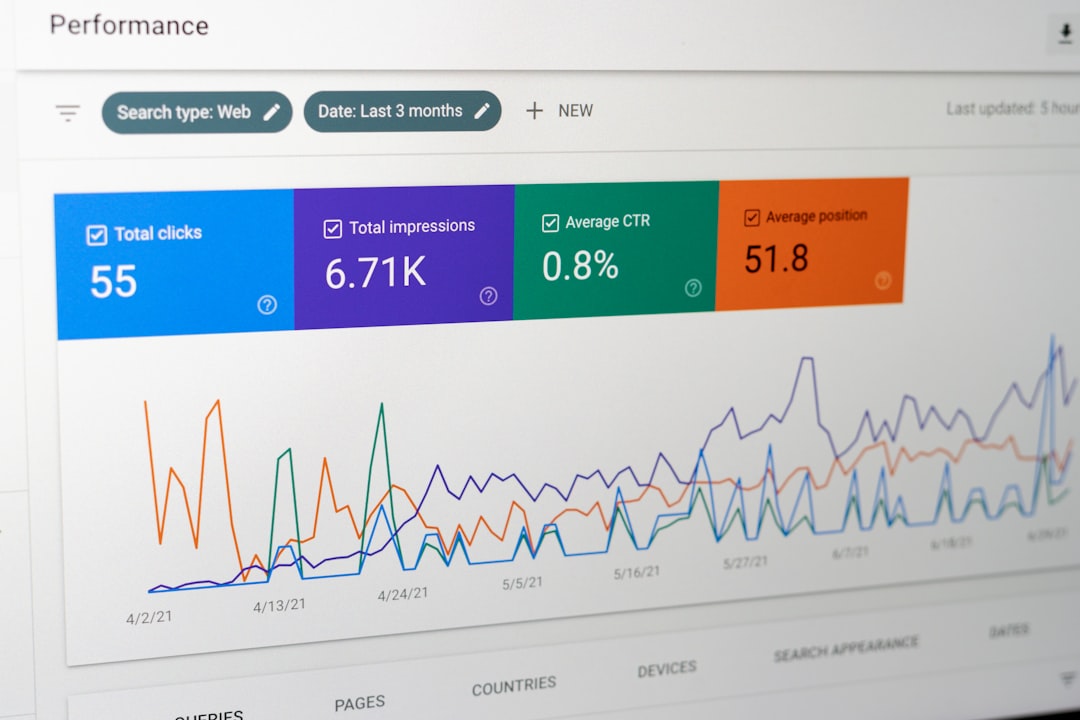
No Clear Measurement
Another issue is not knowing whether SEO work is producing meaningful results.
Track:
| Metric | Purpose |
|---|---|
| Organic traffic | Measures search visitors |
| Rankings | Tracks keyword visibility |
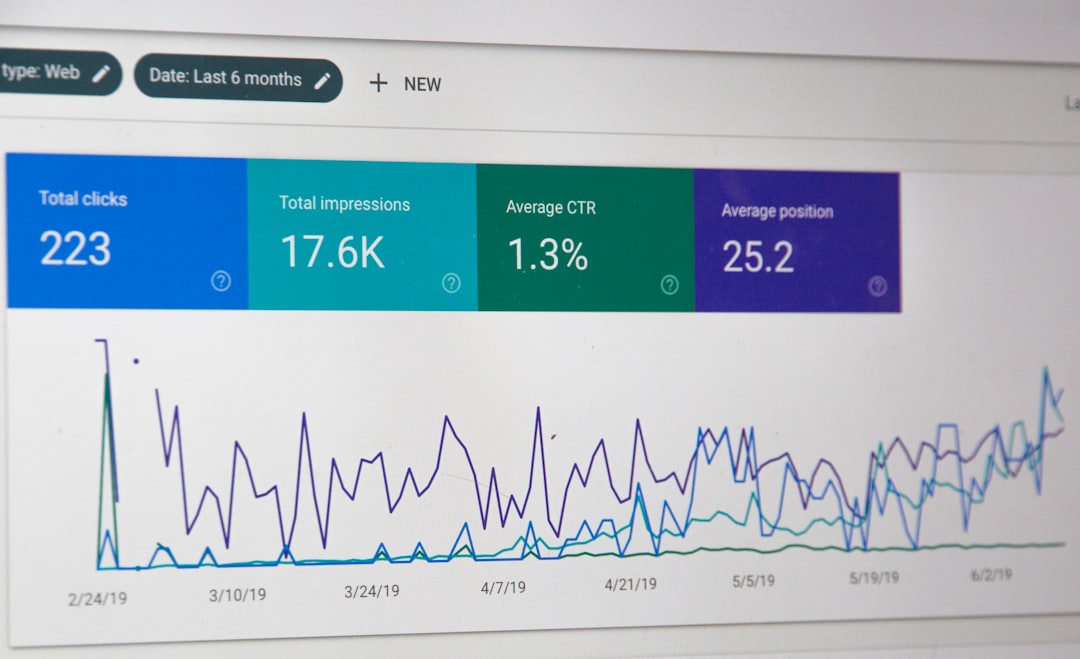
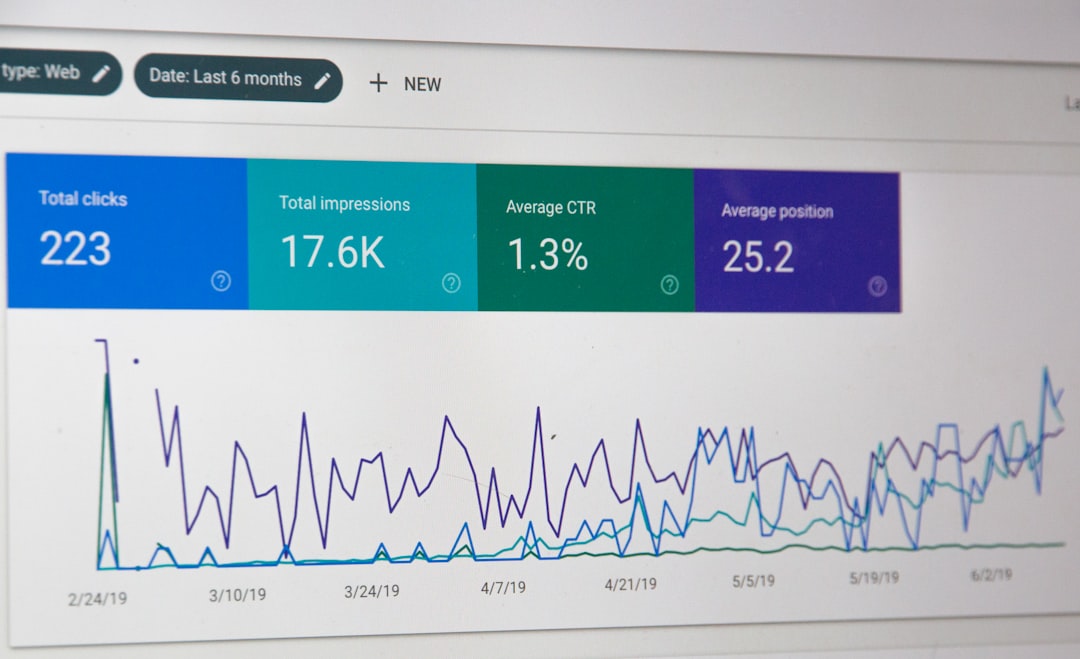
| CTR | Shows search-result engagement |
| Leads | Measures business opportunities |
| Conversions | Measures outcomes |
A WordPress SEO agency can use these measurements to identify problems, prioritize improvements, and refine the strategy over time.
When Several Problems Exist Together
SEO problems are often connected. For example, slow performance, weak content, poor internal linking, and indexing issues can all affect the same website.
Instead of fixing random issues, create a priority list:
Technical problems → Important pages → Content → Internal links → Authority → Monitoring
This makes optimization more organized and easier to measure.