
Search engine optimization can feel complicated when you are managing a WordPress website for the first time. There are plugins, keywords, technical settings, content, backlinks, speed, indexing, and many other factors to consider.
A WordPress SEO agency helps bring these areas together into a structured process. Whether a website is completely new or already receiving organic traffic, SEO can be approached in stages.
This guide explains the journey from beginner-level optimization to more advanced WordPress SEO work.
Beginner-Level WordPress SEO

At the beginner level, the focus is on getting the basic foundations right.
1. Create a Search-Friendly Site Structure
Your website should be easy for visitors and search engines to understand.
A simple structure might look like:
Home → Services → Individual Service Pages → Blog
Important pages should be reachable through clear navigation and internal links.
2. Use Search-Friendly URLs
WordPress allows you to control permalink structures.
Instead of:
example.com/page?id=123
a cleaner URL could be:
example.com/wordpress-seo-services/
Readable URLs make the page topic clearer.
3. Optimize Page Titles
Every important page should have a clear title that describes its subject.
Avoid forcing multiple keywords into the title. Focus on making it useful and relevant to the searcher’s intent.
4. Improve Basic Content
Pages should answer the questions visitors are actually asking.
For example, a web design company could create useful content around:
- Website design services
- Website redesign
- Ecommerce website development
- Responsive web design
Intermediate WordPress SEO
Once the basic foundation is established, SEO can become more strategic.
Keyword Research
Keyword research helps identify what potential customers search for.
A business may discover different types of keywords:
| Keyword Type | Example |
|---|---|
| Informational | How does WordPress SEO work? |
| Commercial | Best WordPress SEO services |
| Service-based | WordPress SEO consultant |
| Local | WordPress SEO agency in Lahore |
The purpose is not to target every keyword available. It is to select terms that match the website’s audience and business goals.
Internal Linking
Internal links connect relevant pages across the website.
For example, a blog about WordPress site speed could naturally link to a page about technical SEO services.
This can help users discover related information while giving search engines additional context about the site’s structure.
Image Optimization
Large images can affect page performance.
Good practices include:
- Compressing images
- Using suitable formats
- Writing descriptive alt text
- Avoiding unnecessarily large dimensions
- Using responsive images
Advanced WordPress SEO
Advanced SEO goes deeper into technical performance and website architecture.
Technical Audits
A professional audit may examine:
- Indexing problems
- Crawlability
- Canonical URLs
- Redirects
- Broken links
- Duplicate content
- Sitemap configuration
- Robots.txt
- Structured data
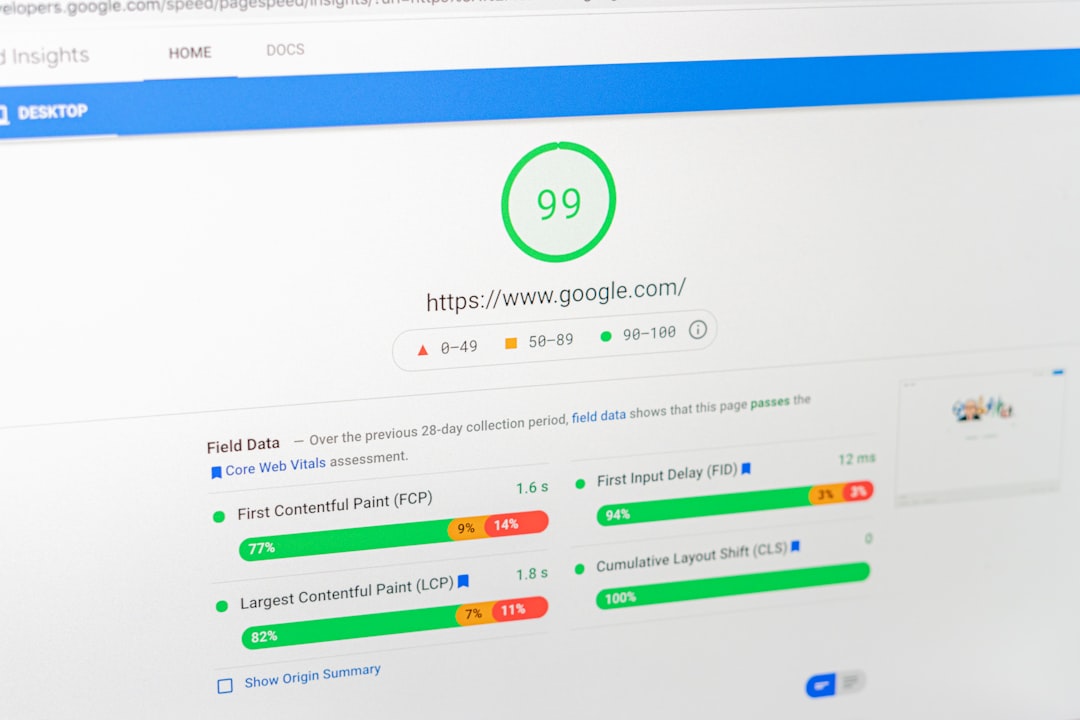
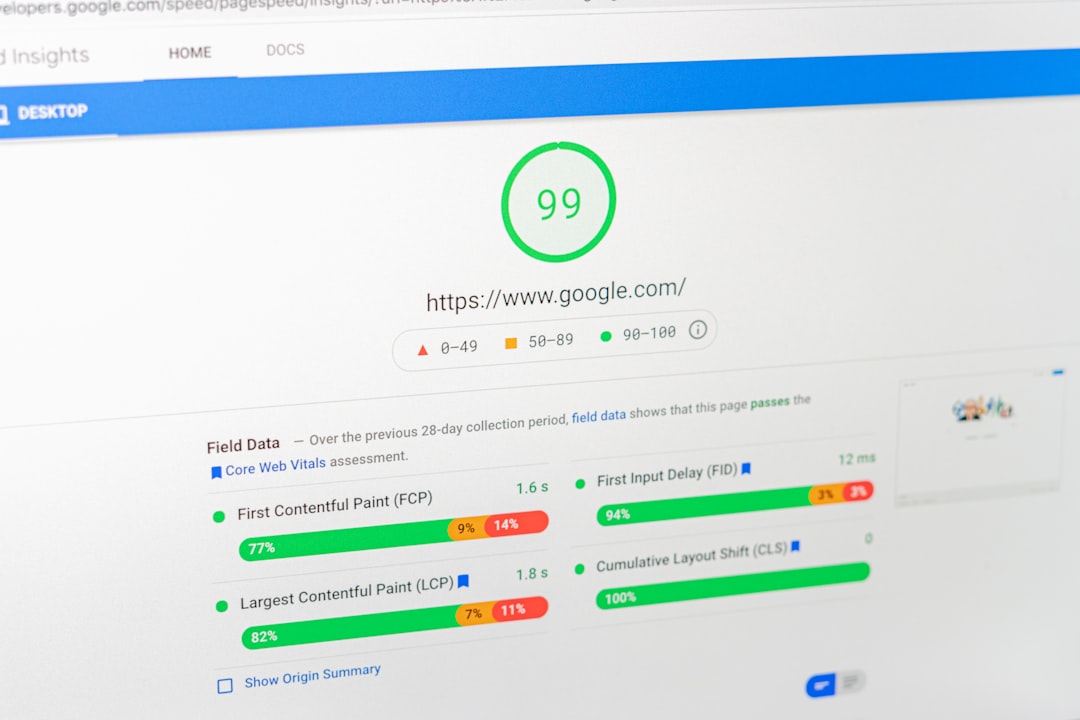
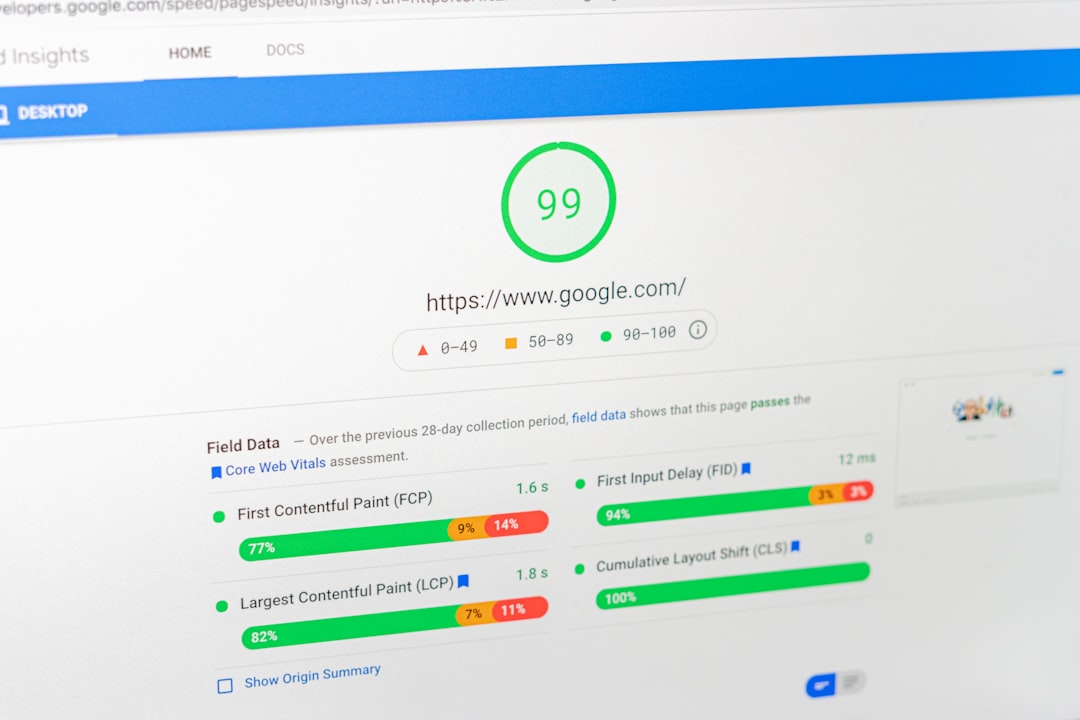
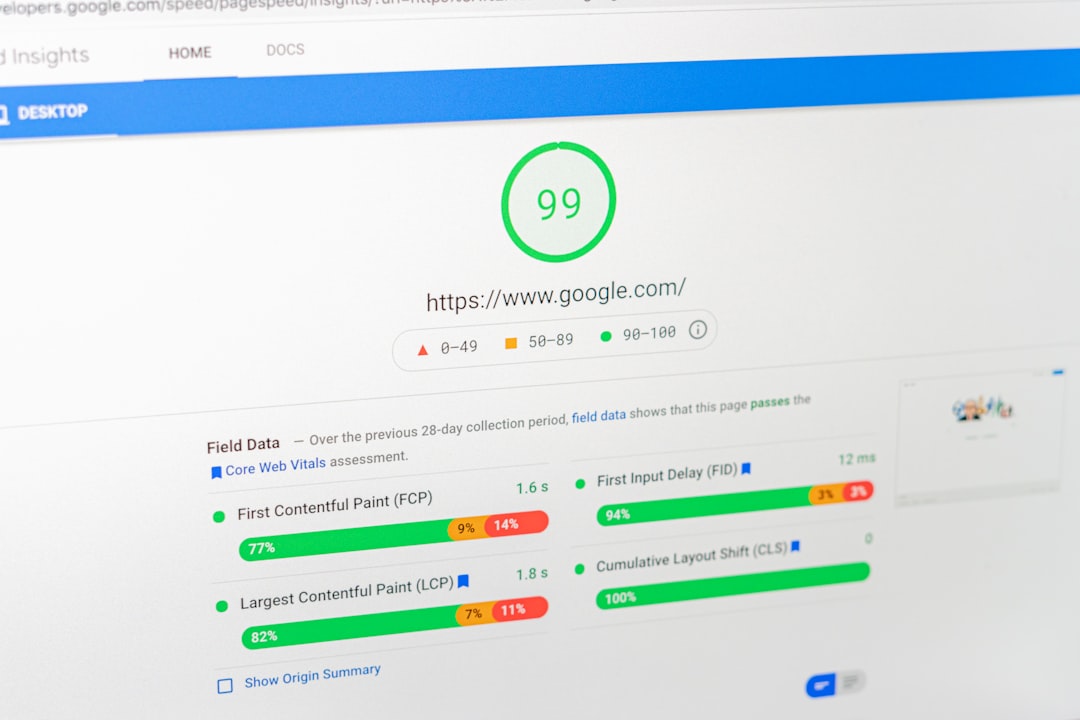
- Core Web Vitals
The purpose is to identify problems that may prevent search engines from efficiently accessing or understanding the website.
Schema Markup
Structured data can provide search engines with additional information about a page.
Depending on the website, relevant schema may include:
- Organization
- Local Business
- Article
- Product
- Service
- Breadcrumb
Schema should be implemented accurately rather than added simply because it is available.
Performance Optimization
Advanced WordPress SEO can also involve improving website performance.
Possible improvements include:
- Reducing unnecessary plugins
- Optimizing images
- Improving caching
- Minimizing heavy scripts
- Using efficient hosting
- Reviewing third-party resources
A faster website can create a better experience for visitors, especially on mobile devices.
Measuring SEO Progress

SEO should be measured rather than based on assumptions.
Useful metrics include:
- Organic clicks
- Impressions
- Search positions
- Indexed pages
- Organic conversions
- Engagement
- Page performance
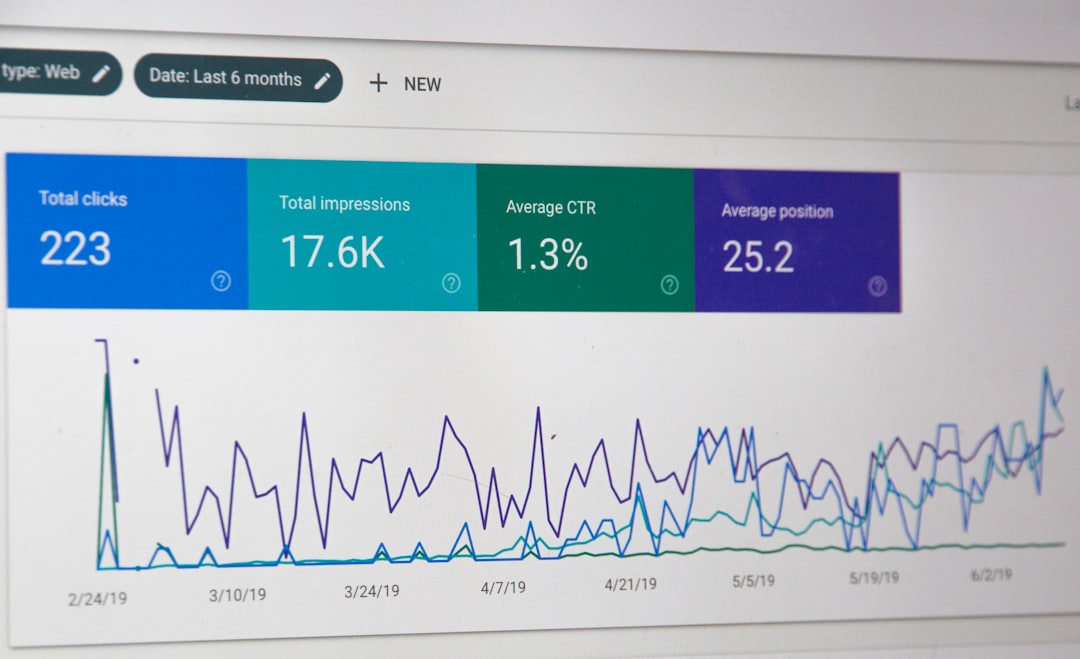
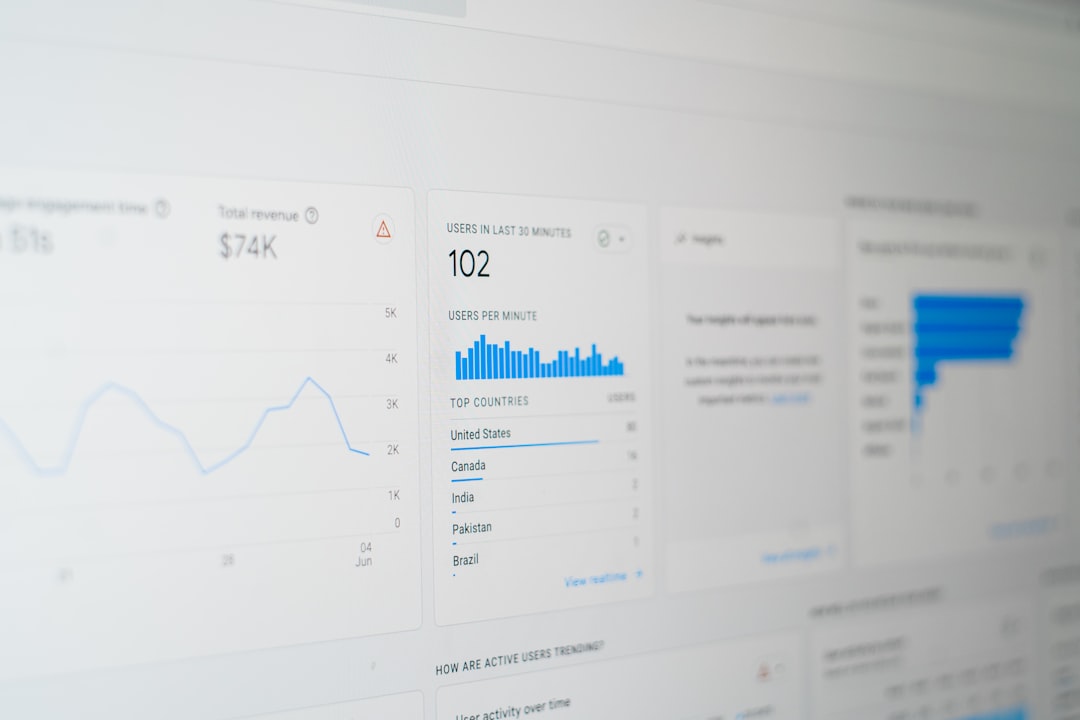
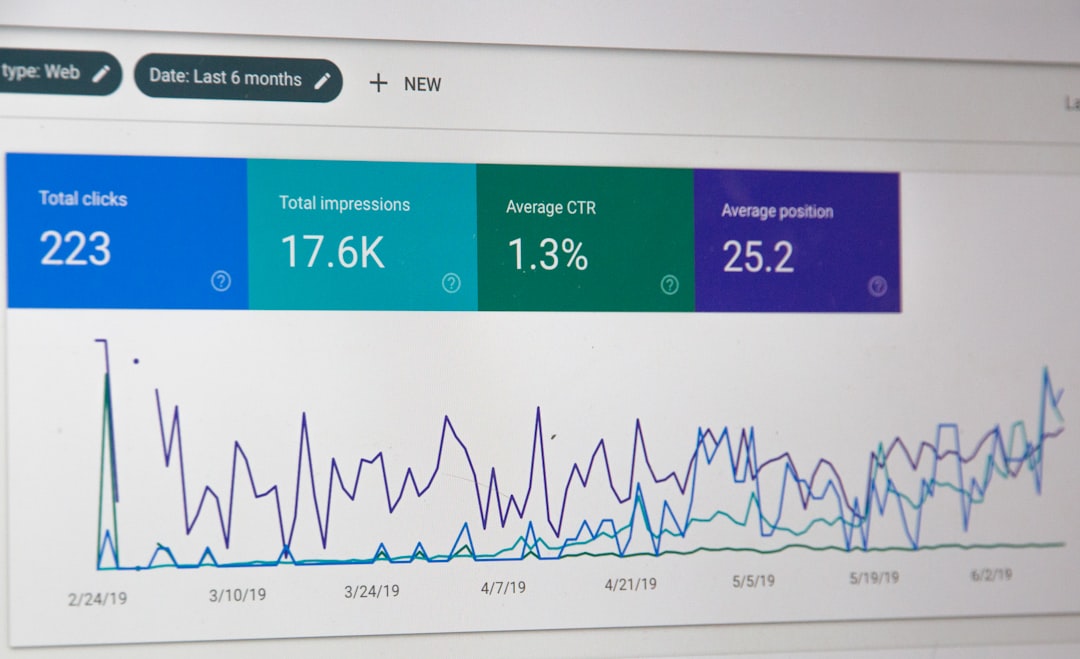
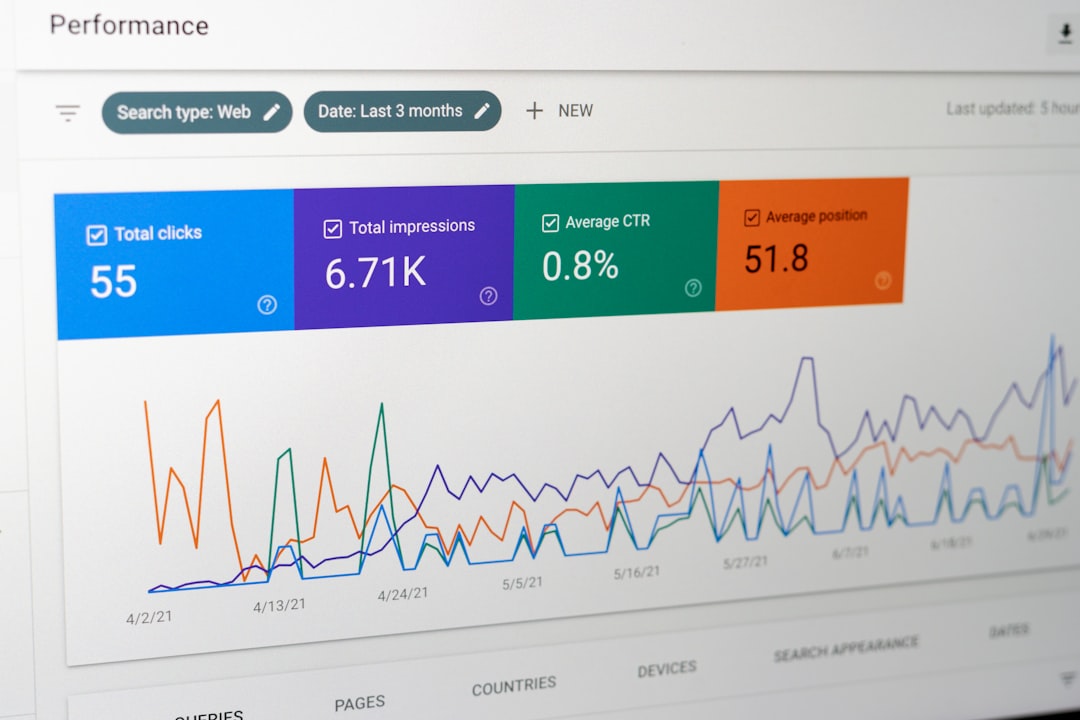
Google Search Console and Google Analytics can provide useful performance information.
When to Work With a WordPress SEO Agency
Beginners can handle some basic optimization themselves, but larger websites often require more structured SEO work.
Professional assistance can be particularly useful when:
- Traffic has suddenly dropped
- The site has hundreds of pages
- Technical problems are difficult to identify
- Rankings have stopped improving
- A website migration is planned
- A business wants a long-term SEO strategy
A WordPress SEO agency can combine technical SEO, content optimization, keyword research, internal linking, performance improvements, and ongoing monitoring.
The important point is that WordPress SEO is not a single task. It is a process that can start with simple improvements and develop into a comprehensive strategy as the website grows.