
A WordPress SEO audit is a structured review of a website’s search performance, technical health, content, structure, and user experience.
Instead of guessing why a website is not performing as expected, an audit helps identify specific issues and opportunities. A WordPress SEO agency can use this process to create a practical optimization roadmap.
1. Check Website Indexing

Start by determining whether important pages can appear in search results.
Review:
- Indexed pages
- Noindex settings
- Robots.txt
- XML sitemap
- Canonical URLs
- Duplicate pages
If an important service or product page cannot be indexed, other optimization efforts may have limited value.
2. Review Site Structure
A good website structure makes important pages easy to discover.
Check whether:
- Main services are clearly organized
- Important pages are linked from relevant areas
- Categories make sense
- URLs are understandable
- Pages are not unnecessarily deep
A simple structure is often easier to manage and maintain.
3. Analyze Page Titles
Review important page titles for clarity and relevance.
Avoid titles that are:
- Identical across multiple pages
- Too vague
- Excessively long
- Filled with repeated keywords
- Unrelated to the actual content
Each important page should communicate its purpose clearly.
4. Check Heading Structure
Review H1, H2, and H3 headings.
A page should have a clear primary heading and logical supporting sections.
Headings should help users scan the content rather than being used simply to insert additional keywords.
5. Evaluate Content Quality
An audit should examine whether content actually serves its intended audience.
Look for:
- Thin pages
- Repetitive articles
- Outdated information
- Missing topics
- Poor search-intent matching
- Unnecessary keyword repetition
Ask a simple question:
Does this page provide a useful answer to the person who searched for this topic?
If the answer is unclear, the page may need improvement.
6. Review Internal Links
Identify pages that have:
- Few internal links
- No internal links
- Too many irrelevant links
- Weak connections to important services
Create links between related topics where they genuinely help users.
7. Check Mobile Usability
Review important pages on smartphones.
Check:
- Text size
- Navigation
- Buttons
- Forms
- Images
- Page layout
- Horizontal scrolling
A desktop-only audit can miss important usability problems.
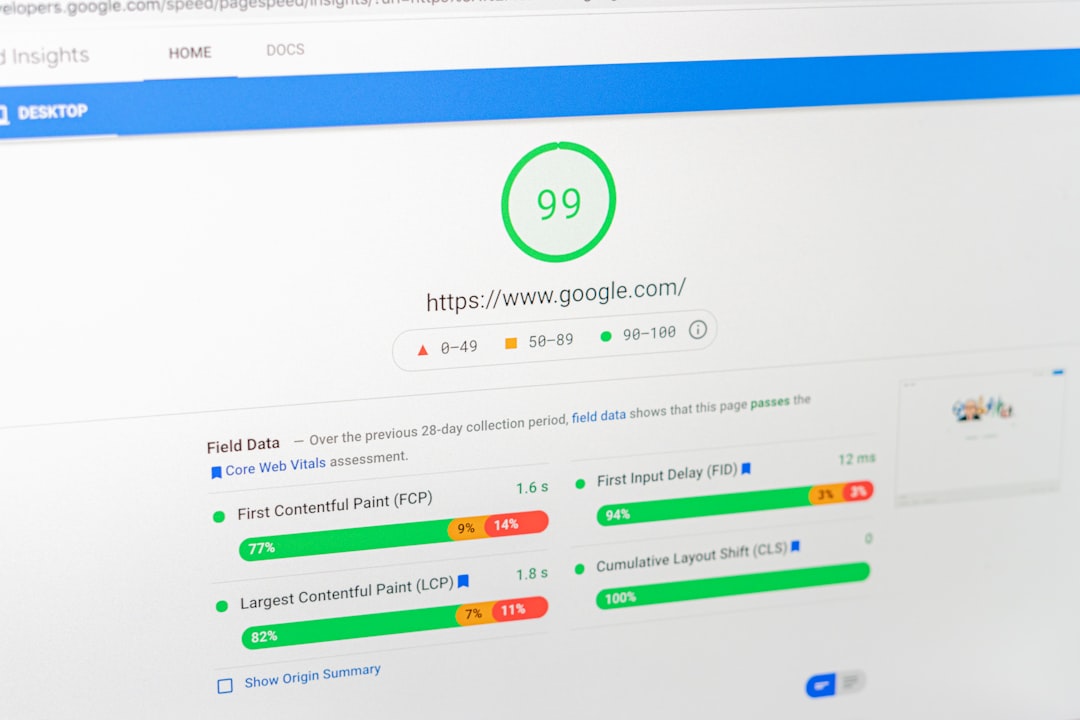
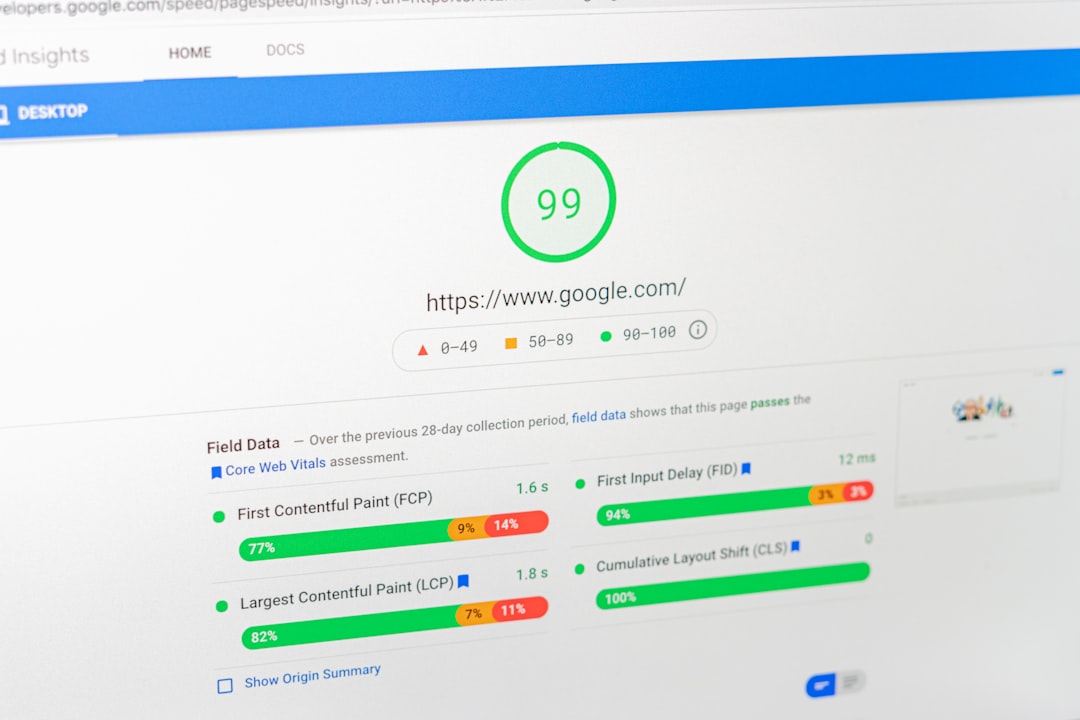
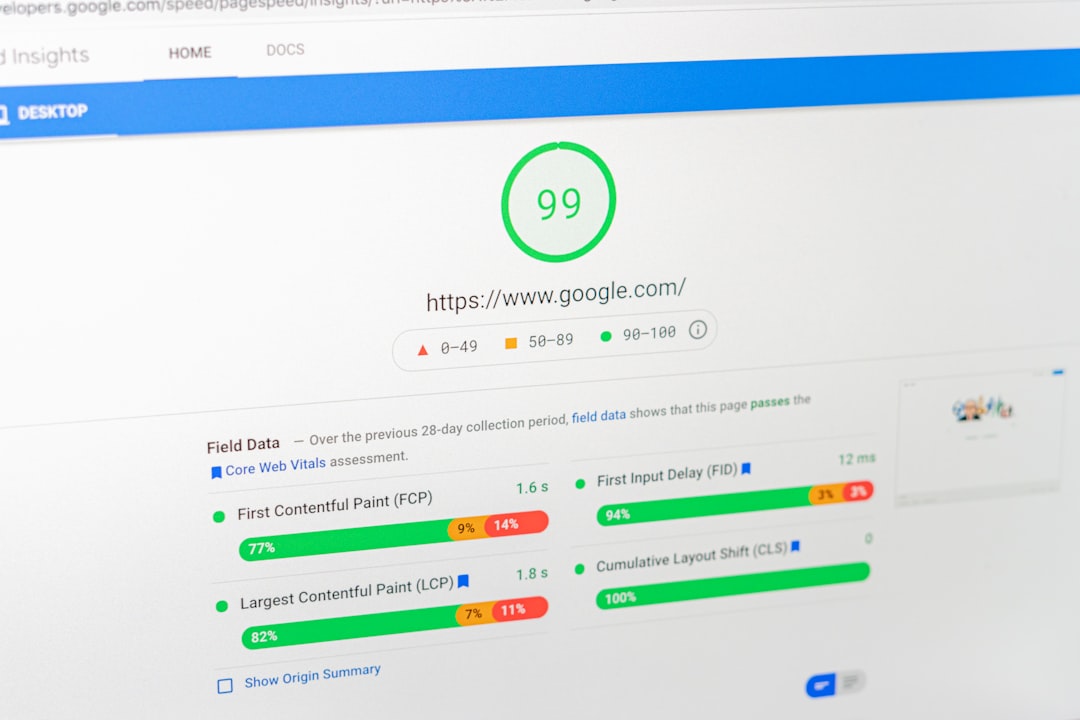
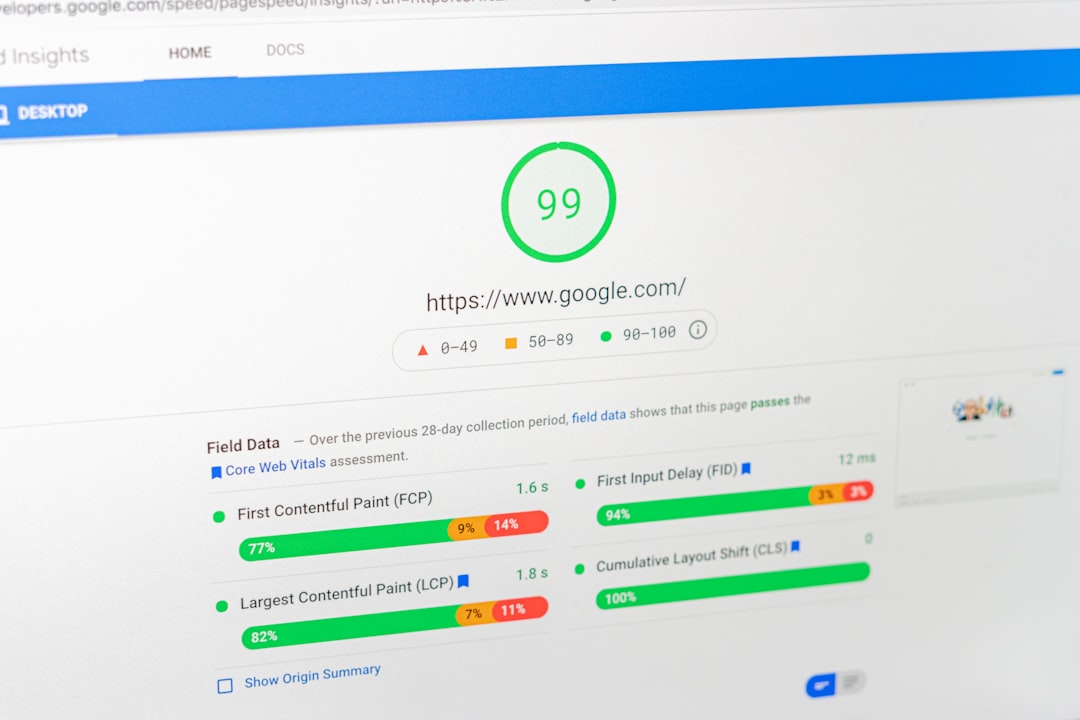
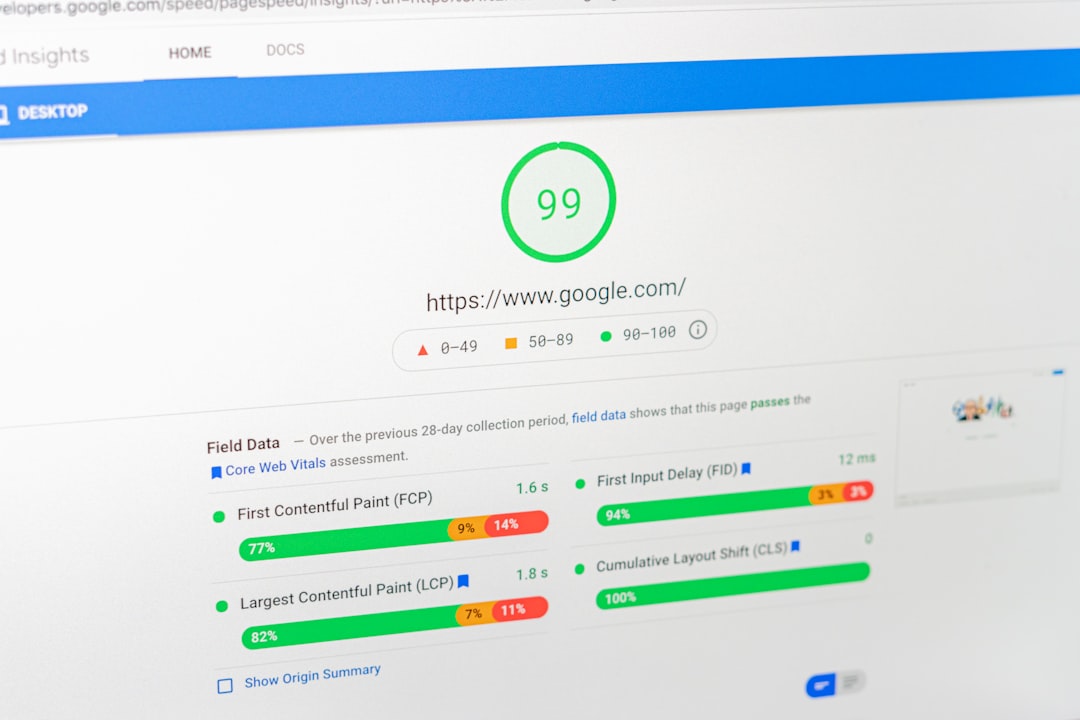
8. Analyze Page Speed
Use appropriate performance tools to identify slow pages.
Look for:
- Large images
- Heavy scripts
- Excessive plugins
- Poor caching
- Slow hosting
- Unnecessary third-party resources
Do not optimize based on a score alone. Identify the actual causes of poor performance.
9. Review Backlinks

Analyze the website’s external link profile.
Look for:
- Relevant links
- Strong referring domains
- Suspicious patterns
- Lost links
- Opportunities for earning relevant mentions
A large backlink count does not automatically indicate a strong profile.
10. Check Local SEO
For businesses serving specific areas, review:
- Business information
- Location pages
- Contact details
- Local content
- Relevant business listings
- Customer reviews
Local optimization should reflect genuine business locations and service areas.
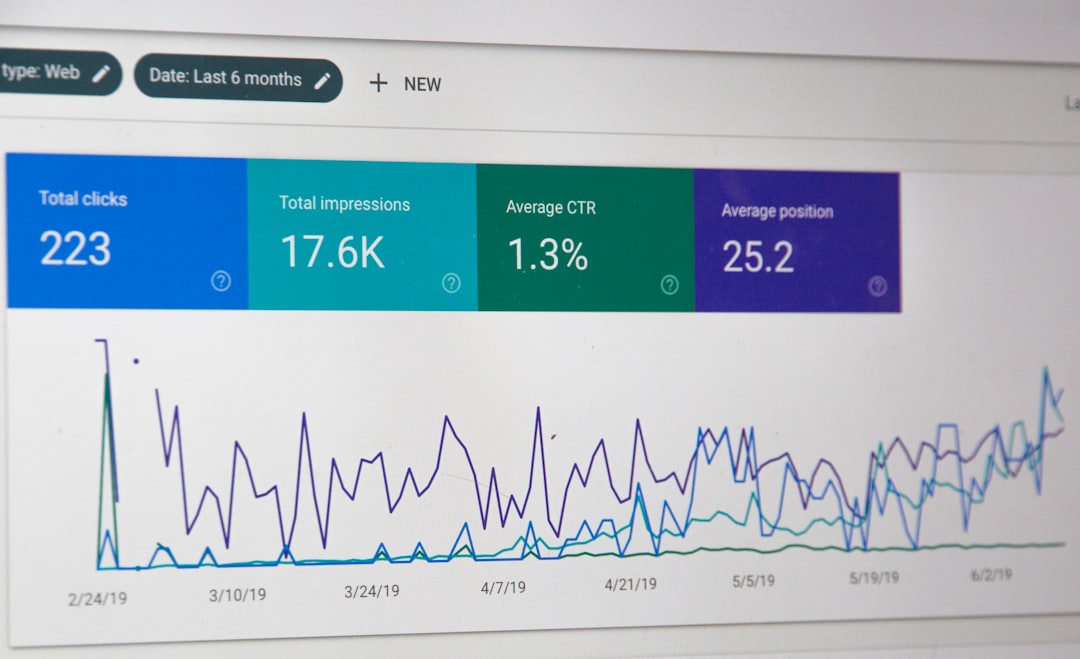
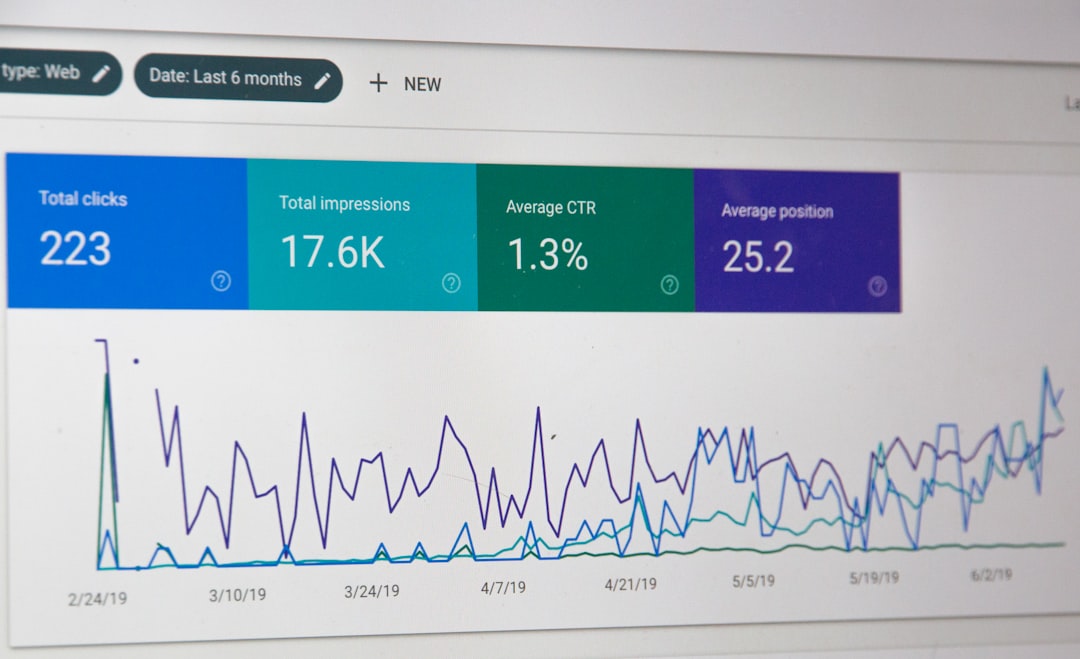
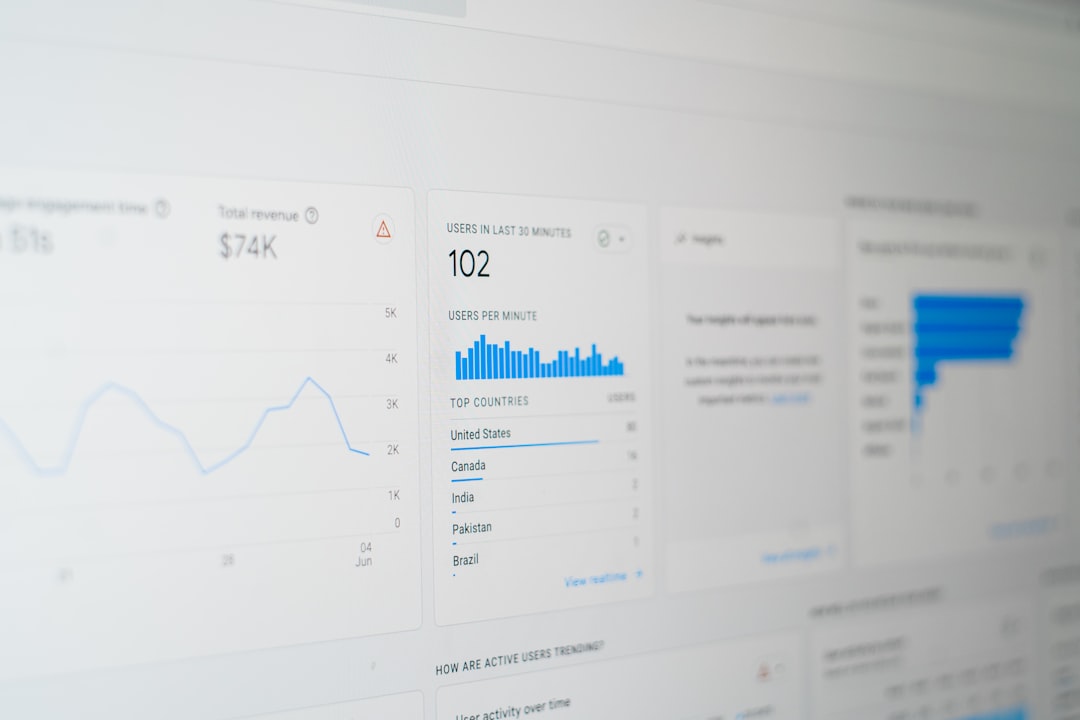
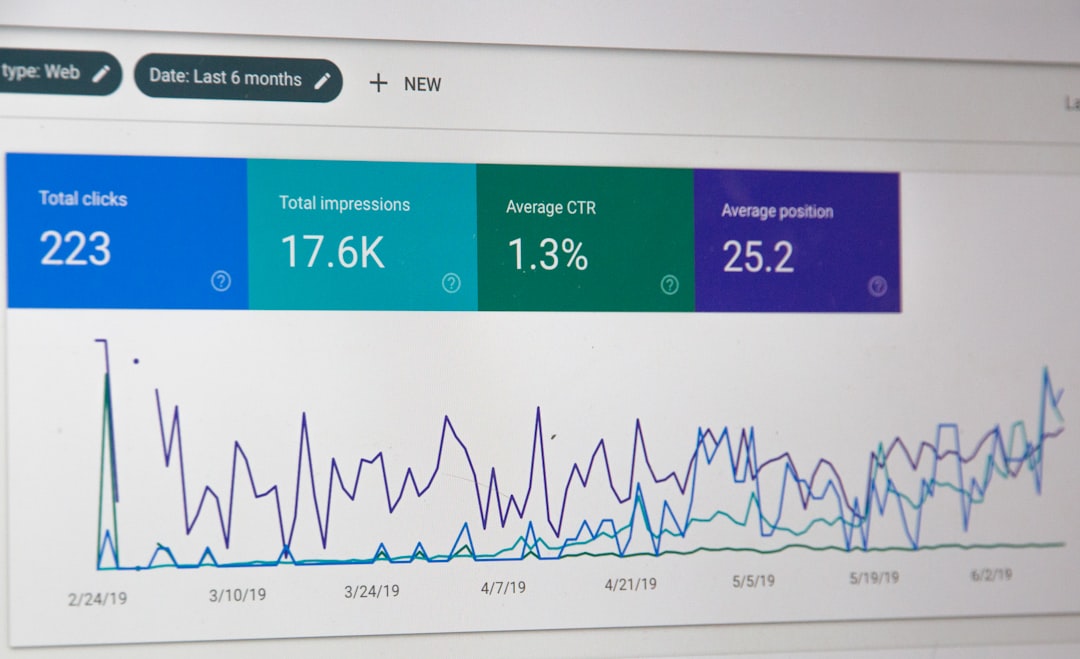
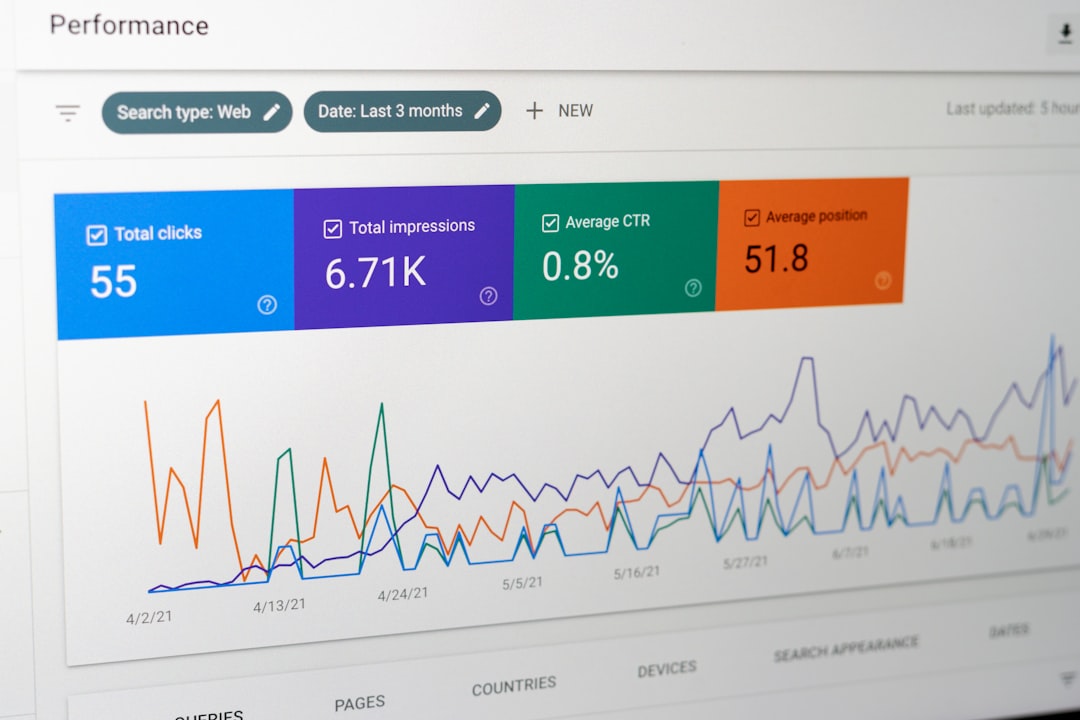
11. Review Analytics and Search Data
Historical data can reveal valuable patterns.
Check:
| Area | Questions |
|---|---|
| Traffic | Which pages attract visitors? |
| Queries | What do people search for? |
| CTR | Which pages get impressions but few clicks? |
| Rankings | Which topics are gaining or losing visibility? |
| Conversions | Which pages generate leads? |
This helps prioritize improvements based on evidence.
12. Turn Findings Into an Action Plan
An audit is only useful if its findings lead to action.
Prioritize issues by:
Impact + urgency + effort
For example:
High priority: Important pages blocked from indexing.
Medium priority: Weak titles on high-value pages.
Lower priority: Minor formatting improvements.
A WordPress SEO agency can turn the audit into a structured roadmap covering technical SEO, content, internal linking, performance, and ongoing measurement.
The result should be more than a list of errors. It should clearly explain what needs to change, why it matters, and what should be addressed first.