WordPress on-page SEO is the practice of improving individual website pages so they are easier for search engines to understand and more useful for visitors.
It covers much more than adding a keyword to a blog post. Page structure, content quality, headings, links, images, metadata, and user experience all play a role.
Understanding these basics can help you make better SEO decisions.
On-Page SEO Starts With Relevance
Every page should have a clear topic and purpose.
If a page is supposed to explain WordPress on-page SEO, the content should remain focused on that subject instead of jumping between unrelated SEO topics.
A focused page makes it easier for visitors to find the information they need.
Search Intent Matters
Search intent refers to the reason behind a search.
Someone searching for “WordPress on-page SEO checklist” may want a practical checklist.
Someone searching for “WordPress SEO consultant” may be looking for professional assistance.
The same keyword strategy cannot be applied to every type of page. Content should reflect what the visitor is actually trying to accomplish.
Page Titles Are Important
Your page title should clearly describe the topic.
A useful title is:
- Relevant
- Specific
- Natural
- Easy to understand
Avoid adding multiple versions of the same keyword just to make the title appear more optimized.
Headings Organize Information
Headings help divide content into logical sections.
A page can use H2 headings for major sections and H3 headings for supporting points.
For example:
H1: WordPress On-Page SEO
H2: Keyword Research
H2: Content Optimization
H2: Internal Linking
H2: Image SEO
This structure helps readers scan the page quickly.
Content Quality Matters
Search optimization cannot compensate for content that does not answer the user’s question.
Useful content should be:
- Accurate
- Relevant
- Clear
- Original
- Practical
- Well organized
Do not write unnecessary paragraphs simply to reach a target word count.
Keywords Should Be Natural
Keywords can help establish relevance, but repetition can make content uncomfortable to read.
Use your main topic naturally and include related terminology where it makes sense.
Think about explaining the subject to a real person rather than writing for a keyword counter.
Internal Links Create Connections
Internal links connect pages within your website.
For example, a page about WordPress on-page SEO can link to a related technical SEO guide, while a technical guide can link back to a relevant service page.
This creates useful pathways for visitors and helps organize the site’s content.
Images Need Attention Too
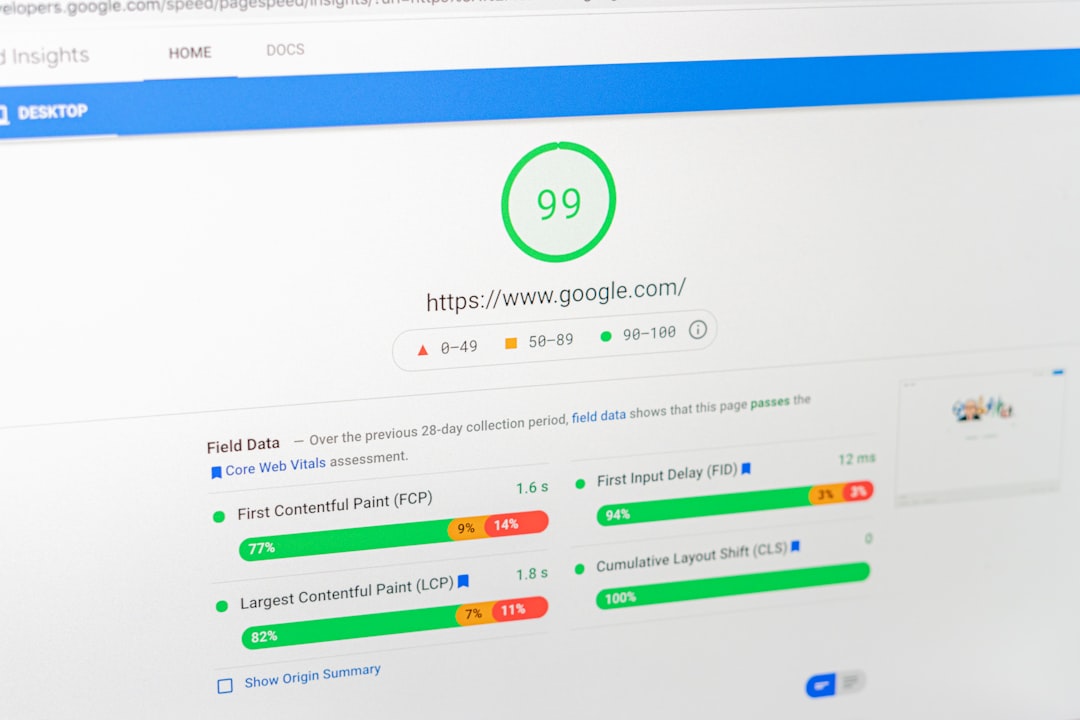
Images can support explanations and improve visual appeal, but oversized images can affect page performance.
Use appropriately sized files and compress them where necessary.
When an image communicates important information, provide useful alt text describing what it shows.
URLs Should Be Simple
A descriptive URL helps communicate the subject of a page.
For example:
/wordpress-on-page-seo/
is straightforward and readable.
Avoid unnecessary words, parameters, or complicated structures where possible.
For established pages, changing URLs should be approached carefully because existing URLs may already have search visibility and backlinks.
Meta Descriptions Provide Context
A meta description summarizes the page for searchers.
It should accurately represent the content and give users a reason to consider visiting.
Do not treat it as a place to repeat keywords excessively.
Mobile Experience Is Part of Optimization
A page should work well on phones as well as larger screens.
Check:
- Text readability
- Navigation
- Buttons
- Images
- Forms
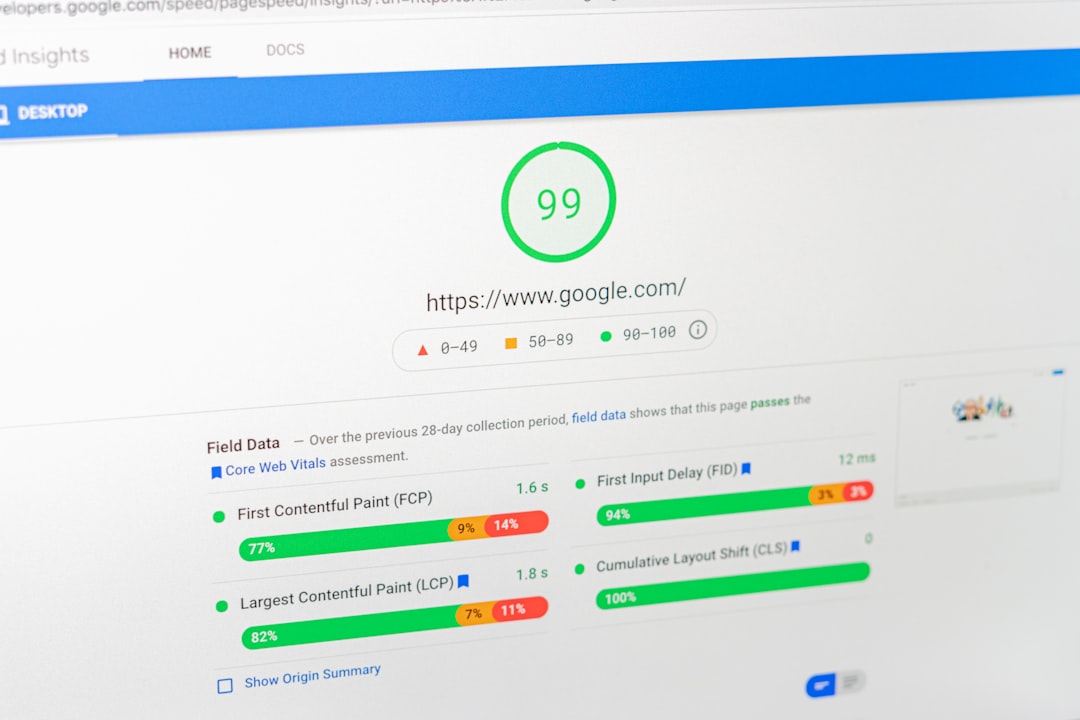
- Page loading
Visitors should be able to access and use the content without unnecessary difficulty.
Technical Settings Still Matter
Although on-page SEO focuses on page-level optimization, technical settings can affect whether search engines can access the page.
Review appropriate settings for:
- Indexing
- Canonical URLs
- XML sitemaps
- Redirects
- Robots.txt
These should be handled carefully, particularly on established websites.
Avoid Common On-Page Mistakes
Some common problems include:
- Keyword stuffing
- Duplicate content
- Weak headings
- Poor internal linking
- Large unoptimized images
- Thin content
- Complicated URLs
- Ignoring mobile users
- Changing successful pages without analyzing performance
Avoiding these issues can make optimization more effective.
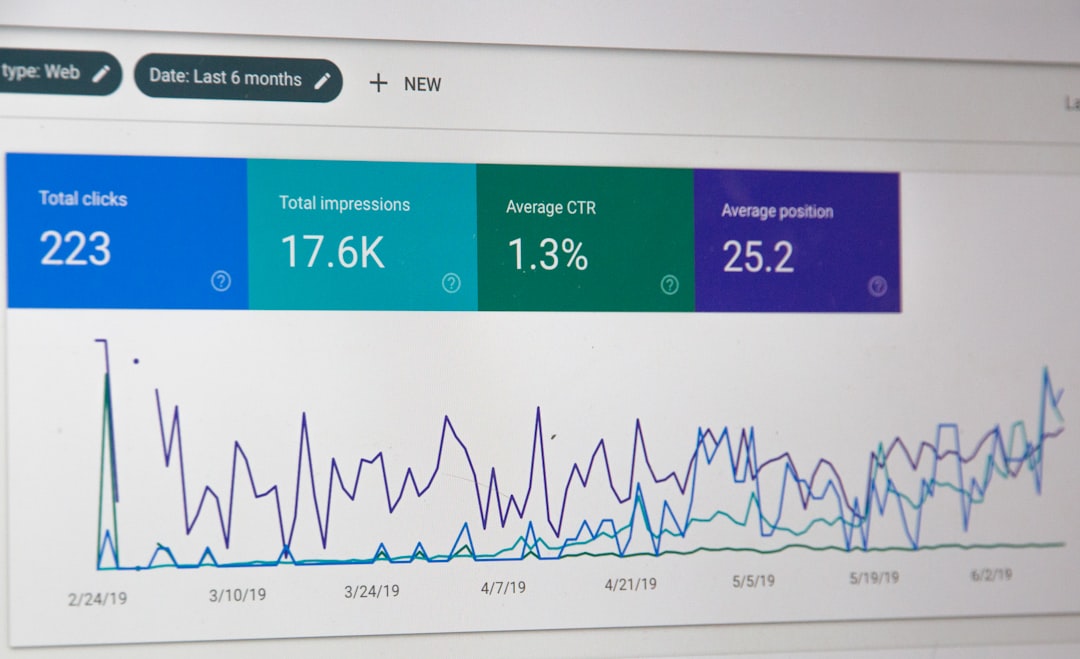
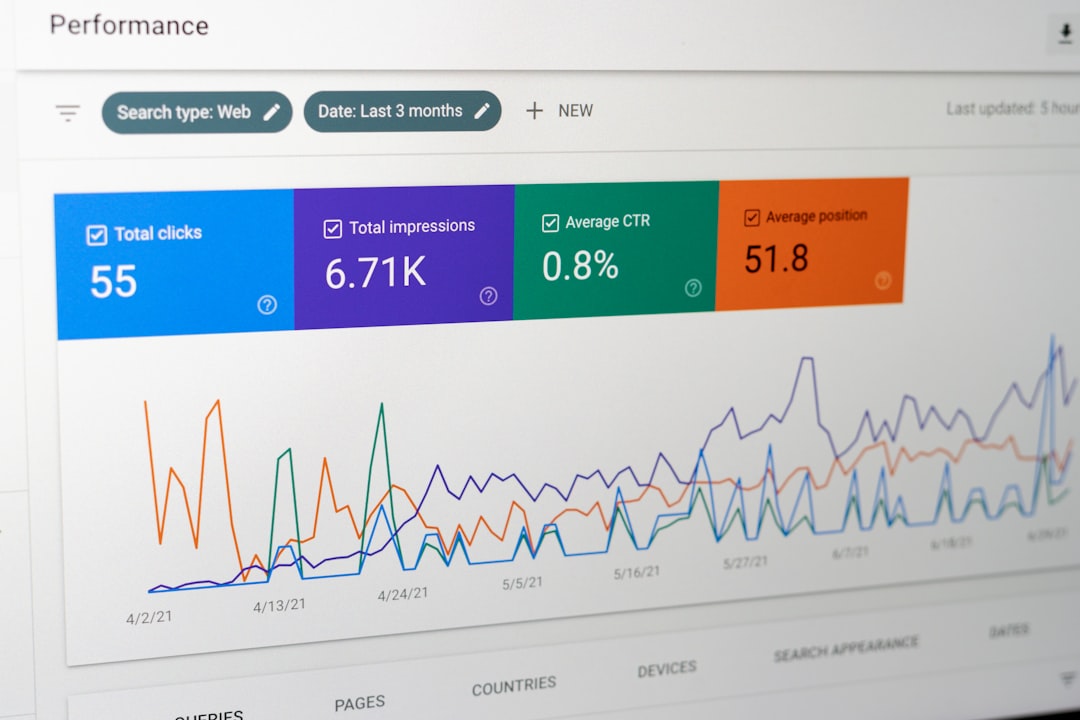
SEO Should Be Measurable
After optimization, monitor performance rather than assuming that every change worked.
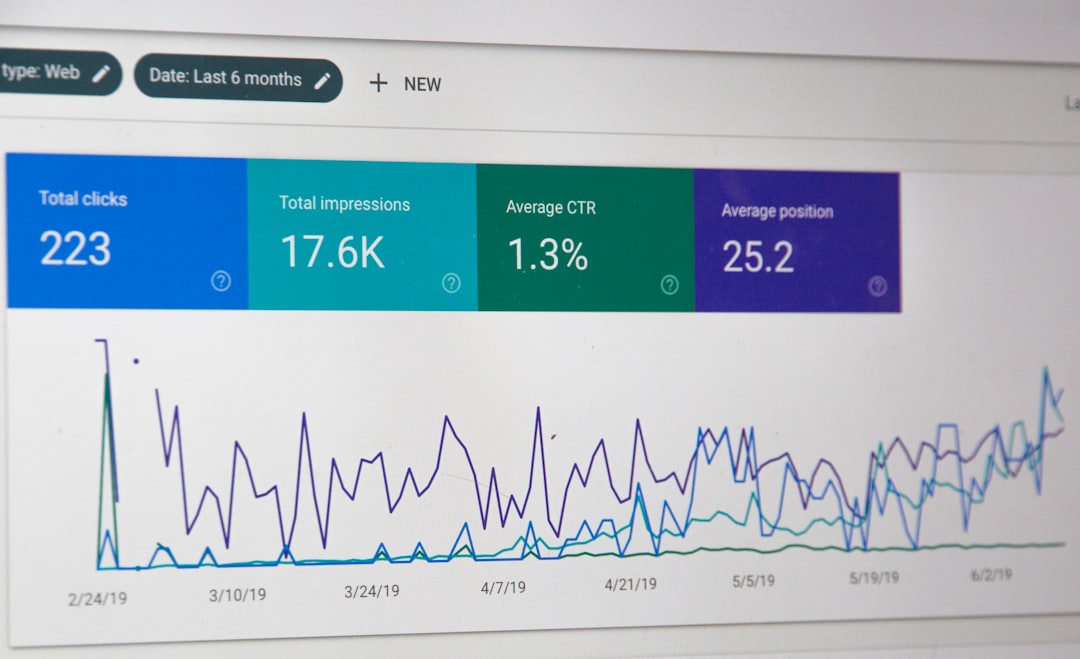
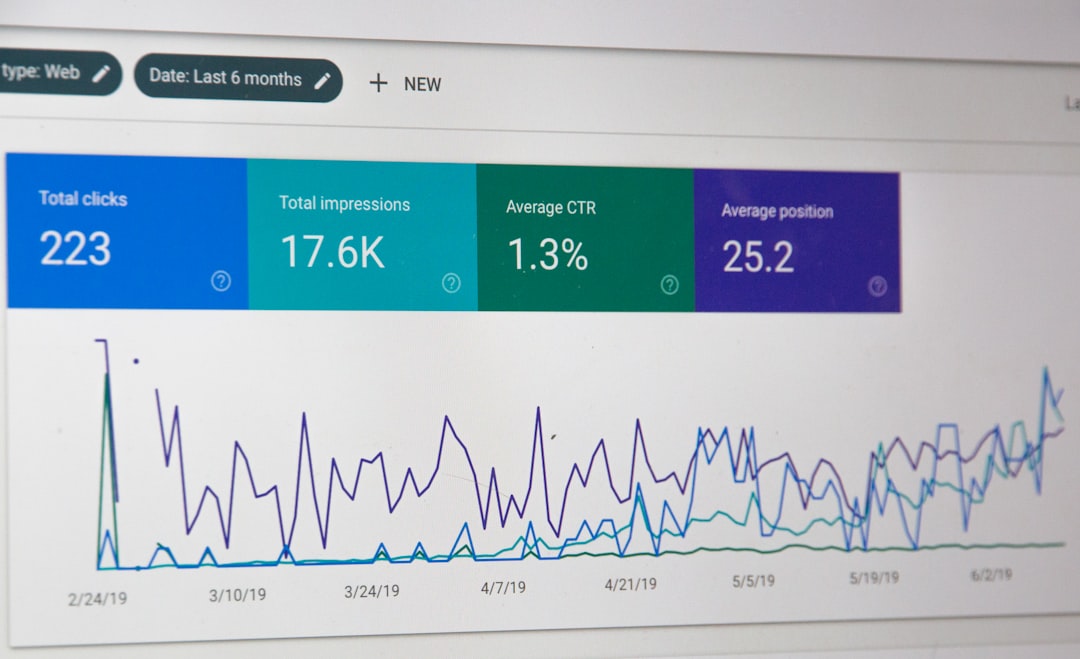
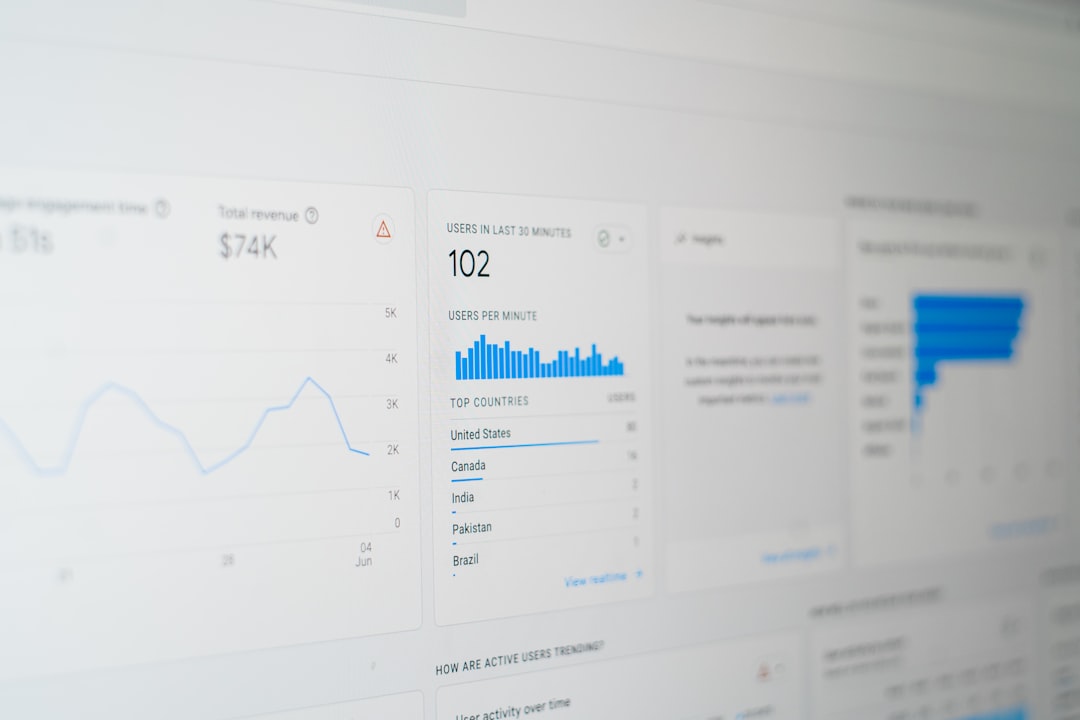
Useful measurements include search impressions, clicks, search queries, organic traffic, and conversions.
Data can show where additional improvements may be needed.
When Professional Support Helps
Basic on-page SEO can be managed by many WordPress website owners. However, larger websites may have hundreds of pages with overlapping topics, technical issues, and complicated structures.
A WordPress SEO expert can review the website, identify priorities, and create a structured optimization plan.
The most important thing to remember is that WordPress on-page SEO is not one setting or one plugin. It is a combination of relevant content, clear structure, natural optimization, strong internal connections, technical accessibility, and a useful experience for the people visiting your website.