Improving Google visibility requires a combination of useful content, technical accessibility, and a strong website structure. WordPress provides convenient tools for managing many of these elements, but the results depend on how the site is optimized.
The following on-page SEO tips can help make important WordPress pages clearer and more useful.
Focus on Search Intent
Start by understanding what the searcher wants.
A person searching for information may expect a guide, while someone searching for a service may want pricing, features, process details, or a way to get in touch.
Build the page around that purpose.
Create Descriptive Titles
Your page title should communicate the topic clearly.
For example:
WordPress On-Page SEO Tips for Higher Google Rankings
is more informative than a vague title such as:
SEO Tips
Use the main topic naturally without repeating it several times.
Make the Main Heading Clear
The H1 should tell visitors what the page is about.
It can be similar to the SEO title while remaining natural.
The rest of the headings should divide the content into useful sections.
Improve Content Depth
Depth does not mean adding unnecessary words.
Instead, make sure the page covers the important aspects of the topic.
For a guide about WordPress on-page SEO, this could include:
- Keyword research
- Page titles
- Headings
- Content optimization
- Internal links
- Images
- URLs
- Mobile usability
Cover the subject according to the needs of the audience.
Use Related Terms Naturally
Do not rely on one exact keyword.
A page about WordPress on-page SEO can naturally discuss concepts such as page optimization, search intent, headings, metadata, internal links, and content structure.
This creates more natural and informative writing.
Strengthen Internal Linking
Review every important page for relevant internal-link opportunities.
Suppose your website has separate pages about:
- On-page SEO
- Technical SEO
- WordPress speed
- SEO audits
Connecting these pages where relevant can help visitors move through the website and understand related subjects.
Improve Your Images
Images should support the content and load efficiently.
Before uploading an image, check its dimensions and file size.
Use descriptive alt text when appropriate and avoid using image fields as opportunities for keyword stuffing.
Improve Page Readability
Good formatting makes information easier to consume.
Use:
- Short paragraphs
- Descriptive headings
- Bullets
- Tables
- Examples
Avoid long blocks of text when the same information can be presented more clearly.
Optimize URLs
Use short and descriptive URLs.
For example:
/wordpress-on-page-seo-tips/
is clear and easy to understand.
For established websites, do not change URLs without considering existing traffic, links, redirects, and search visibility.
Review Meta Descriptions
A useful meta description summarizes the page accurately.
It can help searchers understand what they will find before clicking.
Avoid repeating keywords unnaturally or making claims that the page cannot support.
Improve Mobile Experience
Test pages on smartphones and tablets.
Pay attention to:
- Navigation
- Font size
- Buttons
- Forms
- Images
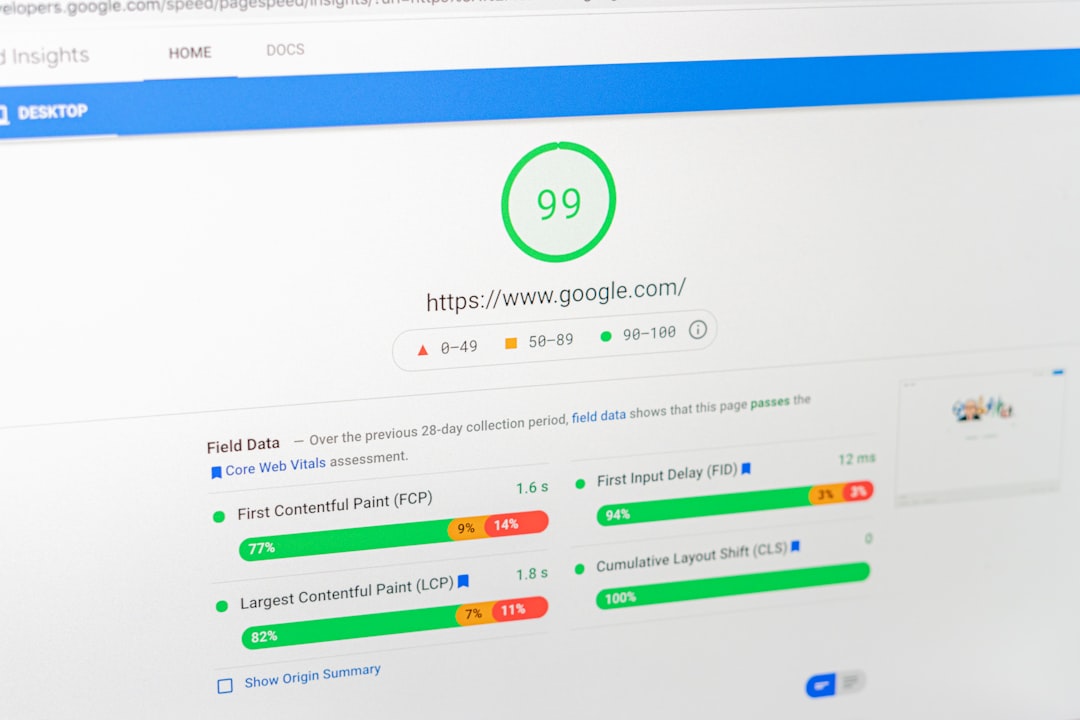
- Loading speed
A page should be easy to use without zooming or horizontal scrolling.
Keep Pages Technically Accessible
On-page optimization cannot help if search engines cannot properly access the page.
Review important technical settings such as:
- Indexing
- Canonical URLs
- XML sitemap
- Robots.txt
- Redirects
This becomes especially important after website redesigns or major WordPress changes.
Update Existing Pages
Sometimes the best SEO opportunity is an existing page rather than a new article.
Review pages that already have impressions or rankings.
Ask whether the content can be improved with:
- Updated information
- Better explanations
- Additional examples
- Stronger internal links
- Improved structure
Make meaningful changes rather than updating a page simply to change its date.
Connect SEO With Business Goals
Higher rankings are useful when they bring relevant visitors.
For commercial pages, make sure visitors can understand the service or product and know what to do next.
Clear calls to action can help turn organic traffic into meaningful business activity.
Measure Performance
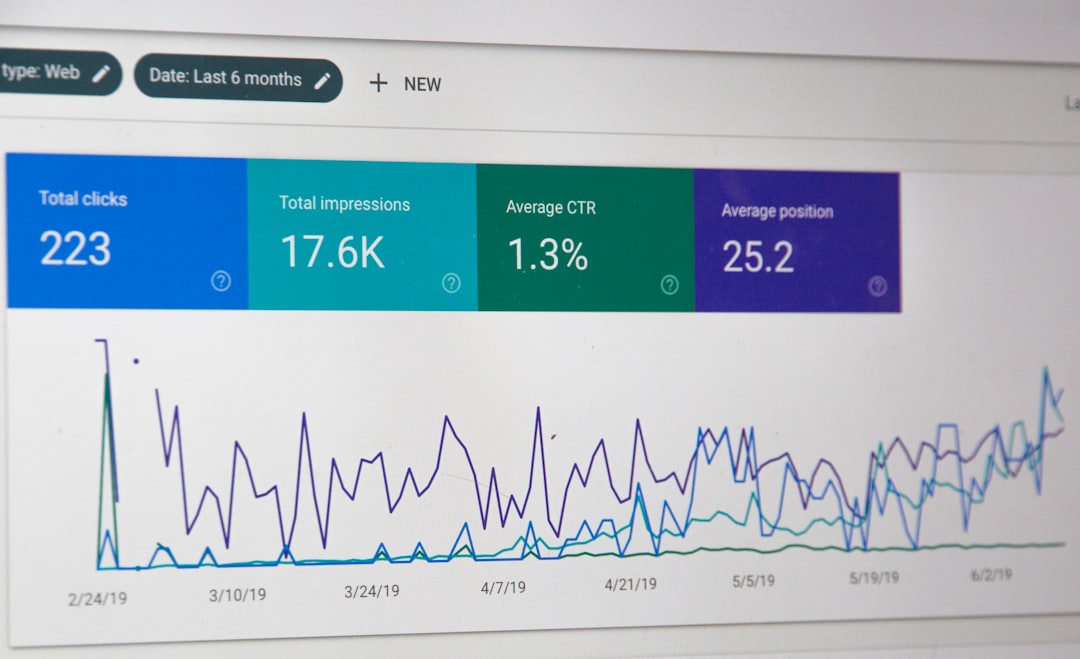
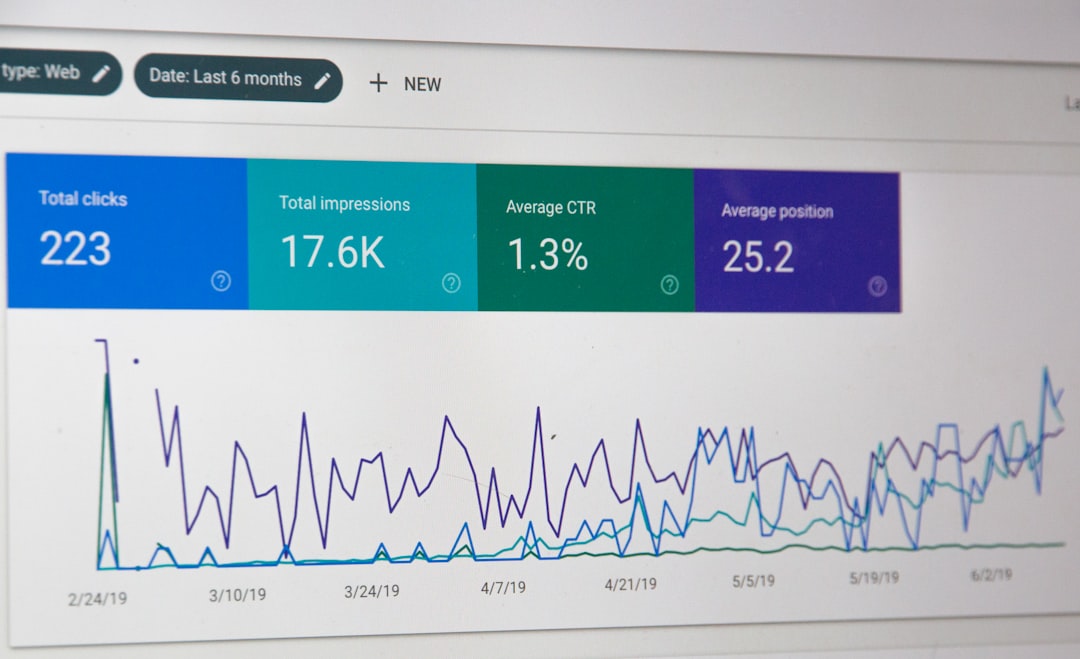
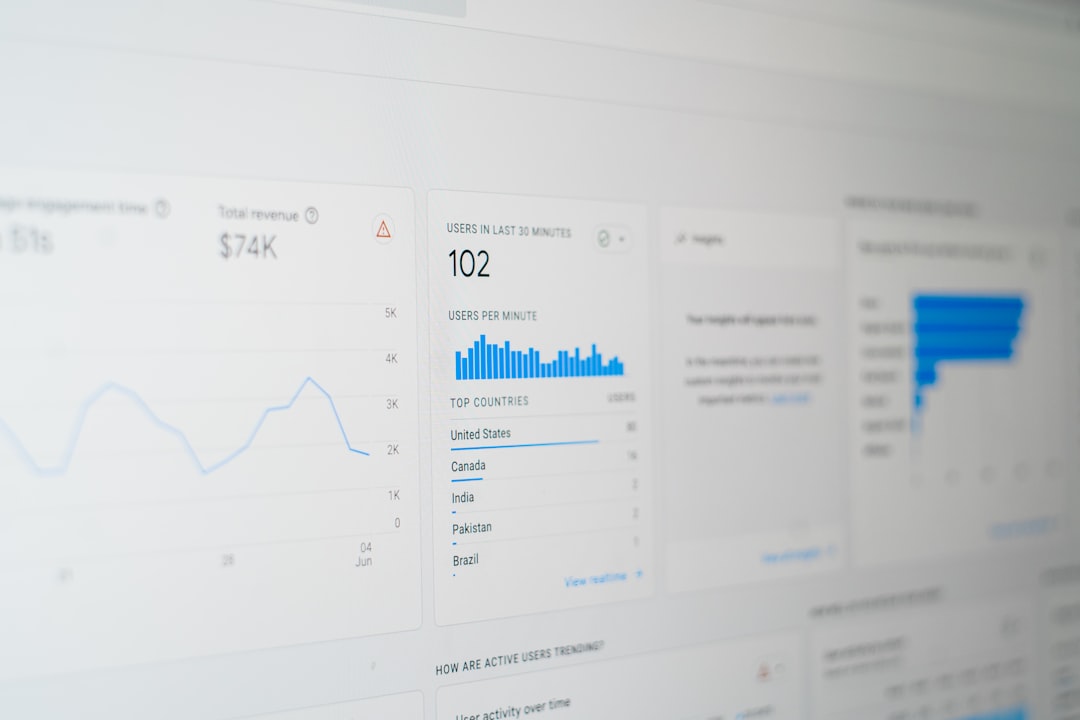
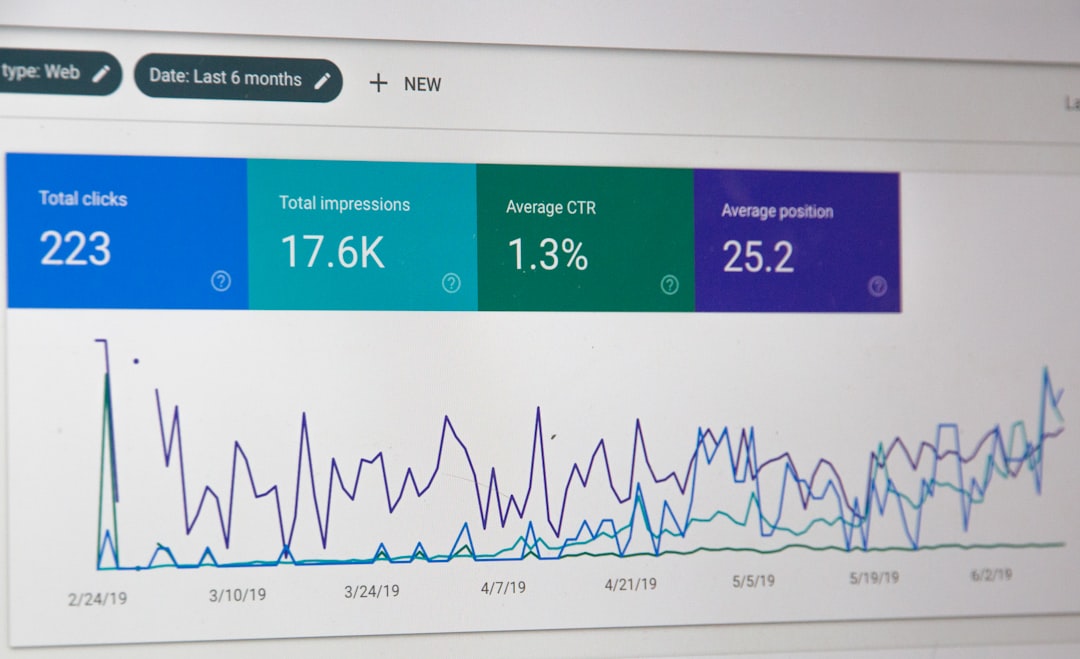
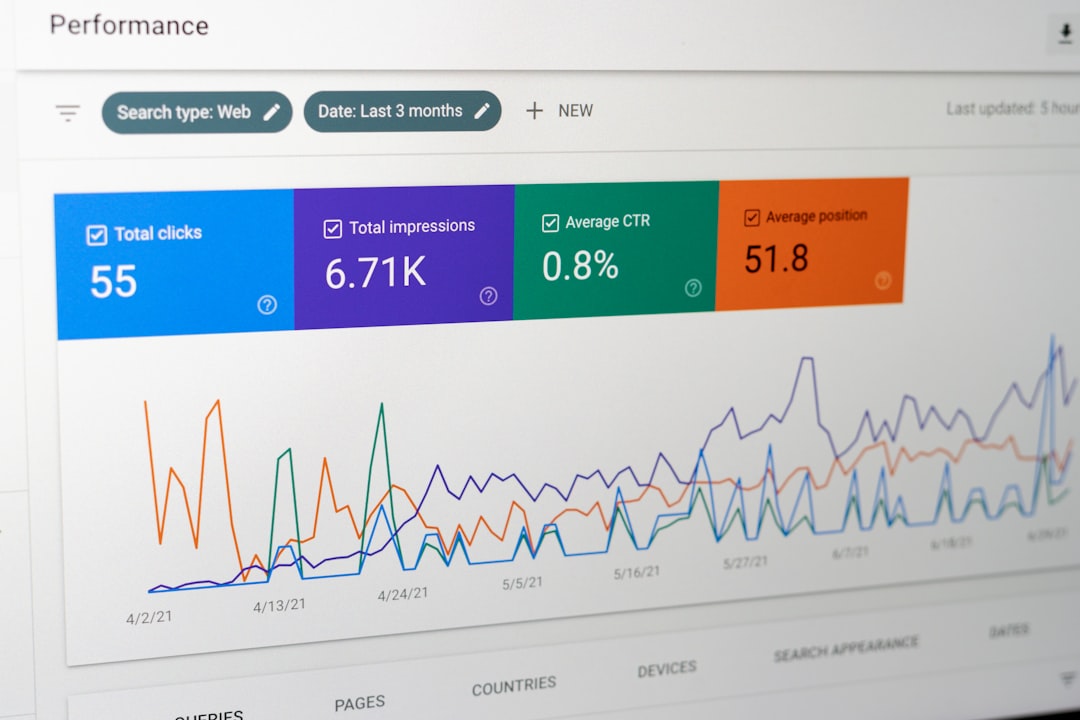
Use search and analytics data to track progress.
Monitor:
| Metric | Why It Matters |
|---|---|
| Impressions | Shows search visibility |
| Clicks | Shows visits from search |
| Search queries | Reveals what users search |
| Organic traffic | Measures search-driven visits |
| Conversions | Connects SEO with business results |
Do not judge an SEO strategy based on a single ranking or short-term fluctuation.
Use a Consistent Optimization Process
A practical workflow is:
Research → Optimize → Publish → Monitor → Improve
For competitive websites, a WordPress SEO expert can help identify which pages have the greatest opportunities and which on-page improvements should be prioritized.
Higher Google rankings are not produced by one on-page trick. They are supported by useful content, clear structure, relevant optimization, strong internal connections, technical accessibility, and an experience that serves the people searching for your information.