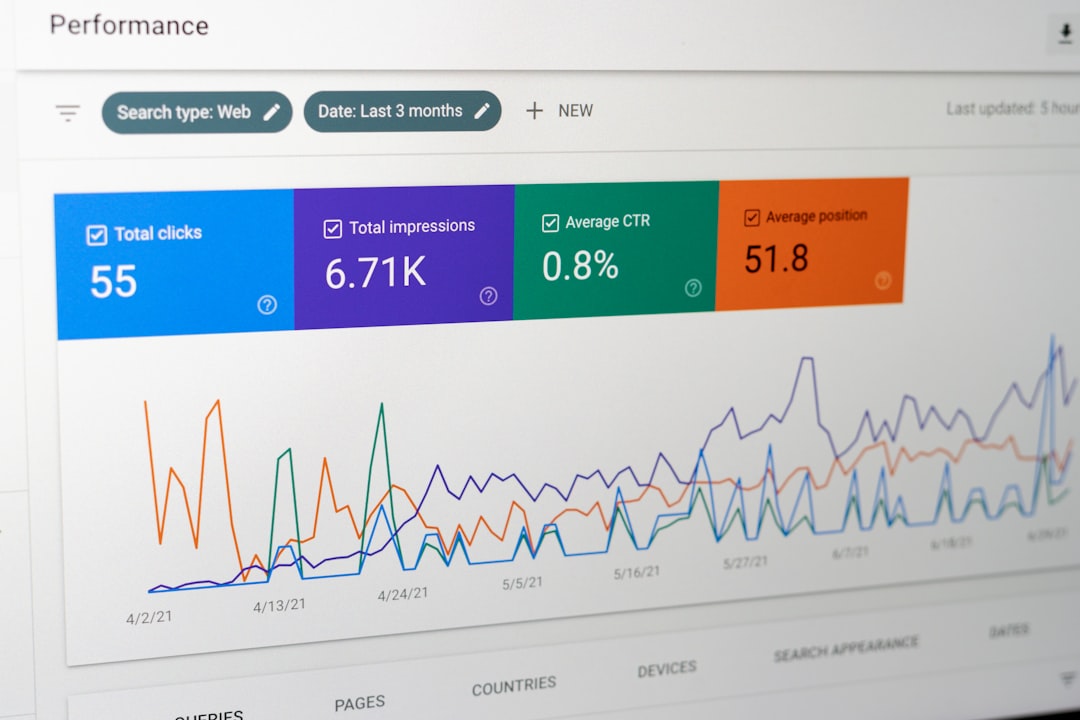

Low mobile rankings usually come from a stack of smaller issues, not one missing plugin. If your WordPress site looks fine on desktop but still underperforms in search, start with the version Google actually evaluates: the mobile experience users and smartphone crawlers see first.
Google now crawls and indexes websites primarily with a smartphone crawler, which means mobile content, metadata, and usability need to match what you want indexed. On WordPress, that usually means cleaning up theme output, reducing mobile speed bottlenecks, and making sure your most important content is not hidden, delayed, or broken on smaller screens.
If you are trying to figure out whether the problem is broader than mobile alone, start with our WordPress SEO checklist for new websites and compare it against your current setup.
What mobile SEO means on WordPress

Mobile SEO on WordPress means making the smartphone version of your site easy for Google to crawl, fast enough to use, and complete enough to rank. The goal is not a perfect plugin score. The goal is that your mobile pages load clearly, keep key content visible, and avoid technical issues that weaken indexing.
There is no single best mobile SEO plugin that fixes everything. Most site owners have a mix of issues instead: oversized images, intrusive popups, headings that wrap awkwardly, menus that hide important links, and page builders that load too much JavaScript on mobile. That is why a page can be well written and still stall in rankings.
Fix these mobile SEO issues first
Start with the highest-impact checks before you touch minor design tweaks. Mobile SEO improves fastest when you fix crawlability, content parity, and speed first, then move to layout and engagement issues after that.
| Area | What to check | Why it matters |
|---|---|---|
| Mobile content | Make sure mobile shows the same primary copy, headings, internal links, and metadata as desktop | Google indexes the mobile version, so missing content can weaken relevance |
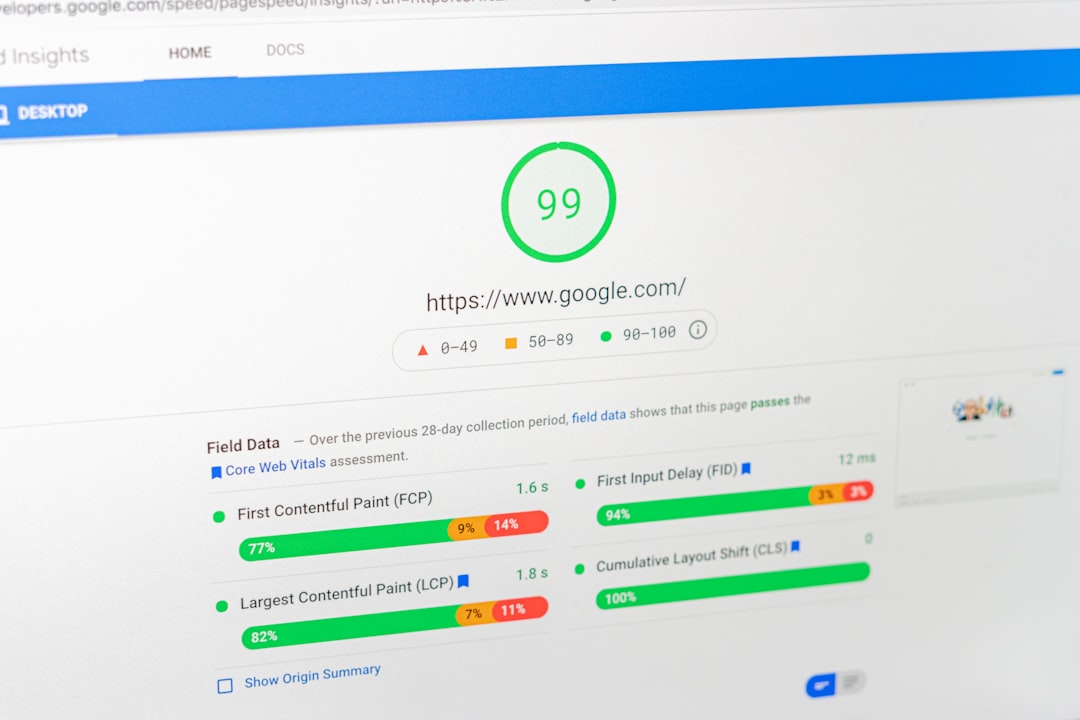
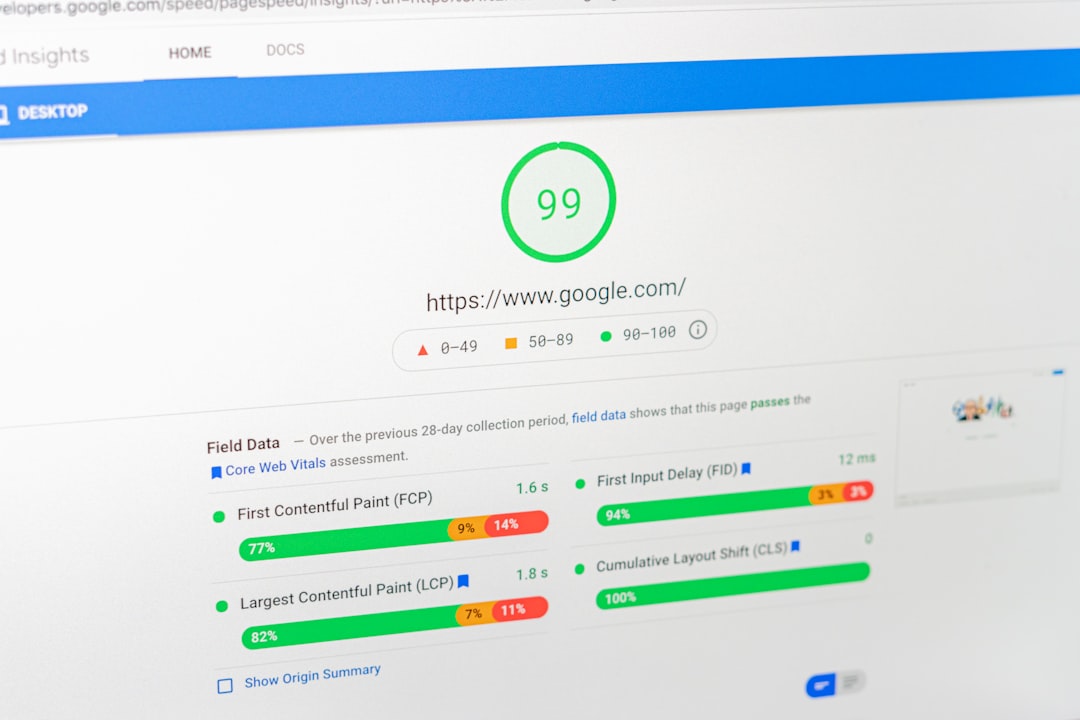
| Core Web Vitals | Review LCP, CLS, and INP in PageSpeed Insights and Search Console | Slow or unstable pages create a weaker user experience on phones |
| Images | Compress large images, use modern formats, and size hero images properly | Image weight is one of the biggest mobile speed problems on WordPress |
| Navigation | Check that menus, buttons, and category links work cleanly on smaller screens | Broken mobile navigation hurts crawling and user flow |
| Theme and plugins | Remove unnecessary scripts, sliders, and overlapping optimization plugins | Extra assets often create mobile bloat and layout instability |
Match mobile content to desktop

The fastest mobile SEO win is usually content parity. If your mobile layout hides text, collapses internal links, strips structured data, or shortens titles and descriptions, Google may index a weaker version of the page than you intended.
Check your key service pages and blog posts on an actual phone. Confirm that the main heading, body copy, images, internal links, and calls to action all appear without requiring unusual interaction. Avoid tabs or accordions that bury critical copy if that content is central to ranking for the page’s target query.
Weak mobile setup: desktop has full service details and internal links, but mobile shows a shortened version with only a contact form. Stronger mobile setup: both versions present the same core message, supporting sections, and crawlable internal links.
Improve mobile speed without chasing a perfect score

Mobile speed matters, but not every speed task deserves your time. A practical target is passing the main Core Web Vitals thresholds and making the site feel fast on real phones. Chasing a perfect Lighthouse score usually creates more busywork than ranking gains.
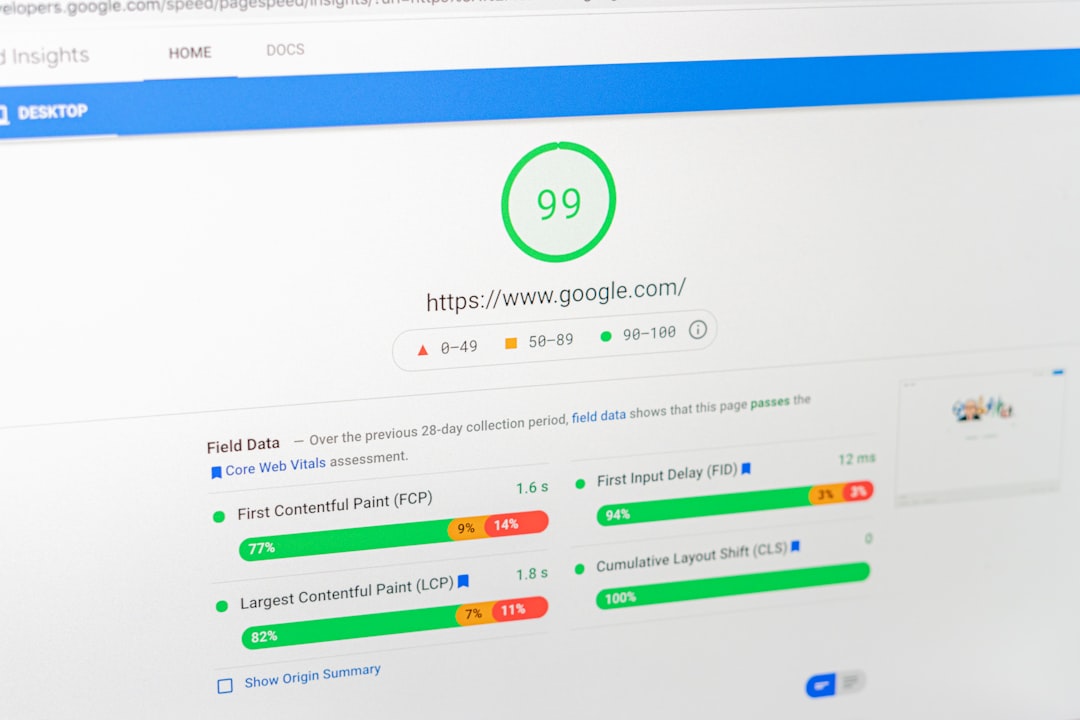
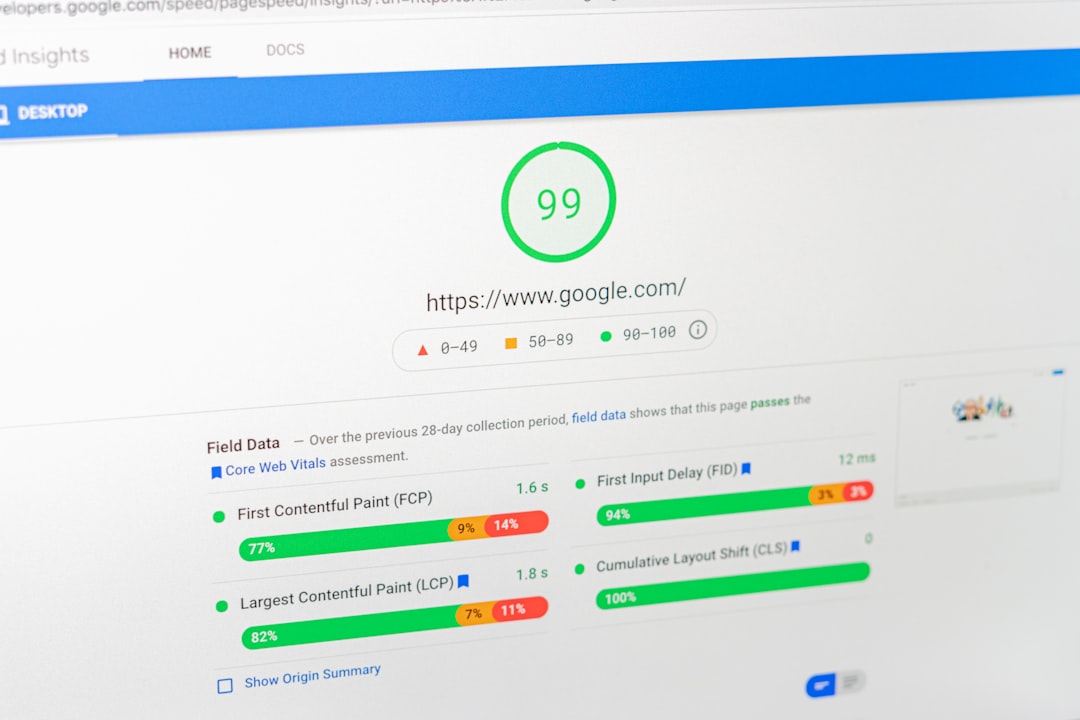
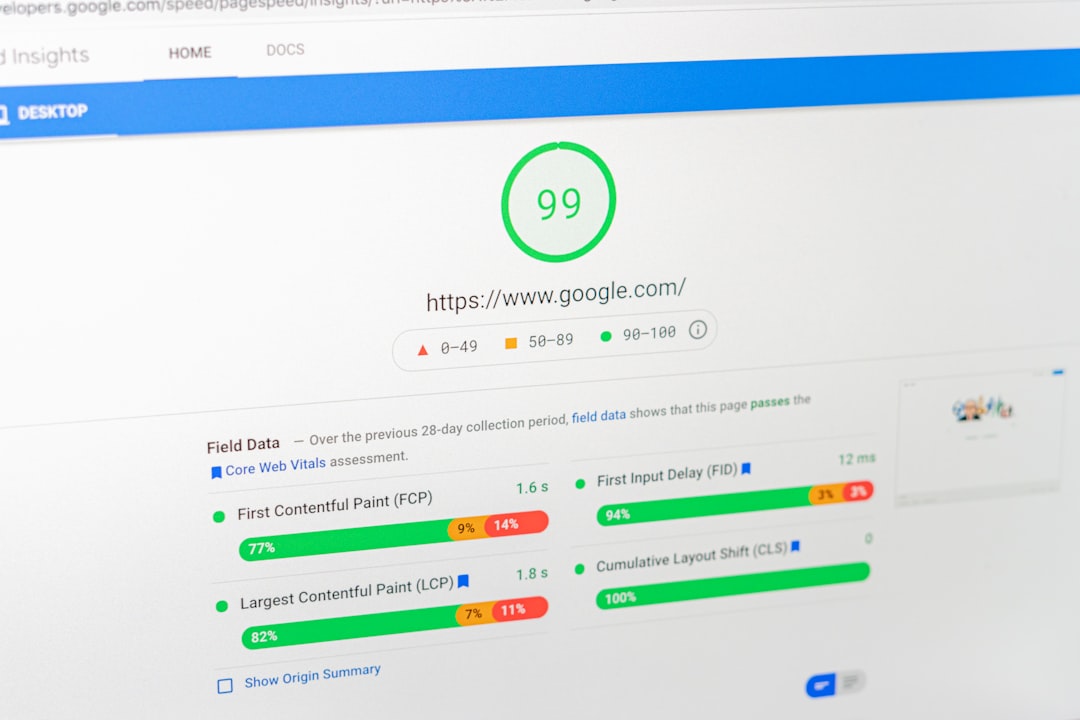
PageSpeed Insights uses both lab data and Chrome UX Report field data. The main mobile thresholds shown there are LCP under 2.5 seconds, CLS under 0.1, and INP under 200 milliseconds for a good experience. Use those numbers as decision points, not as an excuse to endlessly toggle performance settings.
WordPress also introduced native image lazy loading in version 5.5, which helps reduce initial page weight when your theme outputs images correctly. That helps, but it does not replace proper image compression, sensible image dimensions, or script cleanup.
For a deeper performance workflow, review our WordPress site speed fixes for SEO before adding another optimization plugin.
Practical mobile speed fixes
Use one clean caching and optimization setup, not three overlapping tools. Compress large images before upload, convert where appropriate to modern formats, and remove homepage sliders or video backgrounds that slow the first paint on phones. If your mobile pages still feel sluggish after cleanup, hosting and server response time may be the real bottleneck.
If you are experiencing these issues, our team at WordPress SEO Expert can help. We can review whether the bottleneck is your theme, plugin stack, hosting, or mobile layout before you start changing settings blindly.
Check mobile usability and layout friction
Mobile SEO is not only about speed. If users land on the page and immediately struggle with spacing, font size, jumpy layouts, or tap targets, engagement usually drops long before your content has a chance to do its job.
Review your most important pages for these common problems: buttons too close together, sticky headers that cover the heading, popups that dominate the screen, comparison tables that overflow, and forms that are painful to complete on a phone. Many of these issues come from desktop-first design decisions that were never simplified for mobile visitors.
Use a mobile SEO checklist for WordPress pages
A short checklist is more useful than a giant audit nobody finishes. Run through this sequence on your homepage, top service pages, and any posts that already attract search impressions.
| Priority | Action | What success looks like |
|---|---|---|
| 1 | Test pages on a real phone | Main content, links, and CTA appear cleanly without friction |
| 2 | Compare mobile and desktop content | No important text or internal links are missing on mobile |
| 3 | Run PageSpeed Insights | You can identify whether LCP, CLS, or INP is the biggest issue |
| 4 | Reduce image and script bloat | Pages load faster and above-the-fold content appears sooner |
| 5 | Review theme and plugin output | No duplicate SEO plugins, unnecessary sliders, or broken mobile elements |
Common WordPress mobile SEO mistakes
Most mobile SEO problems are self-inflicted, and they are usually fixable without rebuilding the whole site. The pattern is consistent: too many plugins, too much visual weight, and too little testing on real devices.
Common mistakes include using intrusive popups on page load, relying on heavy page-builder sections for simple content blocks, hiding useful copy on mobile to make the design look cleaner, and treating plugin traffic-light scores as the goal. Another common issue is stacking multiple SEO or performance plugins that output overlapping code and create conflicts.
When to get help
If you have already compressed images, simplified the plugin stack, and confirmed your mobile content matches desktop, but rankings are still stuck, the problem may be more technical than it looks. That is usually the point where a focused audit saves time.
WordPress SEO Expert can help you isolate whether the issue is mobile performance, crawlability, internal linking, template output, or a broader on-page problem. Request a free WordPress SEO audit if you want a second set of eyes before redesigning templates or swapping plugins again.
Contact WordPress SEO Expert today to schedule a consultation. We will help you identify what is actually holding mobile rankings back and what to fix first.