Mobile SEO problems on WordPress usually come from a cluttered setup, not one missing setting. If your rankings feel flat on phones, the goal is to fix the issues that block visibility first: mobile content parity, page speed, internal links, and clean title signals.
A green light in an SEO plugin does not mean the page deserves to rank. Google uses the mobile version of your site for crawling and indexing, so if important text, headings, links, or metadata are missing on mobile, that weaker version is the one Google evaluates. This is why a practical WordPress mobile SEO checklist matters more than another plugin feature.
What matters most for mobile SEO on WordPress?
The short answer is consistency and usability. Your mobile pages need to keep the same core content and signals as desktop while loading cleanly enough that users can actually read, tap, and move through the site without friction.
Google recommends descriptive, concise title text and warns against keyword stuffing and repetitive boilerplate. Google also advises site owners to prepare for mobile-first indexing by keeping content, headings, structured data, and metadata aligned across mobile and desktop versions. For WordPress sites, that means checking your theme, page builder, and plugin output instead of assuming the mobile layout is fine because the desktop version looks good.
Step 1: Check mobile content parity
Start here because missing mobile content can weaken rankings even if the desktop page is strong. If your phone layout hides sections, trims internal links, or removes headings to make the page look cleaner, Google may get a thinner version of the page than you intended.
Review your most important templates on an actual phone. Compare the homepage, a core service page, and a blog post against desktop. Keep the same main copy, H1, useful internal links, images, structured data, and metadata. Tabs, accordions, sliders, and mobile-only layouts are common places where important content disappears.
What to look for
Check whether the mobile version keeps the page title, main heading, body copy, related links, and calls to action. If the desktop version explains the topic clearly but the mobile version reduces it to short fragments, the page sends weaker signals and gives users less to work with.
Step 2: Improve mobile speed without chasing perfect scores
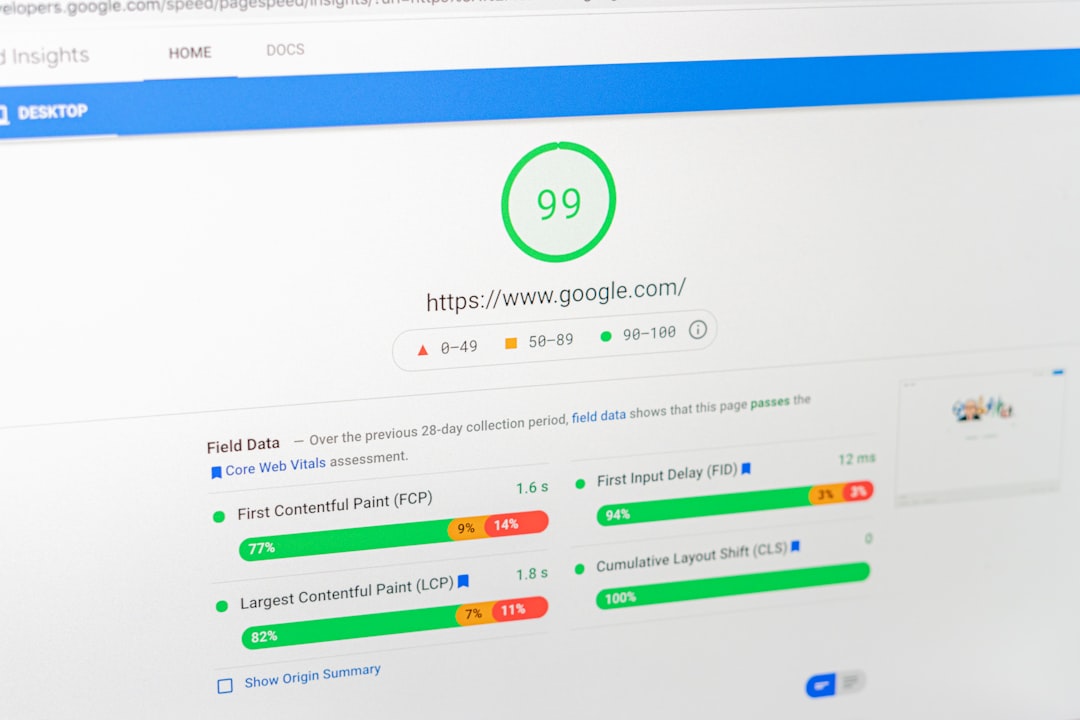
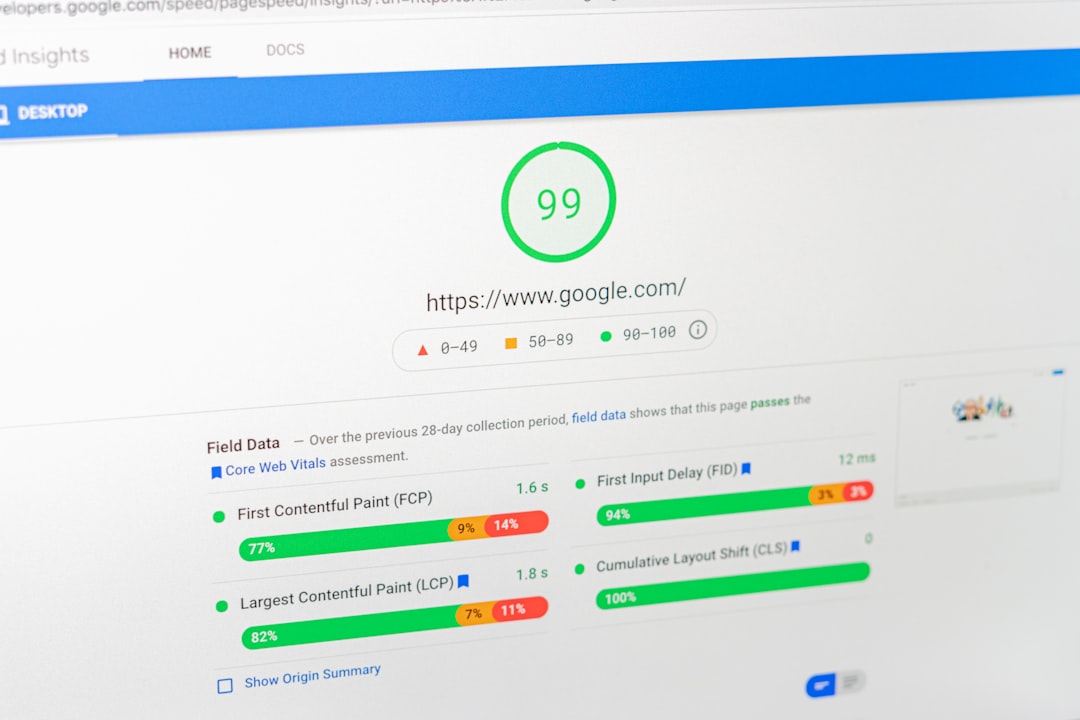
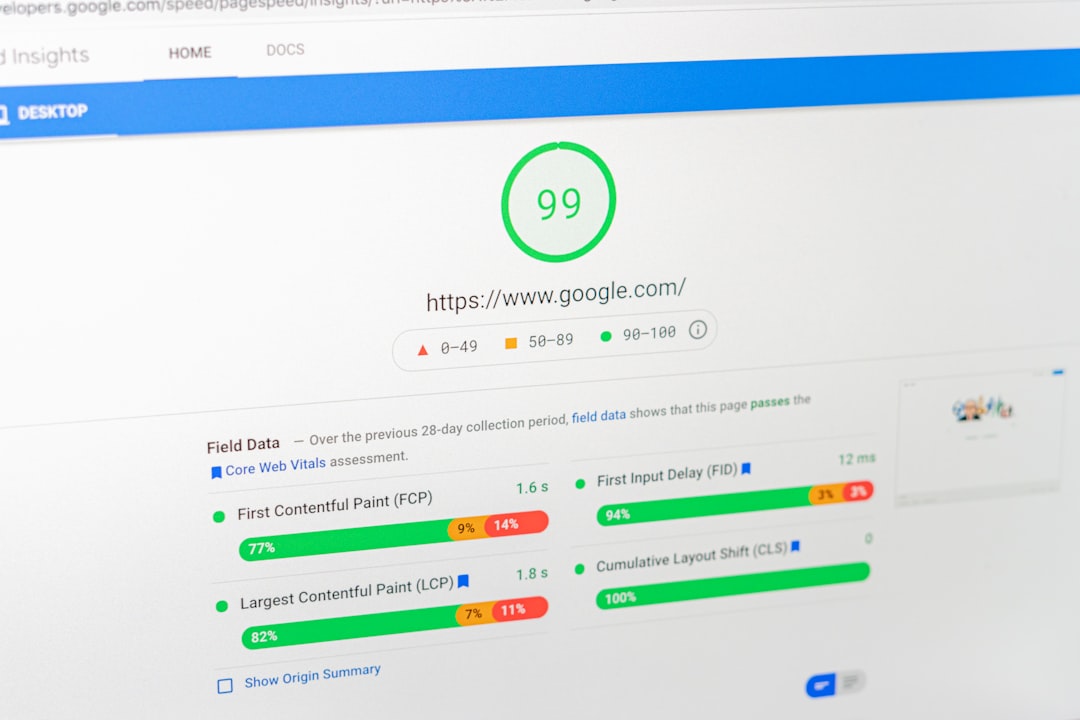
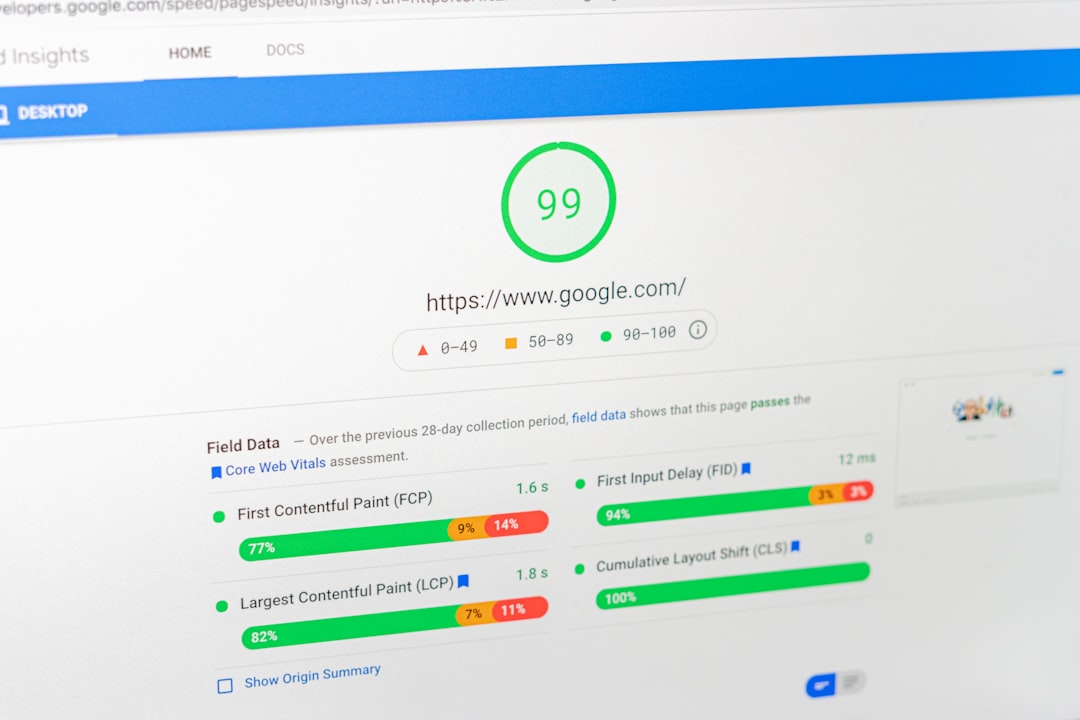
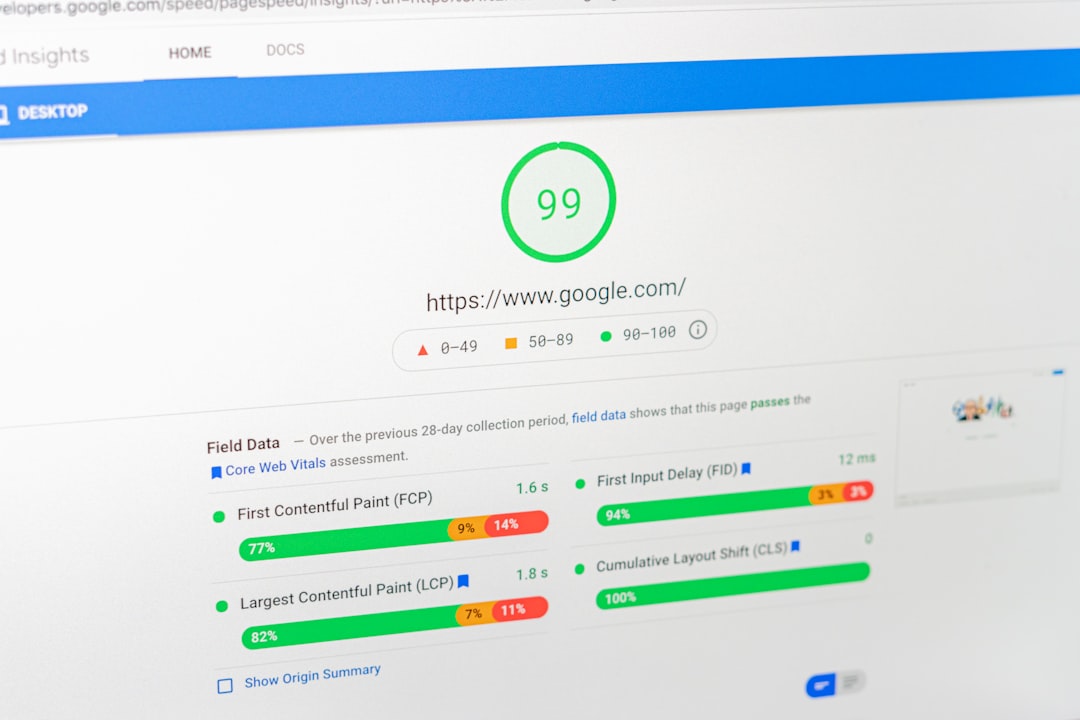
Mobile speed matters when it improves the actual experience, not when it only improves a screenshot score. Google’s guidance on Core Web Vitals says to aim for Largest Contentful Paint within 2.5 seconds, and Google also notes that perfect tool scores are not the goal by themselves.
On most WordPress sites, the highest-impact fixes are simpler than people expect. Compress large images, enable caching, reduce front-end plugin bloat, and test whether your page builder loads extra scripts on every template. One well-configured SEO plugin is enough. Running overlapping SEO plugins often creates duplicate metadata, conflicting canonicals, and competing sitemap outputs.
If your site still feels heavy after basic cleanup, review the broader technical setup alongside this practical WordPress SEO guide for DIY site owners. Mobile performance problems often overlap with crawl and indexing problems.
| Common mobile issue | Better fix |
|---|---|
| Oversized hero image | Compress it and serve a properly sized image |
| Too many active front-end plugins | Remove or limit scripts that do not need to load sitewide |
| Multiple SEO plugins | Keep one SEO plugin and remove overlapping tools |
| Heavy page builder sections | Simplify layouts on high-value pages |
| Chasing a perfect score | Focus on speed gains that improve real usability |
Step 3: Clean up titles for smaller screens
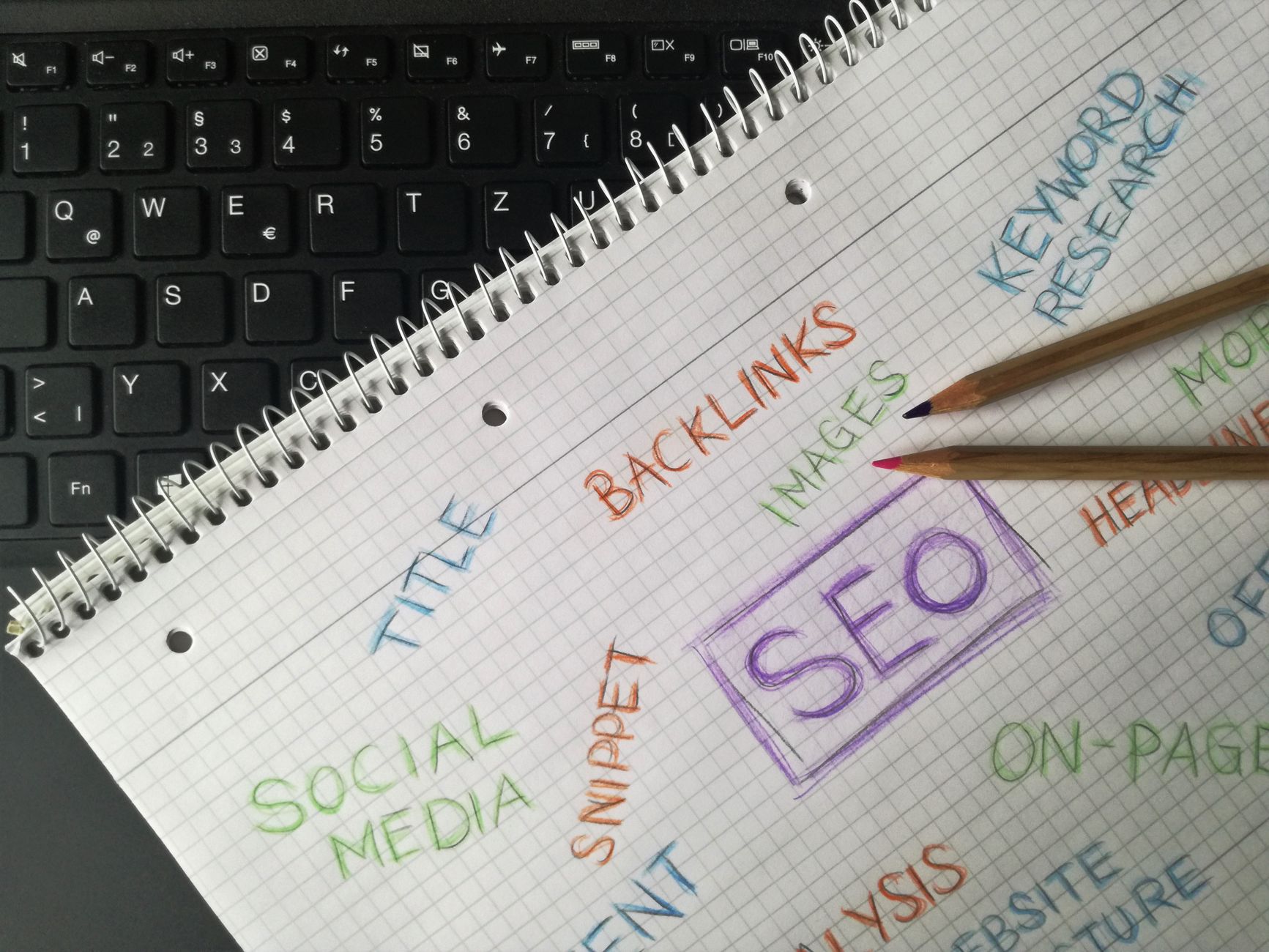
Mobile search results give you less room, so vague or bloated titles waste space fast. The best titles make the topic clear first, then add a short qualifier only if it helps the click.
Do not stuff title tags with every keyword variation. Google explicitly warns against repeated and boilerplate title text. On WordPress, set a sensible title template in your SEO plugin, then manually improve titles on your most important pages instead of letting generic defaults do all the work.
| Weak title | Stronger title |
|---|---|
| Mobile SEO | SEO Tips | SEO Help | WordPress Mobile SEO Optimization |
| WordPress SEO Tutorial for Mobile Devices | How to Optimize WordPress for Mobile SEO |
| Best Mobile SEO WordPress Services Guide | Mobile SEO Fixes for WordPress Sites |
Step 4: Keep internal links visible on mobile
Internal links help Google discover pages and help users move to the next useful step. If your mobile layout removes related links or hides them behind awkward interface elements, both crawlability and usability can suffer.
Use descriptive anchor text and keep links close to the surrounding topic. Blog posts should lead naturally to service pages, related tutorials, or deeper guides. If you are tightening your overall site structure, reviewing your mobile SEO checklist for WordPress alongside your broader architecture helps you spot pages that are visible in the sitemap but weakly connected in the site itself.
Step 5: Test mobile usability on a real device



Lab tools help, but a real phone shows the friction that scores miss. Test your menu, forms, buttons, sticky bars, and popups on an actual device before assuming the page is fine.
Look for accidental taps, shifting layouts, oversized banners, and forms that are hard to complete. Most site owners do not have one catastrophic mobile problem. They have a stack of smaller issues that compound over time. Fix the issues that block visibility before the issues that polish visibility.
If you are seeing these symptoms, our team at WordPress SEO Expert can help. We review what is actually slowing the site down, what is weakening mobile SEO signals, and what should be fixed first.
What should you stop doing?
Stop treating plugin scores as proof of optimization. A green light is not a ranking strategy, and it does not tell you whether the mobile version is strong enough to compete.
Also stop stacking SEO plugins, publishing near-duplicate tutorials for tiny keyword variations, and making mobile design changes without checking the rendered output. A simpler setup with clearer signals usually outperforms a more complicated stack.
When should you get help?
If you have already compressed images, cleaned up plugins, and checked your phone layouts but rankings are still flat, the real issue may be a mix of indexing, duplication, weak targeting, and mobile performance. That is common, and it is usually more fixable than it looks.
WordPress SEO Expert can help you sort out what is actually holding the site back and what to ignore. Contact WordPress SEO Expert today to schedule a consultation. No pitch, no pressure. Just an honest look at what your site actually needs and whether your current setup is part of the solution or part of the problem.