
Low rankings usually come from a scattered plan, not one missing plugin. A solid WordPress Google SEO setup is less about chasing plugin scores and more about making sure Google can crawl your pages, understand your titles, and index the right URLs without confusion.
This guide walks through the setup sequence that matters most: search visibility settings, one SEO plugin, title and meta controls, sitemaps, Search Console, internal linking, and duplicate URL cleanup. If you want a broader baseline first, review our WordPress SEO best practices and our comparison of Yoast SEO vs Rank Math before changing your stack.
What a good WordPress Google SEO setup actually does
A good setup helps Google reach your important pages, understand what each page is about, and avoid mixed signals from duplicate or conflicting settings. That is the real goal. You do not need a perfect plugin score. You need a clean, understandable site.
Google recommends descriptive, concise titles, crawlable links, and helpful content created for people rather than search engines. It also notes that meta descriptions may be used when they better summarize a page, and structured data should match visible content instead of exaggerating what is there. See Google’s title link guidance, snippet guidance, link best practices, and structured data policies.
Start with WordPress visibility settings

Check indexing settings before you touch titles, schema, or content. If your site blocks search engines, every other SEO task underperforms. This is the first thing to confirm on a new site, a redesigned site, or a site recovering from a migration.
Inside WordPress, go to Settings, then Reading, and make sure the search engine visibility box is not discouraging indexing on the live site. Then review whether key pages are published, linked from crawlable navigation or body content, and included in your XML sitemap if they should be indexed.
Use one SEO plugin, not several
One well-configured SEO plugin is enough. Running overlapping plugins often creates duplicate metadata, conflicting canonicals, and competing sitemap outputs. Most WordPress SEO problems come from cluttered setups, not from a lack of tools.
Pick one primary plugin and configure the basics first: title templates, meta descriptions, sitemap settings, archive indexing rules, and social defaults. If you are still deciding between options, our Yoast SEO vs Rank Math comparison can help you choose based on site type and workflow rather than feature hype.
Set page titles for clarity, not keyword stuffing
Your title tag is one of the clearest on-page signals you control. Google advises site owners to write descriptive, concise titles and to avoid keyword stuffing and repetitive boilerplate. That matters more than squeezing in every variation of a phrase.
A weak title looks like a list of SEO terms. A stronger title tells both the searcher and Google what the page actually covers. Keep important pages distinct from one another so service pages, blog posts, and product categories are not all repeating the same pattern.
| Weak title | Stronger title |
|---|---|
| SEO Services | SEO Company | SEO Expert | WordPress SEO Services for Small Businesses |
| Blog | WordPress Google SEO Setup Guide |
| Blue Widgets, Best Blue Widgets, Buy Blue Widgets | Blue Widgets for Commercial Kitchens |
Write meta descriptions as click support
Meta descriptions do not guarantee rankings, but they can improve how your result is summarized when Google decides the description is the best fit. Think of them as click support, not as a ranking shortcut.
Write a unique description for key pages that explains the benefit of the page in plain language. Keep it specific, natural, and aligned with the actual content. Do not copy the same sentence across the whole site. Google may rewrite snippets based on the query, but a strong description still gives it better raw material to work with.
Submit your XML sitemap through Google Search Console
Your sitemap helps Google discover the URLs you want crawled, but it only works well when the URLs inside it are the right ones. Submitting a messy sitemap does not fix a messy site. Clean setup comes first, then submission.
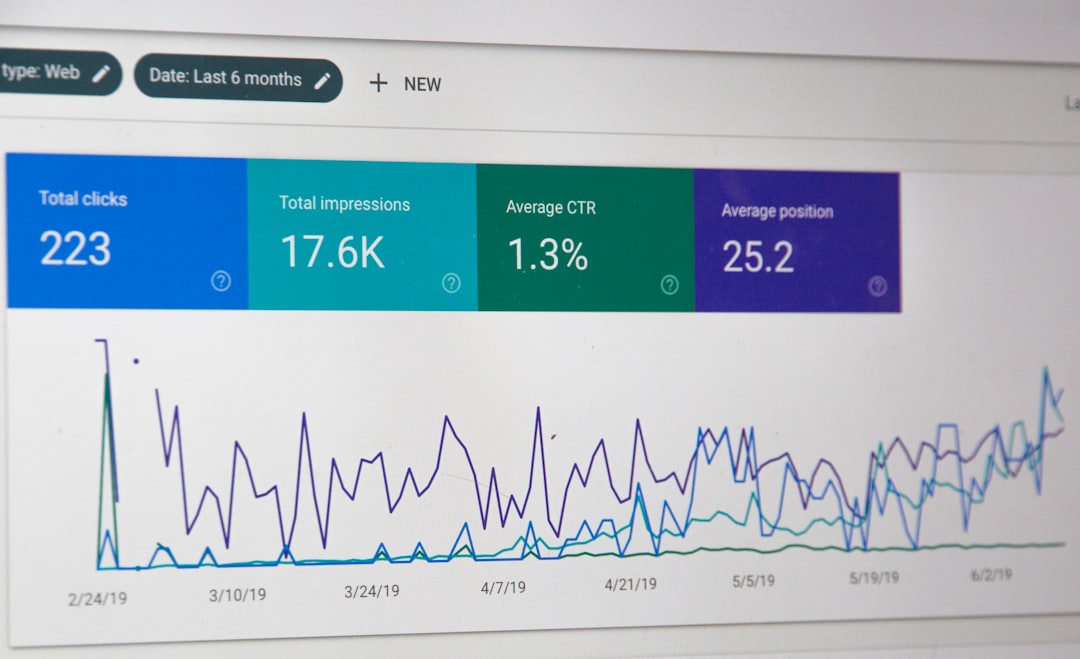
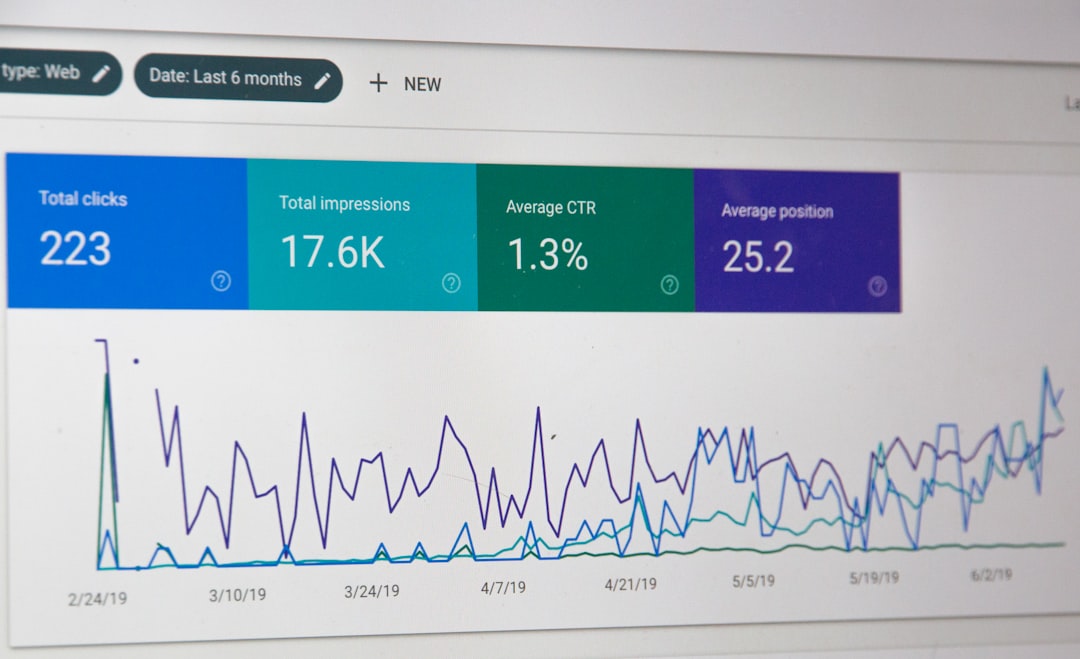
After your SEO plugin generates the sitemap, verify your site in Google Search Console and submit the sitemap there. Then watch which pages are indexed, which are excluded, and whether Google is choosing a different canonical than the one you expected. That feedback is often where hidden setup problems show up first.
If you are experiencing these symptoms, our team at WordPress SEO Expert can help. A short diagnostic review can often show whether the problem is indexing, duplicate URLs, or weak page targeting before you spend weeks rewriting content.
Fix duplicate URL problems before publishing more
Duplicate URL issues waste time because they dilute signals and confuse search engines about which page should rank. This is especially common on WordPress sites with tag archives, attachment pages, pagination quirks, parameter URLs, or WooCommerce filters.
Decide which URLs deserve indexing, then make the rest support that decision. Use canonicals carefully, redirect outdated variants when needed, and avoid creating near-duplicate pages just to target tiny keyword variations. Most site owners do not have one catastrophic problem. They have a stack of smaller issues that compound over time.
Make internal links crawlable and descriptive

Internal linking helps Google discover pages and understand how your site is organized. Google’s documentation recommends crawlable links built with standard anchor tags and anchor text that is descriptive, concise, and relevant to the destination page.
Link broad educational content to related service pages, connect overlapping blog posts, and make sure important pages are not only sitting in the sitemap. If a page has no meaningful internal links pointing to it, Google gets fewer signals that it matters. Our WordPress SEO best practices guide covers site structure and prioritization in more depth.
Use schema carefully
Schema can help search engines understand your pages more clearly, but it does not rescue weak content or broken indexing. Add only the structured data that matches what a visitor can actually see on the page.
This is where many plugin setups go wrong. Site owners enable every schema type available, assume more markup is better, and end up with noisy or misleading output. Keep it simple. A clean setup that reflects the page honestly is safer than a bloated one chasing rich results.
A practical setup order for most WordPress sites
Fix the issues that block visibility before the issues that polish visibility. That order prevents wasted work and helps you see progress faster. Most ranking plateaus come from doing lower-priority tasks first.
| Priority | What to set up | Why it matters |
|---|---|---|
| 1 | Indexing and visibility settings | Pages cannot rank if search engines cannot reach or index them |
| 2 | One SEO plugin with clean defaults | Prevents conflicts in titles, canonicals, schema, and sitemaps |
| 3 | Title tags and meta descriptions | Improves relevance and click-through potential |
| 4 | XML sitemap and Search Console review | Helps you monitor indexing and discover exclusions |
| 5 | Canonical and redirect cleanup | Reduces duplicate URL confusion |
| 6 | Internal linking | Strengthens discovery and page hierarchy |
| 7 | Schema and content formatting | Supports clearer understanding after the foundation is stable |
What to stop doing
Stop treating plugin indicators as the goal. A green light in an SEO plugin does not mean the page deserves to rank. It only means the page met that plugin’s rules, which may or may not match what the searcher actually needs.
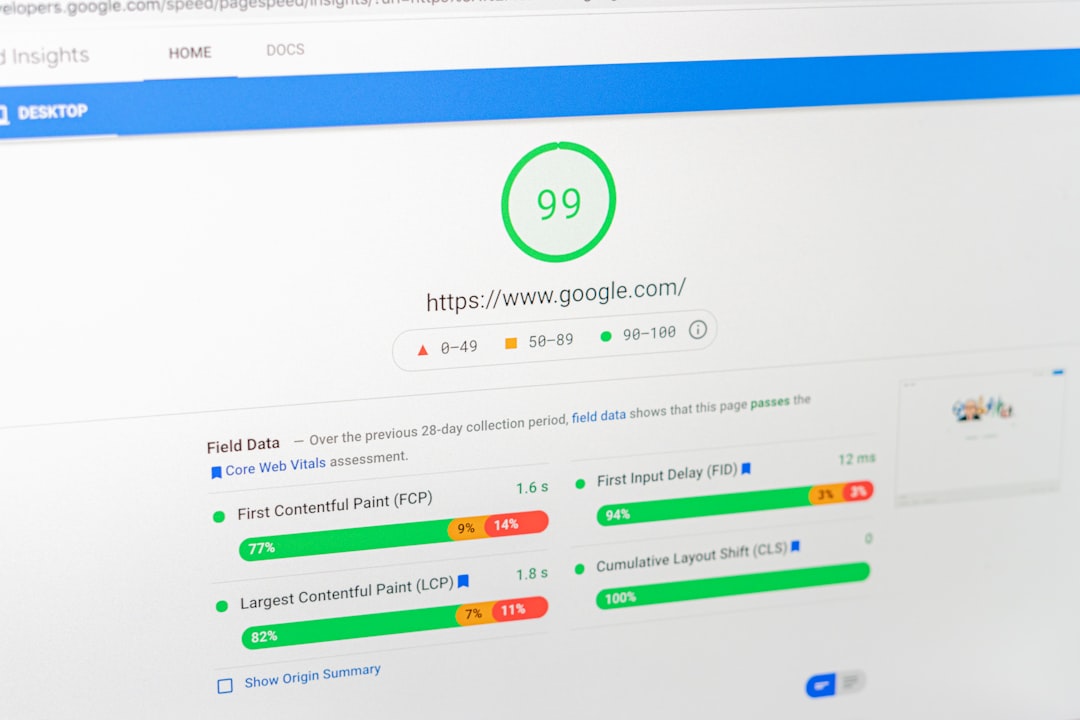
Also stop stacking plugins, publishing thin variations of the same topic, and overcomplicating your setup with every available module turned on. You do not need a perfect score. The goal is a site that loads cleanly, is easy to use, and sends clear signals to Google.
The best next step if rankings are still flat
If your setup looks fine on the surface but rankings are still stuck, the next step is usually diagnosis, not more plugin tweaking. Review the pages already earning impressions, the URLs Google excluded, and the pages closest to page one before you launch into a full rewrite.
WordPress SEO Expert can help you sort out whether your current setup is part of the solution or part of the problem. Book a free SEO consultation. No pitch, no pressure. Just an honest look at what your site actually needs and whether your current configuration is helping or quietly holding it back.
Contact WordPress SEO Expert today to schedule a consultation and get a clearer plan for what to fix first on your WordPress site.