Understanding Local SEO and How It Works
Local SEO, also known as local search engine optimization, is the process of improving a business’s online visibility for searches connected to a specific geographic location. It helps companies appear when people search for nearby products, services, and businesses through search engines and map-based results.
Unlike general SEO, which may target audiences across different regions or countries, local SEO focuses on reaching customers in the areas where a business operates. For example, a restaurant in Atlanta may want to reach people searching for nearby dining options, while a plumbing company in Augusta may want to attract homeowners looking for plumbing repairs.
What Local Search Engine Optimization Means
Local SEO involves optimizing a business’s website, business listings, online reputation, and other digital information to improve its visibility in geographically relevant searches. Its main purpose is to connect businesses with customers who are searching for products or services within a particular area.
A successful local SEO strategy includes several activities that work together. These may involve Google Business Profile optimization, local keyword research, location-based website content, customer review management, citation building, and technical website improvements.
For businesses in Georgia, local SEO can help reach customers in cities such as Atlanta, Savannah, Macon, Columbus, Augusta, and surrounding communities. The strategy should reflect the company’s actual service locations and the needs of its intended audience.
How Local SEO Differs From Traditional SEO
Traditional SEO focuses on improving a website’s visibility for relevant searches without necessarily targeting a particular geographic area. Local SEO adds geographic relevance, making it especially useful for businesses that serve customers in specific locations.
For example, an online retailer selling products throughout the United States may focus on national search visibility. A local furniture store in Savannah may instead want to appear when nearby customers search for furniture stores, home furnishings, or related products in their area.
| Comparison Factor | Traditional SEO | Local SEO |
|---|---|---|
| Main focus | Wider or national audiences | Customers in specific locations |
| Keyword targeting | General service and product terms | Geographic and service-related terms |
| Business listings | May be less central | Important for local discovery |
| Customer reviews | Support online reputation | Particularly useful for local trust |
| Website content | Broad subject-based content | Local services and location-focused content |
| Main objective | Wider organic search visibility | Local visibility and customer enquiries |
Both approaches can work together. A Georgia company that serves local customers while selling products nationally may benefit from combining local optimization with a broader SEO strategy.
How Search Engines Determine Local Results
Search engines use different signals to determine which businesses and webpages are relevant to a local search. These signals help connect users with businesses that offer appropriate products or services in the locations they are interested in.
Three important factors commonly associated with local search visibility are relevance, distance, and prominence. Relevance concerns how closely a business matches the search, distance relates to its proximity to the searcher’s location or specified area, and prominence reflects how well-known or established the business appears online.
Businesses cannot directly control every factor influencing local search results. However, they can improve the accuracy of their business information, create relevant website content, maintain a trustworthy online reputation, and provide a useful customer experience.
Why Local SEO Is Important for Businesses in Georgia
Local SEO can help Georgia businesses reach customers who are actively searching for nearby services and products. It provides an opportunity to improve online discovery, establish credibility, and create additional opportunities for customer enquiries.
Whether a company operates in a busy city or a smaller community, its online presence can influence how potential customers discover and evaluate its services. Investing in local SEO can help businesses become more competitive in their relevant markets.
Reaching Customers Who Search for Nearby Services
Many people use search engines to find businesses that can meet an immediate or location-specific need. Someone may search for a nearby dentist, an emergency electrician, a restaurant, or a reliable contractor before deciding which business to contact.
Local SEO helps businesses improve their visibility for these searches. By optimizing relevant website pages and business information, companies can make it easier for potential customers to discover their services.
For example, a home cleaning company in Atlanta may want to attract residents searching for residential cleaning or deep cleaning services. A suitable local SEO strategy can help the company target relevant searches instead of attracting visitors from locations it does not serve.
Improving Visibility in Google Search and Maps
Online visibility is essential for businesses that depend on local customers. Google Search and Google Maps can help people discover eligible businesses, review their information, and find directions or contact details.
An optimized and accurate Google Business Profile can support local discovery. When businesses maintain relevant categories, correct operating hours, current photographs, and useful service information, they make it easier for customers to evaluate their offerings.
Local SEO professionals can review these profiles and identify opportunities for improvement. They can also ensure that important business details are consistent with the information provided on the company’s website.
Building Trust Through Accurate Information and Reviews
Customers often compare several businesses before choosing a service provider. They may examine customer reviews, business photographs, service descriptions, and contact information to decide whether a company appears reliable.
A strong local presence can help businesses communicate professionalism and establish customer confidence. Accurate information and genuine feedback also make it easier for visitors to understand what the company offers and what kind of experience they can expect.
Businesses should respond to reviews professionally and address customer concerns where appropriate. Trust is developed through genuine service quality and transparent communication rather than artificial ratings or misleading claims.
Competing With Local Businesses Across Georgia
Competition can vary significantly between Georgia markets and industries. A restaurant in Atlanta may compete with many nearby dining businesses, while a specialized service provider in a smaller community may face a different competitive environment.
Local SEO helps businesses understand these conditions and identify relevant search opportunities. Competitor analysis can reveal which services receive attention, what topics other websites cover, and where a company may provide more useful information.
The objective should not be to copy competing businesses. Instead, companies should communicate their own strengths and develop a website that provides clear, helpful information for their target customers.
Generating More Calls, Visits, Enquiries, and Sales
Higher search visibility is valuable when it connects a business with people who are likely to become customers. Local SEO can support actions such as phone calls, appointment requests, direction searches, contact form submissions, and purchases.
For example, a Georgia-based roofing company may want its local search presence to generate inspection requests and repair enquiries. A retail store may prioritize visits from customers searching for nearby shopping options.
Businesses should track these actions to understand whether their local SEO investment supports meaningful outcomes. Traffic and rankings provide useful information, but enquiries and sales help demonstrate the commercial value of the campaign.
Essential Local SEO Services Offered in Georgia
Professional local SEO services combine different optimization activities to improve a business’s geographic search visibility. The exact services required depend on the company’s industry, website condition, competition, and business objectives.
A local SEO specialist should assess the business before recommending a package. This helps ensure that the company invests in activities that address its actual needs rather than paying for services that provide little value.
Local SEO Audits and Website Analysis
A local SEO audit examines a website and its online business information to identify problems that may affect local search performance. It can reveal incomplete business details, weak location pages, technical problems, missing keywords, and opportunities to improve website content.
The audit may also review competitors and the company’s current search visibility. This provides a clearer picture of the business’s position and helps determine which improvements should receive priority.
After completing the analysis, the SEO professional should provide practical recommendations. A useful audit explains the problems, their potential impact, and the actions needed to address them.
Google Business Profile Optimization
Google Business Profile optimization helps eligible businesses present accurate and useful information to people searching online. The service may involve reviewing business categories, descriptions, operating hours, contact details, services, photographs, and customer review management.
A complete and properly maintained profile can make it easier for potential customers to understand the company’s offerings. Business owners should also ensure that the profile accurately reflects their real location and service arrangements.
Local Keyword Research
Local keyword research identifies search phrases that potential customers use when looking for products and services in particular areas. It considers geographic relevance, customer intent, search competition, and the services a business genuinely provides.
For example, a Savannah-based landscaping company may need to target searches related to lawn maintenance, garden design, and outdoor improvements. The specialist can organize relevant phrases into groups and connect them with suitable website pages.
Location-Based Website Optimization
Location-based website optimization improves the pages that explain where a business operates and which services it offers in those areas. This may involve developing service-area pages, optimizing headings, updating business information, and adding useful local content.
Each location page should have a clear purpose and provide meaningful information. Businesses should avoid creating multiple pages that repeat the same material with only the city name changed.
Local Content Creation
Local content creation involves publishing useful information that addresses the needs of customers in a business’s geographic market. Examples include service guides, educational articles, location-based resources, and answers to common customer questions.
A Georgia home improvement company might publish helpful content about roof maintenance or preparing a property for seasonal weather conditions. The purpose should be to provide genuine value while naturally connecting relevant topics with the company’s services.
Online Review Management
Online review management helps businesses monitor customer feedback and maintain a professional reputation. It may include developing a process for requesting genuine reviews, responding to customer comments, and identifying recurring issues that need attention.
A professional local SEO specialist can recommend suitable review management practices. Businesses should never depend on fake reviews, misleading incentives, or pressure tactics to create an artificial reputation.
Local Citation Building and Business Listings
Local citations are online mentions of business information, such as a company’s name, address, and phone number. These details can appear on relevant directories, professional listings, local platforms, and other online resources.
A citation-building service helps identify suitable platforms and correct inconsistencies in existing listings. The priority should be quality and accuracy rather than submitting business information to as many directories as possible.
Local Link Building
Local link building focuses on earning relevant links from websites and organizations connected to the business or its community. Opportunities may include local publications, professional associations, community organizations, and genuine business partnerships.
A responsible strategy focuses on relevance and quality. Businesses should avoid automated link packages and unrelated placements that exist primarily to manipulate search rankings.
Technical SEO for Local Websites
Technical SEO helps ensure that search engines can access and understand a website’s important pages. It includes examining mobile usability, page speed, indexing, website structure, redirects, broken links, and other technical factors.
A local business website should also provide a simple experience for visitors who want to find services, contact information, or directions. Technical improvements support the wider local SEO strategy by making important pages easier to access and use.
Local SEO Reporting and Performance Tracking
Local SEO reporting helps businesses understand whether their optimization activities are improving visibility and generating useful customer actions. Reports may include local search performance, website traffic, business profile activity, enquiries, and conversions.
A professional should explain the meaning of the data rather than simply providing numbers. Regular reporting helps business owners understand progress, identify challenges, and decide which improvements should be prioritized next.

Google Business Profile Optimization for Georgia Businesses
Google Business Profile is an important part of local SEO because it helps eligible businesses display useful information in Google Search and Maps. A properly maintained profile can help potential customers understand what a business offers, where it operates, and how they can contact it.
For Georgia businesses, profile optimization can support local visibility and make it easier for customers to compare nearby service providers. However, creating a profile is only the beginning because business information should remain accurate, complete, and regularly updated.
Creating and Verifying an Eligible Business Profile
The first step is to create or claim the correct business profile and complete the verification process required by Google. Verification helps establish that the business is managed by an authorized representative and can help protect the accuracy of its online information.
Businesses should use their actual business details and follow the platform’s eligibility requirements. Service-area businesses should represent their operations accurately rather than displaying an address where customers are not served.
Selecting Accurate Business Categories
Business categories help communicate what a company does and which searches may be relevant to its services. Selecting an inaccurate category can make the profile less useful for potential customers and create confusion about the business’s actual offerings.
Choose the most accurate primary category and add appropriate secondary categories when they genuinely describe the business. For example, a Georgia home improvement company should select categories that reflect its main services rather than adding unrelated categories in an attempt to appear in more searches.
Writing an Informative Business Description
A business description should explain the company’s services, experience, and value in clear language. It should help potential customers understand what makes the business relevant to their needs without using exaggerated promotional claims.
Include important service information naturally and avoid repeating keywords unnecessarily. A well-written description should prioritize clarity and accuracy rather than trying to fit every possible search phrase into a limited space.
Adding Services, Photographs, and Business Updates
Businesses should keep their profiles informative by adding relevant services, genuine photographs, and useful updates where appropriate. Photographs of the actual business, products, facilities, or completed work can help customers understand what they can expect.
Business updates can communicate seasonal services, important announcements, new offerings, and other relevant information. Content should remain accurate and useful rather than becoming a collection of repetitive promotional messages.
Maintaining Accurate Operating Hours and Contact Details
Incorrect operating hours or outdated phone numbers can create frustration for customers. A person who visits a business based on inaccurate information may lose confidence and choose another provider.
Review the profile whenever business details change, including holiday schedules, temporary closures, contact numbers, or service arrangements. Consistency between the business profile and website helps customers find reliable information.
Managing Customer Reviews and Profile Mistakes
Customer reviews can influence how people evaluate local businesses. Companies should encourage genuine feedback, respond professionally, and use customer comments to identify opportunities to improve their services.
Avoid creating fake reviews, purchasing ratings, or pressuring customers to provide positive feedback. These practices can damage trust and may violate platform policies.
Local Keyword Research and Geographic Targeting
Local keyword research helps businesses understand how potential customers search for products and services in specific areas. It provides the foundation for deciding which website pages should be optimized and what information local customers expect to find.
For companies in Georgia, geographic targeting should reflect the locations where services are genuinely available. Selecting relevant phrases is more useful than inserting city names throughout a website without considering search intent.
Identifying Keywords Used by Local Customers
The first step is understanding what customers search for when they need a particular product or service. These phrases may include a service name, product category, location, or a question connected to a customer problem.
For example, a roofing contractor in Savannah may research phrases connected to roof repairs, inspections, replacements, and local roofing services. A restaurant may focus on nearby dining searches and phrases associated with its cuisine or menu.
Keyword research should consider the services the company actually provides. Businesses should avoid selecting terms simply because they appear popular when those searches have little connection to their target audience.
Finding Service-Based and Location-Based Search Terms
Service-based keywords describe what a business offers, while location-based keywords connect those services with a geographic area. Combining relevant service and geographic terms can help businesses reach customers looking for providers in their communities.
A plumbing business operating in Atlanta might research relevant phrases related to drain cleaning, pipe repairs, and water heater services. It can then identify which terms are suitable for its main service pages and which may support additional educational content.
Understanding Local Search Intent
Local search intent explains what a person wants to accomplish when searching for a nearby business or service. Some users are researching available options, while others are ready to contact a provider, make a booking, or visit a location.
An effective keyword strategy should reflect these different needs. Informational searches may be suitable for educational articles, while service-related searches generally belong on pages that explain the company’s offerings and provide clear contact options.
Using Long-Tail Keywords to Reach Qualified Customers
Long-tail keywords are more specific search phrases that often describe detailed customer requirements. Although they may receive fewer searches than broad keywords, they can attract visitors with a clearer understanding of what they need.
For example, a Georgia cleaning company might target specific searches related to residential deep cleaning, move-in cleaning, or recurring home cleaning services. These phrases can help the business create pages that respond to particular customer needs.
Targeting Relevant Cities and Communities Across Georgia
Businesses should choose geographic keywords according to their actual operating locations and service capabilities. A company based in Augusta may serve nearby communities, while another business may focus exclusively on customers within Atlanta.
Geographic expansion should be based on genuine service availability rather than creating pages for every city in Georgia. A local SEO expert should evaluate demand, competition, and the business’s ability to serve customers in each targeted area.
Mapping Keywords to Appropriate Website Pages
After researching keywords, organize them into groups and assign them to relevant website pages. This helps prevent several pages from competing for the same search phrase and provides a clearer structure for the website.
| Website Page | Suitable Keyword Focus | Main Purpose |
|---|---|---|
| Homepage | Main business and primary service terms | Explain the overall business |
| Service pages | Specific products or services | Attract customers seeking an offering |
| Location pages | Relevant service and geographic terms | Explain services available in an area |
| Blog articles | Informational and question-based searches | Answer customer questions |
| Product pages | Product names and relevant features | Help customers discover products |
Each page should have a distinct purpose and offer useful information related to its target searches. Businesses should also review existing pages before publishing new ones to avoid unnecessary duplication.
Website Optimization for Local Search Rankings
A business website is one of the most important elements of a local SEO strategy because it provides detailed information about products, services, locations, and contact options. Optimizing website pages helps search engines understand the business while making it easier for visitors to find relevant information.
Local website optimization should combine useful content with clear structure and technical improvements. A professional SEO specialist should review the entire website rather than concentrating exclusively on page titles or keyword placement.
Creating Effective Local Service Pages
Service pages should explain what a business offers, who can benefit from the service, and how customers can request assistance. They should include meaningful details about the service rather than relying on short descriptions filled with repeated search terms.
For example, an electrician in Georgia could create separate pages explaining electrical inspections, lighting installation, and residential electrical repairs. Each page should provide relevant information and make it clear how potential customers can contact the business.
Optimizing Page Titles and Meta Descriptions
Page titles help describe the subject of a webpage, while meta descriptions provide a summary that may appear in search results. Both should accurately represent the page and communicate why the information may be useful to a searcher.
A local service page could include its main service and geographic focus when appropriate. However, businesses should avoid repeating the same title across multiple pages or adding unnecessary keywords that make the descriptions difficult to read.
Using Local Keywords Naturally in Website Content
Location-related phrases should appear naturally in relevant page content, headings, and descriptions. Their purpose is to clarify the services and geographic relevance of a page, not to make every paragraph repeat the same city name.
A business serving Columbus can explain its services and operating area in clear language without forcing geographic terms into unrelated sections. Useful and natural content is generally more effective for visitors than pages written primarily to repeat keywords.
Improving Internal Linking and Website Navigation
Internal links connect related pages within a website and help visitors discover additional information. They can also help search engines understand how different pages relate to each other.
For example, a Georgia landscaping company could connect its main landscaping service page with pages about garden design, lawn maintenance, and seasonal care. A logical navigation system helps visitors move through the website without struggling to find important details.
Adding Accurate Business Contact Information
Customers should be able to find important business information without unnecessary effort. Contact details, service areas, operating hours, and available communication methods should be clearly presented on appropriate pages.
Businesses should ensure that their website information matches their current operations. Outdated phone numbers, incorrect addresses, and unclear service information can reduce customer confidence and lead to missed enquiries.
Optimizing Images and Page Content
Website images should support the information presented on each page. Descriptive filenames, suitable image formats, appropriate dimensions, and meaningful alternative text can improve accessibility and help provide useful context.
Businesses should use genuine images of their services, products, facilities, or completed projects whenever possible. Images should be compressed appropriately so they do not unnecessarily slow down the website.
Making Websites Mobile-Friendly and User-Focused
Many local searches happen on mobile devices, so businesses should ensure their websites work well on smaller screens. Important elements such as navigation menus, contact buttons, service descriptions, and enquiry forms should remain easy to use.
A mobile-friendly website should provide readable text, responsive layouts, and clear next steps. Businesses should test their main pages regularly to identify usability problems before they affect potential customers.
Location Pages and Service Area Optimization
Location pages help businesses explain where their services are available and connect their website content with relevant geographic searches. They can be useful for Georgia companies that operate in several communities or travel to customers within defined service areas.
However, location pages should provide genuine value rather than exist only to target additional keywords. Businesses need to create accurate, informative pages that explain their services and help visitors decide whether the company can assist them.
Why Location-Specific Website Pages Matter
A location-specific page can provide information about the services available in a particular community. It also gives businesses an opportunity to address local customer questions and explain any relevant differences in service availability.
For example, a Georgia contractor serving both Atlanta and Macon may benefit from separate pages when it has useful information to share about each service area. These pages should accurately communicate where the company operates and what customers can expect.
Creating Useful Pages for Multiple Georgia Communities
Businesses targeting several locations should plan their pages around actual service coverage and customer needs. Each page should explain the relevant services, geographic availability, and useful information for people searching in that area.
A page for Savannah may discuss services genuinely available there, while another page for Augusta should provide information relevant to that market. Businesses should not create pages merely by replacing one city name with another in identical content.
Writing Unique and Relevant Local Content
Each location page should offer enough useful information to justify its existence. Relevant details may include available services, local project examples, frequently asked questions, and practical information about contacting the business.
Local content should be accurate and based on real operations. Avoid inventing local offices, customer experiences, or projects simply to make a page appear geographically relevant.
Explaining Genuine Service Areas Clearly
Service-area businesses often travel to customers rather than operating from a storefront in every community they serve. Their websites should explain the areas covered and provide accurate information about how customers can arrange service.
A Georgia plumbing company may serve several nearby communities from one business location. It should communicate those service areas clearly without creating misleading addresses or suggesting that it has physical offices in places where none exist.
Avoiding Duplicate and Low-Value Location Pages
Creating many pages with nearly identical content can make a website repetitive and less useful. If several pages provide no meaningful local information, they may offer little reason for visitors to explore them.
Businesses should prioritize quality over the number of location pages. Each page should have a distinct purpose, relevant information, and a clear connection to the services offered.
Local Content Marketing Strategies for Georgia Businesses
Local content marketing helps businesses develop useful information that connects their products and services with the needs of their communities. It can include service guides, blog articles, frequently asked questions, educational resources, and location-focused information.
A strong content strategy should reflect what customers want to learn before contacting a company. Publishing helpful material can demonstrate industry knowledge while providing additional opportunities for people to discover the website through relevant searches.
Creating Content Around Local Customer Questions
Customer questions can provide useful ideas for website content. Businesses should identify the information people commonly request before choosing a provider, comparing services, or making a purchase.
A Georgia home improvement company might answer questions about repair processes, maintenance requirements, material choices, or service appointments. These topics can become articles or website sections that help visitors make informed decisions.
Publishing City-Specific Service Guides
City-specific guides can explain how a company’s services are available in particular communities. These resources should include useful information rather than repeating generic promotional statements.
For example, a landscaping business could create a guide explaining its lawn maintenance services in a community it genuinely serves. The guide should answer relevant questions and provide a clear way for interested visitors to contact the company.
Developing Informative Blog Posts and FAQs
Blog posts and frequently asked questions can address common concerns throughout the customer journey. Some readers may be researching a problem, while others may be comparing providers or looking for details about a particular service.
Businesses should choose topics connected to their expertise and customer needs. Articles should provide complete explanations, use clear headings, and connect readers with relevant service pages when useful.
Using Seasonal and Community-Focused Topics
Seasonal topics can help businesses plan content around changing customer interests. A Georgia gardening company may publish relevant lawn care resources during periods when local customers are preparing their outdoor spaces.
Community-focused content can also support customer engagement when it is connected to genuine business activity. Businesses might share participation in relevant local events, community projects, or useful information for the audiences they serve.
Creating Content That Demonstrates Industry Knowledge
Useful content should show that the business understands its products, services, and customer concerns. This can include explanations of common problems, comparisons of available solutions, maintenance advice, and guidance about selecting suitable services.
Information should remain accurate and reflect the company’s actual expertise. Businesses should avoid exaggerated claims and ensure that specialized information is reviewed appropriately when it involves professional or regulated subjects.
Updating Existing Content for Accuracy and Usefulness
Content should not remain unchanged when business services or customer requirements evolve. Reviewing older pages helps identify outdated information, missing details, broken links, and opportunities to improve clarity.
Businesses should update important articles and service pages when meaningful changes are required. Regular improvements help ensure that visitors receive accurate information and can understand the company’s current offerings.
Local Citations and Business Directory Management
Local citations are online references to a business’s identifying information, commonly including its name, address, and phone number. They may appear in relevant directories, business listings, professional associations, local platforms, and other online resources.
Maintaining accurate citations can help customers find consistent business information across the internet. It also supports a more organized local online presence and reduces the confusion caused by outdated or incorrect listings.
Understanding Local Citations and Business Listings
A citation may contain basic contact information or additional details such as the company website, operating hours, category, and service description. Some citations include a clickable website link, while others simply mention the business.
Businesses should focus on listings that are relevant to their industry, location, and customers. A carefully maintained presence on suitable platforms is more useful than submitting information to a large number of unrelated directories.
Maintaining Consistent Business Information
The business name, address, and phone number should be accurate wherever the company is listed. Small differences or outdated details can create confusion for customers trying to identify and contact the business.
Review important listings whenever business information changes. Companies should also ensure that their website and eligible business profile contain matching details wherever those details apply.
Selecting Relevant and Trustworthy Directories
Not every online directory is worth using. Businesses should prioritize reputable platforms that are relevant to their industry or geographic market and provide useful information to potential customers.
Georgia businesses may benefit from suitable local directories, professional associations, and industry-specific listings. The goal should be to reach relevant audiences and maintain an accurate online presence rather than accumulate as many listings as possible.
Correcting Duplicate or Outdated Listings
Duplicate listings can cause customers to encounter conflicting information about the same business. They may display old phone numbers, incorrect addresses, outdated operating hours, or descriptions that no longer reflect current services.
Businesses should periodically search for important listings and identify information that needs correction. Where possible, outdated duplicates should be addressed through the platform’s appropriate correction or management process.
Online Reviews and Reputation Management
Online reviews help potential customers understand the experiences other people have had with a business. They can influence how people compare local providers and whether they feel confident enough to make contact.
For Georgia businesses, review management should be treated as part of customer service and reputation development. Companies should encourage honest feedback, respond professionally, and use comments to identify opportunities for improvement.
Why Customer Reviews Matter for Local Businesses
Reviews provide potential customers with additional information about service quality and customer experiences. When people compare several nearby businesses, genuine feedback can help them understand the strengths and weaknesses of each provider.
A business with a well-managed review presence may appear more trustworthy to prospective customers. However, reviews should reflect genuine experiences and should never be manipulated to create a misleading impression.
Encouraging Genuine Customer Feedback
Businesses can invite customers to share honest feedback after completing a service or purchase. Requests should be polite, consistent, and made without pressuring customers to provide a positive rating.
Companies should follow the policies of the platforms where reviews are collected. Offering prohibited incentives, purchasing reviews, or asking only satisfied customers to provide feedback can undermine the credibility of the review process.
Responding Professionally to Positive and Negative Reviews
Positive reviews provide an opportunity to thank customers and acknowledge their experience. Responses should sound natural and demonstrate appreciation rather than using identical promotional messages repeatedly.
Negative feedback should be handled calmly and professionally. Businesses should acknowledge the concern, avoid sharing private information publicly, and offer an appropriate way to continue resolving the matter.
Managing Customer Complaints and Business Reputation
Repeated customer concerns may reveal problems with communication, service delivery, scheduling, or product quality. Businesses should review feedback patterns and use them to improve internal processes.
A professional response cannot replace good service, but it can show that the company takes customer concerns seriously. A consistent reputation management process helps businesses maintain constructive relationships with their customers.
Avoiding Fake Reviews and Misleading Review Practices
Fake reviews and manipulated ratings can damage customer trust and create platform policy risks. Businesses should never pay individuals to publish false experiences or use accounts to generate artificial feedback.
A trustworthy review strategy focuses on genuine customer experiences and transparent responses. The goal is to build a credible reputation through service quality rather than attempting to create an artificial appearance of popularity.

Local Link Building for Businesses in Georgia
Local link building is the process of earning relevant links from websites, organizations, and online resources connected to a business or its geographic community. These links can help people discover a company and contribute to building its online reputation.
For Georgia businesses, local link-building opportunities may come from professional associations, community organizations, industry publications, local business groups, and relevant partnerships. The focus should always be on relevance and genuine value rather than collecting large numbers of backlinks.
Understanding the Role of Relevant Local Backlinks
A backlink is a link from another website that directs visitors to your website. Links from relevant and trustworthy sources can help search engines understand the relationships between websites and may contribute to a site’s overall authority.
For example, a Georgia landscaping company might receive a relevant link from a local home improvement resource or an industry organization. Such a connection may help interested readers discover the company’s services while strengthening its online presence.
Earning Links Through Local Partnerships
Local partnerships can create meaningful opportunities for businesses to earn relevant backlinks. Companies can collaborate with complementary businesses, participate in professional activities, or contribute useful resources to organizations within their communities.
A Georgia wedding photographer, for example, may develop genuine relationships with event venues, wedding planners, and related service providers. These relationships can lead to relevant website mentions when the collaboration provides real value to both audiences.
Working With Community Organizations and Publications
Community involvement can provide opportunities to build relationships with local websites and publications. Businesses may support relevant community activities, contribute expert information, or participate in events that receive online coverage.
A local business should not participate in activities solely to obtain backlinks. Genuine involvement and useful contributions should come first, with any online mention serving as a natural outcome of that relationship.
Creating Useful Resources That Attract Links
Useful website resources can attract links when other publishers find them valuable for their audiences. These resources may include detailed guides, educational articles, industry explanations, checklists, or original information connected to the business’s expertise.
For example, a Georgia home improvement company could publish a practical guide explaining common roofing maintenance concerns. Relevant publishers and community websites may find the resource useful when discussing similar topics.
Evaluating Backlink Quality and Relevance
Businesses should evaluate the source of a backlink rather than focusing only on its quantity. Relevant websites with useful content and genuine audiences are generally more valuable than unrelated websites created primarily for link placement.
Ask an SEO expert how potential link opportunities are selected and evaluated. A responsible specialist should be able to explain why a link is relevant and how the approach supports the business’s wider marketing strategy.
Avoiding Automated and Manipulative Link-Building Methods
Automated backlink schemes, irrelevant link exchanges, and large packages of questionable links can create unnecessary risks. Businesses should avoid providers who promise thousands of links without explaining where those links will appear.
A sustainable link-building strategy focuses on relevance, useful content, and genuine relationships. Companies should prioritize long-term reputation instead of attempting to influence search rankings through artificial link patterns.
Technical SEO for Local Business Websites
Technical SEO focuses on the website elements that help search engines access, crawl, and understand its pages. It also supports visitors by improving website accessibility, functionality, speed, and navigation.
Local businesses sometimes overlook technical SEO because they focus primarily on keywords, reviews, and business listings. However, technical problems can limit the effectiveness of other optimization activities when important website pages are difficult to access or use.
Improving Website Speed and Performance
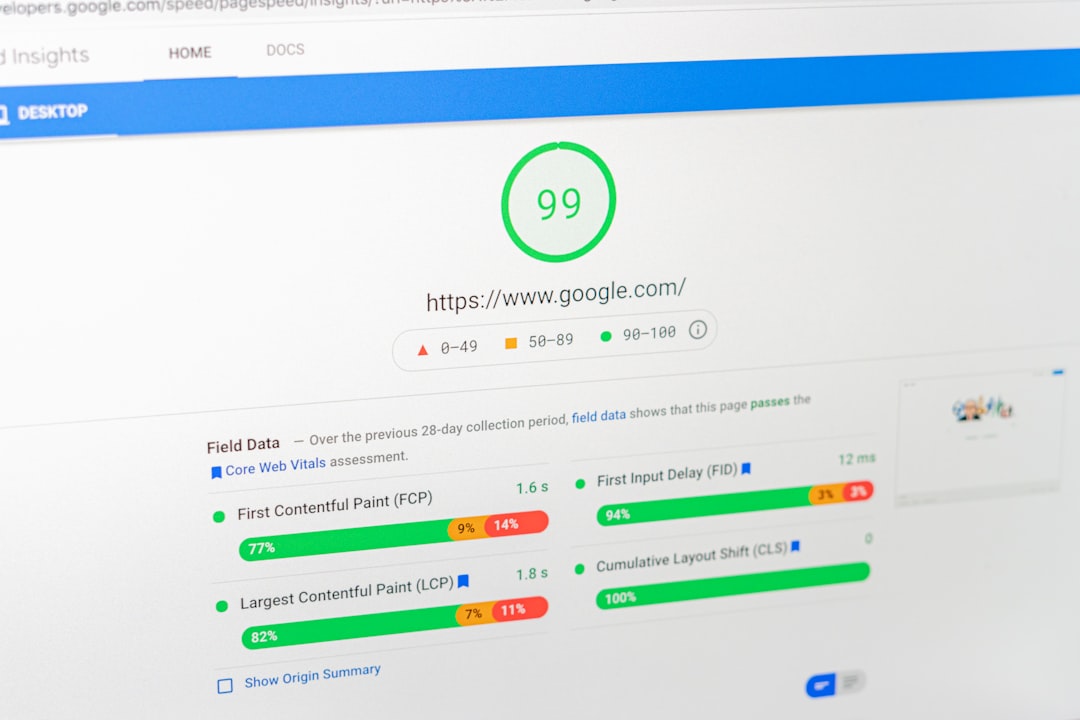
Website speed influences how quickly visitors can access information and interact with important pages. Large images, unnecessary scripts, inefficient code, and poor hosting can contribute to slow performance.
Businesses should regularly evaluate page loading and identify areas that need improvement. Image compression, suitable hosting, efficient coding, and careful management of plugins can help improve the overall website experience.
Ensuring Mobile Usability
Many people search for local businesses using smartphones, especially when they need nearby services or contact information. A website that does not display properly on smaller screens can make it difficult for visitors to find directions, read service details, or complete enquiry forms.
Businesses should make sure that their websites use responsive layouts and readable text. Important features such as navigation menus, phone numbers, contact buttons, and forms should work properly across different screen sizes.
Managing Indexing and Crawling
Search engines need to access website pages before they can evaluate and potentially include them in search results. Incorrect indexing settings, blocked resources, and technical errors can prevent important pages from being discovered.
An SEO professional should review indexing status and investigate problems affecting important service and location pages. The goal is to make sure search engines can access the pages that the business wants to be available in search results.
Fixing Broken Links and Redirect Problems
Broken links can interrupt website navigation and lead visitors to unavailable pages. Incorrect redirects may also create problems when businesses change URLs, remove old pages, or redesign their websites.
Regular technical checks can identify broken links and unnecessary redirect chains. When a page has permanently moved, an appropriate redirect can help visitors and search engines reach the correct replacement page.
Using XML Sitemaps and Robots.txt Correctly
An XML sitemap provides search engines with information about important website URLs. The robots.txt file communicates crawling instructions about areas of the website that search engine crawlers can access.
Incorrect configuration may prevent important pages from being discovered or waste crawling resources. Businesses should ask their SEO experts to review these files when launching new websites, changing website structures, or resolving indexing problems.
Implementing Suitable Local Business Structured Data
Structured data provides additional information about website content in a format that search engines can interpret. Depending on the business and page content, suitable structured data may help communicate details about a local business, products, services, and other relevant information.
The information included in structured data must match the visible and accurate information on the website. Businesses should avoid adding misleading details or assuming that structured data automatically guarantees special appearances in search results.
Improving Website Security and Navigation
Website security protects visitors and supports confidence when people interact with a business online. Companies should use HTTPS, maintain website software, and apply appropriate security measures.
Navigation should also make it easy for customers to find important pages. Clear menus, logical categories, accessible contact details, and relevant internal links help create a better experience for both visitors and search engines.
Local SEO for Different Industries in Georgia
Local SEO strategies should reflect the products, services, customers, and competitive conditions of each industry. A restaurant may need to focus on dining-related searches, while a contractor may prioritize service pages and location-based enquiries.
Georgia businesses operate across many sectors, and each industry has different opportunities for local visibility. A professional local SEO specialist should understand these differences before recommending a campaign.
Local SEO for Restaurants and Hospitality Businesses
Restaurants, hotels, cafes, and other hospitality businesses often depend on customers searching for nearby places to eat, stay, or attend events. Accurate business information, relevant categories, photographs, menus, and customer reviews can help people evaluate their options.
Restaurant websites should provide useful information about their food, services, location, reservations, and operating hours. Local content can also explain special offerings, event facilities, and experiences that help distinguish the business from nearby competitors.
Local SEO for Real Estate Professionals
Real estate agents and property businesses need to reach people searching for homes, property services, and local market information. Their websites may benefit from useful property pages, community guides, service descriptions, and educational resources for buyers and sellers.
Location content should accurately explain the areas where the professional operates. Helpful information about property services and local communities can support customer research and establish a stronger online presence.
Local SEO for Healthcare and Wellness Providers
Healthcare practices, dental offices, and wellness providers may use local SEO to reach people searching for relevant services nearby. Their websites should provide accurate service descriptions, contact details, appointment information, and clear explanations of available care.
Healthcare-related content requires particular care because people may rely on it when making important decisions. Information should be reviewed by qualified professionals and presented responsibly without exaggerated medical claims.
Local SEO for Contractors and Home Service Companies
Roofers, plumbers, electricians, cleaning companies, and other service providers often depend on location-based enquiries. Their SEO strategies should clearly explain available services, operating areas, and ways customers can request assistance.
Separate service pages can help explain different offerings in detail. Useful project information, service-area content, and accurate contact details can also help customers understand whether a company is suitable for their needs.
Local SEO for Law Firms and Professional Services
Law firms, accountants, consultants, and other professional service providers need to communicate their experience and services clearly. Their websites may include practice area pages, professional biographies, educational resources, and information about appointment arrangements.
Content in these industries should be accurate and responsible. Businesses should avoid unrealistic claims and ensure that professional information follows relevant industry standards.
Local SEO for Retail Stores and E-Commerce Businesses
Local retail stores can use SEO to help nearby customers discover their products, store information, and shopping services. Their websites should provide accurate details about product availability, store locations, operating hours, and customer support.
E-commerce businesses may combine local SEO with broader product and category optimization. This approach can help retailers reach nearby shoppers while maintaining visibility among customers searching from other areas.
Local SEO for Tourism and Event-Related Businesses
Tourism providers, event venues, attractions, and activity businesses can benefit from content that answers visitor questions. Important website information may include location details, available experiences, booking arrangements, facilities, and seasonal offerings.
Content should reflect genuine experiences and services rather than relying on generic travel descriptions. Clear information can help visitors compare options and decide whether the business meets their needs.
Local SEO Mistakes Businesses Should Avoid
Local SEO can become less effective when businesses overlook important details or rely on unsuitable optimization methods. Some mistakes may create inaccurate information, poor customer experiences, or unnecessary competition between website pages.
Understanding these problems helps Georgia businesses protect their online presence and make better decisions about their marketing activities.
Ignoring Google Business Profile Optimization
Creating a business profile without completing or updating its information can reduce its usefulness to potential customers. Important details such as categories, operating hours, services, and contact information should be accurate and complete.
Businesses should regularly review their profiles and ensure that they represent actual operations. They should also respond professionally to genuine customer feedback and avoid artificial review practices.
Using Inaccurate or Inconsistent Business Information
Different phone numbers, addresses, or business names across online platforms can confuse customers. Outdated information may also lead people to contact the wrong number or visit an incorrect location.
Review the website, business profile, and relevant directories regularly. Correcting outdated information helps create a more consistent and reliable online presence.
Targeting Irrelevant Geographic Keywords
Adding city names to website content does not automatically make a business relevant to every location. Companies should target areas where they genuinely provide products or services.
Unnecessary geographic targeting can attract visitors who cannot become customers. A stronger strategy focuses on relevant service areas and provides useful information about what is available in each location.
Publishing Duplicate Location Pages
Creating multiple location pages with identical content can make a website repetitive and less helpful. Each page should explain meaningful information about services offered in the relevant community.
Businesses should prioritize unique, useful content rather than creating as many geographic pages as possible. If there is no genuine information to distinguish a location page, creating another page may not be necessary.
Neglecting Customer Reviews
Ignoring customer reviews can make a business appear unresponsive and reduce opportunities to understand customer concerns. Companies should encourage genuine feedback and respond respectfully to both positive and negative experiences.
Review management should be part of a broader commitment to good service. Fake reviews and misleading rating practices should never replace genuine customer satisfaction.
Building Low-Quality Backlinks
Purchasing irrelevant links or using automated link-building services can create unnecessary risks for a website. Businesses should focus on relevant websites, legitimate partnerships, and resources that provide genuine value.
Ask SEO providers to explain their link-building methods before approving the work. A responsible specialist should prioritize quality and transparency.
Ignoring Mobile Website Performance
A website that works poorly on smartphones may discourage customers from contacting a business. Mobile visitors should be able to read information, navigate the website, and complete important actions without difficulty.
Businesses should test their main pages and fix problems affecting layout, buttons, forms, and loading speed. Mobile usability should remain part of regular website maintenance.
Failing to Monitor Local SEO Results
Businesses cannot accurately evaluate their strategy if they never review its performance. Local SEO should be measured through relevant search visibility, website activity, customer enquiries, and conversions.
Regular reporting helps identify what is working and where improvements may be needed. It also allows businesses to make informed decisions instead of continuing activities simply because they are included in a monthly package.
How to Choose the Best Local SEO Expert in Georgia
Choosing the right local SEO expert is an important decision because the quality of the strategy can influence a company’s online visibility and marketing investment. Businesses should evaluate experience, local market knowledge, technical ability, communication, and the actual services included in a proposal.
Reviewing Professional Experience and Industry Knowledge
Start by examining the specialist’s previous work and the industries they have supported. Relevant experience can help the professional understand your customers, competitive environment, and common website challenges.
Ask about projects involving businesses similar to yours. Experience with local service providers, retail businesses, restaurants, or professional services may be useful depending on your industry.
Evaluating Previous Projects and Case Studies
Case studies can help explain how an SEO specialist approaches website improvements and measures campaign performance. Look for details about the original objectives, activities performed, time period, and results observed.
Avoid relying on unsupported claims about first-page rankings or traffic growth. A professional should explain the context behind their results and identify how the work relates to your business requirements.
Understanding the Proposed Local SEO Strategy
A suitable specialist should review your website and business information before suggesting a strategy. Ask how they plan to approach keyword research, Google Business Profile optimization, location content, technical improvements, and performance tracking.
Their recommendations should reflect your services and actual operating areas. Avoid professionals who immediately offer the same package without examining your website or asking about your objectives.
Comparing Services, Pricing, and Deliverables
Request a written proposal that explains the work included and any additional costs. Compare the activities, reporting frequency, project responsibilities, and payment arrangements instead of focusing only on the monthly price.
The right proposal should address your most important needs and provide realistic expectations. A lower-priced service is not necessarily better value if it lacks essential work or meaningful reporting.
Checking Communication and Reporting Practices
Good communication helps businesses understand how their SEO campaigns are progressing. Ask how often reports will be delivered, how questions will be handled, and who will be responsible for implementing website changes.
A professional should explain SEO recommendations in clear language and discuss problems honestly. Transparent reporting helps business owners understand which activities have been completed and what should happen next.
Identifying Unrealistic Promises and Warning Signs
Be careful of providers who guarantee specific Google rankings or promise immediate increases in organic traffic. No SEO professional can control every factor that influences search engine results.
Other warning signs include unclear pricing, questionable backlink methods, missing reports, and refusal to explain optimization activities. Choose someone who uses responsible methods and provides realistic expectations.
Local SEO Costs and Service Packages in Georgia
The cost of local SEO services in Georgia varies according to website size, industry competition, service requirements, and the specialist’s experience. A small business with one location may need a different level of support from a company serving several communities or managing a large website.
Businesses should compare proposals based on the work included rather than assuming that a higher price guarantees better results. Understanding the pricing structure can help companies plan their marketing budgets and avoid unexpected expenses.
Factors That Influence Local SEO Pricing
Several factors can affect the total cost of a local SEO campaign.
- Website Size: Larger websites may require more time for audits, content improvements, and technical checks.
- Competition: Businesses operating in competitive industries may need more extensive research and ongoing optimization.
- Number of Locations: Companies serving several areas may require additional location research and content development.
- Technical Requirements: Complex websites may require specialist support to resolve indexing, navigation, or performance problems.
- Content Needs: Creating useful service pages, location content, and educational articles requires planning and production time.
- Service Frequency: Ongoing monitoring and optimization usually involve more work than a one-time consultation.
Comparing Different Local SEO Pricing Arrangements
Local SEO providers may offer fixed-price projects, hourly consultations, or monthly service packages. Each arrangement can be suitable for different business requirements.
| Pricing Model | Suitable For | Typical Services |
|---|---|---|
| Fixed-price project | Specific SEO requirements | Website audit or keyword research |
| Hourly consultation | Short-term guidance | SEO advice or problem review |
| Monthly package | Ongoing optimization | Profile management, content, and reporting |
| Custom arrangement | Multiple or complex requirements | Combined local and technical SEO services |
Before agreeing to a package, ask for a detailed explanation of the deliverables and payment schedule. Make sure you understand which activities are included and which may require additional fees.
Setting a Realistic Local SEO Budget
Businesses should begin by identifying their most important objectives and assessing the condition of their websites. An initial SEO audit can help determine whether the priority is improving business information, optimizing local pages, resolving technical issues, or developing new content.
It may be sensible to begin with essential improvements and expand the campaign as resources become available. This approach helps businesses maintain control over spending while focusing on activities that support their goals.
Measuring the Success of Local SEO Services
Measuring local SEO performance helps businesses understand whether their optimization efforts are improving visibility and creating meaningful customer opportunities. Rankings are useful, but they should be reviewed alongside website visits, calls, enquiries, and other relevant actions.
Tracking Local Search Visibility
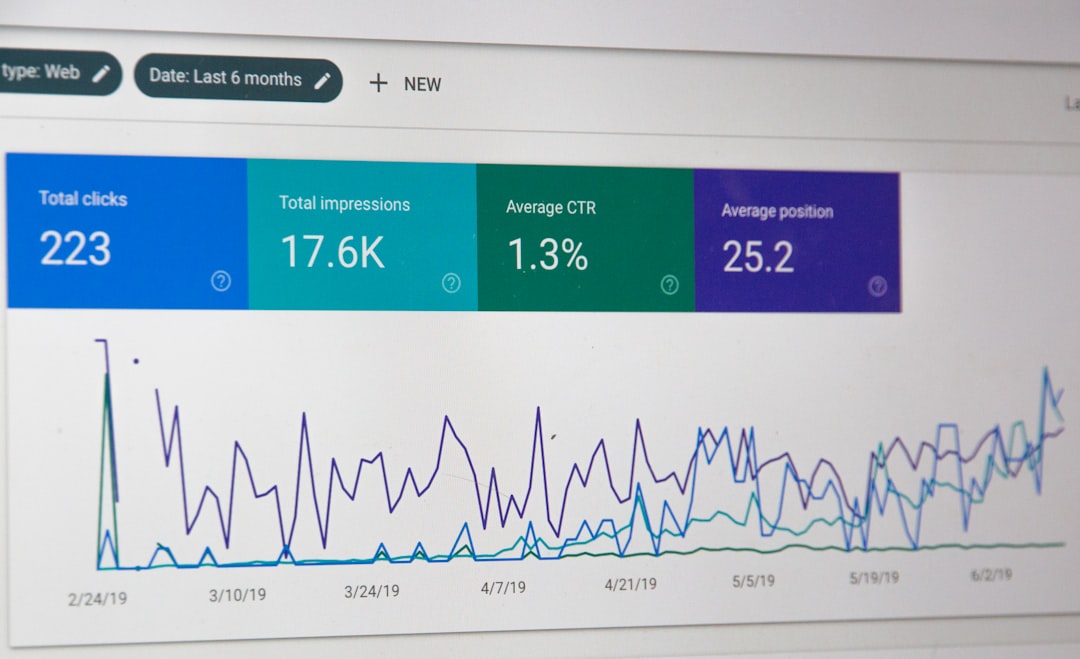
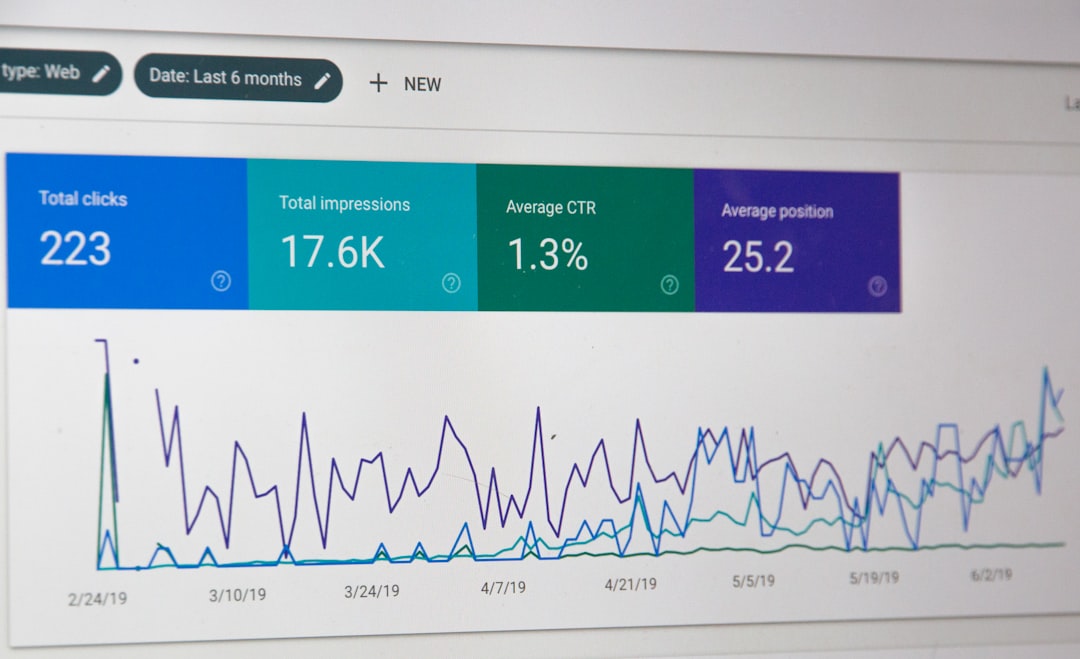
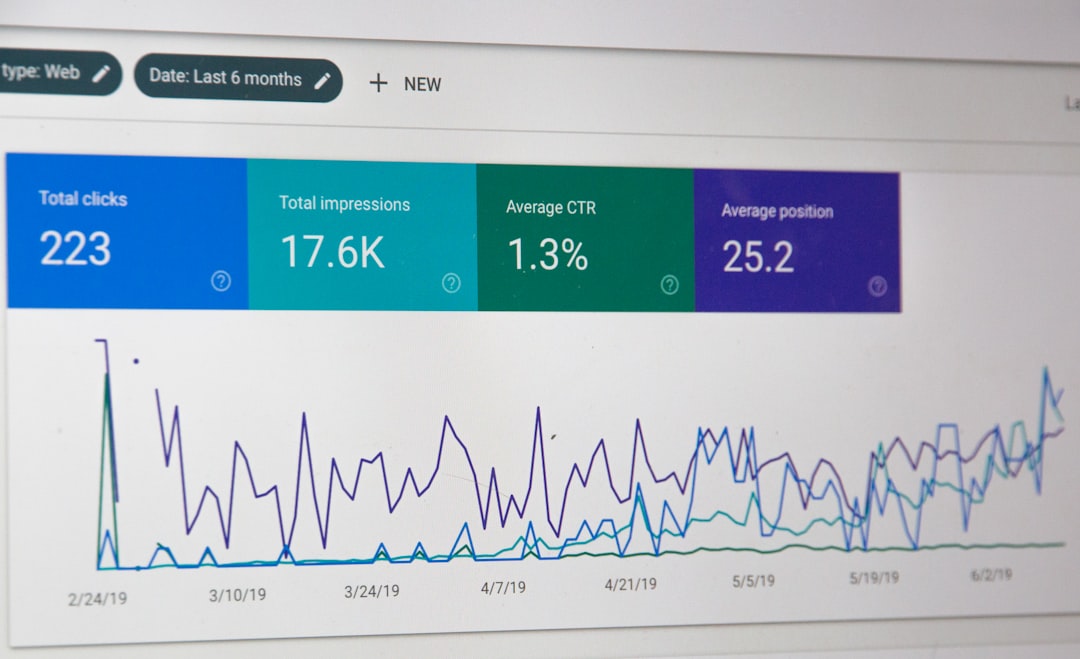
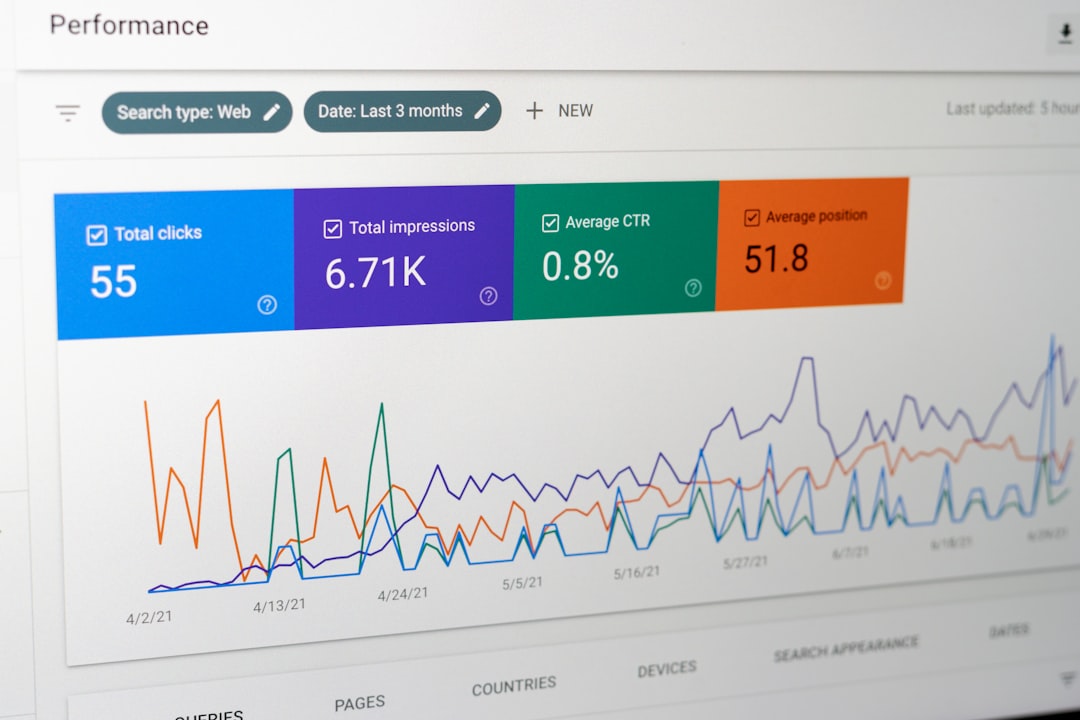
Businesses should monitor whether their important pages appear for relevant local search queries. Search impressions, clicks, and keyword performance can help identify changes in visibility over time.
Results may vary depending on the searcher’s location and the phrase being used. Reports should therefore focus on meaningful trends instead of relying on a single ranking position.
Monitoring Google Business Profile Performance
Businesses can review available profile performance information to understand how customers interact with their listings. Relevant measurements may include profile views and customer actions such as calls, website visits, or direction requests where available.
These indicators can help identify whether the profile is attracting attention and encouraging customer engagement. They should be interpreted in context because profile activity does not automatically translate into completed sales.
Measuring Organic Traffic, Calls, and Website Enquiries
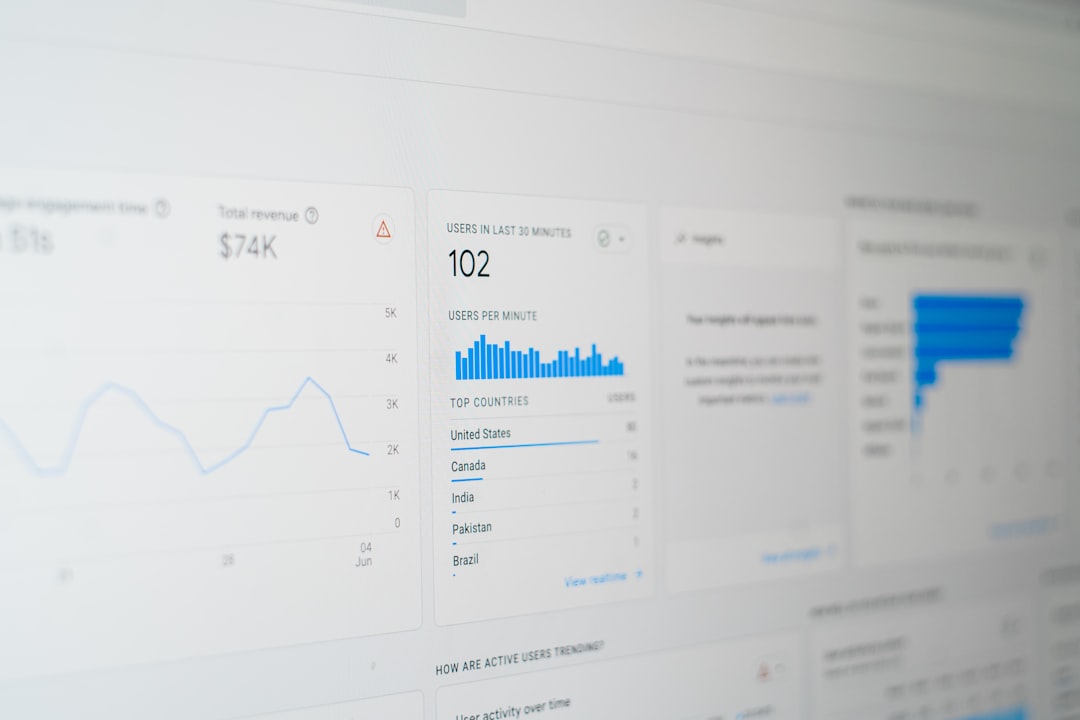
Website analytics can show how many visitors arrive through organic search and which pages they explore. Businesses should connect this information with calls, contact form submissions, appointment requests, and other important customer actions.
Tracking conversions provides a clearer picture of commercial value. A campaign that attracts fewer but more relevant visitors may be more useful than one that produces large amounts of unrelated traffic.
Evaluating Keyword and Location Page Performance
Review the search performance of important service pages and location pages. Identify which pages attract relevant visitors, which require better content, and which geographic topics may offer new opportunities.
Businesses should avoid creating additional pages simply because a particular location appears to be popular. Improvements should be based on genuine service availability, search demand, and the quality of information the business can provide.
Reviewing Reports and Adjusting Strategies
A useful SEO report should explain completed activities, performance changes, challenges, and recommended next steps. Business owners should have an opportunity to ask questions and understand how the reported information relates to their objectives.
Strategies should be adjusted when data reveals weaknesses or new opportunities. Regular reviews help ensure that the local SEO campaign remains relevant as the business and its market develop.
Building a Long-Term Local SEO Strategy
Local SEO should be treated as an ongoing business investment rather than a one-time website project. Customer search behavior, competition, and business requirements can change, so companies need a strategy that allows continuous improvement.
Setting Realistic Local Search Objectives
Start with clear goals that reflect the company’s priorities. These may include improving local visibility, generating more qualified enquiries, increasing store visits, or attracting customers from additional service areas.
Goals should be measurable and reviewed regularly. This helps businesses understand whether their SEO activities are supporting the outcomes that matter most.
Maintaining Accurate Business Information
Business details should remain consistent as the company changes its operating hours, phone number, address, or service arrangements. Regular reviews help prevent customers from encountering inaccurate information across websites and directories.
Businesses should assign responsibility for keeping these details updated. A reliable local SEO process includes maintaining both the website and important business profiles.
Updating Website Pages and Local Content
Important pages should be reviewed when services, products, or customer requirements change. Businesses should update outdated information and add useful explanations when new questions or opportunities emerge.
Local content should remain accurate and relevant to the communities served. Quality and usefulness should take priority over publishing articles simply to maintain a high content volume.
Monitoring Competitors and Changing Customer Needs
Competitor analysis can reveal changes in the local market and opportunities to improve a business’s website. Companies should pay attention to new services, customer expectations, and topics that competing websites may be addressing more effectively.
The purpose is not to copy competitors but to understand how the market is changing. Businesses should use these insights to improve their own content and communicate their unique strengths.
Maintaining Technical Website Health
Technical checks should remain part of the ongoing SEO process. Businesses should monitor loading performance, mobile usability, indexing, security, and website navigation to make sure important pages remain accessible.
Website redesigns and major updates should be reviewed carefully because they can introduce new technical problems. Planning SEO considerations before making significant changes can help protect existing website structure and visibility.
Improving Customer Experience and Conversion Opportunities
A successful local website should make it easy for customers to understand the business and take the next step. Clear service descriptions, accurate contact details, useful photographs, and accessible enquiry options can improve the visitor experience.
Businesses should regularly review how visitors interact with important pages. Making forms easier to complete or improving service information may help turn relevant website traffic into more enquiries and sales.
Expanding Local SEO as the Business Grows
As a company expands, its SEO strategy may need to cover additional services, products, or communities. New location pages and service content should be developed only when they provide genuine information about the business’s operations.
A growing Georgia company should review its resources and ability to serve new areas before targeting them. Careful expansion helps maintain accurate information and prevents the website from becoming filled with unnecessary or misleading pages.
Why Choose DealMate
Choosing reliable digital marketing support is an important step toward improving a business’s online presence. DealMate understands the importance of practical SEO strategies, customized solutions, and transparent communication that reflect each business’s requirements.
Businesses need more than a collection of keywords or promises of higher rankings. They need a strategy that considers their customers, website performance, local competition, and long-term objectives.
DealMate recognizes the value of helping businesses make informed decisions about digital marketing and online visibility. Whether a company wants to strengthen local search performance, improve website content, or attract more qualified visitors, a well-planned approach can help create a stronger foundation.
For businesses in Georgia, local SEO should focus on genuine service areas, useful content, accurate business information, and measurable goals. DealMate emphasizes the importance of responsible optimization and consistent improvements that support sustainable business growth.
Frequently Asked Questions
What Are Local SEO Services in Georgia?
Local SEO services help Georgia businesses improve their visibility when customers search for nearby products and services. These services may include Google Business Profile optimization, local keyword research, website improvements, citation management, and review support. They are designed to connect businesses with relevant customers in the communities they serve. A suitable strategy should reflect the company’s industry, location, and business objectives.
Why Is Local SEO Important for Georgia Businesses?
Local SEO helps businesses reach people who are actively looking for products or services in specific geographic areas. It can improve online discovery and make important business information easier to find. Strong local visibility may create additional opportunities for calls, visits, enquiries, and sales. It is especially useful for businesses that depend on customers within particular communities.
How Much Do Local SEO Services Cost in Georgia?
Local SEO pricing depends on website size, competition, required services, and the number of locations being targeted. Some professionals offer one-time projects, while others provide ongoing monthly packages or hourly consultations. Businesses should compare the deliverables and responsibilities included in each proposal. The most suitable option is one that fits the budget and addresses genuine business needs.
How Long Does Local SEO Take to Show Results?
Local SEO requires consistent work, and results depend on competition, website condition, and the improvements being implemented. Some changes, such as correcting business information, may be completed quickly, while organic visibility improvements can take longer. Businesses should monitor progress through search performance, website enquiries, and other relevant measurements. A reliable SEO expert should provide realistic expectations rather than promise instant results.
What Is Included in a Local SEO Package?
A local SEO package may include a website audit, keyword research, Google Business Profile optimization, local content improvements, citation management, and performance reporting. Some packages also include review management guidance, local link building, and technical SEO support. The exact services depend on the provider and the business’s requirements. Always review the deliverables before agreeing to a package.
How Does Google Business Profile Help Local Rankings?
Google Business Profile allows eligible businesses to provide useful information to people searching through Google Search and Maps. Accurate categories, operating hours, services, contact details, and photographs can help customers understand the business. Genuine customer reviews may also influence how people evaluate a company. Profile optimization is one part of local SEO and does not guarantee a particular ranking.
Can Local SEO Help Small Businesses in Georgia?
Yes, local SEO can help small businesses improve visibility among customers searching in their service areas. It allows companies to focus on relevant keywords, accurate business information, useful website pages, and genuine customer reviews. Small businesses can prioritize the activities that offer the greatest value within their available budgets. Consistent optimization can support stronger online visibility over time.
What Is the Difference Between Local SEO and Traditional SEO?
Traditional SEO generally focuses on improving visibility for broader searches without necessarily targeting a specific geographic area. Local SEO gives additional attention to location relevance, business profiles, local keywords, and geographic customer needs. Both approaches include important activities such as content optimization, technical improvements, and keyword research. Businesses can use both strategies when they serve local customers and wider markets.
How Do I Choose the Best Local SEO Expert in Georgia?
Review the professional’s experience, previous projects, local market knowledge, and proposed strategy. Compare pricing, deliverables, communication methods, and reporting arrangements before making a decision. Avoid professionals who guarantee rankings or recommend questionable optimization practices. Choose someone who understands your business goals and explains how their work will support them.
How Can I Measure the Success of Local SEO Services?
Measure local SEO through search visibility, website traffic, business profile activity, phone calls, enquiries, and conversions. Review important location pages and keyword performance to understand which areas are attracting relevant visitors. Reports should explain the meaning of the data and identify opportunities for improvement. The most useful measurements are those connected to the business’s actual objectives.
Conclusion
Local SEO services can help Georgia businesses improve their online visibility and connect with customers searching for nearby products and services. From Google Business Profile optimization and local keyword research to website improvements, citations, reviews, and link building, each activity contributes to a stronger local search strategy.
Businesses should avoid treating local SEO as a quick ranking exercise. Accurate information, useful content, responsible optimization, and consistent performance monitoring are essential for building a reliable online presence.
Choosing the right local SEO expert is equally important. Companies should review professional experience, compare proposals, understand campaign deliverables, and look for realistic expectations before hiring a provider.
With a well-planned strategy and regular improvements, Georgia businesses can strengthen local visibility, attract relevant visitors, and create more opportunities for customer enquiries and sales. Local SEO is most valuable when it supports genuine business goals and delivers a better experience for the people searching for the company’s services.