Low rankings usually come from a scattered plan, not one missing plugin. A step-by-step WordPress SEO process works best when you fix crawl and index issues first, then clean up titles, URLs, internal links, and page speed before chasing more content.
WordPress gives you a solid base, but themes, plugins, archive settings, and publishing habits can quietly hold back performance. This guide walks through the order that usually matters most so you do not waste time polishing pages Google still cannot interpret properly.
Step 1: Make sure search engines can index the right pages

Before you touch keywords or plugin settings, confirm that your important pages can actually be crawled and indexed. Pages cannot rank if they are blocked by visibility settings, noindex rules, or accidental staging leftovers.
In WordPress, start with Settings and then Reading. Make sure the search engine visibility box is not discouraging indexing. Then review your SEO plugin settings for posts, pages, categories, tags, and media attachments. If you recently redesigned or migrated the site, double-check that old staging rules did not carry over to production.
If your setup already feels messy, compare this step with our WordPress SEO best practices guide so you can spot the most common technical problems first.
What to check first
| Area | What to check | Why it matters |
|---|---|---|
| Search visibility | Reading settings and plugin noindex rules | Prevents important pages from being hidden |
| Live URLs | Main service pages, category pages, and key posts load normally | Broken or redirected pages lose momentum quickly |
| Sitemaps | Important indexable pages appear in your XML sitemap | Helps search engines discover preferred URLs |
| Thin archives | Low-value tags, search pages, and attachment pages | Reduces index bloat and duplicate patterns |
Step 2: Set clean permalinks and stop changing them casually
Clean URLs make pages easier to understand and easier to maintain. WordPress documentation describes permalinks as the permanent URLs for posts, pages, and archives, which is why casual changes on a live site can create avoidable SEO losses.
For most websites, a simple post name structure is enough. Avoid long, cluttered URLs filled with dates, categories you may later rename, or unnecessary parameters. If you do need to change old URLs, map proper redirects first so important pages do not break.
Step 3: Use one SEO plugin well

There is no single best SEO plugin for WordPress, but there is a best one for your setup. Most sites perform better with one primary SEO plugin configured cleanly than with several overlapping tools fighting over titles, canonicals, schema, and sitemaps.
Start with the basics only: title templates, meta descriptions, XML sitemaps, canonical settings, and archive indexing rules. Leave advanced features alone unless you know why you need them. A simpler stack is easier to troubleshoot during updates and easier to audit when rankings stall.
If you are not sure whether plugin overlap is causing conflicts, our WordPress SEO tips post covers the warning signs to look for.
Step 4: Rewrite title tags for clarity, not keyword stuffing
Your title tag is still one of the strongest on-page signals you control. Google recommends unique, clear, concise titles and specifically notes there is no reason to repeat the same words or phrases multiple times.
That means weak titles usually sound like a plugin checklist, while stronger titles make the page topic obvious in plain language. Focus on relevance first, then click appeal. If every title on the site follows the same boilerplate pattern, important pages blur together.
| Weak title | Stronger title |
|---|---|
| SEO Services | SEO Company | SEO Expert | WordPress SEO Services for Small Businesses |
| Blog | SEO Tips | WordPress SEO | Step-by-Step WordPress SEO Tips |
| Blue Widgets, Best Blue Widgets, Buy Blue Widgets | Blue Widgets for Commercial Kitchens |
Step 5: Match one search intent to each page
Each important page should do one main job well. When a page tries to be a tutorial, service page, FAQ, and product comparison all at once, it usually becomes less useful for every audience.
Choose a primary purpose for each URL. A service page should explain the service and next step. A blog post should teach clearly. A category page should help users browse options. This simple decision prevents cannibalization and makes internal linking much easier to plan.
Step 6: Fix duplicate URLs with canonical discipline
Duplicate and near-duplicate URLs are one of the most common WordPress SEO problems. Canonical signals help search engines understand which version of a page you want treated as the preferred URL, especially when archives, parameters, filters, or alternate paths create overlap.
Google treats redirects and rel canonical annotations as strong signals, while sitemap inclusion is a weaker supporting signal. In practice, that means you should choose one preferred version, link to it internally, redirect obsolete variants where appropriate, and avoid mixed signals from multiple plugins.
Step 7: Strengthen internal links before publishing more

Internal links help search engines discover pages, understand topic relationships, and judge relative importance across your site. They also help real visitors move from a broad topic to a more specific next step, which is often where conversions happen.
Link from your strongest pages to your highest-value service pages and supporting posts. Use descriptive anchor text that tells readers what they will find next. If a page only exists in your sitemap and nowhere else, it is probably underlinked.
If you are experiencing these symptoms, our team at WordPress SEO Expert can help you identify orphan pages, weak anchor text, and site structure problems before you invest more in content production.
Step 8: Improve headings and on-page structure
Good formatting makes content easier to scan and easier to understand. One clear H1, logical H2 sections, and useful H3 subtopics usually do more for readability than adding another 1,000 words of filler.
Most underperforming pages are not too short. They are disorganized, repetitive, or missing the section a searcher actually needed. Keep paragraphs tight, answer the question early, and use headings to separate distinct ideas instead of using them only for visual styling.
Step 9: Optimize images and page speed where it matters

Speed work matters most when it improves real pages that attract search traffic. Homepages, service pages, blog templates, category pages, and product pages deserve attention long before low-value URLs do.
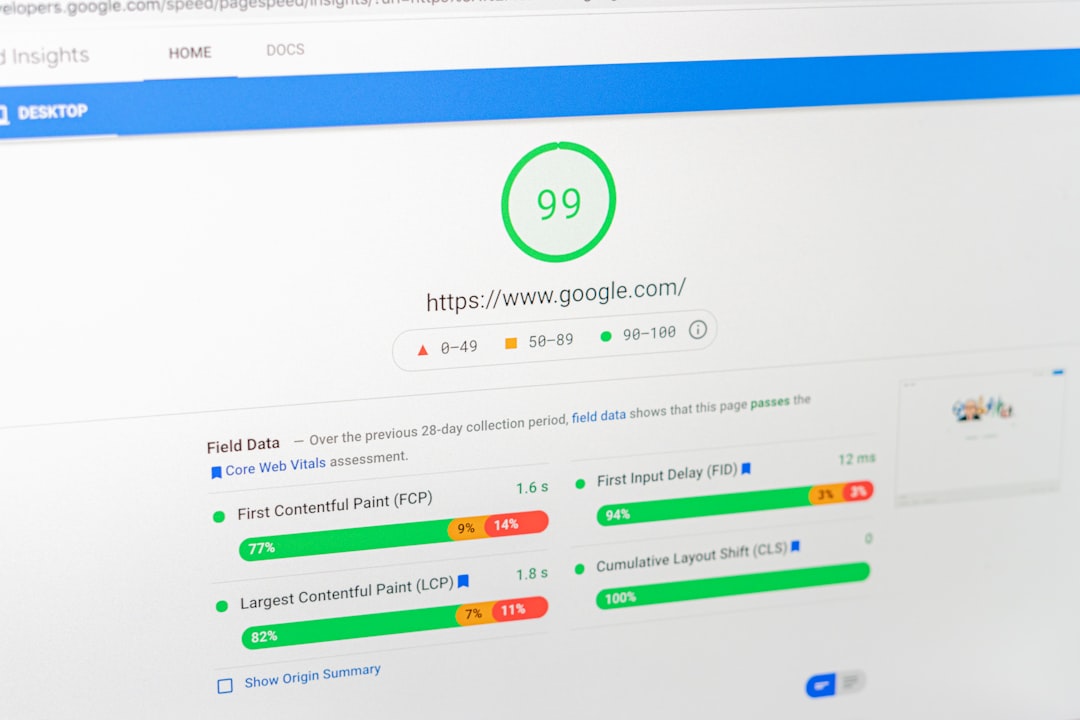
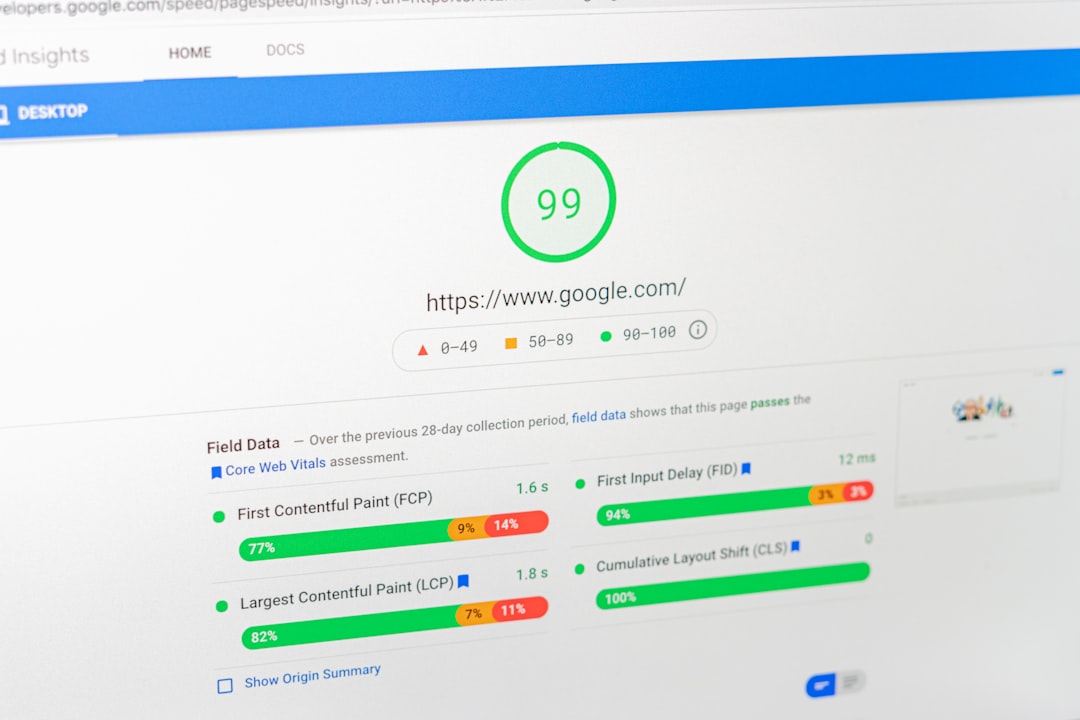
Start with the basics: resize oversized images before upload, use modern formats where practical, enable caching, remove unnecessary plugins, and reduce heavy scripts that load sitewide. Do not chase perfect performance scores on every template. A clean, stable, responsive page usually matters more than squeezing out the last few points.
Step 10: Review categories, tags, and archives
Taxonomy pages can help or hurt depending on how intentionally they are managed. Categories often support site structure well, while thin tags and low-value archives often create clutter, duplicate patterns, and extra crawl paths.
Keep categories meaningful, limit unnecessary tags, and decide which archive types deserve indexing. This is especially important on older WordPress sites where years of publishing habits may have created a large layer of low-value URLs.
Step 11: Use a practical SEO priority order
The right sequence keeps you from wasting time on cosmetic tweaks. Fix blockers first, then strengthen relevance and usability. Most sites do not have one catastrophic problem. They have a stack of smaller issues that compound over time.
| Priority | Focus area | Main goal |
|---|---|---|
| 1 | Indexing and visibility settings | Make important pages accessible |
| 2 | Permalinks, redirects, and canonicals | Reduce duplicate and broken URL issues |
| 3 | Titles, headings, and page intent | Improve clarity and relevance |
| 4 | Internal linking and site structure | Strengthen relationships between pages |
| 5 | Speed, images, and plugin cleanup | Improve usability and maintainability |
| 6 | Content depth and updates | Answer the query more completely |
Final takeaway
Step-by-step WordPress SEO works because it removes guesswork. Start with crawlability and index control, clean up URLs and titles, strengthen internal links, and only then expand content or experiment with advanced features.
If you want a second set of eyes before changing settings, WordPress SEO Expert can help you sort technical issues from content issues and build a shorter, more useful action plan. Contact WordPress SEO Expert today to schedule a consultation.