
Understanding the Importance of SEO for E-Commerce Businesses in Georgia
Search engine optimization plays an important role in helping e-commerce businesses attract potential customers, increase website visibility, and generate consistent online sales. For online stores operating in Georgia, effective SEO strategies can make it easier for shoppers to discover products when searching for specific items, brands, or services.
The e-commerce industry has become increasingly competitive as more businesses move their products and services online. Customers often compare multiple stores before making purchasing decisions, which means an online business needs more than an attractive website to succeed. It must also appear in relevant search results and provide a smooth shopping experience.
SEO helps online stores reach customers who are already interested in purchasing particular products. Instead of relying entirely on paid advertising or social media promotions, businesses can build long-term organic visibility through optimized product pages, category pages, informative content, and technical improvements.
For Georgia-based e-commerce businesses, local market knowledge can provide an additional advantage. An SEO expert who understands the regional business environment can develop strategies around customer search behavior, location-based keywords, competition, and purchasing preferences.
Here are some important reasons why SEO matters for e-commerce businesses in Georgia:
🔍 Greater Search Visibility: SEO helps product and category pages appear in relevant search results, making it easier for potential buyers to discover an online store.
🛒 More Qualified Website Traffic: Targeting purchase-related keywords attracts visitors who are actively researching or looking for products.
💰 Better Sales Opportunities: Optimized landing pages and product descriptions help turn relevant website visitors into paying customers.
📈 Long-Term Business Growth: Organic search visibility can continue generating traffic over time when websites receive consistent optimization and maintenance.
🤝 Improved Customer Trust: Businesses that appear prominently in search results and provide useful information can establish greater credibility.
📱 Enhanced Shopping Experience: SEO improvements often include faster loading speeds, mobile-friendly layouts, and easier website navigation.
Another important advantage of SEO is that it allows businesses to compete beyond their immediate geographic area. An online store located in Atlanta, Savannah, Augusta, or another Georgia city can potentially attract customers from other parts of the state and beyond, depending on its shipping capabilities and business model.
However, achieving these results requires a carefully planned strategy. Simply adding keywords to product descriptions is not enough. Businesses need to understand search intent, website performance, product optimization, technical SEO, and customer experience to build a successful online presence.
What Does an SEO Expert in Georgia Do for E-Commerce Websites?
An SEO expert in Georgia helps e-commerce businesses improve their search engine performance by identifying website weaknesses, researching profitable keywords, optimizing product pages, and developing strategies that attract relevant shoppers. Their primary objective is to make an online store easier to discover while improving its ability to convert visitors into customers.
Unlike general website optimization, e-commerce SEO requires attention to hundreds or even thousands of individual pages. Each product, category, brand, and informational page may target a different search opportunity. An experienced specialist understands how these pages work together and develops an optimization strategy that supports the entire website.
An SEO professional usually begins by examining the existing website to understand its structure, performance, competition, and organic traffic. This evaluation helps identify technical problems, missing keyword opportunities, weak product descriptions, and pages that are not receiving sufficient search visibility.
Some of the major responsibilities of an e-commerce SEO expert include:
Comprehensive Website SEO Audits
A website audit helps identify problems that prevent search engines from crawling, understanding, and indexing important pages. An SEO expert examines the technical condition of an online store and recommends improvements based on its specific requirements.
The audit may include checking broken links, duplicate content, slow-loading pages, missing metadata, incorrect redirects, indexing issues, and mobile usability problems. Fixing these issues creates a stronger foundation for future SEO activities.
E-Commerce Keyword Research
Keyword research helps businesses understand what potential customers search for before purchasing products. An SEO expert identifies relevant search phrases based on product categories, customer needs, buying intent, competition, and search demand.
For example, an online store selling home furniture in Georgia may target phrases such as “modern bedroom furniture in Georgia,” “affordable dining tables online,” and “buy living room furniture in Atlanta.” These keywords can help attract shoppers who are searching for products that the business actually sells.
Product and Category Page Optimization
Product and category pages are among the most important sections of an e-commerce website because they directly influence purchasing decisions. An SEO specialist optimizes page titles, headings, descriptions, images, internal links, and relevant product information.
Well-optimized product pages help search engines understand what each item offers while giving shoppers the information they need to make confident decisions.
Technical SEO Improvements
Technical SEO focuses on improving the website infrastructure so search engines and customers can access important pages efficiently. An expert evaluates site speed, crawlability, indexing, mobile performance, XML sitemaps, canonical tags, and structured data.
These improvements are particularly important for large online stores where product variations, filters, sorting options, and multiple category levels can create complicated website structures.
Content Marketing and Blogging
An e-commerce SEO expert also develops content strategies that answer customer questions and introduce shoppers to relevant products. Informative blog posts, buying guides, product comparisons, and educational articles can attract visitors during different stages of the purchasing journey.
For example, a Georgia-based electronics store could publish articles explaining how to choose a laptop for students, comparing different television sizes, or identifying useful home office accessories. These resources can attract organic traffic while naturally connecting readers with relevant product pages.
Competitor Analysis and Performance Monitoring
Understanding competitors helps online stores identify opportunities to improve their search performance. An SEO specialist evaluates competing websites, keyword rankings, content quality, backlink profiles, and website structures.
Performance monitoring is equally important because SEO is an ongoing process. Experts regularly review traffic, rankings, conversions, and technical performance to determine whether the current strategy is producing meaningful results.
How E-Commerce SEO Differs from Traditional Website SEO
Although e-commerce SEO and traditional website SEO share several optimization principles, their objectives and implementation requirements are different. Traditional SEO often focuses on improving the visibility of service pages, informational resources, and business websites, whereas e-commerce SEO concentrates heavily on product discovery, category visibility, and online purchases.
A traditional business website may contain a limited number of pages describing its services, company information, and contact details. An online store, however, can contain hundreds or thousands of product pages that require individual optimization and regular maintenance.
This difference makes e-commerce SEO more complex, particularly when businesses sell multiple product variations, operate across different locations, or frequently update their inventory.
Consider an online clothing store in Georgia. It may sell shirts, jeans, jackets, dresses, shoes, and accessories in several colors and sizes. Each category and product page needs relevant information, proper internal linking, and an appropriate indexing strategy.
Traditional SEO might focus on ranking a page for a phrase such as “digital marketing services in Georgia.” E-commerce SEO may involve optimizing separate pages for “buy men’s running shoes,” “women’s summer dresses,” and “affordable leather jackets online.”
The following table highlights the major differences:
SEO Factor | Traditional Website SEO | E-Commerce SEO |
|---|---|---|
Main Objective | Generate inquiries and leads | Generate product sales |
Website Structure | Usually simpler | Often complex with many pages |
Keyword Focus | Service and informational keywords | Product and purchase-related keywords |
Page Optimization | Service and landing pages | Product and category pages |
Content Strategy | Blogs and service information | Product descriptions, guides, comparisons |
Technical Requirements | General website performance | Advanced crawling, indexing, and product management |
Conversion Goals | Calls, forms, and inquiries | Add-to-cart actions and purchases |
Structured Data | Organization and local business markup | Product, offer, review, and other relevant markup |
Performance Tracking | Leads and organic traffic | Revenue, transactions, and conversion rate |
One major difference is the importance of product information. Search engines need to understand what an online store sells, which variations are available, and how different products relate to each other.
Another difference involves duplicate content. E-commerce websites frequently use similar descriptions across product variations or display the same products through multiple category URLs. Without proper management, these pages can create indexing and content-quality challenges.
E-commerce websites also require stronger attention to conversion optimization. Ranking highly for a keyword is valuable, but the real business objective is to encourage visitors to explore products, compare options, add items to their carts, and complete purchases.
An experienced SEO expert in Georgia understands these differences and creates a strategy that addresses both search visibility and the shopping experience.
Why Georgia-Based Online Stores Need a Local SEO Strategy
Local SEO helps businesses improve their visibility in searches connected to specific geographic locations. Although many e-commerce stores sell products nationwide, businesses operating from Georgia can benefit from targeting local customers who prefer nearby sellers, faster delivery, local pickup, or regionally relevant services.
Georgia has several important commercial areas, including Atlanta, Savannah, Augusta, Columbus, and Macon. Each location offers different customer opportunities and competitive conditions, making geographic targeting an important consideration for businesses that serve particular communities.
For example, an online furniture retailer based in Atlanta may want to attract customers searching for furniture delivery in Atlanta and surrounding areas. A specialty food store operating in Savannah might target people looking for locally available products or convenient regional delivery.
A local SEO strategy helps businesses connect their online presence with the geographic areas they actually serve.
Targeting Location-Specific Keywords
Location-specific keywords help search engines understand where a business operates and which customers it serves. These phrases combine product-related terms with city names, regional expressions, or service areas.
Examples include:
Buy office furniture in Atlanta, Georgia.
Online clothing store in Savannah.
Affordable electronics in Augusta.
Georgia-based organic skincare store.
Furniture delivery in Columbus, Georgia.
Local gift shops in Macon.
An SEO expert researches these phrases to determine which ones match the business’s products and customer intentions. The selected keywords can then be incorporated naturally into relevant landing pages, category descriptions, and location-specific content.
Businesses should avoid creating large numbers of nearly identical location pages simply by replacing city names. Each location page should provide genuinely useful information about the products, services, delivery options, or customer needs associated with that area.
Optimizing Google Business Profile for Eligible Businesses
A Google Business Profile can support local visibility for e-commerce businesses that also have an eligible physical storefront or operate as a qualifying service-area business. It allows customers to find relevant business information, understand available services, and access important contact details.
An SEO specialist can help maintain accurate business information, select appropriate categories, add useful photographs, and encourage genuine customer reviews. Consistency across business listings also helps establish a more reliable online presence.
However, a purely online business without an eligible in-person customer operation should not create a Google Business Profile simply to gain local rankings. Businesses must meet the platform’s eligibility requirements.
Building Location-Relevant Content
Local content helps an online store connect its products with the interests and needs of customers in Georgia. Instead of publishing only general product information, businesses can develop useful articles that reflect regional purchasing needs.
For example, a Georgia-based outdoor equipment store could publish content about choosing camping equipment for regional outdoor activities. A clothing retailer might create seasonal shopping guides that discuss changing weather conditions and practical wardrobe choices.
This approach helps businesses attract relevant visitors while providing information that supports purchasing decisions.
Developing Local Brand Awareness
Local brand awareness can strengthen an online store’s reputation and create opportunities for natural backlinks, customer recommendations, and repeat purchases. Businesses can build relationships with regional organizations, participate in relevant community events, and collaborate with appropriate local publishers.
These activities can support SEO indirectly by increasing brand recognition and creating opportunities for relevant online mentions. However, link-building should focus on genuine relationships and valuable content rather than artificial link exchanges.
Understanding the Georgia E-Commerce Market and Online Shopping Trends
Understanding the market is essential when developing an effective SEO strategy for an online store. Businesses need to identify their potential customers, understand purchasing behavior, examine competing retailers, and determine which product categories have meaningful search opportunities.
Georgia offers e-commerce opportunities across several industries, including fashion, electronics, home furnishings, beauty products, specialty foods, sports equipment, and lifestyle products. However, each industry has different search patterns, competition levels, and customer expectations.
An SEO expert should evaluate the business model before recommending keywords or optimization activities. A store selling handmade products may need a different content strategy from a retailer offering consumer electronics or large household appliances.
Understanding Customer Search Behavior
Customers rarely follow exactly the same path when shopping online. Some begin with broad searches to explore available options, while others search for specific products after identifying what they want to purchase.
For example, someone searching for “best office chairs” may still be comparing different designs and features. A person searching for “buy ergonomic office chair online” is demonstrating stronger purchasing intent.
Understanding these differences helps businesses create pages that match customer expectations.
Identifying Seasonal Shopping Opportunities
Seasonal demand can influence the search performance of many e-commerce categories. Products related to clothing, gifts, gardening, outdoor activities, and home improvement may experience changes in demand throughout the year.
An SEO specialist can examine historical keyword patterns and prepare content before important shopping periods begin. This allows search engines time to discover and evaluate newly optimized pages before seasonal demand increases.
For example, a Georgia-based online retailer selling outdoor products may prepare camping and gardening content before the spring and summer shopping seasons.
Evaluating Competitors in Georgia
Competitor research helps online stores understand which businesses are already attracting organic search traffic and what strategies may contribute to their visibility.
An SEO expert examines competing product pages, website structures, content quality, keyword targeting, customer reviews, and backlink profiles. This research helps identify areas where the business can provide better information or target underserved search terms.
Rather than copying competitors, successful SEO strategies focus on creating more useful pages, providing clearer product information, and delivering a better shopping experience.
Focusing on Mobile Shopping Behavior
Mobile devices play an important role in online product discovery and purchasing. Many customers use smartphones to compare prices, examine product photographs, read reviews, and complete transactions.
An e-commerce website should therefore provide a responsive design, readable product information, easy navigation, and a convenient checkout experience. Buttons, product filters, and shopping cart functions should work properly on smaller screens.
Mobile optimization also contributes to overall website usability, making it an important part of a complete e-commerce SEO strategy.
Key SEO Challenges Faced by E-Commerce Businesses
E-commerce businesses face several SEO challenges that can limit organic visibility and reduce their ability to attract customers. These problems often develop as stores expand their product catalogs, introduce new categories, update inventory, and make changes to their website platforms.
A website may look professional and offer high-quality products but still struggle to generate organic traffic if search engines cannot properly understand or access its important pages.
Recognizing these challenges allows business owners to address problems before they affect larger sections of the website.
Duplicate Product Content
Duplicate content is one of the most common challenges for online stores. It can occur when several products use nearly identical descriptions or when the same product appears through multiple URLs.
For example, an online clothing retailer might sell one shirt in five different colors. If every variation has an identical page with little unique information, search engines may have difficulty understanding which version should receive priority.
An SEO expert can review product variations, improve descriptions where necessary, and implement appropriate canonicalization or indexing rules.
Poor Website Navigation
Complicated navigation makes it difficult for both customers and search engines to locate important products. When categories are poorly organized, shoppers may struggle to find what they need and leave the website without purchasing anything.
A clear navigation system should group related products into logical categories and provide useful links between relevant pages.
For larger online stores, breadcrumb navigation, descriptive category names, and carefully planned internal linking can improve accessibility and help search engines understand website relationships.
Slow Website Loading Speed
Website speed directly affects the shopping experience. Customers may become frustrated when product photographs, category pages, or checkout elements take too long to load.
Large image files, unnecessary scripts, inefficient hosting, and poorly optimized website themes can contribute to performance problems.
SEO professionals evaluate these issues and recommend practical improvements such as image compression, browser caching, efficient code delivery, and better hosting configurations.
Weak Product Descriptions
Many online stores rely on short manufacturer-provided descriptions that are also used by competing retailers. This creates an opportunity for businesses to improve their content with original and useful product information.
A strong product description should explain important features, practical benefits, specifications, materials, dimensions, compatibility, and intended uses where relevant.
Unique descriptions help customers understand what they are purchasing while providing search engines with clearer information about the page.
Difficult Website Indexing
Indexing problems occur when search engines cannot properly identify or include important pages in their search results. These problems can result from incorrect robots directives, inappropriate canonical tags, broken internal links, or poorly configured website settings.
Large e-commerce stores may also create unnecessary URLs through filters, sorting functions, and product parameters. An expert needs to distinguish valuable pages from URLs that should not consume unnecessary crawling resources.
High Competition for Product Keywords
Popular product keywords often attract competition from major retailers, established brands, and marketplaces. Smaller online stores may find it difficult to rank immediately for broad search terms.
A more practical strategy is to identify specific keywords that reflect product features, customer needs, and purchasing intent. These opportunities can help smaller businesses attract relevant traffic while gradually strengthening their website authority.
Poor Mobile User Experience
A website that works well on desktop computers may still create difficulties for smartphone users. Small buttons, difficult navigation, poorly displayed photographs, and complicated checkout forms can reduce customer satisfaction.
Businesses should regularly test their websites on different screen sizes and devices. An SEO specialist can identify mobile usability issues and recommend improvements that make browsing and purchasing easier.
The Role of Search Intent in E-Commerce SEO
Search intent refers to the main reason behind a person’s online search. Understanding intent is essential for e-commerce businesses because different search phrases indicate different levels of product interest and purchasing readiness.
An online store should not target keywords simply because they receive high search volume. The selected keywords must match the products available and the type of information customers expect to find.
For example, a search for “how to choose a coffee machine” suggests that the user wants guidance. A search for “buy automatic coffee machine online” indicates a stronger interest in purchasing.
An SEO expert studies these differences and connects relevant search terms with the most appropriate website pages.
Informational Search Intent
Informational searches happen when customers want answers, explanations, recommendations, or product-related knowledge. These searches are useful opportunities for e-commerce businesses to attract potential buyers early in their shopping journey.
Examples include:
How to choose the best laptop for students.
What features should a modern refrigerator have?
How to clean leather furniture.
Which running shoes are suitable for beginners?
How to select skincare products for daily use.
Businesses can target these searches through educational blog posts, buying guides, comparison articles, and product advice.
Commercial Investigation Intent
Commercial investigation searches occur when customers are comparing products or evaluating different purchasing options. They may already know what they need but want additional information before selecting a specific item.
Examples include:
Best wireless headphones for everyday use.
Top office chairs for home working.
Affordable washing machines compared.
Best skincare brands available online.
Running shoes with the best comfort features.
Comparison pages, product collections, buying guides, and detailed reviews can help businesses serve these searchers.
Transactional Search Intent
Transactional searches indicate that users are prepared to take an action, often purchasing a particular product. These keywords are especially important for e-commerce stores because they can attract visitors with immediate buying intentions.
Examples include:
Buy wireless headphones online.
Order office furniture in Georgia.
Purchase men’s running shoes.
Shop affordable kitchen appliances.
Buy organic skincare products online.
These keywords should generally lead to relevant product or category pages with clear pricing, availability, delivery details, and purchasing options.
Navigational Search Intent
Navigational searches happen when people want to find a particular brand, retailer, or website. These searches are often associated with customers who already recognize a business.
Examples include searches for a store name, a specific product brand, or a retailer’s shopping page.
E-commerce businesses can support navigational searches through consistent branding, optimized website titles, accurate business information, and a clear website structure.
Search Intent | Example Keyword | Suitable Website Content | Business Opportunity |
|---|---|---|---|
Informational | How to choose running shoes | Educational blog | Attract potential customers |
Commercial | Best running shoes for beginners | Comparison guide | Influence buying decisions |
Transactional | Buy running shoes online | Product or category page | Generate purchases |
Navigational | Specific online store name | Homepage or brand page | Connect existing customers |
An effective SEO strategy includes all four search intent categories. Informational content introduces customers to a business, commercial pages help them compare products, transactional pages support purchases, and navigational optimization makes it easier to find an established brand.
How SEO Helps Online Stores Attract Qualified Buyers
Generating website traffic is important, but attracting the right visitors is even more valuable for an e-commerce business. Thousands of visitors may reach a website without purchasing anything if their search interests do not match the products being offered.
SEO helps solve this problem by connecting relevant keywords with appropriate website pages. When businesses target specific product searches and create useful landing pages, they have a better opportunity to reach people who are genuinely interested in their products.
Reaching Customers at Different Buying Stages
Customers move through different stages before completing an online purchase. Some are discovering a problem, others are researching possible solutions, and some are ready to select a product.
An e-commerce SEO strategy should provide suitable content for each stage.
For example, someone searching for information about home office furniture may initially visit an educational article. After learning about different desk styles, the visitor may explore a category page and eventually purchase a particular product.
This creates a connected customer journey where helpful content introduces shoppers to relevant products without forcing them into an immediate purchasing decision.
Improving Product Discovery
Well-optimized product pages make it easier for customers to discover items through search engines. Descriptive titles, relevant keywords, original product descriptions, and optimized images help communicate what each product offers.
Internal linking also supports product discovery by connecting related items, complementary accessories, and useful buying guides.
For example, a customer browsing a laptop category could also discover laptop bags, wireless mice, keyboards, and other accessories through relevant internal links.
Building Customer Confidence
Online shoppers cannot physically examine products before purchasing, so they often depend on product information, photographs, specifications, and customer feedback.
An optimized product page should provide accurate and complete details that answer common purchasing questions. Clear delivery information, return policies, available sizes, product materials, and genuine customer reviews can help reduce uncertainty.
When shoppers receive useful information and can navigate the website comfortably, they are more likely to consider completing their purchases.
Reducing Dependence on Paid Advertising
Paid advertising can generate traffic quickly, but businesses generally need to continue spending to maintain that traffic. SEO offers another acquisition channel by helping product pages earn visibility in unpaid search results.
Organic rankings require time, investment, and regular maintenance, but successful optimization can provide ongoing opportunities to attract customers without paying for every individual click.
A balanced marketing strategy can combine SEO with paid advertising, email marketing, social media, and other promotional channels to support consistent business growth.
Supporting Repeat Purchases and Brand Recognition
SEO can also help existing customers rediscover a store when searching for products they have purchased before or related items they need in the future.
Useful content, clear category organization, and strong brand visibility can make an online store easier to recognize and revisit.
Although SEO does not independently guarantee customer loyalty, it supports the overall experience that encourages shoppers to return. Businesses that combine search visibility with reliable products, customer support, and convenient shopping can build stronger long-term relationships.
Ultimately, attracting qualified buyers requires more than ranking for popular keywords. E-commerce businesses in Georgia need a complete strategy that combines search intent, useful content, technical performance, product optimization, and customer experience. An experienced SEO expert can bring these elements together to create a sustainable foundation for online growth.

Comprehensive Keyword Research for E-Commerce Websites
Keyword research is one of the most important elements of a successful e-commerce SEO strategy. It helps online businesses understand what potential customers search for when looking for products, comparing different options, or preparing to make a purchase. For e-commerce businesses in Georgia, selecting relevant keywords can improve product visibility and attract visitors who are more likely to become customers.
An experienced SEO expert in Georgia researches keywords based on product categories, customer interests, search intent, competition, and purchasing behavior. Instead of choosing keywords only because they have high search volumes, the specialist identifies search phrases that match the products and services offered by the online store.
For example, an online store selling home appliances might target keywords such as “buy washing machines online,” “affordable refrigerators in Georgia,” and “best kitchen appliances for modern homes.” These phrases provide opportunities to reach shoppers at different stages of their purchasing journey.
Identifying Primary and Secondary Keywords
Primary keywords represent the main search terms a particular page is designed to target. Secondary keywords are related phrases that provide additional context and help a page cover a topic more comprehensively.
An SEO specialist identifies suitable primary and secondary keywords for product pages, category pages, homepage content, and blog articles. This approach creates a structured keyword strategy rather than randomly inserting search phrases throughout the website.
For example, a product category page for running shoes might target the primary keyword “running shoes online,” while secondary keywords could include “comfortable running shoes,” “lightweight athletic footwear,” and “running shoes for beginners.”
Understanding Long-Tail Keywords
Long-tail keywords are more specific search phrases that often reveal clearer customer requirements. Although they may receive fewer searches than broad keywords, they can attract highly relevant visitors.
Consider the difference between “shoes” and “comfortable men’s running shoes for beginners.” The second phrase provides much more information about what the shopper wants.
E-commerce businesses can benefit from targeting long-tail keywords because they often face less competition for specific product searches. These phrases can also help smaller online stores compete against larger retailers by focusing on particular customer needs.
Analyzing Keyword Competition
Not every relevant keyword is suitable for immediate targeting. Some search terms are dominated by established retailers, large marketplaces, and popular product brands.
An SEO expert evaluates the competition before selecting keywords. The analysis may include reviewing ranking websites, page quality, domain authority indicators, backlink profiles, content relevance, and the strength of competing product pages.
This research helps businesses prioritize realistic opportunities and create a gradual strategy for improving search visibility.
Finding High-Converting Product and Category Keywords
Product and category keywords are particularly valuable because they connect searchers with the items an online store actually sells. A carefully planned keyword structure helps search engines understand the purpose of each page while allowing customers to discover relevant products more easily.
A product keyword generally describes a specific item, whereas a category keyword represents a broader group of related products.
For example, an online furniture store might use “modern bedroom furniture” for a category page and “wooden queen-size bed frame” for an individual product page.
Product-Level Keyword Targeting
Product-level keywords should describe the exact item, its main features, and relevant specifications. These phrases help businesses attract shoppers who already have a particular product in mind.
Useful product keyword variations may include:
Product name and model.
Product brand and category.
Product size and dimensions.
Product material or color.
Product features and specifications.
Product-related purchasing phrases.
An online electronics retailer in Georgia could target “wireless noise-cancelling headphones” instead of relying on a broad keyword such as “headphones.” This allows the business to connect a specific product page with shoppers looking for that particular type of item.
Category-Level Keyword Targeting
Category keywords help customers discover groups of related products. These phrases usually have broader search intent than individual product keywords and can attract visitors who are still comparing available options.
For example, a clothing retailer may organize its website around categories such as men’s clothing, women’s dresses, casual footwear, winter jackets, and sportswear.
Each category page should have a descriptive title, useful introductory content, relevant product listings, and internal links to related sections.
Avoiding Keyword Cannibalization
Keyword cannibalization occurs when multiple pages on the same website target nearly identical search terms without a clear purpose. This can make it difficult for search engines to determine which page should appear for a particular query.
An SEO expert reviews the keyword structure and assigns suitable search terms to individual pages. Product pages should target specific products, category pages should focus on broader product groups, and blog articles should address informational or comparison-based searches.
This organization creates a clearer relationship between website content and customer search intent.
Product Page SEO Optimization for Better Rankings
Product pages are among the most valuable pages on an e-commerce website because they provide the information customers need before making purchases. An optimized product page should help search engines understand the product while giving visitors a clear picture of its features, benefits, pricing, and availability.
Many online stores focus heavily on product photographs and pricing but overlook important SEO elements. Missing descriptions, poorly written headings, duplicate metadata, and incomplete product specifications can reduce the overall quality of product pages.
An SEO expert examines these elements and develops an optimization strategy that improves both search visibility and customer experience.
Writing Descriptive Product Titles
Product titles should clearly identify the item and include relevant information that distinguishes it from similar products. A useful title may contain the product name, brand, model, size, material, or another important feature.
For example, instead of using a generic title such as “Office Chair,” a retailer could use “Ergonomic Adjustable Office Chair with Lumbar Support.”
A descriptive title helps customers understand what they are viewing and provides search engines with relevant information about the product.
Creating Informative Product Descriptions
Product descriptions should explain what the product does, who it is suitable for, and which features make it useful. Rather than copying manufacturer descriptions, businesses should develop original content that provides practical information.
An effective description can include product benefits, specifications, materials, dimensions, compatibility, care instructions, and usage recommendations where relevant.
Unique product descriptions also help differentiate an online store from competitors selling similar items.
Optimizing Product Images
Product images influence purchasing decisions because customers want to examine items before ordering them. High-quality images should show the product clearly and provide enough detail to support confident shopping.
SEO specialists can optimize image file names, alternative text, dimensions, and file sizes. These improvements help search engines understand image content while reducing unnecessary loading delays.
Including Customer Reviews
Genuine customer reviews provide additional information about product quality, usability, and customer satisfaction. They can help shoppers understand how an item performs in real situations.
Businesses should make it easy for customers to leave honest feedback after purchases. Reviews should be displayed clearly, and any structured data should accurately reflect the content visible on the page.
Improving Product Page Navigation
Product pages should connect shoppers with relevant categories, related products, accessories, and useful buying guides. This makes it easier to continue browsing without returning to the homepage or starting a new search.
Breadcrumb navigation and contextual internal links can also help search engines understand the relationship between individual products and their parent categories.
Writing Unique and SEO-Friendly Product Descriptions
Product descriptions are more than simple explanations of what an item looks like. They are important marketing elements that communicate product value, answer customer questions, and support search engine optimization.
Many e-commerce websites use descriptions provided by manufacturers. While these descriptions may contain accurate specifications, they are often repeated across several competing websites. This makes original product content an important opportunity for differentiation.
An SEO expert helps businesses develop descriptions that balance keyword relevance with natural language and useful information.
Focus on Customer Benefits
A strong product description explains how an item can help the customer rather than simply listing its technical characteristics.
For example, a description of a lightweight laptop should explain how its portability benefits students, professionals, or people who frequently travel. This makes the information more meaningful and helps shoppers understand whether the product meets their requirements.
Use Relevant Keywords Naturally
Product descriptions should include the main search phrase and relevant supporting terms where appropriate. However, excessive keyword repetition can make content difficult to read and create a poor customer experience.
An effective description uses keywords naturally within product details, headings, and supporting information. The main priority should always be accuracy and usefulness.
Add Unique Product Information
Businesses should include details that make their product pages more helpful than generic manufacturer listings. This may include practical usage advice, maintenance instructions, compatibility information, sizing guidance, or answers to common customer questions.
For example, an online store selling skincare products could explain how to use a product, identify its main ingredients, and describe its recommended application routine, provided that the information is accurate and supported.
Organize Descriptions for Easy Reading
Long product descriptions should be divided into meaningful sections. Short paragraphs, descriptive subheadings, and bullet points make it easier for shoppers to locate important information.
A clear description structure can include:
Product overview and primary purpose.
Main features and customer benefits.
Product specifications and dimensions.
Materials and available variations.
Usage and maintenance instructions.
Shipping or compatibility information where relevant.
This structure makes product information easier to understand while supporting a more organized website experience.
Category Page Optimization for E-Commerce Stores
Category pages help shoppers browse products according to their interests and requirements. They also play an important role in website organization because they connect broad search terms with individual product listings.
For many e-commerce websites, category pages have significant ranking potential because they represent groups of products rather than individual items. A well-optimized category page can attract customers searching for general product types and guide them toward suitable purchasing options.
Creating Descriptive Category Titles
Every category page should have a clear title that communicates the products included in that section. The title should naturally incorporate the primary keyword without appearing repetitive or unnatural.
For example, a category page could use “Modern Living Room Furniture” instead of a vague heading such as “Products.”
Descriptive titles help visitors understand the page immediately and provide search engines with useful information about its content.
Adding Useful Category Descriptions
Category descriptions should explain the products available, highlight important shopping considerations, and help customers understand their options.
An online store selling kitchen appliances could include a short introduction discussing appliance types, important features, energy considerations, and common household requirements.
The description should provide genuine value rather than simply repeating keywords or filling space with unnecessary text.
Organizing Product Filters
Product filters help customers narrow down large collections based on specific requirements. Common filters include size, color, brand, price, material, rating, and product features.
However, poorly configured filters can generate numerous unnecessary URLs and create crawling or indexing problems. An SEO specialist should determine which filtered pages deserve search visibility and which should remain outside the search index.
Using Internal Links Strategically
Category pages should connect related products, subcategories, and helpful informational resources. This creates a logical website structure and makes important pages easier to discover.
For example, a category for home office furniture could link to office desks, ergonomic chairs, storage cabinets, and guides explaining how to organize a productive workspace.
Technical SEO Strategies for Online Shopping Websites
Technical SEO focuses on the underlying website structure and functionality that allow search engines to crawl, interpret, and index pages effectively. It is particularly important for e-commerce businesses because their websites often contain extensive product catalogs, multiple category levels, product variations, and frequently changing inventory.
A website may have excellent products and informative content, but technical problems can prevent search engines from discovering important pages or understanding their relationships.
An experienced SEO expert in Georgia performs technical assessments and recommends improvements that support long-term website performance.
Improving Website Crawling
Search engine crawlers discover pages by following links and accessing website resources. E-commerce websites should make important products and categories accessible through logical navigation and internal linking.
An SEO specialist examines crawl paths, identifies unnecessary URLs, and checks whether important pages are blocked unintentionally.
For larger websites, managing crawl efficiency becomes especially important because product filters, sorting options, and session parameters can create many additional URLs.
Managing XML Sitemaps
An XML sitemap provides search engines with information about important URLs on a website. It can help search engines discover relevant product, category, and informational pages.
E-commerce businesses should keep their sitemaps updated and include appropriate canonical URLs. Pages that should not be indexed, such as certain duplicate or irrelevant URLs, generally should not be included.
Sitemaps do not guarantee indexing, but they can support better page discovery.
Using Canonical Tags Correctly
Canonical tags help indicate the preferred version of a page when multiple URLs contain identical or substantially similar content.
For example, a product may be accessible through several category paths. An appropriate canonical tag can help identify the main product URL.
Correct canonicalization is important for stores with product variations, filtered pages, tracking parameters, and duplicate category paths. Incorrect implementation can cause important pages to be overlooked.
Fixing Broken Links and Redirects
Broken links create navigation problems for customers and can interfere with search engine crawling. They may occur when products are deleted, categories are renamed, or website structures change.
An SEO expert regularly checks for broken URLs and recommends suitable redirects when pages have moved permanently. Redirects should point to relevant replacement pages rather than sending every removed product to the homepage.
Implementing Structured Data
Structured data provides search engines with additional information about website content. E-commerce websites can use relevant schema types to describe products, prices, availability, ratings, and other supported information.
Product structured data should accurately reflect visible page content and follow search engine guidelines. Correct implementation can make product information eligible for enhanced search appearances, although displaying these features is never guaranteed.
Improving Website Speed and Mobile Shopping Experience
Website performance is an important part of e-commerce SEO because customers expect online stores to load quickly and respond smoothly. Slow pages can interrupt shopping activities, create frustration, and discourage visitors from exploring additional products.
For Georgia-based online retailers, providing a fast and convenient shopping experience can help create a competitive advantage. Customers should be able to browse categories, view product photographs, compare options, and complete purchases without unnecessary delays.
Optimizing Image File Sizes
Large product photographs can increase page loading times, especially when an online store contains hundreds of images. Businesses should use appropriately sized images and modern image formats where supported.
Image compression reduces file sizes while preserving sufficient visual quality. Lazy loading can also help delay the loading of images that are not immediately visible on the screen.
Reducing Unnecessary Scripts
E-commerce websites frequently use applications for analytics, advertising, reviews, live chat, recommendations, and payment functions. Although these tools can provide useful features, excessive scripts may affect performance.
An SEO specialist reviews installed applications and recommends removing unnecessary tools or improving how essential scripts load.
Improving Mobile Responsiveness
A responsive website automatically adjusts its layout to different screen sizes. Product photographs, navigation menus, buttons, descriptions, and checkout elements should remain usable on smartphones and tablets.
Mobile visitors should not need to zoom excessively or scroll through complicated layouts to find important product information.
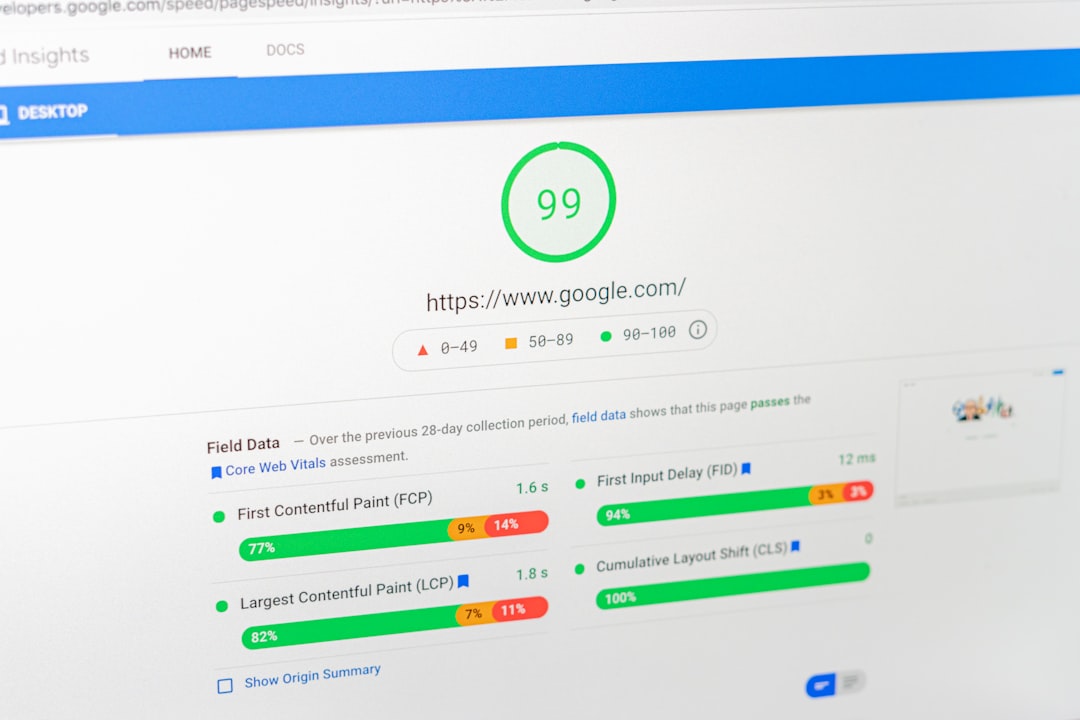
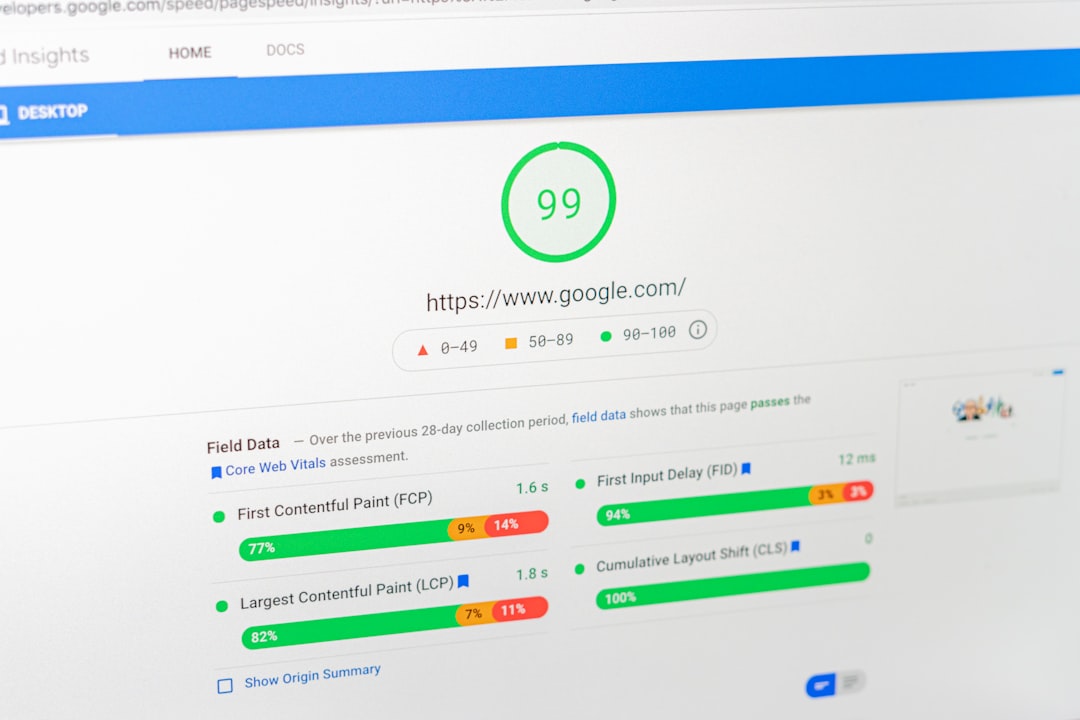
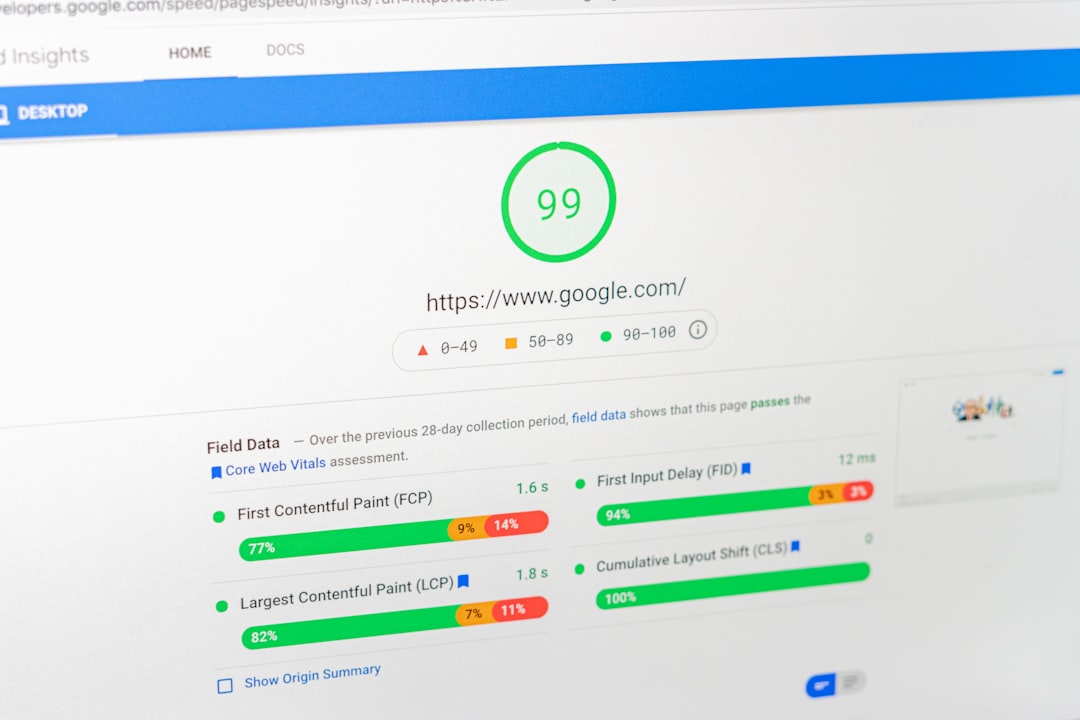
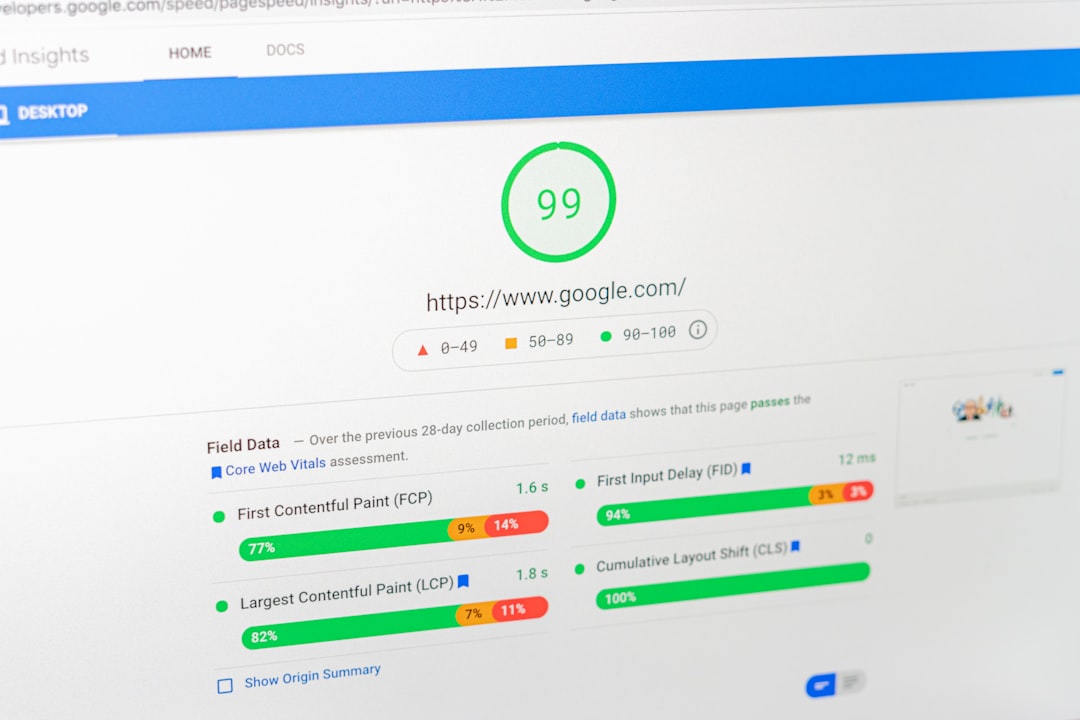
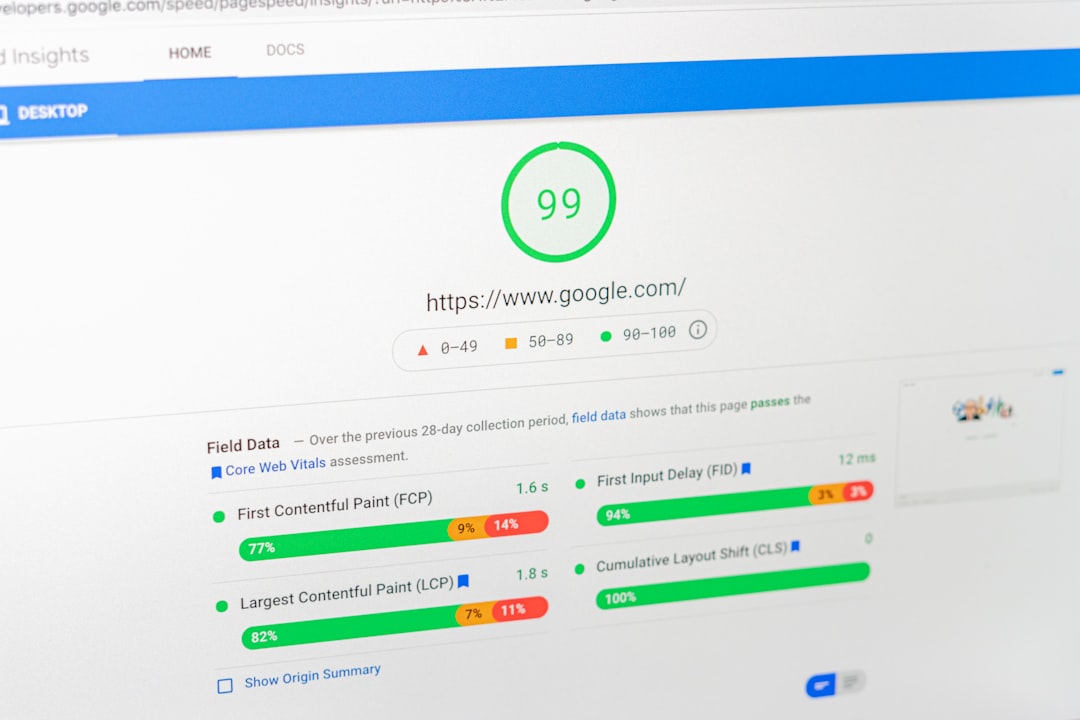
Monitoring Core Web Vitals
Core Web Vitals are performance measurements that help evaluate important aspects of user experience.
Core Web Vital | What It Measures | Good Performance Target |
|---|---|---|
Largest Contentful Paint (LCP) | Loading performance | 2.5 seconds or less |
Interaction to Next Paint (INP) | Responsiveness | 200 milliseconds or less |
Cumulative Layout Shift (CLS) | Visual stability | 0.1 or less |
These recommended thresholds help businesses understand whether their pages provide a satisfactory experience. An SEO expert monitors these measurements and works with developers to address problems affecting important templates and pages.
Creating an SEO-Friendly Website Structure and Navigation
Website structure determines how information is organized and how users move between different sections. A clear structure makes shopping easier while helping search engines understand relationships between products, categories, and informational pages.
For an e-commerce business, a logical hierarchy is particularly important because customers may enter the website through search results rather than the homepage.
A useful structure could look like this:
Website Level | Example | Main Purpose |
|---|---|---|
Homepage | Online Furniture Store | Introduce the business |
Main Category | Bedroom Furniture | Organize product groups |
Subcategory | Beds and Bed Frames | Narrow product selection |
Product Page | Wooden Queen Bed Frame | Present a specific product |
Supporting Content | Bedroom Furniture Buying Guide | Educate shoppers |
Creating Logical Category Hierarchies
Categories should be organized according to how customers naturally search for and compare products. A furniture store should separate bedroom, living room, dining room, and office furniture into appropriate sections.
Subcategories can further organize individual products, making large catalogs easier to navigate.
Using Breadcrumb Navigation
Breadcrumbs display the path from a product or page back to its parent categories. They help shoppers understand where they are within the website and provide convenient navigation options.
For example, a breadcrumb could display:
Home → Furniture → Bedroom Furniture → Bed Frames.
This structure can also provide useful contextual links for search engines.
Developing Clear URL Structures
URLs should be descriptive, consistent, and easy to understand. An online store should avoid unnecessarily complicated URLs containing excessive parameters or meaningless character combinations.
A descriptive product URL might look like:
example.com/furniture/wooden-queen-bed-frame
A clean URL structure helps users understand the page destination and supports easier website management.
Optimizing Product Images and Image Search Visibility
Product photographs are essential for online shopping because they allow customers to examine items before making purchasing decisions. Images also create opportunities to attract visitors through image-based search results.
An SEO expert ensures that product images are visually useful, technically optimized, and supported by relevant descriptive information.
Writing Descriptive Image Alt Text
Alternative text explains the content of an image for screen readers and provides search engines with additional context.
For example, an image showing a brown leather office chair could use alt text such as “Brown leather adjustable office chair with padded armrests.”
Alt text should describe what is actually visible. Businesses should avoid adding unnecessary keywords or repeating identical descriptions across unrelated images.
Using Descriptive File Names
Image file names should identify the product or subject rather than using generic names such as IMG001 or PHOTO123.
A file name such as wooden-dining-table.jpg communicates more information than an automatically generated file name.
Choosing Appropriate Image Formats
Modern image formats can help reduce file sizes without sacrificing too much visual quality. Businesses should select suitable formats based on browser support, image requirements, and website functionality.
Product photographs should also use appropriate dimensions so that unnecessarily large files do not slow down pages.
Adding Multiple Product Images
Customers often want to examine products from different angles before ordering. Online stores should provide clear photographs showing important details, textures, dimensions, and available variations.
Additional images should contribute useful information rather than repeating the same photograph with minor differences.
Managing Duplicate Content and Product Variations
Duplicate content is a significant technical challenge for e-commerce websites, particularly those offering products in different sizes, colors, materials, or configurations.
When several URLs display substantially similar content, search engines may struggle to identify the most appropriate version to show in search results. This can create unnecessary indexing complexity and weaken the clarity of the website structure.
Handling Product Variations
An online clothing store may sell the same shirt in different sizes and colors. Businesses should determine whether these variations require separate indexable pages or whether customers can select variations from one primary product page.
The right approach depends on how much unique information each variation provides and whether customers search for those variations independently.
Using Canonicalization
Canonical tags can help identify a preferred page when multiple URLs contain similar product information. This is useful when sorting options or tracking parameters create additional URL versions.
However, canonical tags should be implemented carefully and should point to appropriate equivalent pages.
Creating Original Product Content
Product descriptions should provide meaningful information rather than copying text from manufacturers or other retailers. Unique content helps customers understand the differences between products and improves the overall usefulness of the website.
Businesses should prioritize important products and categories when developing original descriptions, especially where duplicate content affects valuable search opportunities.
Managing Out-of-Stock Products
Out-of-stock products require careful handling. Temporarily unavailable items may remain useful to customers and should not automatically be removed from search results.
An SEO specialist evaluates whether the product is expected to return, whether an alternative exists, and whether the page has valuable backlinks or organic traffic. Permanently discontinued products may require a relevant replacement page or another appropriate action depending on the circumstances.
E-Commerce Content Marketing and Blogging Strategies
Content marketing supports e-commerce SEO by helping businesses attract customers who are searching for information before deciding which products to purchase. While product and category pages target direct shopping searches, blog content can address questions, comparisons, product recommendations, and common customer problems.
For Georgia-based online stores, a well-planned content strategy can build topical relevance and create additional pathways to product pages.
Publishing Helpful Buying Guides
Buying guides help customers understand what to consider before purchasing a product. They can explain important features, compare product types, and provide recommendations based on different requirements.
For example, an online electronics store could publish “How to Choose the Best Laptop for Remote Work.” The article could discuss processing power, memory, storage, battery life, and screen size while linking to suitable products.
Creating Product Comparison Articles
Comparison articles help customers evaluate different products before making purchasing decisions. They can discuss features, prices, advantages, limitations, and suitable use cases.
A Georgia-based furniture retailer might create an article comparing wooden and metal bed frames. Such content helps shoppers understand their options while introducing relevant product collections.
Answering Frequently Asked Customer Questions
Customer questions provide useful ideas for blog content. Businesses can create articles addressing common concerns about sizing, product maintenance, shipping, compatibility, installation, and product selection.
These articles can attract informational searches and reduce uncertainty during the shopping process.
Building Internal Links from Blog Posts
Blog articles should connect readers with relevant product and category pages whenever the links genuinely support the discussion.
For example, an article about choosing comfortable office furniture could link to ergonomic chairs, adjustable desks, and office accessories.
This approach improves content navigation and gives readers convenient opportunities to explore products.
Local SEO Strategies for Georgia-Based E-Commerce Businesses
Local SEO can help e-commerce businesses connect with customers in Georgia, particularly when they offer local delivery, in-store pickup, showroom visits, or other location-based services.
Although an online store may serve customers across multiple states, its local presence can provide opportunities to attract nearby shoppers who prefer dealing with regional businesses.
Creating Relevant Location Pages
Businesses that genuinely serve multiple Georgia locations may benefit from dedicated location pages. These pages should contain useful information about delivery coverage, pickup availability, local services, and other relevant details.
For example, a retailer might create a page explaining furniture delivery options in Atlanta or product pickup arrangements in Savannah.
Each page should provide distinct value rather than repeating identical content with different city names.
Maintaining Consistent Business Information
Eligible businesses should keep their business name, address, phone number, operating hours, and other important details accurate across relevant platforms.
Consistent information helps customers identify the correct business and supports trust in its online presence.
Encouraging Genuine Local Reviews
Customer reviews can influence purchasing decisions and help businesses establish credibility. Online retailers should encourage genuine feedback through appropriate post-purchase communication.
Businesses should never purchase fake reviews or pressure customers into providing positive ratings. Honest feedback is more valuable for building a sustainable reputation.
Creating Georgia-Focused Content
Regional content can help businesses connect with local interests and search opportunities. A retailer could publish shopping guides, seasonal product recommendations, and articles discussing the needs of customers in different Georgia communities.
The content should remain relevant to the business and provide information that readers genuinely find useful.
Google Business Profile Optimization for Eligible Businesses
Google Business Profile can be an important local marketing tool for e-commerce businesses that qualify for a profile. Businesses with an eligible physical location or qualifying in-person service operation can use it to communicate essential information and improve their local presence.
An SEO expert can help optimize the profile so customers can easily understand what the business offers and how to contact it.
Selecting Appropriate Business Categories
Business categories should accurately describe the company’s main activities. Selecting unrelated categories simply to appear in additional searches can create confusion and undermine profile accuracy.
An online retailer with an eligible showroom should choose categories that genuinely represent its business operations.
Adding Accurate Business Information
Important information includes the business name, address where applicable, contact number, operating hours, website details, and available services.
Any changes to business operations should be reflected promptly so customers do not receive outdated information.
Uploading Relevant Business Photographs
High-quality photographs can help customers understand the business, products, showroom, or physical location.
Businesses should use authentic images that accurately represent their operations rather than misleading stock photographs.
Monitoring Customer Reviews
Reviews provide useful feedback about customer experiences and product or service quality. Businesses should respond professionally to genuine feedback and address concerns when appropriate.
A consistent review management process can strengthen customer confidence and help businesses understand areas requiring improvement.
Building High-Quality Backlinks for E-Commerce Websites
Backlinks are links from other websites pointing toward an online store. Relevant, trustworthy backlinks can contribute to website authority and help search engines discover important content.
However, backlink quality is more important than simply collecting a large number of links. An e-commerce business should focus on earning links from relevant websites, industry publications, local organizations, and useful online resources.
Publishing Link-Worthy Content
Useful content can naturally attract backlinks when other websites find it valuable enough to reference. Original research, detailed buying guides, product comparisons, and practical industry resources can create opportunities for natural link acquisition.
For example, a Georgia-based home improvement retailer could publish an informative guide about choosing durable outdoor furniture for different weather conditions.
Building Local Business Relationships
Local partnerships can create genuine opportunities for online mentions and backlinks. E-commerce businesses may collaborate with community organizations, relevant local publications, event organizers, and complementary businesses.
These relationships should provide mutual value rather than existing only to exchange links.
Using Digital PR Strategies
Digital PR involves creating newsworthy or useful stories that online publications may want to cover. Businesses can share original research, product launches, expert insights, or relevant industry information.
When publications reference these resources and link to the business, they can strengthen brand visibility and create valuable referral traffic.
Avoiding Low-Quality Link Building
Buying large quantities of backlinks, participating in link schemes, and using irrelevant websites can create risks. Search engines may ignore manipulative links or take action against websites that violate their spam policies.
An experienced SEO specialist prioritizes sustainable link acquisition based on relevance, editorial value, and genuine relationships.
Improving Customer Reviews and Online Reputation
Online reputation plays an important role in e-commerce because customers often depend on feedback from previous buyers before selecting a product or retailer. Genuine reviews provide additional information about product quality, delivery experiences, customer support, and overall satisfaction.
Although reviews are not a guaranteed direct ranking advantage for every organic search result, they can improve customer confidence and influence purchasing decisions.
Encouraging Post-Purchase Feedback
Businesses can send polite review requests after customers receive their orders. These requests should make it easy for buyers to share honest experiences without offering rewards in exchange for positive ratings.
A simple feedback process can help stores collect useful information and identify recurring customer concerns.
Responding to Customer Feedback
Responding to reviews shows that a business takes customer experiences seriously. Positive feedback can be acknowledged with appreciation, while negative comments should receive professional and helpful responses.
Businesses should avoid arguments and focus on understanding problems and finding reasonable solutions.
Displaying Genuine Product Reviews
Product reviews should be easy to find on relevant product pages. Shoppers often want to understand product durability, sizing, performance, and real-world usability.
An online store can organize reviews using appropriate display features while ensuring that any review-related structured data accurately represents visible content.
Using Feedback to Improve Products and Services
Customer feedback can reveal problems that are not immediately obvious to business owners. Repeated complaints about packaging, delivery delays, unclear product descriptions, or product quality can highlight areas that require improvement.
Addressing these issues can support customer satisfaction and encourage repeat purchases.
Understanding Structured Data and Product Schema Markup
Structured data is a standardized way of describing website information so search engines can interpret important details more effectively. For e-commerce websites, product-related structured data can communicate information such as product names, descriptions, prices, availability, and ratings where applicable.
Correctly implemented structured data can make eligible product pages suitable for enhanced search appearances. However, adding schema does not guarantee rich results or higher rankings.
Product Schema
Product schema describes an individual product and can include details such as its name, description, brand, image, and other supported properties.
For example, an online store selling a wooden dining table can use product structured data to provide search engines with clearer information about the item.
Offer Schema
Offer information can describe product pricing, currency, and availability. These details should match what customers can actually see on the product page.
Businesses should update this information when prices or stock conditions change.
Review and Aggregate Rating Schema
Eligible review information can help communicate customer feedback associated with a product. Ratings must represent genuine reviews and follow applicable structured data requirements.
Businesses should not create artificial ratings or mark up information that is not visible to users.
Breadcrumb Schema
Breadcrumb structured data can help search engines understand the hierarchy of a website. It may also support more informative breadcrumb displays in search results.
For larger e-commerce websites, implementing consistent breadcrumb markup across product and category pages can improve structural clarity.
Tracking E-Commerce SEO Performance and Conversions
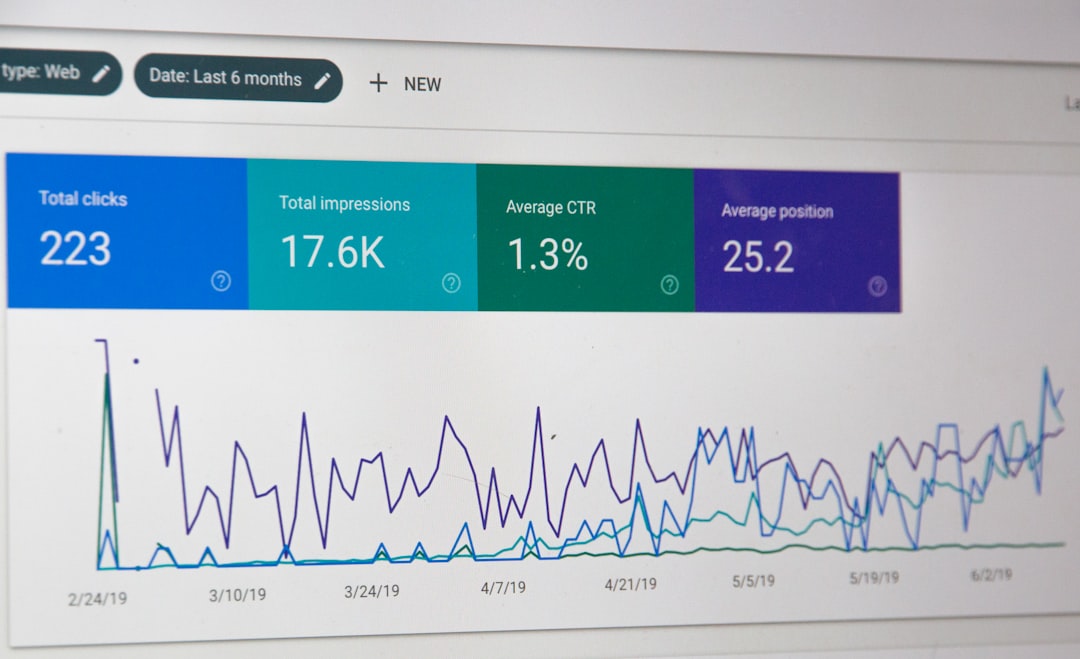
SEO should be measured through meaningful performance indicators rather than rankings alone. A website may receive more organic traffic without generating additional revenue, which means businesses need to examine how visitors interact with product pages and complete purchases.
An SEO expert monitors important metrics to understand which activities are working and which areas require improvement.
Monitoring Organic Traffic
Organic traffic measures visitors who arrive through unpaid search results. Businesses should examine overall traffic as well as performance across individual product pages, categories, and blog articles.
Increasing relevant organic traffic can indicate that the website is gaining visibility for useful search terms.
Tracking Keyword Rankings
Keyword rankings show where website pages appear for selected search phrases. Monitoring these positions helps businesses understand whether optimization activities are improving search visibility.
However, rankings can fluctuate because of competition, search intent, location, and search engine updates. They should always be evaluated alongside traffic and conversion data.
Measuring E-Commerce Conversions
Conversions are important actions completed by website visitors. For online stores, these actions may include purchases, add-to-cart events, checkout initiation, and other meaningful shopping interactions.
Tracking these activities helps businesses understand how organic visitors move through the purchasing process.
Evaluating Revenue from Organic Search
Organic revenue is one of the most meaningful performance indicators for e-commerce SEO. It helps businesses understand how much sales revenue is associated with visitors arriving through organic search.
Accurate measurement requires properly configured analytics and e-commerce tracking. Businesses should also account for attribution differences when comparing organic performance with other marketing channels.
Essential E-Commerce SEO Metrics and Their Importance
Tracking the right SEO metrics helps business owners make informed decisions and evaluate the effectiveness of their optimization strategy. Rather than focusing on a single measurement, an SEO expert reviews several indicators to understand website visibility, visitor behavior, and sales performance.
The following table highlights important metrics for e-commerce businesses.
SEO Metric | What It Measures | Why It Matters |
|---|---|---|
Organic Traffic | Visitors from unpaid search | Measures search visibility |
Keyword Rankings | Positions for target keywords | Tracks ranking progress |
Organic Click-Through Rate | Percentage of impressions generating clicks | Evaluates search result appeal |
Conversion Rate | Percentage of visitors completing purchases | Measures sales effectiveness |
Organic Revenue | Revenue attributed to organic traffic | Evaluates business value |
Add-to-Cart Rate | Visitors adding products to carts | Measures product interest |
Bounce or Engagement Metrics | Visitor interaction patterns | Helps identify user experience issues |
Indexed Pages | Pages included in search indexes | Helps assess search accessibility |
Backlink Quality | Relevance and quality of incoming links | Evaluates link profile strength |
Core Web Vitals | Loading, responsiveness, and stability | Measures important user experience factors |
E-Commerce SEO Performance Comparison Table
A useful way to evaluate SEO progress is to compare the website’s performance before and after optimization. Businesses should establish a baseline, track changes over consistent periods, and consider seasonal demand and other marketing activities when interpreting results.
The following example illustrates how an online store could organize its SEO performance reporting. These figures are illustrative and are not guaranteed results.
Performance Indicator | Before Optimization | Example After Optimization |
|---|---|---|
Monthly Organic Visitors | 2,000 | 3,500 |
Indexed Product Pages | 180 | 240 |
Organic Monthly Purchases | 35 | 65 |
Organic Conversion Rate | 1.75% | 1.86% |
Monthly Organic Revenue | $3,500 | $6,500 |
Target Keywords in Top 10 | 12 | 25 |
The figures demonstrate how improvements in organic visibility can potentially support increased sales. However, actual results depend on the industry, website condition, product demand, competition, pricing, and effectiveness of the SEO strategy.
Regular reporting allows business owners to understand whether their investment is creating meaningful opportunities. It also helps SEO specialists identify pages that need additional content, technical improvements, better keyword targeting, or stronger conversion elements.
An effective e-commerce SEO strategy combines keyword research, product optimization, technical improvements, content marketing, local visibility, and performance tracking. By implementing these techniques consistently, Georgia-based online stores can build a stronger search presence, attract relevant shoppers, and create a sustainable foundation for long-term growth.

How to Find the Right SEO Expert in Georgia for Your E-Commerce Business
Choosing the right SEO expert is an important decision for any e-commerce business that wants to improve its online visibility and increase sales. The right professional understands how online stores operate, how customers search for products, and which optimization techniques can help a business compete in its industry.
Not every SEO specialist has experience with e-commerce websites. Managing an online store requires knowledge of product page optimization, category structures, technical SEO, keyword research, duplicate content, and conversion tracking. Business owners should therefore look for someone who understands the specific challenges associated with online shopping websites.
An experienced SEO expert in Georgia should also understand the competitive environment and customer search behavior in the areas where the business operates. This knowledge can help create strategies that target relevant customers rather than generating traffic that has little purchasing value.
Evaluate Previous E-Commerce SEO Experience
Before hiring an SEO professional, examine their experience working with online stores. Ask whether they have optimized websites with large product catalogs, multiple categories, product variations, and complex navigation systems.
Experience in your particular industry can also be valuable. An SEO specialist who has worked with fashion retailers may understand product variations and seasonal shopping behavior, while someone experienced in electronics may have stronger knowledge of product specifications and comparison-based searches.
Review Previous Results and Case Studies
Case studies can help business owners understand how an SEO expert approaches challenges and measures progress. Ask for examples of previous projects showing improvements in organic visibility, keyword rankings, qualified traffic, and conversions.
A reliable professional should explain what actions were taken and how the results were measured. Be cautious of specialists who promise immediate first-page rankings or guaranteed sales because SEO performance depends on several factors outside an individual’s control.
Understand Their SEO Strategy
A professional SEO expert should explain the activities they recommend and why those activities are important for your website. Their strategy should be based on research rather than a generic package that offers identical services to every business.
A suitable e-commerce SEO strategy may include:
Complete technical website audits.
Product and category keyword research.
Product page optimization.
Website speed improvements.
Duplicate content management.
Content marketing and blogging.
Internal linking improvements.
Relevant backlink development.
Conversion and revenue tracking.
Check Communication and Reporting
Communication is essential when working with an SEO specialist. Business owners should receive regular updates about completed tasks, current performance, challenges, and upcoming optimization activities.
A professional should explain technical issues in understandable language and provide reports that connect SEO activities with business objectives. Transparent communication makes it easier to evaluate progress and maintain a productive working relationship.
Important Qualities to Look for in an E-Commerce SEO Specialist
Hiring an SEO expert should involve more than comparing prices or selecting someone who promises the highest rankings. The professional should possess the knowledge, analytical skills, and practical experience required to improve an online store’s search performance.
A good specialist understands that successful e-commerce SEO combines search engine optimization with customer experience and business development.
Strong Technical SEO Knowledge
Technical SEO expertise is essential for managing online stores with extensive product catalogs. The specialist should understand crawling, indexing, canonical tags, XML sitemaps, redirects, structured data, and website performance.
They should also be capable of identifying technical problems that affect important product and category pages.
Excellent Keyword Research Skills
Keyword research should focus on relevant customer searches and purchasing intent. A qualified specialist knows how to identify product-specific keywords, commercial investigation phrases, informational queries, and location-based opportunities.
They should also understand how to organize keywords across different pages to prevent unnecessary competition between the website’s own URLs.
Content Optimization Experience
An e-commerce SEO specialist should understand how to create useful product descriptions, category content, buying guides, and blog articles.
They should be able to balance keyword optimization with natural writing that answers customer questions and explains product benefits.
Analytical and Problem-Solving Abilities
SEO involves analyzing large amounts of information and making decisions based on performance data. A skilled professional should know how to interpret website analytics, search performance reports, keyword trends, and conversion measurements.
These abilities help identify opportunities and adjust strategies when results do not meet expectations.
Understanding of E-Commerce Platforms
Experience with popular e-commerce platforms can be particularly useful. An SEO specialist may need to work with product catalogs, category settings, website themes, applications, and technical configurations.
Understanding the platform helps the specialist identify practical solutions without creating unnecessary changes to the shopping experience.
Ethical SEO Practices
A trustworthy SEO professional follows search engine guidelines and focuses on sustainable optimization techniques. They should avoid manipulative practices such as spam backlinks, hidden text, keyword stuffing, and automatically generated low-quality pages.
Ethical SEO requires patience, research, and consistent improvement rather than shortcuts that may create long-term problems.
Questions to Ask Before Hiring an SEO Expert
Before selecting an SEO professional, business owners should ask questions that reveal their experience, working methods, and understanding of e-commerce requirements. These discussions can help determine whether the specialist is suitable for the business’s goals.
The answers should be clear, realistic, and supported by practical explanations.
What Experience Do You Have with E-Commerce Websites?
This question helps determine whether the specialist has worked with online stores rather than focusing exclusively on service-based websites. Ask about the types of products, website platforms, and technical challenges they have handled.
A professional should be able to explain how they approach product optimization, category structures, indexing, and conversion tracking.
How Will You Improve My Product Page Rankings?
Product pages are directly connected to purchasing opportunities. Ask the SEO expert how they plan to optimize product titles, descriptions, images, internal links, structured data, and other relevant elements.
Their answer should demonstrate an understanding of both search engine requirements and customer expectations.
How Do You Measure SEO Success?
A reliable specialist should not measure success through keyword rankings alone. They should explain how they monitor organic traffic, product page performance, add-to-cart actions, purchases, and organic revenue.
These measurements provide a more complete picture of how SEO contributes to business growth.
How Long Will It Take to See Results?
SEO usually requires consistent work before meaningful improvements become visible. The timeline depends on website authority, competition, technical condition, content quality, and the difficulty of targeted keywords.
An honest specialist will discuss realistic expectations rather than promising guaranteed rankings within a few days.
Will I Receive Regular SEO Reports?
Ask how frequently reports will be provided and which performance indicators they will include. Reports should explain completed activities, changes in organic visibility, technical improvements, and future priorities.
You should also understand who will be responsible for implementing recommended changes.
Do You Follow Search Engine Guidelines?
This question helps identify whether the specialist uses sustainable optimization methods. They should be able to explain their approach to backlinks, content creation, structured data, and technical SEO without relying on manipulative shortcuts.
How Much Does E-Commerce SEO Cost in Georgia?
The cost of e-commerce SEO in Georgia depends on several factors, including website size, industry competition, technical requirements, product catalog complexity, and the amount of optimization required.
A small online store with a limited number of products may require fewer resources than a large retailer managing thousands of products across multiple categories. Similarly, a business competing in a highly competitive industry may need more extensive content development, technical improvements, and authority-building activities.
SEO pricing can be structured through monthly retainers, one-time projects, hourly consulting, or customized service agreements.
Factors That Influence SEO Pricing
Several factors determine how much a business may need to invest in professional e-commerce SEO services.
Website Size: Stores with hundreds or thousands of product pages often require more extensive optimization and technical management.
Competition Level: Highly competitive product categories may require stronger content strategies and more extensive authority development.
Technical Complexity: Websites with indexing problems, duplicate URLs, or complicated navigation may require additional technical work.
Content Requirements: Creating original product descriptions, category content, and educational articles requires time and resources.
Link-Building Activities: Developing relevant industry relationships and earning quality backlinks may increase the overall investment.
Reporting and Management: Regular performance analysis, strategic planning, and ongoing optimization contribute to monthly service costs.
Common E-Commerce SEO Pricing Models
The following table provides illustrative planning ranges in US dollars. These are not verified market averages or guaranteed quotations for Georgia. Actual prices depend on the provider, project scope, and business requirements.
| SEO Service Type | Illustrative Cost Range | Suitable For |
|---|---|---|
| SEO Audit | $300 to $1,500 | Stores needing an initial assessment |
| Basic Monthly SEO | $500 to $1,000 | Small online stores |
| Intermediate Monthly SEO | $1,000 to $2,500 | Growing e-commerce businesses |
| Advanced Monthly SEO | $2,500 to $5,000+ | Competitive online retailers |
| Hourly SEO Consulting | $75 to $200 | Businesses needing specialist guidance |
| Product Content Optimization | Depends on page volume | Stores with weak product descriptions |
These ranges are intended to help businesses understand possible budgeting structures. A professional quotation should be based on a website assessment and a clearly defined list of deliverables.
Choosing an SEO Package Based on Business Goals
A small e-commerce business may initially prioritize technical SEO, keyword research, and optimization of its most important product pages. As the business grows, it can expand its investment into content marketing, category optimization, and relevant link-building activities.
Larger retailers may require ongoing technical monitoring, product catalog management, advanced analytics, and continuous content development.
The most suitable SEO investment is one that supports realistic business objectives and provides transparent deliverables. Instead of choosing the cheapest available service, business owners should evaluate the quality of work, expertise, communication, and long-term value.
Choosing Between an SEO Agency and a Freelance SEO Expert
E-commerce business owners in Georgia can work with either an SEO agency or an independent SEO specialist. Both options can provide valuable services, but the right choice depends on the website’s complexity, available budget, and level of support required.
An SEO agency generally has a team of professionals who may specialize in technical SEO, content writing, link development, analytics, and digital marketing. A freelance SEO expert may provide more direct communication and personalized attention.
Benefits of Hiring an SEO Agency
An agency can provide access to multiple specialists who work together on different aspects of website optimization. This can be useful for larger e-commerce businesses with complex technical requirements and extensive product catalogs.
Agencies may also have established processes for reporting, project management, content production, and campaign coordination.
However, business owners should examine how much attention their account will receive and whether the people handling the project have genuine e-commerce experience.
Benefits of Hiring a Freelance SEO Expert
A freelancer may provide a more direct working relationship and greater flexibility in service arrangements. Small businesses may appreciate having direct communication with the person responsible for research, optimization, and reporting.
Freelancers can also offer customized services that focus on specific business needs.
However, an individual specialist may have limited capacity when a project requires extensive technical development, large-scale content production, and several different marketing activities simultaneously.
Which Option Is Better?
The best choice depends on your business requirements rather than the provider’s size.
| Comparison Factor | SEO Agency | Freelance SEO Expert |
|---|---|---|
| Team Resources | Usually multiple specialists | Usually an individual |
| Communication | May involve account managers | Often direct |
| Service Flexibility | Depends on agency packages | Often more flexible |
| Large Projects | Can support extensive workloads | May have capacity limitations |
| Budget | Can require higher investment | May offer lower-cost arrangements |
| Specialized Expertise | May cover several SEO areas | Depends on individual experience |
| Project Management | Often structured processes | Varies by freelancer |
A small online store may benefit from an experienced freelancer who can manage its core SEO requirements. A large retailer with thousands of products may prefer an agency that can coordinate technical specialists, developers, content teams, and marketing professionals.
Common E-Commerce SEO Mistakes to Avoid
Even businesses that invest in professional SEO can experience problems when important optimization practices are overlooked. Some mistakes affect individual pages, while others can create website-wide issues that limit organic visibility.
Recognizing these mistakes helps business owners protect their websites and build a more effective search strategy.
Ignoring Product Page Optimization
Some online stores focus on their homepage and main categories while leaving individual product pages with incomplete information. This limits opportunities to attract shoppers searching for specific products.
Every important product page should include a descriptive title, useful content, relevant images, and accurate product details.
Using Duplicate Manufacturer Descriptions
Copying identical product descriptions from manufacturers can make a website less distinctive. Competing retailers may use the same text, leaving little unique information for search engines or customers.
Businesses should develop original descriptions that explain product benefits, specifications, and practical uses.
Keyword Stuffing
Keyword stuffing occurs when search phrases are repeated excessively in an attempt to manipulate rankings. This practice makes content unnatural and can damage the customer experience.
Keywords should be incorporated naturally into relevant titles, headings, descriptions, and supporting content.
Neglecting Mobile Optimization
A website that performs poorly on smartphones can lose potential customers even when its products and prices are competitive.
Businesses should test navigation, images, buttons, shopping carts, and checkout processes on different devices.
Building Low-Quality Backlinks
Purchasing spam links or participating in manipulative link schemes can create unnecessary SEO risks. Businesses should focus on earning relevant backlinks through valuable content, legitimate partnerships, and genuine industry relationships.
Forgetting Internal Linking
Internal links help customers and search engines discover related products and content. Without a clear linking structure, valuable pages may become difficult to access.
Online stores should connect relevant categories, product pages, buying guides, and supporting articles.
Ignoring SEO Performance Data
Making decisions without reviewing performance data can lead to wasted resources. Businesses should regularly evaluate organic traffic, conversions, rankings, indexing, and revenue.
Data-driven optimization helps identify problems and prioritize activities that provide meaningful business value.
Deleting Out-of-Stock Product Pages Incorrectly
Removing every unavailable product immediately can result in broken links and lost search opportunities. Some products may return to inventory or have valuable backlinks and existing search visibility.
Businesses should evaluate each page before deciding whether to retain it, redirect it, or remove it.
How Long Does It Take to See Results from E-Commerce SEO?
SEO is a long-term marketing activity that requires consistent optimization and performance monitoring. Unlike paid advertising, which can generate traffic shortly after a campaign begins, organic search improvements usually take time to develop.
The timeline depends on the website’s current condition, competition, industry demand, content quality, backlink profile, and the effectiveness of implemented changes.
A newly launched online store may need more time to establish search visibility than an established retailer with existing organic traffic and relevant backlinks.
Initial SEO Improvements
During the early stages, an SEO expert usually focuses on website audits, keyword research, technical corrections, and optimization priorities.
Some technical improvements may produce positive changes relatively quickly, particularly when they resolve serious crawling or indexing problems. However, improved indexing does not automatically translate into higher rankings or additional sales.
Building Organic Search Visibility
As product pages, category pages, and informational content become better optimized, the website may begin gaining visibility for relevant search phrases.
The pace of improvement varies significantly. Less competitive long-tail keywords may become visible earlier, while broad product keywords may require more extensive work.
Developing Sustainable SEO Growth
Long-term growth involves continuous content improvements, technical maintenance, relevant backlink development, and conversion optimization.
An established online store should regularly review its product catalog and update pages as products, customer needs, and search behavior change.
The following timeline provides a general planning framework rather than a guaranteed schedule.
| SEO Period | Typical Activities | Main Focus |
|---|---|---|
| First Month | Website audit and keyword research | Identify opportunities and problems |
| Months 2 to 3 | Technical fixes and page optimization | Improve website foundations |
| Months 3 to 6 | Content development and link acquisition | Build search visibility |
| Months 6 to 9 | Performance analysis and expansion | Improve valuable rankings |
| Months 9 to 12 | Continued optimization and refinement | Strengthen sustainable growth |
These stages may overlap, and some websites may experience improvements earlier or later. The most important factor is maintaining a consistent strategy based on measurable results.
How an SEO Expert Helps Increase Online Sales and Revenue
The main business objective of e-commerce SEO is not simply to attract more visitors. It is to help an online store reach relevant shoppers and encourage them to complete purchases.
An SEO expert supports this process by improving the connection between customer searches, website content, product information, and purchasing opportunities.
Attracting Customers with Buying Intent
Targeting purchase-related keywords helps businesses connect with people actively searching for products. These visitors may be closer to making a purchasing decision than someone browsing general informational content.
For example, a search for “buy adjustable standing desk online” is more specific than a search for “what is a standing desk.”
An SEO specialist identifies these opportunities and optimizes the most appropriate product and category pages.
Improving Product Page Conversion Opportunities
A well-optimized product page should answer important customer questions and make purchasing information easy to understand.
Clear photographs, detailed descriptions, accurate prices, product availability, shipping information, and visible purchasing options can reduce uncertainty.
Although SEO professionals do not always manage every aspect of conversion rate optimization, they can identify usability problems and recommend improvements that support better shopping experiences.
Reducing Unnecessary Website Friction
Visitors may abandon an online store when navigation is confusing, pages load slowly, or checkout processes are difficult.
An SEO expert can identify technical and usability issues that affect important shopping pages. Working with developers and business owners, they can help improve website accessibility and performance.
Strengthening Brand Visibility
Consistent organic visibility helps customers become familiar with an online store. Appearing for relevant product searches, educational queries, and brand-related terms creates more opportunities for customers to recognize and revisit the business.
Strong brand recognition can support future purchasing decisions and repeat visits.
Supporting Long-Term Revenue Opportunities
Organic search can become an important customer acquisition channel when an online store consistently maintains its website and content.
As more relevant pages earn visibility, businesses may gain additional opportunities to attract customers across different product categories.
However, revenue growth also depends on product quality, competitive pricing, inventory, shipping, customer service, and the overall shopping experience. SEO supports these factors but cannot replace them.
Future E-Commerce SEO Trends Georgia Businesses Should Understand
Search technology and online shopping behavior continue to evolve. E-commerce businesses that stay informed about these changes can prepare their websites for new customer expectations and search experiences.
An SEO expert should monitor developments in search engine technology, content discovery, mobile shopping, and product information presentation.
AI-Assisted Search Experiences
Artificial intelligence is influencing how people discover information and compare products online. Search experiences may provide summarized answers, recommendations, and product information directly within search interfaces.
E-commerce businesses should focus on publishing accurate, useful, and clearly organized content that answers real customer questions.
Original expertise, reliable product information, and strong website foundations remain important regardless of how search interfaces change.
More Detailed Product Information
Customers increasingly expect product pages to provide clear specifications, comparisons, photographs, and practical guidance.
Online retailers should make sure product details are accurate and complete. Helpful information can improve shopping confidence and support visibility across different product discovery experiences.
Voice and Conversational Searches
Some customers use voice assistants and conversational search tools to find products or ask questions.
These searches may use natural phrases such as “Where can I buy affordable office furniture near Atlanta?” or “Which laptop is best for college students?”
Businesses can prepare by answering common questions clearly and using natural language throughout relevant pages.
Visual Product Discovery
Images play an important role in product research and online shopping. Customers may use visual search features to discover products that resemble items they have seen elsewhere.
Retailers should maintain clear product photographs, descriptive image information, and consistent product data.
Greater Importance of User Experience
Customers expect websites to be fast, easy to navigate, accessible, and secure. Search engines also evaluate several aspects of page experience through their ranking systems.
Businesses should continue improving mobile performance, navigation, checkout usability, and content accessibility.
Personalized Shopping Experiences
E-commerce platforms increasingly support personalized recommendations and product discovery features. These capabilities can help shoppers find relevant products more easily.
Businesses should use personalization responsibly while maintaining accurate product information and respecting customer privacy.
Building a Long-Term SEO Growth Strategy for Your Online Store
Long-term SEO success requires more than completing a one-time website audit or optimizing a few product pages. E-commerce businesses need a structured plan that evolves with their products, customers, competition, and changing search behavior.
An SEO expert can help establish priorities, coordinate optimization activities, and measure progress against meaningful business goals.
Establish Clear SEO Objectives
Before beginning optimization, businesses should define what they want to achieve. Objectives may include increasing organic traffic, improving product visibility, attracting local customers, increasing purchases, or strengthening specific product categories.
Clear objectives make it easier to evaluate whether SEO activities are contributing to business growth.
Prioritize High-Value Product Categories
Not every page requires the same level of attention. Businesses should identify product categories that have strong commercial potential, sufficient inventory, and realistic search opportunities.
Optimizing these areas first can help focus resources on pages that are most relevant to business objectives.
Maintain a Consistent Content Schedule
Regular content development helps online stores address customer questions and expand their search visibility.
A content calendar can include buying guides, seasonal shopping articles, product comparisons, educational resources, and category improvements.
Each piece of content should serve a clear purpose and connect naturally with relevant products.
Perform Regular Technical SEO Audits
Technical problems can develop as websites grow and new products are added. Regular audits help identify broken links, duplicate URLs, indexing issues, outdated redirects, and performance problems.
Businesses should also review major website changes before implementation to reduce the risk of unexpected SEO problems.
Monitor Competitors and Search Opportunities
Competitor analysis should continue after the initial SEO campaign. New retailers, changing product trends, and updated search behavior can create additional opportunities.
An SEO specialist can review competitors regularly and recommend improvements based on current website performance.
Measure Results and Improve Continuously
SEO strategies should evolve according to actual performance data. Businesses should identify pages that generate valuable traffic, determine why certain products are underperforming, and prioritize improvements.
Continuous monitoring allows an online store to maintain its search visibility and adapt to changing market conditions.
Why Choose DealMate for E-Commerce SEO Services?
Choosing the right SEO partner can make an important difference in how an e-commerce business approaches online visibility, customer acquisition, and long-term growth. DealMate understands the importance of developing practical digital marketing strategies that help businesses strengthen their online presence and reach relevant audiences.
For e-commerce businesses in Georgia, a well-planned SEO strategy should address the complete customer journey, from the first product search to the final purchase. DealMate focuses on the importance of combining keyword research, website optimization, content development, and performance monitoring to support sustainable business growth.
Customized SEO Strategies
Every online store has different products, customers, competition levels, and business objectives. DealMate emphasizes the importance of developing SEO strategies that reflect individual business requirements instead of applying the same approach to every website.
A customized strategy can help prioritize important product categories, identify keyword opportunities, and address website issues that limit organic visibility.
Focus on Organic Search Growth
Organic visibility can provide e-commerce businesses with additional opportunities to reach customers without depending entirely on paid advertising.
DealMate recognizes the value of building a strong search presence through relevant keywords, optimized website content, technical improvements, and consistent SEO activities.
Product and Category Optimization
Product and category pages are central to e-commerce performance. Improving their structure, descriptions, titles, and supporting information can help customers discover products more easily.
DealMate highlights the importance of creating informative website content that supports both search engine understanding and customer purchasing decisions.
Content Marketing Support
Helpful content can introduce customers to a business before they are ready to purchase. Buying guides, educational articles, product comparisons, and frequently asked questions can strengthen a website’s overall content strategy.
DealMate supports the value of creating relevant content that answers customer questions and connects informational searches with suitable products.
Long-Term SEO Development
Successful SEO requires ongoing attention and regular performance evaluation. Search competition, customer preferences, and product availability can change over time.
DealMate focuses on the importance of continuous improvement, helping businesses understand the value of consistent optimization rather than relying on short-term ranking promises.
For businesses looking to strengthen their e-commerce presence in Georgia, choosing a knowledgeable SEO partner can be an important step toward improving online visibility and attracting qualified customers.
Frequently Asked Questions
What Does an SEO Expert in Georgia Do for E-Commerce Businesses?
An SEO expert helps online stores improve their visibility in search engines through keyword research, technical optimization, and content improvements. They optimize product pages, category pages, website structure, and images to attract relevant shoppers. They also monitor organic traffic, rankings, and conversions to evaluate performance. Their overall objective is to help e-commerce businesses attract qualified visitors and create more opportunities for online sales.
Why Is SEO Important for Georgia-Based Online Stores?
SEO helps Georgia-based online stores reach customers who are actively searching for their products. It improves organic visibility and creates opportunities to attract shoppers without relying entirely on paid advertising. Local SEO can also help eligible businesses connect with customers in specific Georgia communities. A consistent SEO strategy supports brand awareness, customer discovery, and long-term online growth.
How Much Does E-Commerce SEO Cost in Georgia?
E-commerce SEO costs depend on website size, industry competition, technical requirements, and the amount of optimization needed. Smaller stores may require a more focused monthly service, while larger retailers often need extensive technical support and content development. Businesses should compare service deliverables, experience, and reporting rather than choosing a provider based only on price. A professional website assessment can help determine an appropriate SEO budget.
How Long Does E-Commerce SEO Take to Show Results?
E-commerce SEO generally requires several months of consistent work before meaningful improvements become visible. Some technical fixes may produce earlier benefits, while competitive keywords can take considerably longer to improve. Results depend on website authority, content quality, competition, and the effectiveness of the optimization strategy. Regular monitoring helps businesses understand progress and identify areas requiring additional attention.
Can SEO Increase Sales for an Online Store?
SEO can increase sales opportunities by connecting online stores with customers searching for relevant products. Optimized product pages and category pages help visitors find useful information and explore available items. Better website performance and clear product descriptions can also support purchasing decisions. However, actual sales depend on other factors, including product quality, pricing, delivery, customer service, and checkout experience.
What Are the Most Important E-Commerce SEO Strategies?
Important e-commerce SEO strategies include keyword research, product page optimization, category page development, and technical website improvements. Businesses should also focus on mobile usability, website speed, internal linking, original content, and relevant backlinks. Structured data and accurate product information can help search engines understand online store pages. Regular performance tracking ensures that optimization activities remain aligned with business objectives.
How Do I Choose the Right SEO Expert for My Online Store?
Start by looking for an SEO specialist with practical experience working with e-commerce websites. Review their previous projects, technical knowledge, keyword research methods, and reporting practices. Ask how they plan to optimize your product pages and measure business results. Choose a professional who communicates clearly, follows ethical SEO practices, and provides realistic expectations.
Is Local SEO Important for E-Commerce Businesses in Georgia?
Local SEO can be valuable for e-commerce businesses that serve customers in specific Georgia locations. It can help promote local delivery, eligible physical stores, showrooms, and pickup services. Location-specific landing pages and relevant regional content can also support local customer discovery. However, purely online businesses must follow Google Business Profile eligibility requirements before creating a local listing.
What Is the Difference Between E-Commerce SEO and Regular SEO?
Regular SEO often focuses on improving the visibility of service websites, informational pages, and business websites. E-commerce SEO involves additional requirements because online stores contain product pages, category pages, product variations, inventory information, and shopping functions. It also places greater emphasis on transactional keywords, product structured data, and conversion tracking. Both approaches share technical SEO and content optimization principles, but e-commerce SEO is more closely connected to product discovery and online purchases.
Can a Small E-Commerce Business Compete with Larger Online Retailers Through SEO?
Small e-commerce businesses can compete by targeting specific customer needs and focusing on relevant product opportunities. Instead of immediately targeting extremely competitive keywords, they can optimize niche categories and detailed product searches. Original content, strong customer service, useful product information, and a well-organized website can help create differentiation. Consistent SEO improvements can gradually strengthen organic visibility and support sustainable growth.
Conclusion
Building a successful e-commerce business in Georgia requires more than offering quality products and creating an attractive online store. Businesses must also make their products discoverable, provide useful information, and deliver a convenient shopping experience that encourages customers to complete purchases.
Search engine optimization provides an effective foundation for achieving these objectives. Through keyword research, product page optimization, technical improvements, content marketing, local SEO, and performance monitoring, online retailers can improve their search visibility and reach customers who are genuinely interested in their products.
Working with an experienced SEO expert in Georgia can help businesses identify opportunities, solve technical challenges, and develop strategies that support their long-term objectives. From optimizing product descriptions to improving website structure and attracting relevant backlinks, every SEO activity contributes to creating a stronger online presence.
E-commerce SEO is not a one-time activity or a guaranteed shortcut to immediate success. It requires continuous analysis, strategic planning, and consistent improvements as customer expectations and search technology evolve.
Businesses that invest in useful content, reliable website performance, accurate product information, and customer-focused optimization can build a stronger foundation for sustainable growth. With the right approach and ongoing effort, Georgia-based e-commerce stores can improve their organic visibility, attract qualified shoppers, strengthen their brand reputation, and create more opportunities to increase online sales.