Understanding SEO and Its Importance for Small Businesses in Georgia
What Is an SEO Expert?
An SEO expert is a professional who specializes in improving a website’s visibility in search engine results. SEO stands for Search Engine Optimization, which involves applying different strategies and techniques to help websites appear when potential customers search for relevant products, services, or information online. For small businesses in Georgia, working with an SEO expert can make it easier to connect with local customers and build a stronger online presence.
An experienced SEO professional understands how search engines evaluate websites and what improvements can help a business attract organic traffic. They analyze website performance, research relevant keywords, optimize website content, improve technical elements, and develop strategies that support better search visibility. Their primary goal is to help businesses reach the right audience and turn online visitors into potential customers.
SEO experts also help businesses understand their competitors and identify opportunities to improve their online performance. Rather than relying entirely on paid advertising, businesses can use organic search optimization to build a sustainable source of website traffic. A well-planned SEO strategy can continue attracting visitors over time when it is maintained and updated consistently.
Understanding the Role of an SEO Professional
The responsibilities of an SEO expert go beyond adding keywords to website pages. They examine how customers search online, identify the terms that are relevant to a business, and develop a strategy that aligns with its products, services, and target market. They also evaluate technical issues that may prevent search engines from properly discovering or understanding website content.
An SEO professional may work on several important areas, including:
Keyword research to discover relevant search terms.
On-page optimization to improve website content and page structure.
Technical SEO to improve website accessibility, speed, and indexing.
Local SEO to attract customers searching for nearby businesses.
Content planning to create useful and informative website material.
Link building to develop website authority through relevant references.
Performance monitoring to measure traffic, rankings, and conversions.
These activities work together to improve a website’s overall search performance. A professional SEO strategy considers both search engine requirements and the experience of people visiting the website.
Difference Between an SEO Expert, SEO Agency, and In-House SEO Specialist
Small businesses in Georgia can choose different ways to manage their SEO activities. An independent SEO expert usually works directly with clients and may provide personalized services based on individual business requirements. This option can be useful for businesses that need professional guidance without maintaining a full marketing department.
An SEO agency generally offers a team of specialists who handle different aspects of optimization. These professionals may include content writers, technical SEO specialists, keyword researchers, and link-building experts. Agencies can be helpful for businesses that require several SEO services and ongoing campaign management.
An in-house SEO specialist works directly for a company and focuses on its website and digital marketing objectives. This arrangement gives businesses more direct control over their SEO activities, but it also involves regular employment expenses and access to the necessary tools and resources.
The right option depends on a company’s budget, marketing goals, website requirements, and available resources. Small businesses should evaluate the quality of services and expected outcomes rather than choosing a provider based only on price.
Why Small Businesses in Georgia Need SEO
Small businesses operate in an increasingly competitive digital environment where customers frequently use search engines to find products and services. Whether someone needs a plumber in Atlanta, a restaurant in Savannah, a roofing contractor in Augusta, or a local marketing company in Macon, online searches often influence which business they contact. Without a strong online presence, even a reliable company may struggle to attract customers who are unfamiliar with its brand.
SEO helps small businesses become more visible when potential customers search for services related to their industry. Instead of waiting for people to discover their businesses through traditional advertising, companies can position their websites to appear for relevant searches. This creates opportunities to reach customers who are already interested in purchasing something or finding a particular service.
For Georgia businesses, local search optimization is especially valuable because many purchasing decisions are influenced by location, convenience, reputation, and availability. A properly optimized website can communicate what a company offers, where it operates, and why customers should consider choosing it.
Increasing Visibility in Local Search Results
Online visibility is essential for businesses that want to attract customers within specific communities. When people search for nearby services, search engines may display relevant business profiles, map results, and organic website listings. Businesses with accurate information, useful content, and strong local relevance have better opportunities to appear in these search experiences.
For example, a small landscaping company in Columbus, Georgia, may want to reach homeowners searching for lawn maintenance, garden design, or landscaping services. By optimizing its website around relevant services and geographic areas, the company can improve its chances of reaching people who need those services.
Local SEO also helps businesses communicate essential information, such as their address, service areas, contact details, operating hours, and customer reviews. Keeping this information accurate makes it easier for potential customers to understand the business and decide whether to contact it.
Reaching Customers Who Are Actively Searching
One of the biggest advantages of SEO is its ability to connect businesses with people who already have an interest in their products or services. Someone searching for emergency plumbing services, professional photography, or affordable home repairs may have an immediate need. Appearing in relevant search results gives businesses an opportunity to attract these potential customers.
Unlike some traditional advertising methods, which expose messages to broad audiences, SEO focuses on matching website content with specific search queries. This helps businesses attract visitors who are more likely to be interested in what they offer. Although not every visitor will become a customer, relevant organic traffic can create valuable opportunities for inquiries and sales.
For example, a small accounting firm in Georgia could create optimized service pages targeting bookkeeping, tax preparation, payroll management, and small business accounting. Each page can address the questions and requirements of a different audience segment, helping the firm reach customers with specific needs.
Building Brand Awareness and Credibility
Customers often associate strong search visibility with a business’s credibility, although appearing in search results does not automatically guarantee quality. When a company consistently provides useful information and maintains a professional website, it can create a positive impression among potential customers.
An SEO expert can help improve this impression by optimizing website content, organizing service information, and ensuring that important business details are easy to find. Informative blog posts, helpful guides, customer testimonials, and detailed service pages can also demonstrate a company’s knowledge and experience.
For small businesses in Georgia, developing trust is particularly important when competing against established companies. A professional online presence allows smaller brands to communicate their expertise and provide customers with reasons to consider their services.
Competing With Larger Businesses
Large companies often have bigger marketing budgets, established brand recognition, and dedicated marketing departments. However, small businesses can still compete by focusing on specific locations, specialized services, and customer needs that larger competitors may overlook.
An SEO expert can identify opportunities where a small business has a realistic chance to gain visibility. Instead of targeting broad and highly competitive phrases, the strategy may focus on more specific search terms that reflect customer needs and geographic preferences.
For instance, a small roofing contractor in Athens, Georgia, may find it more practical to target searches related to roof repair and roof replacement in its service area instead of competing immediately for broad national roofing keywords. This focused approach can help the company attract more relevant visitors and improve its chances of generating qualified inquiries.
Generating Consistent Website Traffic and Potential Customers
SEO can become an important source of website traffic when a business consistently publishes useful content and maintains its website. Unlike a paid advertising campaign that generally stops generating paid placements when its budget runs out, organic search visibility can continue providing opportunities after the initial optimization work.
However, SEO requires ongoing attention because search rankings can change as competitors improve their websites, customer behavior evolves, and search engine systems are updated. Businesses should regularly review their website performance and make improvements where necessary.
A well-managed SEO campaign focuses on attracting the right visitors rather than simply increasing traffic numbers. Relevant visitors who understand the business’s services and find useful information are more likely to contact the company, request a quote, or make a purchase.
Understanding the Georgia Business Market
Georgia offers opportunities for businesses across several industries, including hospitality, healthcare, construction, real estate, retail, professional services, transportation, and technology. From established commercial centers to smaller communities, companies serve customers with different needs and search habits. This creates opportunities for businesses that understand their target locations and develop digital marketing strategies around local demand.
A successful SEO campaign should consider the characteristics of the market where a business operates. A company serving customers in Atlanta may face different competitors and search patterns than a small service provider working in a rural Georgia community. Understanding these differences helps SEO professionals develop more relevant keyword strategies and website content.
SEO Opportunities in Major Georgia Cities
Different Georgia cities provide different opportunities for small businesses. Local competition, population, industry demand, and customer search behavior can all influence an SEO strategy.
| Georgia Location | Business Opportunities | Potential SEO Focus |
|---|---|---|
| Atlanta | Professional services, restaurants, healthcare, and retail | Competitive local keywords and service-specific pages |
| Savannah | Tourism, hospitality, restaurants, and home services | Location-based searches and visitor-focused content |
| Augusta | Healthcare, construction, retail, and professional services | Local service keywords and business visibility |
| Columbus | Home improvement, restaurants, and professional services | Neighborhood-focused and service-related keywords |
| Macon | Automotive, healthcare, education, and local services | City-based keywords and local content |
| Athens | Education, hospitality, retail, and professional services | Niche keywords and customer-focused content |
| Roswell | Home services, wellness, retail, and professional businesses | High-intent local searches and service pages |
| Alpharetta | Technology, consulting, healthcare, and professional services | Industry-specific keywords and competitive SEO |
These locations demonstrate why businesses should avoid using the same SEO strategy for every market. A company operating in multiple Georgia cities may need separate location pages that explain its services and relevance to each community. These pages should contain genuinely useful local information instead of repeating identical content with different city names.
Understanding Local Customer Search Behavior
Customer search behavior refers to the way people use search engines to discover information, compare options, and make purchasing decisions. Some customers begin with broad searches, while others use detailed phrases that include a location, service type, price range, or specific problem. Understanding these patterns allows businesses to create content that matches what potential customers actually want to find.
For example, someone searching for a general term such as plumbing services may still be researching available options. Another person searching for an emergency plumber in Atlanta may be ready to contact a service provider immediately. These searches have different levels of purchase intent, so businesses should develop content that addresses both informational and transactional needs.
SEO experts use keyword research, website analytics, and competitor analysis to understand these differences. They can then organize website pages around relevant customer questions and services, making it easier for visitors to find the information they need.
Why Location-Based Marketing Matters for Georgia Businesses
Location-based marketing helps businesses reach customers in the geographic areas where they provide products or services. This is particularly important for companies that depend on nearby customers, including restaurants, repair services, medical practices, cleaning companies, and local retailers.
A Georgia business should clearly communicate its service locations through its website and business listings. For example, a cleaning company operating in Atlanta and Marietta should explain which areas it serves and what services are available in each location. This information helps potential customers understand whether the company is a suitable option.
However, businesses should avoid creating misleading location information or claiming to operate in areas they do not serve. Accurate geographic targeting supports a better customer experience and helps build a trustworthy online presence.
How SEO Works for Small Businesses
Search Engine Optimization is a combination of activities designed to help search engines discover, understand, and evaluate website content. When a person enters a search query, search engines attempt to provide results that are relevant, useful, and appropriate for the search. SEO helps businesses improve different aspects of their websites so that their pages have a better opportunity to appear for relevant searches.
The process involves more than selecting keywords or publishing blog posts. Search engines consider numerous factors, including content relevance, website usability, technical accessibility, and signals that help establish a website’s credibility. No SEO professional can guarantee a particular ranking because search algorithms and competitive conditions are outside an individual business’s control.
Understanding Search Engine Algorithms
Search engine algorithms are systems used to discover, evaluate, and organize online information. They help determine which pages are most relevant to a particular search query and in what order those pages should appear. These systems use multiple signals to understand the purpose, quality, and usefulness of website content.
For small businesses, understanding the general purpose of search algorithms is more valuable than trying to follow every minor algorithm update. A website should provide clear information, answer customer questions, load properly, and make important pages accessible to search engines.
An SEO expert monitors changes in search behavior and industry guidance to identify improvements that may benefit a website. The focus should remain on creating helpful pages for real users rather than attempting to manipulate search engines with shortcuts.
The Importance of Keywords and Search Intent
Keywords are words and phrases that people enter into search engines when looking for information, products, or services. They help businesses understand what potential customers are searching for and how website content can address those needs. Choosing relevant keywords is an important part of developing an effective SEO strategy.
Search intent refers to the reason behind a particular search. Some people want information, some are comparing available options, and others are ready to make a purchase or contact a service provider.
The main types of search intent include:
Informational intent: People want answers, explanations, or guidance.
Navigational intent: People want to find a particular website or business.
Commercial intent: People are researching and comparing products or services before making a decision.
Transactional intent: People are ready to purchase, book, or contact a provider.
For example, a person searching for how to maintain a roof has informational intent, while someone searching for roof replacement services in Georgia may have stronger commercial or transactional intent. A business should create different types of content to serve these audiences effectively.
How Google Evaluates Websites
Google uses automated systems to discover and organize web pages and determine which results are useful for different searches. Its systems consider many signals when evaluating content, including relevance, quality, usability, and the context of the search. Websites that provide clear and helpful information have a better foundation for achieving sustainable search visibility.
An SEO expert can improve the way a website communicates its subject matter by organizing content, using descriptive headings, optimizing page titles, and improving internal links. Technical improvements can also help search engines access important pages and understand the structure of the website.
However, there is no single optimization technique that guarantees high rankings. Businesses should focus on maintaining a reliable website and providing content that genuinely helps their intended audience.
The Role of Content, Technical SEO, and Backlinks
Three important areas of SEO are content optimization, technical performance, and website authority. Each area contributes differently to the overall search experience, and ignoring one can limit the effectiveness of the others.
Content optimization focuses on creating useful pages that answer customer questions and explain products or services. Technical SEO ensures that the website is accessible, organized, secure, and functional across different devices. Backlinks are links from other websites that can help search engines understand the relationships and authority of a website.
For example, a Georgia-based home renovation company may publish detailed guides about kitchen remodeling, bathroom upgrades, and home improvement costs. Its website should also load quickly, work properly on mobile devices, and provide easy navigation. Relevant links from trustworthy local organizations or industry websites can further strengthen its online presence.
How Organic Search Traffic Generates Business Opportunities
Organic search traffic consists of visitors who reach a website through unpaid search engine listings. These visitors may discover a company while researching a problem, comparing services, or looking for a local provider. This makes organic search an important channel for businesses that want to connect with customers throughout the purchasing journey.
The value of organic traffic depends on its relevance and the quality of the website experience. A thousand visitors who are not interested in a company’s services may provide less business value than a smaller number of visitors who are actively looking for those services.
SEO experts improve this process by matching website content with customer searches and optimizing important conversion points. Clear contact information, helpful service descriptions, visible calls to action, and simple inquiry forms can make it easier for interested visitors to take the next step.
Different Types of SEO Services
SEO includes several specialized activities that work together to improve website performance. Small businesses in Georgia may require different combinations of services depending on their industry, website condition, target audience, and marketing objectives. Understanding the main types of SEO makes it easier to evaluate professional services and identify areas that need attention.
On-Page SEO
On-page SEO involves optimizing individual website pages so search engines and visitors can understand their content. It includes improving page titles, headings, descriptions, images, internal links, and written information. The objective is to make each page relevant to its intended topic and useful for people visiting the website.
For example, a Georgia dental practice may have separate pages for teeth cleaning, cosmetic dentistry, dental implants, and emergency dental services. Each page should explain the specific service, address common customer questions, and use relevant keywords naturally.
A professional SEO expert also reviews content organization and readability. Pages should have clear headings, useful information, and a logical structure that allows visitors to find answers without unnecessary effort.
Off-Page SEO
Off-page SEO includes activities performed outside a website to improve its reputation and authority. One of the most recognized aspects of off-page SEO is earning backlinks from relevant and trustworthy websites. These links can help search engines discover relationships between websites and evaluate their credibility.
Small businesses can develop off-page SEO through genuine industry relationships, local partnerships, community involvement, and useful content that other websites may want to reference. For example, a local Georgia business might receive a relevant mention from a community organization or an industry publication.
Quality matters more than quantity when building backlinks. Purchasing large numbers of irrelevant links or participating in manipulative link schemes can create serious SEO risks, so businesses should prioritize natural and relevant opportunities.
Technical SEO
Technical SEO focuses on the underlying structure and performance of a website. It helps search engines access, crawl, and index important pages while ensuring that visitors receive a reliable browsing experience. Technical problems can make it difficult for search engines to understand a website, even when its content is valuable.
Important technical SEO activities include improving loading speed, fixing broken links, checking indexing issues, creating XML sitemaps, implementing secure HTTPS connections, and ensuring mobile compatibility. SEO professionals may also review structured data and website architecture when appropriate.
For small businesses, technical SEO creates a strong foundation for other optimization activities. A well-organized website makes it easier for customers to navigate between service pages, discover useful information, and contact the company.
Local SEO
Local SEO helps businesses improve their visibility for searches connected to specific geographic areas. It is especially useful for companies that serve customers in particular cities, neighborhoods, or surrounding communities. This strategy can help businesses appear in relevant local search results and map-based experiences.
Local SEO activities may include optimizing a Google Business Profile, maintaining consistent business information, collecting genuine customer reviews, developing location-specific content, and improving local citations. These activities help communicate where a business operates and which services it provides.
For example, a Georgia HVAC company serving Atlanta, Decatur, and Sandy Springs may create useful service information for its actual operating areas. Accurate business details and relevant local content can help potential customers discover the company when searching for heating and cooling services nearby.
Content SEO
Content SEO focuses on creating and improving website material to attract relevant visitors from search engines. It includes service descriptions, educational articles, frequently asked questions, product information, and other useful resources. The goal is to provide meaningful answers to the questions customers ask before choosing a business.
A small Georgia law firm, for example, might publish general educational content about legal services, common legal questions, and the processes involved in seeking professional assistance. The content should be accurate, easy to understand, and appropriate for the firm’s area of expertise.
Consistent content development can also help businesses cover related topics and demonstrate their knowledge. However, publishing large quantities of low-quality articles is not an effective substitute for useful information that serves real customer needs.
E-commerce SEO
E-commerce SEO helps online stores improve the visibility of their products and category pages in search results. It involves optimizing product descriptions, category structures, images, page titles, and technical elements that affect how search engines understand an online store.
For a Georgia-based online retailer, effective e-commerce SEO can help potential customers discover products through searches related to product names, features, uses, and categories. Well-written product descriptions and organized category pages also make it easier for shoppers to compare available options.
An SEO expert may additionally review duplicate product content, website navigation, structured data, and mobile shopping experiences. These improvements can support both organic visibility and the overall purchasing process.
Mobile SEO
Mobile SEO focuses on making websites easy to access and use on smartphones and other mobile devices. Many customers search for local businesses while traveling, shopping, or looking for services from their homes. A website that performs poorly on mobile devices can create frustration and cause potential customers to leave.
A mobile-friendly website should display content correctly, use readable text, provide accessible navigation, and make important actions easy to complete. Contact buttons, inquiry forms, menus, and service information should work properly on smaller screens.
For small businesses in Georgia, mobile optimization is especially important when targeting customers who search for nearby restaurants, repair services, healthcare providers, and retail stores. A smooth mobile experience can make it easier for visitors to explore a business and get in touch.

SEO Strategies and Services That Help Georgia Businesses Grow
How an SEO Expert Improves Your Website Rankings
Improving website rankings requires a well-organized strategy that considers search engine requirements, customer expectations, and business objectives. An SEO expert in Georgia begins by understanding the company’s industry, target audience, competitors, and existing online presence. Based on this information, they identify weaknesses and opportunities that can help the website attract more relevant organic traffic.
SEO is not a one-time activity because search engine results change as competitors improve their websites and customer search behavior evolves. A professional SEO strategy combines research, website improvements, content development, and ongoing performance monitoring. These activities help businesses build a stronger digital presence and create opportunities for long-term growth.
Website SEO Audits
An SEO audit is one of the first steps in understanding how well a website performs in search engines. It involves examining different website elements to identify problems that may affect rankings, traffic, usability, and indexing. A professional SEO expert reviews the website to determine which improvements should receive priority.
An audit may identify issues such as slow-loading pages, missing title tags, duplicate content, broken links, poor mobile usability, and incorrect indexing settings. It can also reveal opportunities to improve website navigation, internal linking, keyword targeting, and content quality. Addressing these problems creates a stronger foundation for future optimization work.
For example, a small construction company in Georgia may have a website with several service pages but little information about the specific services it provides. An SEO audit can identify missing content, weak keyword targeting, and technical issues that prevent customers and search engines from understanding the website properly.
Keyword Research and Competitor Analysis
Keyword research helps SEO professionals understand the phrases potential customers use when searching for products and services. Instead of selecting keywords randomly, experts examine search relevance, competition, user intent, and the relationship between search terms and business offerings. This process helps identify opportunities to attract visitors who are genuinely interested in a company’s services.
Competitor analysis provides additional insight into what other businesses are doing online. SEO professionals examine competing websites, their content strategies, keyword visibility, website structures, and backlink profiles. This research helps businesses discover areas where competitors perform well and topics or services that may offer opportunities for improvement.
For a small landscaping company in Georgia, relevant keywords might include lawn care services in Atlanta, residential landscaping in Marietta, or garden maintenance in Augusta. Targeting appropriate phrases helps the company reach customers in locations where it actually provides services.
Website Content Optimization
Website content plays an important role in helping search engines understand what a business offers. An SEO expert reviews existing pages to ensure that information is relevant, organized, informative, and easy for visitors to understand. They may improve headings, page titles, descriptions, service information, and internal links to make content more effective.
Content optimization also involves addressing customer questions and explaining services clearly. A website should not simply repeat keywords throughout its pages. Instead, it should provide useful information that helps visitors understand the company’s experience, services, processes, and benefits.
For example, a small roofing business can improve its website by creating detailed pages about roof inspections, roof repairs, roof replacements, and storm damage services. Each page should explain the service and provide relevant information that helps potential customers make informed decisions.
Improving Website Structure and Navigation
Website structure determines how information is organized and how visitors move between different pages. A confusing website can make it difficult for customers to find services, contact information, or important details. Search engines also benefit from a logical structure because it helps them discover and understand relationships between website pages.
An SEO expert organizes content into meaningful categories and creates internal links between related pages. For example, a Georgia home improvement company may organize its website into sections for roofing, flooring, painting, kitchen remodeling, and bathroom renovation. Each service category can include supporting pages that provide more detailed information.
A well-structured website improves navigation and creates a smoother customer experience. Visitors should be able to understand what a business offers and find the information they need without navigating through unnecessary pages.
Building Quality Backlinks
Backlinks are links from external websites that point to a business’s website. They can help search engines discover pages and understand the relationships between different websites. Relevant backlinks from trustworthy sources may contribute to a website’s authority and search visibility.
An SEO professional develops strategies for earning links through useful content, genuine partnerships, industry publications, local business organizations, and community involvement. A Georgia-based business might earn a relevant mention from a local organization, an industry association, or a publication discussing businesses in its area.
However, not every backlink is beneficial. Links from unrelated websites, spam networks, and manipulative link-building schemes can create risks. Businesses should prioritize relevance, credibility, and natural link acquisition instead of focusing only on the number of backlinks.
Monitoring and Improving Search Performance
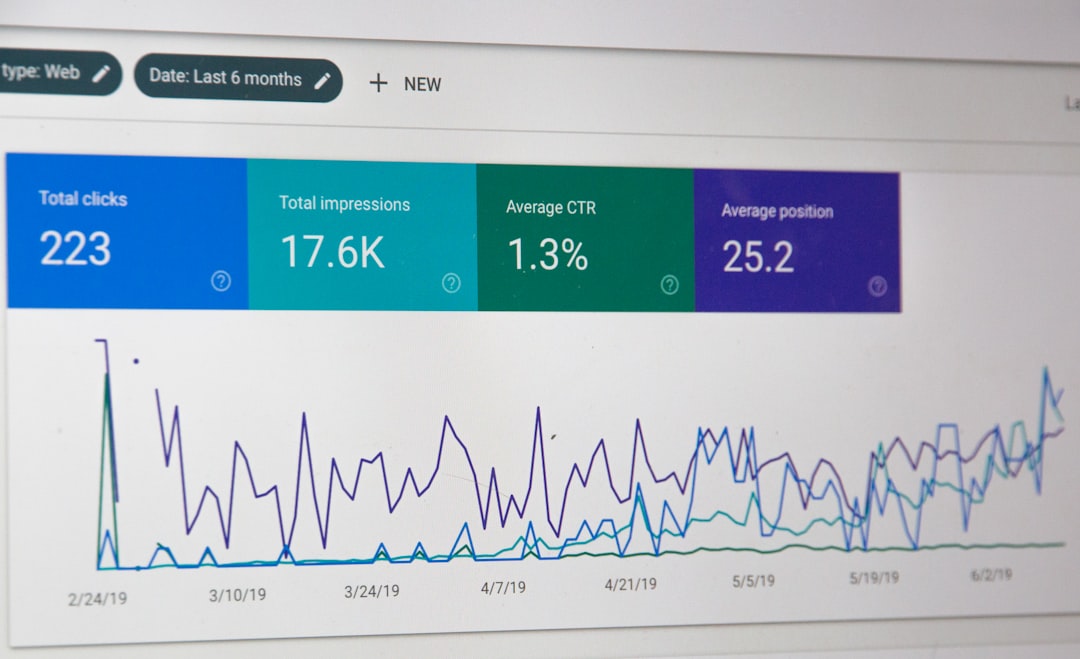
SEO requires regular monitoring to understand whether optimization activities are producing meaningful improvements. An SEO expert tracks important performance indicators such as organic traffic, keyword visibility, website conversions, search impressions, and customer inquiries. These measurements help determine which strategies are working and which areas need additional attention.
For example, a Georgia-based dental clinic may experience an increase in organic traffic after improving its service pages. However, if visitors are not contacting the clinic, the SEO professional may need to review page content, contact forms, mobile usability, and calls to action.
Regular performance reviews allow businesses to make informed decisions instead of relying on assumptions. SEO strategies should evolve as new opportunities appear, competitors change their approaches, and customer needs develop.
Local SEO Strategies for Georgia Small Businesses
Local SEO is one of the most valuable digital marketing strategies for small businesses that depend on customers in specific geographic areas. It focuses on improving visibility when people search for nearby products, services, or businesses. For companies operating in Georgia, local optimization can help connect their websites and business profiles with people searching in their communities.
Whether a company operates in Atlanta, Savannah, Columbus, Athens, Macon, or another Georgia location, local SEO can help communicate its services and operating areas. A strong local strategy includes accurate business information, relevant website content, customer reviews, and a consistent online presence.
Google Business Profile Optimization
Google Business Profile is an important platform for businesses that want to appear in Google’s local search experiences and Maps. It allows companies to display important information such as their business name, address, phone number, operating hours, website, services, and customer reviews.
An SEO expert helps businesses complete and optimize their profiles with accurate information. This may include selecting appropriate business categories, adding relevant services, uploading genuine photographs, updating operating hours, and responding to customer reviews. Consistent profile management helps customers understand what the business offers and how to contact it.
For example, a restaurant in Savannah can use its profile to share its location, menu information, operating hours, photographs, and customer feedback. A properly maintained profile makes it easier for potential customers to evaluate the restaurant before visiting.
Local Keyword Targeting
Local keyword targeting involves selecting search phrases that combine a business’s services with relevant geographic terms. These keywords help businesses reach customers looking for specific services in particular cities or communities. An SEO professional identifies relevant location-based phrases and incorporates them naturally into appropriate website pages.
For example, a Georgia-based plumbing company might target phrases such as:
Emergency plumber in Atlanta.
Residential plumbing services in Marietta.
Drain cleaning in Augusta.
Water heater repair in Columbus.
Commercial plumbing services in Savannah.
Businesses should focus on locations they genuinely serve and avoid creating unnecessary pages for places where they have no meaningful connection. Relevant content and accurate service information are more valuable than repeating city names throughout a website.
Business Directory Listings and Citations
Local citations are online mentions of a business’s important information, including its name, address, and phone number. These details may appear in business directories, industry platforms, local websites, and other relevant online resources. Accurate listings help customers find businesses and provide consistent information across the internet.
An SEO expert may review existing business listings to identify incorrect addresses, outdated telephone numbers, duplicate profiles, or inconsistent company names. Correcting these details helps create a more reliable online presence.
For a small Georgia accounting firm, maintaining accurate listings across relevant business directories can help potential clients find its contact details and understand its services. Businesses should prioritize reputable and relevant directories instead of submitting information to every available listing website.
Customer Reviews and Reputation Management
Customer reviews influence how potential customers evaluate a business before contacting or visiting it. Positive feedback can strengthen trust, while professional responses to negative reviews demonstrate that a company takes customer concerns seriously. Reviews can also provide useful information about customer expectations and areas where services may need improvement.
SEO professionals can help businesses develop ethical review management practices. This may include encouraging genuine customers to share their experiences, responding professionally to feedback, and monitoring online reputation across relevant platforms.
For example, a Georgia home cleaning company can encourage satisfied customers to leave honest reviews after completing a service. It should never purchase fake reviews or pressure customers into providing misleading feedback. Authentic customer experiences create a more trustworthy reputation and help potential clients make informed decisions.
Location-Specific Landing Pages
Location-specific landing pages provide information about a company’s services in different geographic areas. They are particularly useful for businesses that serve multiple cities or communities across Georgia. Each page should explain the services available in that location and provide information that is genuinely relevant to local customers.
For example, a landscaping company operating in Atlanta, Roswell, and Alpharetta may create separate pages describing its services in each area. These pages can include relevant project examples, service details, customer questions, and accurate contact information.
However, simply copying the same content and changing the city name does not create meaningful value. Every location page should offer useful information and clearly explain the company’s actual service coverage.
Local Link-Building Strategies
Local link building involves developing relationships with relevant organizations, publications, and businesses that may reference a company’s website. These connections can help improve brand awareness and create opportunities to earn valuable backlinks.
Small businesses in Georgia can explore partnerships with community organizations, local business associations, event organizers, and industry groups. A local restaurant might receive a website mention from an event organizer, while a construction company could earn recognition through a community improvement project.
The most effective local link-building strategies are based on genuine relationships and meaningful contributions. Businesses should focus on participating in relevant communities and creating information that other organizations have a legitimate reason to share.
Importance of Keyword Research for Georgia Businesses
Keyword research is a fundamental part of SEO because it helps businesses understand what their potential customers are searching for. Without proper research, a company may spend time optimizing pages for phrases that generate little relevant traffic or do not match its services. A professional SEO expert uses keyword research to connect business offerings with customer needs.
For small businesses in Georgia, keyword selection should consider geographic relevance, search intent, competition, and the likelihood of generating inquiries. A carefully selected keyword strategy helps organize website content and identify opportunities to reach customers at different stages of their purchasing journey.
Finding Relevant Business Keywords
Relevant keywords are search phrases that accurately represent a company’s products, services, and customer requirements. An SEO expert begins by understanding the business’s main offerings and identifying the words customers may use when looking for them.
For example, a Georgia-based pest control company may target searches related to termite treatment, rodent removal, mosquito control, and residential pest inspections. These keywords reflect specific services and help the company reach people looking for relevant solutions.
Keyword research tools, search suggestions, competitor websites, and customer questions can all provide useful keyword ideas. The final keyword list should prioritize relevance and business value rather than focusing exclusively on search volume.
Targeting Location-Based Search Phrases
Location-based keywords combine service-related terms with geographic information. They are particularly useful for businesses that depend on local customers and operate within specific service areas. These phrases help communicate the geographic relevance of a company’s products and services.
For example, a Georgia electrician may target searches such as electrical repair in Atlanta, residential electrician in Athens, or commercial electrical services in Macon. These phrases are more specific than general industry keywords and can attract visitors with clearer service requirements.
An effective local keyword strategy should also consider neighborhoods and surrounding communities when appropriate. Businesses should only target locations that align with their actual operations and customer service capabilities.
Understanding Long-Tail Keywords
Long-tail keywords are more specific search phrases that often contain several words. They usually describe a particular service, problem, product feature, or customer requirement. Although individual long-tail keywords may have lower search volumes, they can attract visitors with highly specific interests.
For example, instead of targeting only the broad phrase roofing services, a Georgia roofing company might target roof leak repair for residential homes in Atlanta. This phrase provides more information about the customer’s requirement and may help the business reach people searching for a particular solution.
Long-tail keywords are also useful for creating blog posts and frequently asked questions. A small business can develop content around common customer questions, making its website more helpful and informative.
Identifying High-Intent Customer Searches
High-intent keywords are search phrases that indicate a strong possibility that someone wants to purchase a product, book a service, or contact a business. These keywords are especially valuable for small businesses because they can connect website visitors with services they are actively considering.
Examples include affordable roof replacement in Georgia, emergency plumbing services in Atlanta, and professional cleaning services in Savannah. These searches suggest that users may be comparing providers or preparing to make a decision.
SEO experts prioritize high-intent keywords when optimizing important service and landing pages. They also create supporting informational content to reach people who are still researching their options.
Choosing Keywords Based on Competition and Business Goals
Not every popular keyword is a realistic or valuable target for a small business. Some search terms are extremely competitive, while others may attract visitors who are unlikely to become customers. Keyword selection should balance relevance, competition, search intent, and business objectives.
A small business in Georgia may achieve better results by targeting several specific local keywords instead of investing all its efforts in one broad and highly competitive phrase. For example, a local HVAC company could focus on air conditioner repair, heating installation, and seasonal maintenance within its actual service locations.
An experienced SEO expert evaluates keyword opportunities and develops a practical strategy based on available resources. This helps businesses focus their time and marketing budgets on search terms that support meaningful growth.
Creating SEO-Friendly Content That Attracts Customers
Content is one of the most important elements of a successful SEO strategy because it communicates a business’s knowledge, services, and value to potential customers. Search engines aim to provide useful results, so websites should publish information that addresses real questions and satisfies user needs. High-quality content can help businesses improve search visibility while building stronger relationships with their audiences.
For Georgia small businesses, content should reflect the needs of local customers and explain how the company can help solve their problems. An SEO expert develops a content strategy that combines service pages, educational articles, product information, and other useful resources.
Writing Helpful Website Content
Website content should explain what a business does, who it serves, and why customers may benefit from its products or services. Visitors should be able to understand important information without reading complicated or unnecessarily technical explanations.
For example, a Georgia-based roofing contractor should clearly explain its roof inspection, repair, replacement, and maintenance services. It can also describe the general process involved, common roofing concerns, and the factors customers should consider before choosing a contractor.
Content should be written naturally and organized into clear sections. Keywords should appear where they are relevant, but they should never interrupt readability or make the information sound unnatural.
Creating Informative Blog Posts
Blog posts allow small businesses to answer customer questions and cover topics related to their industries. They can attract visitors who are researching solutions and help companies demonstrate their knowledge. A consistent blogging strategy also creates opportunities to target relevant informational and long-tail keywords.
A Georgia landscaping company might publish articles about seasonal lawn maintenance, garden preparation, choosing suitable outdoor plants, and common landscaping problems. These topics can attract homeowners who are researching ways to maintain their properties.
Blog content should provide genuine value instead of simply repeating information available elsewhere. Original explanations, practical advice, relevant examples, and clear organization make articles more useful for readers.
Developing Service and Product Pages
Service and product pages are essential because they explain what a business offers and help customers understand their available options. Each important service should have a dedicated page when sufficient information exists to justify it. This allows businesses to target specific keywords and provide detailed information about individual offerings.
For example, a Georgia digital marketing company may develop separate pages for SEO services, website design, content marketing, and social media management. Each page should describe the service, its potential benefits, the business’s approach, and relevant customer questions.
Well-developed service pages should also include clear contact information and calls to action. Visitors who understand the offering should have an easy way to request a consultation, ask a question, or obtain a quote.
Using Keywords Naturally
Keywords help search engines understand the topics covered on website pages, but their use should always feel natural. Repeating the same phrase excessively can make content difficult to read and create a poor user experience. Search optimization should support the quality of the writing rather than replace it.
An SEO expert places relevant keywords in suitable locations, such as page titles, headings, introductory sections, and descriptive content. Related terms and natural variations can also help communicate the subject of a page without unnecessary repetition.
For example, a page about local plumbing services can naturally discuss pipe repairs, drain cleaning, water heater maintenance, and emergency plumbing assistance. These related topics provide useful context while making the page more comprehensive.
Optimizing Headings, Images, and Meta Descriptions
Headings, images, and meta descriptions help organize website information and communicate the purpose of individual pages. Clear headings make content easier to scan, while descriptive image information can improve accessibility and help search engines understand visual content.
Meta descriptions are short summaries that may appear beneath page titles in search results. Although they are not a direct ranking factor, a well-written description can encourage users to visit a website by explaining what they will find on the page.
An SEO expert ensures that important pages have descriptive titles, relevant headings, appropriate image alternative text, and useful meta descriptions. These improvements make website pages more understandable and appealing to potential visitors.
Publishing Locally Relevant Content
Locally relevant content helps businesses connect their services with the communities they serve. It can include regional guides, local customer questions, project examples, service-area information, and articles addressing location-specific needs.
For example, a Georgia pest control company could publish useful information about common seasonal pest concerns in the areas where it operates. A local real estate business might create educational content explaining important considerations for people purchasing homes in different Georgia communities.
Local content should be accurate and genuinely useful rather than created only to insert geographic keywords. Businesses that understand their customers’ local requirements can develop more relevant content and strengthen their connection with their communities.
Technical SEO Improvements That Matter
Technical SEO ensures that a website has the technical foundation needed for search engines and visitors to access its content effectively. Even informative website pages may struggle to perform well if important technical problems prevent search engines from discovering or indexing them. Small businesses should therefore consider technical optimization an essential part of their overall SEO strategy.
An SEO expert examines website performance, security, indexing, mobile usability, and navigation to identify problems that require attention. Improving these elements can support better website accessibility and create a more reliable experience for potential customers.
Improving Website Loading Speed
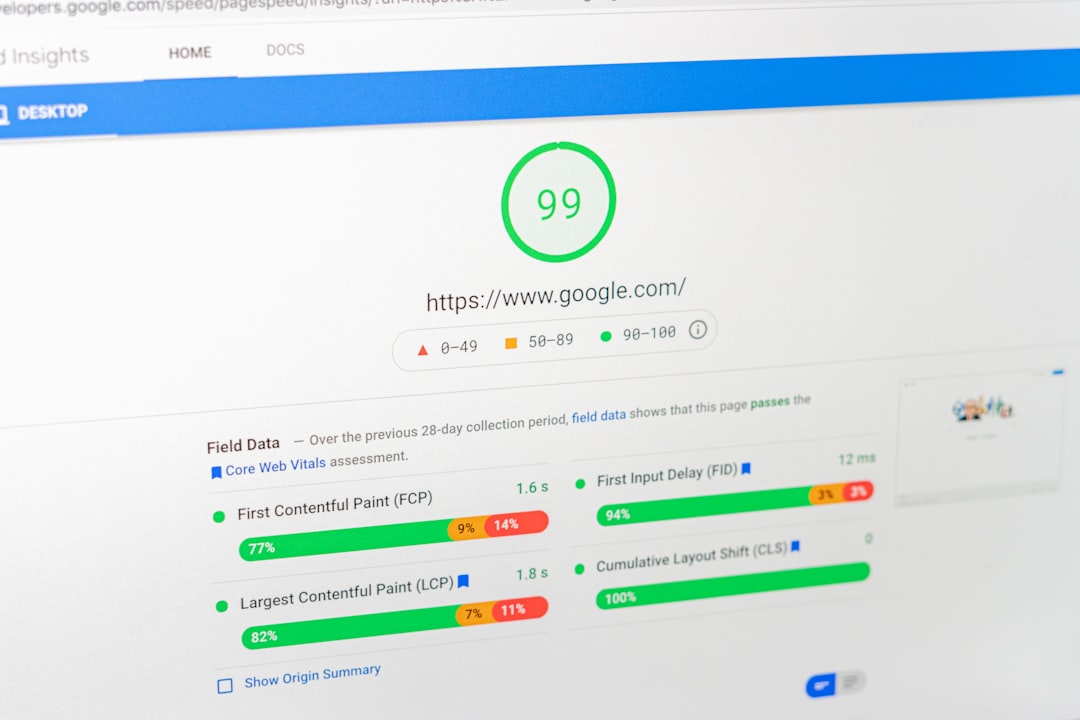
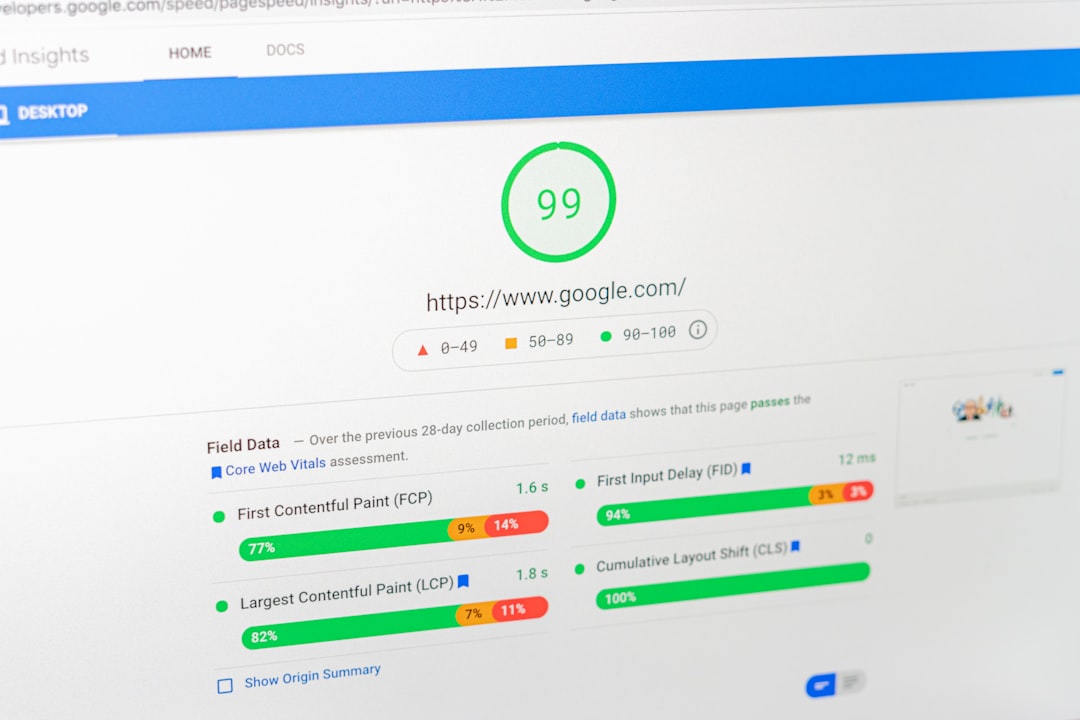
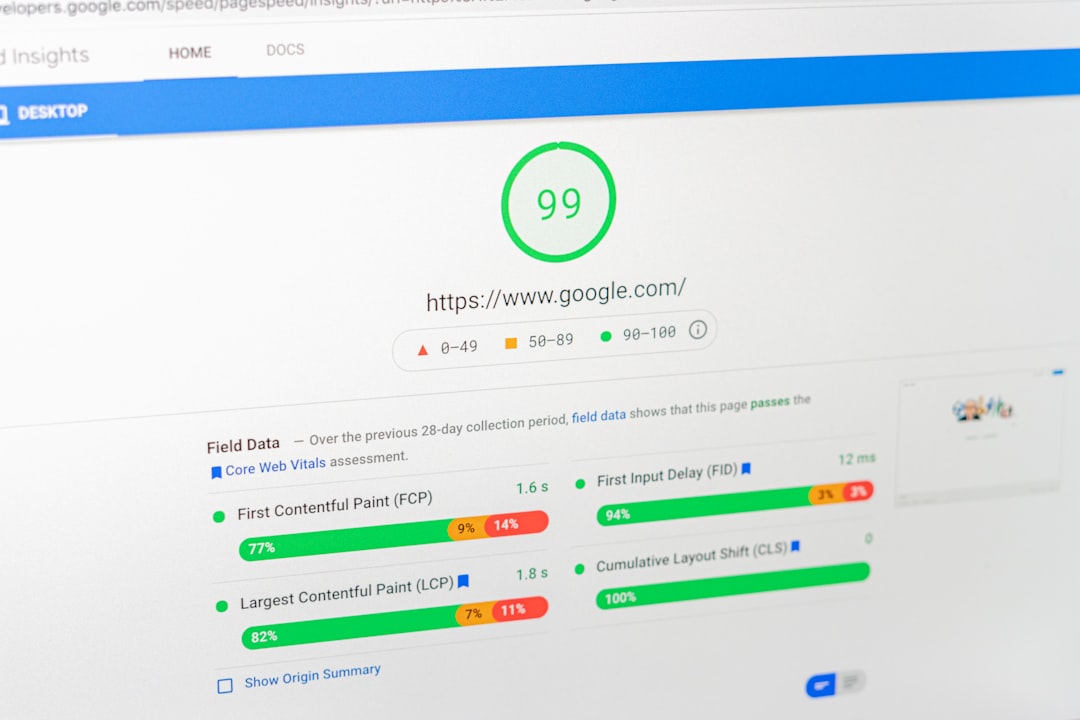
Website loading speed affects how quickly visitors can access information and interact with website pages. Slow websites can frustrate users, particularly those browsing on mobile devices or using slower internet connections. A faster website makes it easier for customers to explore services and complete important actions.
An SEO professional may improve loading speed by compressing images, reducing unnecessary scripts, enabling browser caching, and optimizing website resources. They may also evaluate hosting performance and identify elements that delay page rendering.
For example, a Georgia restaurant website containing large, uncompressed food photographs may take too long to load. Optimizing those images can improve performance while maintaining the visual quality of the website.
Mobile-Friendly Website Design
A mobile-friendly website adapts to different screen sizes and provides a comfortable browsing experience on smartphones and tablets. Visitors should be able to read information, navigate menus, view images, and contact a business without difficulty.
Small businesses should ensure that buttons are easy to tap, text remains readable, and important information does not become hidden on smaller screens. Contact forms should also be simple enough to complete without unnecessary steps.
For businesses serving local customers, mobile usability is particularly important because people often search for services while away from their computers. A professional SEO expert can identify mobile usability issues and recommend improvements that make the website easier to use.
Website Security and HTTPS
Website security protects information exchanged between a website and its visitors. HTTPS uses encryption to help secure communication and is an important part of maintaining a trustworthy online experience. Visitors are more likely to feel comfortable interacting with a website when it uses appropriate security measures.
An SEO expert checks whether the website has a valid SSL certificate and whether its pages load securely. They may also identify mixed-content problems, incorrect redirects, or security warnings that affect the browsing experience.
For small businesses that collect inquiries, customer details, or online payments, website security should be treated as a priority. Maintaining secure website connections helps protect visitors and supports a professional online presence.
Fixing Broken Links and Crawl Errors
Broken links occur when a website points to pages that no longer exist or cannot be accessed. These problems can frustrate visitors and make it harder for search engines to navigate website content. Crawl errors may also prevent search engines from accessing important pages.
An SEO professional checks internal and external links, reviews indexing reports, and identifies pages that require corrections. Solutions may include updating links, restoring missing pages, or setting up appropriate redirects when content has moved permanently.
For example, a Georgia retail business may have outdated links pointing to discontinued product pages. Fixing these links helps visitors find available products and improves the overall organization of the website.
Improving Website Indexing
Indexing is the process through which search engines store and organize information about web pages so they can potentially appear in search results. A page that has not been indexed generally cannot appear in Google’s organic search listings. Therefore, businesses should ensure that their important pages are accessible and eligible for indexing.
SEO experts review XML sitemaps, robots.txt settings, canonical tags, and indexing reports to identify potential problems. They also check whether important pages are accidentally blocked or marked with instructions that prevent indexing.
For a small Georgia business, proper indexing helps ensure that essential service pages, location pages, and useful articles can be discovered by search engines. Regular technical checks help identify problems before they affect a larger portion of the website.
Creating an Effective Website Structure
An effective website structure organizes information in a logical way so visitors can move easily between related pages. Important services should be easy to find, and supporting information should be connected through relevant internal links.
For example, a Georgia home improvement company can organize its website into main categories for roofing, remodeling, flooring, and exterior services. Each category can contain detailed service pages and supporting educational articles.
A clear website structure improves navigation and helps search engines understand how different pages relate to one another. It also allows visitors to discover additional services and useful information without becoming confused.
How Small Businesses Can Compete With Larger Companies Through SEO
Competing with established companies can be challenging for small businesses, especially when larger organizations have more marketing resources and stronger brand recognition. However, search engine optimization creates opportunities for smaller companies to target specific audiences and serve particular geographic markets. A focused SEO strategy can help a small business build visibility without needing to compete for every broad industry keyword.
The key is to understand what makes the business valuable and communicate that value through relevant website content. Instead of copying the strategies of larger competitors, small businesses should focus on their strengths, local knowledge, specialized services, and customer relationships.
Focusing on Specific Local Markets
Small businesses can compete effectively by targeting geographic areas where they have strong service capabilities. Rather than attempting to rank across an entire state immediately, they can prioritize the cities and communities that provide the greatest business opportunities.
For example, a family-owned plumbing company may focus on specific neighborhoods in Atlanta and surrounding communities. It can create relevant service pages, optimize its business profile, and develop content addressing common plumbing concerns in those areas.
This focused strategy helps the company reach customers who are more likely to use its services. It also allows the business to build local recognition gradually instead of spreading its marketing resources too widely.
Targeting Niche Keywords
Niche keywords are specific search phrases connected to particular services, products, or customer requirements. They can help small businesses reach audiences that may be overlooked by larger competitors targeting broad search terms.
For example, a small Georgia landscaping company might specialize in sustainable garden design, residential drainage solutions, or low-maintenance outdoor spaces. Targeting these specific services can help the business attract customers who need its particular expertise.
An SEO expert identifies niche opportunities by researching customer questions, competitor content, and industry search behavior. These opportunities can become the foundation for focused service pages and helpful blog articles.
Building Local Authority
Local authority develops when a business becomes recognized as a reliable and knowledgeable provider within its community. It can be supported through consistent business information, genuine customer reviews, useful content, relevant partnerships, and community involvement.
A small Georgia business can strengthen its reputation by participating in local events, supporting community organizations, and sharing helpful industry information. These activities can create opportunities for brand mentions and relevant website links.
Building authority takes time, but consistent effort can help smaller businesses become more recognizable in their markets. Customers are more likely to consider companies that demonstrate experience, professionalism, and a genuine understanding of their needs.
Creating Valuable and Relevant Content
Small businesses can use content to explain their expertise and answer questions that larger competitors may not address in detail. Informative articles, detailed service pages, practical guides, and frequently asked questions can help a website become a useful resource for potential customers.
For example, a small Georgia auto repair shop could publish articles explaining common vehicle maintenance problems, warning signs of brake issues, and the importance of regular inspections. This content can attract people researching automotive problems and introduce them to the shop’s services.
The most effective content is based on genuine knowledge and customer needs. Businesses should prioritize accuracy, originality, and usefulness rather than publishing articles simply to increase website size.
Developing Stronger Customer Relationships
Customer relationships can become a major advantage for small businesses. Unlike large organizations that may provide standardized experiences, smaller companies often have opportunities to offer more personal communication and attentive customer service.
SEO supports these relationships by helping potential customers discover a business and learn about its services. Clear website information, helpful resources, genuine testimonials, and accessible contact options can make the decision process easier.
For a Georgia small business, combining search visibility with excellent customer service can create a stronger overall reputation. Satisfied customers may return for additional services, recommend the company to others, and share authentic feedback that helps attract future customers.
Common SEO Mistakes Small Businesses Should Avoid
SEO can provide valuable opportunities, but certain mistakes may prevent businesses from achieving their marketing goals. Some companies focus too heavily on rankings while ignoring website quality, customer experience, and long-term strategy. Understanding common SEO mistakes helps small businesses avoid unnecessary expenses and develop more sustainable optimization practices.
Keyword Stuffing
Keyword stuffing happens when businesses repeat the same search phrase excessively in website content, headings, or metadata. This approach makes writing unnatural and reduces the usefulness of information for visitors. Search engines are designed to understand page topics without requiring repetitive keyword placement.
Businesses should use keywords naturally and focus on explaining their services clearly. Related phrases and relevant information can help provide context without making the content difficult to read.
Ignoring Local SEO
A business that depends on nearby customers should not overlook local search optimization. Without accurate business information, relevant location pages, and a properly maintained business profile, potential customers may struggle to discover the company.
Small businesses should ensure that their operating areas, contact details, services, and business hours are clearly communicated. Local SEO should be included in the broader marketing strategy rather than treated as an optional activity.
Publishing Low-Quality Content
Publishing large amounts of poorly researched or repetitive content does not automatically improve search rankings. Articles that provide little value may fail to attract visitors or answer customer questions effectively.
Businesses should prioritize useful information, original explanations, and accurate details. Every page should serve a clear purpose and contribute something meaningful to the website.
Using Poor-Quality Backlinks
Acquiring backlinks from spam websites or participating in manipulative link schemes can damage a website’s search performance. Some businesses make the mistake of purchasing large quantities of links because they believe more backlinks automatically mean better rankings.
A professional SEO strategy focuses on relevant, trustworthy links earned through genuine relationships and useful content. Quality and relevance should always take priority over artificial link-building numbers.
Neglecting Mobile Optimization
A website that works well on desktop computers but performs poorly on smartphones can lose potential customers. Small text, difficult navigation, slow loading times, and complicated contact forms can discourage visitors from continuing.
Businesses should regularly test their websites on different devices and resolve usability problems. A smooth mobile experience makes it easier for customers to access information and contact the company.
Expecting Instant SEO Results
SEO is a long-term marketing activity, and meaningful improvements generally require consistent effort. Businesses that expect immediate rankings may become disappointed or choose risky shortcuts that create future problems.
A realistic SEO strategy focuses on gradual progress through technical improvements, relevant content, local optimization, and performance monitoring. Patience and consistency are essential for building a sustainable online presence.
Failing to Monitor Website Performance
Some businesses invest in SEO but rarely check whether their strategies are producing useful results. Without regular monitoring, they may overlook technical problems, declining traffic, or pages that are failing to generate inquiries.
Businesses should review organic traffic, search visibility, conversions, and customer engagement regularly. Performance data helps identify opportunities and allows SEO strategies to be adjusted according to actual business results.
How to Choose the Right SEO Expert in Georgia
Choosing the right SEO expert is an important decision for any small business that wants to improve its online visibility. A suitable professional should understand the company’s goals, explain their approach clearly, and provide services that match its requirements. Businesses should evaluate experience, transparency, communication, and strategy before committing to an SEO provider.
Checking Experience and Expertise
Experience can help an SEO professional understand the challenges associated with different industries and business models. Small businesses should look for professionals who understand local SEO, keyword research, website optimization, and content development.
Ask potential providers about the types of projects they have handled and the strategies they typically use. Their answers should demonstrate practical knowledge rather than relying on complicated terminology or unrealistic promises.
Reviewing Previous SEO Projects
Previous projects can provide insight into an SEO expert’s working methods and professional capabilities. Businesses should ask for relevant case studies, examples of completed work, or explanations of how previous campaigns were managed.
When reviewing results, consider improvements in organic traffic, qualified leads, website performance, and local visibility. Rankings alone do not always demonstrate business success because a website can rank for keywords that generate little commercial value.
Understanding SEO Strategies and Techniques
A reliable SEO expert should be able to explain the main activities involved in a proposed campaign. This may include technical audits, keyword research, content optimization, local SEO, and ongoing performance monitoring.
Businesses should avoid providers who refuse to explain their methods or rely on secret strategies. A professional should be transparent about the work being performed and the reasons behind important recommendations.
Evaluating Communication and Reporting
Clear communication is essential for a successful working relationship. Businesses should understand who will manage their campaigns, how frequently updates will be provided, and which performance indicators will be reported.
Useful SEO reports should explain completed activities, important changes, progress toward goals, and areas that require further improvement. Reports should focus on meaningful business information rather than presenting confusing statistics without context.
Comparing SEO Service Packages
SEO packages can differ considerably in terms of services, pricing, and level of support. Some providers focus on local optimization, while others offer comprehensive campaigns that include technical SEO, content creation, and link building.
Small businesses should compare what each package actually includes before making a decision. A lower-priced package may not provide enough work to address the company’s needs, while an expensive package may include services that are unnecessary.
Recognizing Unrealistic Ranking Promises
No SEO expert can honestly guarantee a specific Google ranking within a fixed period. Search results depend on many factors, including competition, website quality, search intent, and algorithm changes.
Businesses should be cautious of providers promising instant first-page rankings or claiming to have special access to search engine algorithms. A trustworthy SEO professional explains realistic expectations, identifies potential risks, and focuses on sustainable improvements.

SEO Costs, Results, Business Growth, and Choosing the Right SEO Partner
How Much Does an SEO Expert Cost in Georgia?
The cost of hiring an SEO expert in Georgia depends on several factors, including the size of the business, website condition, industry competition, and the services required. Some small businesses need basic local SEO assistance, while others require comprehensive campaigns involving technical optimization, content development, keyword research, and link building. Understanding these differences helps business owners choose SEO services that match their budgets and marketing objectives.
SEO should be considered a long-term business investment rather than an expense that guarantees immediate results. A well-planned campaign can improve online visibility, attract relevant visitors, and create opportunities to generate more inquiries and sales. However, businesses should evaluate the quality of services and expected value instead of selecting an SEO provider based entirely on the lowest price.
Factors That Influence SEO Pricing
Several factors determine how much an SEO professional charges for their services. Every business has different requirements, so SEO pricing can vary considerably depending on the amount of work involved.
Important pricing factors include:
Website size: Websites with hundreds of pages generally require more optimization work than smaller websites.
Industry competition: Businesses operating in highly competitive industries may require more extensive SEO campaigns.
Target locations: Companies targeting several Georgia cities may need additional location pages and local optimization.
Website condition: Websites with technical errors, poor content, or outdated structures may require significant improvements.
Content requirements: Regular blog writing, service page development, and content optimization can increase campaign costs.
Link-building requirements: Developing relevant and trustworthy backlinks requires research, outreach, and relationship building.
Campaign duration: Ongoing SEO management generally involves more work than a one-time website audit.
A small business should discuss its specific requirements with an SEO expert before choosing a package. This helps ensure that the proposed services address actual business needs instead of including unnecessary activities.
Monthly SEO Packages
Monthly SEO packages are common among businesses that want continuous optimization and performance monitoring. These packages may include keyword research, website updates, content optimization, local SEO, technical improvements, and monthly reporting. The exact services depend on the provider and the business’s requirements.
For a small Georgia business, a basic package may focus on improving local visibility and optimizing essential website pages. A more comprehensive package may include regular content development, competitor analysis, link-building activities, and technical SEO management.
The following table provides illustrative budgeting ranges for small businesses. These figures are general planning estimates, not verified market quotations or fixed prices charged by Georgia SEO providers.
| SEO Service Level | Estimated Monthly Cost | Suitable For |
|---|---|---|
| Basic Local SEO | $300 to $750 | Small local businesses |
| Standard SEO | $750 to $1,500 | Growing small businesses |
| Comprehensive SEO | $1,500 to $3,000 | Competitive local businesses |
| Advanced SEO Campaign | $3,000 to $5,000+ | Businesses with broader growth goals |
Businesses should carefully review what each package includes. A professional provider should explain the expected workload, deliverables, reporting schedule, and areas of responsibility before starting the campaign.
Hourly SEO Consulting
Hourly SEO consulting is another option for businesses that need professional advice without committing to a complete monthly campaign. An SEO consultant may help identify website problems, review keyword opportunities, explain optimization techniques, or provide recommendations for improving search performance.
This option can be useful for small business owners who already manage some SEO activities internally but need expert guidance for specific challenges. For example, a Georgia retailer may hire a consultant to review its website structure and recommend improvements to product pages.
Hourly consulting can also help businesses understand SEO priorities before investing in a larger campaign. However, companies should clarify the consultant’s experience, hourly rate, and expected deliverables before scheduling ongoing sessions.
One-Time SEO Audits
A one-time SEO audit is suitable for businesses that want to understand their website’s current condition. It provides an overview of technical issues, keyword opportunities, content weaknesses, indexing problems, and other areas that may affect organic search performance.
An audit can help a small Georgia business identify why its website is receiving limited traffic or struggling to appear for relevant searches. The resulting recommendations can guide future improvements, whether the company implements them independently or hires an SEO professional.
However, an audit alone does not guarantee ranking improvements. Businesses must take action on the recommendations and continue monitoring their websites to achieve meaningful results.
Freelance SEO Experts vs. SEO Agencies
Freelance SEO experts and SEO agencies offer different advantages depending on a business’s requirements. Freelancers may provide more direct communication and flexible service arrangements, making them suitable for businesses with limited budgets or focused SEO needs.
SEO agencies generally offer access to multiple specialists who can manage different aspects of a campaign. This can be beneficial for companies requiring technical SEO, content production, local optimization, and broader digital marketing support.
The best option depends on the complexity of the project, available budget, and level of support required. Small businesses should compare experience, service quality, communication, and deliverables before selecting a provider.
Choosing SEO Services According to Your Budget
Small businesses do not need to purchase every available SEO service immediately. Instead, they should identify the improvements that are most important for their current website and business objectives.
A new business may begin with keyword research, basic technical improvements, Google Business Profile optimization, and essential service pages. As the company grows, it can expand its strategy through regular content development, local link building, and more advanced optimization.
Setting realistic priorities helps businesses manage their marketing budgets effectively. A good SEO expert will recommend services according to business needs rather than pressuring clients into purchasing expensive packages.
How Long Does SEO Take to Show Results?
SEO requires time because search engines need to discover, crawl, evaluate, and index website content. Businesses should not expect every optimization activity to produce immediate ranking improvements. The time required depends on factors such as website history, competition, technical condition, content quality, and the effectiveness of the SEO strategy.
For a small business in Georgia, early improvements may appear within a few months, while stronger and more consistent results can take longer. New websites generally need more time to establish visibility than established websites with existing content and authority. Businesses should approach SEO with realistic expectations and focus on steady progress.
Understanding the SEO Timeline
An SEO campaign usually develops through several stages. The first stage involves researching the business, auditing the website, identifying keywords, and creating an optimization plan. The next stage focuses on implementing improvements across technical elements, website content, and local search profiles.
During the following months, search engines may begin reflecting these improvements in their results. Some pages may gain impressions and clicks before others, depending on their relevance and competition. Continuous optimization is necessary to strengthen performance and address any new issues.
A general planning timeline may look like this:
| SEO Period | Main Activities | Expected Progress |
|---|---|---|
| First Month | Website audit, keyword research, and strategy | Problems and opportunities identified |
| Months 2 to 3 | Technical improvements and content optimization | Initial search visibility changes |
| Months 3 to 6 | Local SEO, content development, and link building | Potential growth in impressions and traffic |
| Months 6 to 9 | Performance analysis and further optimization | More consistent progress may develop |
| Months 9 to 12 | Continued improvements and strategy refinement | Stronger organic performance may emerge |
This timeline is only a general guide. Some businesses may see improvements sooner, while others may need more time because of strong competition or significant website problems.
Factors Affecting Ranking Improvements
Several factors influence how quickly a website can improve its search visibility. Website age and history, industry competition, content quality, technical performance, and the strength of existing online signals can all affect the process.
For example, a small cleaning company in a less competitive Georgia community may have different SEO challenges than a law firm competing for high-value searches in Atlanta. The cleaning company may find more opportunities through focused local keywords, while the law firm may need a more comprehensive and sustained strategy.
Consistency also matters. Businesses that regularly improve their website, publish useful information, and maintain accurate business listings can create a stronger foundation for long-term SEO performance.
Short-Term vs. Long-Term SEO Goals
Short-term SEO goals usually focus on fixing immediate website problems and improving essential optimization elements. These activities may include correcting broken links, updating page titles, improving mobile usability, and optimizing important service pages.
Long-term goals focus on building website authority, expanding content coverage, improving competitive keyword visibility, and generating consistent organic leads. These objectives require continuous work and regular performance evaluation.
Small businesses should establish both types of goals. Early technical improvements can create a better foundation, while long-term activities help the company strengthen its online presence and compete more effectively.
Measuring Progress and Business Growth
SEO progress should be measured using meaningful indicators rather than relying on individual keyword rankings alone. A website may improve its visibility without immediately generating additional sales, so businesses should evaluate traffic quality and customer actions.
Useful performance indicators include organic website visits, search impressions, clicks, keyword visibility, phone calls, contact form submissions, and completed purchases. Reviewing these measurements helps business owners understand whether their SEO campaigns are supporting their objectives.
For example, a Georgia plumbing company may notice an increase in organic visitors after optimizing its emergency repair pages. If more visitors begin requesting service estimates, the campaign may be contributing to meaningful business growth.
Why Consistency Is Important
Search engine optimization is not something businesses can complete once and ignore. Competitors continue publishing content, search engine systems change, and customer search behavior develops over time. Regular website maintenance and optimization help businesses respond to these changes.
A consistent SEO strategy may involve updating outdated articles, improving service pages, checking technical performance, monitoring customer reviews, and identifying new keyword opportunities. These activities help maintain the usefulness and accuracy of the website.
Small businesses that approach SEO as an ongoing marketing investment are better positioned to adapt to changing search conditions. Consistent improvements can support stronger visibility and more reliable opportunities for customer acquisition.
Benefits of Hiring a Professional SEO Expert
Hiring a professional SEO expert can help small businesses manage the technical and strategic challenges of improving their online presence. SEO involves research, analysis, website optimization, content development, and continuous performance monitoring. An experienced professional can coordinate these activities and help businesses focus on the improvements that support their objectives.
For small businesses in Georgia, professional SEO assistance can be especially useful when internal resources are limited. Instead of spending valuable time trying to understand every aspect of search engine optimization, business owners can work with specialists who understand the process and can develop a practical strategy.
Better Search Engine Visibility
One of the main benefits of professional SEO services is improved opportunities for appearing in relevant search results. An SEO expert identifies keywords that match the business’s services and develops optimization strategies around those searches.
This may involve improving website content, developing location-specific pages, fixing technical problems, and strengthening internal links. These activities help search engines understand what a business offers and which searches are relevant to its website.
For example, a Georgia-based home renovation company may improve its visibility for searches related to kitchen remodeling, bathroom renovations, and home improvement services. Better search visibility can help more potential customers discover the business.
Increased Website Traffic
Professional SEO can help businesses attract visitors who are searching for relevant products and services. By targeting appropriate keywords and improving website content, an SEO expert can create more opportunities for potential customers to discover the company through organic search.
The quality of website traffic is more important than simply increasing visitor numbers. Businesses should focus on attracting people who are genuinely interested in their services and likely to take meaningful actions.
For example, a local accounting firm may benefit more from attracting business owners searching for small business bookkeeping services than from receiving large amounts of unrelated website traffic. Relevant visitors create better opportunities for inquiries and consultations.
More Qualified Leads
Qualified leads are potential customers who have a genuine interest in a company’s products or services. SEO helps businesses reach these audiences by connecting website content with specific customer searches.
An SEO expert can optimize service pages around high-intent keywords and improve the information available to potential customers. Clear service descriptions, useful customer information, and accessible contact options can encourage interested visitors to make inquiries.
A small Georgia roofing company, for example, may attract homeowners searching for roof inspections, storm damage repairs, or replacement estimates. These visitors may be more likely to become customers because their searches reflect specific service requirements.
Improved Local Brand Awareness
Local SEO helps businesses become more recognizable within the communities they serve. When a company appears in relevant local search results and maintains accurate online information, more potential customers have opportunities to discover its brand.
An SEO expert can improve local visibility through business profile optimization, location-based content, customer review management, and relevant local citations. These activities help communicate the business’s identity, services, and geographic coverage.
For small businesses in Georgia, stronger local brand awareness can support customer recognition and encourage more people to consider the company when they need its services.
Higher Customer Trust
Customers often research a business online before making a purchasing decision. A professional website with helpful content, accurate contact details, clear service information, and genuine customer reviews can create a positive first impression.
SEO supports this process by improving the accessibility and organization of important information. An expert can help businesses develop informative pages that answer customer questions and demonstrate their knowledge.
Trust is especially important for service-based companies because customers may need to share personal information, schedule appointments, or make significant financial decisions. A reliable online presence helps customers feel more confident when evaluating available providers.
Better Return on Marketing Investment
SEO can become a valuable part of a business’s marketing strategy because organic visibility may continue generating traffic after individual optimization activities are completed. Unlike paid advertising, organic search listings do not require payment for every click.
However, SEO still involves expenses such as professional services, content development, website maintenance, and optimization tools. Businesses should evaluate these costs against the leads, sales, and customer value generated by their campaigns.
A professional SEO expert helps identify opportunities to improve campaign efficiency and focus resources on activities that support business goals. Measuring conversions and customer acquisition costs makes it easier to evaluate the financial value of SEO.
Long-Term Online Business Growth
A successful SEO strategy can help establish a stronger digital foundation for future business development. As a website expands its content, improves its technical performance, and earns relevant recognition, it may become more competitive for a wider range of searches.
For example, a small Georgia retail business may begin by optimizing its main product categories. Over time, it can expand into educational content, additional product pages, and location-specific information that attracts different customer segments.
Long-term SEO growth requires regular maintenance and adaptation. Businesses that continue investing in useful content, website improvements, and customer experience can create more opportunities for sustainable online visibility.
How to Measure the Success of Your SEO Campaign
Measuring SEO performance helps businesses understand whether their optimization activities are producing meaningful results. Rankings are useful indicators, but they do not provide a complete picture of campaign success. Small businesses should evaluate website traffic, customer engagement, leads, and revenue-related outcomes.
An SEO expert uses performance data to identify strengths and weaknesses within a campaign. Regular reporting helps business owners understand what is improving, which pages are performing well, and where additional work may be necessary.
Organic Website Traffic
Organic traffic measures the number of visitors who reach a website through unpaid search engine results. It is an important indicator of whether a website is attracting visitors through search visibility.
Businesses should monitor overall organic traffic as well as traffic to important service and product pages. An increase in relevant visitors may indicate that keyword targeting and content optimization are improving.
However, traffic should always be evaluated alongside engagement and conversions. More visitors do not automatically mean more customers, particularly when the website attracts searches unrelated to its services.
Keyword Ranking Improvements
Keyword rankings show where website pages appear in search results for particular search phrases. Monitoring relevant keywords can help businesses understand whether their optimization efforts are improving search visibility.
For example, a Georgia HVAC company may track its visibility for air conditioning repair, heating installation, and furnace maintenance searches in its target locations. Reviewing these terms over time can help identify opportunities and areas where competitors are performing better.
Rankings can vary according to location, device, and search context. Therefore, businesses should avoid treating a single ranking position as the only measure of SEO success.
Local Search Visibility
Local search visibility measures how easily potential customers can discover a business through geographically relevant searches. This may include visibility in map results, local business listings, and location-related organic search results.
A small Georgia restaurant can monitor customer interactions with its Google Business Profile, including website visits, calls, and direction requests. These measurements provide useful information about how people discover and interact with the business.
Improving local visibility requires accurate business details, relevant services, authentic reviews, and consistent website information. Businesses should review these elements regularly to maintain a reliable local presence.
Website Conversions and Leads
Conversions are actions that visitors complete after reaching a website. These actions may include submitting a contact form, requesting a quote, making a purchase, scheduling an appointment, or calling a business.
Tracking conversions helps companies determine whether organic traffic is contributing to actual business opportunities. A Georgia cleaning company, for example, can monitor how many visitors request estimates through its website after arriving from search results.
An SEO expert may recommend improving calls to action, simplifying contact forms, or making important service information more visible. These changes can help turn relevant website visitors into potential customers.
Click-Through Rates
Click-through rate measures the percentage of people who click on a website listing after seeing it in search results. It helps businesses understand whether their page titles and search descriptions encourage users to visit their websites.
For example, a page may receive many search impressions but relatively few clicks. This could indicate that the page title does not communicate its value clearly or that the description does not match what users expect.
SEO professionals review page titles, meta descriptions, and search intent to identify possible improvements. Better search presentation can encourage more relevant visitors to explore the website.
Customer Acquisition and Return on Investment
Customer acquisition measures the effort and cost required to gain new customers. Businesses can evaluate SEO’s contribution by comparing campaign expenses with the value of customers generated through organic search.
For example, a Georgia landscaping company may invest in monthly SEO services and receive several qualified inquiries through its website. By tracking which inquiries become paying customers, the company can estimate the financial contribution of its SEO campaign.
Return on investment should consider more than website traffic or keyword rankings. Businesses should evaluate actual revenue, customer lifetime value, lead quality, and the total cost of maintaining their SEO campaigns.
SEO Trends Georgia Small Businesses Should Understand
Search engine optimization continues to evolve as technology, customer expectations, and search behavior change. Small businesses should understand important developments so they can maintain effective digital marketing strategies. An SEO expert helps companies identify which trends are relevant to their industries and how they can adapt without following every new development blindly.
Artificial Intelligence and Search
Artificial intelligence is changing how people discover information online. Search experiences increasingly use AI-powered systems to summarize information, answer questions, and help users explore different topics.
Small businesses should focus on creating clear, accurate, and genuinely helpful content that addresses customer needs. Well-organized information, relevant expertise, and useful explanations can help websites provide value across different search experiences.
For Georgia businesses, this means developing content that answers practical questions about products, services, pricing factors, and local customer requirements. Businesses should prioritize useful information rather than publishing large quantities of generic AI-generated articles.
Voice Search Optimization
Voice search allows users to search for information by speaking instead of typing. People may use voice assistants to find nearby restaurants, service providers, business hours, and answers to everyday questions.
Voice searches are often conversational and may contain complete questions. Small businesses can prepare for these searches by including natural-language headings, helpful frequently asked questions, and clear business information.
For example, a customer might ask where to find an emergency electrician in Atlanta. A local business with accurate service information and relevant website content may have a better opportunity to appear in appropriate search experiences.
Mobile-First Indexing
Mobile-first indexing means Google primarily uses the mobile version of a website for indexing and evaluation. This makes mobile website quality an essential consideration for businesses that want to maintain strong search visibility.
Small businesses should ensure that their mobile websites contain the same important information as their desktop versions. Navigation, images, headings, and content should display correctly across different devices.
A Georgia business should also test its mobile contact forms and important customer actions. A website that is easy to use on smartphones can provide a better experience for people searching for services while away from their computers.
User Experience and Search Intent
User experience refers to how easily people can interact with a website and find the information they need. Search intent focuses on understanding why someone performs a particular search and what type of information they expect to receive.
Businesses should create pages that directly address customer requirements and make important information easy to access. Clear navigation, readable content, useful images, and simple contact options can improve the overall experience.
For example, someone searching for roof repair costs should find informative content explaining the factors that influence pricing rather than a page filled with unrelated promotional messages. Matching content with search intent helps create a more useful website.
Helpful Content and Topical Authority
Topical authority develops when a website consistently covers relevant subjects with useful and well-organized information. Businesses can strengthen their subject coverage by publishing related articles, detailed service pages, and educational resources.
A Georgia landscaping business, for example, might create content about lawn maintenance, garden design, drainage, seasonal planting, and outdoor property improvements. These related topics help visitors explore different aspects of the company’s expertise.
The objective should be to build a genuinely useful collection of resources rather than publishing repetitive articles. Accuracy, originality, and relevance should remain central to the content strategy.
Local Search and Map Visibility
Local search continues to play an important role in helping customers discover businesses within their communities. People frequently use search engines and map services to compare nearby companies, check operating hours, read reviews, and find directions.
Small businesses should maintain accurate business profiles and ensure that their websites communicate their services and locations clearly. Encouraging genuine customer feedback and responding professionally can also strengthen their online reputation.
For Georgia companies, local search optimization can create opportunities to connect with customers in specific cities and surrounding communities. A consistent local presence helps businesses become easier to discover when people need nearby products or services.
DIY SEO vs. Hiring a Professional SEO Expert
Small business owners sometimes consider managing SEO independently to reduce marketing expenses. This can be a reasonable option for companies with limited websites and enough time to learn basic optimization practices. However, SEO involves several technical and strategic activities that may become difficult to manage without professional experience.
The decision between DIY SEO and hiring an expert depends on the company’s budget, available time, website complexity, and growth objectives.
Advantages of Managing SEO Independently
Managing SEO independently allows business owners to maintain direct control over their website and marketing activities. They can update basic content, improve page titles, maintain business information, and publish articles without paying for continuous professional assistance.
DIY SEO can also help business owners understand how customers search for their products and services. Learning basic keyword research, content organization, and website analytics can improve their overall digital marketing knowledge.
However, independent optimization requires regular learning and practical implementation. Business owners should be realistic about the amount of time they can dedicate to SEO while managing their daily operations.
Challenges of DIY SEO
SEO involves technical details that may be difficult for beginners to understand. Website indexing, canonical tags, structured data, crawl errors, and website architecture require more specialized knowledge than basic content updates.
Another challenge is keeping up with changing search behavior and industry developments. Business owners who manage every SEO activity independently may struggle to balance research, content creation, technical maintenance, and customer service.
Mistakes can also waste time and limit website performance. Businesses should understand their capabilities and recognize when professional assistance may be more efficient.
Benefits of Professional SEO Assistance
Hiring an SEO expert provides access to specialized knowledge and experience. A professional can analyze a website, identify important issues, develop an optimization plan, and monitor performance over time.
This support can help business owners focus on their main responsibilities while SEO activities are managed by someone familiar with search engine optimization. Professional assistance may be especially useful for competitive industries or businesses targeting multiple locations.
An experienced SEO expert can also help prioritize improvements according to business objectives. This reduces the likelihood of spending resources on activities that provide little value.
When Small Businesses Should Hire an Expert
Small businesses should consider professional SEO assistance when their websites receive limited organic traffic, struggle to generate inquiries, or face significant technical problems. Companies expanding into new Georgia markets may also benefit from expert guidance when developing location-specific SEO strategies.
Hiring an expert can be valuable when business owners lack the time or technical knowledge to manage ongoing optimization. It may also be useful when previous SEO efforts have failed to produce meaningful improvements.
Before hiring someone, businesses should define their objectives and understand which services they need. This makes it easier to select a provider who can offer practical support and realistic expectations.
Choosing the Right Approach for Your Business
There is no single SEO management approach that works for every small business. Some companies can handle basic optimization independently, while others require professional assistance to manage more complex campaigns.
A business may also choose a combination of both approaches. For example, the owner can manage routine website updates and customer information while an SEO expert handles technical audits, keyword strategy, and campaign monitoring.
The most important consideration is choosing an approach that supports consistent optimization without creating unnecessary financial or operational pressure.
Building a Long-Term SEO Strategy for Your Georgia Business
A long-term SEO strategy gives small businesses a clear direction for improving their search visibility and attracting relevant customers. Rather than focusing on temporary ranking improvements, it combines technical maintenance, content development, local optimization, and performance analysis.
Georgia businesses should develop strategies according to their industries, target locations, customer requirements, and available resources. A consistent approach helps companies adapt to changing market conditions and maintain a stronger online presence.
Setting Realistic SEO Goals
Every successful SEO campaign should begin with clear and measurable objectives. Businesses should determine whether their primary goal is to increase local visibility, generate more inquiries, improve website traffic, or expand into additional service areas.
For example, a small Georgia construction company may want to increase qualified quote requests from customers in its main service locations. Its SEO strategy can then focus on relevant service keywords, location pages, and website conversion improvements.
Goals should be specific enough to measure progress and realistic enough to achieve with available resources. Regular reviews allow businesses to adjust their strategies as their requirements change.
Developing a Consistent Content Plan
A content plan helps businesses publish relevant information regularly instead of creating articles without a clear purpose. It should include service pages, educational blog posts, frequently asked questions, and other resources that address customer needs.
A Georgia healthcare provider, for example, may develop educational articles about its services, common patient questions, and general health topics appropriate to its professional expertise. Content should be accurate and reviewed carefully, particularly in industries where incorrect information could affect important decisions.
Businesses should prioritize content quality and relevance rather than publishing as frequently as possible. A smaller collection of useful resources can provide more value than a large collection of repetitive articles.
Monitoring Competitors
Competitor monitoring helps businesses understand how other companies are positioning themselves in search results. SEO professionals review competing websites, service pages, content topics, and keyword visibility to identify opportunities.
A small business in Atlanta may discover that competitors have detailed pages covering services that its own website does not explain properly. This information can help identify areas where additional content or website improvements may be beneficial.
Competitor analysis should be used to identify opportunities, not simply copy another company’s strategy. Every business should develop an approach that reflects its own services, expertise, and customer requirements.
Updating Existing Website Content
Website content can become outdated as services, prices, business details, and customer requirements change. Regular content reviews help ensure that important pages remain accurate and useful.
An SEO expert may update outdated articles, improve incomplete service descriptions, replace incorrect information, and add answers to newly common customer questions. These changes can improve the overall usefulness of a website.
For a Georgia home services company, updating seasonal maintenance guides and service information can help keep its content relevant. Businesses should review important pages periodically rather than assuming that published content will remain accurate forever.
Improving Customer Experience
Customer experience should remain a central part of every SEO strategy. Visitors should be able to understand a business’s services, find relevant information, and contact the company without unnecessary difficulty.
Small businesses can improve customer experience through simple navigation, clear service descriptions, fast-loading pages, accessible contact information, and mobile-friendly design. These improvements make websites more useful for both new and returning visitors.
For example, a Georgia restaurant should make its menu, location, operating hours, and reservation information easy to find. A professional service provider should clearly explain its services and provide a straightforward way for potential customers to request assistance.
Adapting Strategies to Search Engine Changes
Search engine systems and customer search habits continue to evolve. Businesses should remain informed about relevant developments and review their SEO strategies when important changes occur.
An SEO expert can help identify which developments require action and which trends are unlikely to have a meaningful effect on the business. This prevents companies from making unnecessary website changes every time a new SEO trend appears.
The strongest long-term strategies remain focused on useful content, technical reliability, relevant information, and customer satisfaction. Businesses that maintain these fundamentals can adapt more effectively to changes in the digital environment.
Why Choose DealMate
Choosing the right SEO partner can make a meaningful difference in how a small business develops its online presence. DealMate understands the importance of building digital visibility through practical strategies that align with business objectives. For small businesses in Georgia, having a focused approach to search engine optimization can create better opportunities to reach relevant audiences and strengthen their online reputation.
DealMate emphasizes the importance of understanding individual business requirements before developing an SEO strategy. Every company has different services, customers, competitors, and growth priorities, so optimization should not follow a generic approach. A business-focused strategy helps identify the improvements that are most relevant to its website and target market.
Professional SEO Support for Small Businesses
Small businesses often have limited time and resources to manage every aspect of digital marketing. DealMate focuses on helping businesses understand the importance of search visibility and the activities required to strengthen their websites. Professional SEO support can make the optimization process more organized and manageable.
From website improvements to content planning, a structured approach helps businesses address important SEO requirements. This allows business owners to focus on delivering quality products and services while working toward stronger online visibility.
Customized SEO Strategies
Every business operates in a different market and serves a different audience. DealMate recognizes the importance of developing strategies based on individual business goals rather than applying the same techniques to every website.
A customized strategy may include keyword research, technical improvements, local SEO, content optimization, and competitor analysis. The specific combination depends on the business’s current website condition and marketing requirements.
This approach helps ensure that SEO activities remain relevant to the company’s services and target customers. Businesses can prioritize important improvements while building a foundation for future growth.
Focus on Local Search Visibility
Local search visibility is particularly important for businesses that depend on customers in specific communities. DealMate recognizes the value of location-based optimization and the role it plays in helping customers discover nearby service providers.
Businesses can benefit from strategies that improve local website content, business information, service-area pages, and online reputation. These activities help communicate where a company operates and what it offers.
For small businesses serving Georgia communities, a focused local SEO strategy can create opportunities to connect with customers searching for relevant services in their areas.
Data-Driven Optimization
Effective SEO requires regular analysis and informed decision-making. DealMate emphasizes the importance of understanding website performance and identifying areas that require improvement.
Monitoring organic traffic, keyword visibility, website engagement, and conversions helps businesses evaluate their progress. Performance information also provides useful guidance for adjusting strategies and prioritizing future optimization activities.
A data-driven approach allows businesses to focus on measurable objectives instead of relying on assumptions. This supports better planning and more informed marketing decisions.
Transparent Communication and Reporting
A successful SEO partnership requires clear communication and realistic expectations. Businesses should understand what work is being performed, why certain improvements are recommended, and how campaign performance is evaluated.
DealMate values the importance of keeping SEO activities understandable and aligned with business goals. Clear reporting helps business owners review progress and identify opportunities for additional improvements.
Transparency also supports a stronger working relationship because businesses can make decisions based on relevant information rather than confusing technical explanations.
Long-Term Business Growth Approach
SEO should support more than short-term website ranking improvements. It should help businesses develop a stronger online presence, attract relevant visitors, and create opportunities for consistent customer acquisition.
DealMate focuses on the importance of sustainable optimization through useful content, website improvements, local visibility, and ongoing performance evaluation. These activities can help small businesses strengthen their digital foundations over time.
For Georgia businesses looking to improve their online presence, a structured SEO approach can become an important part of their long-term marketing plans. Investing in the right optimization activities helps create opportunities for stronger visibility and business development.
Frequently Asked Questions About SEO Experts in Georgia
What Does an SEO Expert Do for a Small Business in Georgia?
An SEO expert helps a small business improve its visibility in search engine results and attract relevant website visitors. They perform keyword research, optimize website content, improve technical performance, and develop local SEO strategies. They may also monitor competitors and track important website performance indicators. Their overall goal is to help the business reach potential customers and generate more online opportunities.
Why Is SEO Important for Georgia Small Businesses?
SEO helps Georgia small businesses become easier to discover when potential customers search for relevant products and services. It creates opportunities to attract organic traffic without relying entirely on paid advertising. Local SEO can also help businesses reach customers in specific cities and communities. Consistent optimization supports brand awareness, customer trust, and long-term online growth.
How Much Does It Cost to Hire an SEO Expert in Georgia?
The cost of hiring an SEO expert depends on the website’s size, industry competition, and required services. Basic local SEO packages may cost a few hundred dollars per month, while comprehensive campaigns can cost several thousand dollars. One-time audits and hourly consulting are also available for businesses with specific requirements. Companies should compare service quality, deliverables, and experience before selecting an SEO provider.
How Long Does It Take to Rank a Website on Google?
SEO results depend on website quality, competition, content relevance, and the effectiveness of the optimization strategy. Some websites may experience early improvements within a few months, while stronger results can take six months or longer. New websites often require additional time to establish search visibility. Consistent optimization and performance monitoring are important for achieving sustainable progress.
Can SEO Help a Small Business Compete With Larger Companies?
Yes, SEO can help small businesses compete by focusing on specific locations, specialized services, and relevant customer searches. Smaller companies can target niche keywords that larger competitors may overlook. They can also strengthen local visibility through helpful content, genuine reviews, and accurate business information. A focused strategy can create valuable opportunities without requiring the same marketing budget as a large organization.
What Is the Difference Between Local SEO and Traditional SEO?
Local SEO focuses on improving visibility for searches connected to specific geographic locations. It includes business profile optimization, local keywords, customer reviews, and location-specific website content. Traditional SEO focuses more broadly on improving website visibility for relevant searches regardless of a user’s immediate location. Both approaches can work together to help businesses attract relevant customers and improve their online presence.
How Do I Find a Reliable SEO Expert in Georgia?
Start by researching SEO professionals and reviewing their experience, services, and previous projects. Ask about their keyword research methods, technical SEO approach, local optimization strategies, and reporting process. Avoid providers who guarantee instant rankings or refuse to explain their methods. Choose someone who understands your business objectives and offers realistic recommendations.
Is Hiring an SEO Agency Better Than Hiring a Freelancer?
An SEO agency may provide access to several specialists who manage different areas of optimization. A freelancer may offer more direct communication and flexible services at a potentially lower cost. The best choice depends on your website’s complexity, marketing budget, and required level of support. Always evaluate experience, service quality, transparency, and deliverables before making a decision.
Can I Do SEO for My Small Business Myself?
Yes, small business owners can manage basic SEO activities such as updating website content, researching keywords, and maintaining business information. However, advanced technical optimization, competitive keyword strategies, and ongoing link building may require professional expertise. DIY SEO also requires time and continuous learning to remain effective. Businesses can combine independent efforts with professional support when necessary.
How Can I Measure the Success of My SEO Campaign?
You can measure SEO success by monitoring organic traffic, keyword visibility, search impressions, website conversions, and customer inquiries. Google Analytics and Google Search Console can provide useful information about website performance and search activity. Local businesses can also review calls, website visits, and direction requests from their business profiles. The most important measure is whether SEO is helping your business attract relevant customers and achieve its marketing goals.
Conclusion
SEO has become an important part of building a successful online presence for small businesses in Georgia. As more customers use search engines to discover products, compare services, and find nearby companies, businesses need effective strategies to remain visible in an increasingly competitive digital environment. Search engine optimization helps companies connect with relevant audiences and create opportunities for long-term growth.
Hiring a professional SEO expert can help small businesses manage important activities such as keyword research, technical optimization, content development, local search improvement, and performance monitoring. These efforts work together to make websites more useful, accessible, and relevant to potential customers. A well-structured strategy also helps businesses understand their competitors and identify opportunities within their target markets.
For Georgia businesses, local SEO deserves particular attention because customers often search for services based on their locations and immediate requirements. Optimizing business profiles, developing useful location-specific content, maintaining accurate business information, and building a positive online reputation can help companies become easier to discover. These activities are especially valuable for service providers, retailers, restaurants, and other businesses that depend on local customers.
However, SEO should not be viewed as an instant solution. Achieving meaningful results requires patience, consistency, and continuous improvements. Businesses should establish realistic goals, monitor performance, and update their strategies as customer needs and search conditions change.
Whether you operate a small business in Atlanta, Savannah, Augusta, Columbus, Macon, Athens, or another Georgia community, investing in SEO can help strengthen your digital presence. The right combination of professional guidance, useful content, technical improvements, and local optimization can create valuable opportunities to attract customers and build credibility.
Ultimately, the businesses that succeed online are those that understand their customers and make it easy for them to find useful information. By developing a sustainable SEO strategy and focusing on long-term value, small businesses in Georgia can improve their search visibility, generate qualified leads, and create a stronger foundation for future growth.